How A Coastal North Carolina Puppy Routine Looks Very Different Once Hurricane Season Starts
Life with a coastal North Carolina puppy usually means sandy paws, neighborhood walks, and plenty of outdoor exploring. Atlantic hurricane season, from June through November, adds weather checks, backup potty plans, and travel preparations to that familiar rhythm.
You do not need to make every rainy day feel like an emergency. A few thoughtful changes can help you protect your puppy while keeping meals, playtime, and rest comfortingly familiar.
1. Normal Morning Walks May Need to Happen Earlier
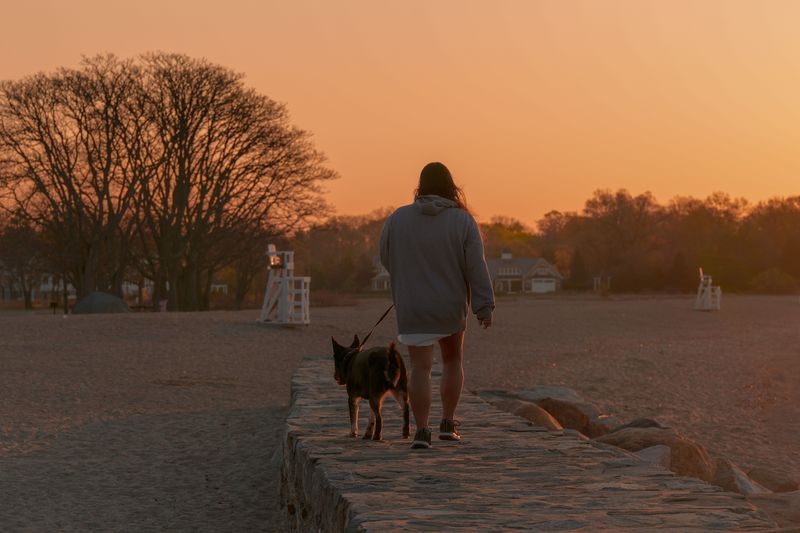
Breakfast can wait a few minutes when the safest walking window opens early. Check local forecasts before choosing your usual route through the neighborhood.
An earlier outing may avoid afternoon heat or developing storms, but forecasts should guide you. Never squeeze in a walk when thunder is already nearby.
Keep the trip suitable for your puppy’s age and energy. Bring water, choose shaded pavement, and head home before conditions become uncomfortable or uncertain for either companion.
2. Potty Breaks Become Shorter and More Flexible
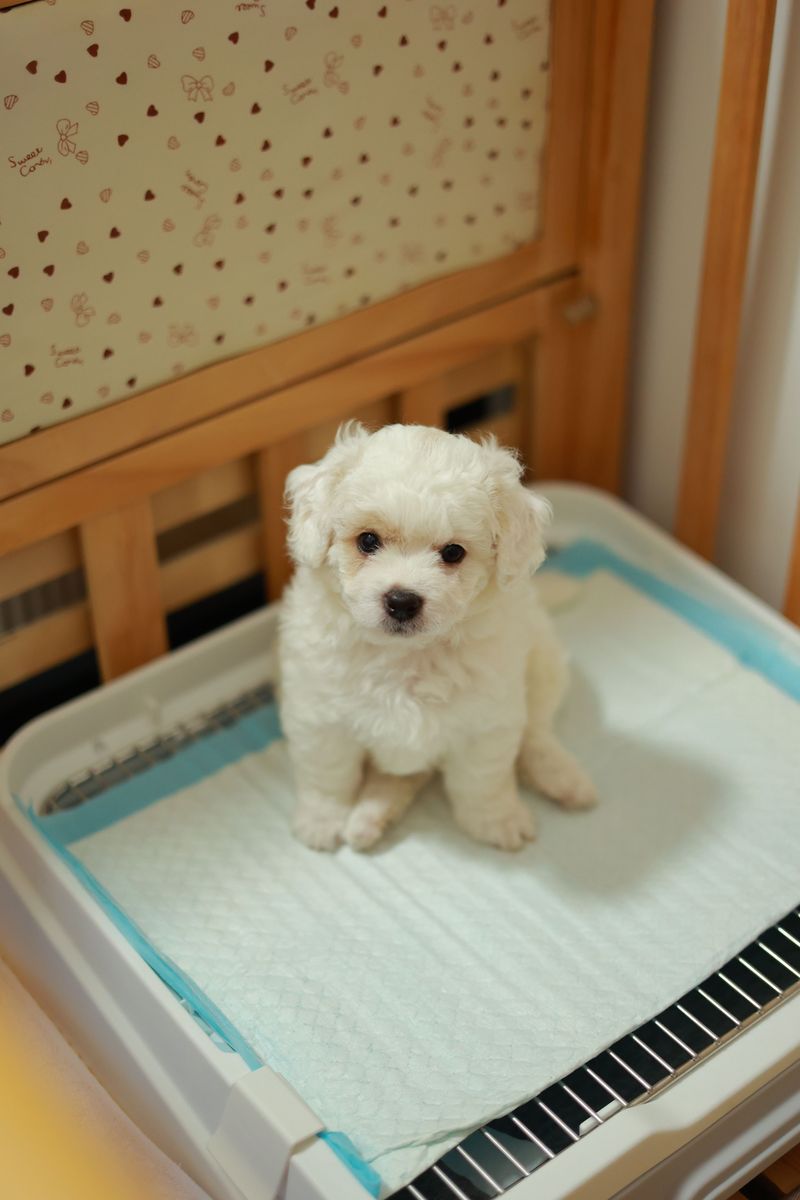
A puppy’s bladder does not follow weather alerts, so backup bathroom options deserve practice. Introduce an indoor grass tray or pads before rough weather arrives.
Reward successful use just as you would outside during ordinary house training. Keep outdoor trips brief when conditions allow, using a nearby familiar spot.
Skip outdoor breaks during dangerous winds, flooding, or thunderstorms. Offer frequent indoor opportunities instead, and clean accidents calmly without punishment while your puppy adjusts to the change.
3. Leash Practice Matters When the Wind Picks Up
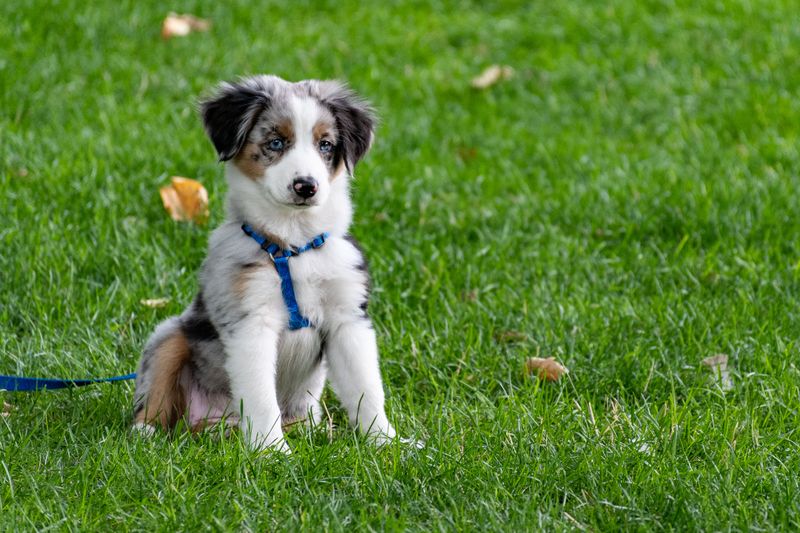
Flapping flags and rolling trash bins can surprise even a confident young dog. Practice calm leash walking during mild weather, well before stronger winds arrive.
Use a properly fitted harness and inspect clips for damage or loose parts. Reward your puppy for checking in instead of chasing leaves or pulling.
Avoid retractable leashes near traffic, debris, or crowded evacuation stops. When wind makes walking unsafe, stay inside rather than treating training as a reason to venture outdoors.
4. Puppy Supplies Need a Hurricane-Season Kit
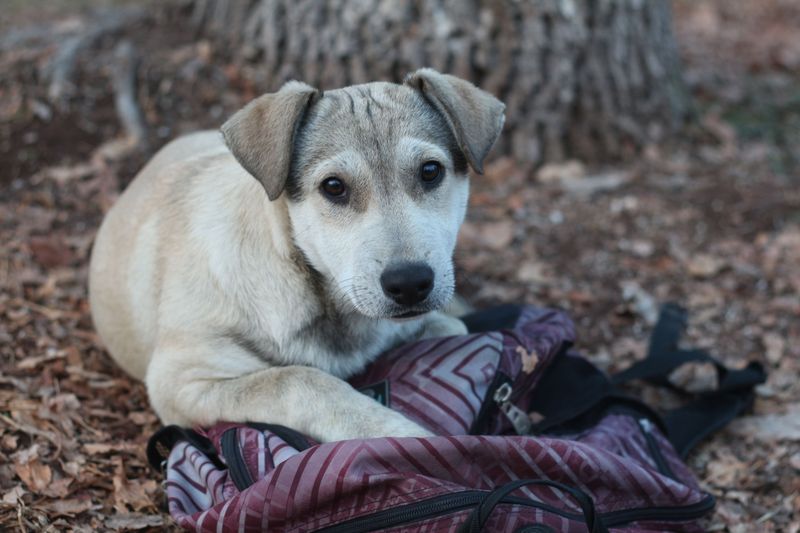
One packed bag can turn a rushed departure into a more organized morning. Gather food, drinking water, bowls, medication, waste bags, towels, and cleaning supplies.
Federal emergency guidance recommends several days of pet supplies in a waterproof container. Include vaccination records, recent photos, and written feeding instructions for another caregiver.
Check expiration dates regularly and replace anything your growing puppy outgrows. Store the kit somewhere accessible, not beneath beach chairs in a crowded garage or storage closet.
5. Crate Training Makes Evacuation Less Stressful
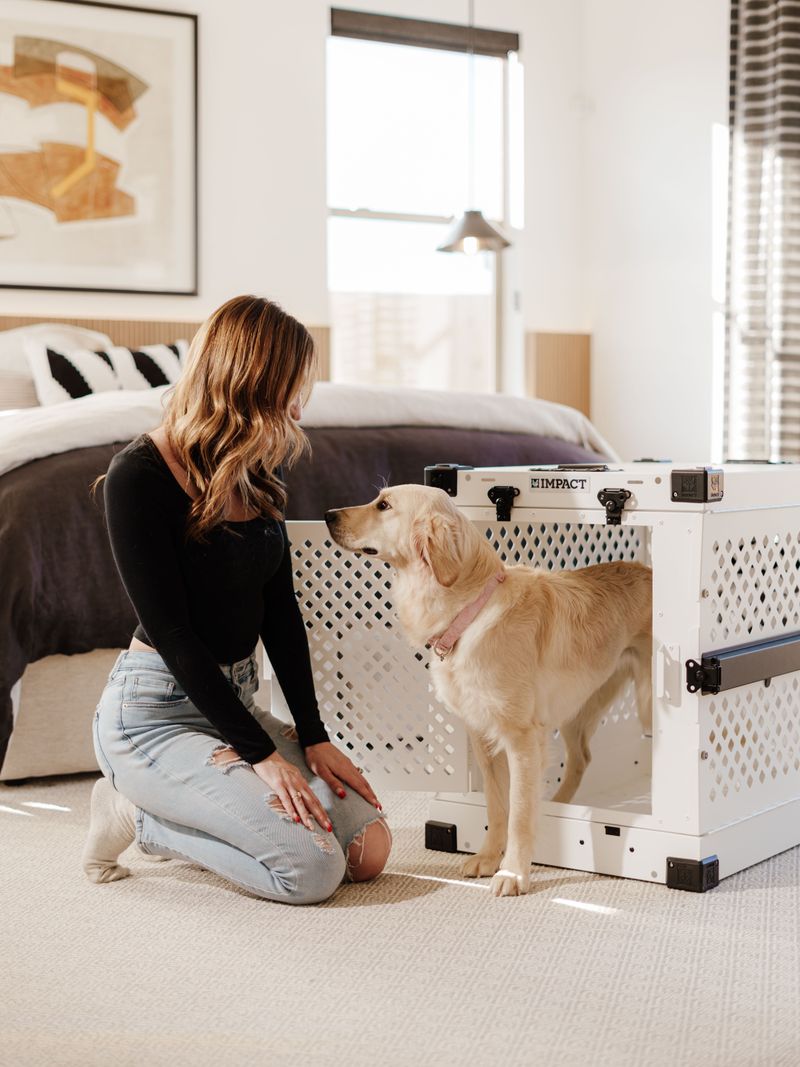
An open crate should feel like a bedroom, not a surprise travel assignment. Let your puppy explore it with treats and comfortable, safe bedding nearby.
Build up from short sessions while you remain close and relaxed. Choose a crate allowing your puppy to stand, turn around, and lie comfortably.
Secure the carrier appropriately during vehicle travel and never leave puppies inside parked cars. Familiar practice helps when evacuation brings unfamiliar rooms, extra noise, or unexpected waiting periods.
6. Indoor Games Replace Long Outdoor Adventures
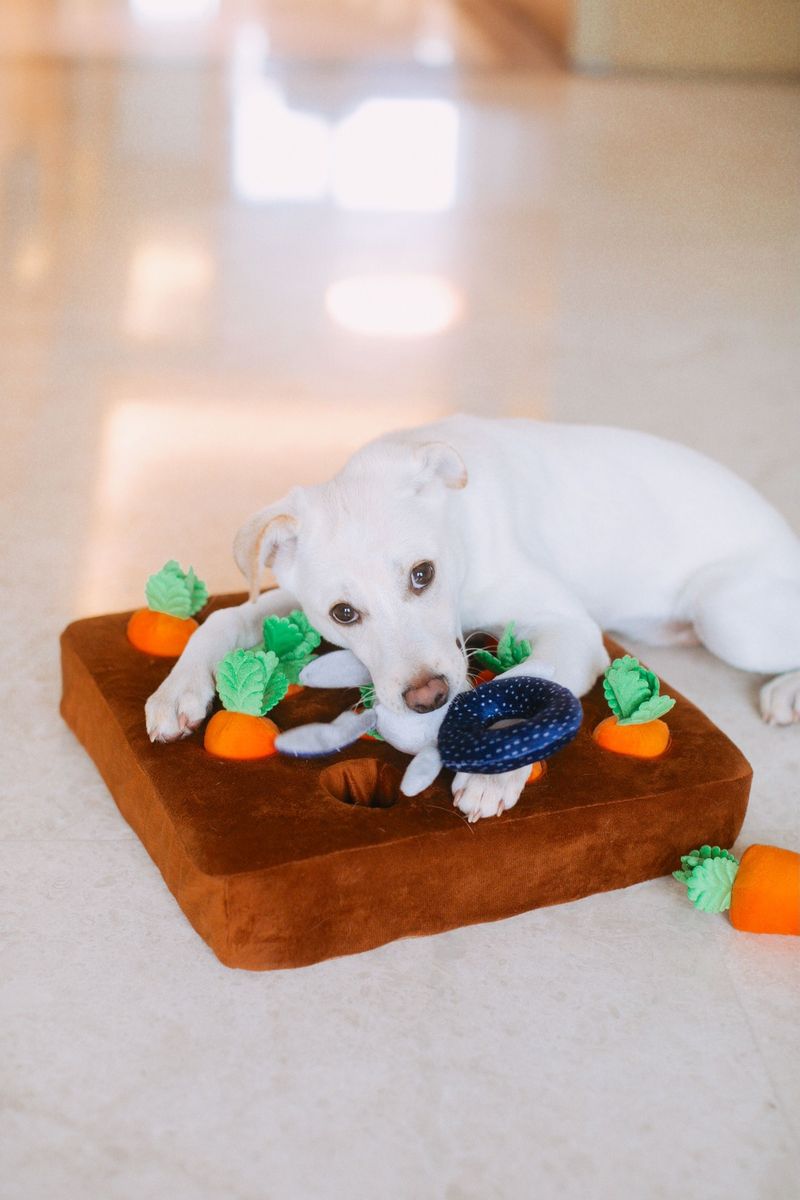
Rainy afternoons can become surprisingly good training time with a little creativity. Hide kibble in a snuffle mat or practice simple cues between naps.
Keep games short because puppies tire quickly, especially when learning something new. Choose toys sized for your puppy and supervise anything that could break apart.
Clear slippery floors before play, and avoid repeated jumping from furniture. A few calm searches often provide better indoor enrichment than turning your living room into a racetrack.
7. Coastal Beaches Are Not Always Safe After a Storm
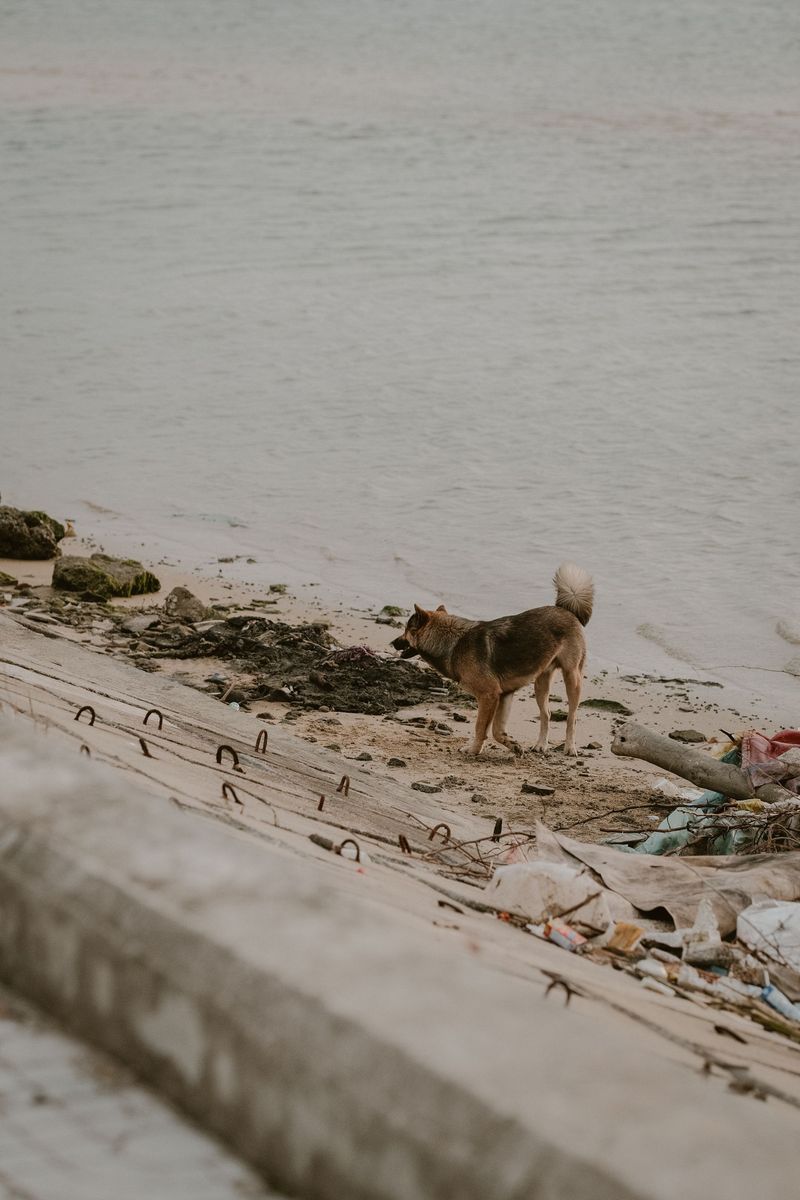
Sunshine returning does not automatically mean your favorite beach is ready for paws. Storms can leave sharp debris, damaged access paths, and unsafe water conditions.
Check local beach closures and North Carolina coastal water quality advisories before visiting. Follow posted restrictions, including seasonal dog rules that vary between coastal towns.
Choose another outing if sand hides debris or the surf looks rough. Keep puppies away from stranded wildlife, and never encourage drinking seawater during beach visits afterward.
8. Fresh Water Deserves Extra Attention
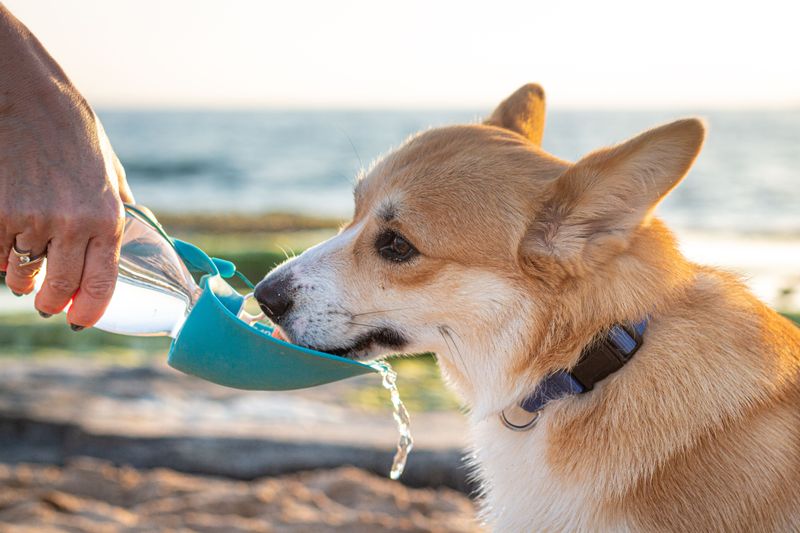
A clean bowl matters even more when power outages interrupt normal household routines. Store drinking water for your puppy alongside your family’s emergency water supply.
Ask your veterinarian how much to reserve for your puppy’s size and needs. Allow extra for warm conditions, spills, cleaning bowls, and possible travel delays.
Follow local drinking water advisories and use bottled water when safety is uncertain. Prevent drinking from puddles, floodwater, pools, or salty creeks, even during very short outdoor breaks.
9. Wet Paws Need a Quick Check After Every Outing
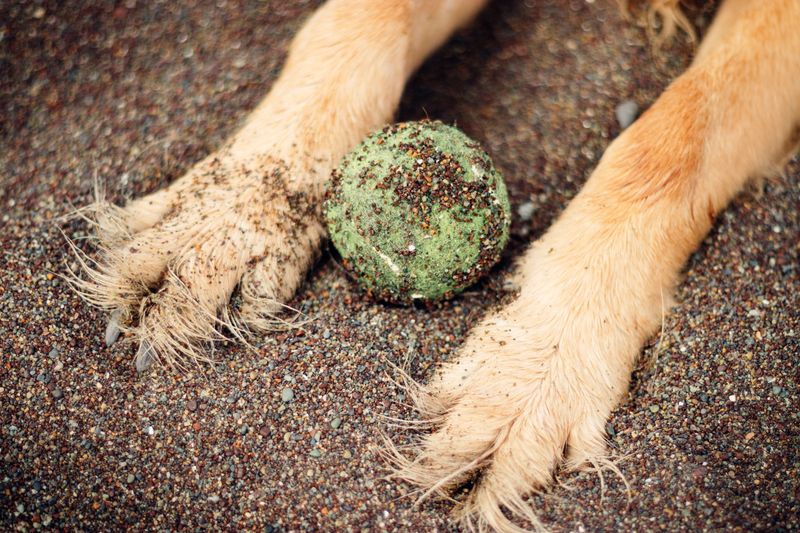
Muddy footprints offer a useful reminder to pause at the door after outings. Check between toes and around paw pads for grit, cuts, or irritation.
Rinse dirty paws with clean water and dry them gently, including between toes. Avoid household disinfectants or other cleaners that are not intended for animal skin.
Contact your veterinarian if limping, swelling, redness, or repeated licking develops afterward. Keep a towel near the entrance so this small inspection becomes an easy daily habit.
10. Thunderstorms Can Change a Puppy’s Behavior
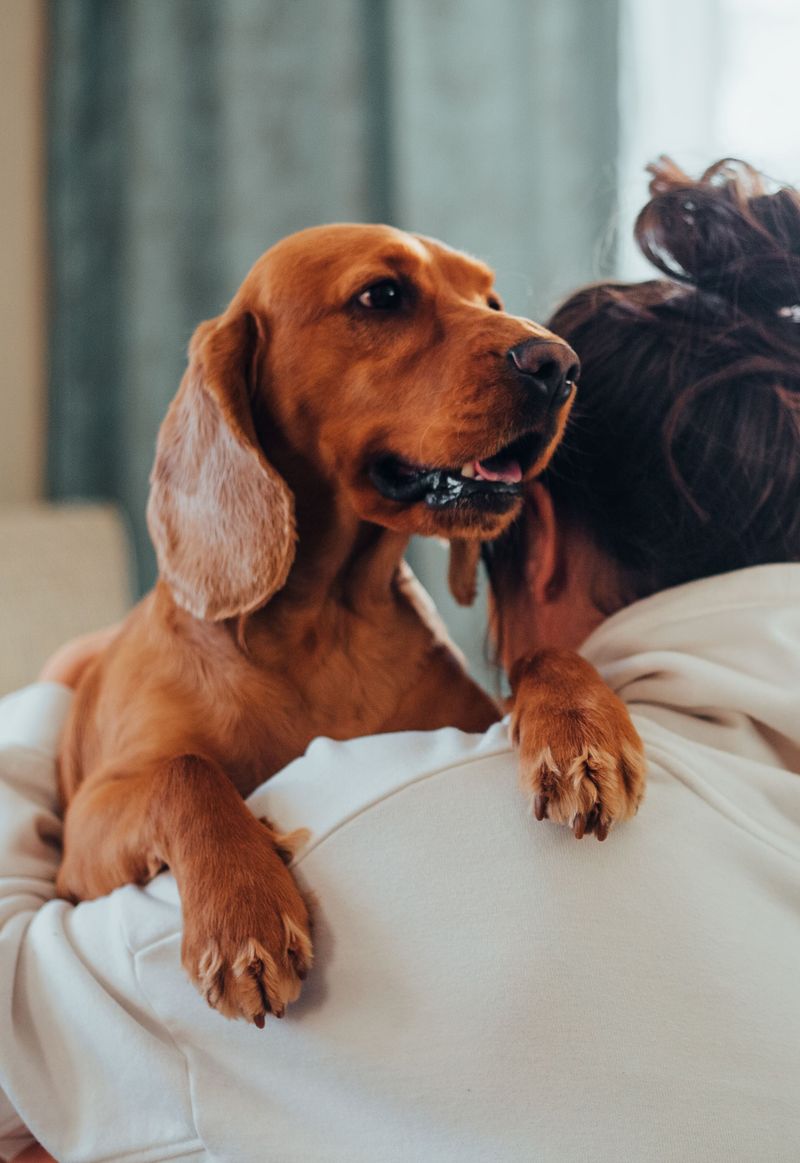
Sudden clinginess may be your puppy’s way of asking for help during thunder. Other puppies pace, hide, pant, or lose interest in their usual games.
Offer a quiet interior space and let your puppy choose comfortable closeness. Calm reassurance is appropriate, and punishment can make frightening experiences harder to manage.
Discuss repeated distress with your veterinarian before the next storm approaches. Never give human calming medicines or leftover prescriptions without specific veterinary instructions for your individual puppy.
11. Outdoor Hazards Can Appear Overnight
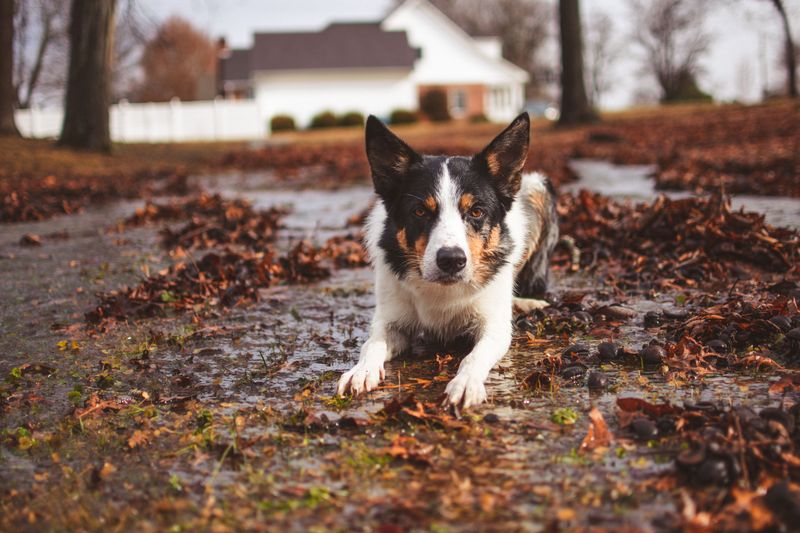
Yesterday’s clear sidewalk may look different after a night of gusty weather. Walk outside alone first when authorities say conditions are safe for returning outdoors.
Look for broken glass, loose branches, displaced chemicals, and damaged fencing nearby. Stay away from downed wires and report them to the utility or emergency authorities.
Keep your puppy indoors while checking, rather than letting curiosity lead ahead. Select a different route whenever cleanup equipment, unstable trees, or scattered debris blocks safe passage.
12. Evacuation Plans Must Include Pet-Friendly Stops
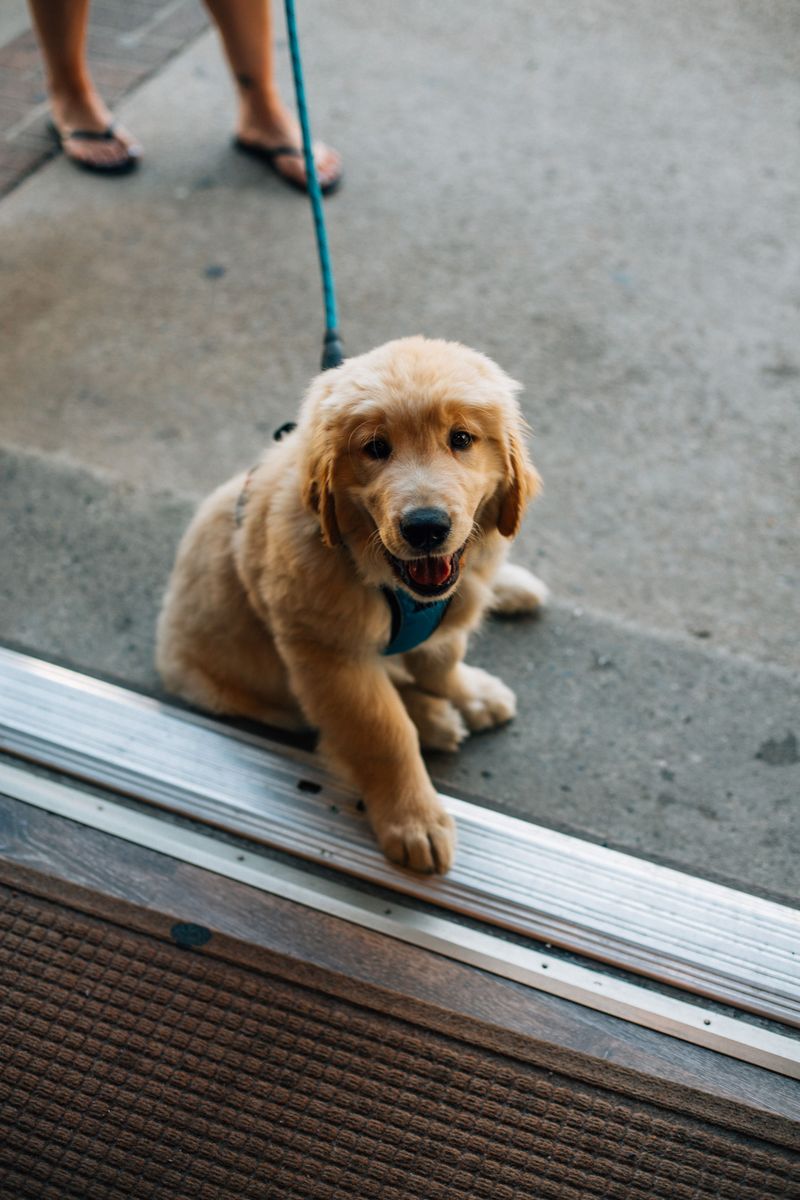
A hotel that welcomes dogs today may have different availability during an evacuation. Identify several inland options and confirm their current pet policies before leaving.
Ask about puppy restrictions, fees, vaccination records, and whether pets can remain unattended. County shelter arrangements vary, so verify pet accommodations through local emergency management.
Leave when officials direct your area to evacuate, bringing your puppy with you. Keep carriers and supplies ready, and allow extra time for traffic, feeding, and safe bathroom stops.
13. Identification Becomes Even More Important
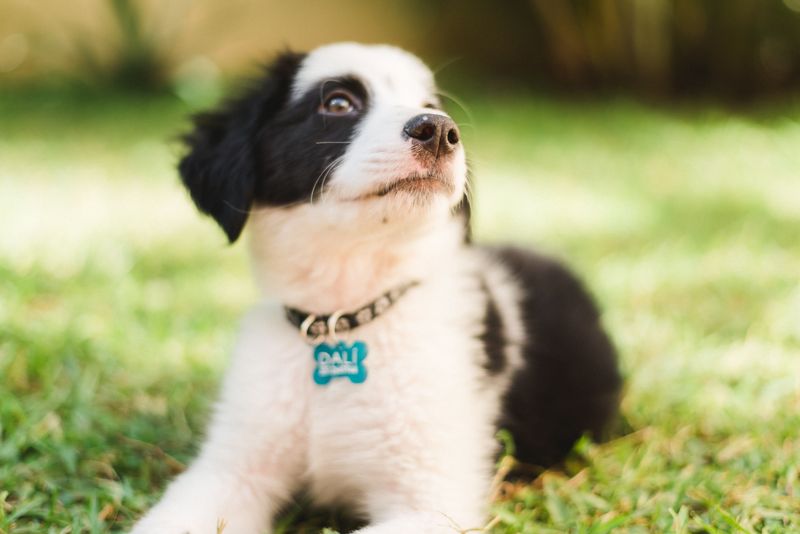
Doors open more often when families load cars and move storm supplies around. Check that your puppy wears a fitted collar with readable contact information.
Ask your veterinarian about microchipping, and keep the chip registration details current. A microchip is not a tracking device, so tags remain useful for quick contact.
Save clear recent photos showing your puppy’s face and distinctive markings. During travel, add a reachable phone number and keep identification attached whenever safely possible outside confinement.
14. Veterinary Planning Should Happen Before the Forecast Turns Serious
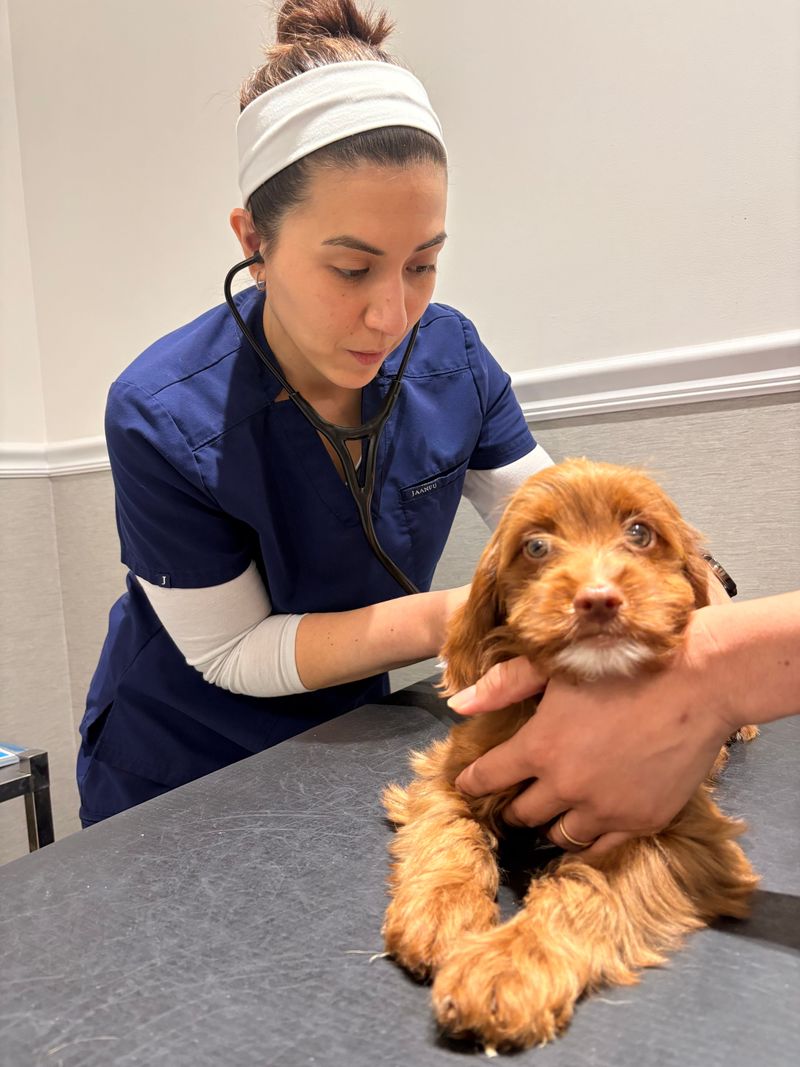
Calling your clinic early beats searching for records while packing the car. Review vaccinations, parasite prevention, prescriptions, and any concerns about traveling with your puppy.
North Carolina generally requires rabies vaccination for dogs four months old and older. Ask your veterinarian about your puppy’s schedule and keep proof with travel documents.
Save contact details for your regular clinic and an inland emergency hospital. Ask how to store medications safely during outages, especially anything requiring refrigeration or special temperature control.
15. Feeding Routines May Need a Travel-Friendly Backup
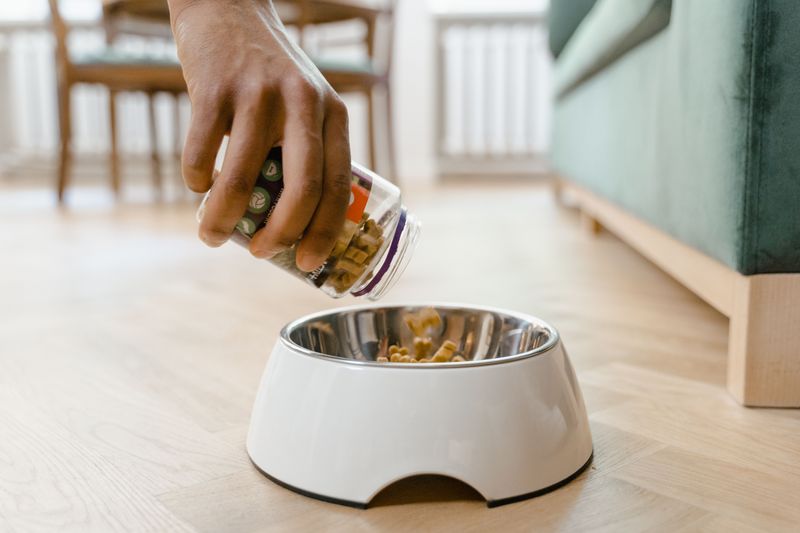
Familiar meals provide a useful anchor when everything else feels slightly different. Pack your puppy’s regular food in sealed containers, with portions measured for convenience.
Bring the usual bowl and write down feeding times for anyone helping. Sudden food changes can upset digestion, so avoid relying on whatever stores have available.
Ask your veterinarian about safe storage if your puppy eats refrigerated food. Keep treats modest during travel, and seek advice if appetite changes accompany vomiting, diarrhea, or unusual tiredness.
16. A Secure Yard Is More Important Than Ever
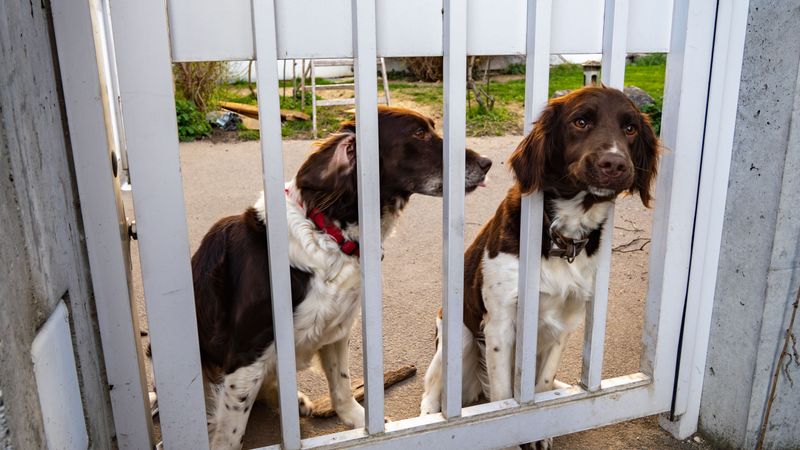
A latched gate can loosen after repeated wind, even when fencing looks normal. Inspect posts, panels, hinges, and gaps before allowing your puppy into the yard.
Bring loose toys, bowls, and lightweight equipment inside before stronger weather arrives. Supervise bathroom visits and use a leash if the enclosure’s security is uncertain.
Never leave your puppy outside to ride out a storm alone. Once conditions improve, check the entire boundary again before returning to your usual supervised backyard play routine.
17. Socialization Can Continue Without Risky Outings
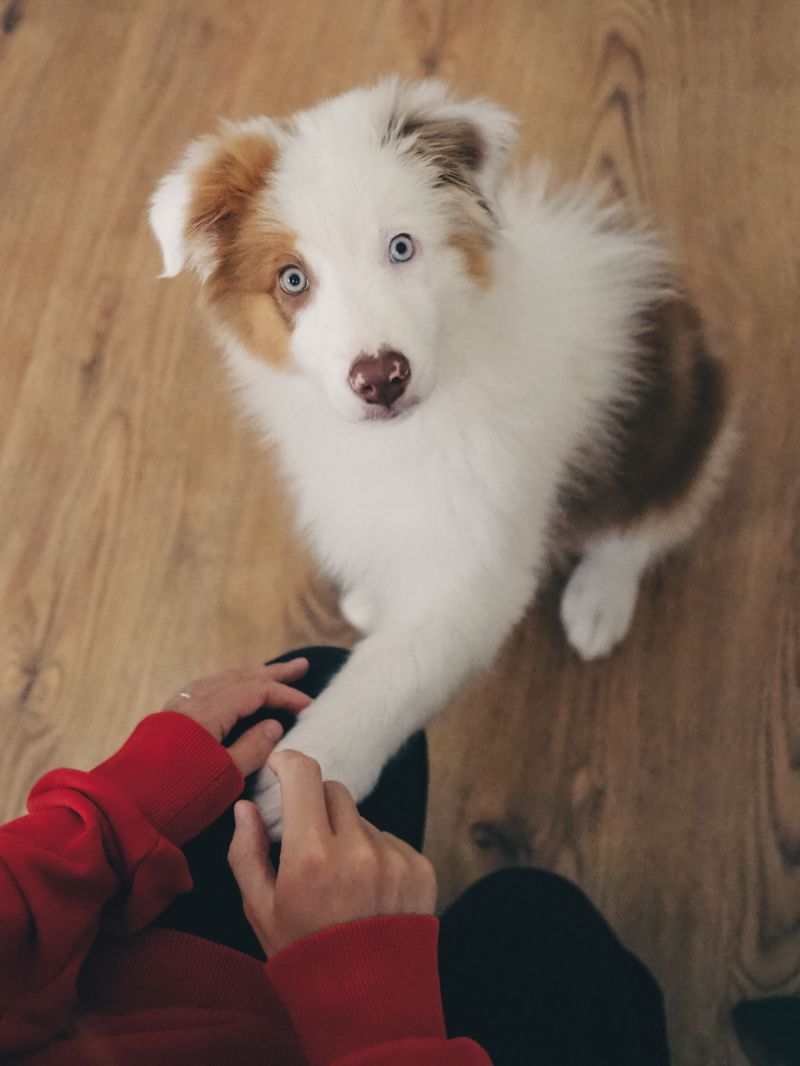
Meeting the world does not require a busy boardwalk or crowded dog park. Safe indoor experiences can help your puppy discover new sounds, surfaces, and people.
Introduce one manageable change at a time, pairing it with treats or play. Let your puppy move away instead of forcing greetings or close contact.
Ask your veterinarian which outings fit your puppy’s vaccination status and local risks. During storm disruptions, calm observation from home can preserve learning without adding unnecessary travel or pressure.
18. Floodwater Is a Reason to Change the Walking Route
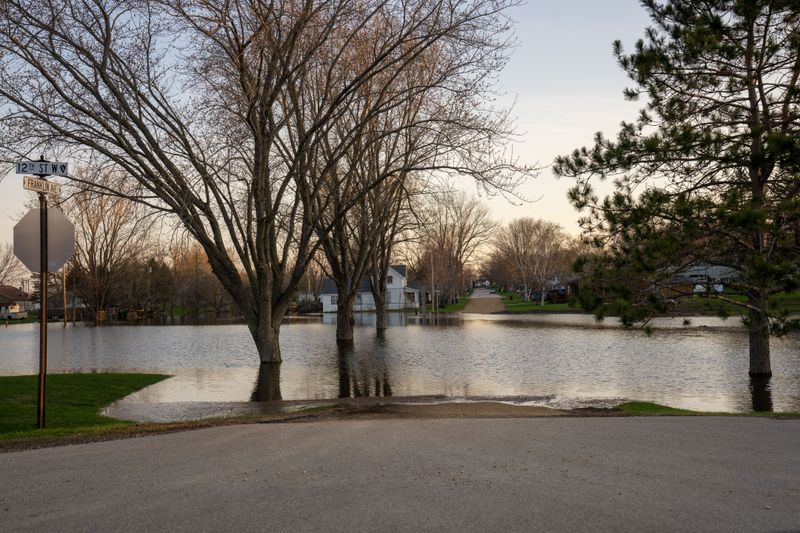
That shallow looking puddle across the street may hide more than muddy pavement. Floodwater can contain sewage, chemicals, sharp objects, and germs that affect animals.
Choose dry routes and never let your puppy wade, swim, or drink there. Do not drive through flooded roads to reach a favorite walking spot.
If contact happens, rinse your puppy with clean water and contact your veterinarian for guidance. Mention any swallowed water, skin irritation, stomach problems, or changes in energy afterward.
19. Quiet Rest Helps Puppies Handle Disrupted Days
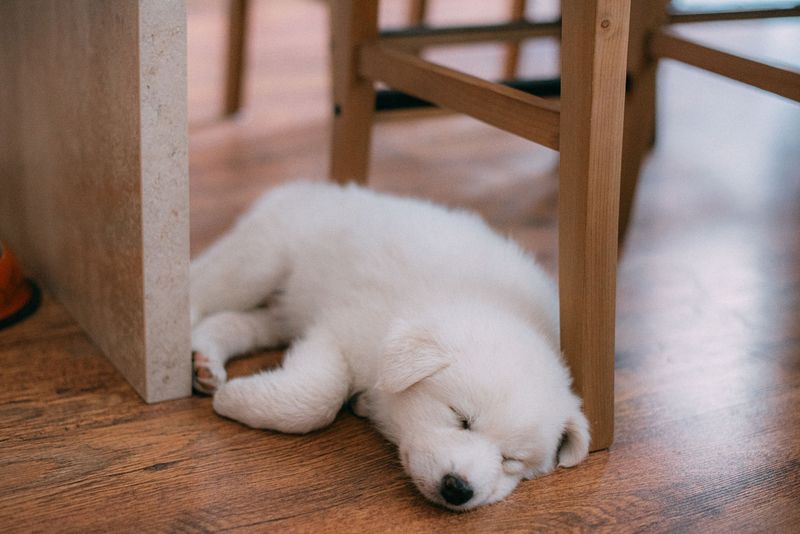
Busy packing days can leave a puppy tired long before bedtime arrives. Protect regular naps by setting up a quiet space away from household activity.
Use familiar bedding when safe, and keep the room comfortable during power interruptions. Watch for overheating, especially if air conditioning stops and indoor temperatures rise.
Offer water and move to a cooler safe location when needed. Avoid running generators indoors or near openings, since their exhaust creates a serious hazard for everyone sharing the space.
20. The Routine Returns Gradually After the Storm
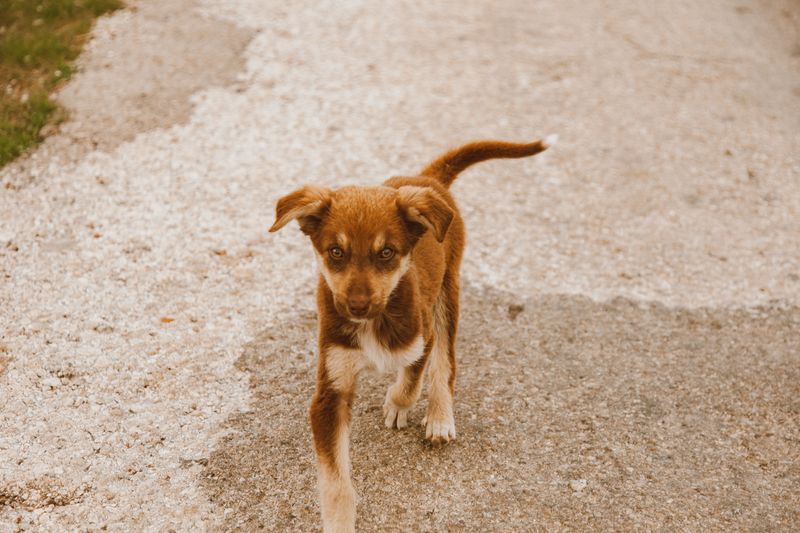
Recovery starts with small familiar moments, not an immediate return to every activity. Wait for local guidance before visiting beaches, parks, or areas affected by flooding.
Bring back normal walks gradually while watching your puppy’s comfort, appetite, and energy. Keep meals and naps predictable, even if repairs continue around your home.
Contact your veterinarian about ongoing behavior changes or physical concerns after the disruption. A checked route, packed bag, and patient routine make tomorrow feel manageable, one paw at a time.