20 Things Only Michigan Dog Owners Understand About Lake Season
When the ice finally melts and the sun returns, Michigan dogs seem to know exactly where they are headed. Lake season here is full of sandy paws, splashy swims, and happy car rides to the water.
It also comes with a few local quirks that every owner learns over time. Here is a friendly guide to what makes summer by the lake so special, plus simple tips to keep your pup safe and smiling.
1. Sand That Sticks Around for Days
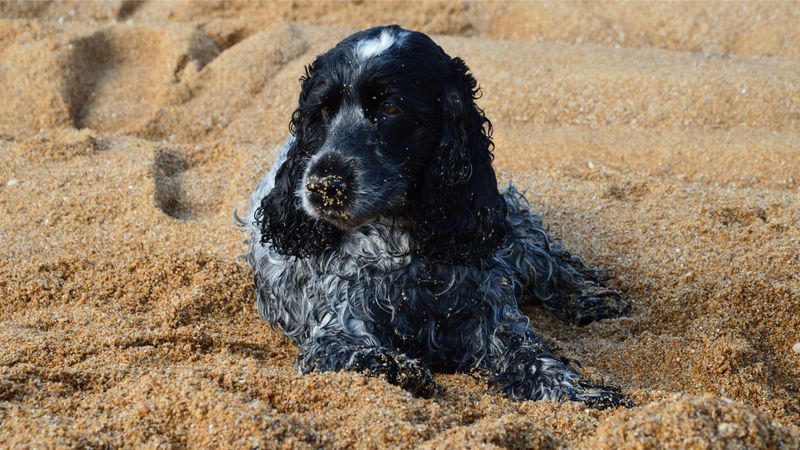
You gave your dog a bath, yet somehow sand still falls out on Tuesday. Great Lakes beaches have very fine sand that clings to fur like glitter.
A quick rinse with fresh water before you leave helps a lot. Then brush your dog once the coat is fully dry, since dry sand slips out easier.
Check between toes and inside ears too. Those hidden spots trap grains that can rub and cause irritation.
2. The Fearless Plunge Into Icy Water
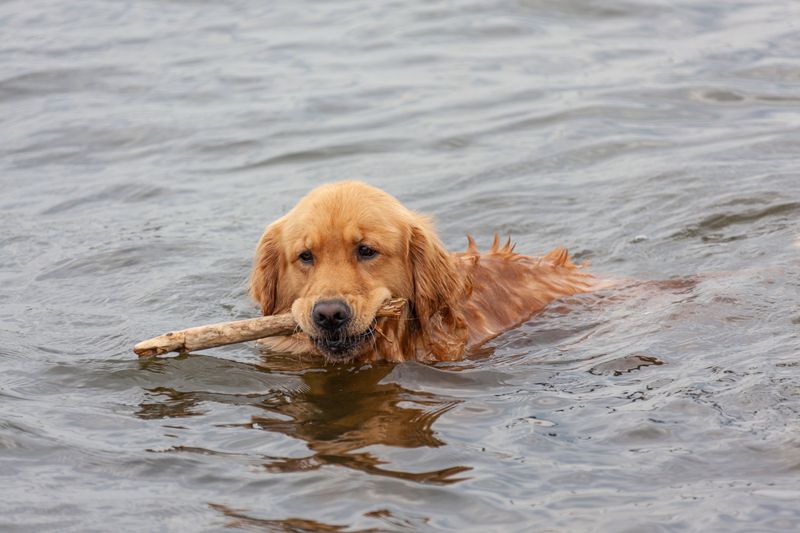
Early June, the water feels like ice cubes, and your Lab charges in anyway. Many Michigan dogs simply do not care about the cold.
Still, chilly water can tire a dog quickly. Small breeds, seniors, and thin-coated pups lose body heat faster than others.
Keep early season swims short and watch for shivering. Dry your dog well afterward, and offer a warm blanket in the car for the ride home.
3. Weekends Built Around the Cottage
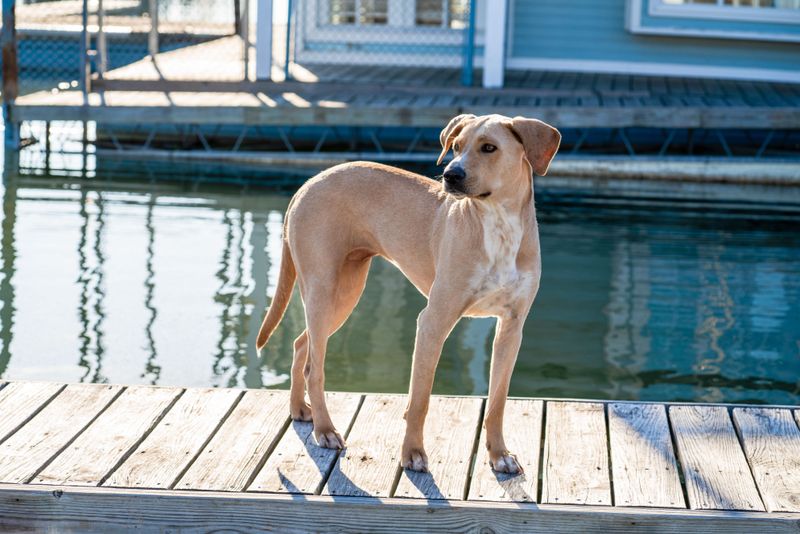
Ask a Michigan family about summer plans, and the answer is often just one word: cottage. Dogs learn this word fast.
Up north trips are a tradition for many households. Your pup becomes part of those memories, from dock naps to campfire evenings.
Pack a dedicated dog bag so nothing gets forgotten. Include food, bowls, medications, a leash, vaccination records, and a familiar bed to help your dog settle in.
4. A Trunk Full of Towels
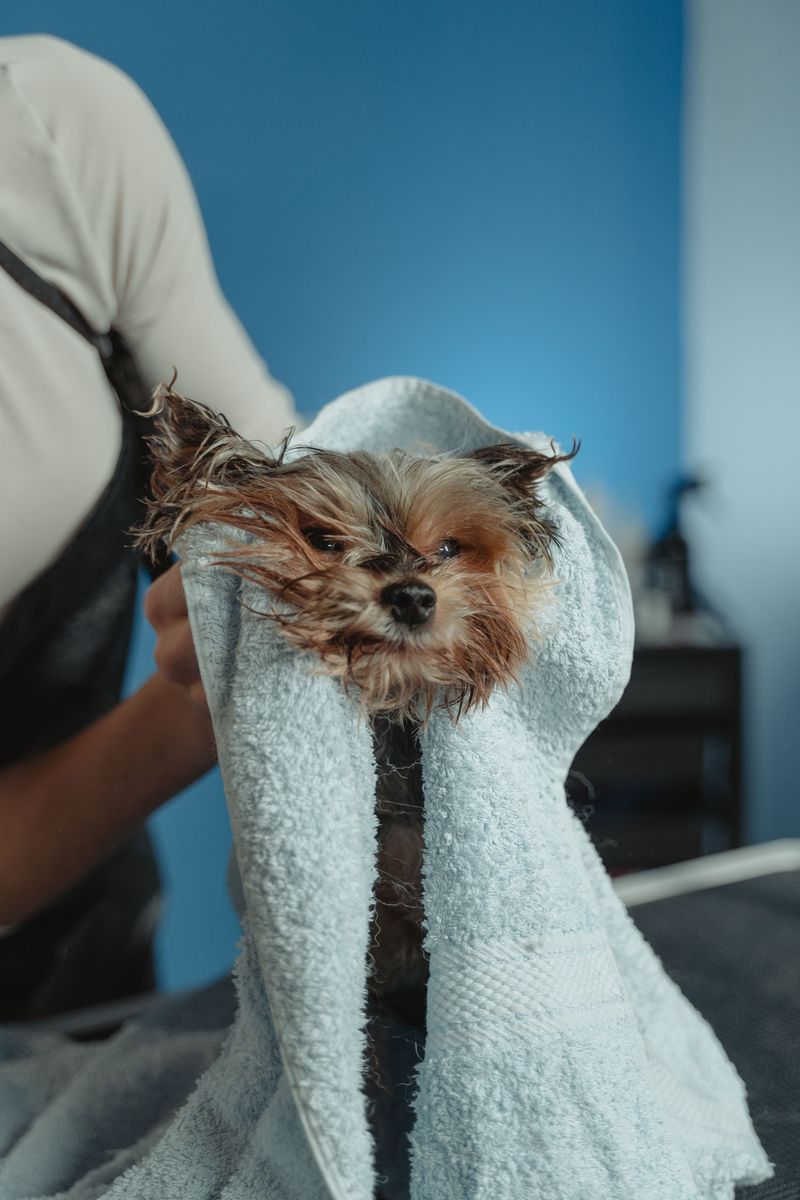
Seasoned owners never travel without a towel stash. Two is a start, but four or five feels much safer.
Wet sand does not brush away easily, so towels become your first line of defense. Use one to blot fur, one for paws, and one to cover the seat.
Save a small soft towel for ears. Drying ears gently after swimming may help lower the chance of ear infections, especially in floppy-eared breeds.
5. Knowing Where Dogs Are Welcome
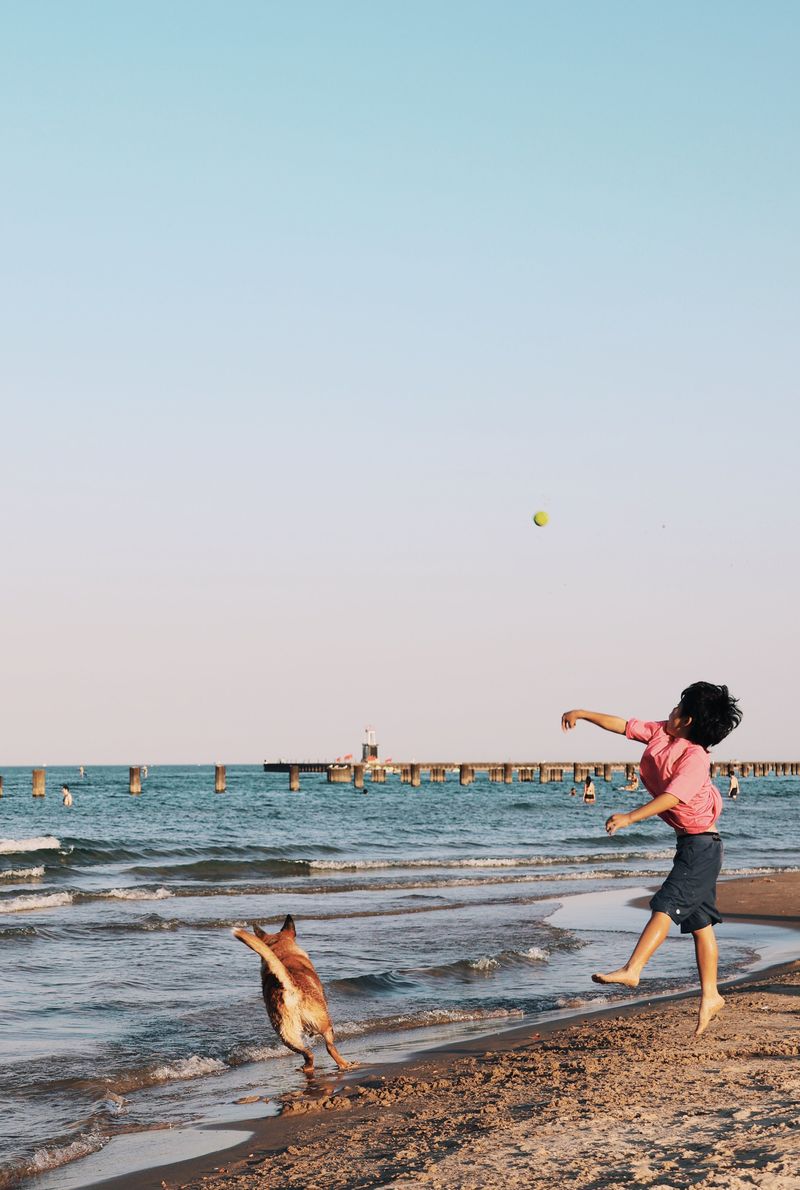
Not every sandy shore says yes to paws. Locals quickly learn which spots welcome dogs and which do not.
Many Michigan state parks allow pets on parts of the shoreline, but usually not in designated swim areas. Places like Warren Dunes and Tawas Point have marked pet-friendly sections.
Rules can change, so check the park website before you go. Always read signs at the beach entrance too, since local beaches set their own policies.
6. Bugs, Ticks, and Biting Flies

Here is a lake fact nobody puts on postcards: bugs love the water too. Mosquitoes, ticks, and stable flies can all show up.
Ticks often hide in tall grass and along dune and forest edges. A quick tick check each evening is a smart habit.
Look around ears, collars, armpits, and toes. Ask your veterinarian about tick and flea prevention that fits your dog, and never use human bug spray without vet approval.
7. The Endless Seagull Chase
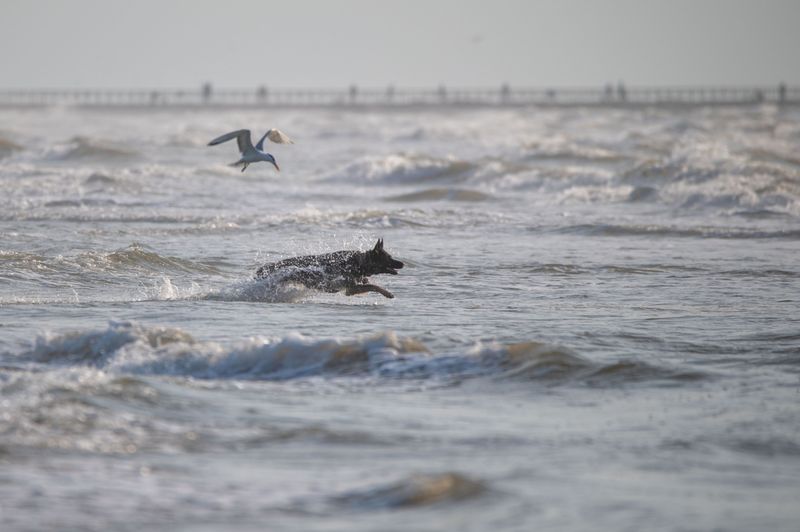
Gulls land. Dog runs.
Gulls lift off. Dog looks shocked.
Repeat about fifty times before lunch.
It is funny to watch, but chasing wildlife is best avoided. Birds need space to rest and feed, and some shorelines protect nesting species.
A leash and a few tasty treats can redirect that energy. Practice a solid leave it cue at home first, so it works better when the beach gets exciting.
8. A Life Jacket for Every Pontoon Ride
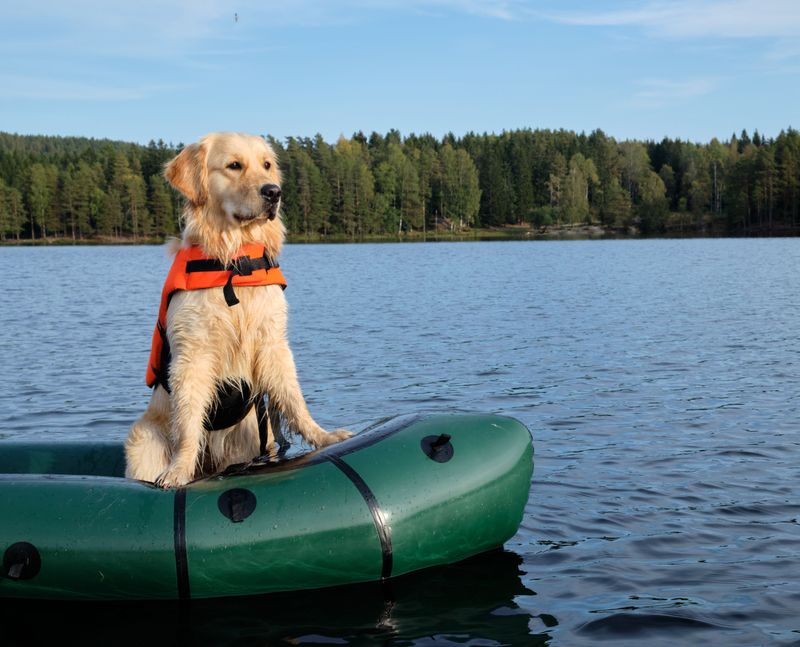
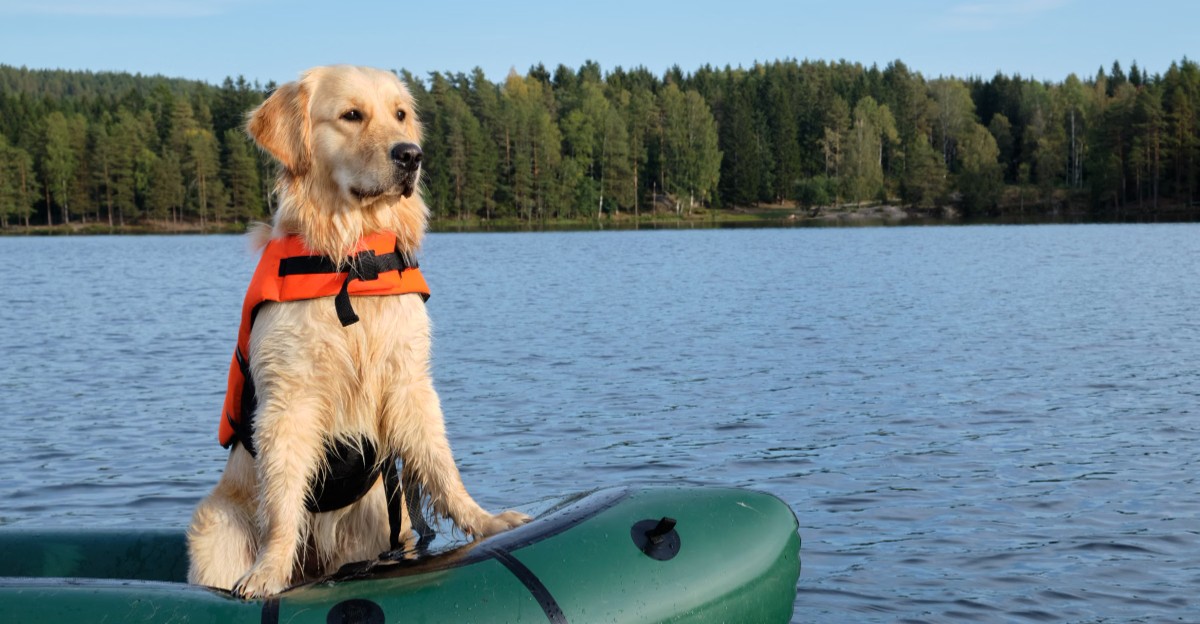
Strong swimmer or not, every dog deserves a life jacket on the boat. No federal law requires one, but safety experts strongly recommend it.
Look for a snug fit and a sturdy handle on the back. That handle makes lifting your dog from the water much easier.
Let your pup wear the jacket at home first. A little practice helps it feel normal before the pontoon pulls away from the dock.
9. The Car Becomes a Sandbox
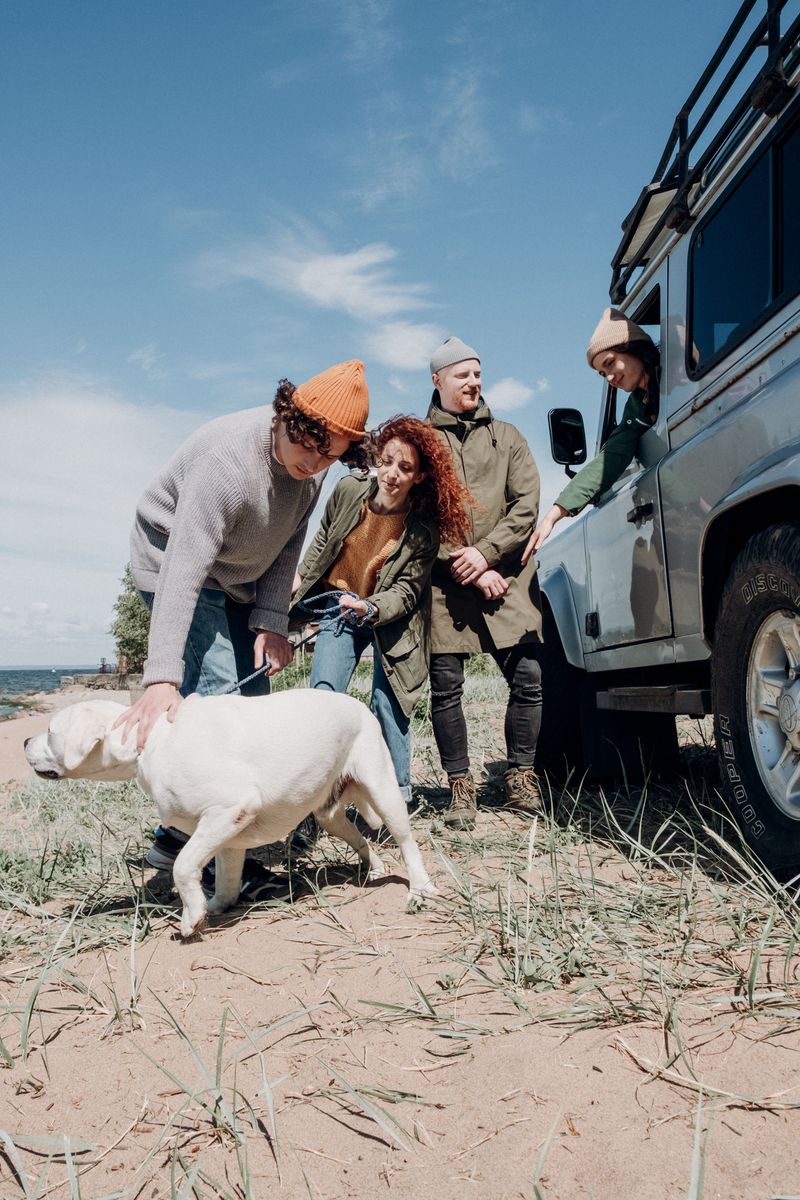
By August, your back seat could pass for a small dune. Every Michigan dog owner knows this feeling.
A waterproof seat cover or cargo liner saves a lot of scrubbing. Rubber floor mats are easy to shake out at the end of the day.
Keep a small handheld vacuum at home for quick cleanups. Doing a short sweep after each trip beats tackling a giant sandy mess in September.
10. Watching for Blue-Green Algae
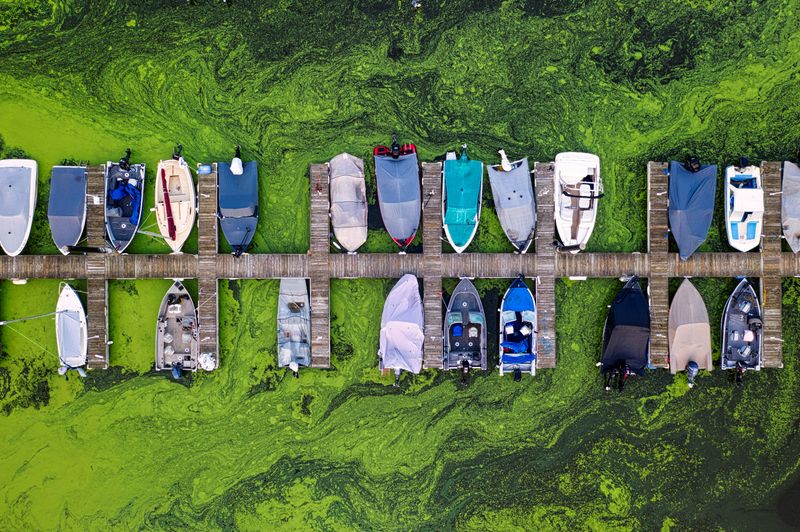
Calm, warm inland lakes can sometimes grow harmful algal blooms, especially from July through October. They may look like green scum, paint-like streaks, or floating mats.
You cannot tell if a bloom is harmful just by looking. When water looks discolored, keep your dog out and away from drinking it.
Michigan EGLE offers a map of reported blooms. If exposure seems possible, rinse your dog with clean water and call your veterinarian right away.
11. Boat Day Excitement
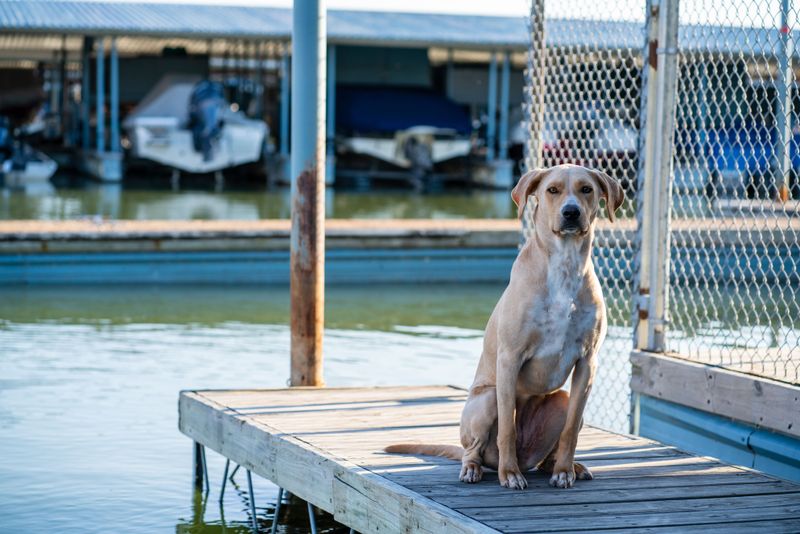
The trailer hitch clicks, and suddenly your dog is spinning in circles. Boat day has arrived, and everyone knows it.
That joy is wonderful, but excited dogs can slip on docks or jump too early. A calm routine helps keep things smooth.
Ask your dog to sit before boarding. Reward patience with praise, then step on together.
Over time, that settled start becomes a happy habit.
12. Hunting for Quiet Swimming Spots
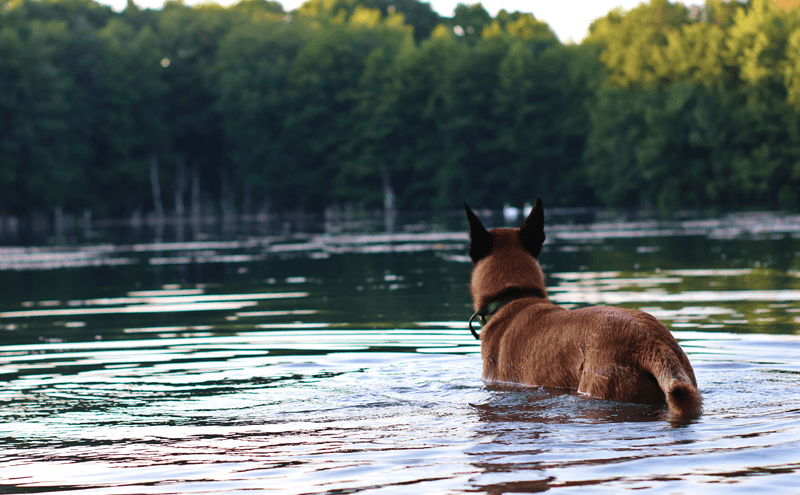
Crowded beaches on a July Saturday are not every pup’s idea of fun. Many owners go searching for calmer water.
State parks often have pet-friendly stretches away from busy swim zones. Some state forest areas and public access sites may also work, depending on local rules.
Timing helps as much as location. Early mornings and evenings tend to be quieter, cooler, and easier on sensitive paws and nervous dogs.
13. Weather That Changes Its Mind
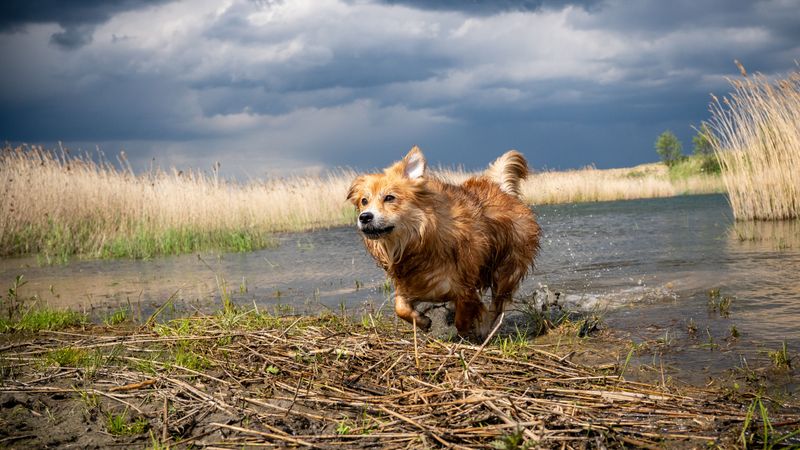
Sunny at breakfast, stormy by noon. Michigan weather loves a plot twist, especially near big water.
Pack for both extremes. Bring plenty of fresh water, shade, and a cooling mat for hot days, plus a towel or jacket for chilly turns.
Hot sand can hurt paws at midday, so test it with your hand. If thunder rolls in, head indoors with your pup until the storm passes.
14. The Driftwood Inspector
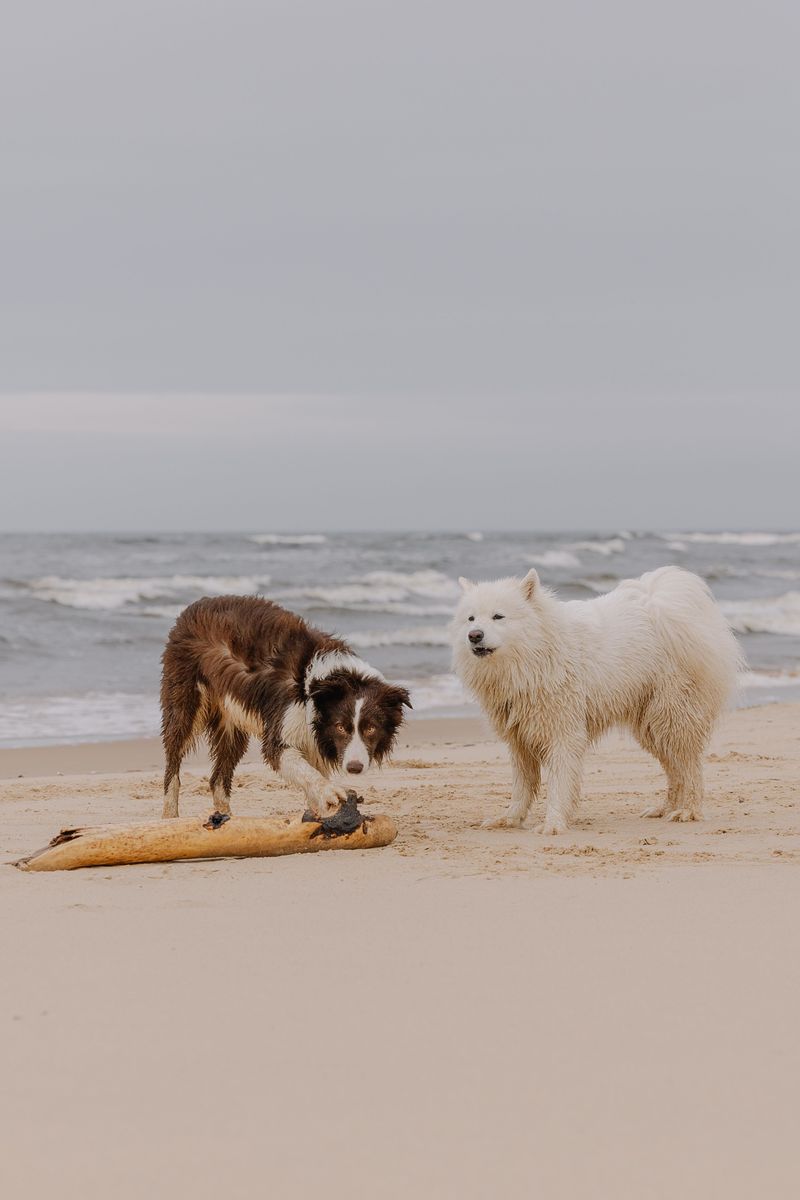
To your dog, every log on the beach is a mystery novel. Each one gets a long, careful sniff.
Exploring driftwood is mostly harmless and great for the brain. Sniffing actually helps dogs relax and burn mental energy.
Chewing is another story. Old wood can splinter, and shorelines hide fishing hooks or trash.
Swap a sturdy floating toy in when your pup starts gnawing.
15. Respecting Big Waves and Currents
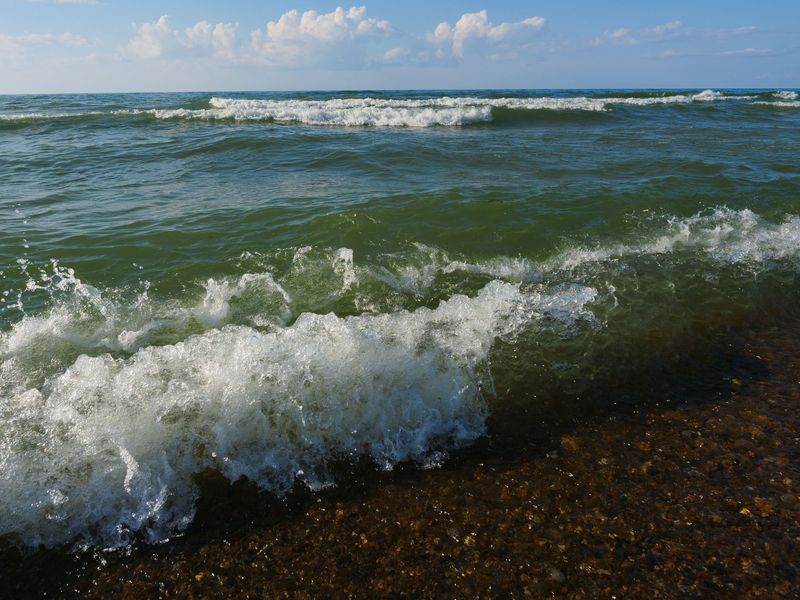
The Great Lakes may be fresh water, but they can act like an ocean. Rip currents and strong waves happen here.
Areas near piers and breakwalls can have powerful currents. Check beach flags and local forecasts before letting your dog swim.
A simple rule works well: if conditions are unsafe for people, they are unsafe for dogs. Never swim out after a struggling pet.
Call for help instead.
16. Keeping the Cottage Sand-Free
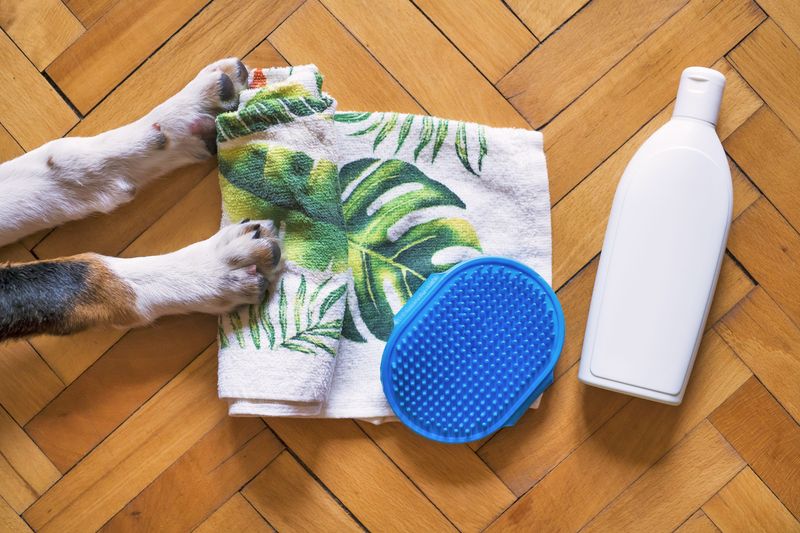
Sweeping the cottage floor becomes a daily ritual by midsummer. Tiny paws carry a surprising amount of beach inside.
Set up a paw station by the door. A bucket of fresh water, a soft towel, and a thick mat go a long way.
Some families use a portable paw washer cup. Others keep a garden hose ready.
Either way, a consistent routine keeps floors happier and cleanups quicker.
17. Good Manners Around Docks and Swimmers
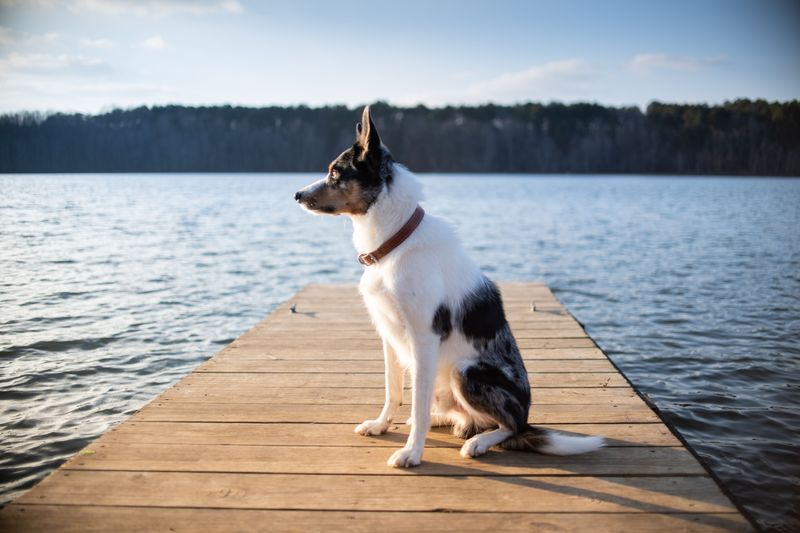
Picture a peaceful dock, a few kayakers, and a dog sitting politely nearby. That calm scene takes some practice.
Not everyone wants a wet pup visit. Keep your dog close and ask before letting it greet people or other pets.
Short training sessions at the dock help a lot. Practice sit, stay, and come with treats.
Reward calm behavior when boats pass or swimmers splash.
18. Leash Rules and Protected Shores
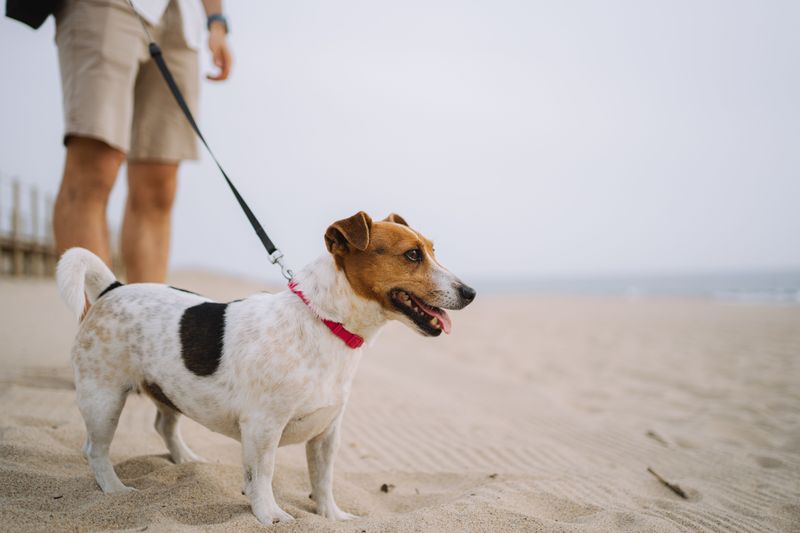
Leash rules are part of lake life here. Michigan state parks generally require dogs on a leash no longer than six feet.
Some shorelines protect sensitive wildlife, like piping plover nesting areas. These spots may be closed to pets during certain months.
City and township beaches set their own rules, which vary widely. Check local signs or the managing agency before visiting so your day stays stress-free.
19. The Great Refusal to Leave
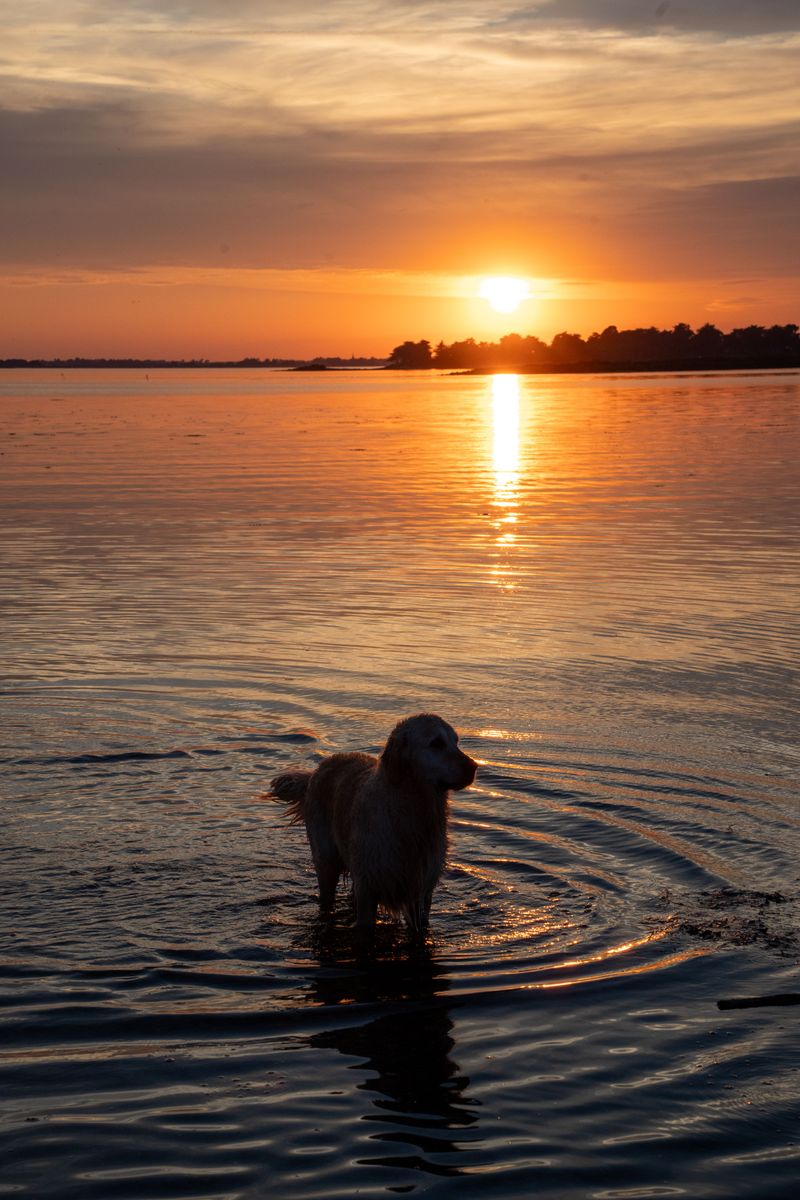
You call your dog’s name. Your dog hears you clearly and wades out a little farther.
Sound familiar?
Many water-loving pups treat leaving like a betrayal. A little planning makes the exit easier for everyone.
Give a five-minute warning with one last fetch. Then reward coming out with a special treat saved only for the beach.
Soon, leaving the water earns something worth celebrating.
20. Soaking Up Every Warm Day
Michigan summers feel short, so every warm day counts. Owners know the cold will return all too soon.
Many people squeeze in evening swims after work or quick weekday beach trips. September often brings calmer beaches, still decent water, and fewer crowds.
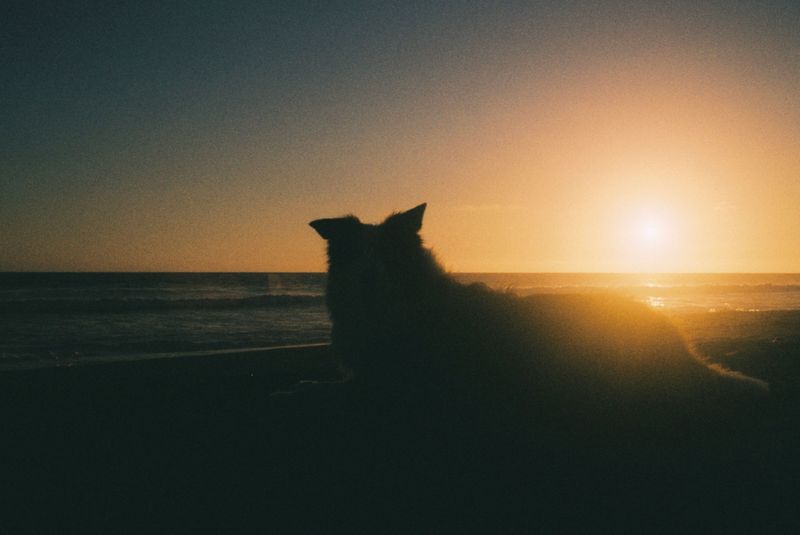
Snap photos, try a new shoreline, and enjoy slow sunsets with your pup. Those simple moments keep you both smiling through the long winter ahead.