16 Things To Check Before Taking A Dog Into Washington Wildlife Areas
A quiet trail can cross nesting grounds, seasonal closures, or land with different dog rules just around the bend. Washington wildlife areas protect animals first, so bringing your dog takes a little more planning than visiting a neighborhood park.
A few smart checks can prevent a wasted drive and keep curious noses out of trouble. Here’s how to make room for sniffing while respecting the wild residents.
1. Check Whether Dogs Are Allowed in the Wildlife Area
That inviting path might have rules your neighborhood park never needs. Washington wildlife areas can include several units with different restrictions.
Start with the Washington Department of Fish and Wildlife website. Find the exact property and unit, then read its current visitor information.
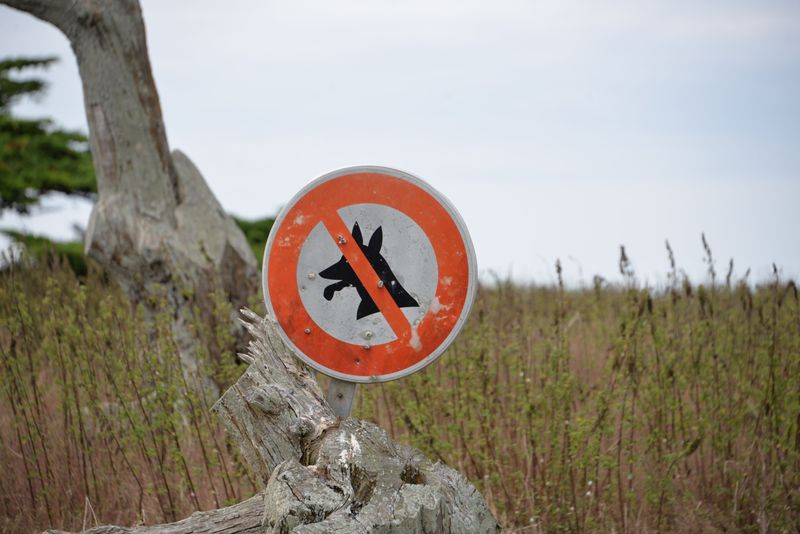
Check posted signs when you arrive, too. If dog access remains unclear, contact the managing office before leaving home.
Never assume a nearby trail follows the same rules as your chosen wildlife area.
2. Confirm Seasonal Closures and Access Restrictions
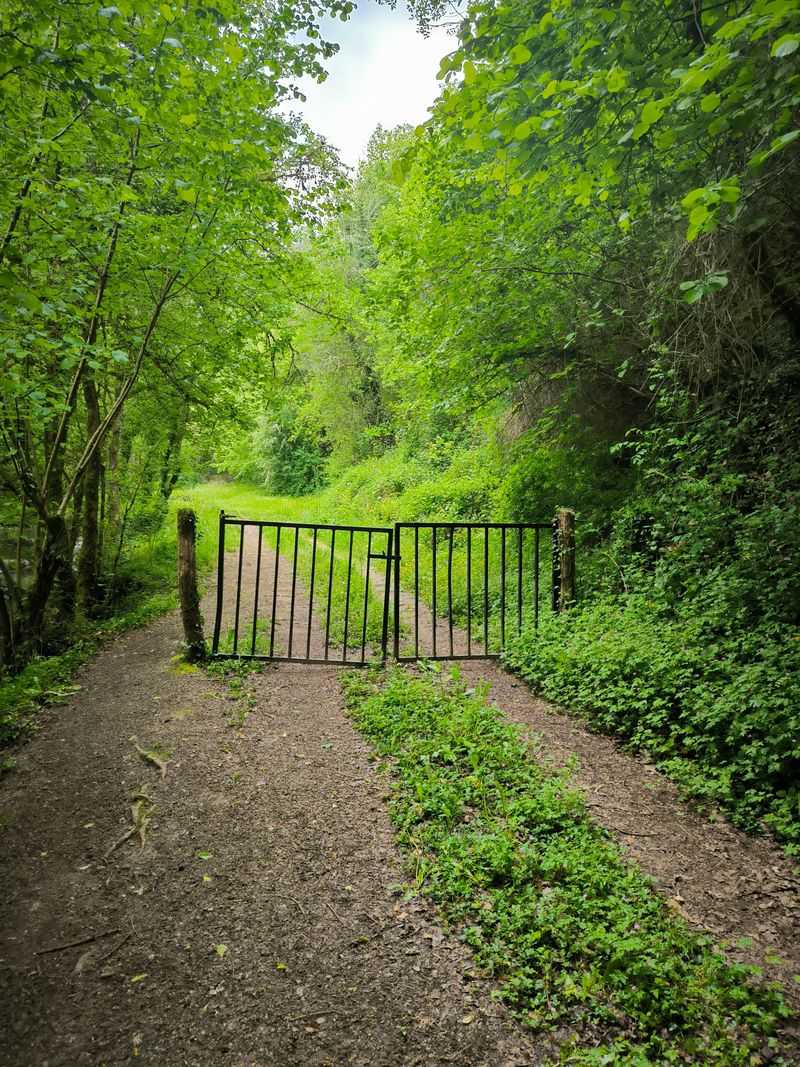
A gate that opened last summer may stay closed this spring. Seasonal limits can protect nesting birds, wintering animals, or recovering habitat.
Review the unit page and current WDFW closure notices shortly before your trip. Wildfires, flooding, and road damage can also change access quickly.
Look beyond the main entrance when reading notices. A road, shoreline, or single trail may close while other sections remain open.
Keep an allowed backup destination ready before packing the leash.
3. Review Leash Rules Before You Arrive
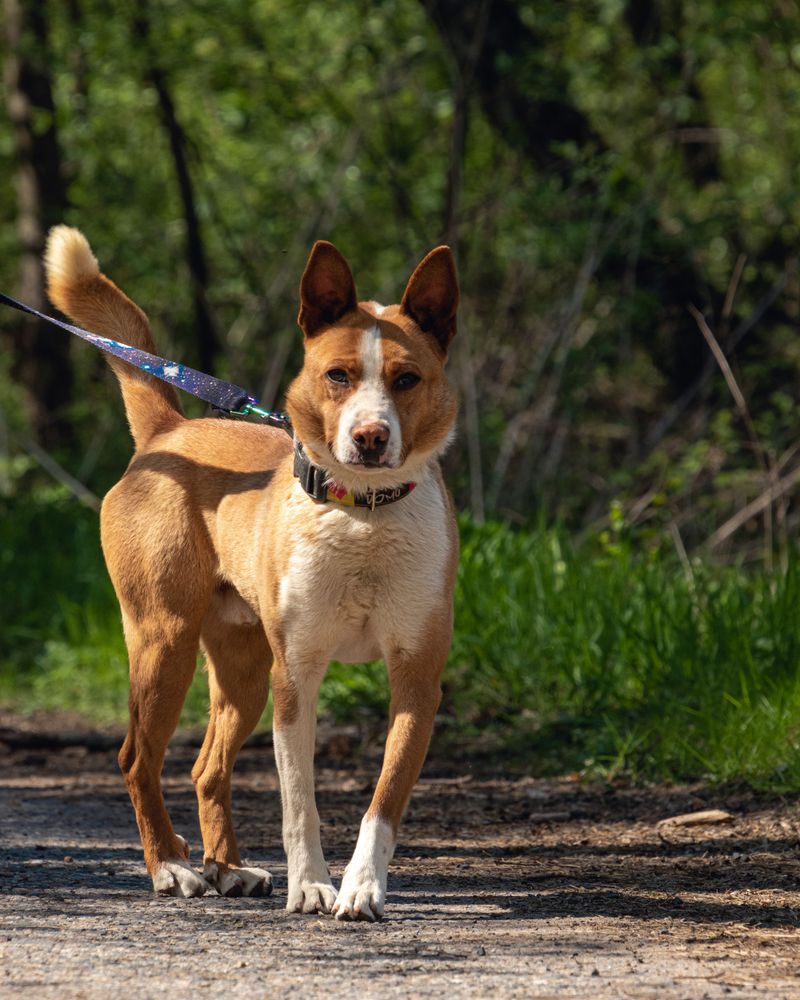
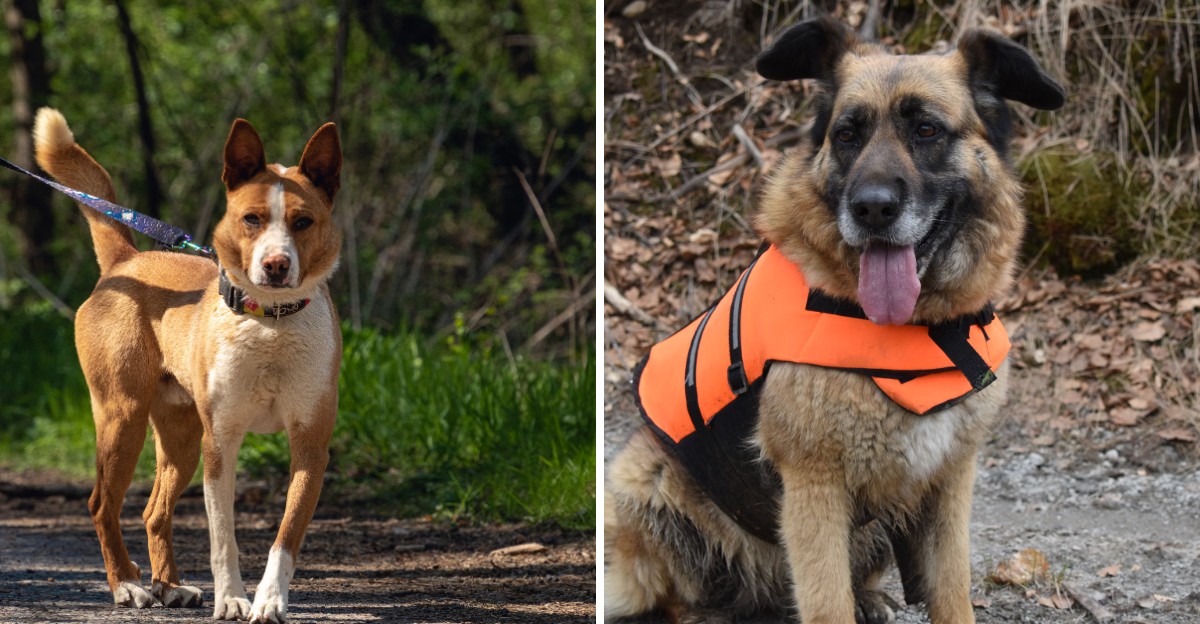
A squirrel can turn excellent manners into sudden enthusiasm. Bring a sturdy leash even if your dog usually stays close.
WDFW rules generally require leashing pets from April through July, with exceptions for authorized activities. Other restrictions can apply throughout the year.
Verify current rules for your exact unit rather than relying on that general window. Use a manageable leash wherever required.
Keep your dog beside you around wildlife, visitors, parking areas, and narrow trail corners.
4. Check Hunting Seasons and Scheduled Activities
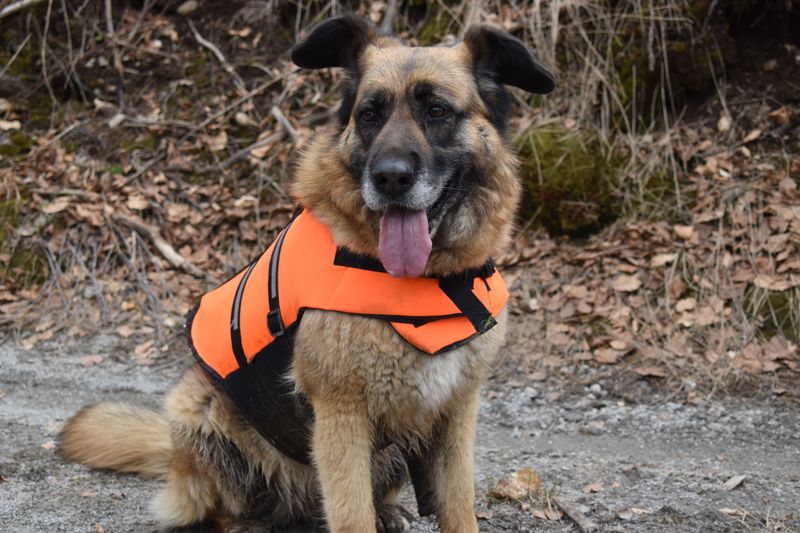
Bright orange can be a practical fashion choice here. Many Washington wildlife areas support hunting alongside other allowed outdoor activities.
Check WDFW season dates, local notices, and any scheduled events before choosing your route. Activity levels can vary by species and location.
Wear visible clothing and consider a bright vest for your dog. Stay on permitted routes and give other users space.
Choose another open destination if the day’s activities do not suit your dog’s comfort.
5. Look for Sensitive Wildlife and Nesting Areas
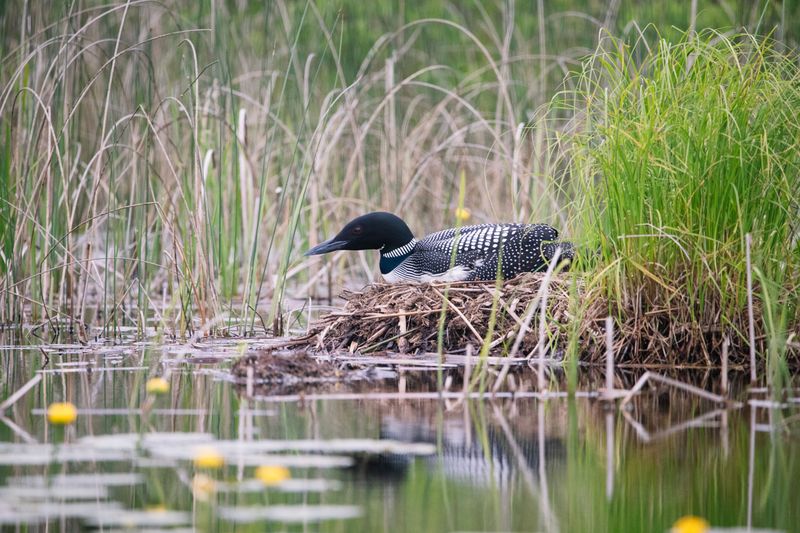
Quiet grass can hide a surprisingly busy nursery. Ground nesting birds and young wildlife may be difficult to spot from trails.
Read habitat protection signs and keep your dog away from reeds, brush, and marked nesting zones. Never encourage chasing, even briefly.
If birds call repeatedly or animals move away, calmly increase your distance. Watch through binoculars instead of approaching for photographs.
Staying on established routes helps protect hidden nests while giving everyone a calmer outing.
6. Check Trail Conditions and Walking Surfaces
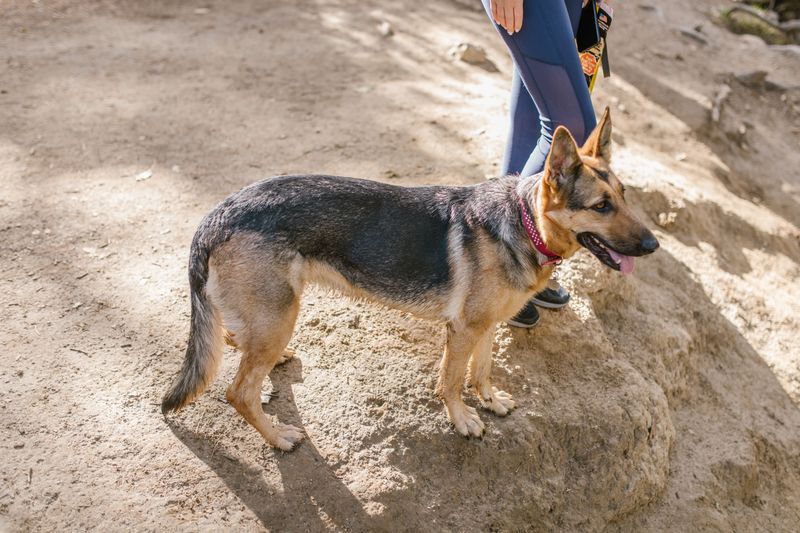
Paws notice rough ground long before hiking boots do. Washington routes may cross sharp basalt, deep mud, loose gravel, or sand.
Read recent condition reports when available, and match the distance to your dog’s fitness. Check whether steep sections offer safe footing.
Inspect paws during breaks, especially after crossing rocky ground or dry grass. Introduce protective boots at home before relying on them outdoors.
Turn around early if your dog limps, slows down, or seems uncomfortable.
7. Prepare for Ticks, Fleas, and Other Pests
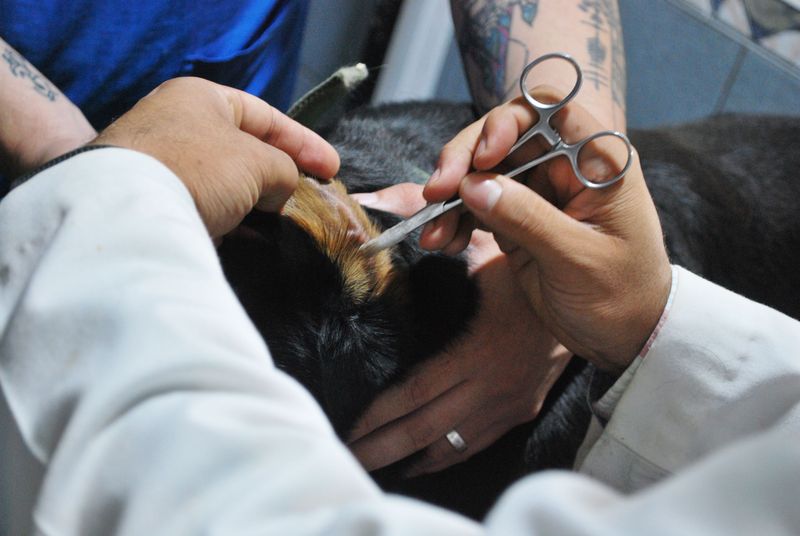
Tall grass sometimes sends tiny hitchhikers home with you. Ask your veterinarian which parasite prevention suits your dog and travel plans.
Use products exactly as labeled, and never apply human insect repellent without veterinary guidance. Bring a tick removal tool for your kit.
After walking, inspect ears, armpits, toes, and the area beneath the collar. Check yourself and wash trail blankets when needed.
Watch for grass seeds tucked into fur, since those can cause problems too.
8. Identify Nearby Water Sources and Their Risks
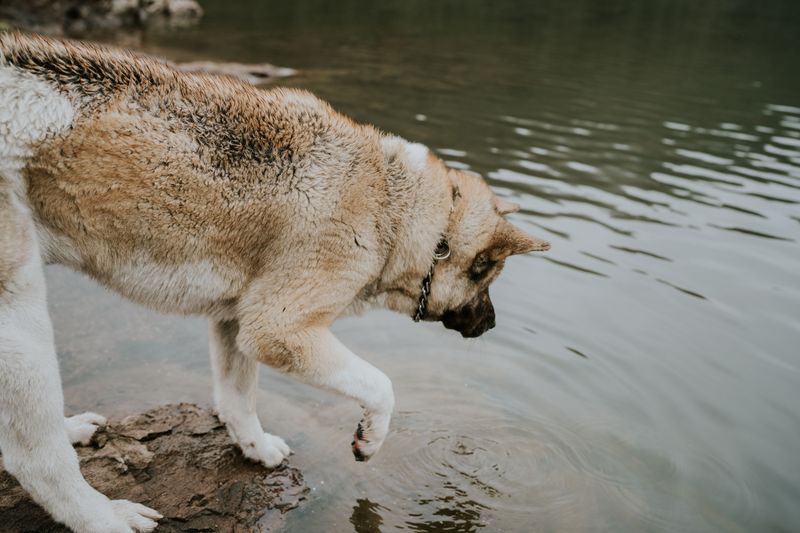
A sparkling pond is not automatically a drinking fountain. Lakes, streams, and puddles can contain germs or other hidden water hazards.
Check local health notices for harmful algae advisories before visiting shorelines. Keep dogs away from suspicious scum, unusual discoloration, and posted closures.
Offer carried drinking water instead, and avoid letting your dog lick shoreline material. Never assume clear water is safe.
Contact a veterinarian promptly after suspected exposure, especially if your dog begins acting differently.
9. Watch for Poisonous Plants and Wild Mushrooms
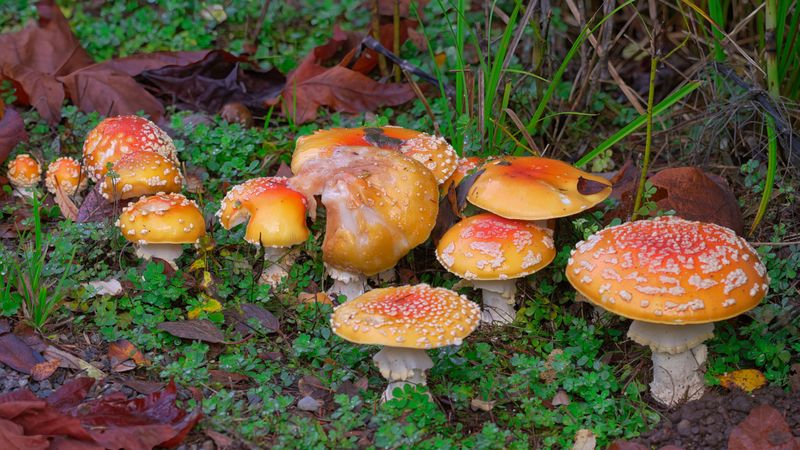
Some dogs treat every trailside discovery like a snack. Wild mushrooms and certain plants can make that habit a serious concern.
Practice a reliable leave it cue before your visit. Keep the leash short enough to prevent nibbling beside brush or damp logs.
Do not identify edible mushrooms from a quick image search. If your dog swallows something unknown, photograph it safely.
Call your veterinarian or an animal poison service promptly, and follow their specific instructions.
10. Check for Wildlife That Could Threaten Your Dog
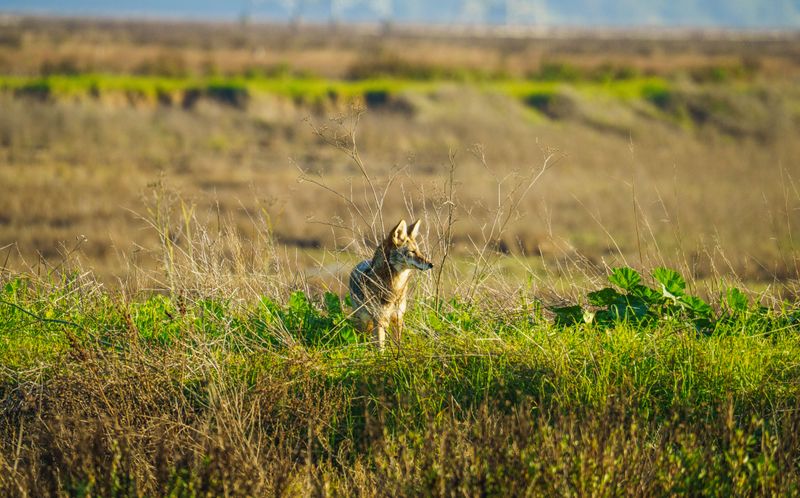
A curious nose does not understand personal space outdoors. Depending on the habitat, dogs may encounter porcupines, coyotes, or rattlesnakes.
Learn which animals occur in your chosen area and review agency guidance. Keep dogs close near brush, rock piles, and limited sightlines.
Never let your dog approach, follow, or corner wildlife. Give animals an open escape route and leave calmly when necessary.
Save the nearest emergency veterinary clinic before traveling, including its phone number and driving directions.
11. Pack Enough Water for the Entire Visit
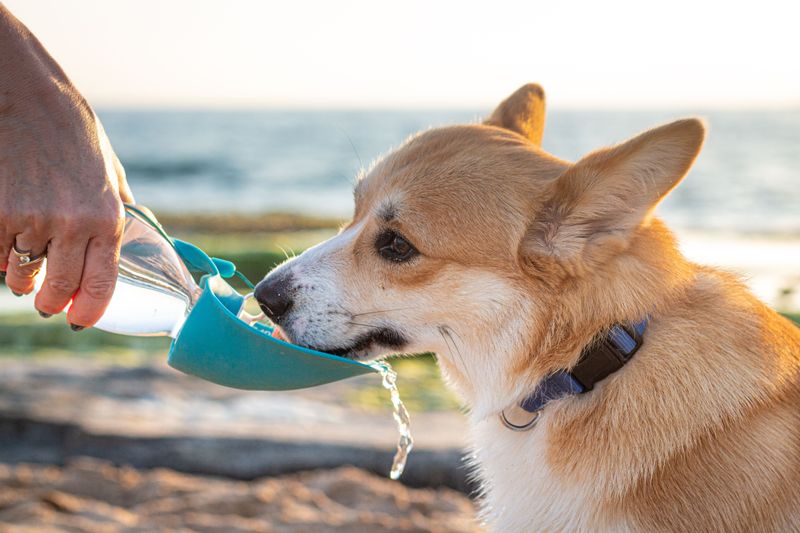
Your dog’s water bottle deserves its own packing priority. Many wildlife areas have no drinking taps, even beside lakes or rivers.
Bring clean water for both of you, plus extra for delays. Your dog’s needs depend on size, health, temperature, and activity.
Offer small drinks during regular breaks rather than waiting for heavy panting. Carry a bowl your dog already accepts.
If supplies run low, shorten the walk instead of counting on an untreated water source.
12. Make Sure Your Dog’s Identification Is Current
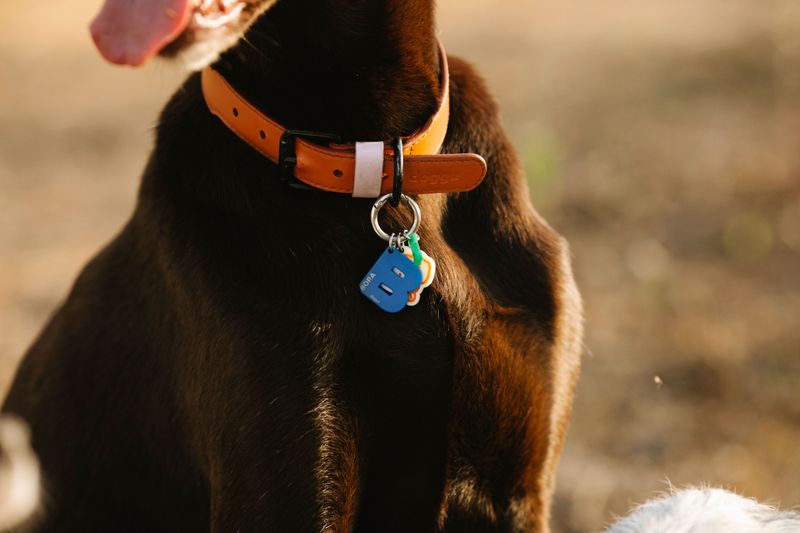
A readable tag is small gear with big value. Check that your dog’s collar displays a phone number you currently use.
Confirm the microchip registration also lists correct contact details. A microchip helps identify a found dog, but it does not provide tracking.
Save a recent photo showing your dog’s markings before leaving home. Check collar fit and inspect leash clips for wear.
Consider a backup contact who can answer calls while you are outside cell coverage.
13. Check Weather Conditions Before Setting Out
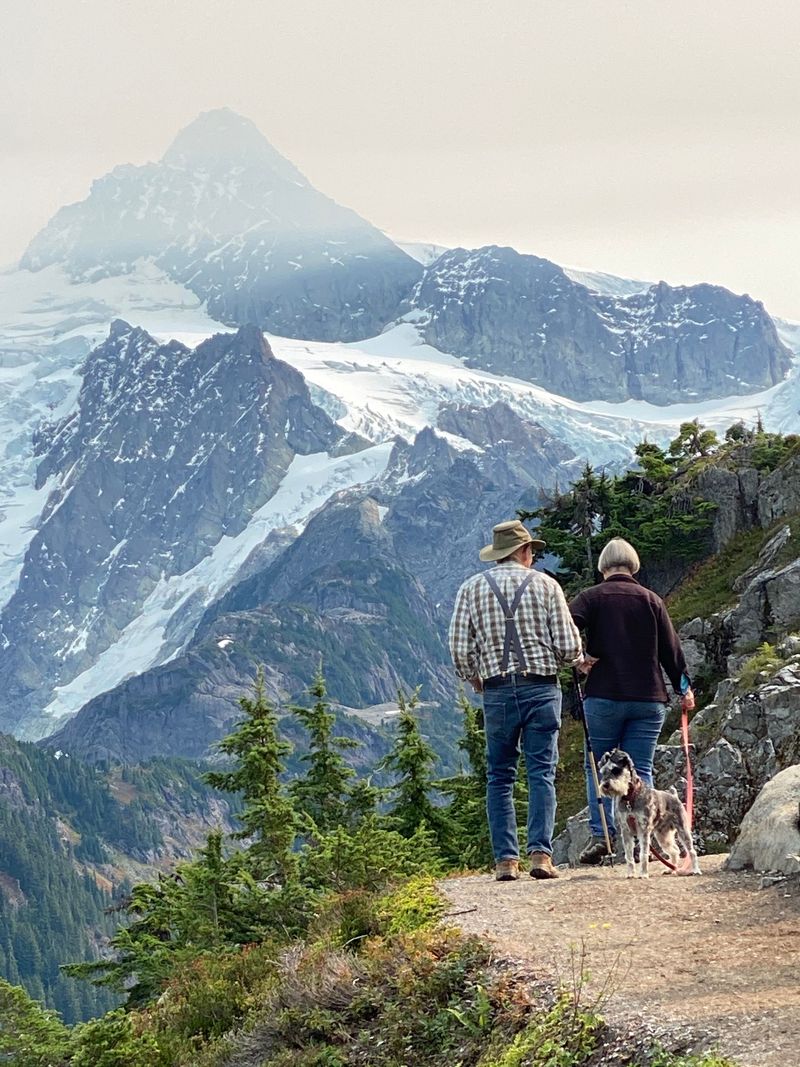
Blue skies at breakfast can hide a tricky forecast. Eastern Washington heat, mountain weather, and coastal rain call for different plans.
Check the forecast for your actual destination, including wind and temperature. Review air quality and wildfire notices when smoke could affect conditions.
Choose cooler hours during warm weather and avoid exposed routes without shade. Bring suitable layers for wet or chilly conditions.
Cancel when conditions exceed your dog’s comfort, especially with breathing or health concerns.
14. Find Out Where You Can Park Legally
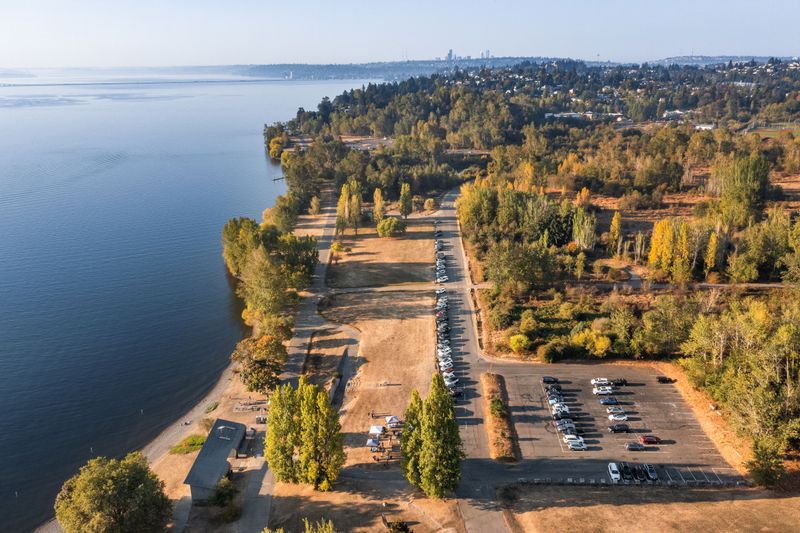
The walk starts with getting the parking details right. Many state recreation lands require a Discover Pass or another accepted parking permit.
Check the exact wildlife area instructions before buying anything. Some WDFW recreation access passes cover eligible sites, but they are not interchangeable everywhere.
Display the required pass as directed and use designated parking spaces. Avoid blocking gates, roads, or room needed for vehicles turning around.
Confirm whether entrance gates lock before your planned return time.
15. Prepare for Limited Cell Service and Facilities
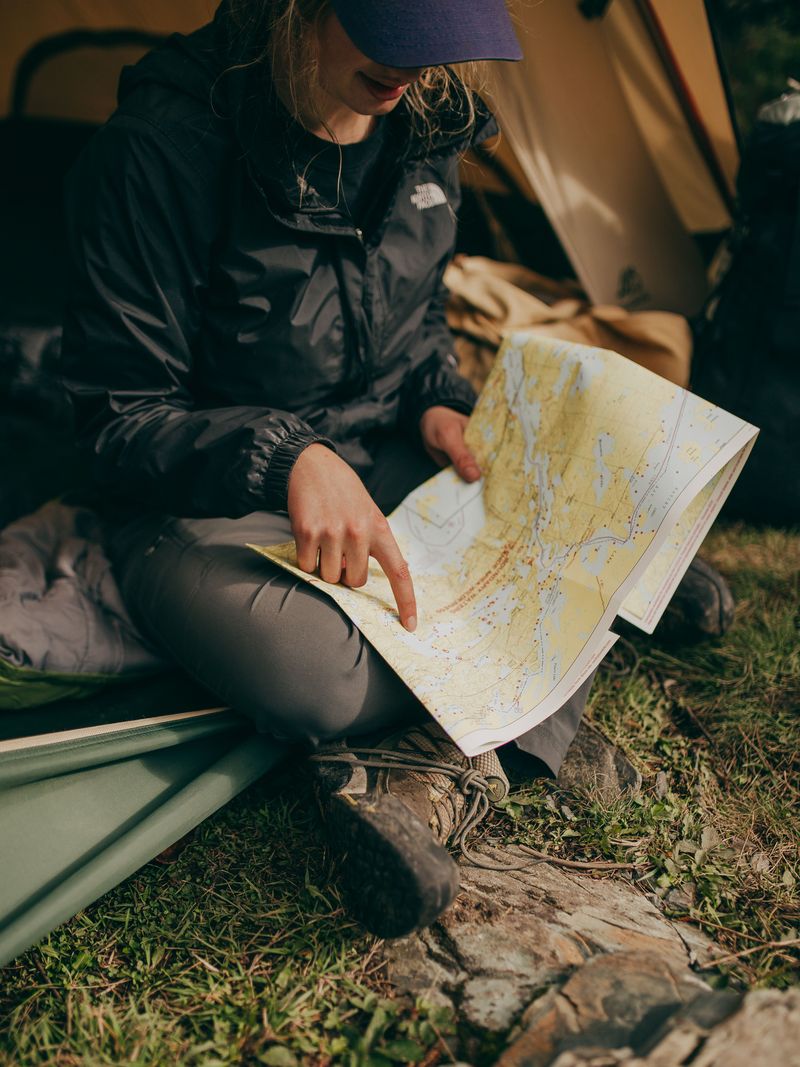
One missing signal bar can change your whole plan. Remote wildlife areas may lack reliable reception, restrooms, trash bins, or staffed entrances.
Download maps and save directions before leaving good coverage. Tell someone your route and expected return time, especially for quieter destinations.
Carry basic first aid supplies and any medication your dog needs. Know your turnaround point and nearest veterinary option.
Bring toilet supplies for yourself, follow local disposal rules, and leave facilities cleaner than found.
16. Check the Rules for Your Dog’s Behavior and Waste
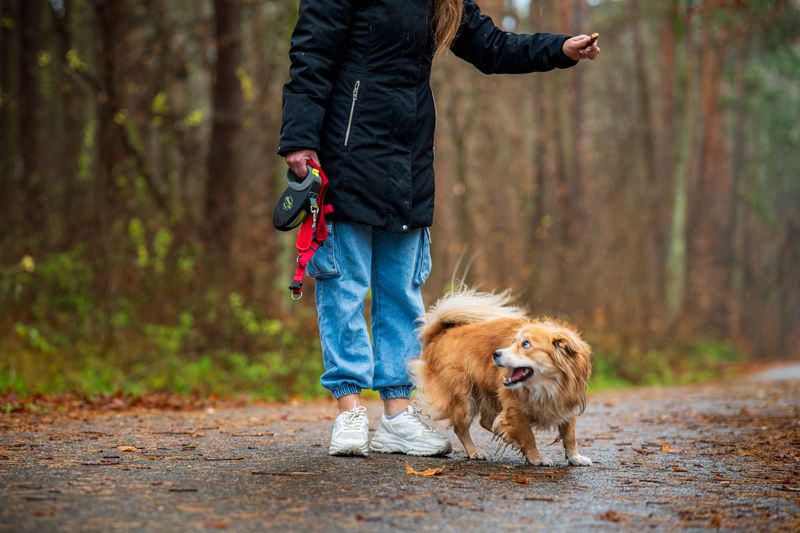
Good trail manners leave room for everyone to enjoy nature. Your dog should not chase wildlife, crowd visitors, or approach unfamiliar dogs.
Carry more waste bags than you expect to need. Pick up promptly, then pack bags out unless an appropriate bin is available.
Never leave filled bags beside the trail for later collection. Reward calm behavior and give passing walkers plenty of space.
Check the rules, grab that leash, and let a thoughtful outing begin.