Storm Sirens And Summer Fireworks Are Good Reasons For Illinois Owners To Recheck Dog IDs And Microchip Records
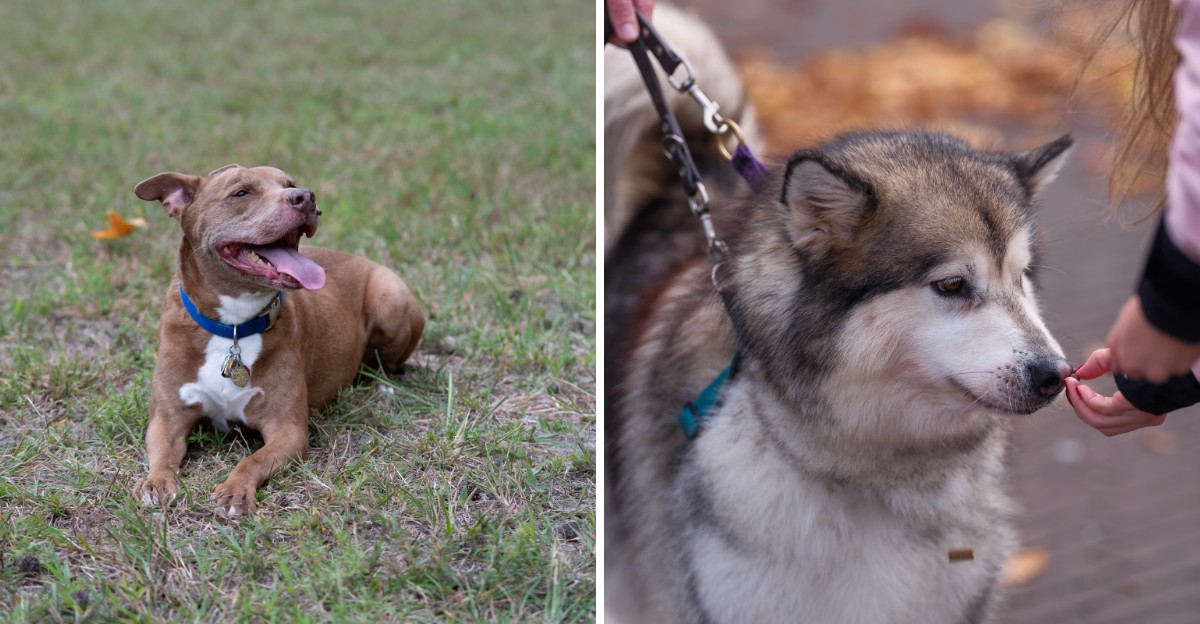
Illinois summers bring backyard evenings, changing weather, and fireworks that sometimes start before you expect them. Even a dog who usually stays close can slip through an open door when startled by noise.
A readable tag and current microchip records give anyone who finds your dog useful ways to reach you. Before the next storm warning or holiday gathering, a few simple checks can make your family feel better prepared.
1. Check Your Dog’s ID Tag Before Storm Season
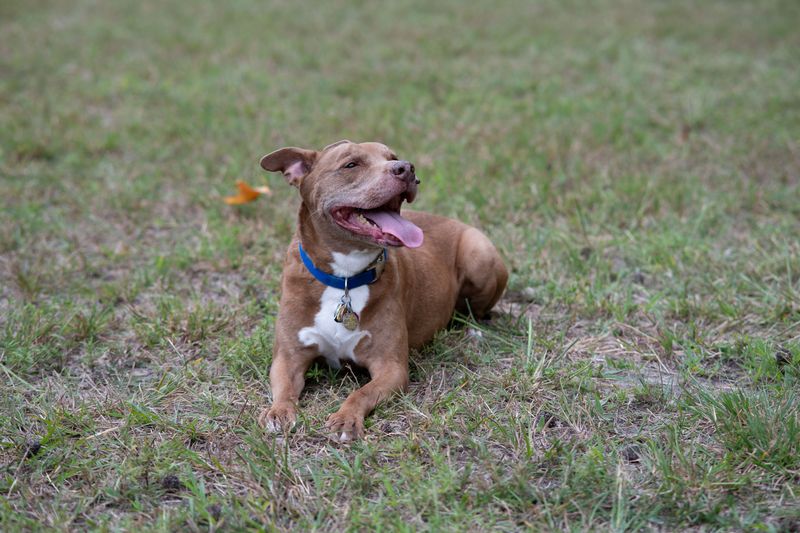
A small tag can carry the information someone needs to bring your dog home. Before spring storms arrive, inspect both sides for scratches, rust, or worn lettering.
Replace damaged tags rather than hoping someone can read them.
Include a working phone number, and consider adding another reliable contact. Check the attachment ring too, since weak rings can open.
Keep rabies identification as locally required, but do not treat it as your only way home afterward.
2. Update Your Microchip Registration After Moving
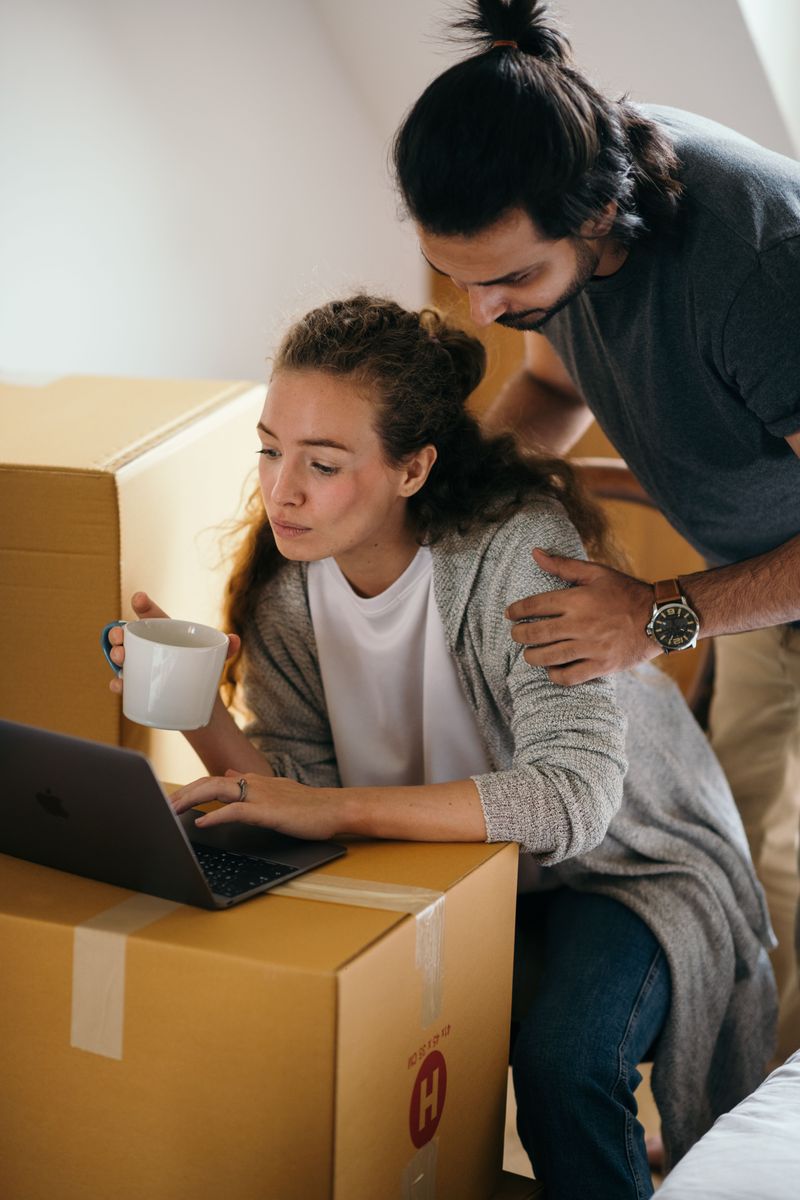
Moving boxes often get unpacked before pet records get attention. Log into your dog’s microchip registry as soon as your contact information changes.
Update your address, phone number, and email, then save the confirmation.
A chip does not update itself when you forward mail or change veterinary clinics. If you cannot access the account, contact the registry directly.
Keep the chip number somewhere accessible, alongside your dog’s vaccination records and other essential household emergency information.
3. Make Sure Your Phone Number Is Easy to Read
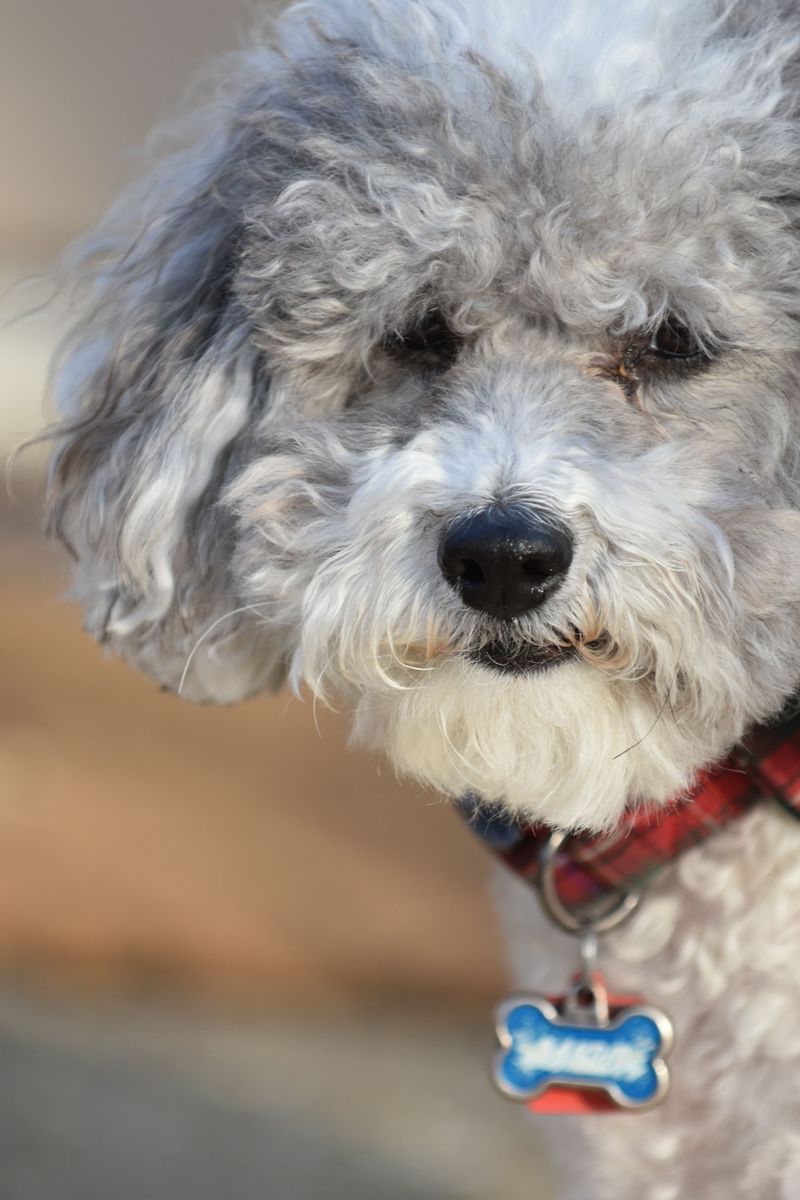
Tiny lettering may look tidy, but clear numbers matter more than decoration. Hold your dog’s tag at a comfortable reading distance in ordinary light.
Ask another person to read the number without help.
If either of you struggles, choose larger lettering or replace the tag. Check that every digit is correct before attaching it.
For households using several numbers, put the most dependable contact first. Someone finding your dog should not need to guess anything.
4. Understand Why Storm Sirens Can Frighten Dogs

A sudden siren can surprise a dog even on a clear afternoon. Loud sounds may trigger pacing, hiding, trembling, or attempts to leave.
Responses vary, so watch your dog’s behavior rather than assuming every noise feels harmless.
Illinois communities use different outdoor warning systems and testing schedules. Check local emergency guidance, and follow weather alerts promptly.
Keep your dog with you during sheltering. Comfort is appropriate, and persistent noise fears deserve a conversation with your veterinarian.
5. Prepare for Summer Fireworks Before They Begin
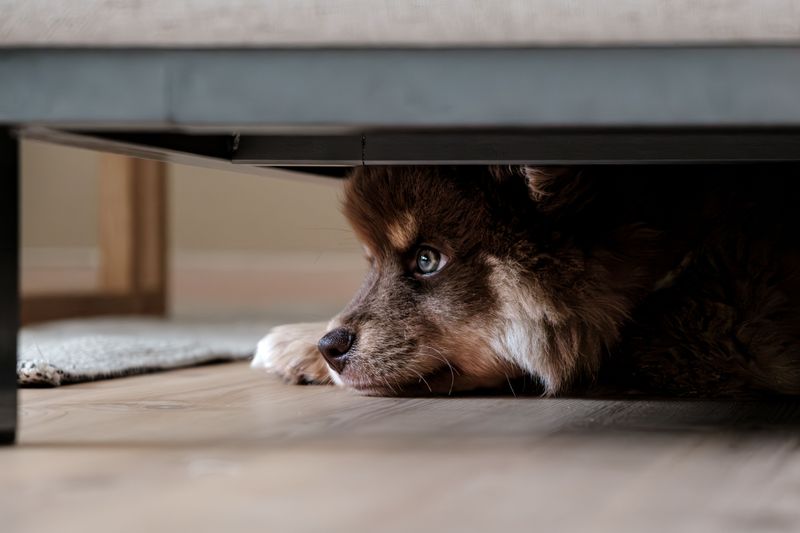
Holiday noise rarely follows a schedule that dogs can understand. Plan walks and bathroom breaks before nearby fireworks are expected, while allowing for unexpected neighborhood sounds.
Keep your dog indoors during noisy periods whenever possible.
Check tags and registry contacts several days ahead, not during the celebration. Close windows and prepare familiar bedding.
For dogs with known noise anxiety, ask your veterinarian about a plan early. Never give medication unless your veterinarian provides specific guidance.
6. Test Your Dog’s Collar and Harness Fit
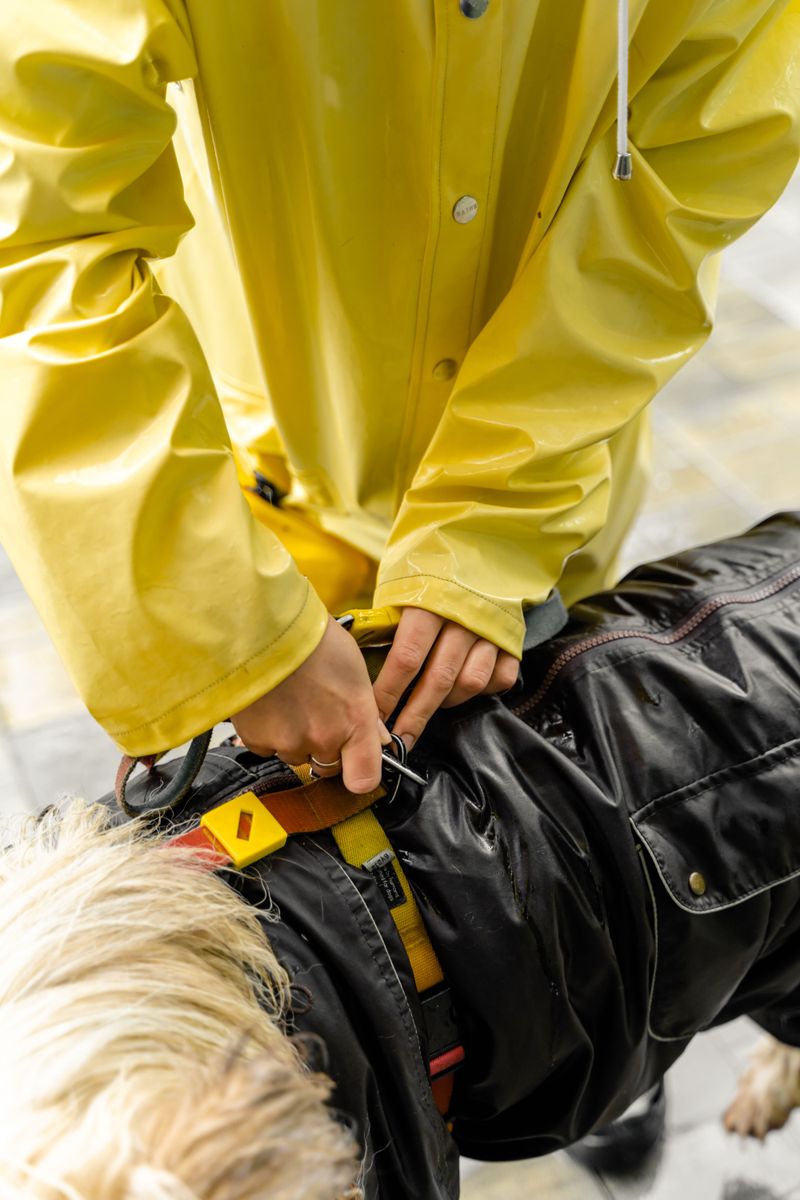
Loose equipment can turn a startled step backward into an escape. Inspect buckles, stitching, adjustment points, and leash clips before busy summer evenings.
Follow the manufacturer’s fitting directions for your dog’s particular collar or harness.
Many collars allow about two fingers underneath, but body shape and equipment design matter. Check that your dog cannot easily back out.
Growing puppies and dogs with changing weight need frequent adjustments. Ask a veterinary professional when the fit seems uncertain.
7. Verify That Your Microchip Is Registered to You
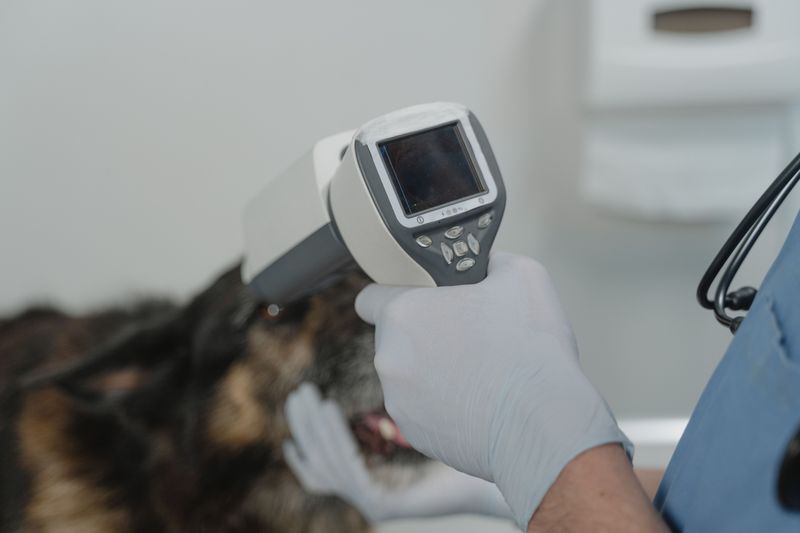
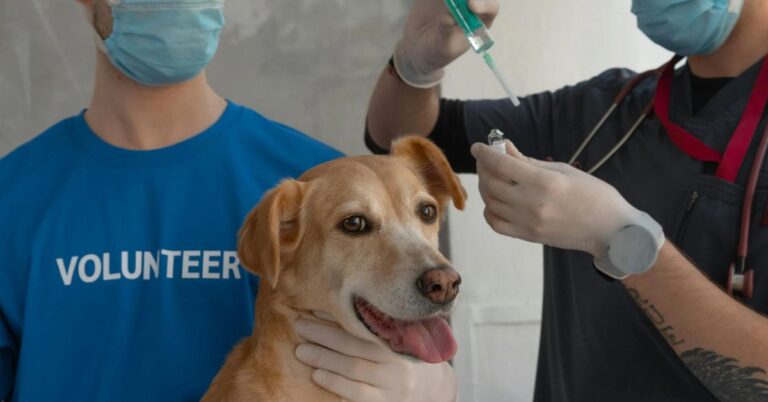
Having a chip implanted and having useful registration are separate steps. Ask your veterinary clinic to scan your dog and record the number.
Then confirm that the appropriate registry lists your current contact details.
The AAHA Universal Pet Microchip Lookup can help identify participating registries associated with a chip number. It does not display an owner’s private contact information.
A microchip is not GPS, and scanning alone cannot fix missing registration or outdated account details.
8. Keep a Recent Photo of Your Dog on Your Phone
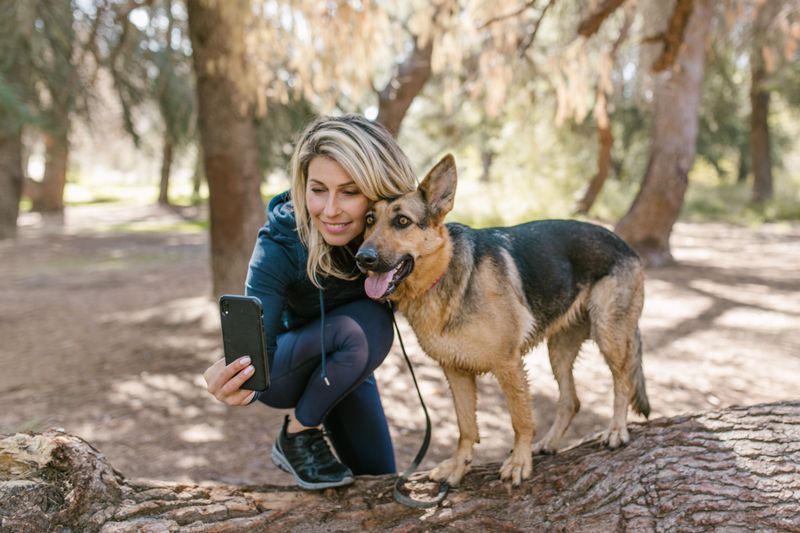
A clear picture is easier to share than a rushed description. Take fresh photos showing your dog’s face, full body, and unusual markings.
Use daylight and avoid filters that change coat colors.
Save the pictures in an album you can find quickly. Include another image after grooming changes your dog’s appearance.
If your dog goes missing, share accurate photos with local animal control and shelters. Keep ownership records separately to support identification when questions arise.
9. Make Sure Every Household Member Knows the Escape Plan

Good planning works best when everyone knows their own small job. Decide who handles the leash, who checks doors, and who carries your dog’s records.
Practice moving together to your weather shelter when conditions are calm.
Explain that nobody should open exterior doors without checking the dog’s location. Children should alert an adult rather than chase a loose pet.
Post essential numbers where visitors and sitters can find them. Simple roles reduce confusion during noisy moments.
10. Check Gates, Fences, and Door Latches Before Loud Events
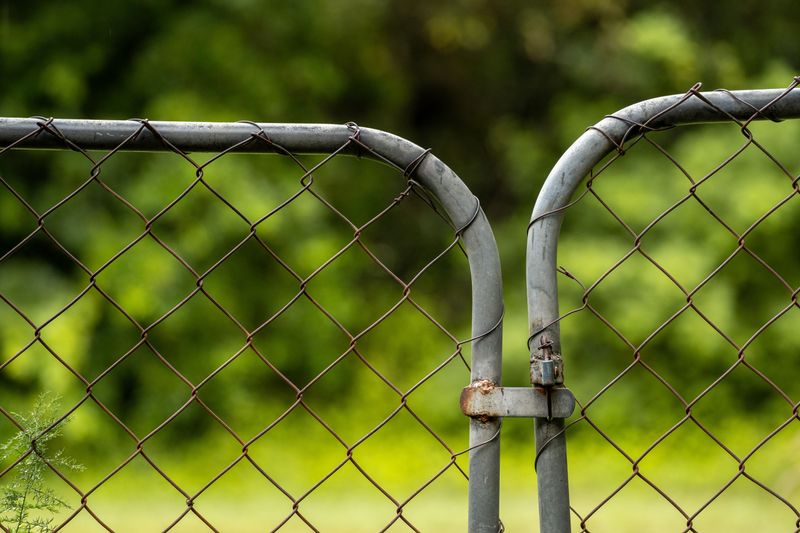
One loose latch can undo an otherwise careful safety routine. Walk your fence line before expected storms or nearby celebrations.
Look for gaps, lifted panels, loose boards, and objects that create climbing opportunities.
Confirm that gates close securely, and remind guests to leave them latched. Indoors, check screen doors and windows without relying on screens as barriers.
Supervise outdoor bathroom trips during noise. A fenced yard is helpful, but it cannot guarantee a frightened dog stays.
11. Create a Quiet Indoor Space for Your Dog
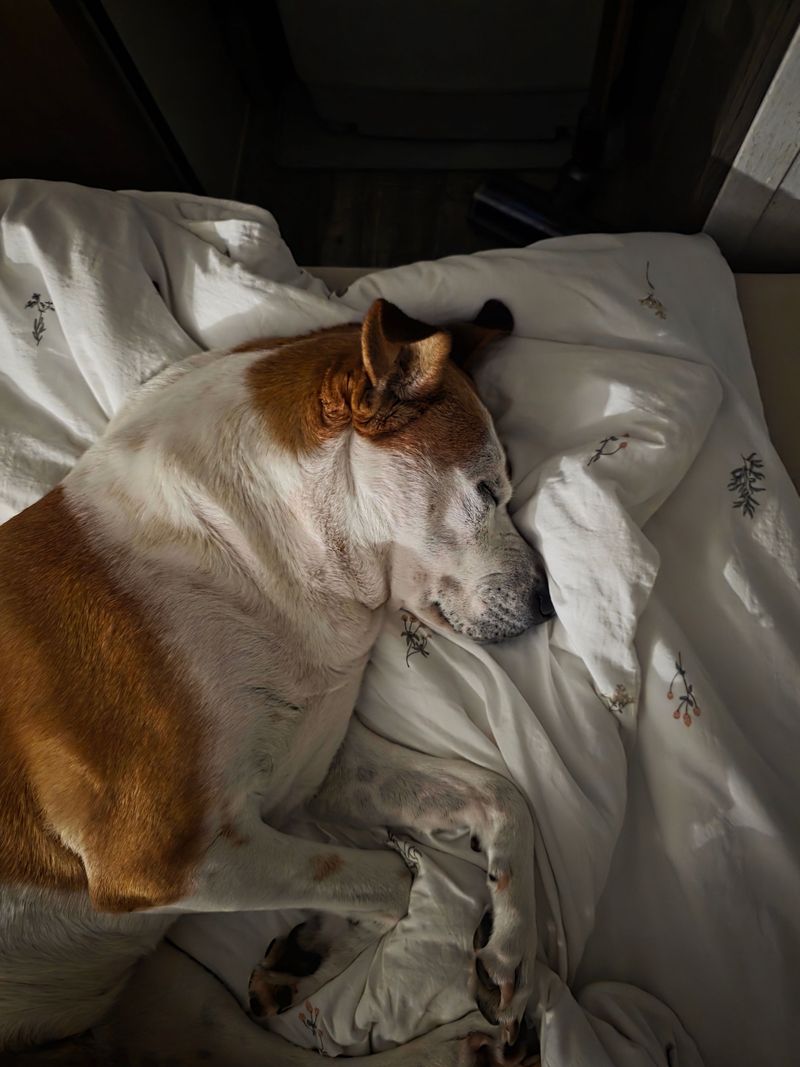
Familiar surroundings can make a noisy evening easier to manage. Choose an interior room away from busy entrances, with water and comfortable bedding.
Close curtains, and consider steady background sound at a comfortable volume.
Let your dog settle there before fireworks begin. Use a crate only if your dog already finds it comfortable.
Avoid forcing confinement that increases distress. During severe weather, prioritize your household’s designated shelter location and bring your dog there with necessary supplies.
12. Know What to Do If Your Dog Gets Loose
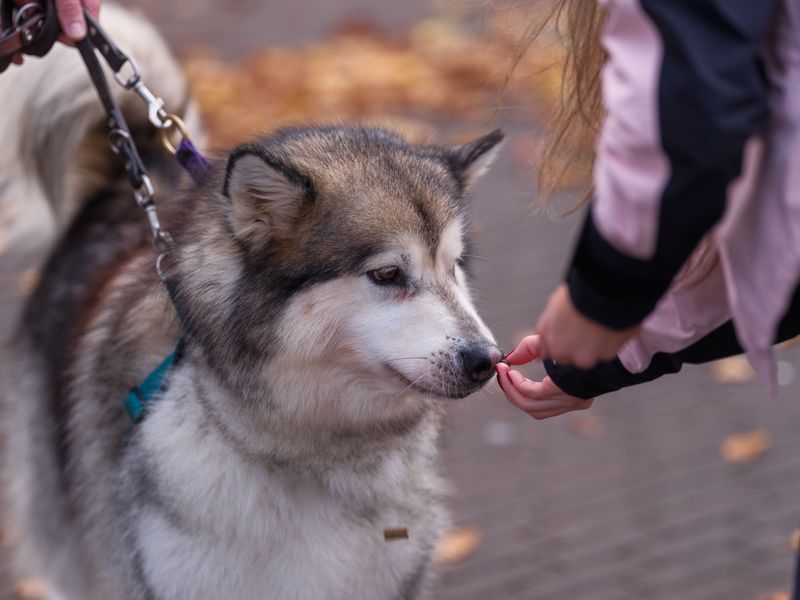
If your dog slips outside, pause long enough to respond calmly. Avoid chasing, which may encourage more running.
Use a familiar voice, treats, or an inviting crouch when safe, without entering traffic.
Notify local animal control and nearby shelters promptly. Report your dog missing to the microchip registry, and confirm your contacts again.
Share a recent photo and last known location. Follow local reporting instructions, and protect yourself from scams by verifying claims before sending money.
13. Check Microchip Details After Adopting or Rehoming a Dog
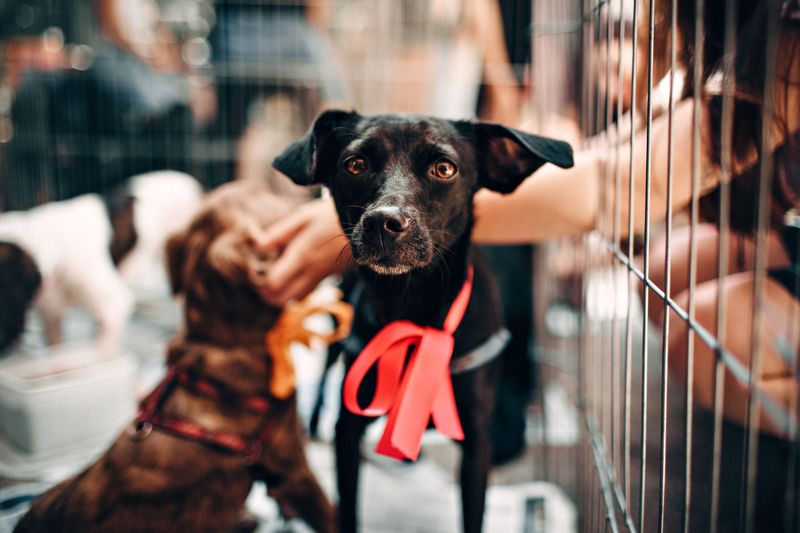
New beginnings come with paperwork that deserves a careful second look. Review the chip number in your adoption or transfer records.
Ask the shelter, rescue, or previous owner how registration transfers are completed.
Do not assume the transfer happened automatically when you brought your dog home. Contact the registry and follow its ownership verification process.
Confirm the final account shows your details. A veterinary scan can help match the paperwork to the chip your dog carries.
14. Add a Backup Contact to Your Dog’s Records
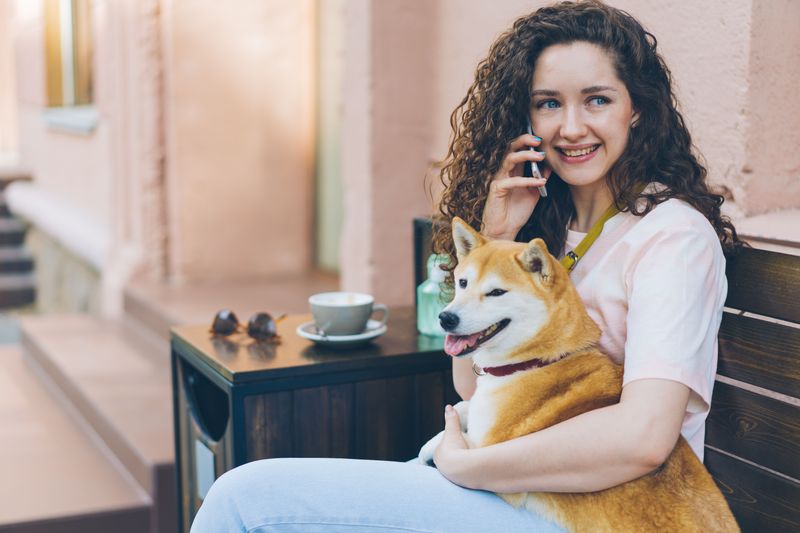
Your phone may be charging elsewhere when someone needs to reach you. Where the registry allows, add a trusted backup contact who understands the responsibility.
Ask permission first, and verify the number together.
Choose someone likely to answer unfamiliar calls and help coordinate your dog’s return. Tell them where you keep veterinary information and ownership records.
Review their details whenever circumstances change. A backup works only when that person remains reachable and knows what to do.
15. Keep Identification on Dogs That Stay Indoors
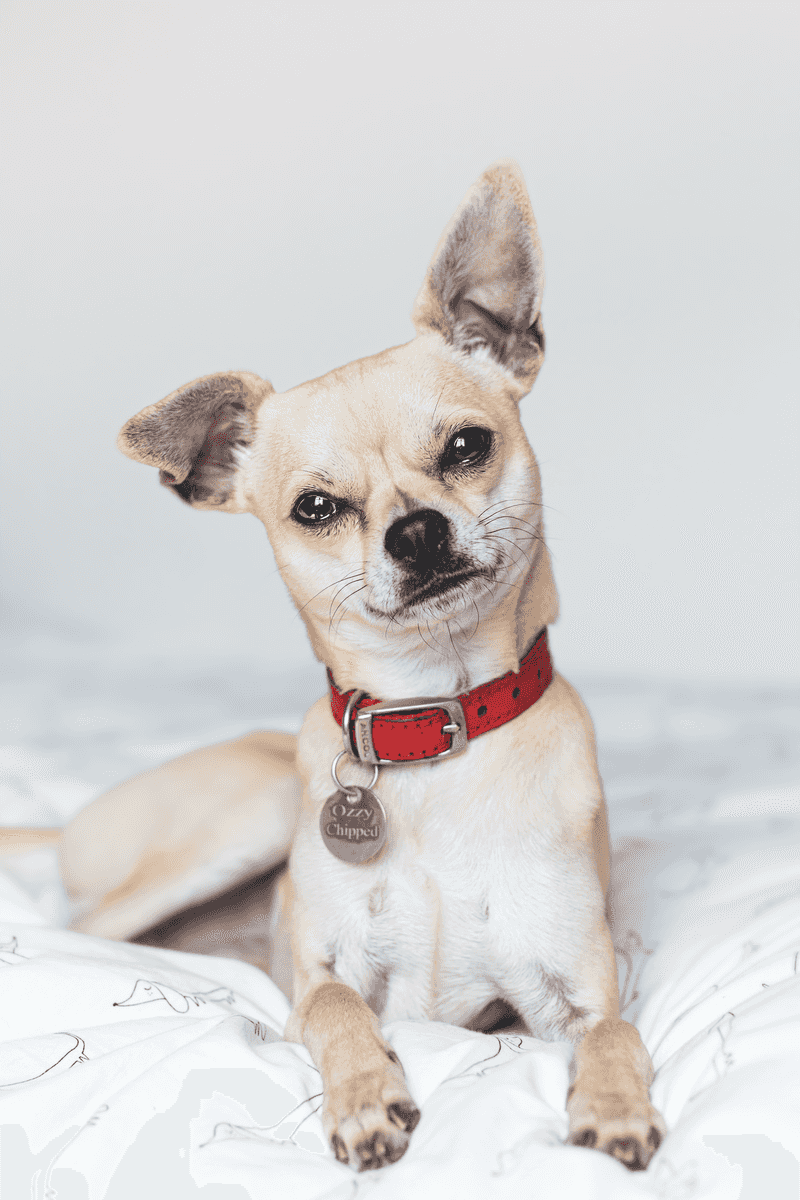
Homebodies still pass open doors during deliveries, visits, and weather emergencies. An indoor routine does not remove the need for identification.
Use a readable tag during ordinary supervised activities, alongside current microchip registration.
Ask your veterinarian about collar safety for your dog’s habits and health. Remove equipment when needed to prevent snagging, including situations specified by crate or equipment guidance.
Keep identification ready for outings and sheltering. The goal is practical protection, not ignoring entanglement risks.
16. Check Identification Before Visiting Summer Events
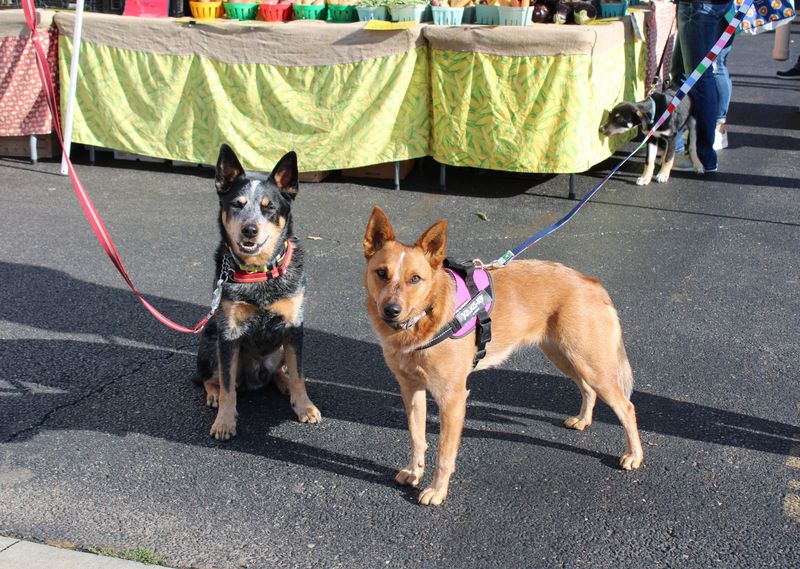
A lively outing adds unfamiliar sounds, people, and open spaces. Before leaving, confirm your dog’s tag is attached and your phone is charged.
Check event rules, leash requirements, weather conditions, and available shade.
Leave noise sensitive dogs comfortably at home rather than bringing them near fireworks. Even social dogs need breaks and an easy exit.
Carry water and recent identification photos. If traveling outside your county, save contact details for animal services near your destination beforehand.
17. Save Local Animal Control and Shelter Contact Details
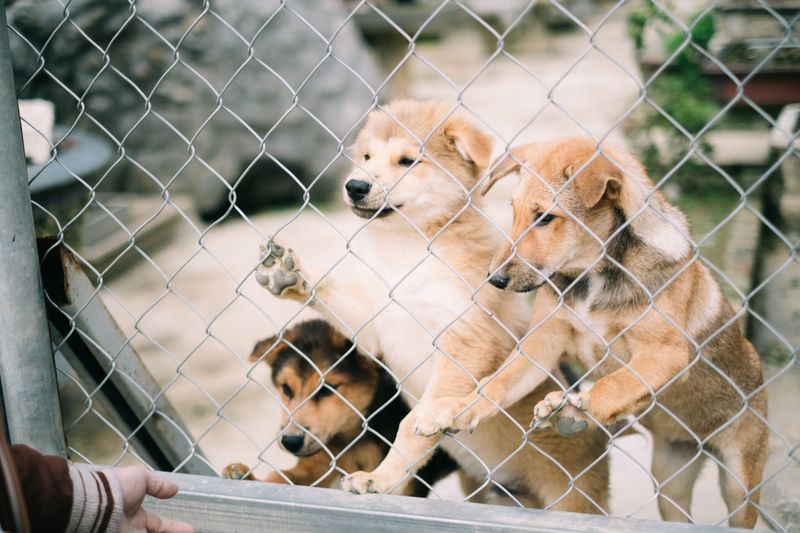
Searching for the right office is harder when you feel rushed. Save your county animal control number, nearby shelter contacts, and your veterinary clinic.
Check official websites for hours and instructions outside business hours.
Illinois services and reporting procedures vary by county and municipality. Confirm which agency handles found dogs where you live.
Ask local officials about licensing, rabies tags, and reclaim requirements rather than assuming statewide uniformity. Keep a printed contact list with your household supplies.
18. Recheck Identification After Every Move or Phone Change
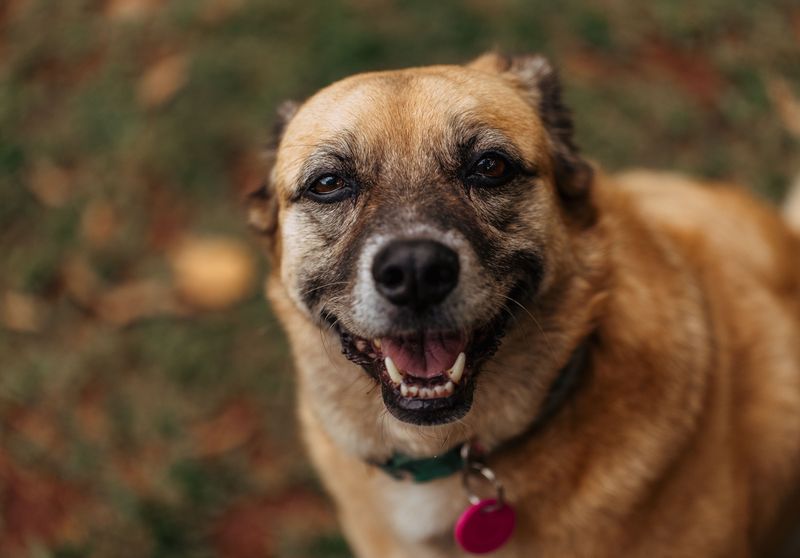
One changed number can leave several pet records pointing backward. When your details change, review the tag, chip registry, veterinary account, and local license records.
Update each separately, since systems may not share information.
Call your listed number from another phone to catch typing mistakes. Replace outdated tags promptly rather than keeping them as backups.
If someone else manages registration, verify the updates together. Store confirmation emails so you can check what changed and when afterward.
19. Make Identification Checks Part of Your Seasonal Routine
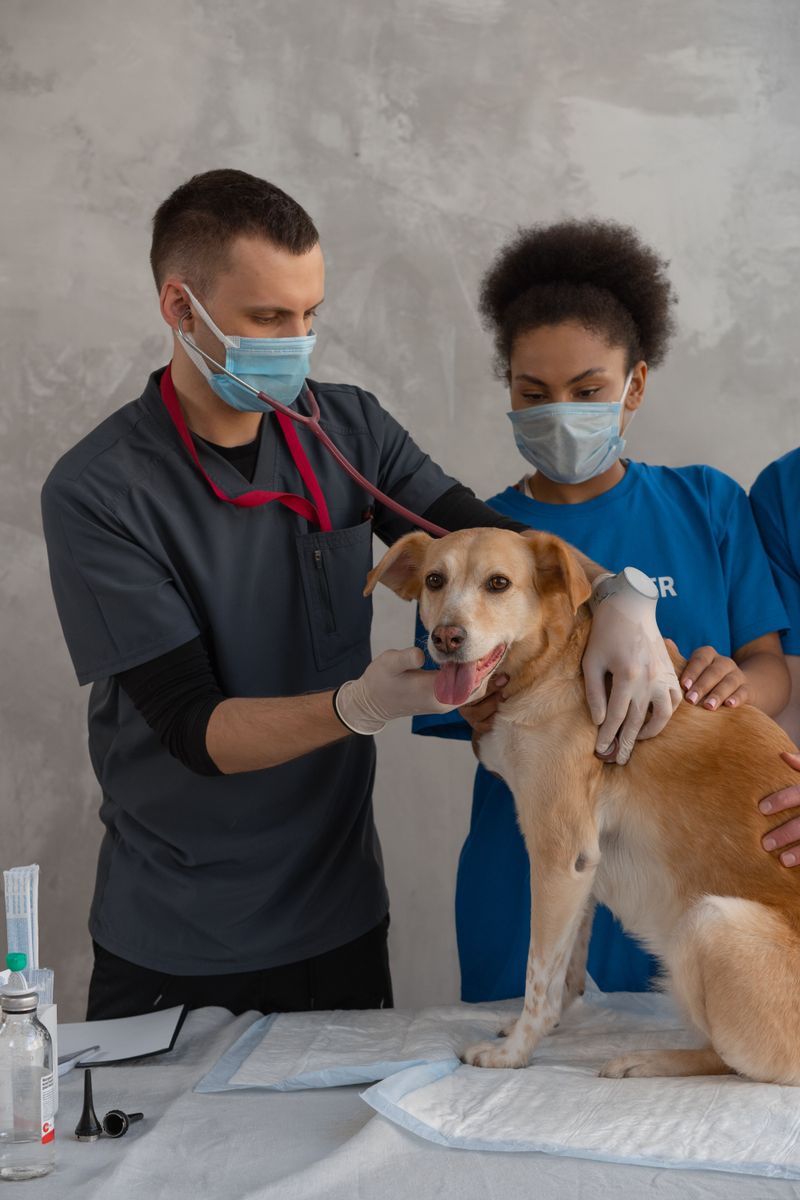
A calendar reminder turns good intentions into a dependable habit. Pair identification checks with spring weather preparations and another review before summer holidays.
Read the tag, test the hardware, and confirm registry access.
At routine veterinary visits, ask whether staff can scan the chip to confirm it remains readable. Refresh photos and emergency contacts whenever needed.
You cannot control every sudden sound, but you can keep useful information ready. Small checks today make tomorrow feel more manageable.