What Illinois Dog Owners Should Know About Wild Parsnip And Giant Hogweed Along Trails
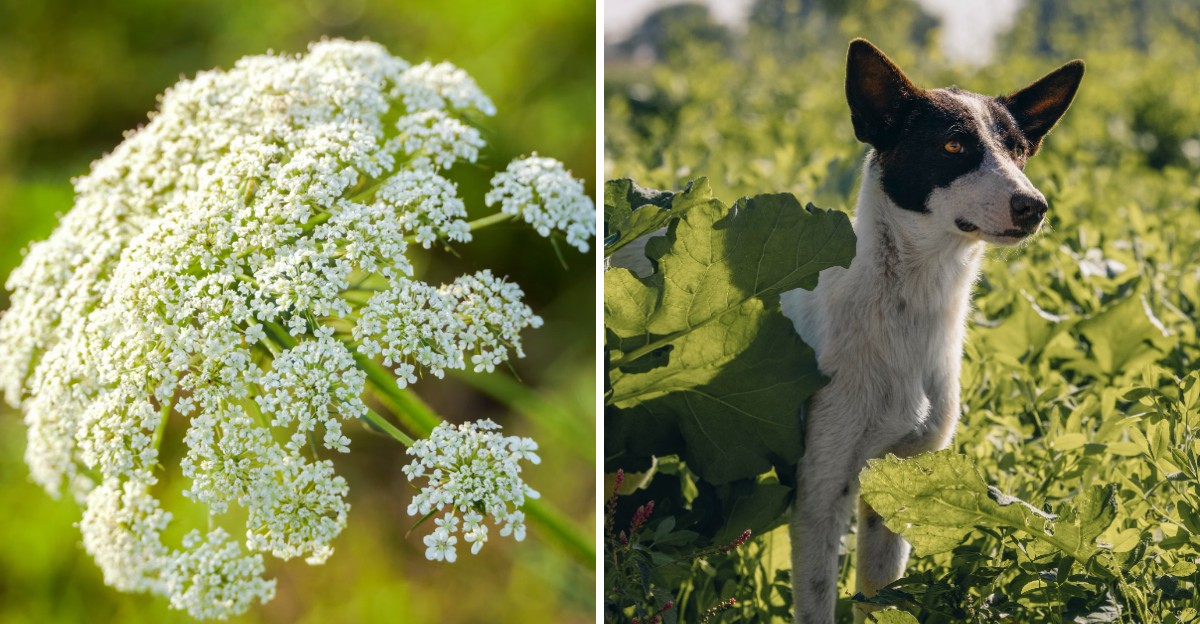
A good Illinois trail walk gives your dog fresh air, new smells, and plenty to explore. Knowing a few plants helps you enjoy those outings with more confidence, especially around sunny edges and overgrown paths.
Wild parsnip and giant hogweed have sap that can cause skin injuries when sunlight reaches exposed skin. With a little practice, you can recognize warning signs, avoid unnecessary contact, and know when to call your veterinarian.
1. Learn to Recognize Wild Parsnip Along Illinois Trails
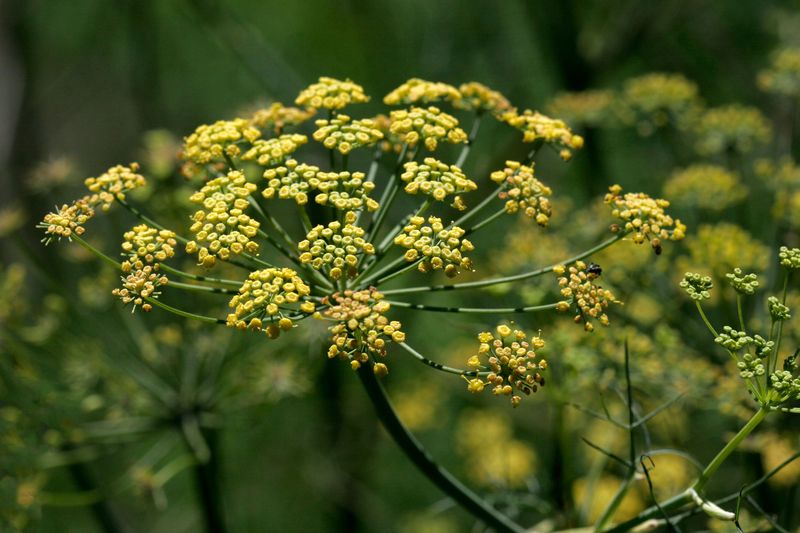
Yellow flowers beside a path deserve a closer look from a safe distance. Wild parsnip has broad, flat clusters of small yellow flowers and compound leaves with toothed leaflets.
Flowering plants often stand two to five feet tall.
Look at several features together rather than trusting flower color alone. Save a reliable identification guide before your walk.
If a plant seems suspicious, keep your dog away and choose another route around that patch of vegetation.
2. Know What Giant Hogweed Looks Like
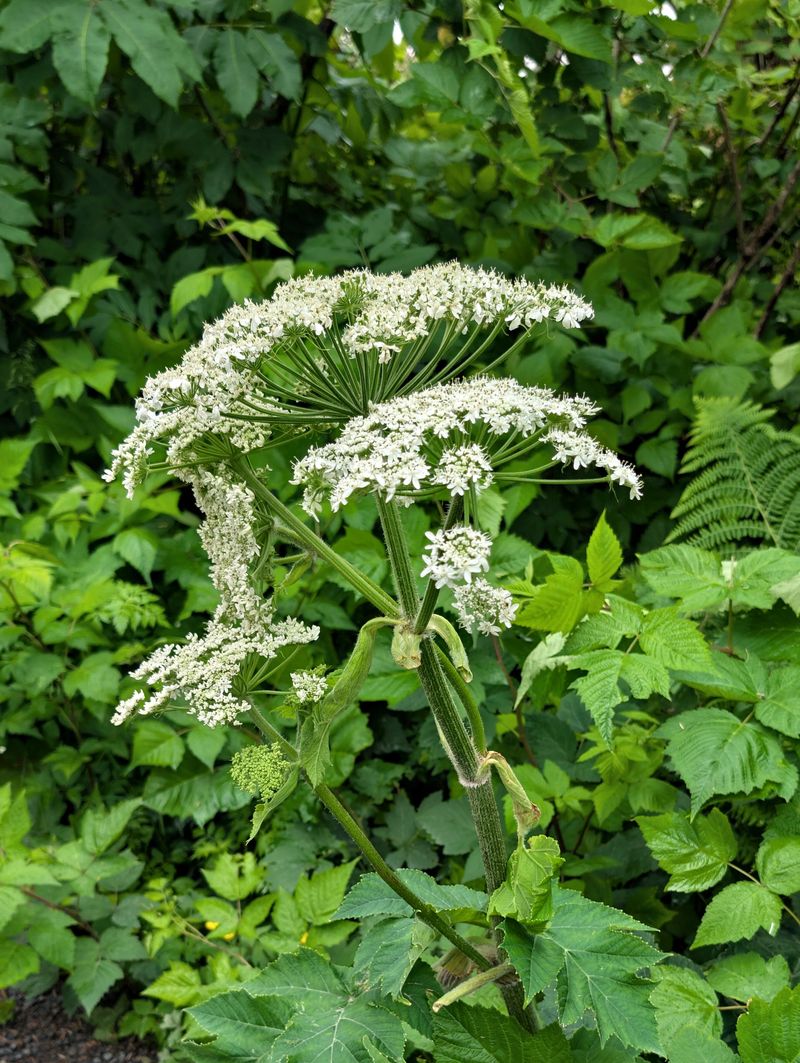
Size can offer a clue, but it never confirms an identification. Mature giant hogweed can exceed fourteen feet, with huge, deeply cut leaves and broad white flower clusters.
Its thick stems have purple blotches and coarse hairs.
Young plants lack that towering outline, making them easier to overlook. Giant hogweed is uncommon in Illinois compared with wild parsnip.
Treat a possible sighting cautiously, photograph it from the trail, and ask qualified local staff for identification help.
3. Understand Why These Plants Can Harm Your Dog
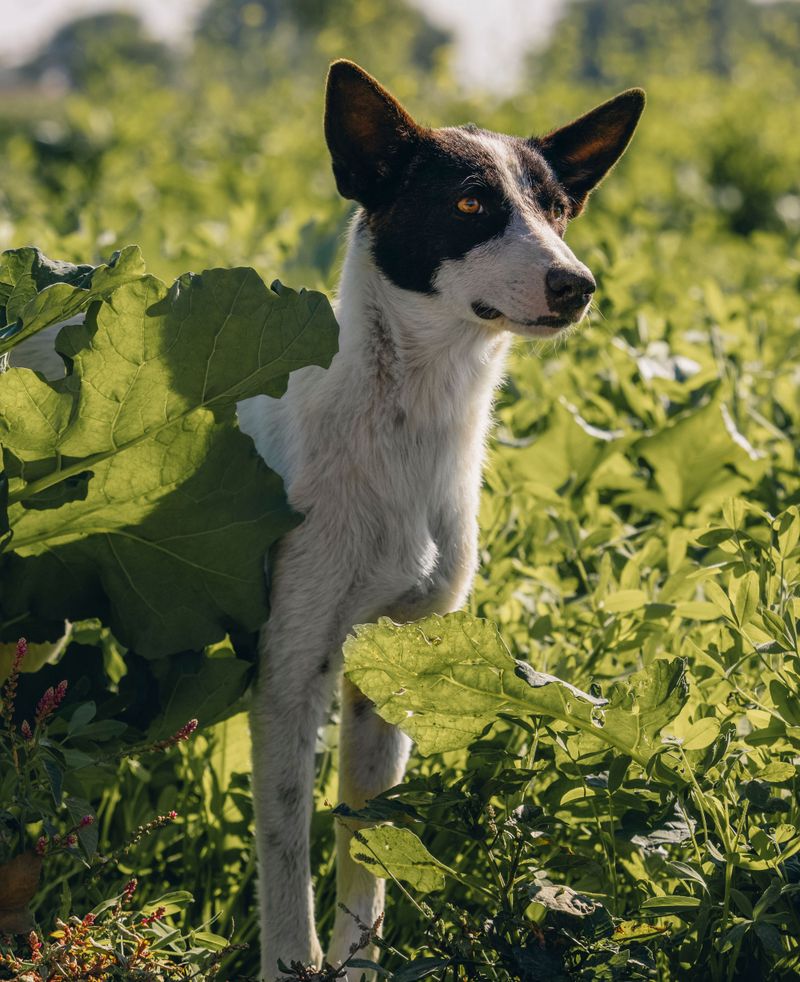
Sap and sunlight are the combination to understand. Both plants contain chemicals called furanocoumarins, which can injure skin after exposure to ultraviolet light.
Broken stems and crushed leaves can release sap.
Fur offers some protection, but exposed noses, bellies, and thinly covered areas remain vulnerable. Sap on a coat can also reach your hands during handling.
Contact does not always cause an obvious immediate reaction, so prompt washing matters even when your dog initially seems comfortable.
4. Watch for Wild Parsnip in Sunny, Open Areas
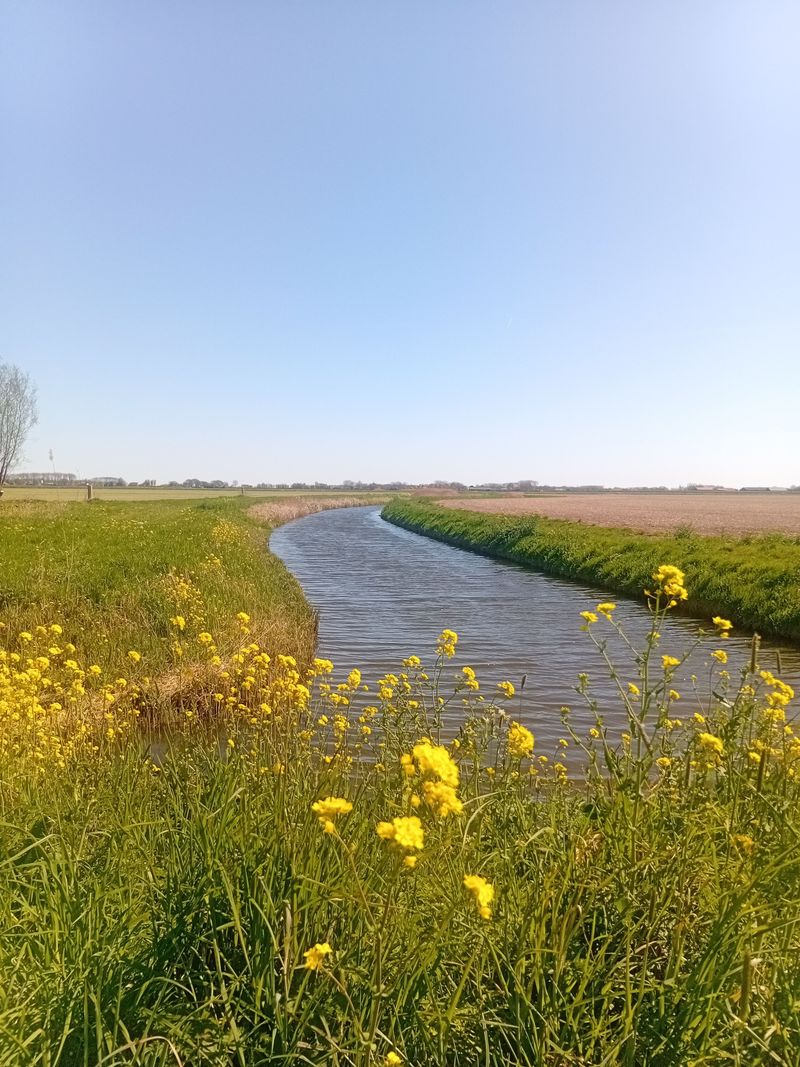
Open stretches deserve extra attention during a summer walk. Wild parsnip often grows along roadsides, sunny trail margins, fields, and disturbed ground.
A familiar path can develop new patches between visits.
Scan ahead before letting your dog explore grassy shoulders or drainage ditches. Avoid stepping into plants to retrieve a toy or dropped leash.
Where growth crowds the walking surface, turn around rather than squeezing past stems that could brush your legs or your dog’s body.
5. Check Trail Edges for Giant Hogweed
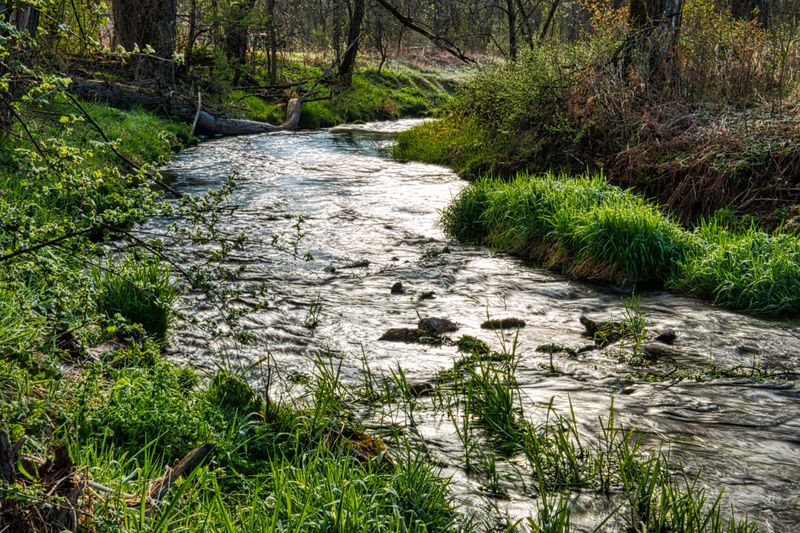
Creekside paths can hide tall plants behind ordinary summer greenery. Giant hogweed may grow near streams, moist woodland edges, roadsides, and other disturbed places.
Habitat alone cannot tell you whether a plant is dangerous.
Check the edge before your dog heads toward water or shade. Keep your distance from large white flower heads and unusually broad leaves until identified.
Never enter a patch for a better view, especially where branches or stems could brush against you.
6. Keep Your Dog on the Trail
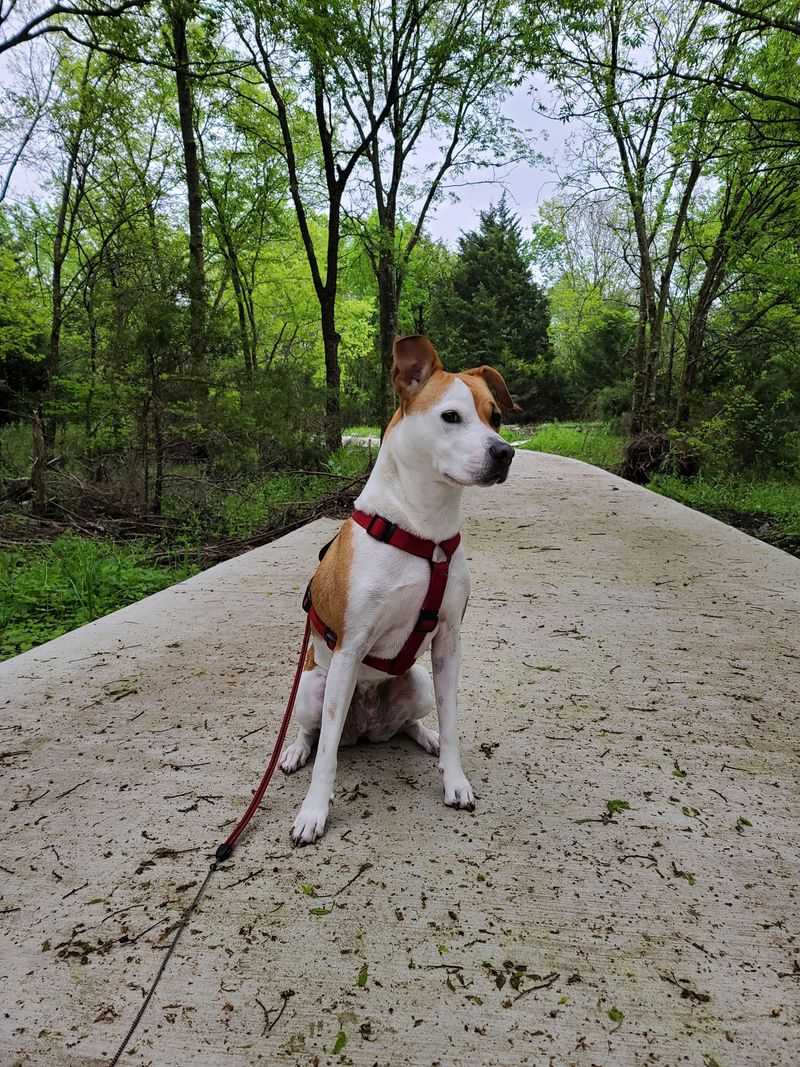
The middle of a clear path is your simplest safety tool. Staying on the maintained surface reduces contact with plants, including ones hidden beneath taller growth.
It also protects sensitive habitat beside the trail.
Practice a cheerful cue that brings your dog back toward you. Reward checking in before your companion reaches the edge.
Follow posted leash rules, which vary by property, and remember that permission to explore never makes an unknown patch of vegetation safe.
7. Use a Short Leash in Overgrown Sections
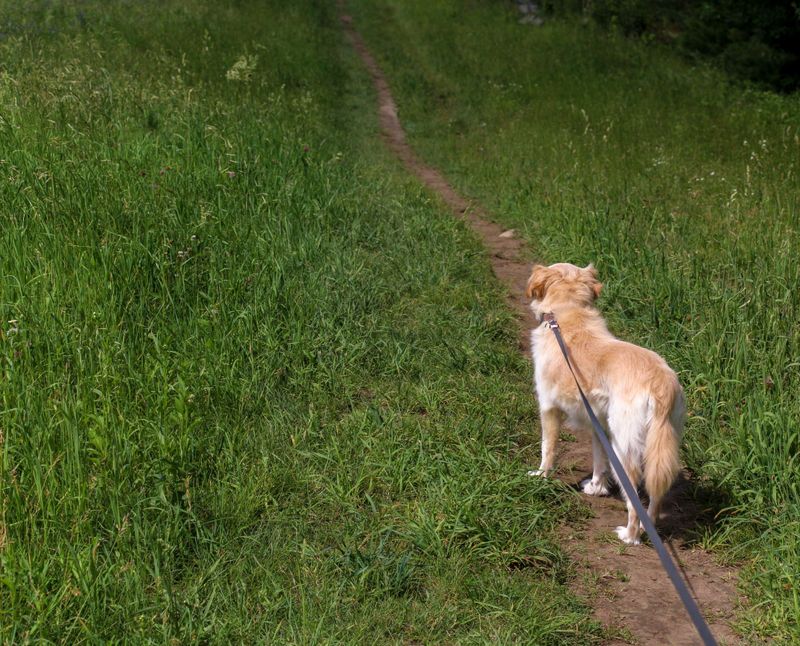
A little less leash can prevent an unwanted detour. Shorten your dog’s walking range before entering narrow sections, while keeping the leash comfortable and loose.
Avoid letting a retractable line carry your dog into weeds.
Choose enough space to pass without either of you touching plants. If that space disappears, stop and turn back.
Training helps, but distance works immediately. A calm change of direction is better than pulling your dog through vegetation you cannot identify.
8. Choose Clear, Well-Maintained Trails
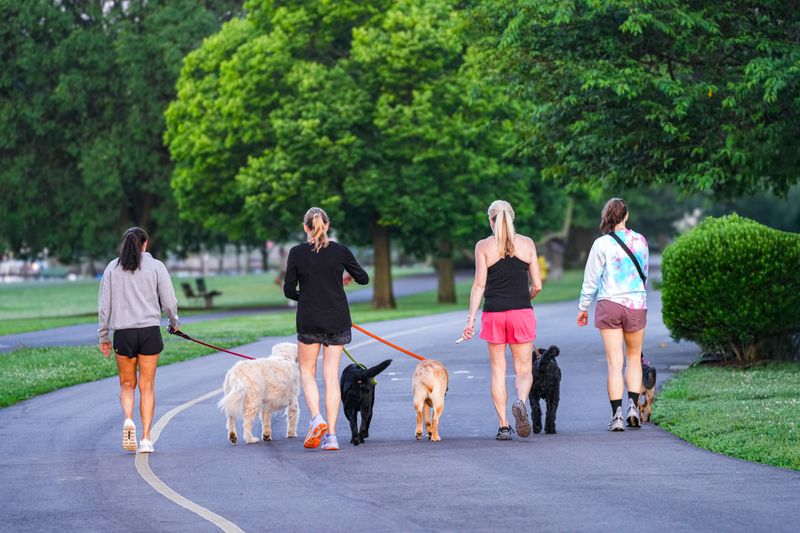
Route choice can do much of the work for you. Broad paths with clear margins make suspicious plants easier to notice and avoid.
Paved or crushed limestone routes often provide useful separation from vegetation.
Maintenance does not guarantee that every nearby plant is harmless. Look for fresh cuttings, crowded shoulders, and blocked sections before proceeding.
Skip routes where your dog must brush against growth. Having a backup walk nearby keeps a small change from spoiling everyone’s outing.
9. Check Illinois Trail Alerts Before You Go
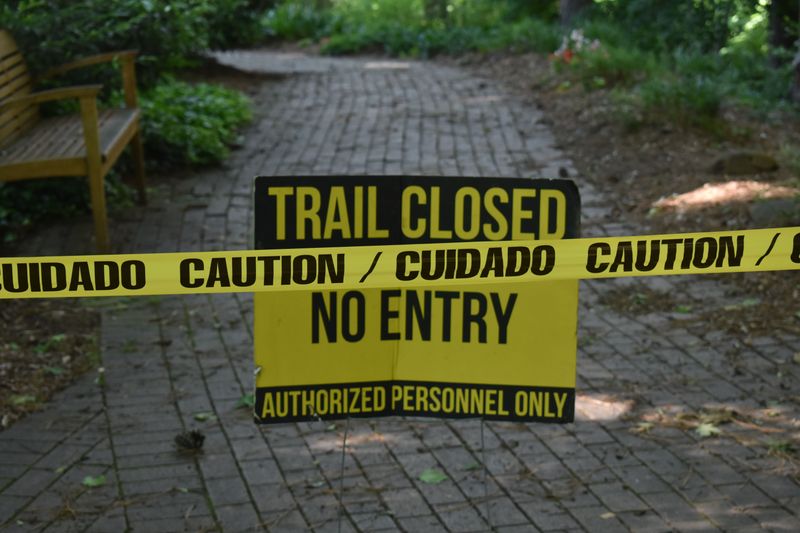
A quick check at home can save an awkward turnaround. Read the official website or social pages for your forest preserve, park district, or state recreation area.
Look for closures, vegetation work, and trail notices.
No alert does not mean a route is free of risky plants. Reports may be incomplete or outdated.
Call the managing office when conditions are unclear, and read signs at the trailhead. Follow posted detours rather than making your own shortcut through vegetation.
10. Learn When These Plants Are Easiest to Spot
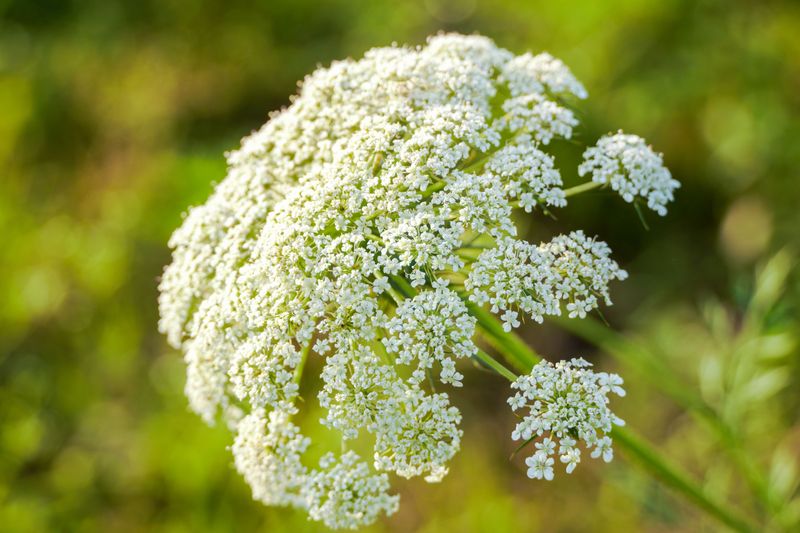
Flowers make recognition easier, but calendars are only rough guides. In Illinois, wild parsnip commonly flowers from late spring through summer.
Giant hogweed generally flowers during early to midsummer, depending on local conditions.
Plants can still contain irritating sap before flowers open or after blooming ends. Learn leaf and stem features alongside flower shapes.
Keep watching throughout the growing season, and avoid assuming that a plant without blossoms is safe for your dog to investigate closely.
11. Never Touch an Unknown Plant to Identify It
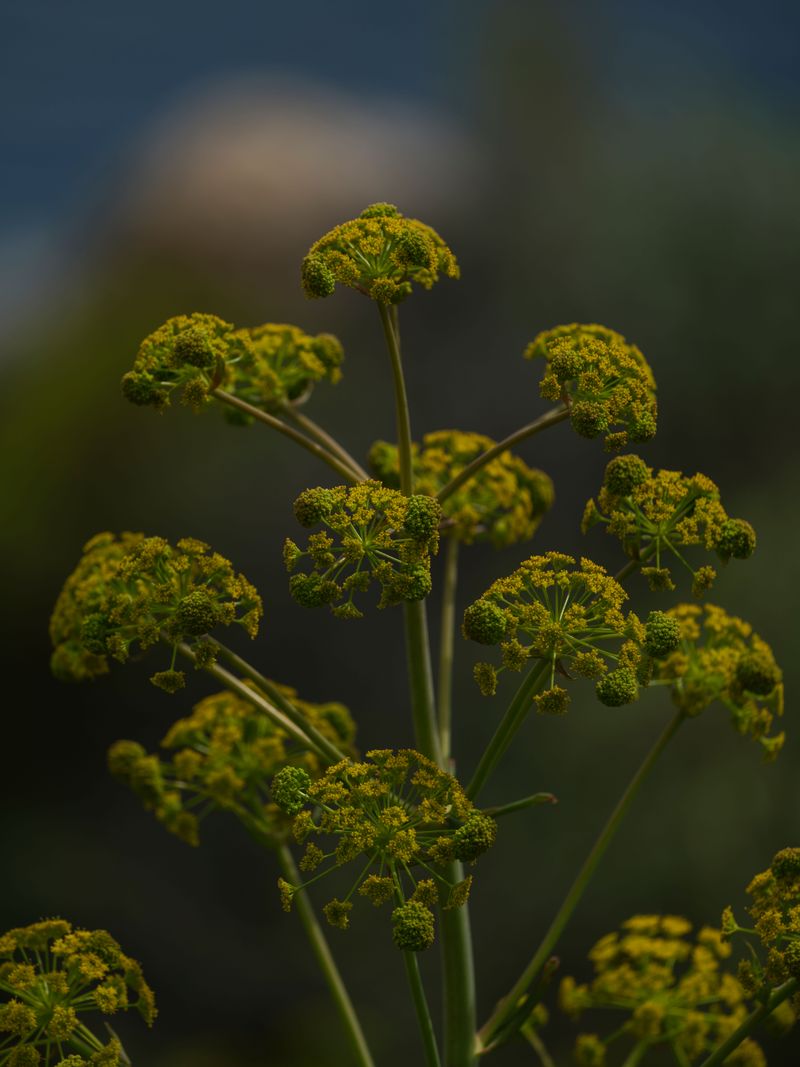
Your phone can help without putting your hands at risk. Photograph the whole plant, flowers, leaves, and visible stems from a safe position.
Use zoom instead of moving closer or bending branches.
Plant identification apps can suggest possibilities, but their answers are not proof. Ask knowledgeable park staff or an Extension office to review uncertain images.
Do not pick samples, snap stems, or rub leaves. Keep your dog beside you while taking photographs and recording the location.
12. Know What to Do if Your Dog Brushes Against a Plant
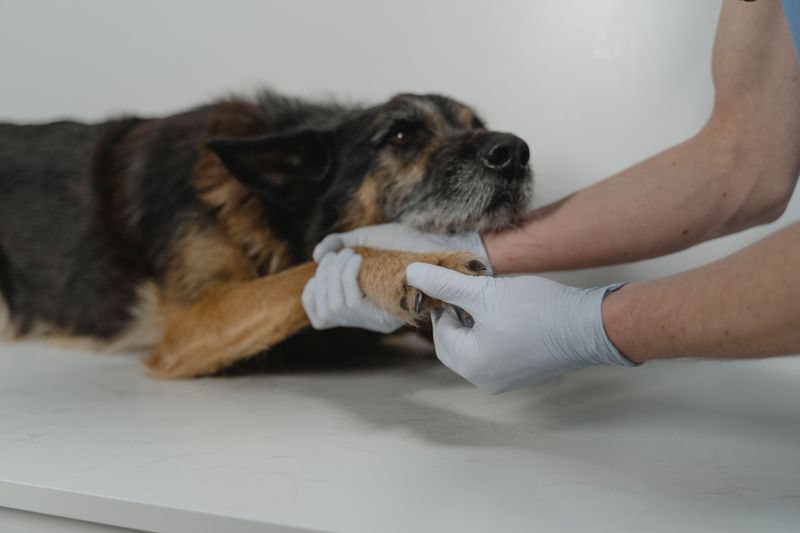
Move into shade promptly if sap exposure seems possible. Prevent licking and contact with other people while you arrange washing.
Wearing gloves, wash affected fur and skin with mild dog shampoo and cool water.
Rinse thoroughly without scrubbing, then call your veterinarian for advice about sunlight avoidance and monitoring. Do not use home remedies or human creams without guidance.
Suspected eye exposure needs immediate gentle flushing with clean water and urgent veterinary attention, even without visible changes.
13. Watch for Skin Changes After a Walk
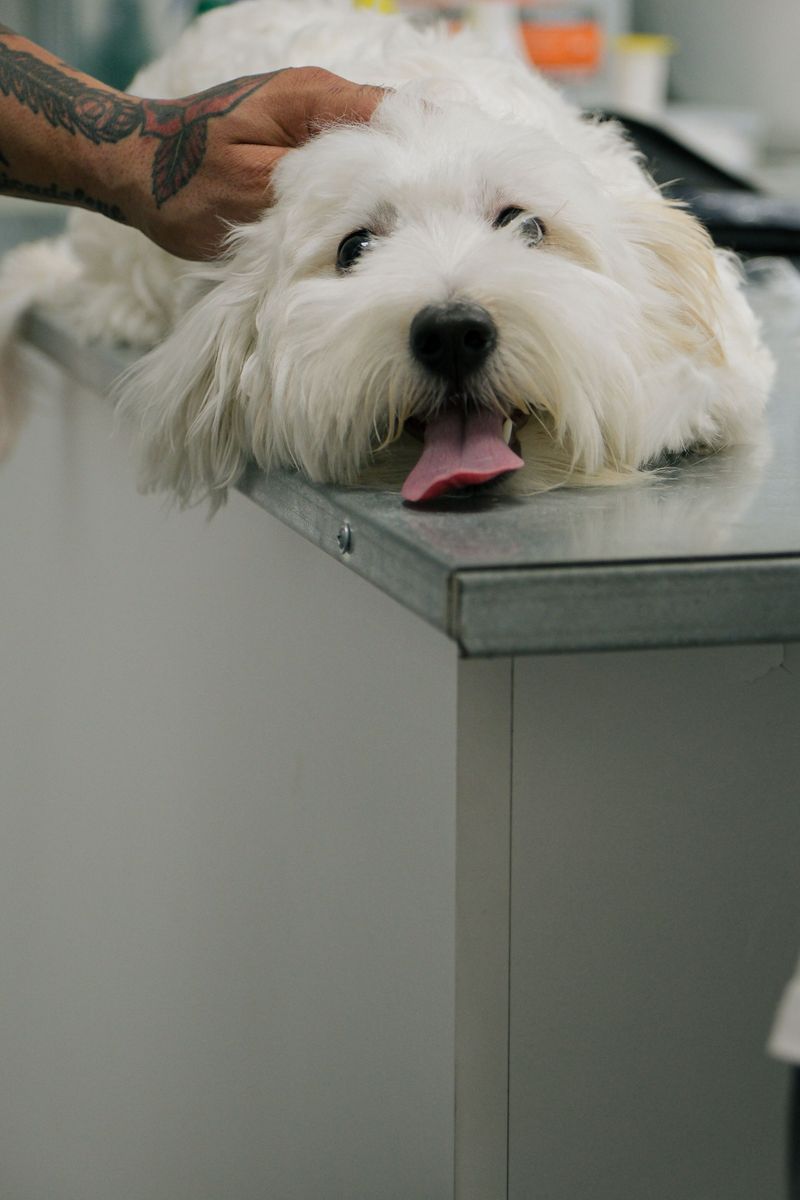
A comfortable dog right after a walk may still need monitoring. Skin changes can appear hours later, often within one or two days.
Watch for redness, swelling, tenderness, unusual licking, or blisters.
Check thinly furred areas without rubbing or pressing sore spots. Contact your veterinarian if changes appear, and mention possible plant contact plus sunlight exposure.
Photographs and timing can help the clinic assess next steps. Eye discomfort, squinting, or vision changes require prompt veterinary evaluation.
14. Protect Your Own Skin While Helping Your Dog
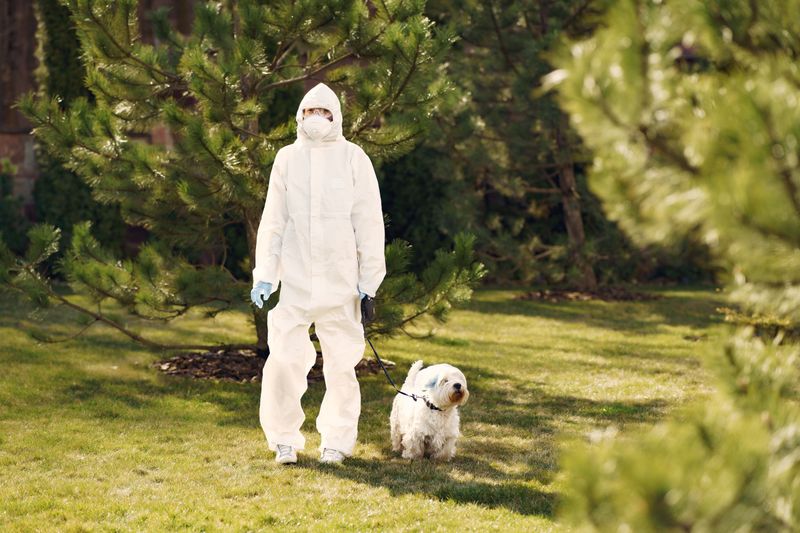
Helping your companion should not expose your own skin. Wear waterproof gloves and covering clothing before handling fur that may carry sap.
Avoid touching your face, and keep children away during cleanup.
Wash exposed human skin promptly with soap and water, then protect it from sunlight. Seek medical advice after suspected exposure, especially with eye contact or developing symptoms.
Clean potentially contaminated leashes and equipment while wearing gloves. Remove and wash clothing carefully before using it again.
15. Report Suspected Giant Hogweed in Public Areas
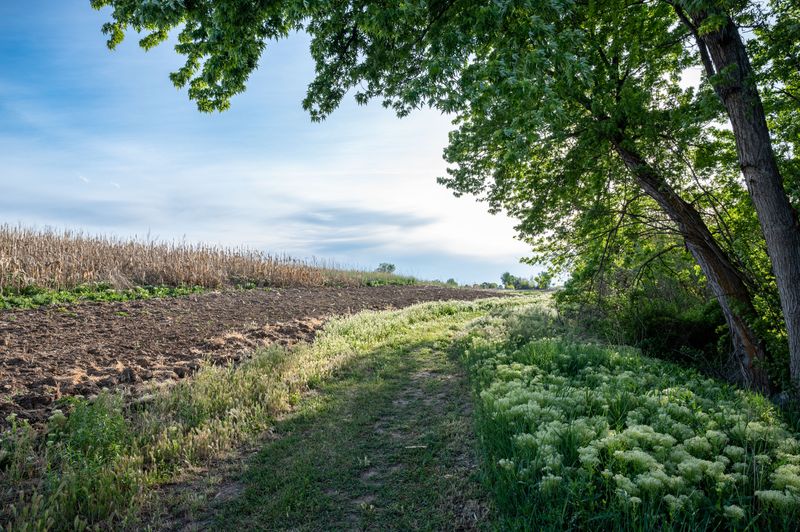
A useful report starts with a clear location, not a pulled plant. Note the trail name, nearby marker, and map coordinates if available.
Take photographs only when you can remain safely on the path.
Notify the land manager about suspected giant hogweed and request identification guidance. Illinois Department of Agriculture staff may also direct reporting questions.
Do not mow, cut, or remove the plant yourself. Tell staff whether growth reaches the walking surface or blocks safe passage.
16. Avoid Confusing Similar Plants With Dangerous Lookalikes
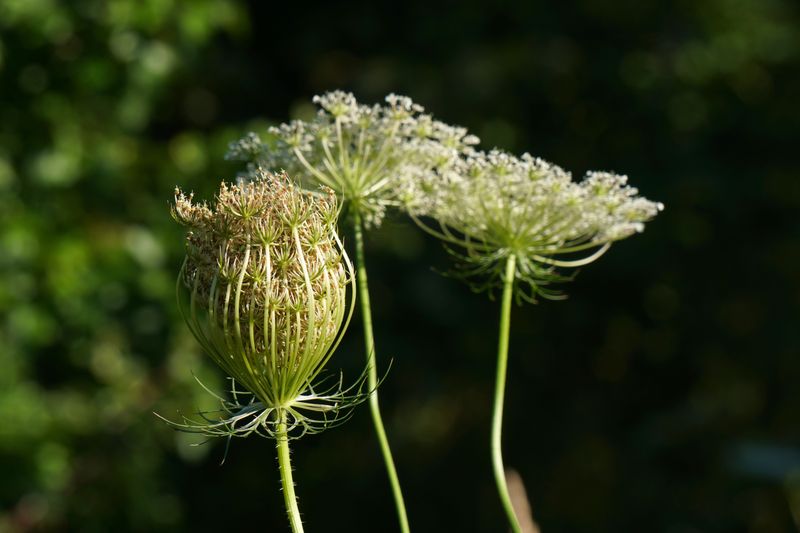
White flower clusters belong to many different plants. Cow parsnip, angelica, and Queen Anne’s lace can confuse beginners looking for giant hogweed.
Some lookalikes also deserve caution, so uncertainty calls for distance.
Compare leaf shape, stem markings, hairs, and overall size using a trusted botanical guide. Never taste plants or rely on smell to identify them.
Native cow parsnip can also cause sunlight-related skin reactions. A confident identification requires several matching features, not one familiar-looking flower head.
17. Give Your Dog a Quick Check After Every Walk
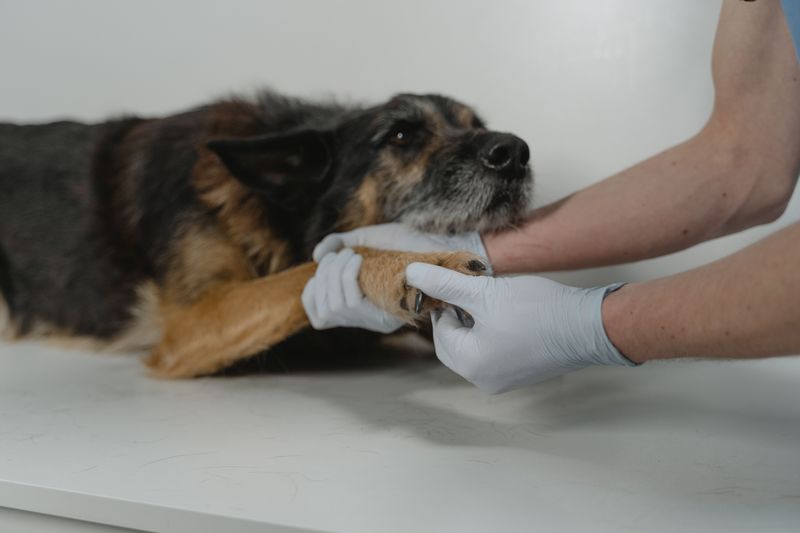
Before loading the car, pause for a brief look over your dog. Check paws, legs, belly, and muzzle for plant pieces or unusual moisture.
Remember that sap may not be easy to see.
If contact seems possible, put on gloves and follow washing guidance rather than simply wiping the coat. Inspect your leash and footwear too.
Keep notes about any suspicious patch you passed. Routine checks help catch concerns early without turning every outing into a worry.
18. Make Plant Safety Part of Your Illinois Trail Routine
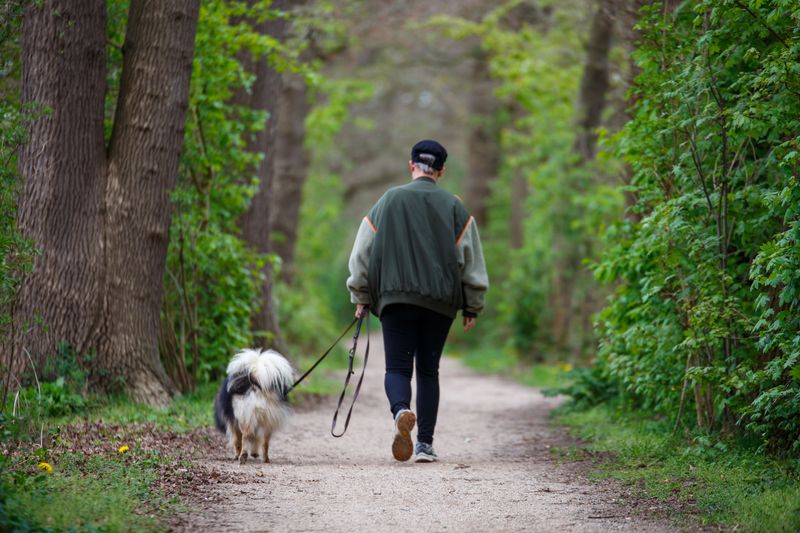
Good habits leave more room to enjoy the walk. Save your veterinarian’s number, carry water and gloves, and choose routes with clear walking space.
Share basic plant identification tips with anyone who walks your dog.
Review your plan as seasons and trail conditions change. You do not need to recognize every roadside species to make sensible choices.
Keep unknown plants at a distance, respond promptly to possible exposure, and keep exploring together. Awareness makes a dependable walking companion.