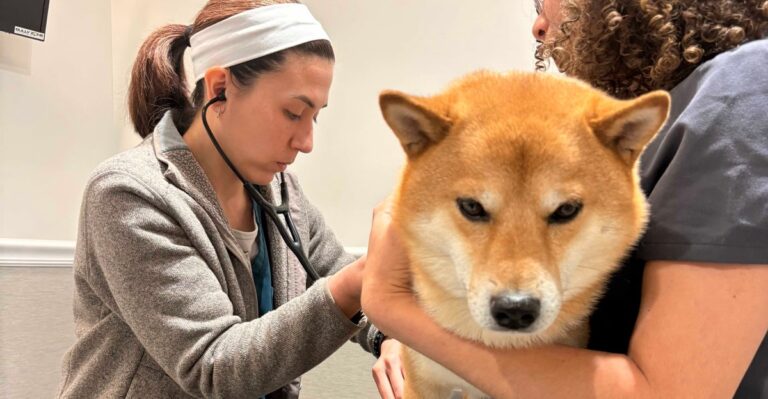
What Alabama Dog Owners Should Know About Black Bears In The Northeastern Mountains
Walking your dog through northeastern Alabama means sharing beautiful mountain country with wildlife, including black bears. Most outings stay peaceful, especially when you keep your dog close and avoid leaving food outside.
Knowing where bears live and how to respond makes trail walks, camping trips, and backyard time easier to manage. A few everyday habits can help you protect your pet while giving bears the space they need.
1. Where Black Bears Live in Alabama’s Northeastern Mountains
Mountain forests offer bears food, cover, and room to travel. Northeastern Alabama supports an established black bear population, especially around Little River Canyon and nearby wooded areas.
Bears also move across state lines, so sightings are not limited to one park.
Before exploring unfamiliar trails, check current notices from land managers. Treat connected forests, creek corridors, and wooded neighborhoods as shared wildlife habitat.
Your dog should remain under control throughout every visit, even near busy trailheads.
2. Why Black Bears Sometimes Appear Near Homes
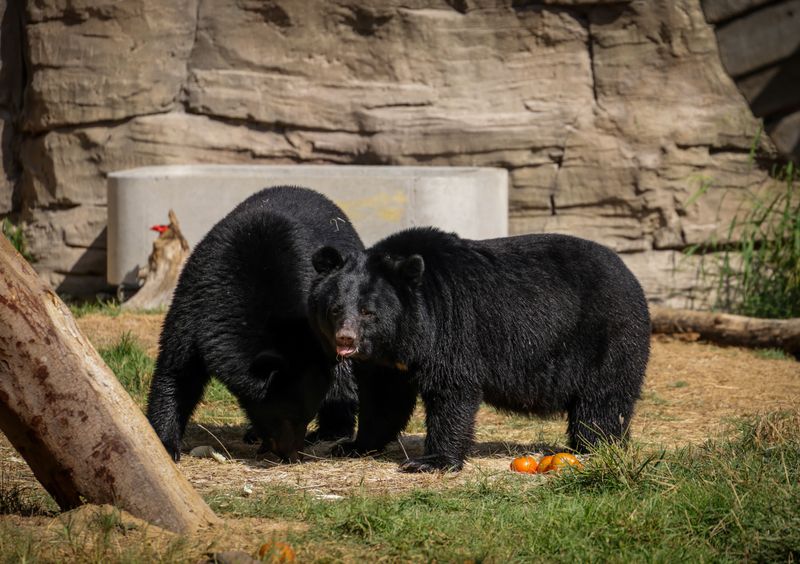
A backyard can smell like an easy meal to a hungry bear. Pet food, garbage, birdseed, and greasy grills may draw bears toward homes.
A sighting does not automatically mean the animal is behaving dangerously.
Remove tempting smells before they become a routine stop. Clean outdoor cooking areas, collect fallen fruit, and ask neighbors to secure food sources too.
Keep your dog indoors while a bear passes, rather than allowing barking or fence running to continue.
3. Keep Dogs Leashed in Bear Country
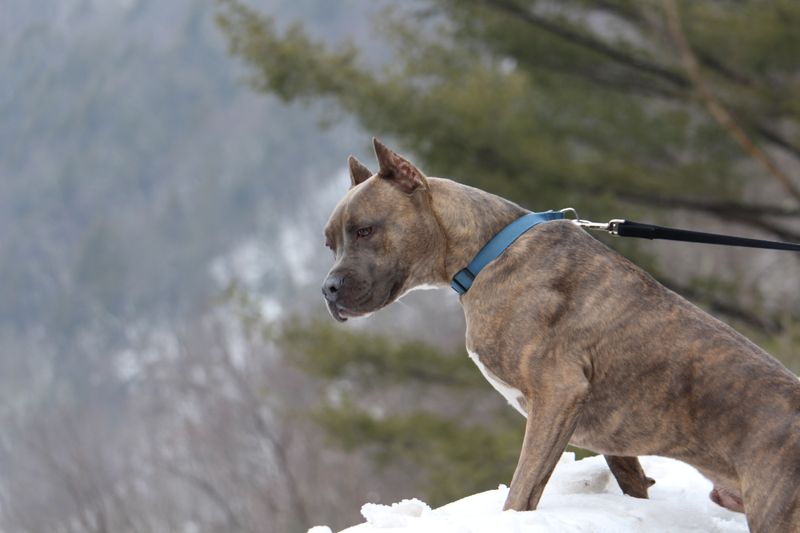
A leash gives you a connection when your dog notices movement first. Choose a sturdy, fixed leash that keeps your pet nearby.
Long retractable lines can make quick control harder on narrow mountain trails.
Check the rules for each park, campground, or public property before arriving. Leash requirements vary by location, and posted limits still apply.
Even where off leash walking is allowed, keeping your dog attached is the safer choice in known bear habitat locally.
4. Recognize Signs That a Bear Has Been Nearby
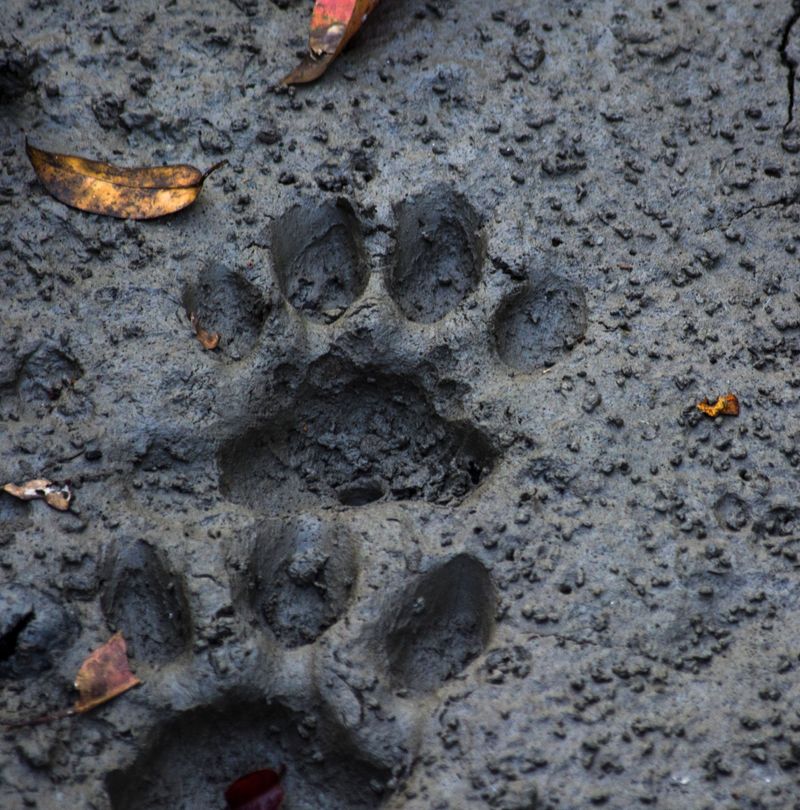
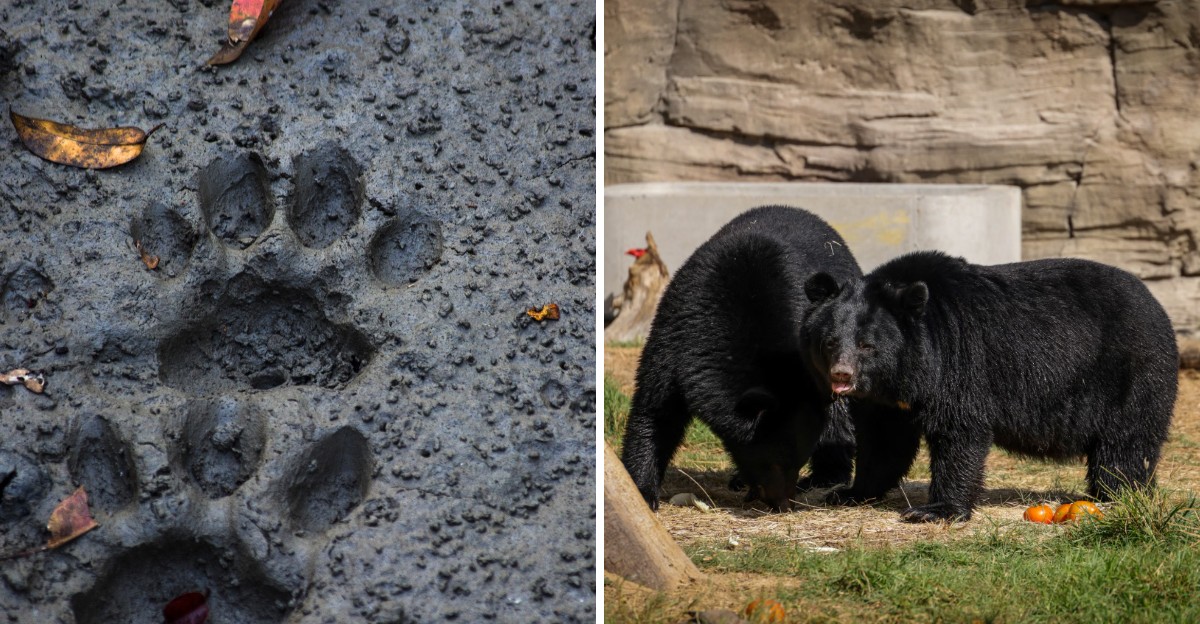
Muddy tracks can tell you more than a quick glance into the trees. Bear prints often show five toes, sometimes with visible claw marks.
Droppings may contain berries, seeds, or other food remains.
Do not touch droppings or let your dog sniff them closely. Scratched trees and disturbed logs can offer clues, but identification is not always certain.
If several signs appear fresh, shorten the leash and choose another route without searching for the animal nearby.
5. Store Pet Food and Garbage Securely
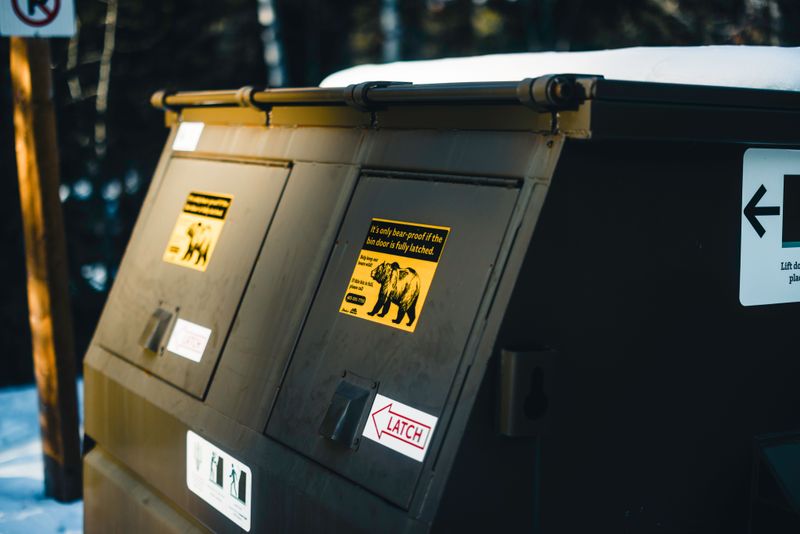
Dinner belongs indoors, even when your dog enjoys eating on the porch. Feed pets inside and clean bowls after meals.
Store kibble, treats, and garbage where bears cannot reach them.
A regular plastic bin is not necessarily bear resistant. Use properly secured bear resistant containers when needed, following local collection rules.
Put trash out close to pickup time rather than leaving it overnight. Never leave food bags, scraps, or scented wrappers beside an outdoor dog kennel.
6. Remove Bird Feeders When Bear Activity Increases
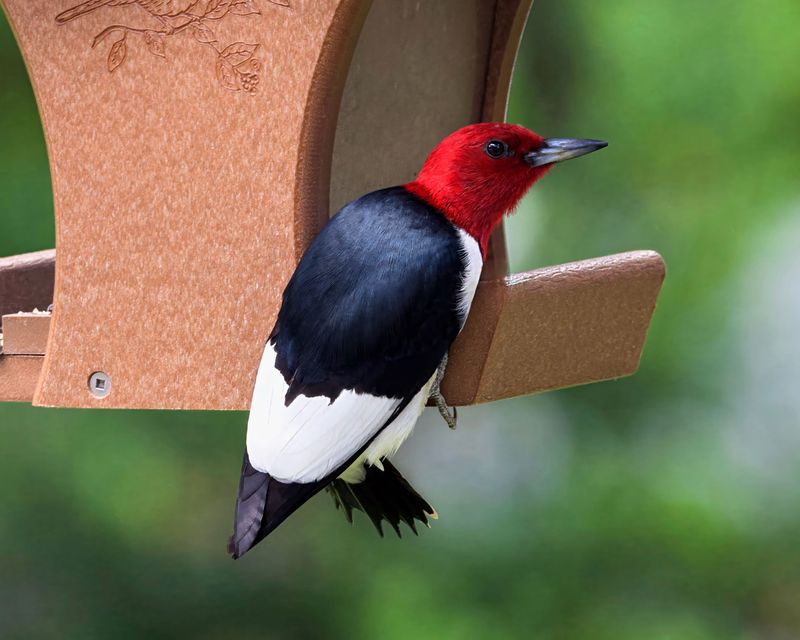
Birdseed feeds more than birds when bears discover a yard. Seeds and suet provide rich food, while spilled leftovers keep attracting visitors.
Hanging a feeder higher does not reliably solve the problem.
Take feeders down when bears are active nearby, and clear the ground beneath them. Store seed indoors or in secure storage.
If your neighborhood has repeated visits, ask wildlife officials when feeding might safely resume. Keep dogs inside during any bear activity around feeding areas.
7. Know What to Do When You See a Bear
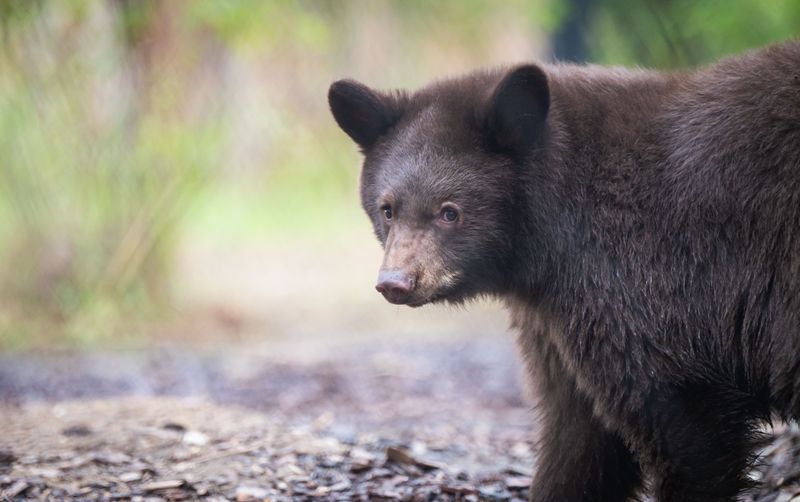
Spotting a bear is your cue to pause, not rush forward. Keep your dog close, stay calm, and give the animal an open escape route.
Never approach for a photograph or offer food.
If the bear notices you, speak calmly and back away slowly when safe. Do not run or turn the encounter into a chase.
Avoid sudden movements and keep watching the animal. Seek specific emergency guidance from park staff before visiting remote areas with dogs.
8. Prevent Your Dog From Chasing a Bear
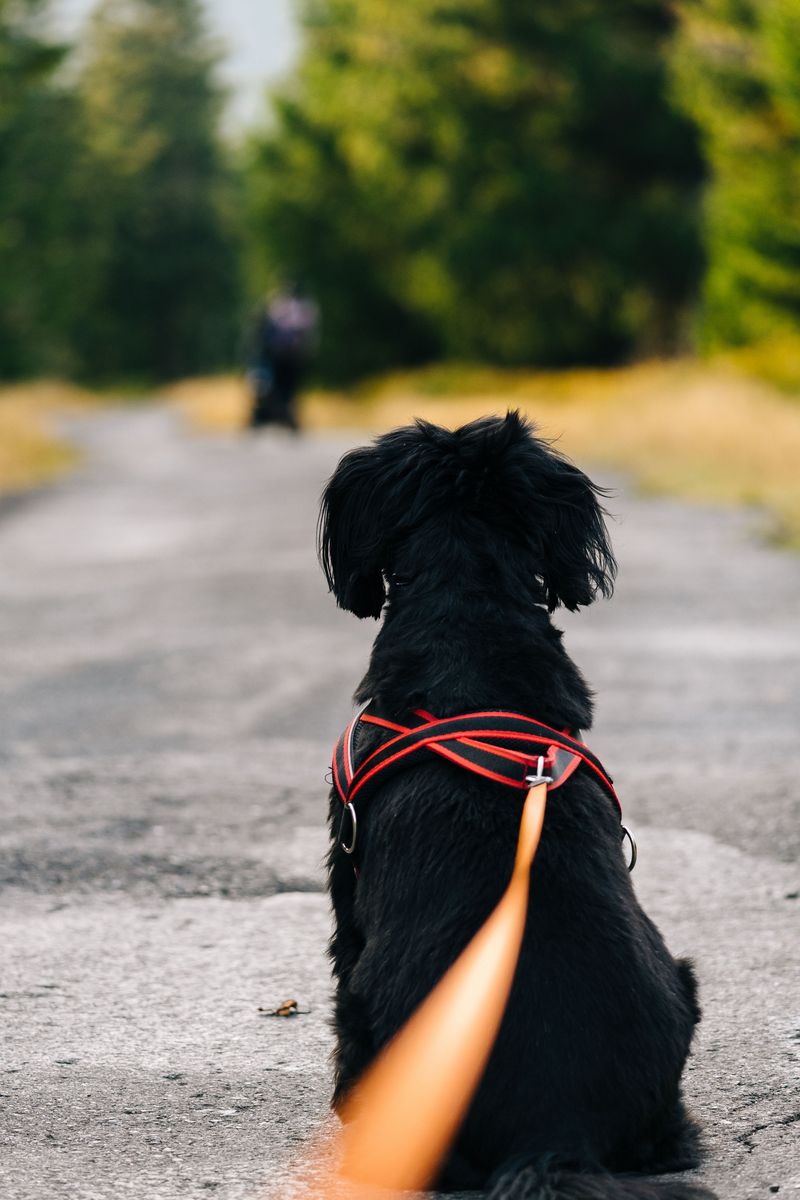
Even a small dog may chase wildlife before you can react. A bear may defend itself, and a fleeing dog can bring the encounter back toward you.
Prevention matters more than confidence in your pet’s recall.
Practice attention cues and calm walking before mountain outings. Reward your dog for checking in instead of staring into brush.
If barking starts, create distance without releasing the leash. Never send a dog toward a bear to make it move away.
9. Give Mother Bears and Cubs Plenty of Space
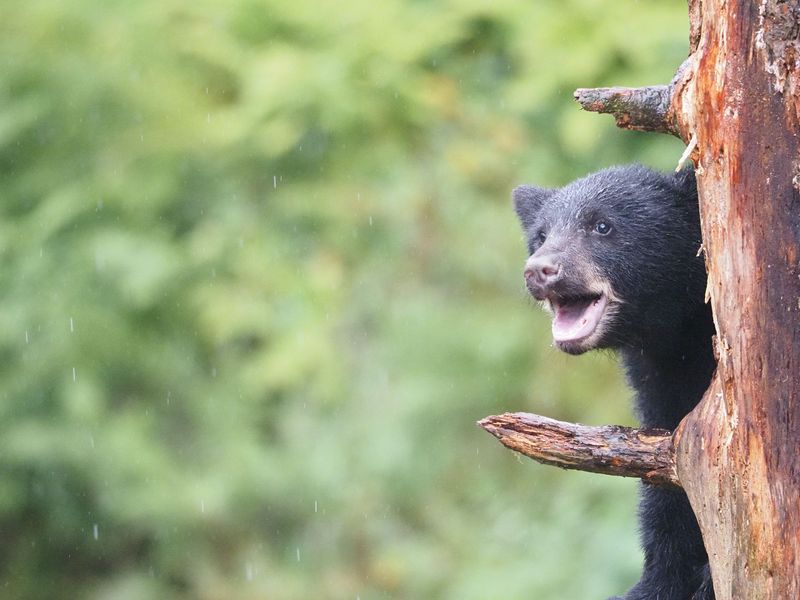
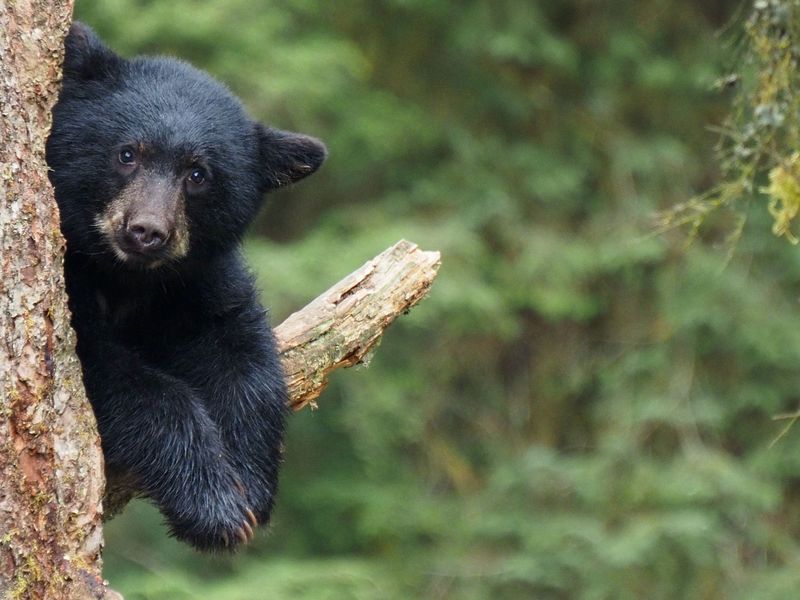
A cub in a tree is a reason to leave space immediately. Its mother may be nearby, even if you cannot see her.
Never approach a cub or position yourself between family members.
Quietly gather your dog and retreat along a clear route. Do not stop beneath the tree or wait nearby for photographs.
Keep other walkers from approaching when you can safely warn them. Report concerns to park staff without trying to move the animals yourself.
10. Choose Walking Routes With Good Visibility
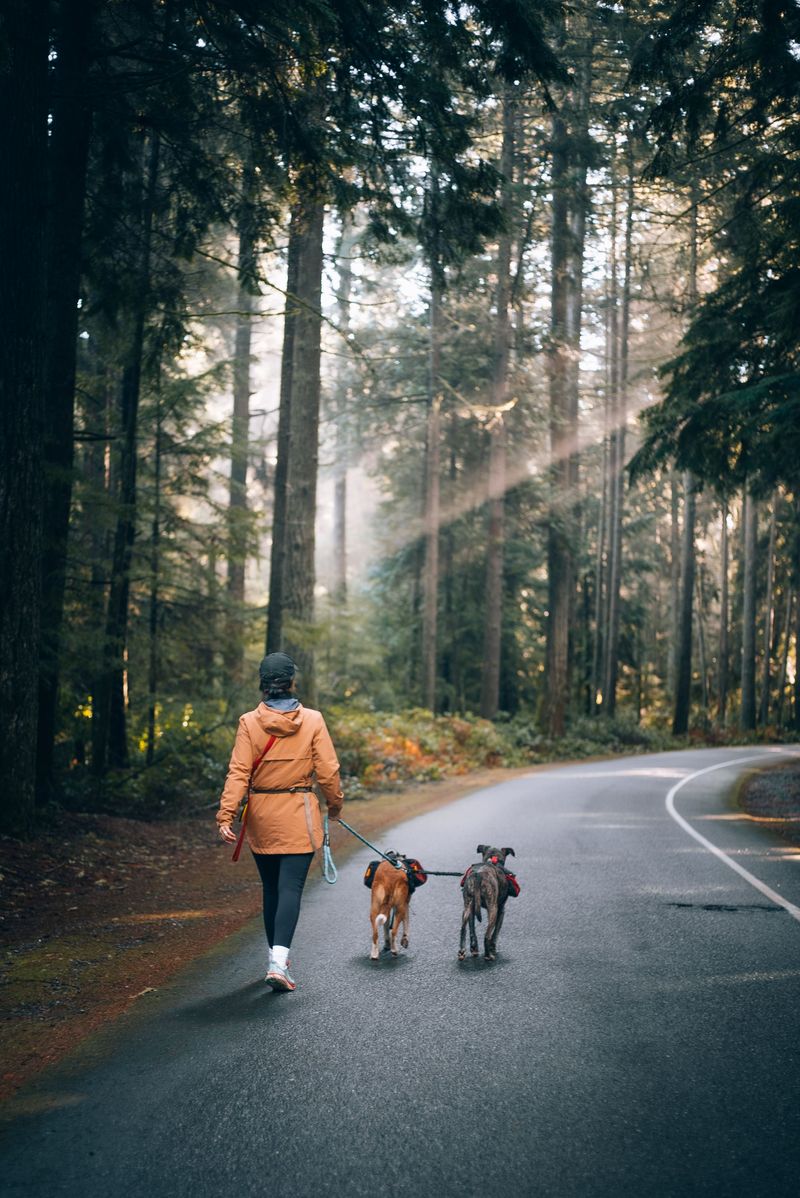
Seeing farther ahead gives everyone more time to avoid surprises. Favor maintained paths with clear sightlines over tight passages through dense brush.
Slow down near bends, creek crossings, and thick vegetation.
Use your normal speaking voice so wildlife can hear you coming. Avoid headphones that block surrounding sounds.
Keep your dog beside you rather than ahead around corners. If a trail feels too enclosed, choosing a wider route is a sensible adjustment, not a missed adventure today.
11. Understand When Bear Sightings May Increase
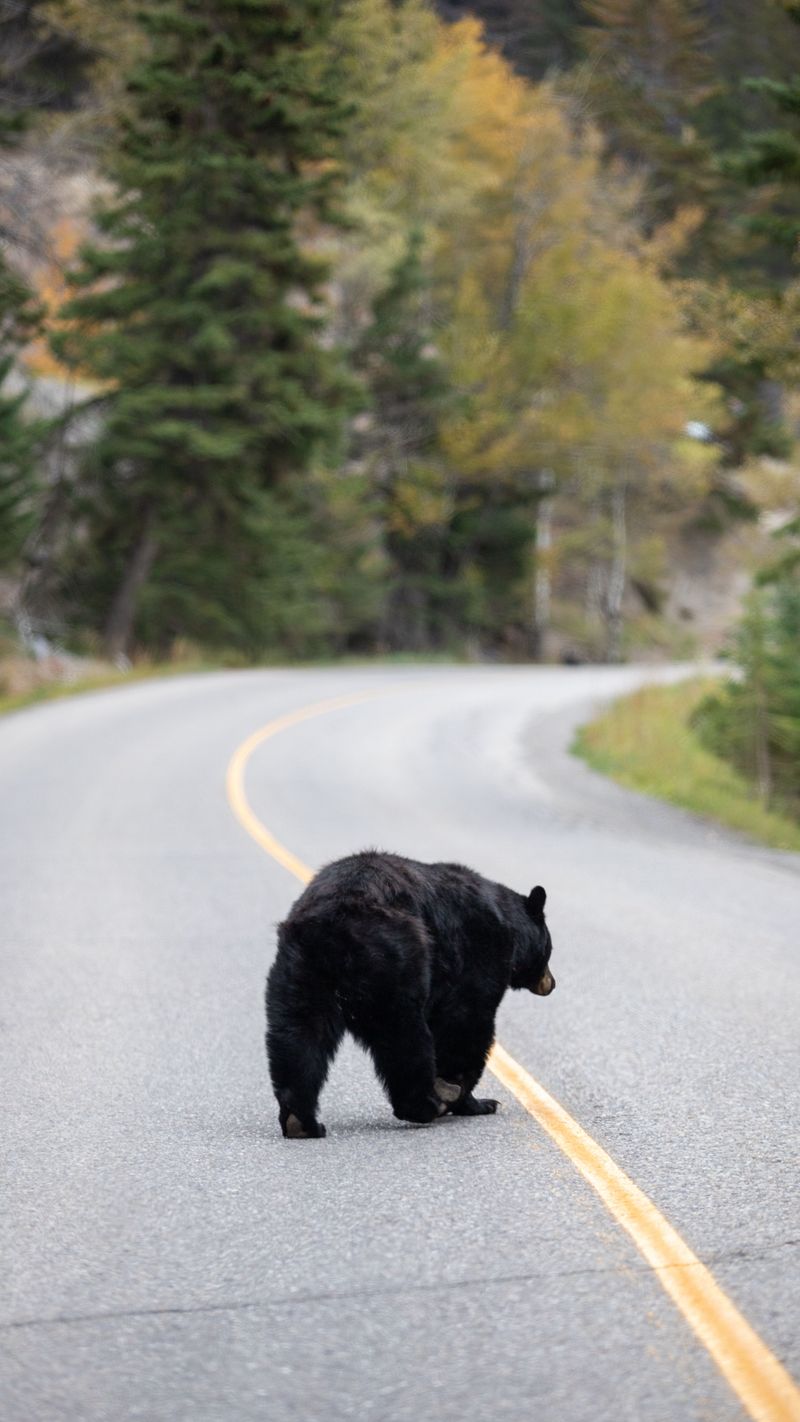
Seasonal changes can shift where bears search for their next meal. Spring movement, summer breeding activity, and fall feeding can bring more noticeable activity.
Young bears may also travel while finding new areas.
Local food shortages can increase visits around homes and campgrounds. Bears often move around dawn and dusk, but daytime sightings happen too.
Stay aware during every outing rather than relying on a supposedly safe hour. Check recent local notices before planning walks with dogs.
12. Be Extra Alert Around Little River Canyon
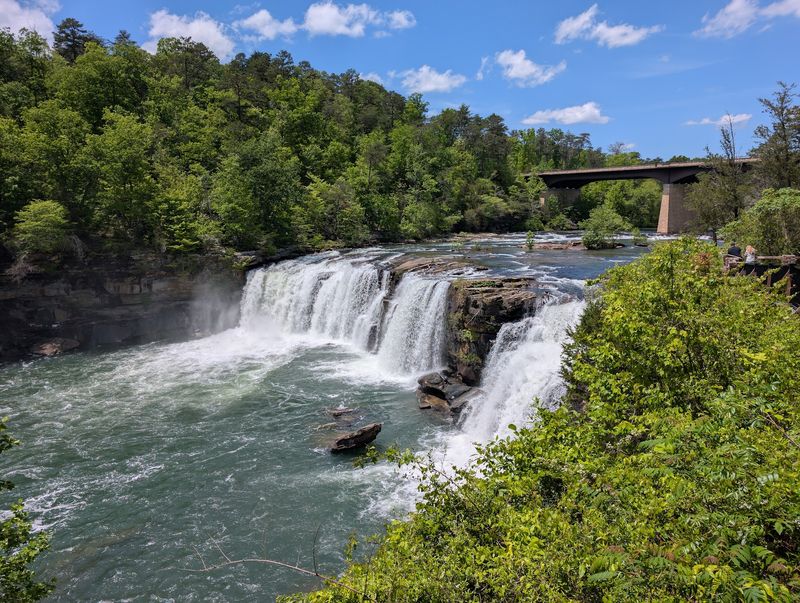
Little River Canyon combines striking scenery with established bear habitat. Wooded trails, picnic areas, and nearby roads all deserve your attention.
Busy overlooks do not mean wildlife stays far away.
Check National Park Service alerts and current pet rules before visiting the preserve. Keep your dog leashed wherever pets are permitted, and respect closures.
Secure snacks before leaving your vehicle or picnic spot. If staff report bear activity nearby, ask for another suitable walking area for your dog.
13. Keep Your Dog Close at Campsites
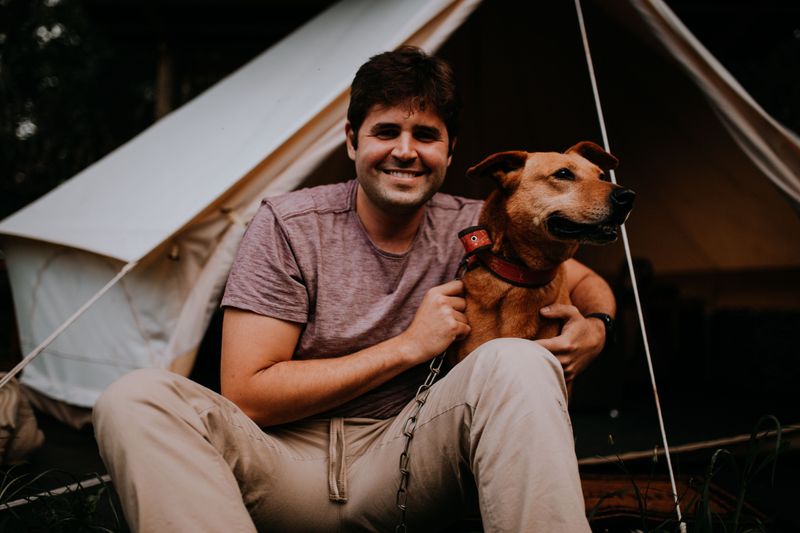
A campsite should never become a place where your dog wanders freely. Keep your pet with you and follow campground leash rules.
A tether does not replace supervision or protect against wildlife encounters.
Store pet meals, treats, bowls, and garbage according to campground instructions. Never keep food inside a tent because your dog might want it overnight.
Before bed, check the site for scraps. Ask the host about recent bear activity and any required food storage equipment available.
14. Avoid Leaving Dogs Outside Unattended
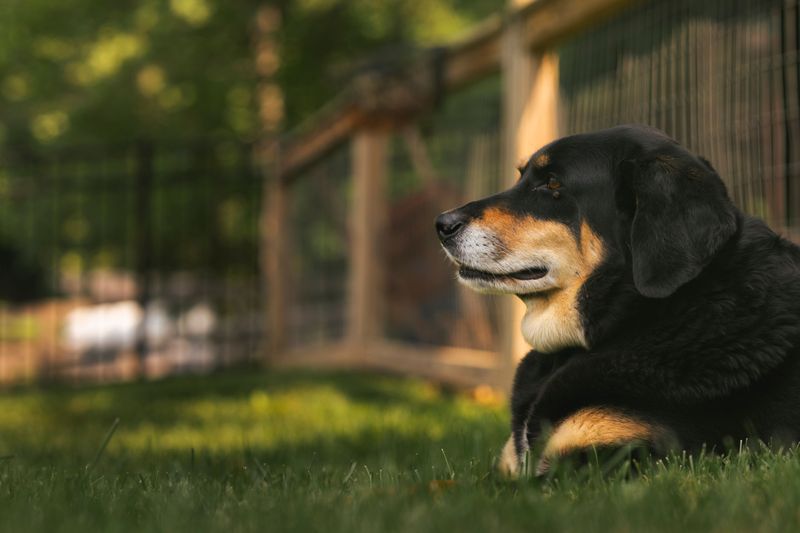
Your fenced yard is useful, but it is not a bear barrier. Bears can climb, and a barking dog may draw attention.
Stay outside with your pet when local bear activity is reported.
Check the yard before opening the door, especially in low light. Keep a leash handy for bathroom breaks near woods.
Bring dogs indoors if you notice wildlife nearby. Outdoor kennels should never hold food that attracts bears, and unattended pets cannot reliably avoid an encounter.
15. Know When to Leave an Area
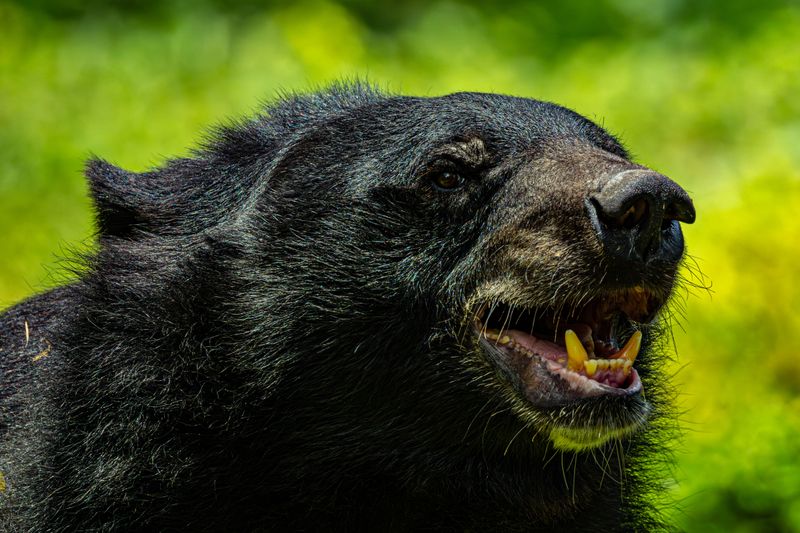
Turning around early is often the easiest safety decision you can make. Leave when a bear occupies the trail or your dog becomes difficult to control.
Do not squeeze past an animal to finish your route.
A bear that approaches, huffs, or swats the ground needs more space. Back away calmly while keeping your dog close.
If reaching your vehicle is unsafe, avoid forcing a passage. Contact park staff or emergency services when immediate assistance is needed there.
16. Report Bear Sightings to Alabama Wildlife Officials
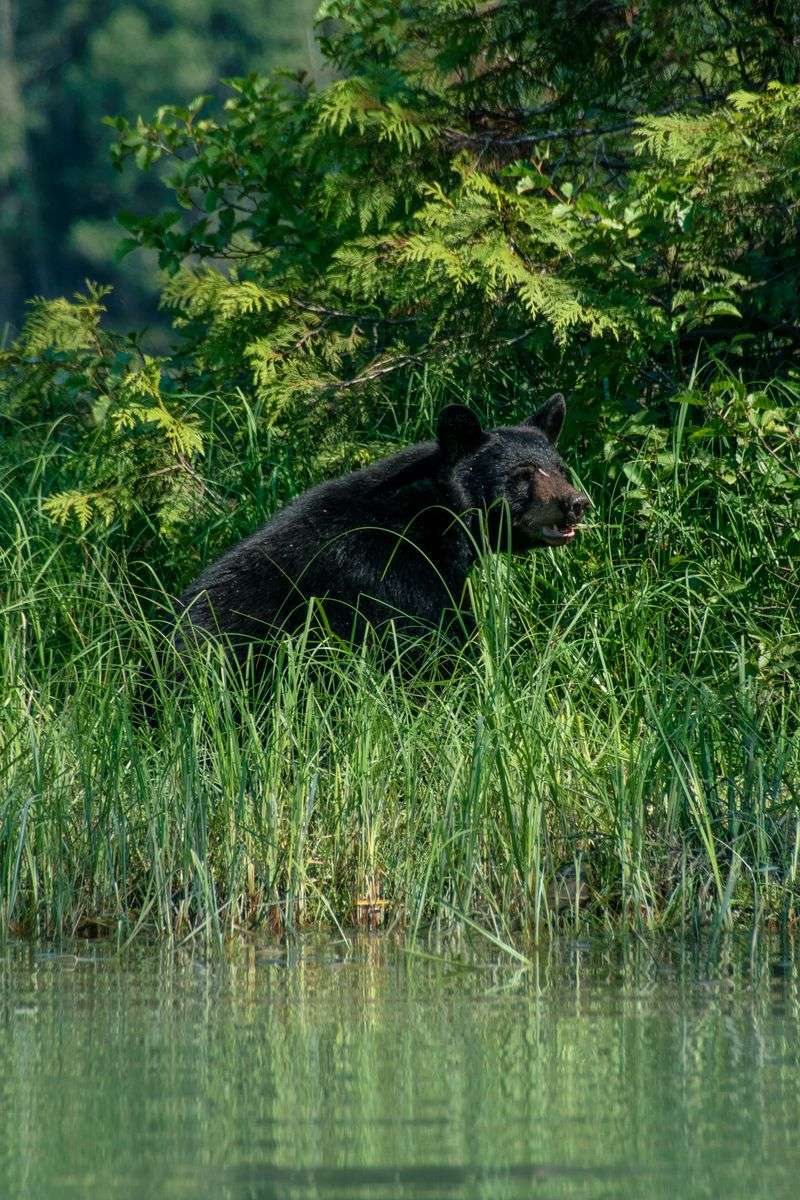
A useful report starts with details gathered from a safe location. Note the date, time, general location, and what the bear was doing.
Include photographs only if you already took them without approaching.
Use current reporting information from the Alabama Department of Conservation and Natural Resources. Within parks, notify staff as well.
Explain whether food, pets, or repeated visits were involved. Online sighting reports are not emergency dispatch, so call 911 when there is immediate danger to people.
17. Remember That Black Bears Are Protected in Alabama
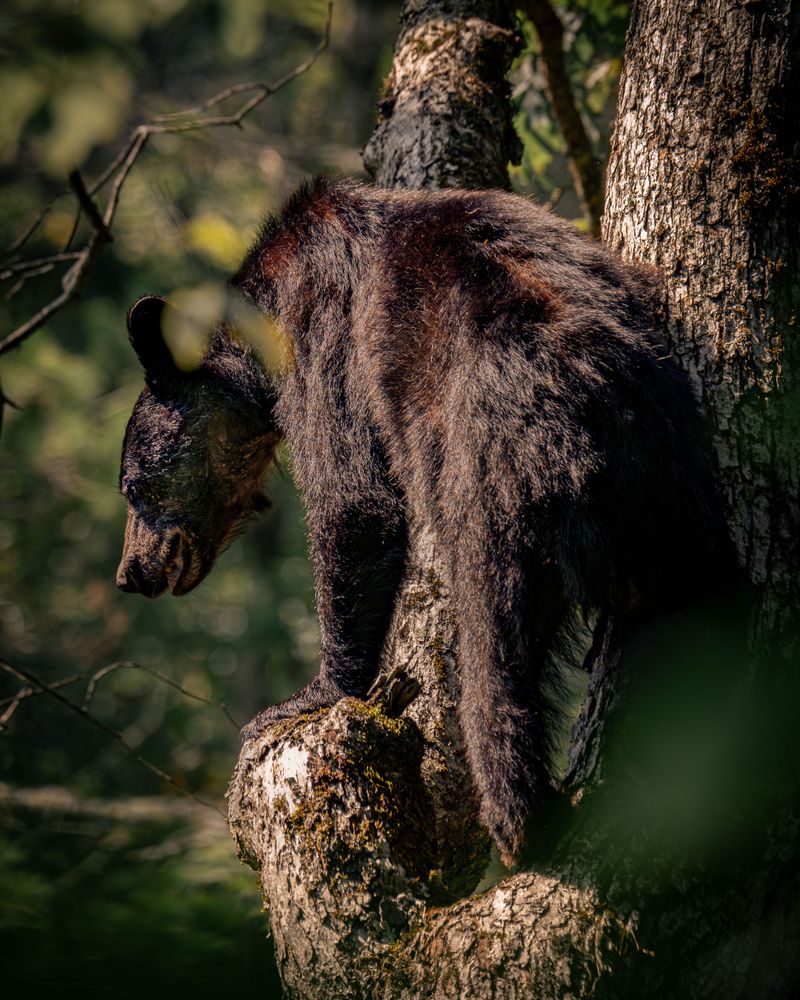
Alabama protects black bears, and the state has no open bear hunting season. A bear crossing your property is not permission to trap or relocate it.
Wildlife handling belongs with authorized professionals.
Contact state wildlife officials for guidance about repeated visits or property concerns. Local rules about garbage and feeding wildlife may also apply.
Confirm those details with your municipality or county. Focus on removing food sources and protecting your dog, rather than attempting your own wildlife control.
18. Make Bear Awareness Part of Every Dog Outing
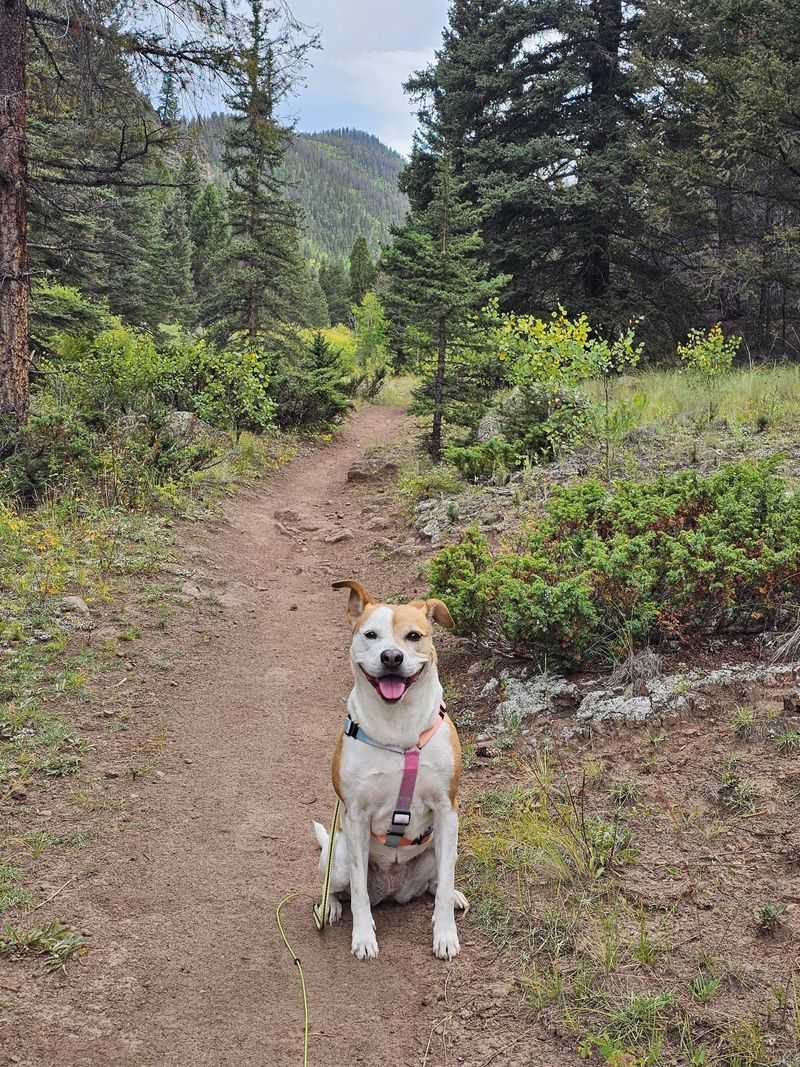
Preparation works best when it becomes as ordinary as grabbing the leash. Check local alerts, pack water, and keep treats securely stored.
Make sure everyone walking your dog understands the same basic response.
After each outing, notice what worked and adjust your next route if needed. You do not need to fear the mountains to respect their wildlife.
Keep your dog close, give bears room, and remove easy food. Those simple habits help make tomorrow’s walk calmer too.