15 North Carolina Dog-Walker Questions For Owners In Fast-Growing Apartment Communities
Apartment life gives your dog plenty to explore, but new neighbors and busy sidewalks can change familiar walks quickly. Across North Carolina’s growing communities, a good walker needs more than a leash and a friendly smile.
Asking clear questions helps you find someone who understands your building, your neighborhood, and your dog’s daily needs. Use these conversation starters to build a walking plan that feels comfortable for both of you.
1. What Experience Do You Have Walking Dogs in Busy Apartment Communities?
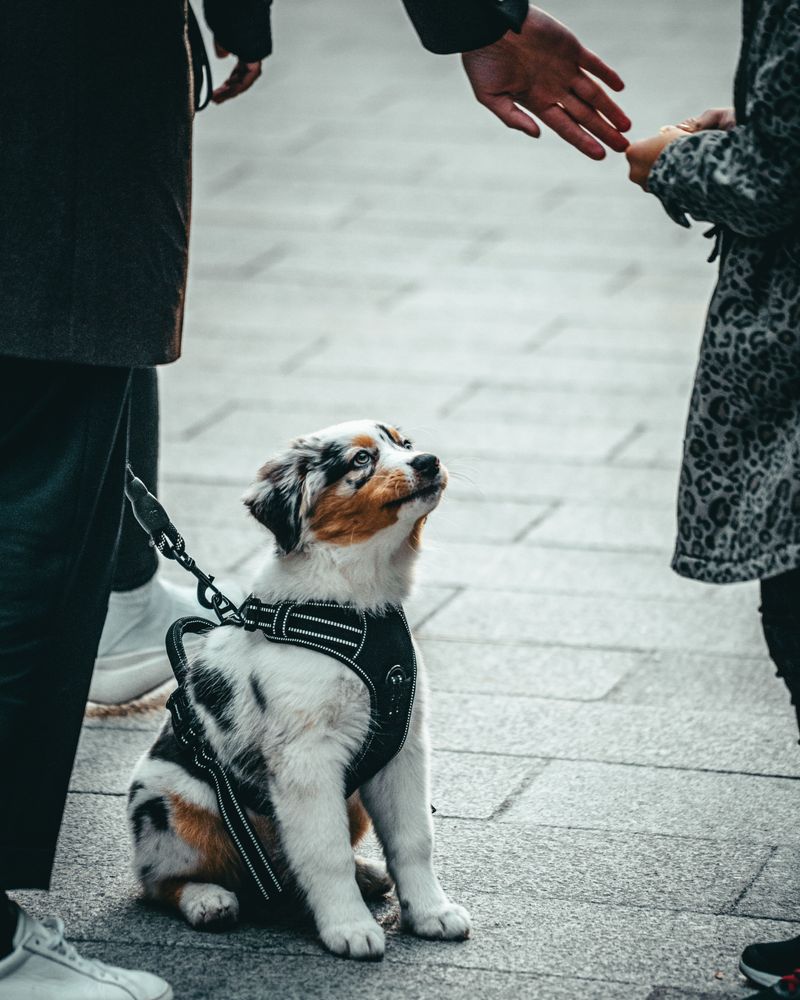
A crowded lobby can tell you more than a quiet backyard introduction. Ask about experience with delivery carts, moving crews, and dogs appearing around corners.
Look for examples of patient handling rather than broad promises.
Arrange a short trial walk together before giving independent access. Watch whether the walker notices your dog’s signals and keeps comfortable space.
References from other apartment clients can help confirm reliability, communication, and respect for shared spaces during busy daily routines.
2. How Will You Handle Elevator Rides and Shared Hallways?
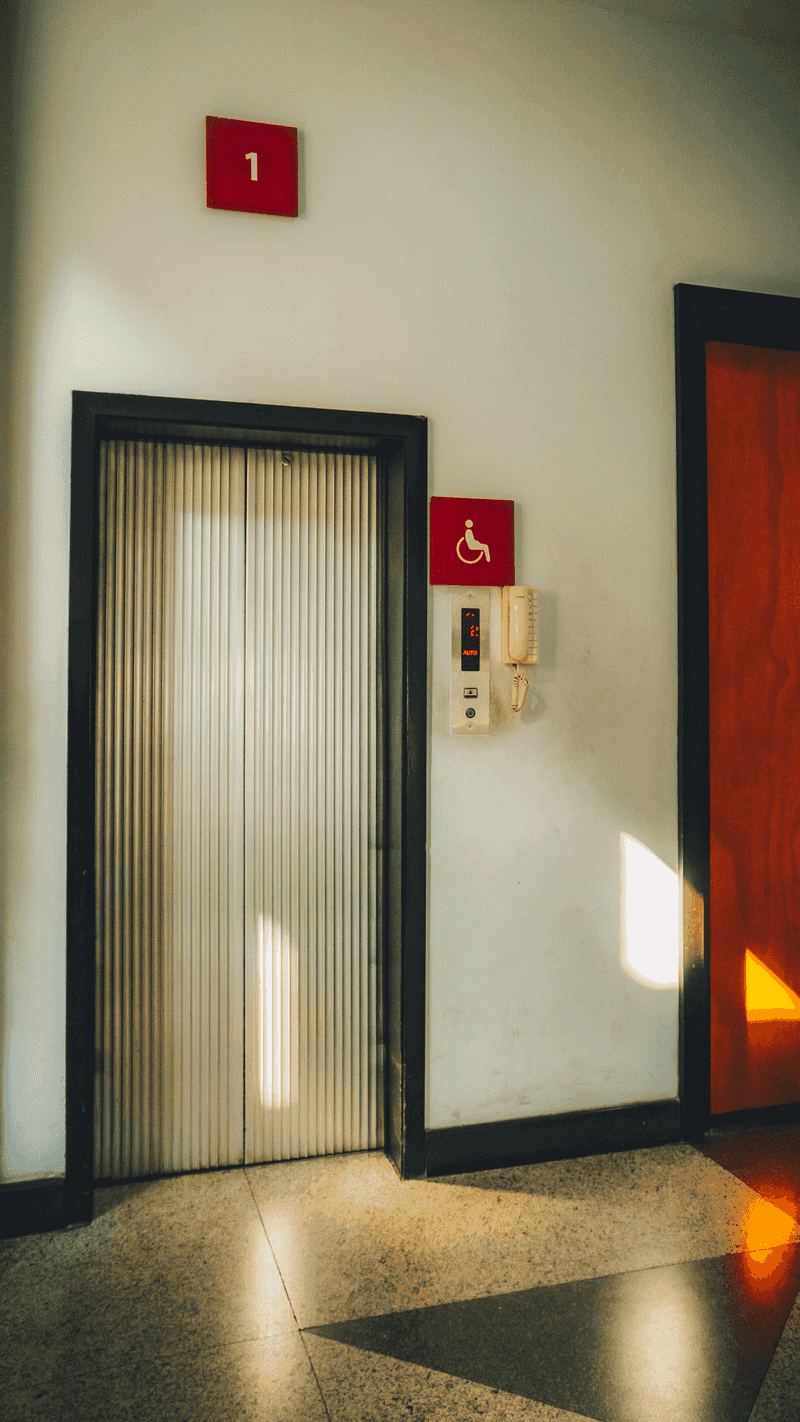
Elevator doors leave little room for last-second decisions. A careful walker waits back, checks who is inside, and avoids crowded rides.
Leashes should stay controlled without pulling your dog tightly against strangers.
Explain whether your dog prefers stairs or needs extra boarding time. Never let a leash stretch across closing elevator doors.
Agree on a hallway plan that includes pausing at blind corners and allowing neighbors to pass without unwanted greetings or rushed interactions nearby.
3. Can You Work Around North Carolina’s Hot and Humid Weather?
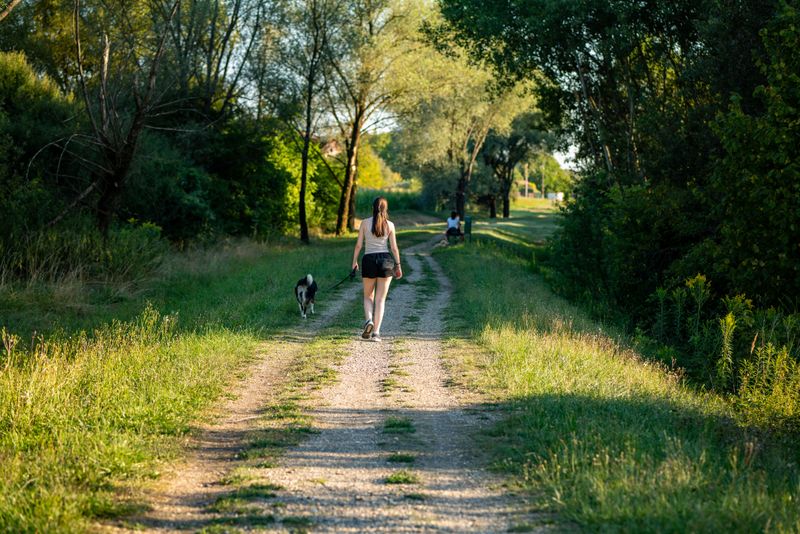
Sticky summer afternoons call for flexibility, not a fixed mileage goal. Ask about earlier visits, shaded paths, water breaks, and shorter outings.
Hot pavement can hurt paws, even when the air feels manageable.
Your veterinarian can recommend limits for your dog’s health and breed. Heavy panting, weakness, or unusual drooling warrant stopping activity and seeking veterinary advice promptly.
Confirm the walker will choose comfort over completing a route when North Carolina’s heat and humidity build outdoors.
4. Where Will You Walk My Dog Near Our Apartment?
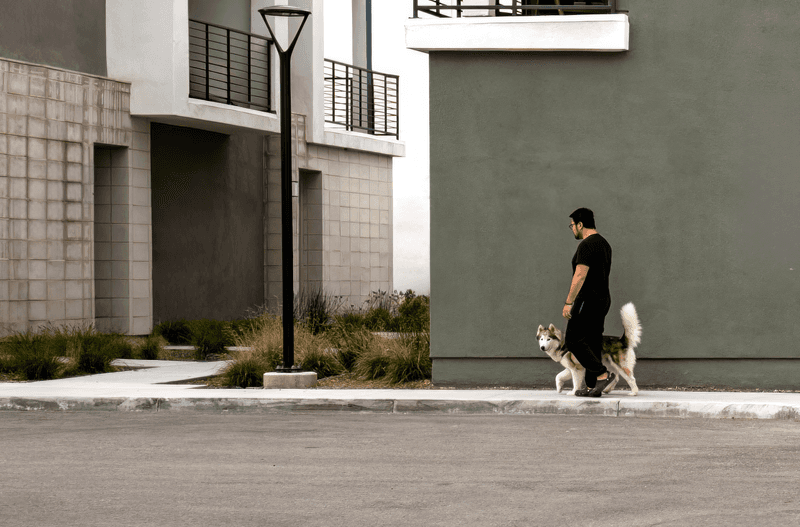
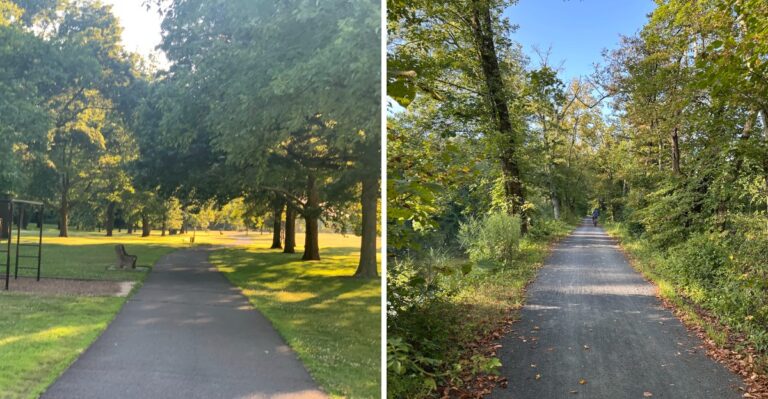
A green patch on a map may hide missing sidewalks or private property. Walk the proposed route together and identify crossings, shade, lighting, and waste stations.
Choose a backup loop before the first booking.
Leash requirements and park rules vary across North Carolina communities. Confirm current rules with local authorities and property management.
Ask the walker to avoid unfamiliar dog parks unless you specifically approve them, since open gates and unknown playmates can complicate routine outings.
5. How Do You Handle Dogs That React to Other Pets?
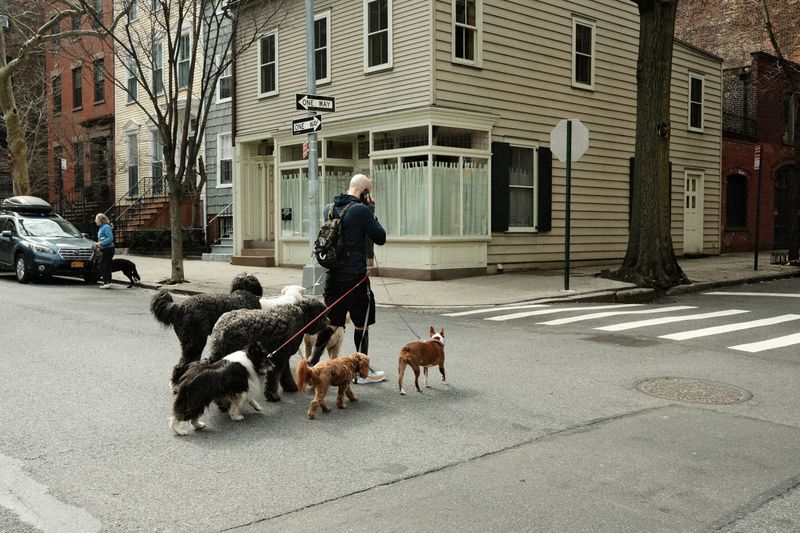
Extra space often helps more than a firm command. Describe your dog’s triggers, including barking behind fences or sudden approaches.
Ask how the walker notices tension before your dog becomes overwhelmed.
A suitable plan may include crossing the street, turning around, or waiting behind a visual barrier. Avoid walkers who insist every dog must greet others.
Share reward methods that already work, and involve a qualified trainer when reactions make ordinary walks difficult to manage safely.
6. What Happens When Construction Blocks Our Usual Route?
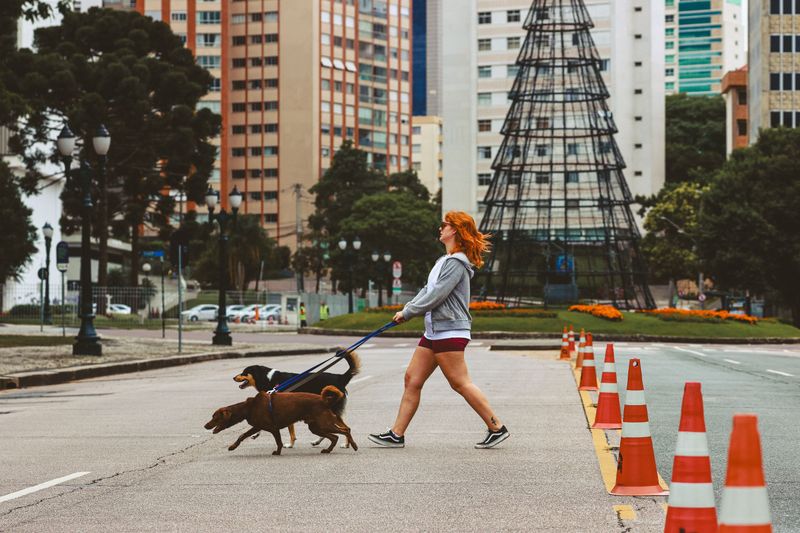
Yesterday’s clear sidewalk may become tomorrow’s fenced work zone. Growing apartment neighborhoods often bring changing entrances, delivery trucks, and unfamiliar sounds.
Ask how the walker checks routes before leaving your building.
Agree that barriers stay off limits, even when a shortcut looks easy. Identify alternate paths with proper sidewalks and safe crossings.
Request a message when construction changes the walk significantly, especially if noise unsettles your dog or access delays shorten the scheduled outdoor visit unexpectedly.
7. Will You Follow My Dog’s Usual Walking Routine?
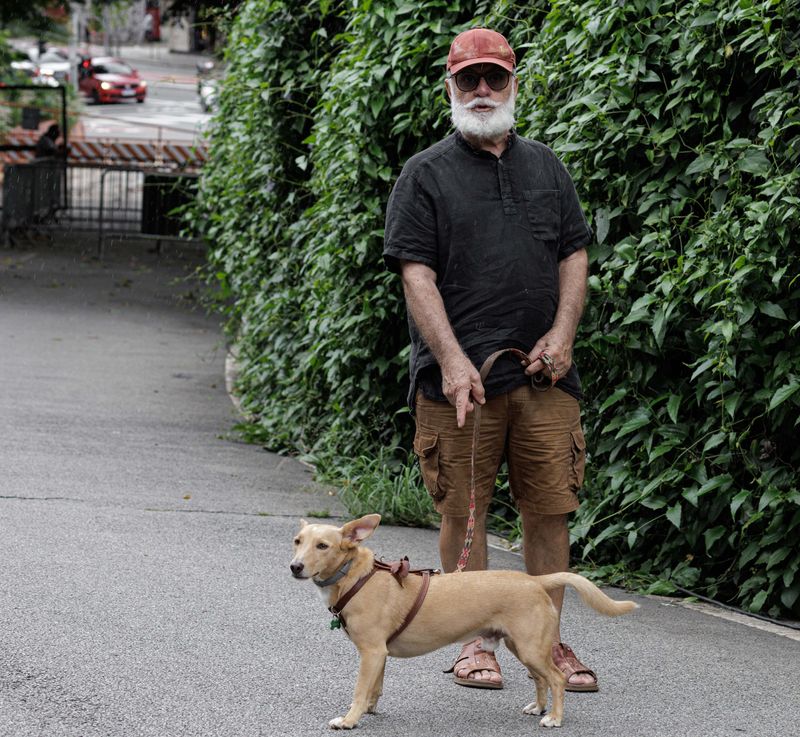
Familiar habits can make a new walker feel less unfamiliar. Write down your dog’s usual cues, bathroom spots, walking pace, and approved treats.
Include harness instructions and any behaviors you are practicing.
Consistency matters, but leave room for weather and neighborhood changes. Explain what should stay fixed, such as avoiding food scraps or asking before greetings.
A shared routine helps prevent mixed signals and gives the walker clear guidance without expecting every outing to unfold exactly.
8. How Will You Keep My Dog Safe Near Busy Roads?
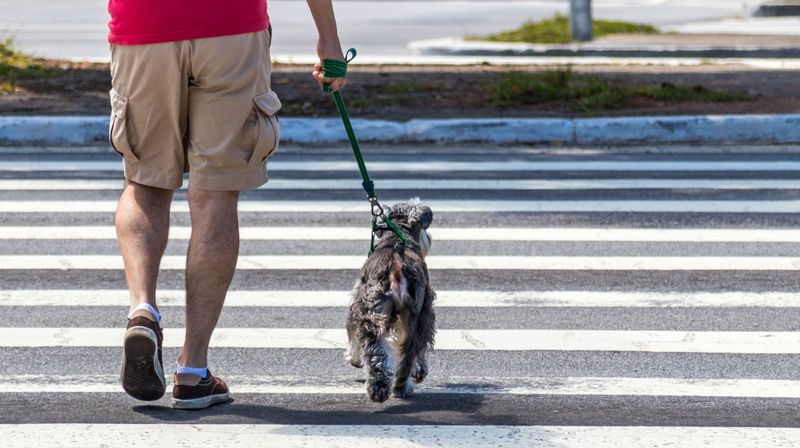
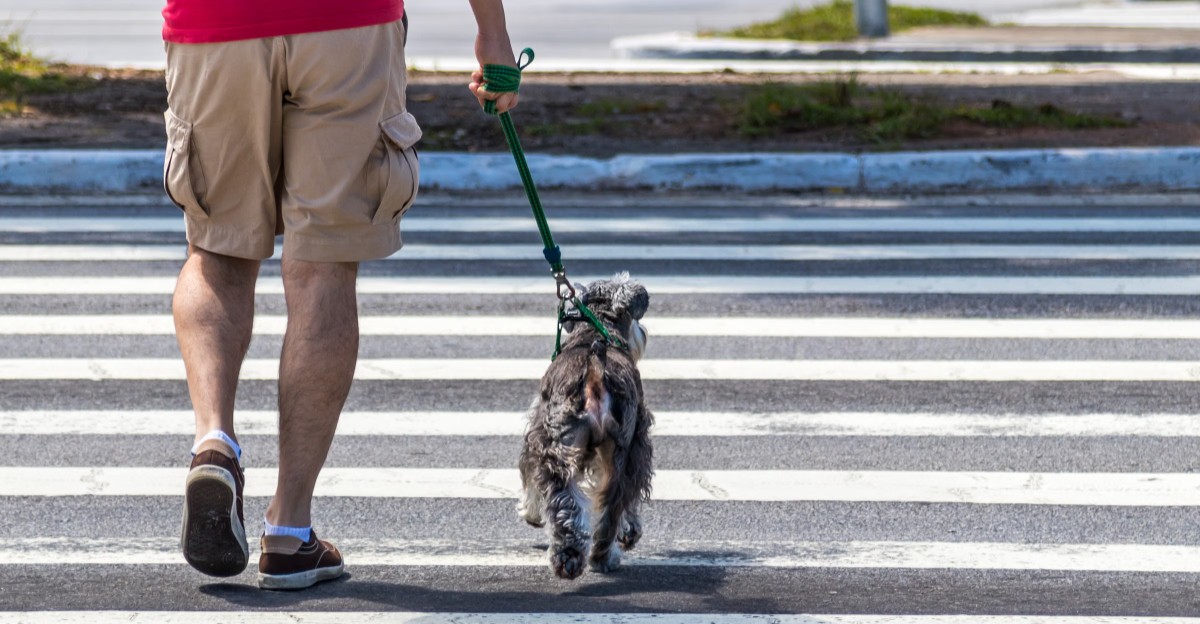
Traffic deserves the walker’s full attention, especially near new apartment entrances. Ask about marked crossings, driveway checks, and keeping your dog away from curbs.
Phone use should wait until they stop somewhere safe.
Check the fit of your dog’s collar or harness before service begins. Discuss equipment that suits your dog without allowing long stretches toward traffic.
Reflective gear can improve visibility in dim conditions, but it never replaces careful route choices and attentive handling outdoors.
9. Can You Manage My Dog’s Needs During a Longer Workday?
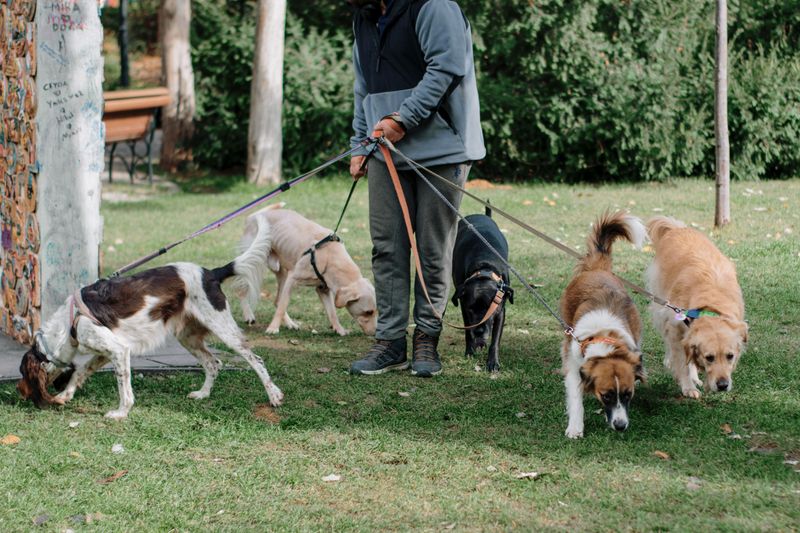
A delayed meeting should not leave your dog’s needs uncertain. Discuss visit timing, bathroom habits, and whether a second stop might help.
Puppies, older dogs, and dogs with medical needs often require different schedules.
There is no single comfortable waiting period for every dog. Ask your veterinarian for guidance when needed.
Confirm booking deadlines, extra visit costs, and backup coverage so a longer commute or unexpected workday change does not become a last-minute scramble for care.
10. What Is Your Plan for Sudden North Carolina Storms?
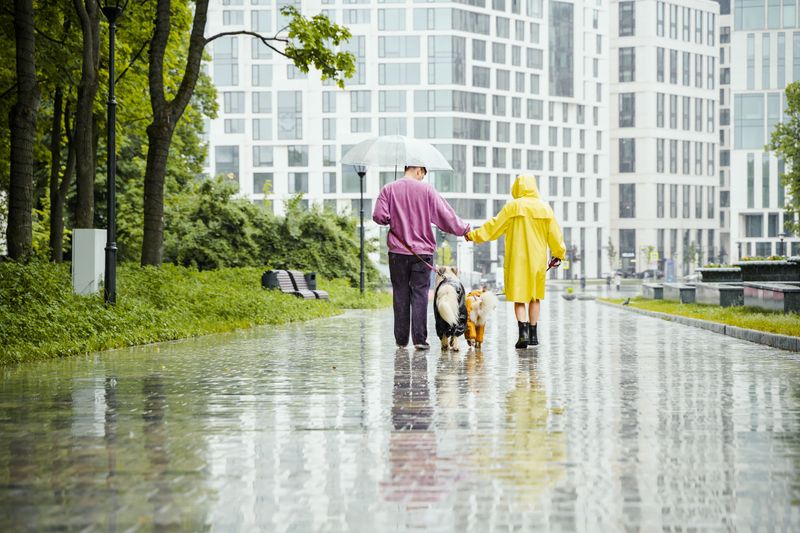
Thunder can change an afternoon walk within minutes. Find out how the walker monitors forecasts and handles weather alerts.
When thunder is heard, move into a substantial building rather than sheltering under trees.
Agree on short bathroom trips or indoor enrichment when conditions allow no safe outdoor walk. Share your dog’s response to thunder and any veterinarian-approved support plan.
Confirm how cancellations, delayed visits, and building power outages will be communicated before storm season becomes busy.
11. How Will You Handle Apartment Access and Building Rules?
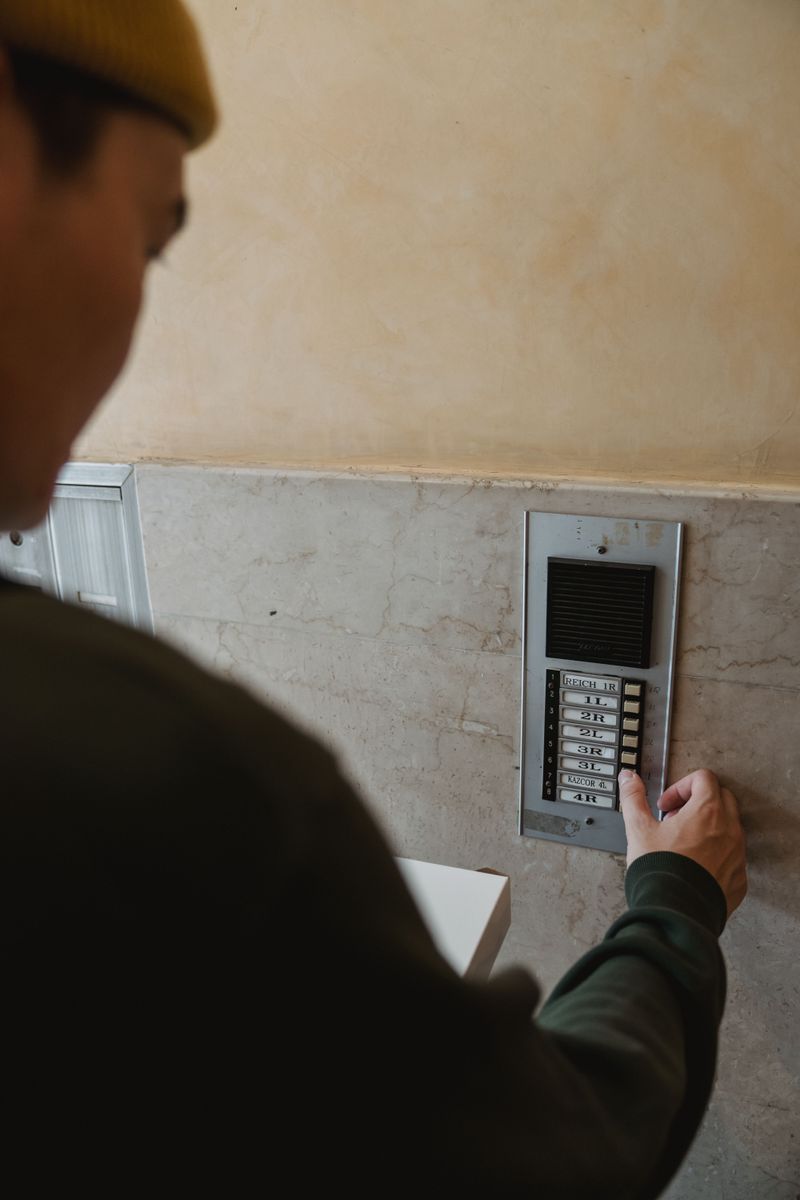
Keys and entry codes deserve the same care as your dog’s leash. Ask how access details are stored and who can use them.
Never assume your lease allows every outside service without notice.
Check management’s rules for guest entry, pet areas, waste disposal, and restricted spaces. Arrange approved access instead of asking walkers to follow residents through locked doors.
Put return procedures in writing, including what happens to keys and digital access when the service ends.
12. Do You Offer Solo Walks or Group Walks?
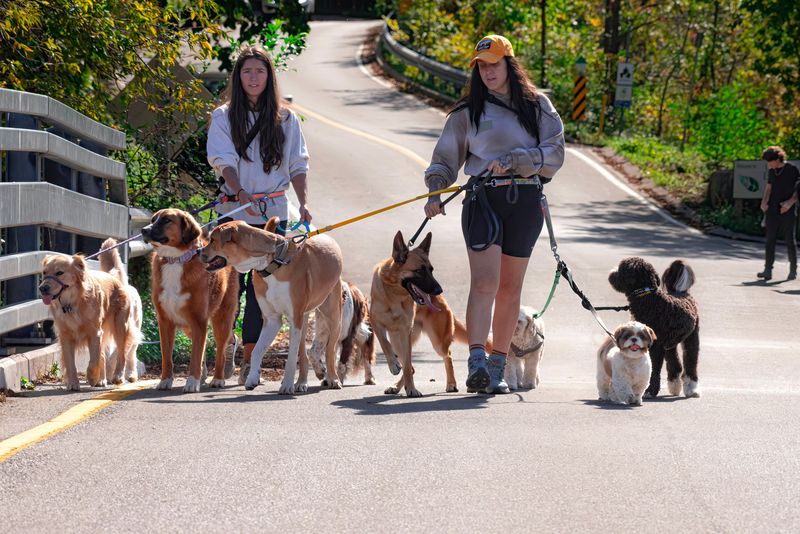
Some dogs enjoy company, while others relax best alone. Clarify whether your booking includes other households’ dogs or additional pickups.
Group size, matching, and handling skills matter more than cheerful marketing photos.
Ask how dogs are introduced and whether treats, toys, or narrow paths create tension. Solo walks may suit dogs needing focused support or a steady pace.
Get your preferred arrangement in writing, and require permission before another dog joins your dog’s regular scheduled outing.
13. How Will I Know When the Walk Is Complete?
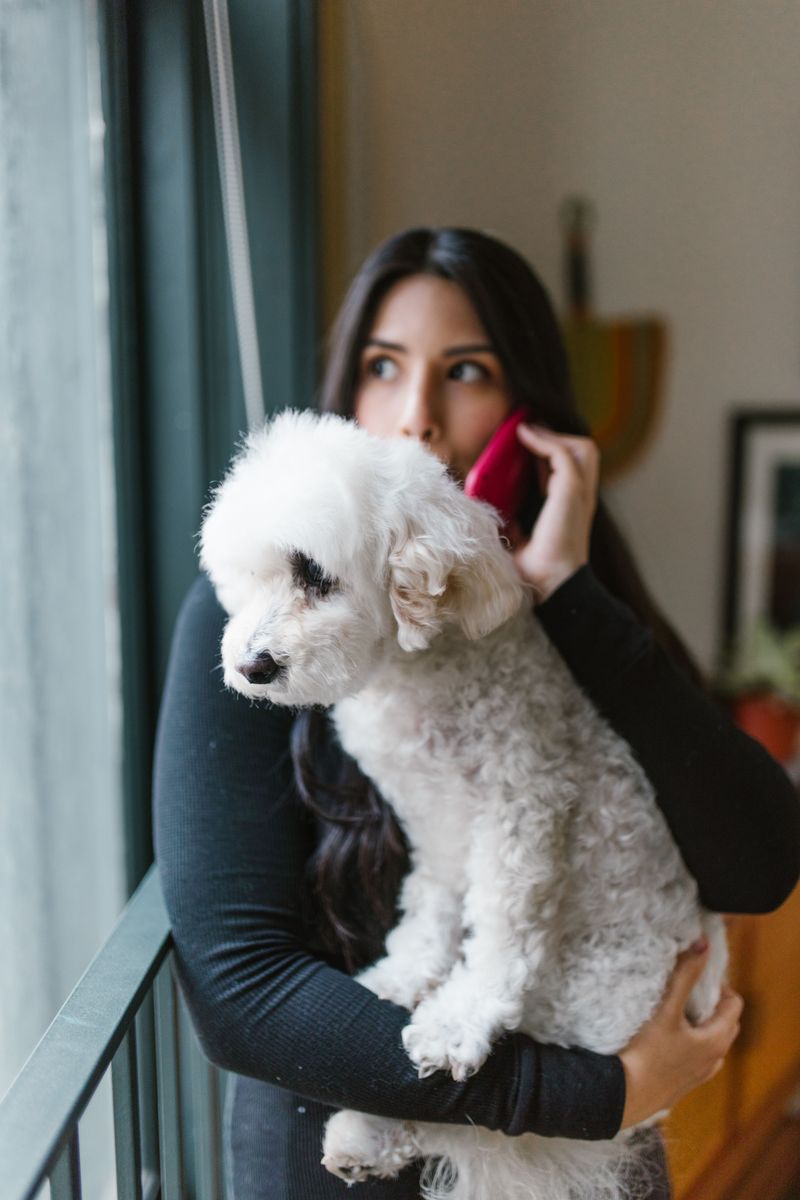
A useful update tells you more than a happy photo. Request arrival and departure times, bathroom notes, and anything unusual about appetite or movement.
Decide whether you want route details or a brief message.
Photos should never distract from safe handling or reveal private building information. Agree on when a concern needs a call instead of an app notification.
Before leaving, the walker should check water, secure your dog as instructed, and confirm the door locks.
14. What Will You Do If My Dog Gets Loose or Injured?
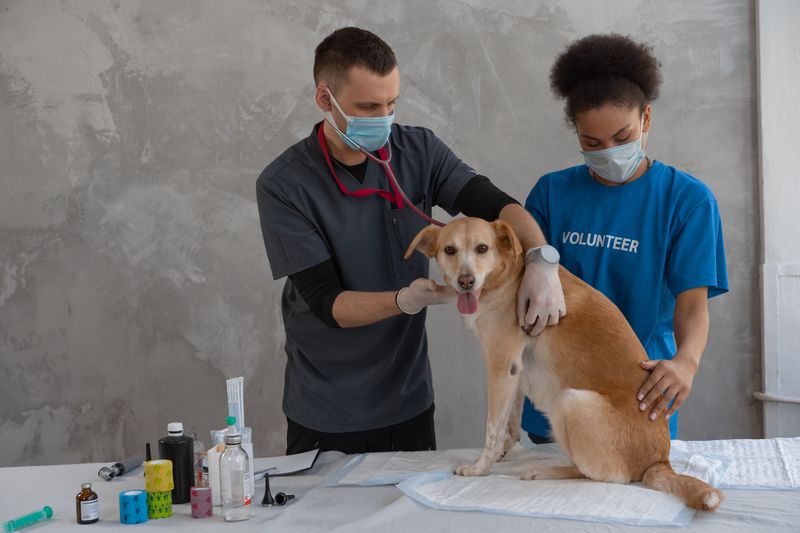
Clear instructions make unexpected problems easier to manage. Provide current identification, microchip details, veterinary contacts, and an emergency contact.
Ask about first aid training and insurance that covers their dog walking work.
Discuss prompt veterinary care, transport, payment authorization, and who receives the first call. If your dog gets loose, the walker should notify you promptly and coordinate local help.
Confirm local animal control contacts beforehand, and avoid plans that rely on chasing a frightened dog.
15. Can You Adjust Walks for Puppies and Senior Dogs?
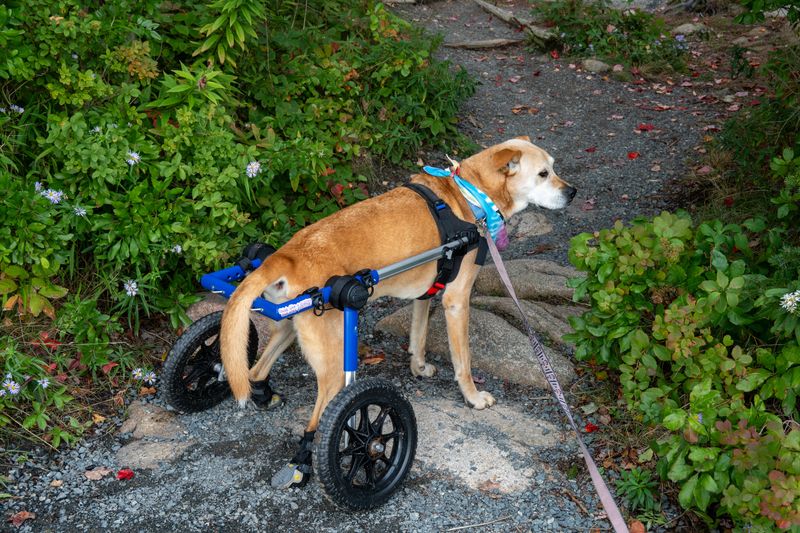
Age changes what a good walk looks like. Puppies need patient practice and bathroom opportunities, while older dogs may prefer slower outings.
Ask your veterinarian about exercise limits and puppy exposure before vaccinations are complete.
Share mobility concerns, hearing changes, and signs your dog needs rest. Request shorter routes or more sniffing time when appropriate.
The best match respects your dog’s pace. Clear questions today help make tomorrow’s apartment walks calmer, safer, and easier for everyone.