16 Pool And Lanai Hazards Florida Dog Owners Often Miss
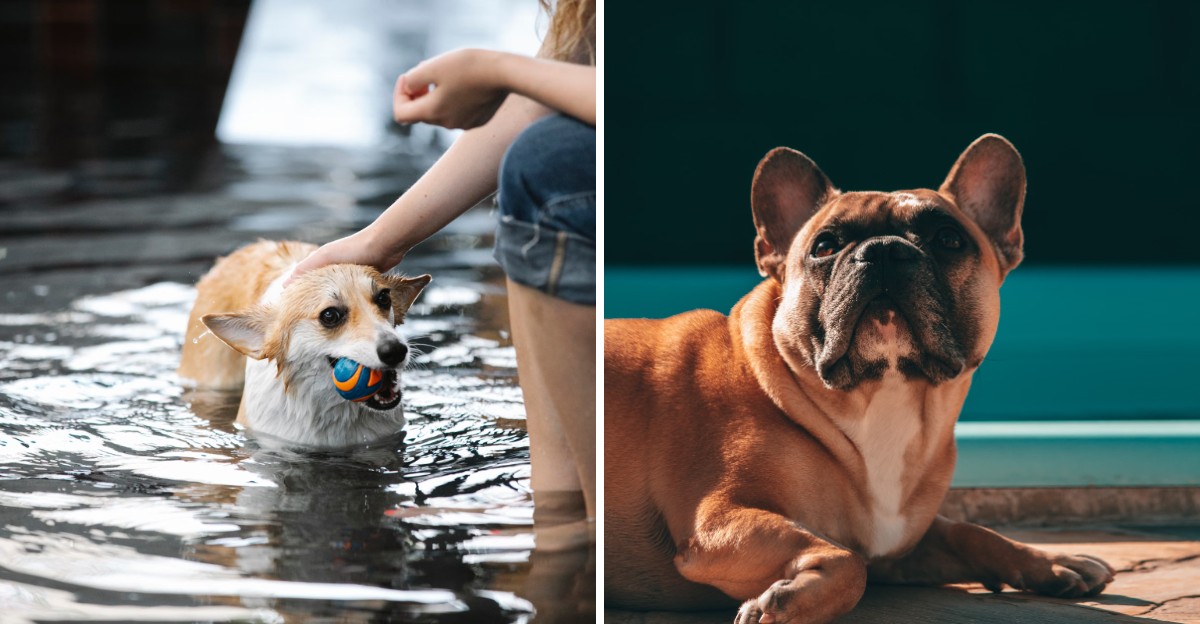
Your pool and lanai can be favorite places for your dog to enjoy Florida life beside you. Still, everyday details like a loose latch or a water-filled plant saucer deserve a closer look.
A few simple checks can make outdoor time easier and safer, especially during hot afternoons and sudden storms. Here are the spots worth checking before your dog heads outside.
1. Pool Gates That Look Closed But Aren’t Secure
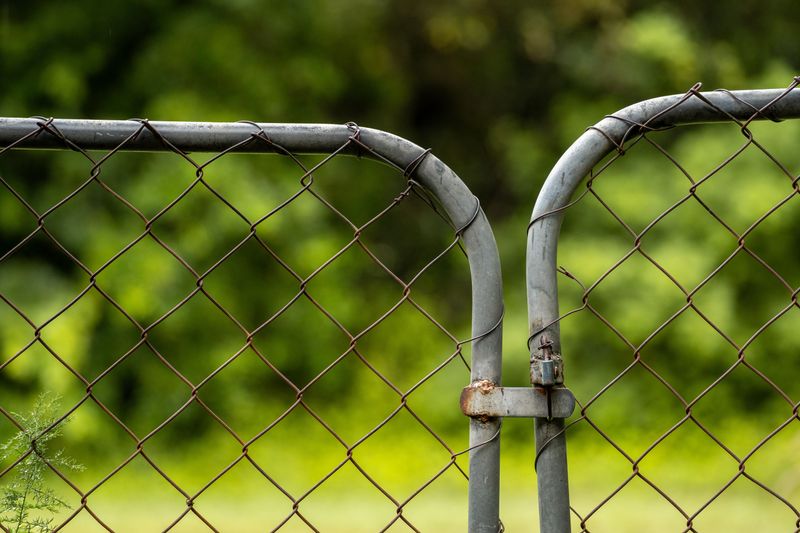
A quiet click does not always mean the pool gate has latched. Rust, loose hinges, or shifting ground can leave a small opening.
Give the gate a gentle pull after closing it.
Check that the latch catches without lifting or pushing the gate into place. Keep furniture away from fencing, since some dogs climb.
Ask your local building department about applicable pool barrier requirements. A secure gate supports supervision, but never replaces an attentive adult nearby.
2. Slippery Pool Decks After Rain
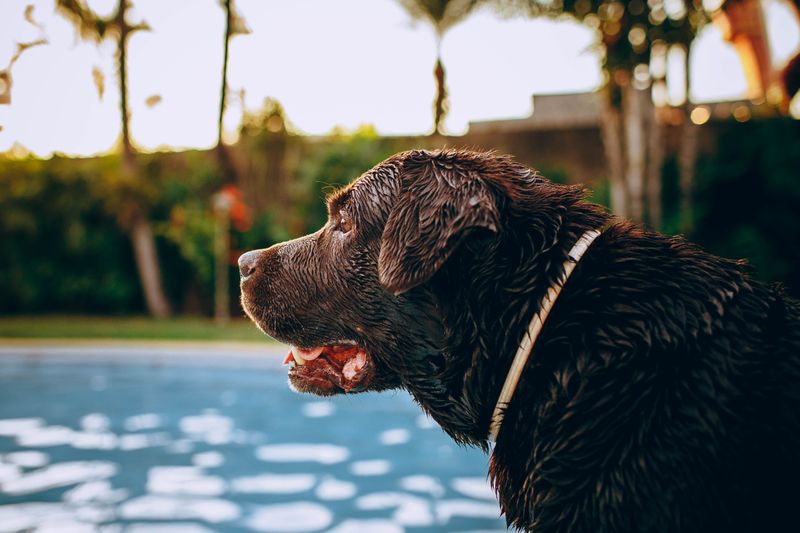
Afternoon rain can turn a familiar walking route into a slick surface. Painted concrete, smooth tile, and algae patches may offer little grip.
Excited dogs can slide while turning toward the pool.
Walk outside first and check the usual trouble spots. Remove algae with a surface-appropriate cleaner, keeping pets away during treatment.
Consider professionally recommended slip-resistant finishes. Secure outdoor mats so their edges cannot curl.
Encourage calm walking until the deck has dried after each shower.
3. Pool Covers That Cannot Support a Dog’s Weight
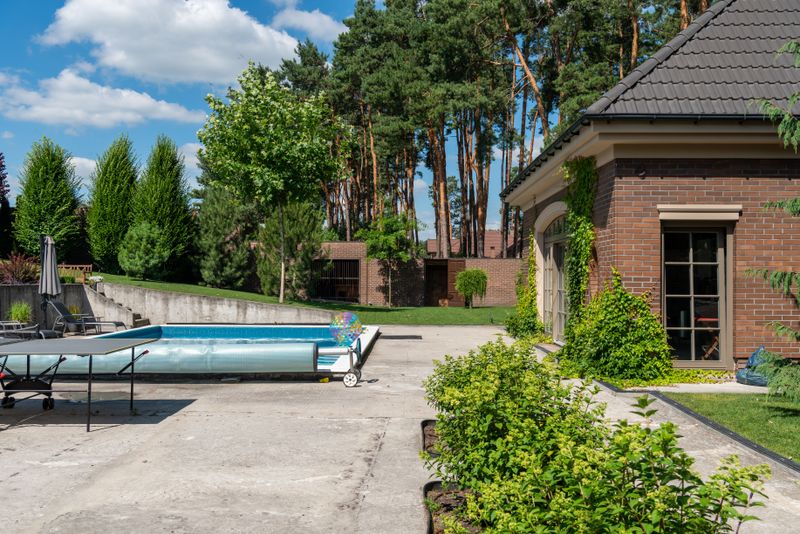
From a dog’s viewpoint, a covered pool may resemble solid ground. Floating solar blankets and many lightweight covers cannot support pets.
Water collecting on top creates another concern.
Keep your dog away whenever a cover is installed. Ask the manufacturer whether your model is a safety cover and how it must be secured.
Inspect anchors, straps, and edges regularly. Never test its strength with your pet.
Barriers and direct supervision remain necessary around covered pools too.
4. Hidden Gaps Around Lanai Screens
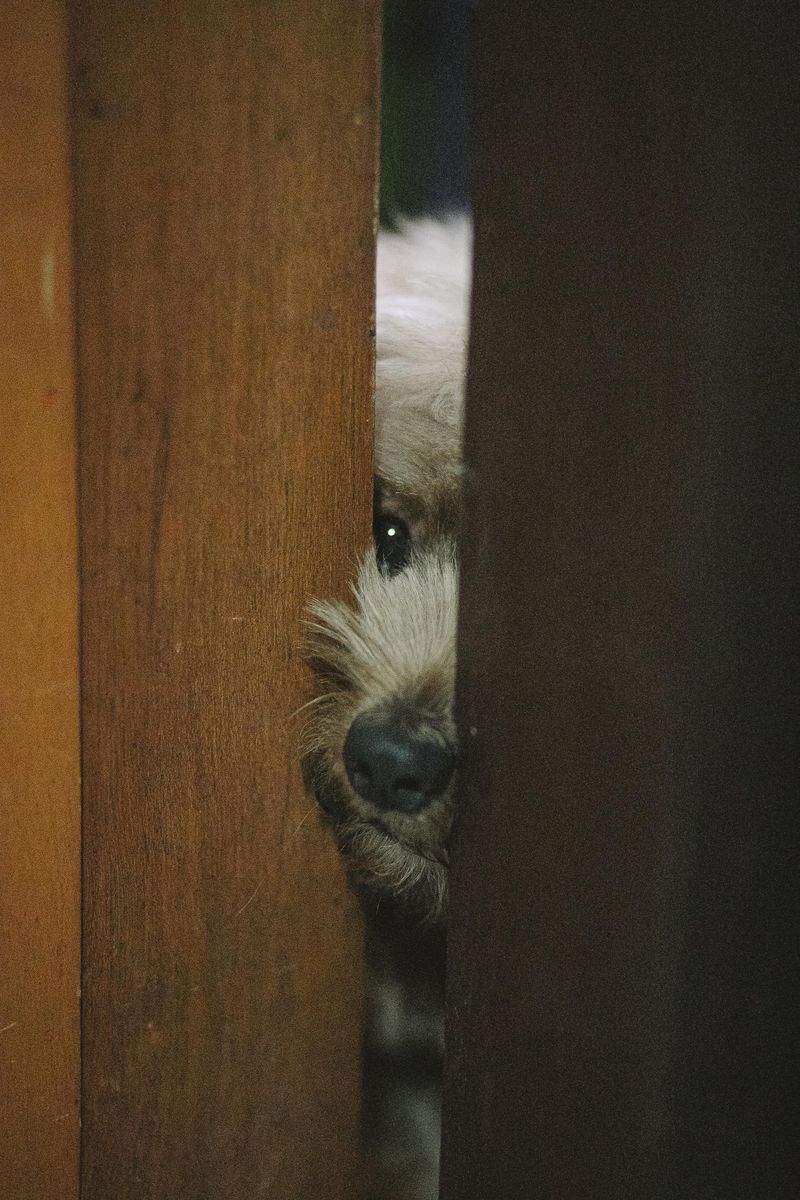
A tiny opening behind a planter can become an escape route. Screen mesh may loosen near corners, doors, or the ground.
Small dogs sometimes notice these gaps before their owners do.
Inspect the enclosure at your dog’s eye level. Move pots and storage bins to check hidden sections.
Repair loose spline, torn mesh, and damaged framing promptly. Pet-resistant screening can improve durability, but it is not a secure pool barrier.
Check again after storms or maintenance.
5. Screen Doors That Dogs Can Push Open
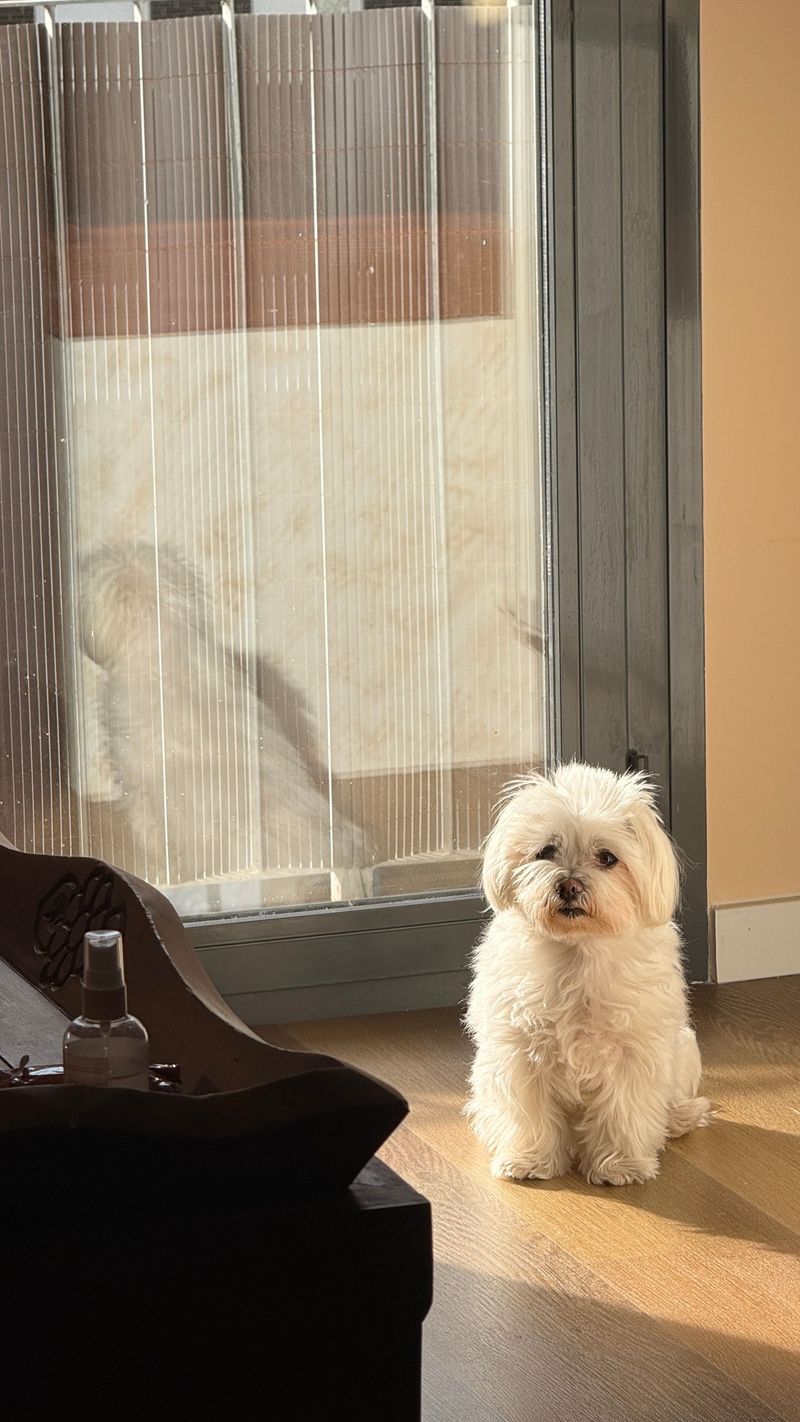
One curious nose can reveal a door that never latched properly. Worn hardware, sagging frames, and weak closers make this surprisingly easy.
A breeze may also leave the door partly open.
Check the latch from both sides without your dog nearby. Adjust or replace faulty parts rather than relying on a temporary doorstop.
Choose hardware suited to the door and household. Keep the exit clear so it closes fully.
Train waiting behavior, while maintaining physical safeguards.
6. Hot Pavers That Burn Sensitive Paw Pads
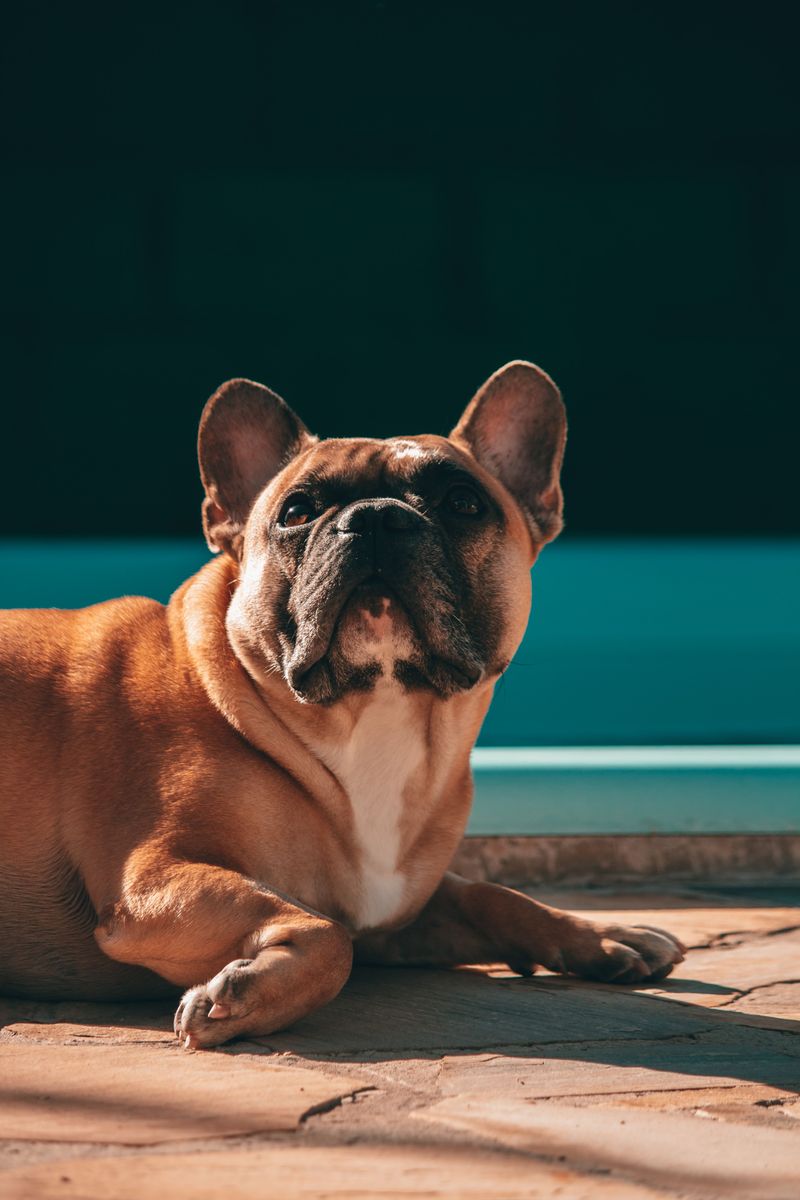
Sunny pavers can become uncomfortable long before your dog seems overheated. Dark surfaces and artificial turf can hold considerable heat.
Air temperature alone does not tell you whether walking surfaces are safe.
Check the ground with your hand before letting paws cross it. This quick check is helpful, but not a guarantee.
Choose shaded routes and cooler hours. Offer fresh water and indoor breaks.
If your dog limps or licks sore pads, contact your veterinarian promptly.
7. Pool Chemicals Stored Within Paw’s Reach
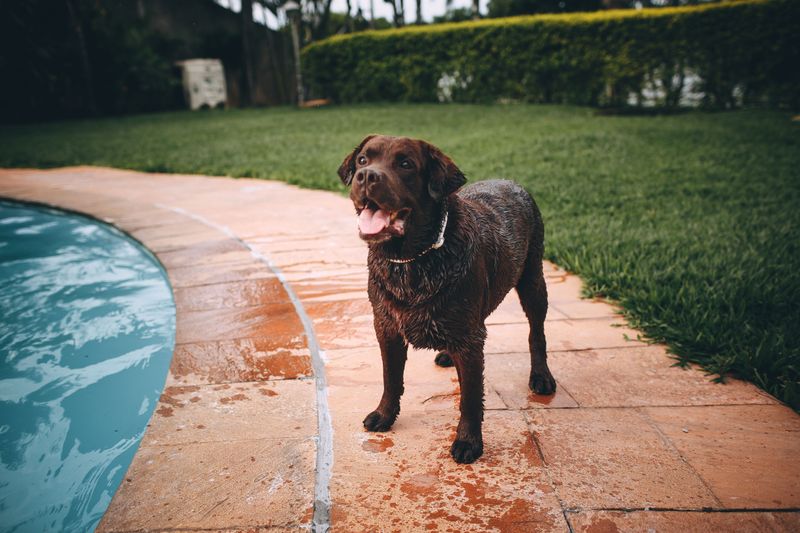
A storage shelf beside the pool may feel conveniently out of sight. Dogs can still investigate leaking bottles, loose lids, or spilled powder.
Pool chemicals need storage that prevents pet access.
Keep products in original labeled containers, following every storage instruction. Use a locked, suitable storage area away from food and pet supplies.
Never mix chemicals or transfer them into drink bottles. For suspected exposure, contact your veterinarian immediately.
Avoid home remedies unless a professional directs you.
8. Chlorine Tablets and Floating Chemical Dispensers
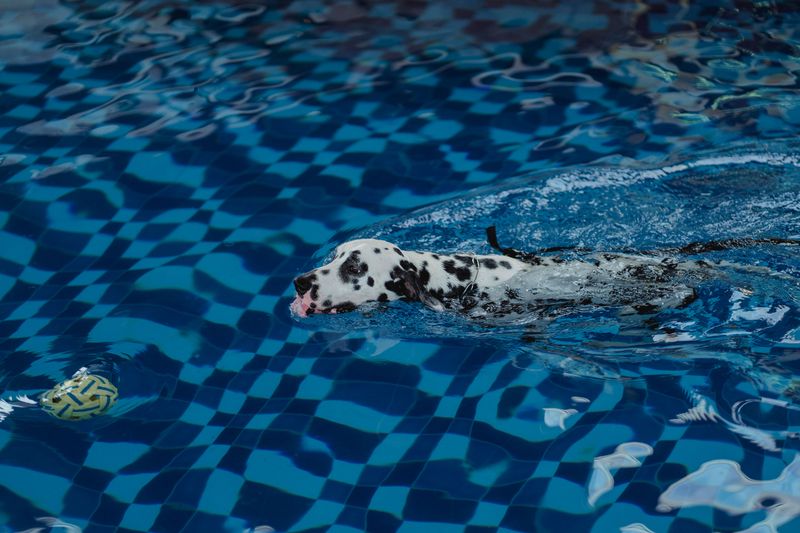
Bobbing dispensers can look like fetching toys to playful dogs. Inside, concentrated chlorine tablets can irritate or burn tissues if chewed.
Loose tablets on the deck present the same concern.
Prevent access to dispensers and follow product instructions during swimming. Ask your pool professional how to manage dosing safely around pets.
Store replacement tablets securely in their original container. If chewing or exposure occurs, call your veterinarian immediately.
Do not induce vomiting unless specifically instructed to.
9. Standing Water in Lanai Corners
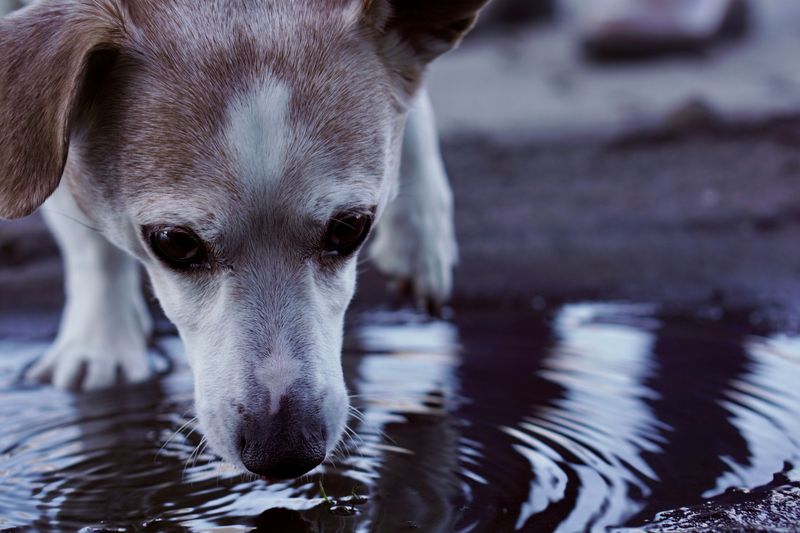
Behind the hose reel, yesterday’s puddle may still be sitting unnoticed. Collected rainwater can contain dirt, animal waste, or cleaning residue.
Dogs may drink it even when cleaner water is nearby.
Empty containers and sweep water toward a working drain. Investigate recurring puddles, which may signal blocked drainage or uneven flooring.
Keep drain openings clear without leaving accessible holes. Supply fresh drinking water in a clean bowl.
Ask your veterinarian about local leptospirosis risks and vaccination guidance.
10. Mosquitoes Breeding in Plant Saucers
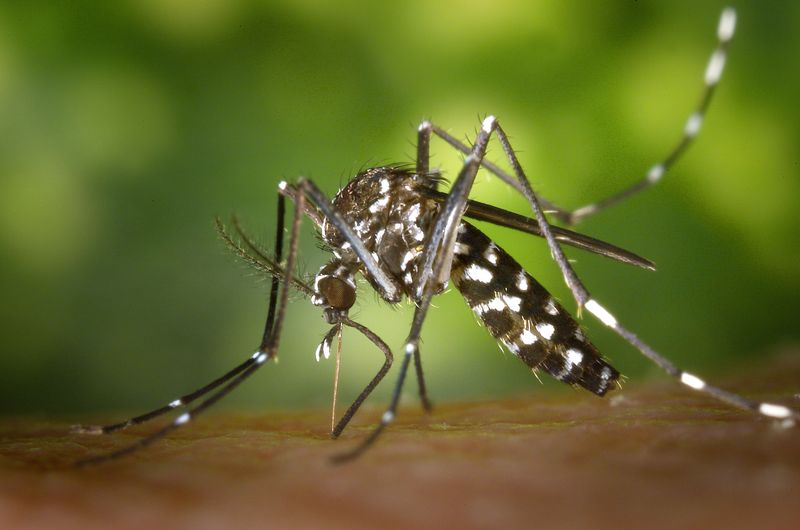
That little saucer beneath a fern deserves a weekly check. Mosquitoes can breed in small amounts of standing water.
Florida’s warmth makes regular inspections especially useful around outdoor living spaces.
Empty and scrub saucers at least weekly, and after rain. Check watering cans, buckets, and folded furniture covers too.
Repair screens to reduce mosquito entry. Maintain veterinarian-recommended heartworm prevention throughout the year.
Never apply human insect repellent to your dog unless your veterinarian specifically approves that product.
11. Toxic Plants Along the Pool Border
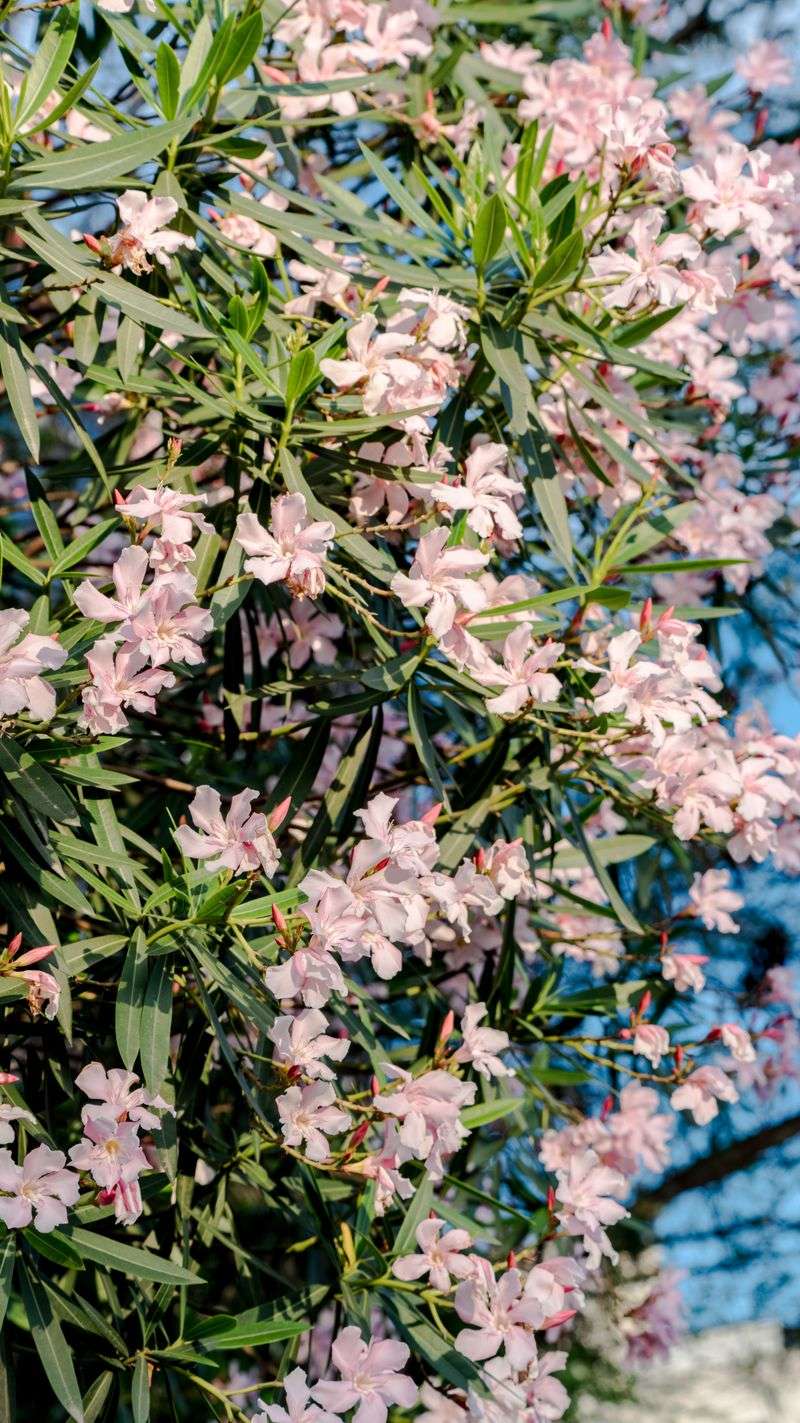
Pretty landscaping is not always friendly to curious mouths. Sago palms and oleander are examples of plants toxic to dogs.
Fallen seeds, leaves, and clippings can reach the deck through openings.
Identify every plant around your pool, including neighboring growth within reach. Compare findings with a trusted veterinary poison resource.
Remove risky plants or prevent access to every part. Save a photo for identification if chewing occurs.
Contact your veterinarian promptly rather than waiting for symptoms.
12. Fertilizers and Pest Treatments on Lanai Edges
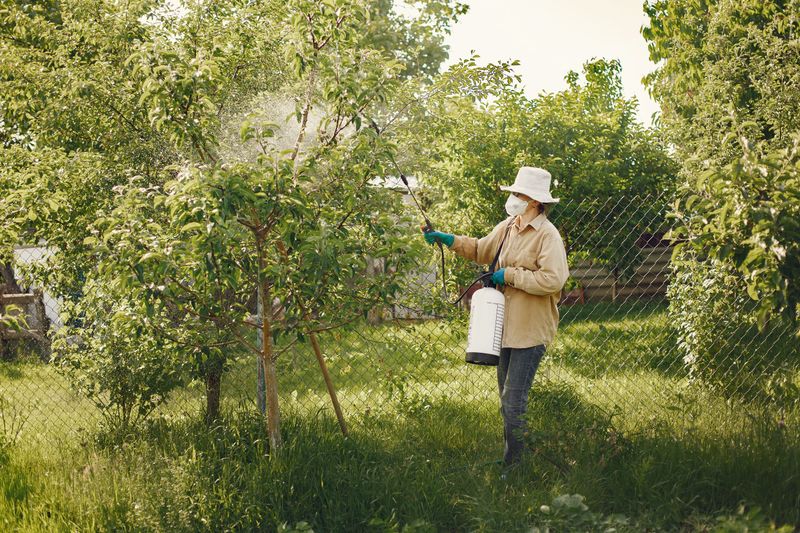
Fresh lawn treatments do not always stay neatly beyond the patio. Granules can scatter onto pavers, and sprays may reach nearby surfaces.
Some products become tempting when they contain animal-derived ingredients.
Ask your lawn service what was applied and request the label instructions. Follow the stated pet exclusion period, including any drying or watering requirements.
There is no universal safe waiting time. Sweep up stray granules as directed.
Store bags securely, and keep dogs away during application.
13. Pool Toys That Become Choking Hazards
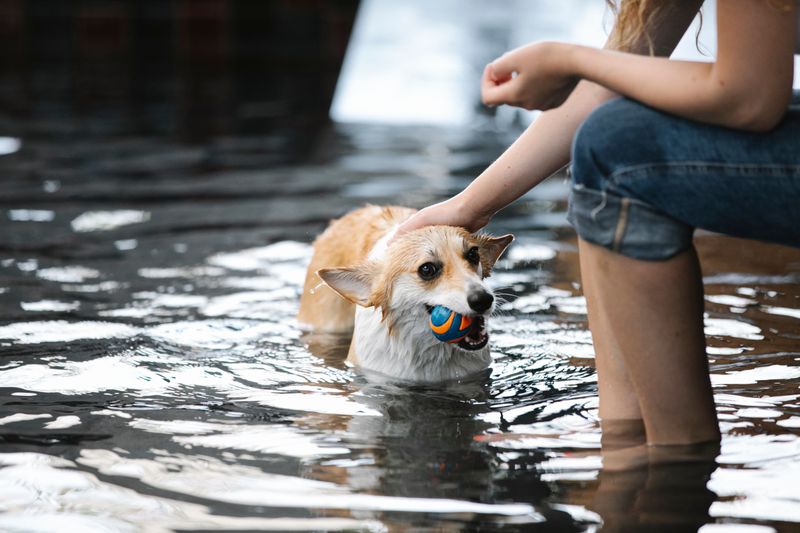
A chewed foam noodle can leave more than a messy deck. Small pieces, broken squeakers, and undersized balls may be swallowed.
Children’s pool toys are not necessarily suitable for dogs.
Choose sturdy floating toys sized for your dog’s mouth and play style. Inspect them before each session, removing anything cracked or damaged.
Put toys away afterward to discourage unsupervised trips toward water. If your dog struggles to breathe or repeatedly gags, seek emergency veterinary help right away.
14. Loose Furniture and Unstable Poolside Steps
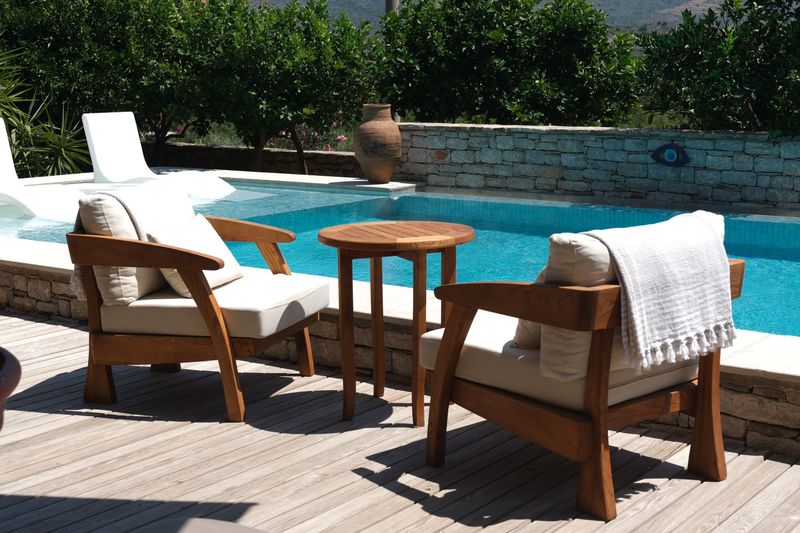
A wobbly chair can shift when a dog brushes past it. Lightweight tables, loose cushions, and unstable pet steps add avoidable obstacles.
Furniture near barriers may also provide an unintended climbing route.
Tighten fittings and remove damaged pieces from the pool area. Choose stable access ramps designed for the setting and your dog’s size.
Check attachment points before use. Keep walking routes open, especially for older dogs.
Secure outdoor furniture before storms rather than leaving it loose.
15. Drain Covers and Pool Equipment Openings

Below the surface, a damaged drain cover deserves immediate attention. Suction outlets can create entrapment hazards when covers are missing or faulty.
Open skimmer wells and equipment areas also invite unwanted investigation.
Stop pool use if a cover appears broken, loose, or absent. Have a qualified pool professional inspect the system before reopening it.
Never let dogs investigate suction fittings. Secure skimmer lids and equipment access points.
Avoid placing paws or hands near outlets to test suction.
16. Unsupervised Swimming During Florida Storms
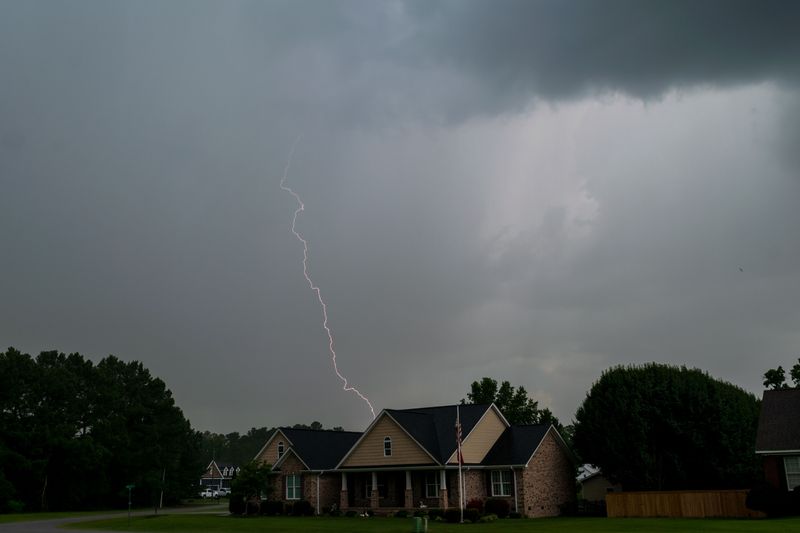
Thunder means pool time ends, even when rain seems far away. A screened lanai does not provide safe shelter from lightning.
Bring your dog inside an enclosed building as soon as thunder starts.
Wait at least thirty minutes after the last thunder before returning outdoors. During fair weather, supervise swimming closely and teach a reliable exit.
Use a properly fitted canine life jacket when appropriate. Small checks, steady supervision, and timely indoor breaks make outdoor routines safer.