20 Skills California Condo Dogs Need For Elevators, Shared Hallways, And Busy Sidewalks
Life in a California condo means your dog shares tight spaces with many neighbors every single day. Elevators, narrow hallways, and crowded sidewalks can feel like a lot for a curious pup.
The good news is that a handful of practical skills can make every trip calm and easy. Here is what every local owner should know to help their dog feel confident, polite, and safe.
1. Stepping Into Elevators With Confidence
Some dogs freeze the first time a metal box swallows them up. That reaction is normal, and patience fixes it.
Start by standing near the elevator and rewarding your dog when the doors open and close. Next, step inside an empty car, give a treat, and step right back out.
Keep early rides short, maybe one floor. Never drag a nervous dog inside.
Letting your pup choose to enter builds real, lasting confidence.
2. Waiting Politely for the Elevator Doors
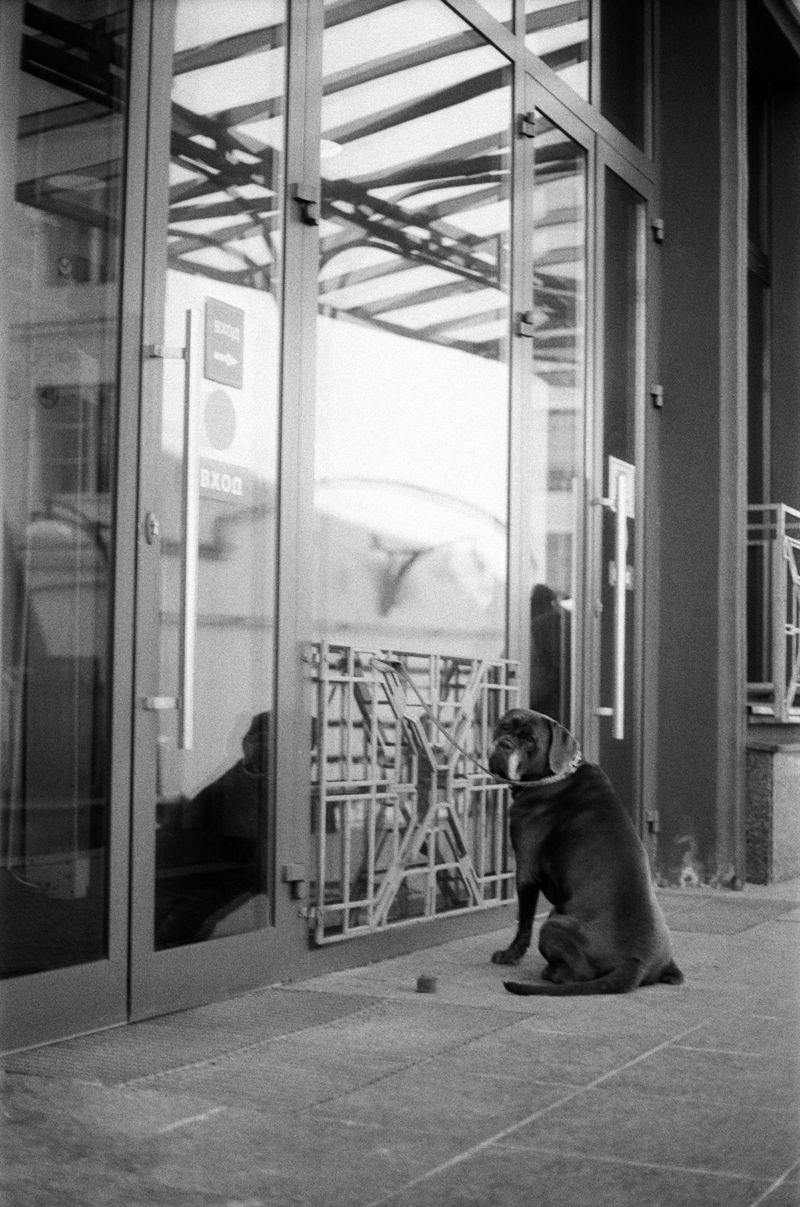
Picture the doors sliding open and a neighbor stepping out with groceries. Your dog lunging forward would make that moment awkward fast.
Teach a simple wait at the doors. Ask your dog to sit or stand still, then reward that stillness.
Let riders exit first before you give the invitation to enter. Over time, your dog learns that patience, not pushing, is what opens the way inside.
3. Keeping Cool in a Crowded Elevator
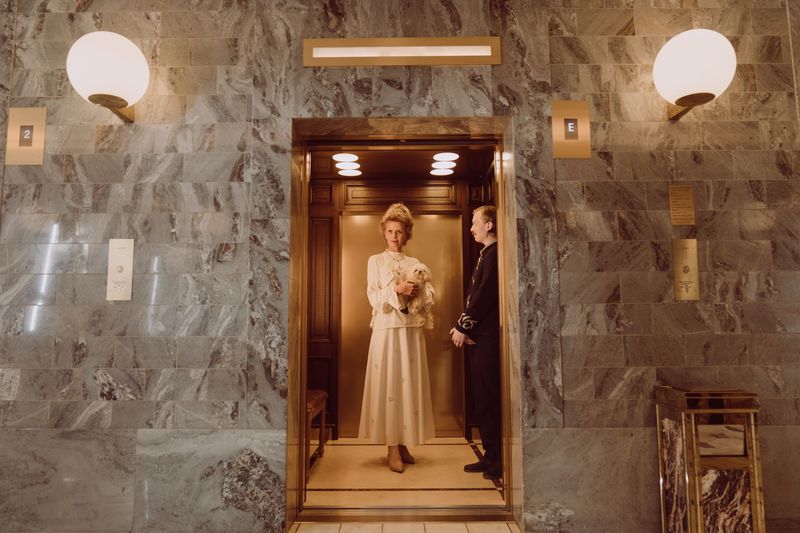
An elevator ride lasts maybe thirty seconds. In that small space, though, every sniff and wiggle gets noticed.
Guide your dog to a back corner and keep the leash short. This leaves room for others and helps your pup feel more secure.
Practice with one calm friend at first, then add a relaxed dog later. Many neighbors will gladly wait for the next car if they feel unsure, and that is perfectly fine.
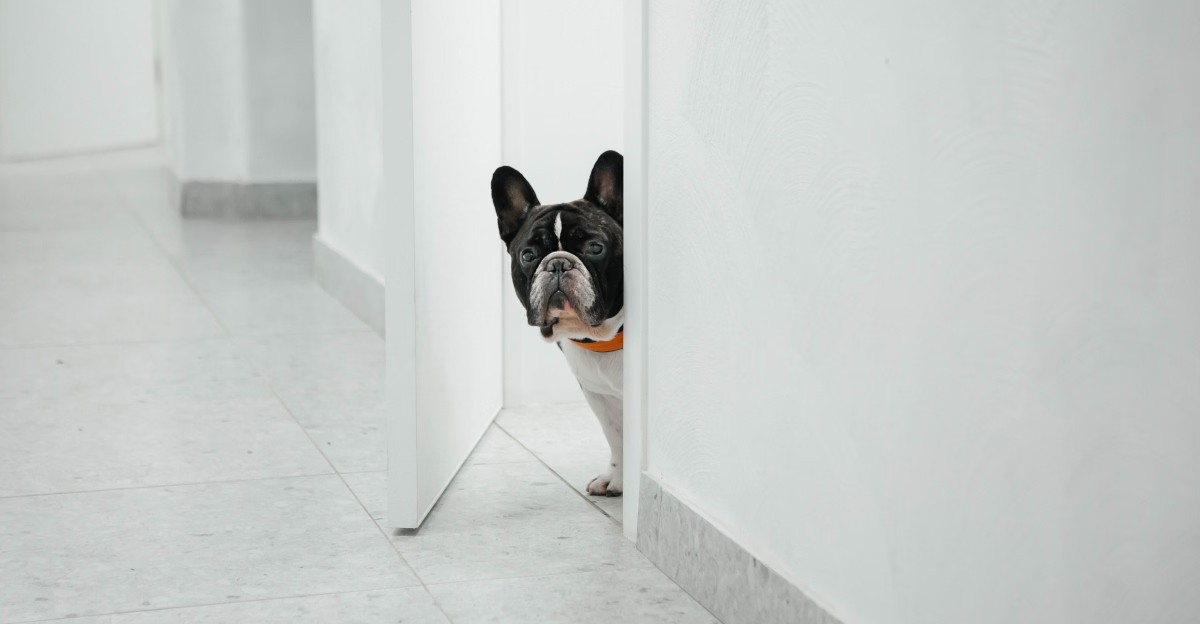
4. Pausing at Every Doorway
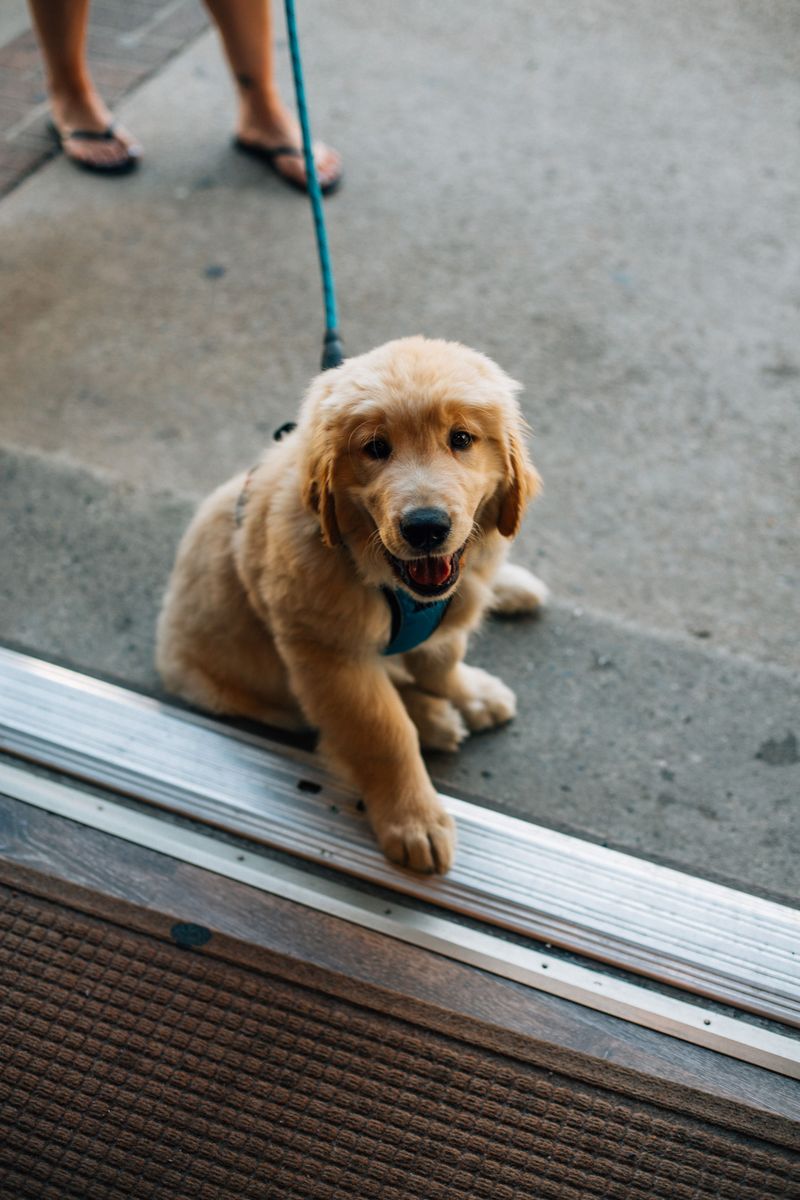
Doors are exciting places for dogs. Something new always seems to wait on the other side.
To teach patience, open the door slowly. If your dog rushes, gently close it again.
Reward even a tiny pause, then add a cue like wait.
Finish with a release word such as okay or free. This habit keeps your dog from bolting into hallways, lobbies, or the street.
It also builds impulse control.
5. Walking on a Loose Leash
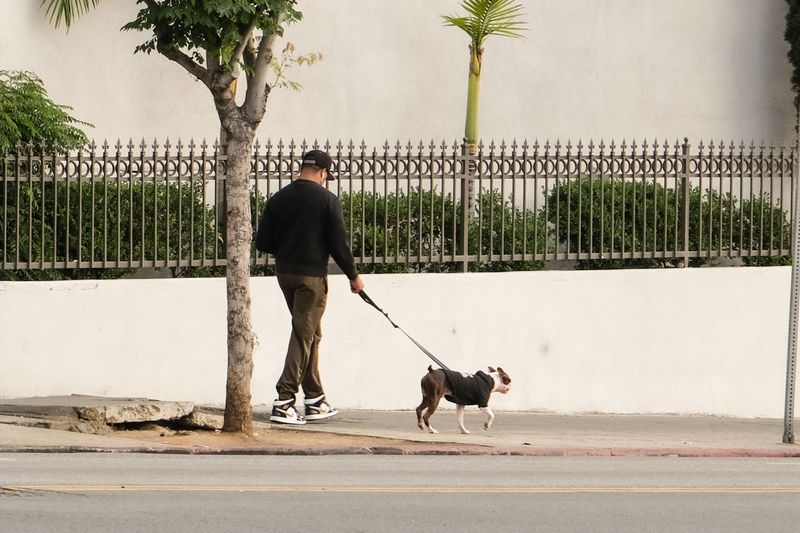
Most California cities require dogs to be leashed in public. Los Angeles County, for example, sets a six-foot maximum on public and shared property.
Rules vary by city, so check yours.
A loose leash makes those rules easy to follow. Stop when your dog pulls, and reward them for returning to your side.
A front-clip harness can help in crowded areas. Think of the leash as a conversation, not a tug of war.
6. Sharing Narrow Hallways Gracefully
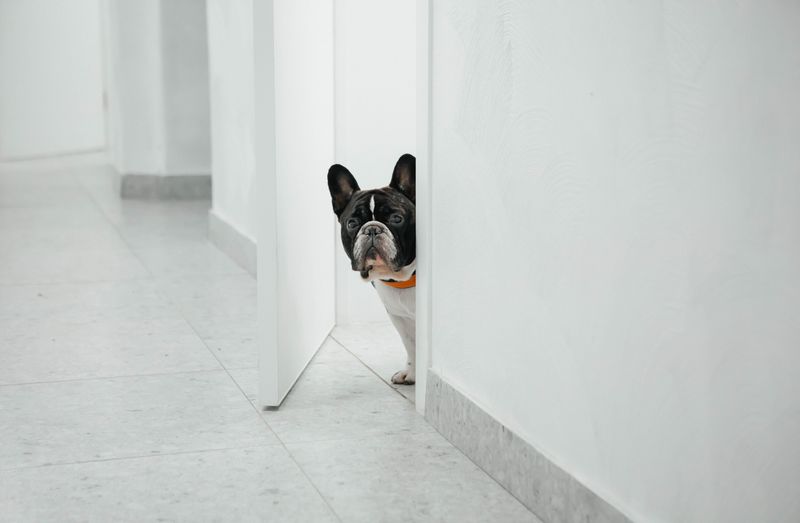
Condo hallways were built for people, not zigzagging pups. A dog sprawled across the carpet can block a neighbor with a stroller or cart.
Keep your dog close on one side as you walk. Move steadily, without stopping to sniff every door mat.
In buildings with many pets, hallways can trigger territorial feelings. Keeping walks brief and focused helps everyone pass by peacefully, including the dogs living behind those doors.
7. Staying Neutral Around Other Dogs
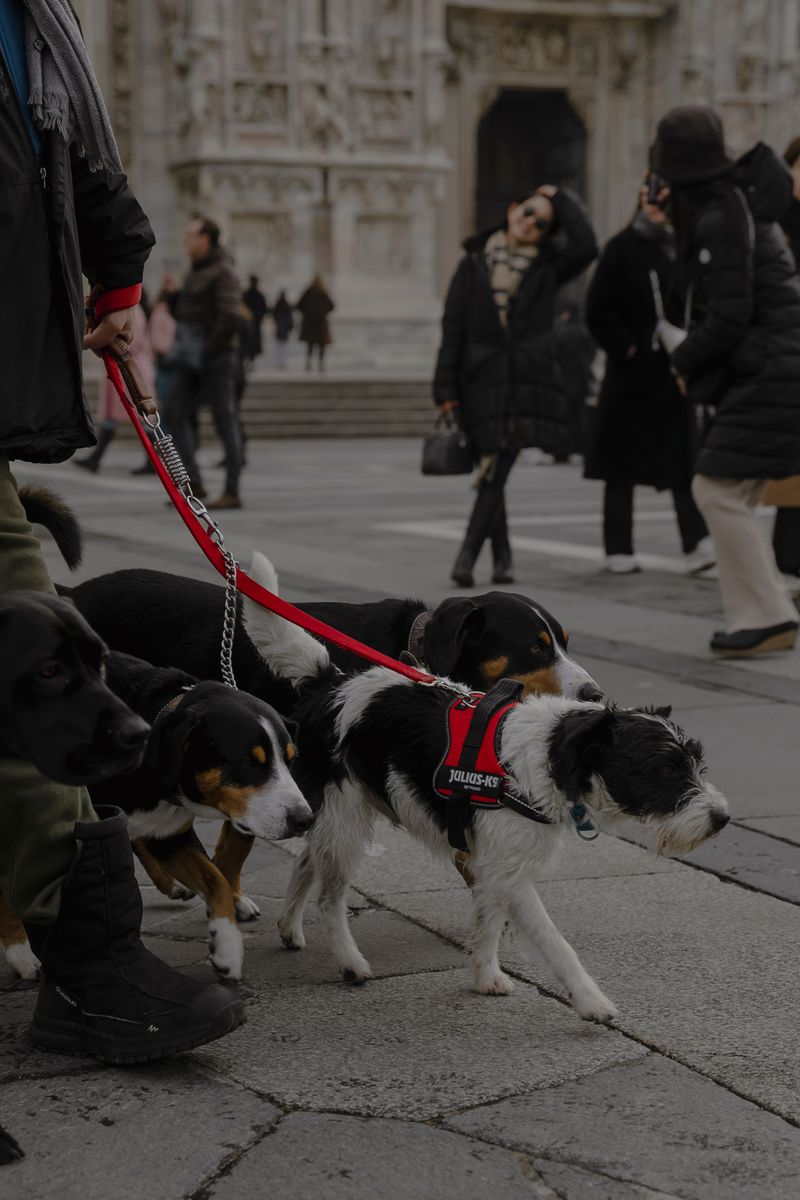
Not every dog wants a new friend. Many just want to finish their walk in peace.
Neutrality means your dog can pass another pup without barking, lunging, or bouncing with excitement. Start at a distance where your dog stays relaxed, and reward that calm.
Slowly shrink the space over many sessions. If your dog struggles with reactivity, a certified positive reinforcement trainer can offer helpful, personalized guidance.
8. Greeting People Without Jumping
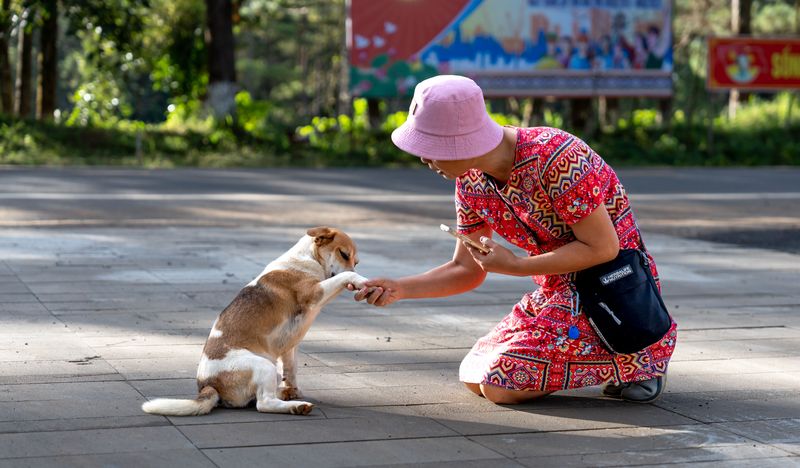
Delivery drivers visit condo buildings all day long. A pair of muddy paws on their uniform is not a welcome surprise.
Teach your dog to sit when someone approaches. Reward calm behavior generously, and skip greetings when your dog gets too bouncy.
Remember that some people feel nervous around dogs. Keeping your pup by your side, rather than letting them greet everyone, shows real respect for your neighbors and visitors.
9. Keeping the Barking Down
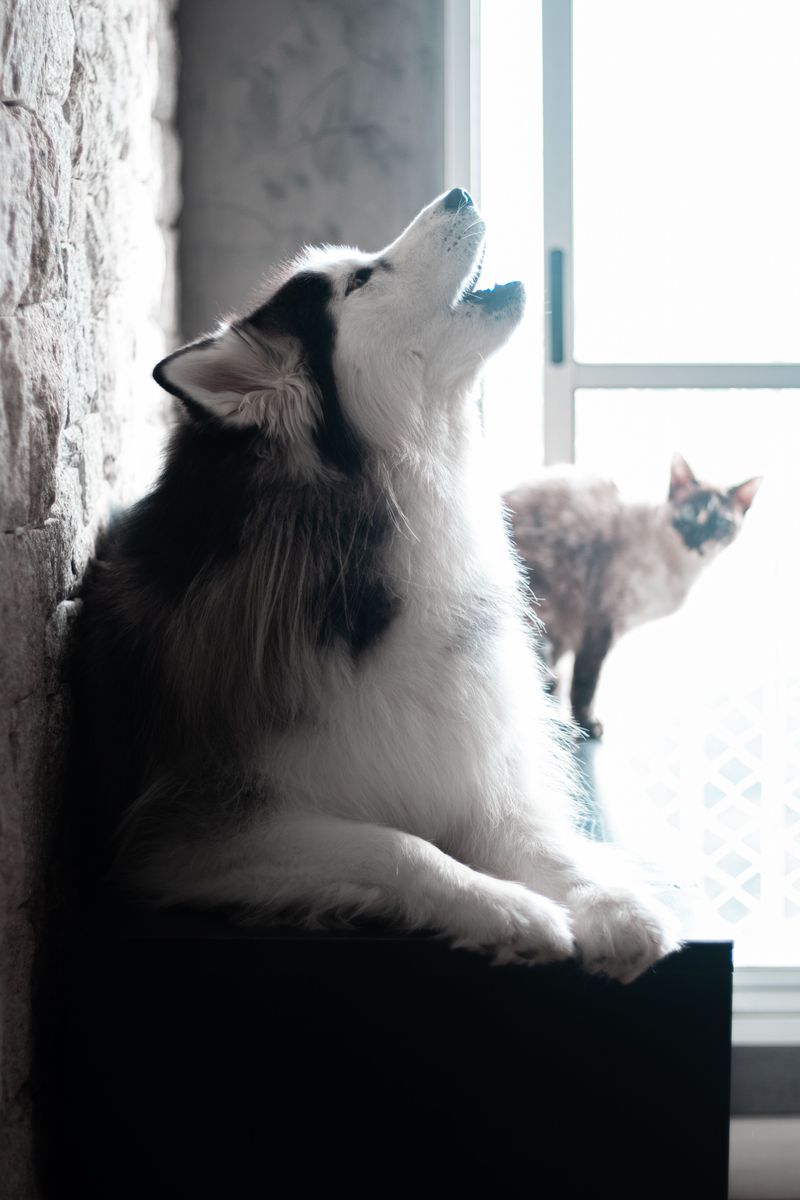
Footsteps, slamming doors, and ringing doorbells fill condo life. For a dog, each sound can seem like an alarm.
Create a cozy spot away from the front door. Some owners find white noise helps soften hallway sounds.
You can also play recordings of doorbells at low volume while giving treats. Raise the volume slowly over time.
If your dog seems stressed, lower it again. Quiet dogs make happier neighbors.
10. Mastering Leave It
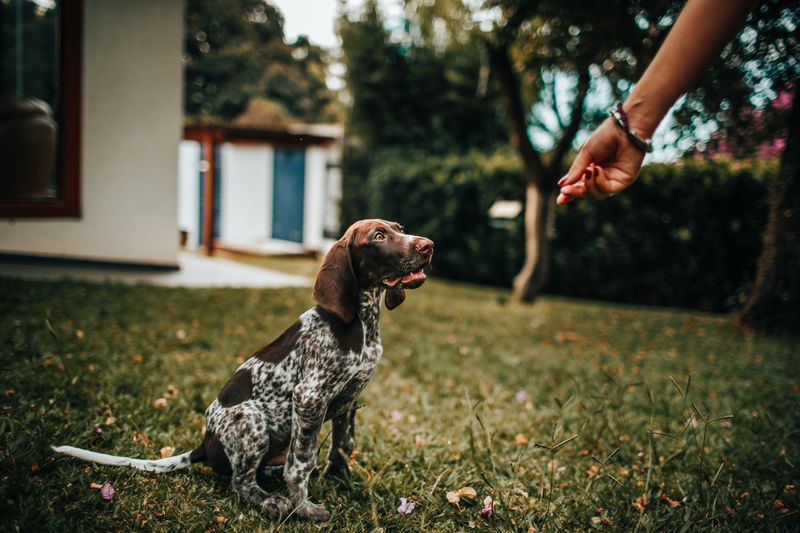
City sidewalks are full of tempting surprises. Dropped fries, chicken bones, and wrappers can upset a dog’s stomach or worse.
Leave it teaches your dog to ignore an item before grabbing it. Begin indoors with a treat under your hand, rewarding your dog for backing off.
Add harder distractions slowly. Once solid, this cue becomes one of your best everyday safety tools on walks.
11. Letting Go With Drop It
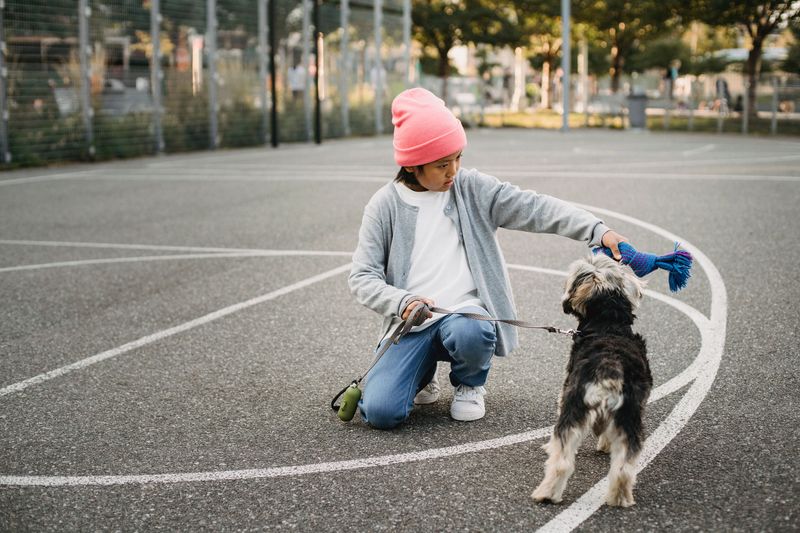
Sometimes a dog grabs something before you can react. That is when drop it saves the day.
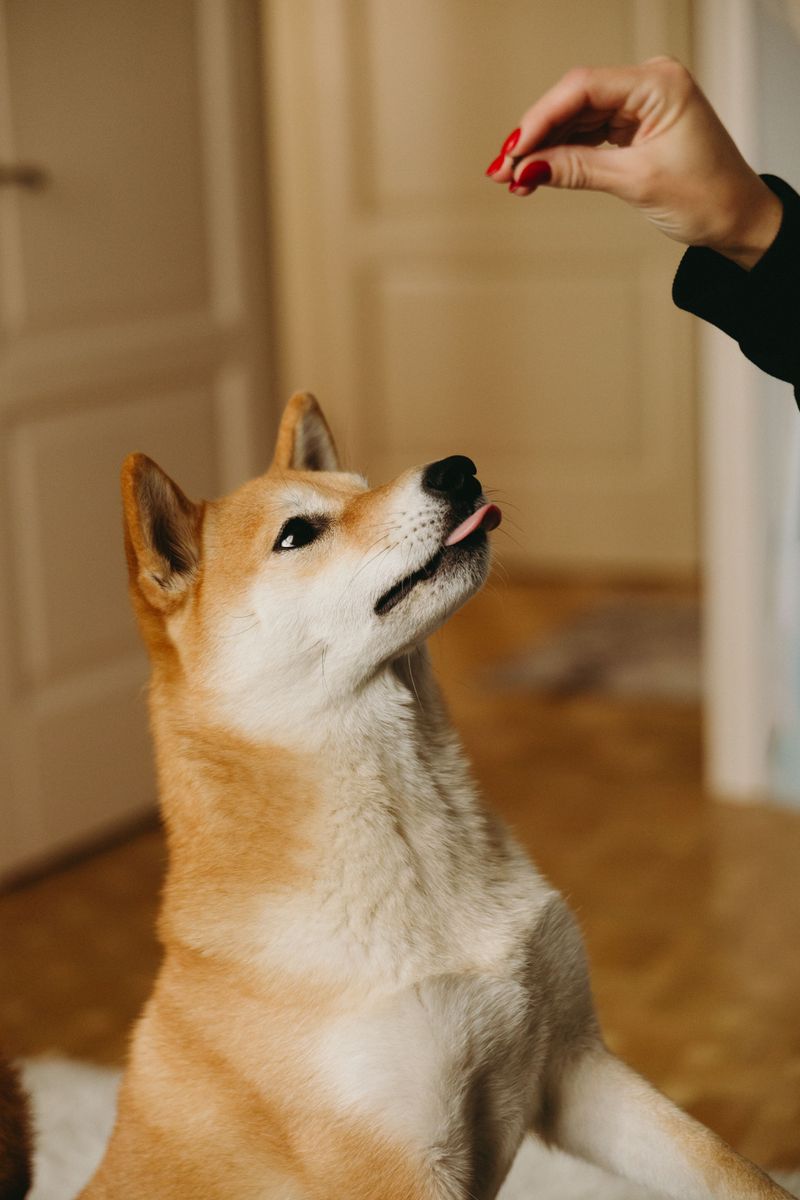
Practice by trading. Offer a tasty treat or favorite toy, and reward your dog the moment they release the object.
Start with boring items, then work up to exciting ones. Avoid chasing your dog, since that can turn into a game.
A calm trade teaches them that letting go pays off.
12. Holding a Steady Sit and Stay
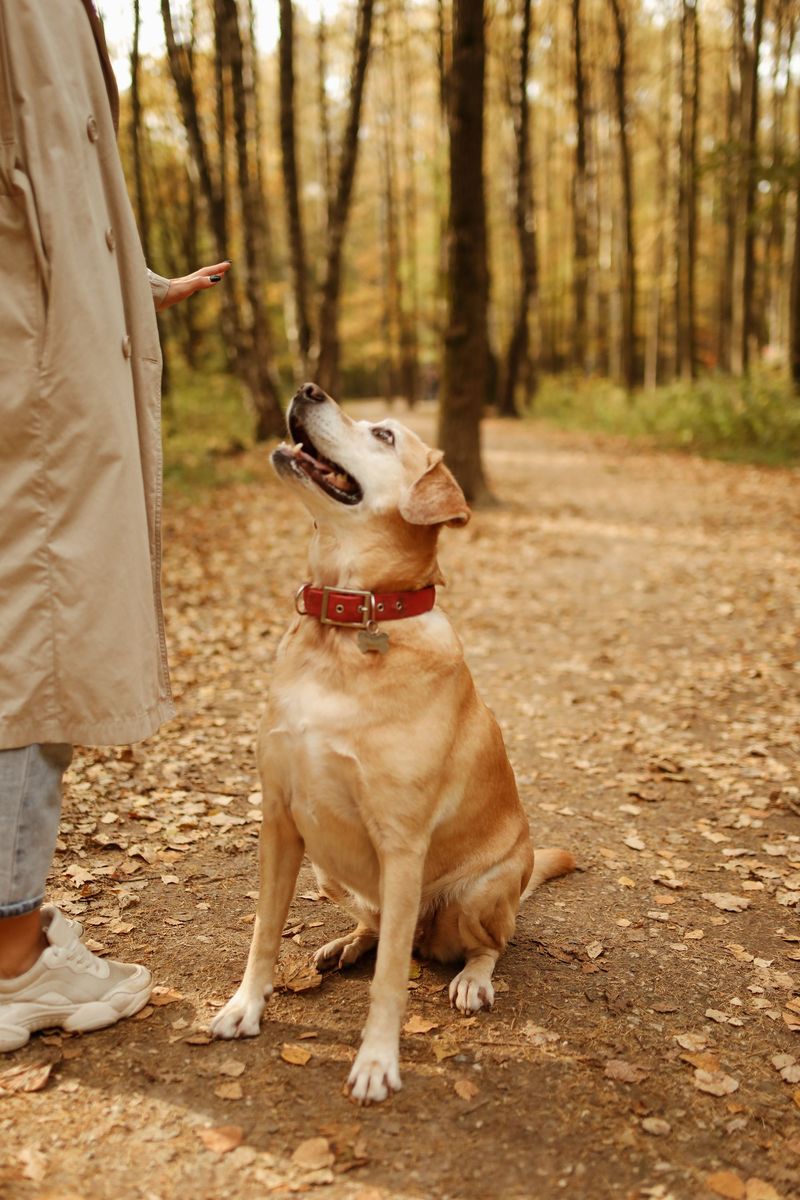
Few skills get more daily use than sit and stay. Your dog will need them at elevators, crosswalks, and front entrances.
Practice in a quiet room first. Ask for a sit, then a short stay, and reward before your dog moves.
Add time, distance, and distractions gradually. A dependable stay helps keep your dog in place when something unexpected happens nearby, like a door swinging open.
13. Staying Calm Around Traffic
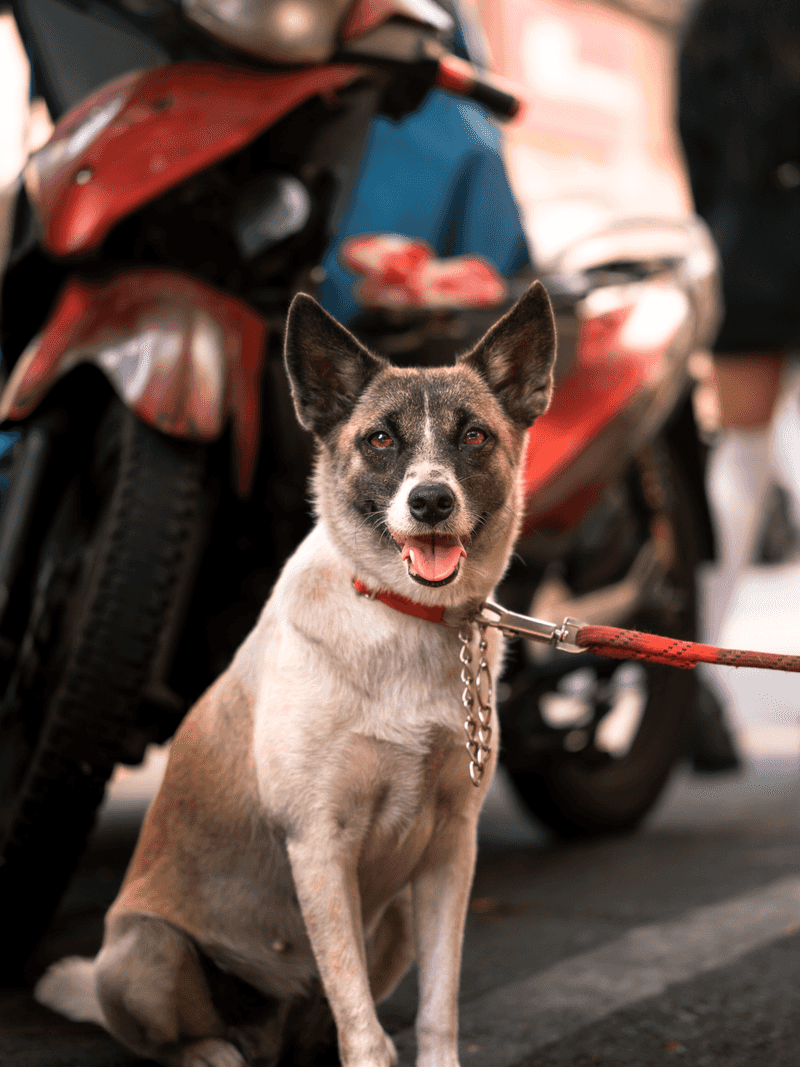
California streets buzz with cars, e-scooters, bikes, and motorcycles. Some dogs find all that motion scary, while others find it thrilling.
Begin near parked vehicles, rewarding relaxed behavior. Then watch slow traffic from a comfortable distance.
A look at me cue helps redirect attention back to you. Move closer only when your dog stays calm.
Small, steady steps build lasting composure.
14. Stopping at the Curb
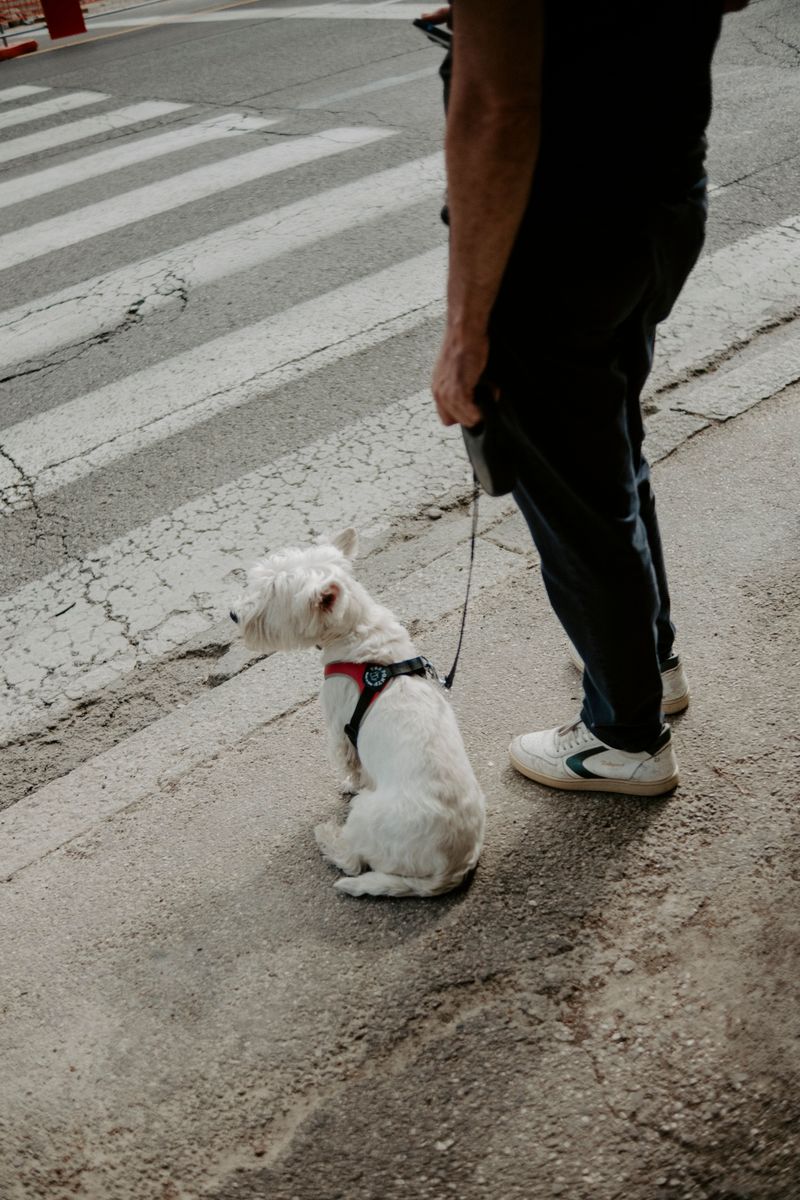
Every intersection is a natural pause point. Teaching your dog to stop there adds a helpful layer of safety.
Approach the curb, ask for a sit or wait, and reward. Cross only after you give a clear cue like let’s go.
Repeat this at every corner, even quiet ones. Consistency matters most.
Soon your dog will begin slowing down on their own as the curb gets close.
15. Moving Through Busy Crowds
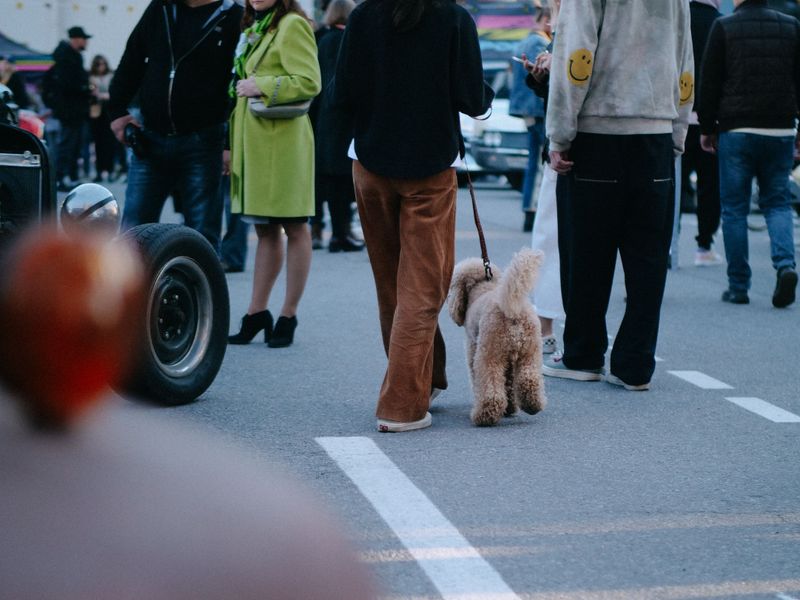
Farmers markets and beach boardwalks draw big crowds on weekends. For a dog, that sea of legs can feel overwhelming.
Start with lightly busy areas at quiet times. Carry high-value treats and reward calm walking.
Keep the leash short so your dog stays close. Watch for signs of stress, like yawning or tucked tails.
When those appear, step aside and take a break. Short visits work better than long ones.
16. Focusing Through Distractions
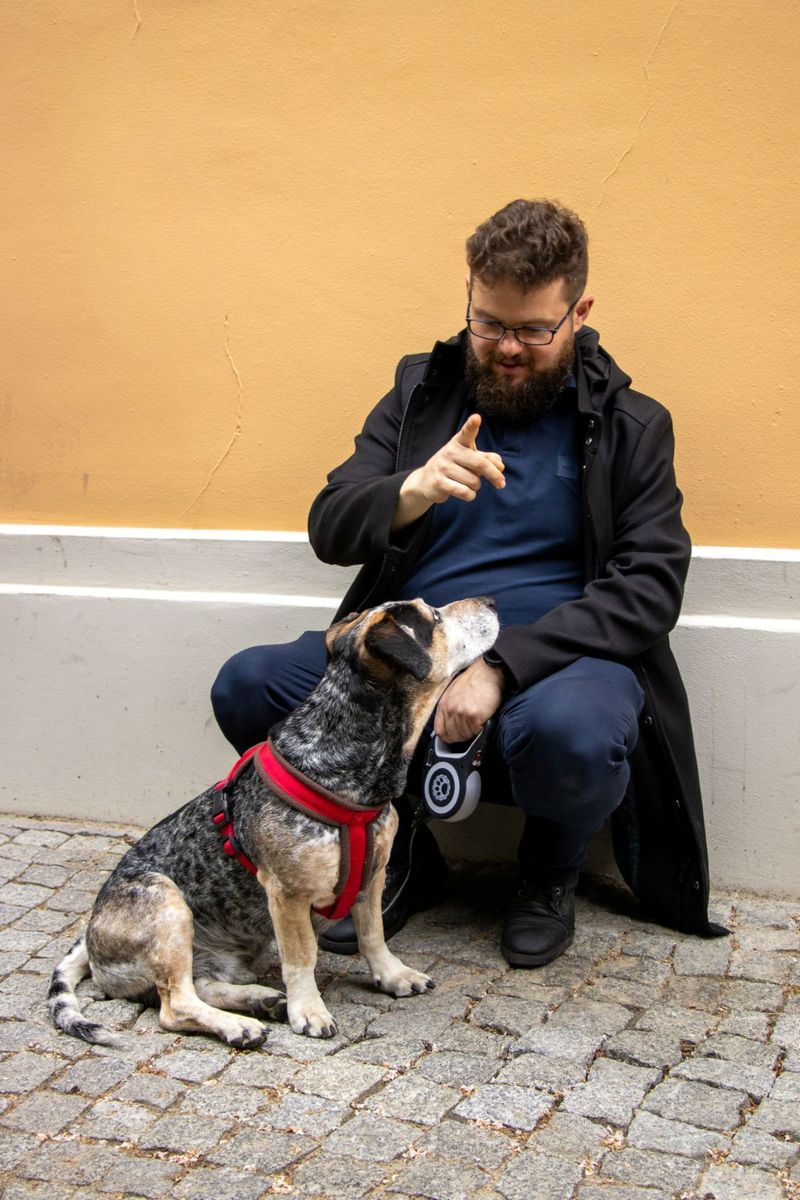
Here is a fun truth: your dog probably knows sit perfectly at home. The city, though, is a whole different classroom.
Sirens, pigeons, and passing people compete for attention. Build focus by practicing in quiet spots, then slowly adding busier settings.
Match your rewards to the challenge. Plain kibble works indoors, but busy streets may call for chicken or cheese.
Good pay keeps your dog listening.
17. Turning Around on Cue
An off-leash dog appears ahead. Maybe a spilled trash bag blocks the path.
An emergency U-turn lets you exit smoothly.
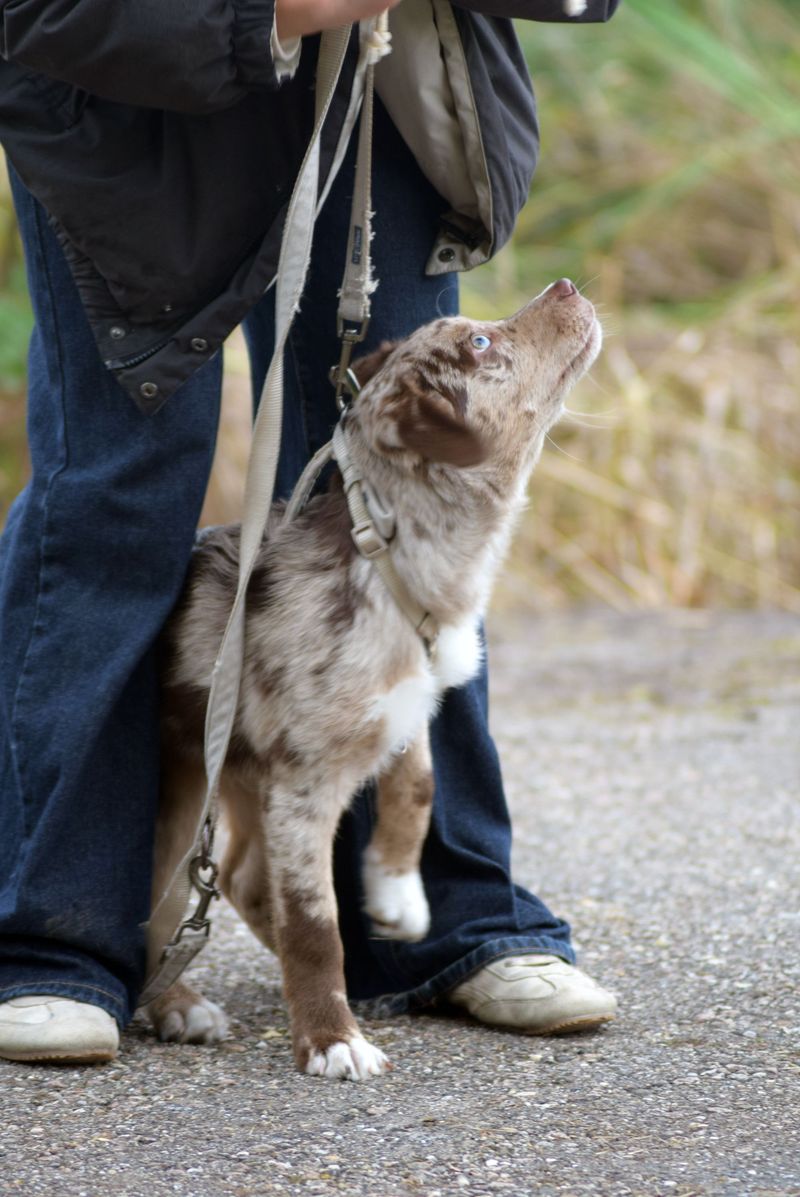
Pick a happy cue like this way. Say it, turn around, and reward your dog the moment they follow.
Practice often in calm places with special treats. Then add mild distractions.
When the real moment comes, your dog will turn with you without a second thought.
18. Building Good Potty Habits
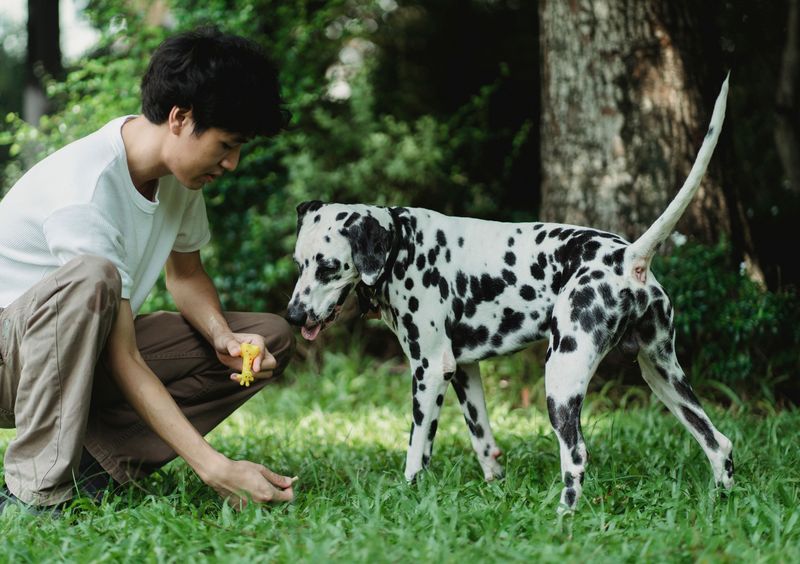
Nothing sours neighbor relations faster than a puddle in the lobby. Good potty habits keep shared spaces clean and friendly.
Head straight to a designated relief area before entering the building. Reward your dog for going there.
Many California cities require owners to pick up after their dogs, and HOAs often add their own rules. Check your local ordinances and building guidelines.
Always carry bags and discourage marking walls or planters.
19. Resisting the Urge to Chase
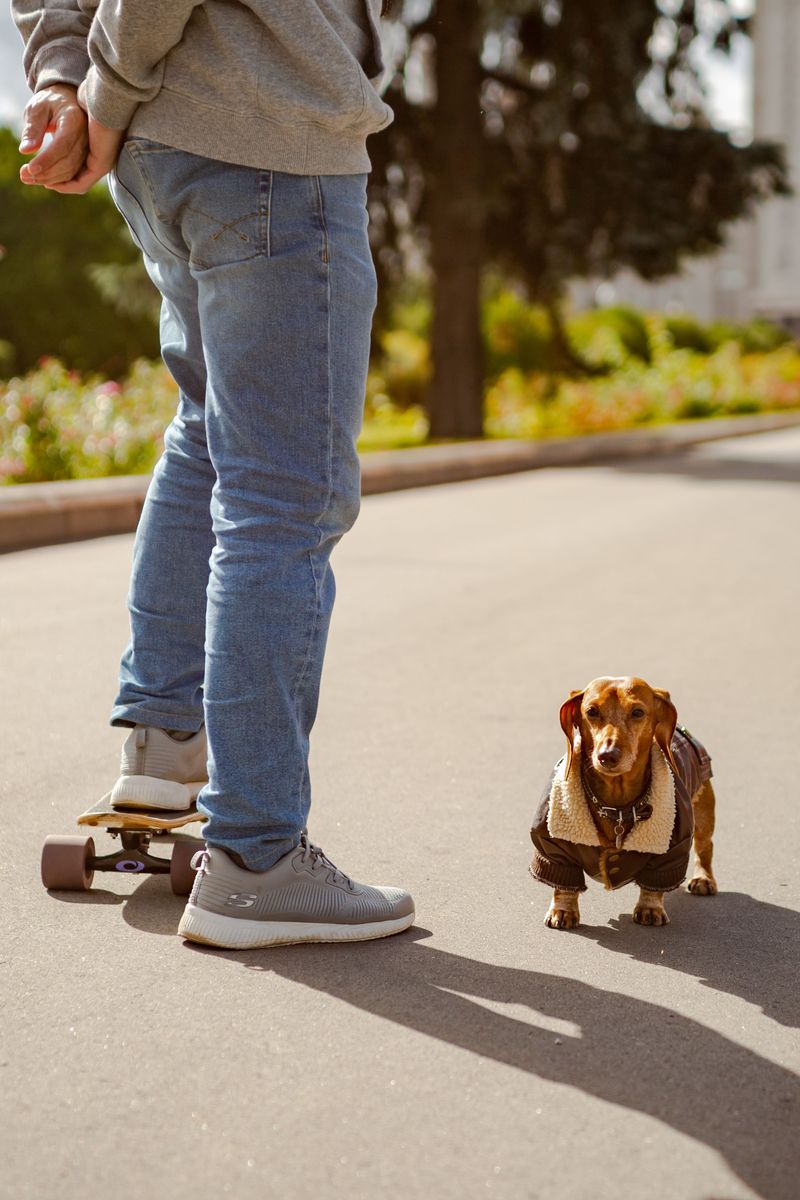
Skateboards rattle, squirrels dart, and joggers zip by. For many dogs, the urge to chase feels almost irresistible.
Find a distance where your dog can still hold a sit as the trigger passes. Reward heavily for keeping eyes on you.
Close the gap slowly over weeks. Calm waiting helps your dog shift from excited to relaxed.
Fun fact: herding and terrier breeds often find this skill extra challenging.
20. Settling Down in Shared Spaces
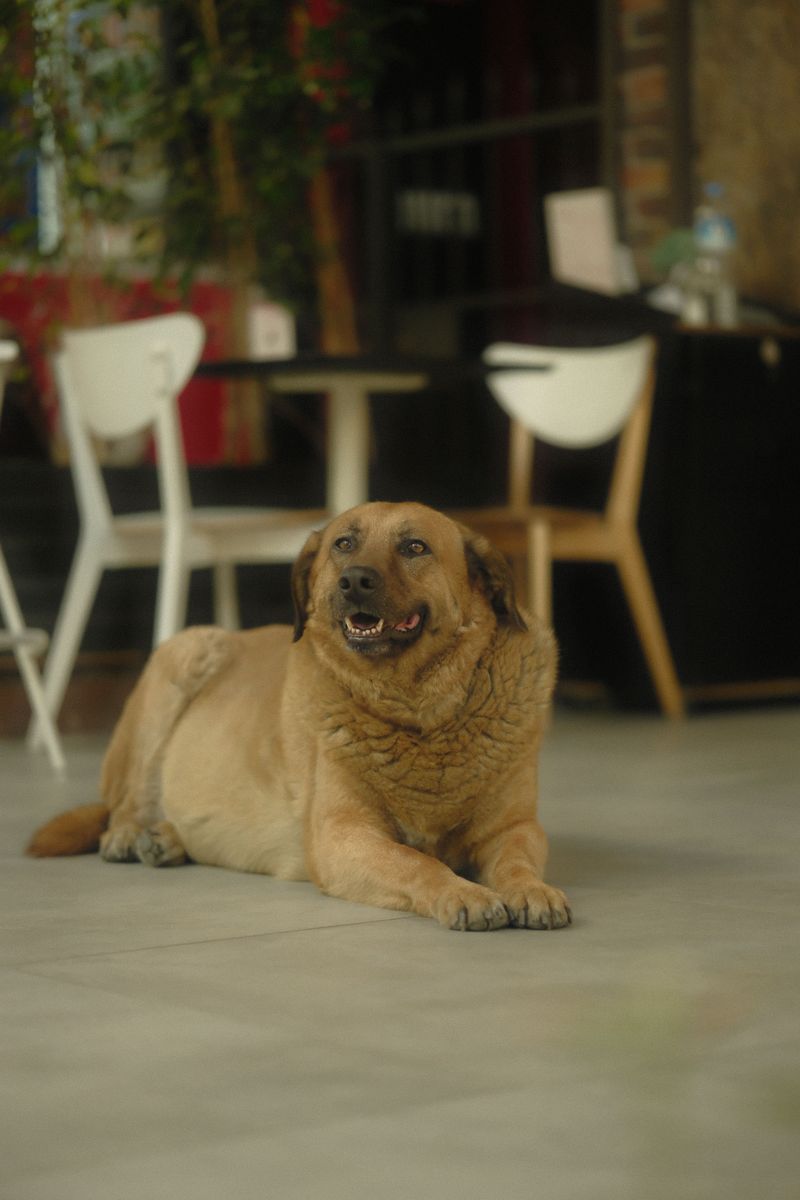
A relaxed dog lying quietly by a cafe table is a lovely sight. That calm comes from practice, not luck.
Teach a settle cue on a portable mat at home. Reward your dog for lying down and staying relaxed.
Bring the mat to lobbies and patios later. Over time, it becomes a familiar comfort zone.
With these skills in place, you and your dog can enjoy condo life with calm confidence.