What Washington Dog Owners Should Know About Porcupines East Of The Cascades
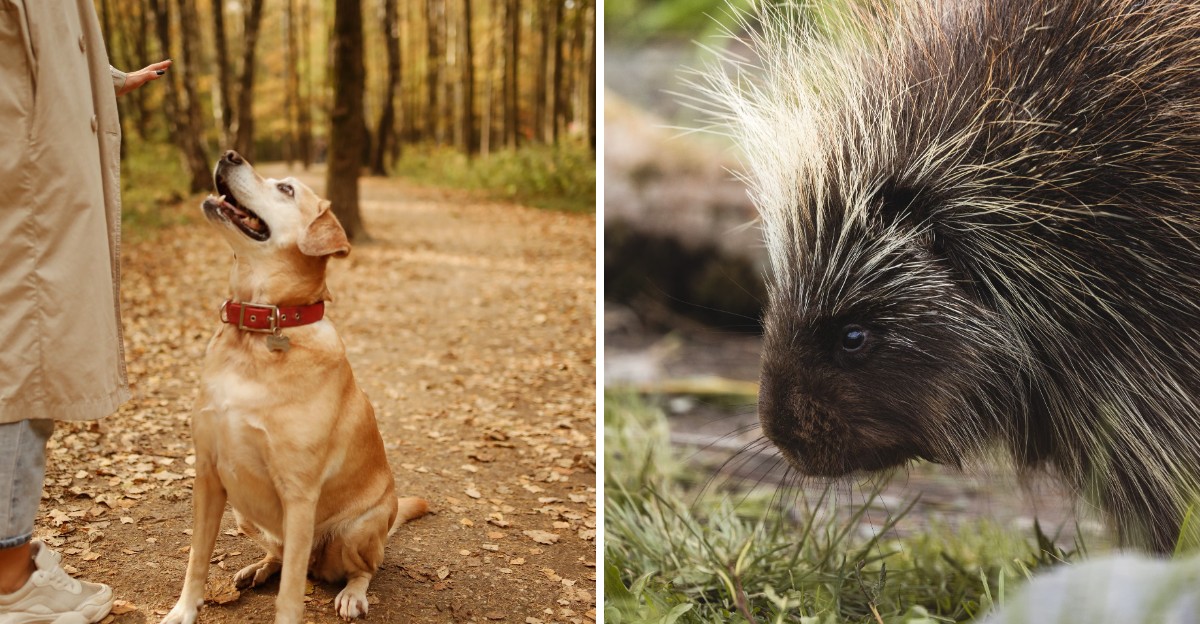
If you live east of the Cascades, your dog shares the land with some prickly neighbors. Porcupines are calm, shy animals, but a curious dog can learn a painful lesson fast.
The good news is that a little knowledge goes a long way. Here is what every local dog owner should know to keep walks safe, happy, and quill-free.
1. Where They Show Up on the Map
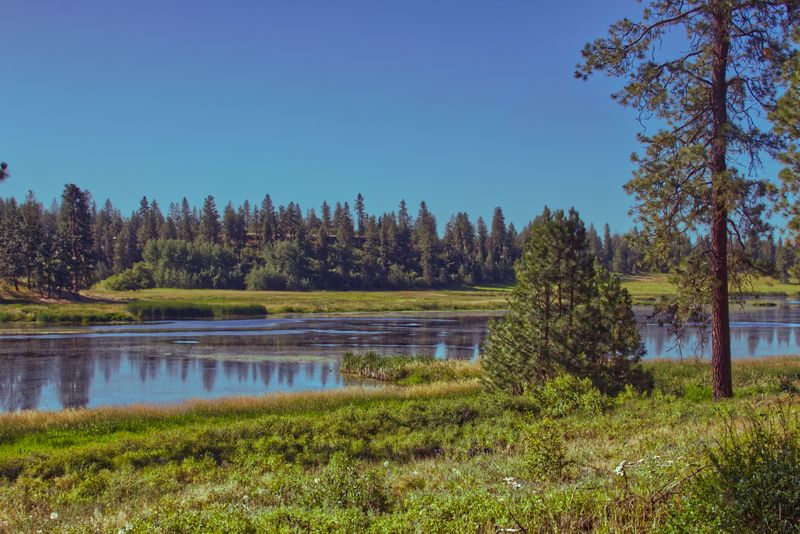
Spokane, Wenatchee, Leavenworth, and the Okanogan region all have porcupine populations. Many other towns east of the Cascades do too.
Spokane County reportedly logs the most sightings in the area. That makes sense, since it blends city edges with plenty of wooded land.
So if you hike near these places, keep porcupines in mind. A quick mental note before each outing can make a real difference for your pup.
2. Pine Forests and Brushy Hillsides
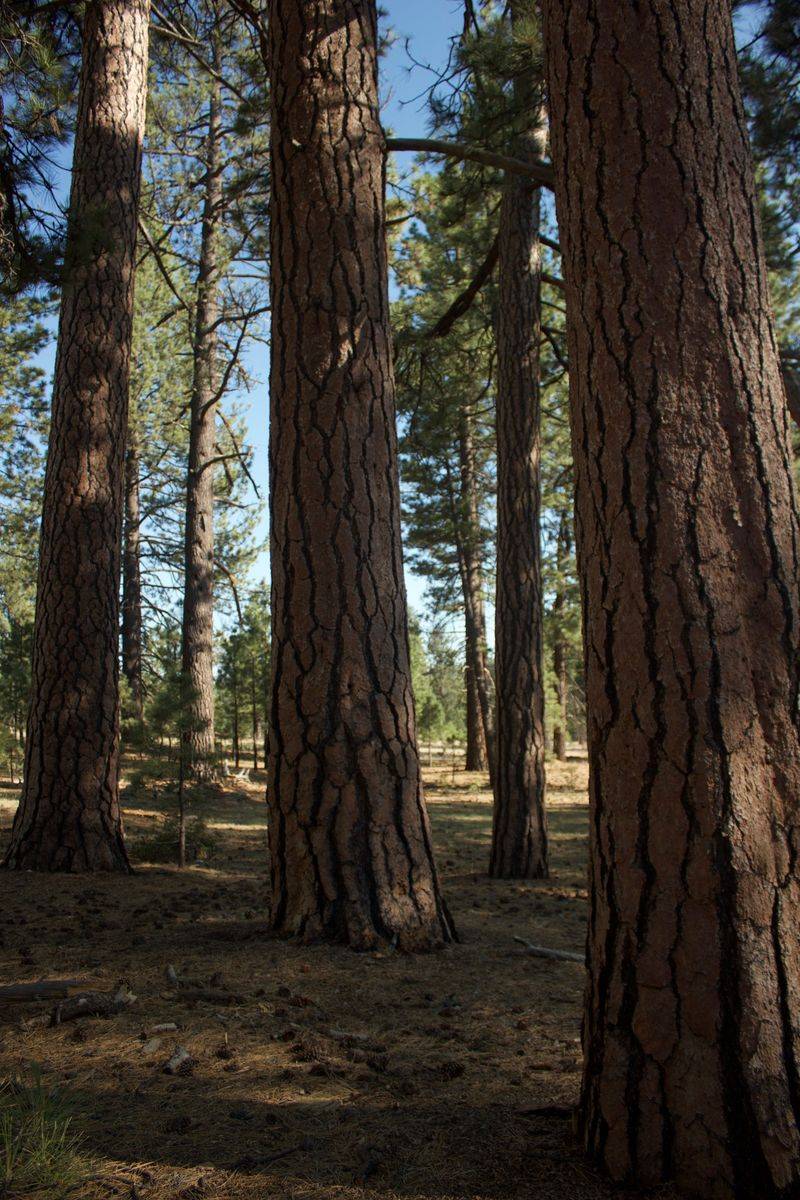
Picture a sunny ponderosa pine forest with a carpet of needles underfoot. That scene is classic porcupine country.
They also favor wooded hillsides, thick brushy areas, and the edges where forest meets open ground. Forest edges are popular because they offer both shelter and food.
When your trail passes through these spots, stay a bit more alert. Watch your dog closely near shrubs, fallen logs, and the base of trees.
3. Green Ribbons in Sagebrush Country
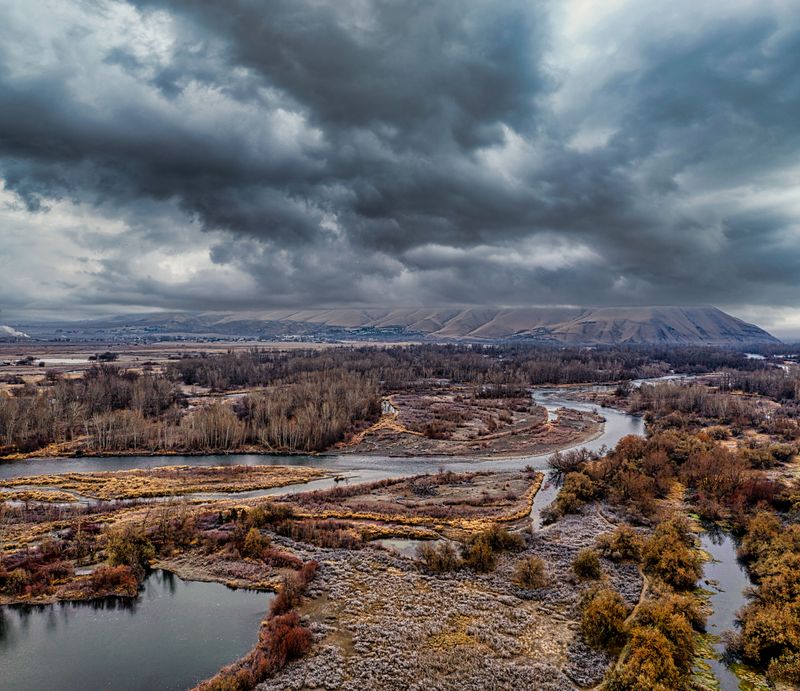
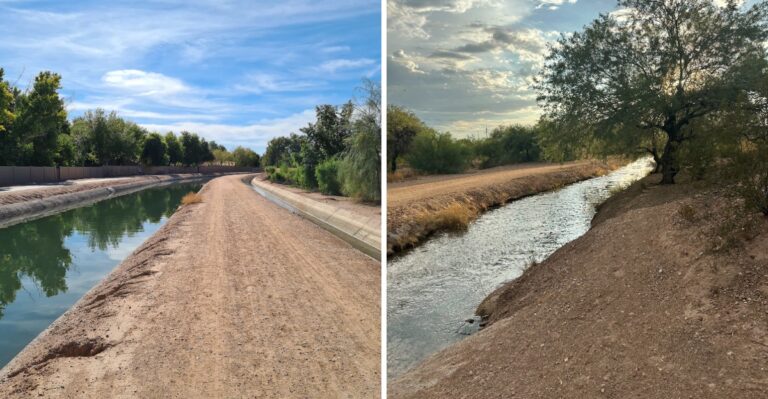
Sagebrush flats might seem too dry for porcupines. Look closer, though, and you will spot green ribbons of trees along creeks.
Those wooded stream corridors, brushy wetlands, and riparian zones give porcupines food and cover. Parts of the Columbia River Valley fit this pattern well.
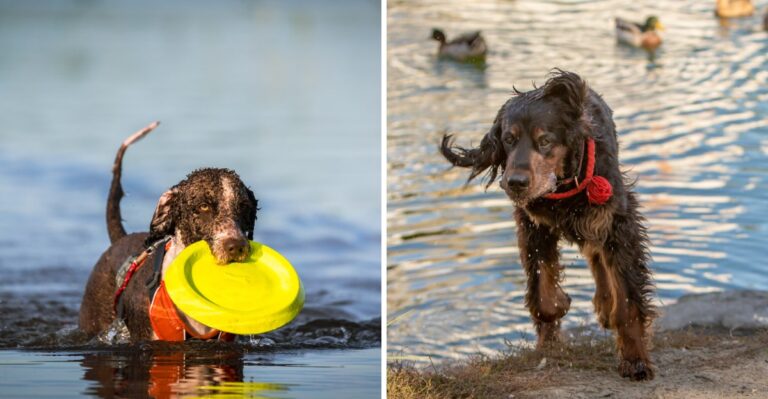
Many dogs love splashing in these cool spots on hot days. Enjoy them, but keep an eye on the willows and cottonwoods lining the water.
4. Native Neighbors of the Dry Side
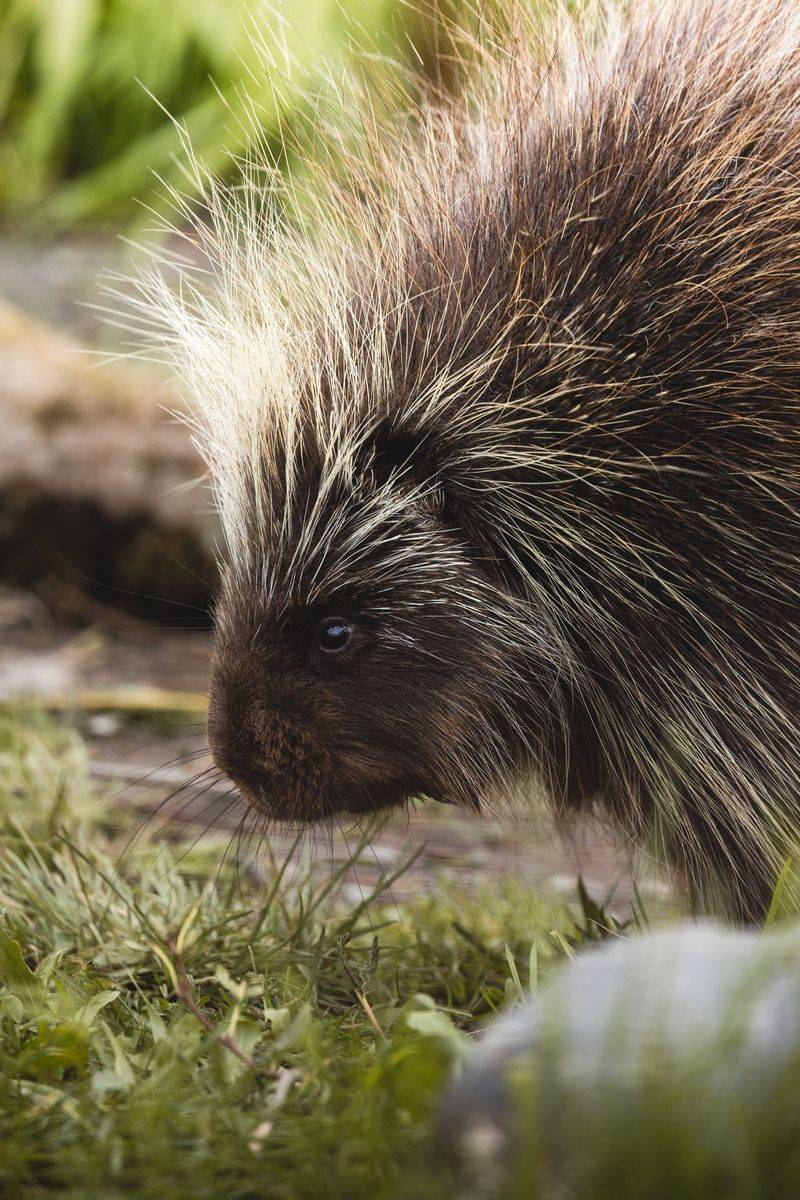
Long before trailheads and backyard fences, porcupines called eastern Washington home. They are a native species, not a recent arrival or an escaped pest.
You will mostly find them in forested and rural areas. Farms, ranches, cabins, and quiet country roads often sit right inside their range.
Knowing they belong here helps set the right mindset. The goal is not to fear them.
It is simply to share the landscape wisely with your dog.
5. Night Owls With Spines
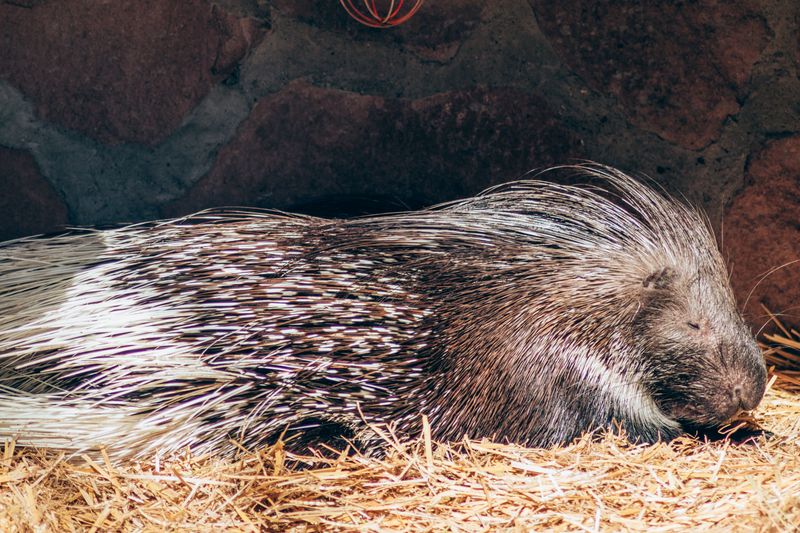
Late evening potty breaks carry a little extra risk in porcupine country. These animals are most active at night, around dusk, and near dawn.
That timing overlaps with many daily routines. Early morning walks and last trips outside before bed fall right in their busy hours.
A flashlight or headlamp helps you scan the yard first. Some owners also add a lighted collar so they can track their dog easily.
6. No Winter Break Here

Bears sleep through winter, but porcupines stay busy. They do not hibernate, so encounters can happen in any month.
In colder seasons, they often munch on tree bark and conifer needles. You might even spot one perched in a snowy pine.
Snowshoe trips and winter hikes still call for caution. Keep your guard up all year rather than relaxing once the temperatures drop.
7. Up in the Trees, Down on the Ground
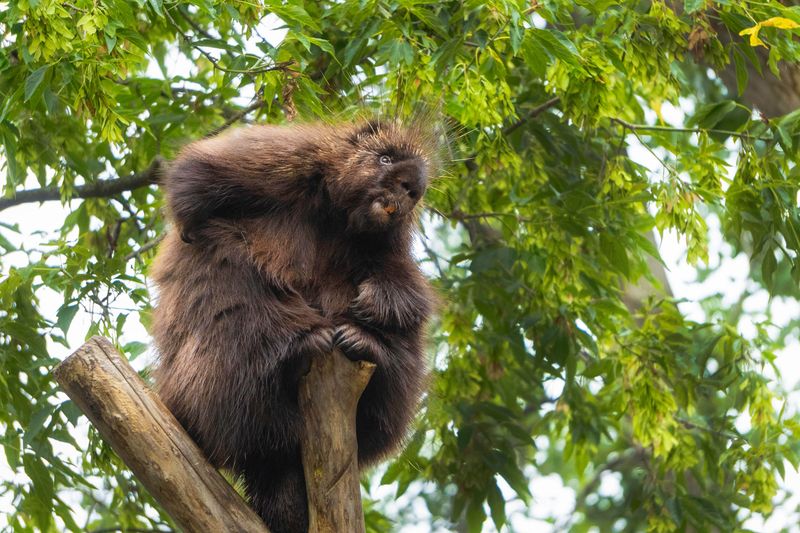
Here is a fun fact: porcupines are surprisingly skilled climbers. Strong claws and rough foot pads help them grip bark with ease.
They do not stay up high, though. Porcupines also travel and forage on the ground, often moving slowly between trees.
A dog sniffing around a trunk may find one at nose level. Look up and around when your dog suddenly stops and stares at something.
8. Shy, Not Spiteful
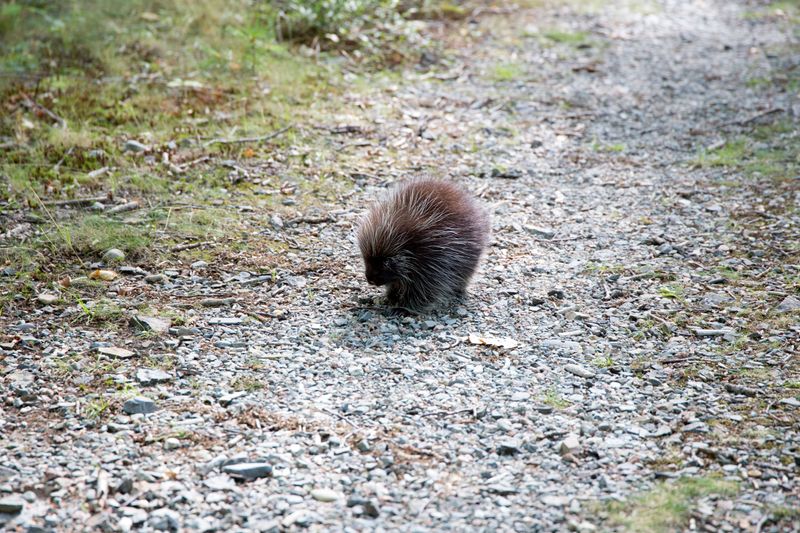
Despite their spiky look, porcupines would rather be left alone. They are generally shy and defensive, not aggressive toward dogs.
Most will try to waddle away or climb a tree when bothered. Trouble usually begins when a dog charges in, sniffs too close, or tries to grab one.
In other words, your dog sets the pace of most encounters. Calling your pup away early often ends the moment peacefully.
9. The Quill-Shooting Myth
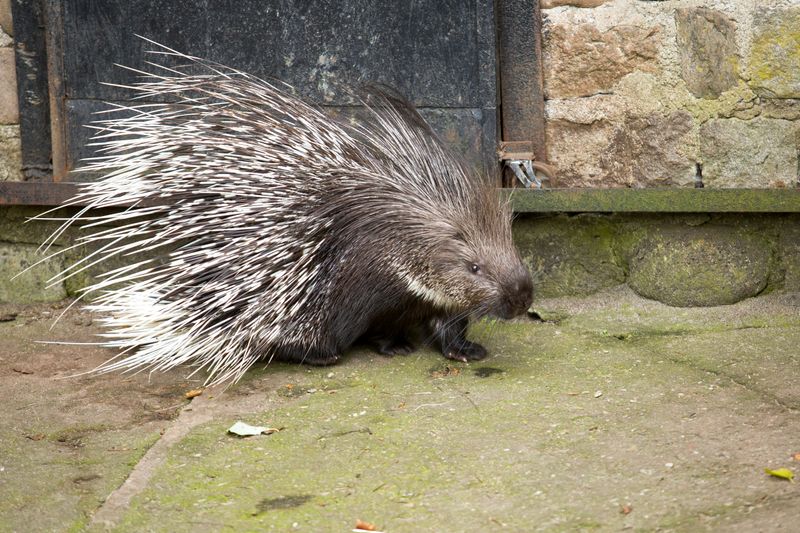
Cartoons got this one wrong. Porcupines cannot shoot or throw their quills through the air.
Quills only come loose with direct contact. They are held loosely in the skin, so they release easily once something touches them.
This is actually reassuring news. Keeping a safe distance truly works.
If your dog never touches the porcupine, no quills will end up in its face.
10. Watch Out for the Tail
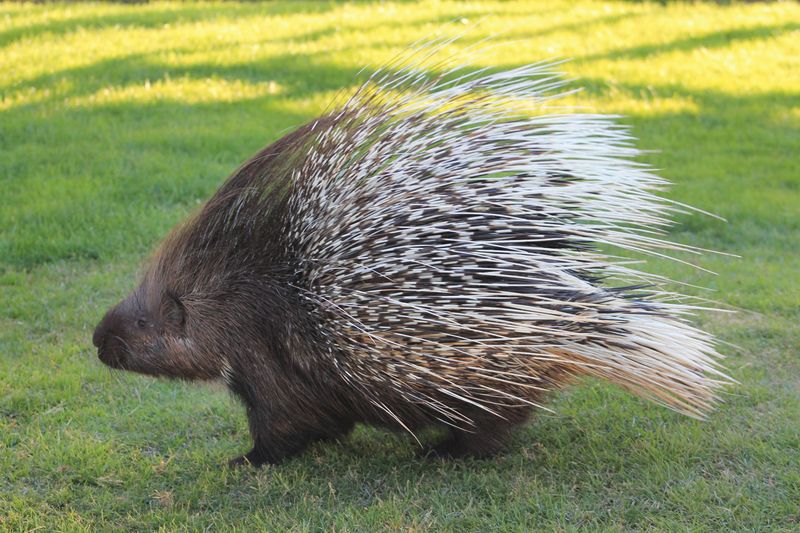
When a porcupine feels cornered, it often turns its back toward the threat. Then comes the real defense: a quick swing of its tail.
That tail is packed with quills. A dog moving in close can get a face full in a split second.
Many porcupines also raise their quills and chatter their teeth as a warning. Treat those signals as a clear cue to back away immediately.
11. Tiny Barbs, Big Problem
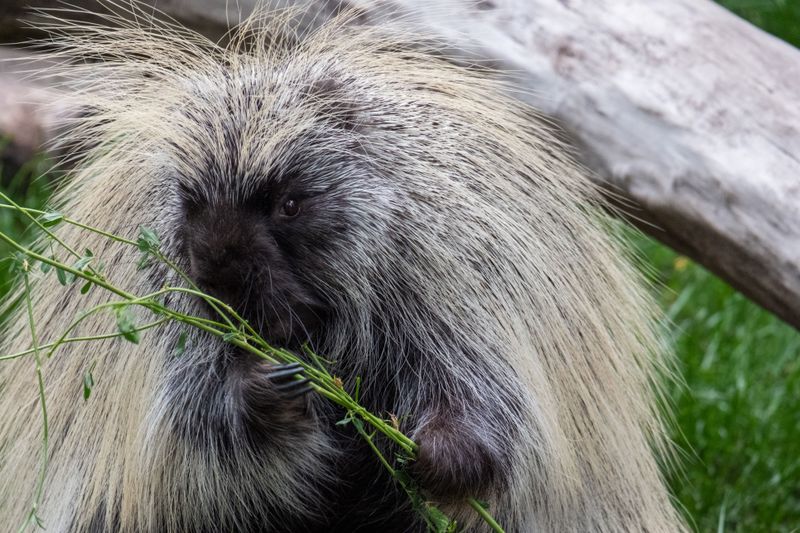
Under a microscope, a quill tip looks a bit like a fishhook. It is covered in tiny barbs that face backward.
Those barbs grab onto skin and muscle. As a result, quills tend to work deeper into tissue rather than falling out.
Every movement your dog makes can push them further in. That is why quills are much harder to remove than a simple splinter.
12. Noses Take the Hit
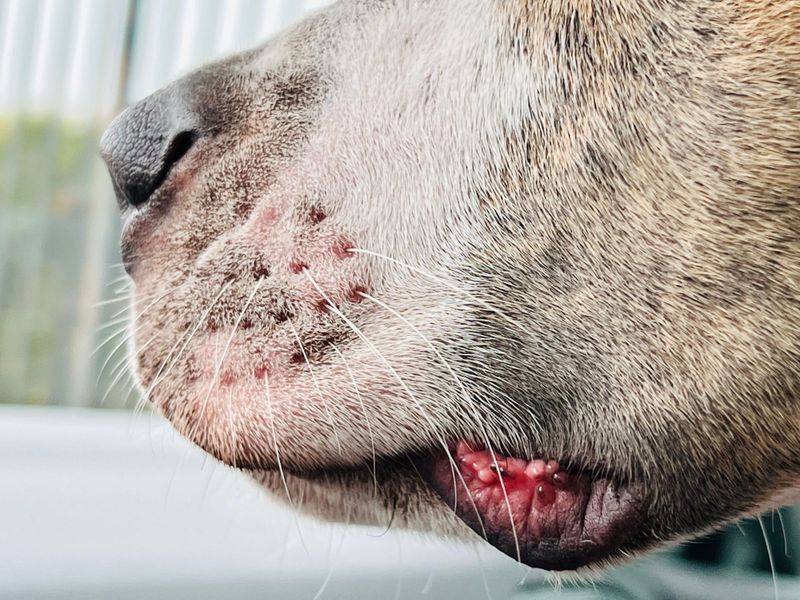
Dogs explore the world nose first, so you can guess where quills usually land. The nose, muzzle, mouth, and face are the most common spots.
Front legs often get hit too, especially if a dog paws at the porcupine.
After any suspected encounter, check these areas carefully. Look gently around the lips and inside the mouth if your dog allows it safely.
13. Sensitive Spots Matter
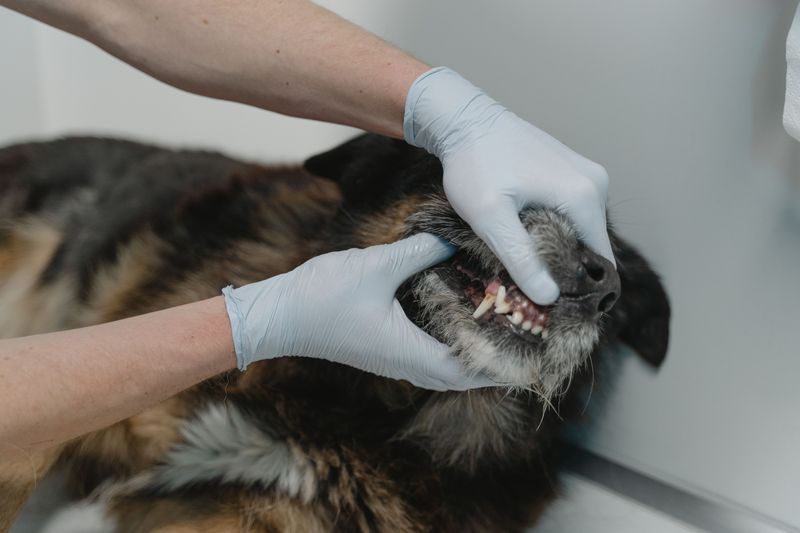
Some quills land in places you cannot easily see. They can reach the eyes, tongue, throat, and chest.
Quills near the eyes need especially careful handling by a professional. Ones inside the mouth or throat may hide behind the tongue or gums.
Watch for squinting, gagging, or unusual swallowing. These clues can hint at quills hiding where a quick glance will miss them.
14. Why Time Is Not on Your Side
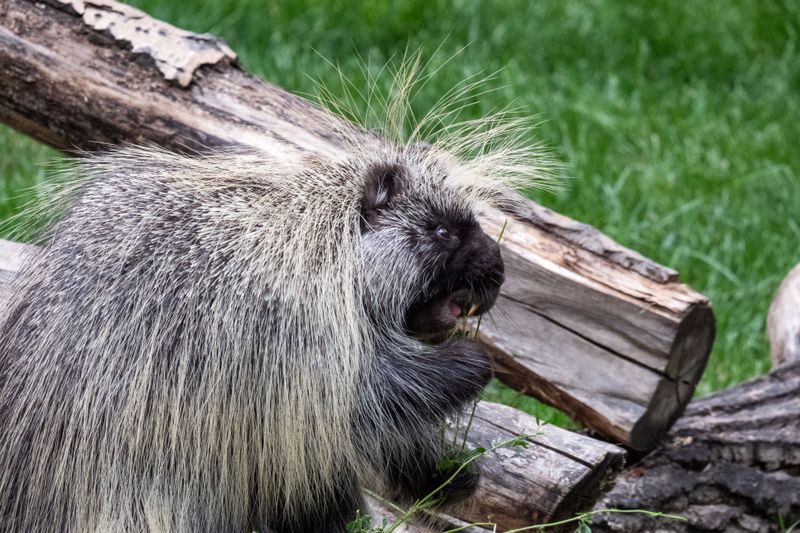
A quill left in place rarely stays put. Embedded quills can migrate deeper into the body over time.
That travel can lead to infections or abscesses. In rare cases, quills reach joints or vital organs and cause serious internal injury.
Fast care keeps a small problem from becoming a big one. Prompt treatment is the simplest way to protect your dog’s long-term comfort.
15. Leash Up After Dark
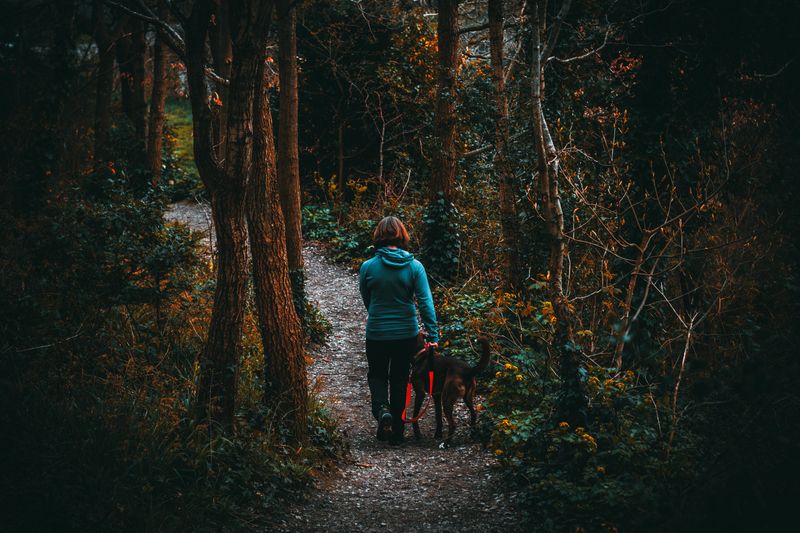
Prevention beats treatment every time. In porcupine habitat, keep your dog leashed or closely supervised.
This matters most after dark, when porcupines are moving around. A leash gives you instant control if your dog catches an interesting scent.
Leash rules also vary by park, county, and city. Check local regulations before heading out so you stay safe and follow the rules.
16. Recall and Leave It Save the Day
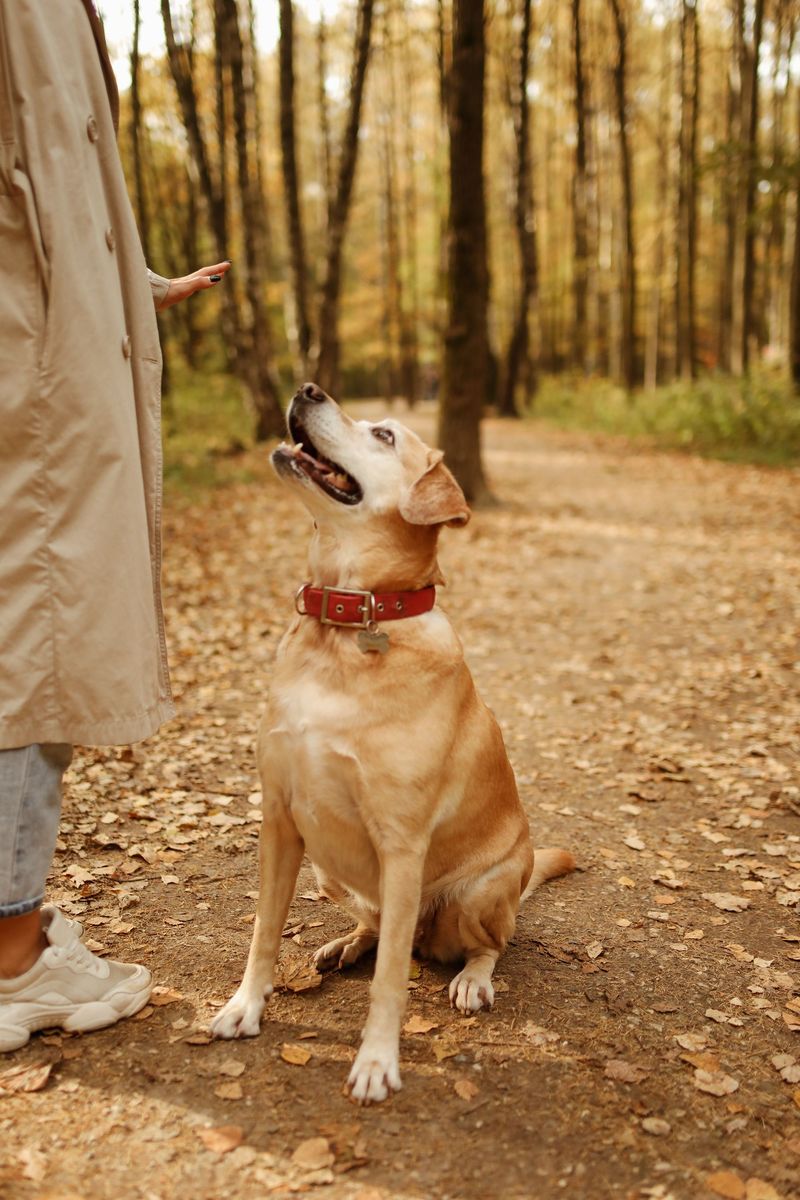
A dog that comes when called is a safer dog in the woods. Strong recall and a reliable leave it command can stop trouble early.
Practice in calm places first, then add distractions slowly. Reward your dog with treats and praise every time.
A professional trainer can help if progress stalls. Short daily sessions often work better than long, tiring ones.
17. Call the Vet Right Away
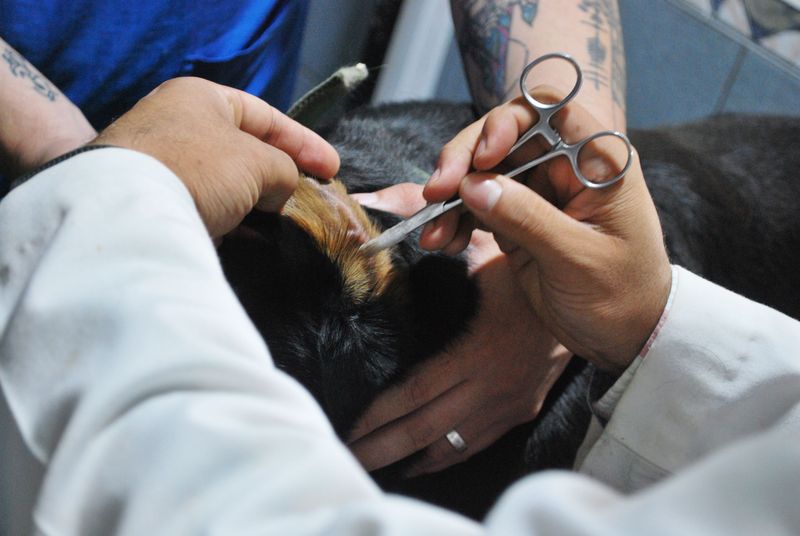
So your dog met a porcupine. Take a breath, then call a veterinarian right away.
Do not wait for the quills to fall out. They usually work deeper instead.
Save the number of a local vet and the nearest emergency clinic in your phone. Before rural trips, note which clinics serve the area.
Having that plan ready makes a stressful moment much easier to handle.
18. Skip the Scissors and Pliers
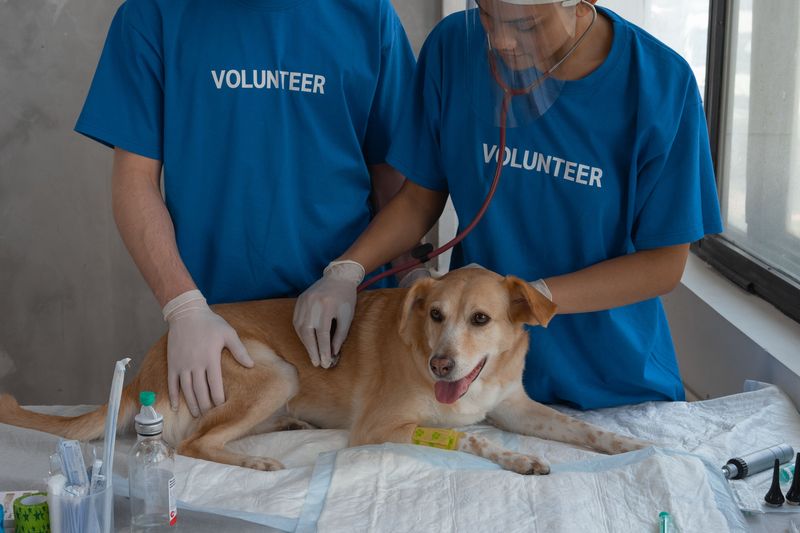
An old tip says cutting quills lets the air out. That is not true.
Cutting does not deflate them and makes removal harder.
Pulling quills yourself can also go wrong. They may snap and leave pieces under the skin.
A frightened dog may also snap or squirm. Leave removal to your veterinarian, who has the right tools, training, and safe methods.
19. Calm Paws on the Way In
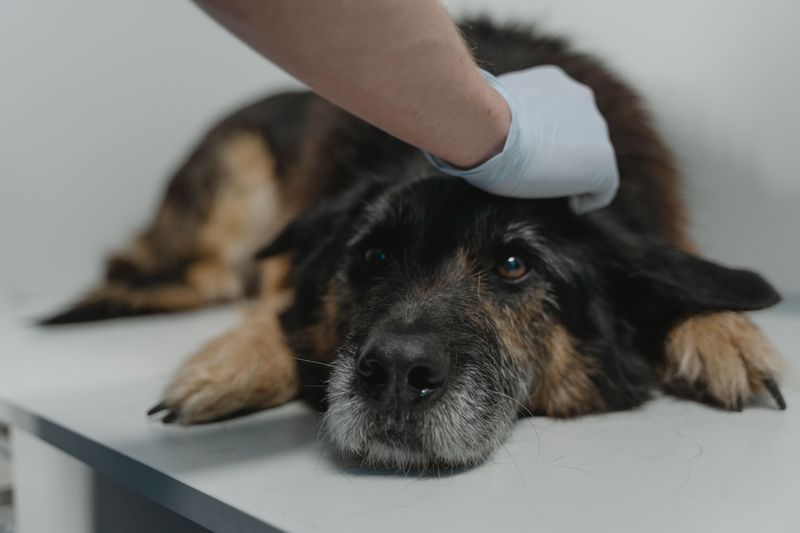
Your calm voice can steady your dog on the drive to the clinic. Keep your pup quiet and as still as possible.
Try to stop pawing or rubbing at the face, since that drives quills deeper. A soft blanket or a helper in the car can make this easier.
At the clinic, vets often use sedation or anesthesia. That keeps your dog comfortable and makes removal safer.
20. Healing at Home and Next Time
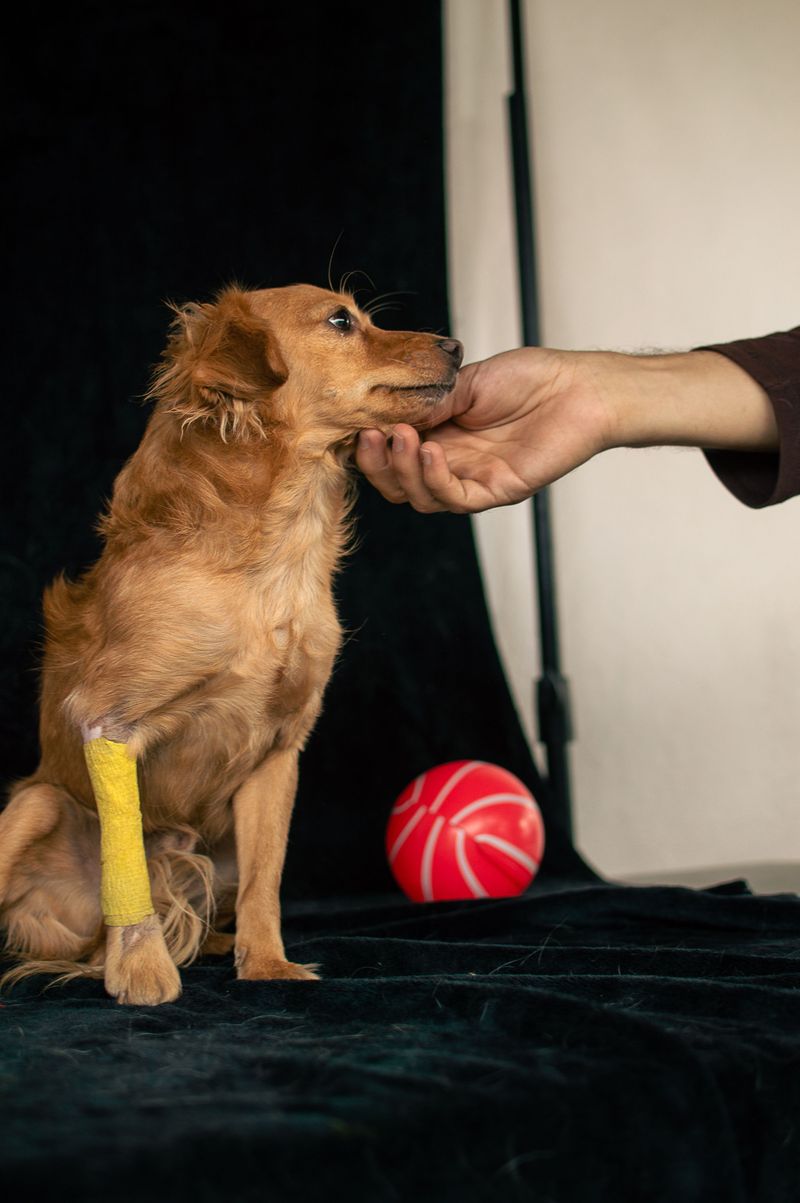
Once you are home, keep watching closely for a few days. Note any swelling, drooling, limping, trouble eating, or breathing changes.
Call your vet if anything seems off. Missed or broken quills can surface later.
Many dogs meet porcupines more than once, sadly. One encounter does not teach every pup to stay away.
Keep up your precautions, and enjoy many safe adventures together east of the mountains.