20 Sporting Dog Breeds Suited To Michigan’s Upland Bird Country
Michigan grouse cover can swallow a careless dog whole. Thick aspen, tangled alder runs, and soggy cedar edges test every nose and every set of paws.
Add cold October rains and late-season pheasant fields, and you need a partner built for real work. The breeds ahead each bring a special trick to these woods, from silky setters to scruffy wirehairs.
Some might surprise you.
1. English Setter: The Grouse Woods Classic
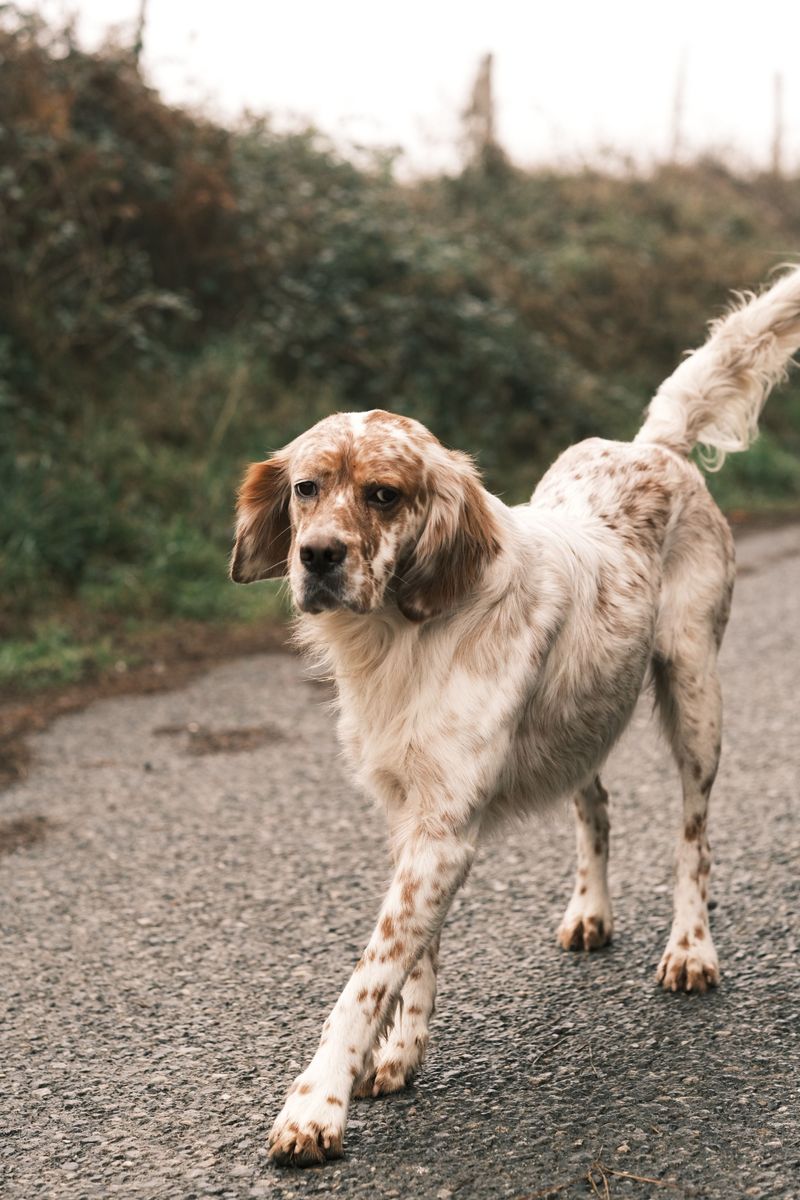
Picture a white dog flowing through yellow aspen like a ghost on a mission. The English Setter has chased Michigan ruffed grouse for generations.
Its high-headed point is pure poetry.
Indoors, setters are tender cuddlers who melt into the couch. Outside, they become tireless scent machines.
Field-bred Llewellin lines run leaner and faster.
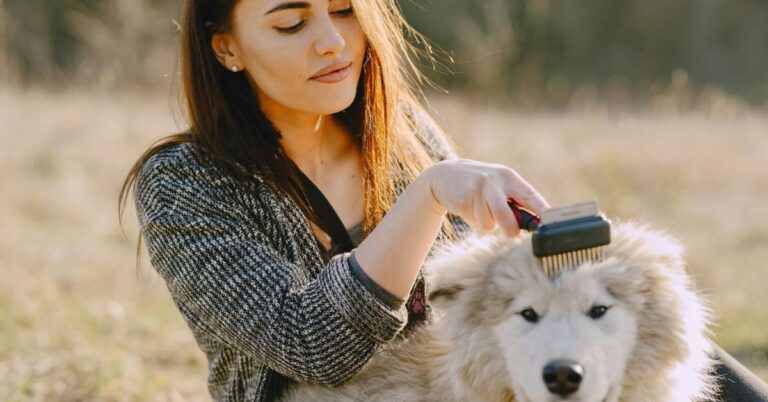
Pack a good comb, though. That silky feathering collects burrs like a magnet after every walk.
2. Brittany: Small Dog, Big Engine
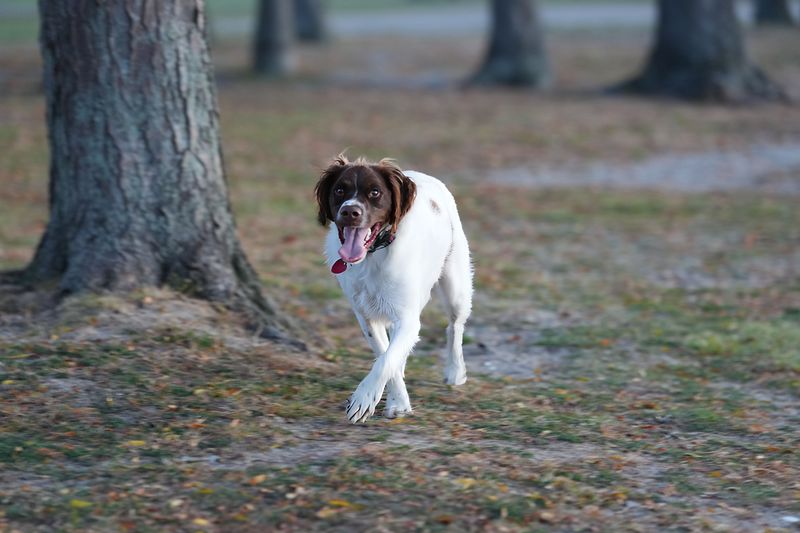
Ever watched a pocket rocket hunt? Brittanys pack serious speed and stamina into a compact, handy frame.
Born in France, they point and retrieve with equal flair.
That smaller size helps in Michigan’s tight cover. They slip under brush where bigger dogs stall.
Training tip: keep it kind. Brittanys are sensitive souls who shut down under rough handling.
Praise and treats unlock their eager, people-pleasing brains fast.
3. German Shorthaired Pointer: The Do-It-All Athlete
Many GSP puppies point and fetch by eight weeks old. Talk about a head start!
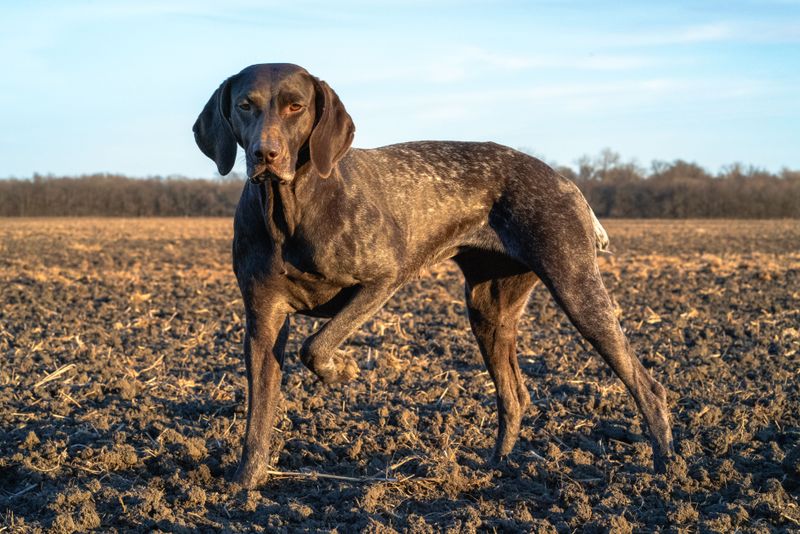
This German favorite handles upland birds, ducks, and rabbits with steady confidence.
A short, sleek coat means quick cleanup after muddy hunts. Webbed feet help in Michigan’s marshy edges too.
Fair warning: these dogs run on high-octane fuel. Without daily exercise and brain games, they invent their own fun.
Your shoes may not survive it.
4. German Wirehaired Pointer: Built Tough
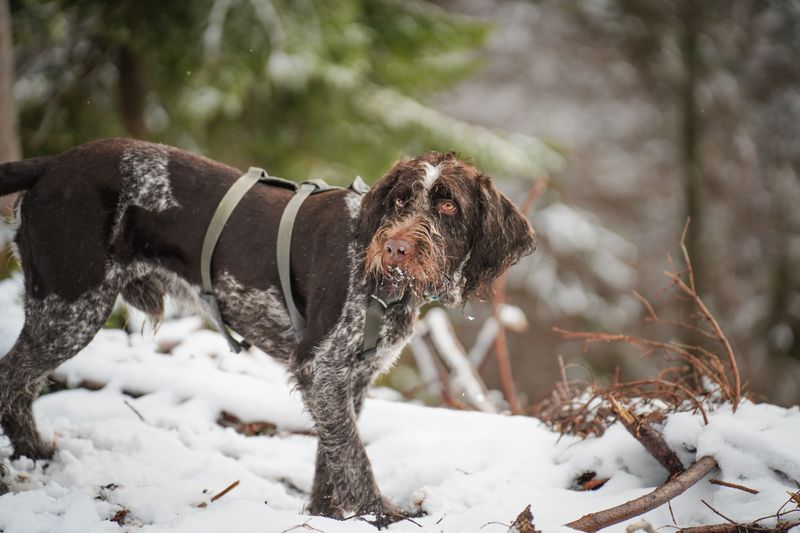
Thornapple thickets? Icy November creeks?
The German Wirehaired Pointer shrugs and keeps going. Its wiry outer coat and soft undercoat act like a built-in hunting jacket.
GWPs search, point, track, and retrieve with real grit. They handle feather and fur alike.
Loyal and outgoing, they love working close with their people. Give them a job and a long walk daily.
Bored wirehairs get creative in surprising ways.
5. English Pointer: The Statue Maker
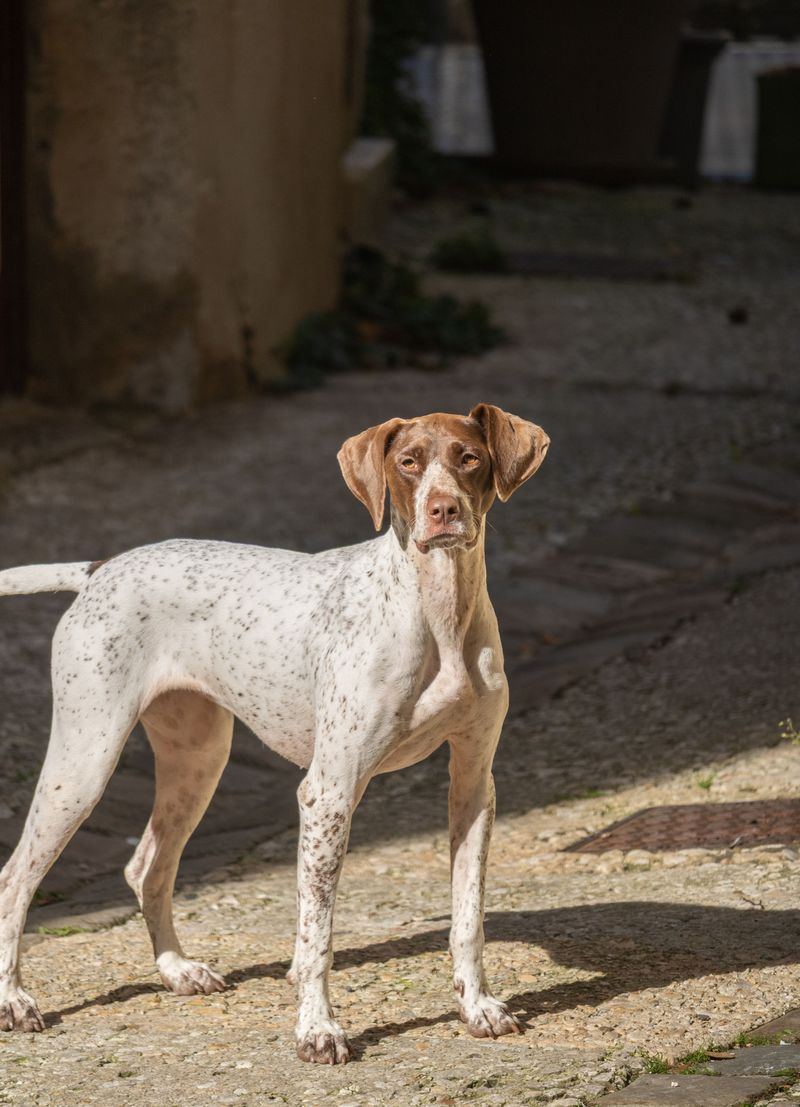
One moment it’s a blur. The next, it freezes like a garden statue, nose aimed at a hidden bird.
That’s the English Pointer magic.
Lean muscle and long legs give this breed amazing range. Pointers shine in open pheasant fields and grassy state game areas.
At home, they are calm and friendly with kids and other dogs. Still, plan on an hour of hard exercise daily.
Skipping it invites chewed furniture.
6. Wirehaired Pointing Griffon: The Shaggy Sidekick
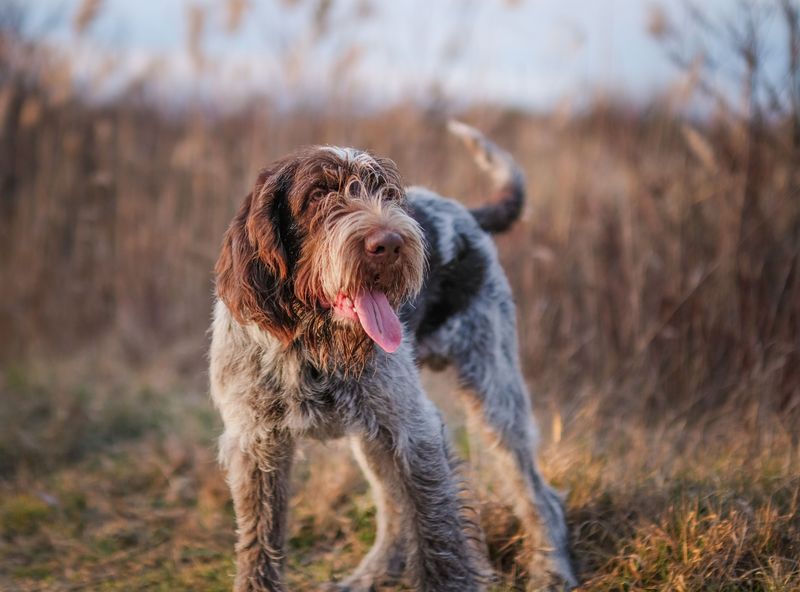
Scruffy beard, twinkling eyes, and a work ethic that never quits. Meet the Griff, a favorite of walking hunters everywhere.
Griffs hunt close and check in often. That makes them gold in Michigan’s dense woodcock cover, where you can barely see ten yards.
Their coarse coat handles rain and briars easily. Friendly yet determined, they crave both activity and puzzles.
A bored Griff is a scheming Griff.
7. Pudelpointer: The Clever Crossbreed Success
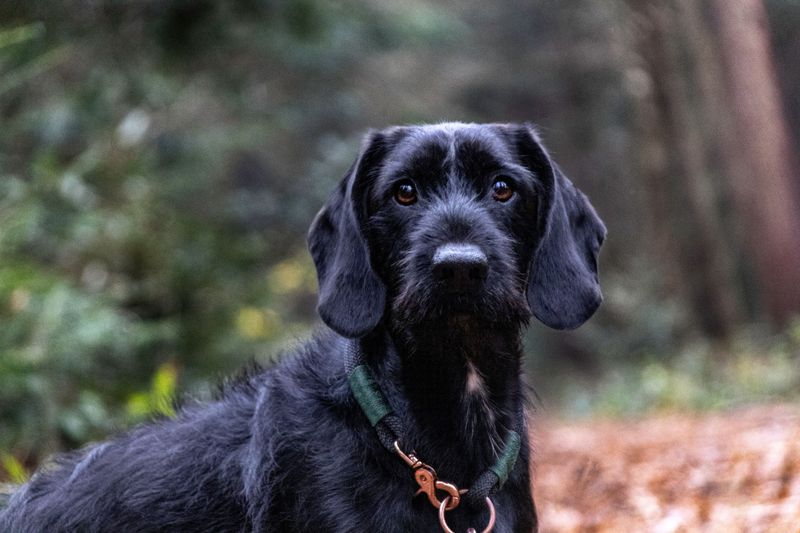
A Poodle and an English Pointer walk into Germany. The result?
One of the smartest bird dogs around.
Pudelpointers point, retrieve on land and water, and track wounded game. Their stamina lets them cover huge chunks of ground for hours.
Bonus perk: that harsh, wiry coat needs very little grooming. Eager learners, they pick up new tasks quickly.
Many owners say training feels more like teamwork than work.
8. Gordon Setter: Scotland’s Steady Hunter
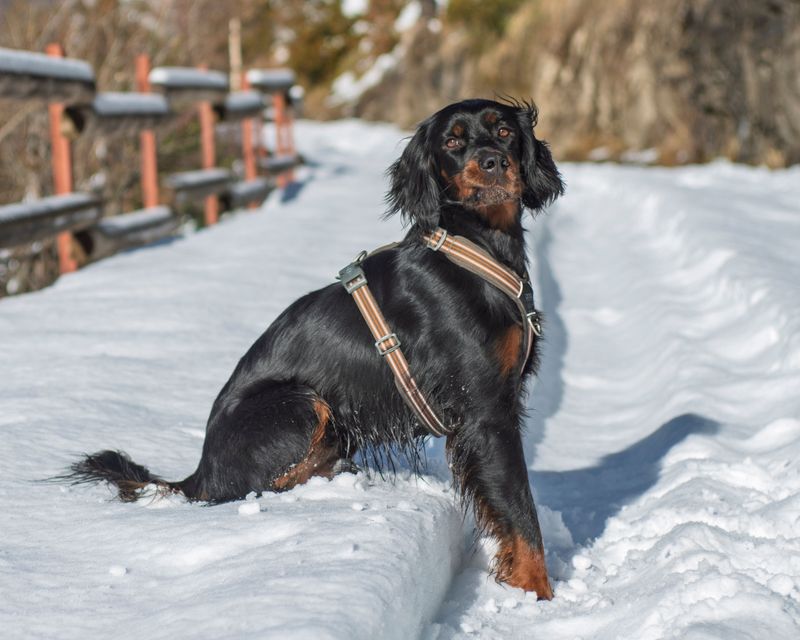
Scottish hills shaped this handsome black-and-tan dog for long, rugged days. Speed was never the goal.
Endurance was.
Gordon Setters hunt with a thoughtful, steady pattern. That suits rolling Upper Peninsula woods, where patience often finds more birds.
At home they bond deeply and play with gusto. Strangers may get a more polite hello, though.
Expect regular brushing to keep that glossy coat tangle-free and gleaming.
9. Small Munsterlander: The Cheerful Multitasker
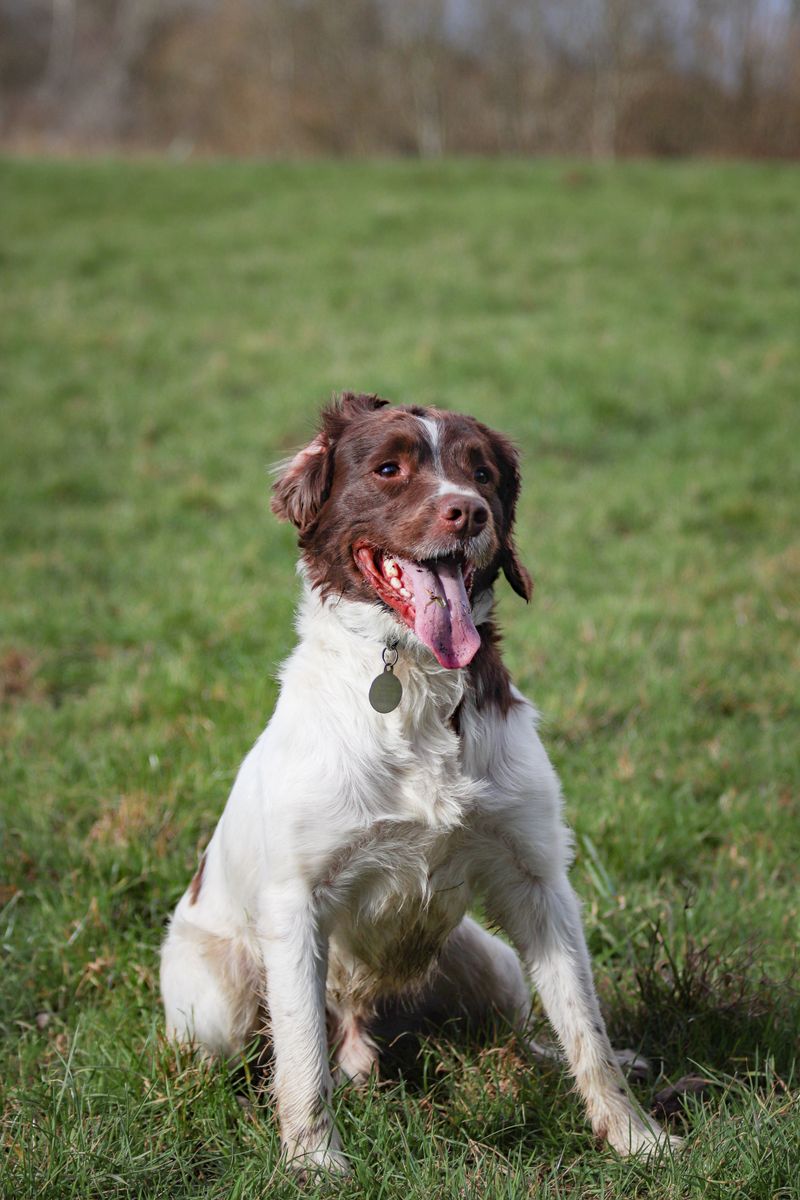
Cold, wet, and rough terrain barely slows this cheery German dog. Small Munsterlanders track, point, and retrieve with natural skill.
Families love their friendly, people-loving hearts. Once exercised, they settle into gentle house companions.
Heads up: some can be stubborn. Steady, positive training wins them over.
Also keep a comb near the door. Their feathered coat needs attention after every romp through Michigan’s burr-filled fields.
10. Large Munsterlander: The Mud-Loving Gentleman
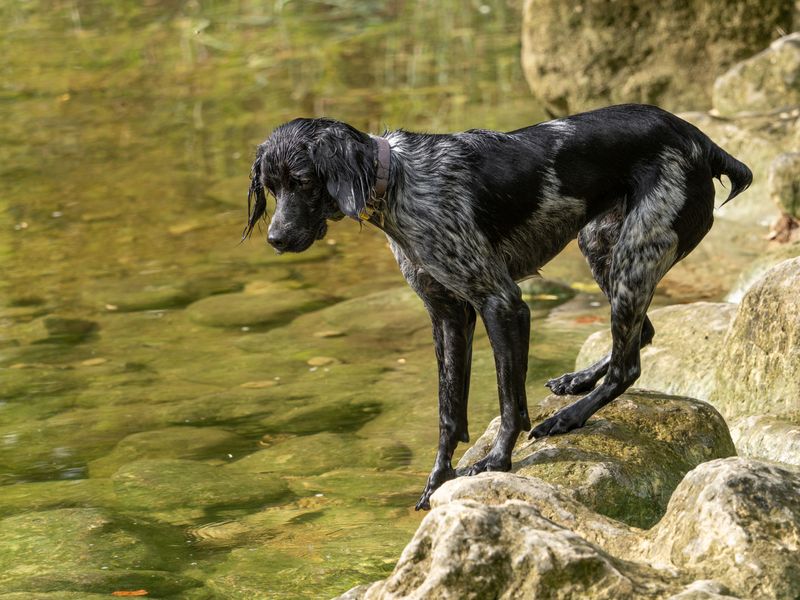
Mud puddle ahead? A Large Munsterlander will find it, splash through it, and grin.
These dogs adore water and mess.
Bred as a classic hunt, point, and retrieve breed, they handle every part of the job. Trainability is a true strength.
Their black and white feathered coat offers solid weather protection. At home, they soak up human attention like sponges.
Expect a big, affectionate shadow everywhere you go.
11. English Springer Spaniel: The Bouncing Flusher
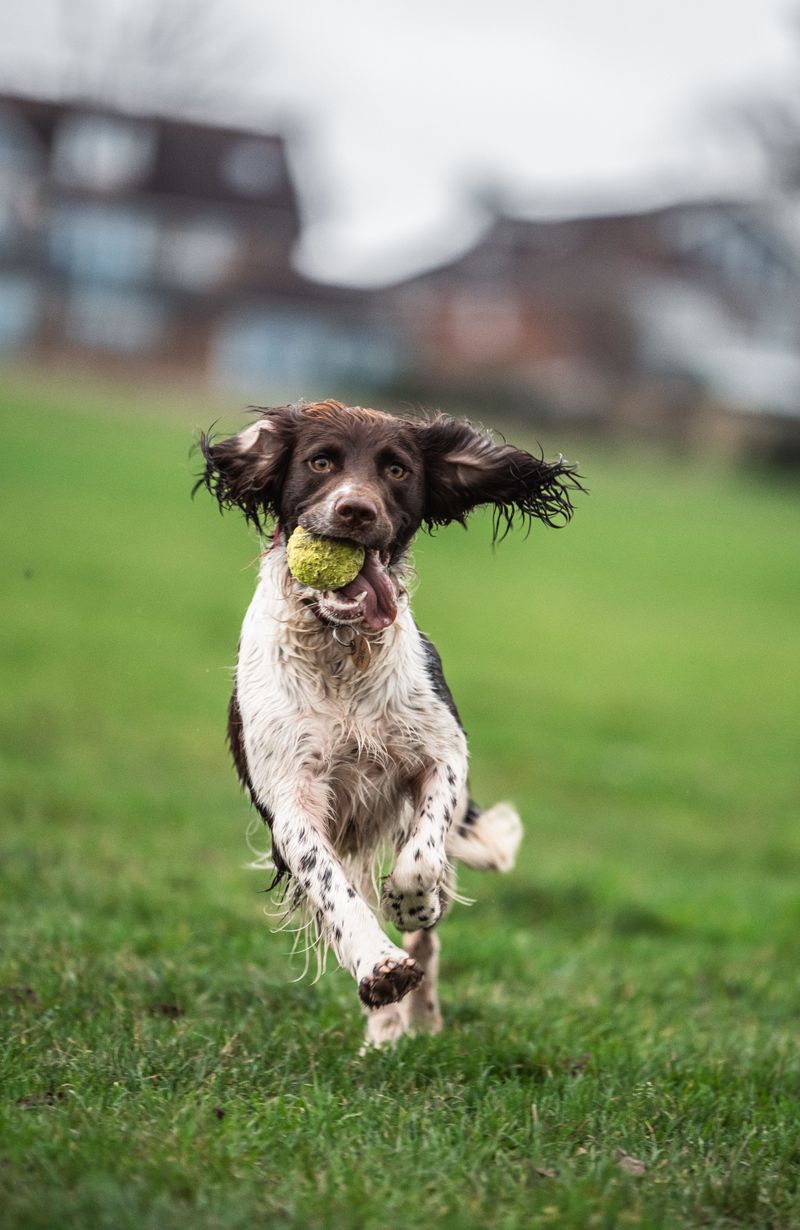
Boing! A rooster pheasant rockets skyward, and a happy Springer bounces right behind it.
Flushing is this dog’s favorite sport.
Springers quarter back and forth within gun range. That keeps the action close for hunters on foot.
They also love water and retrieve with speed. Fun-loving and quick to learn, they respond best to rewards.
Mental games matter as much as running for this clever breed.
12. English Cocker Spaniel: Woodcock Wizard
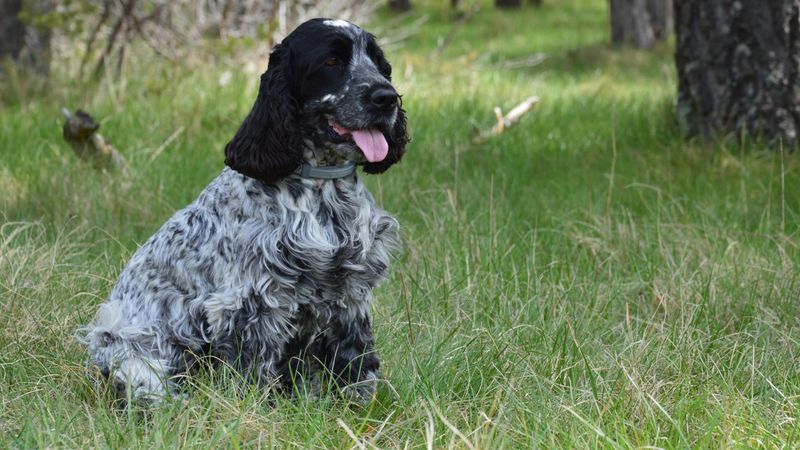
Woodcock hide low in thick, wet brush. Lucky for hunters, the English Cocker was bred for exactly that job.
Compact and busy, these merry dogs work close with a constantly wagging tail. Their noses catch scent trapped near the ground.
Michigan’s alder swamps are perfect playgrounds for them. Smart and biddable, cockers love praise far more than scolding.
Keep sessions upbeat, and watch their confidence bloom.
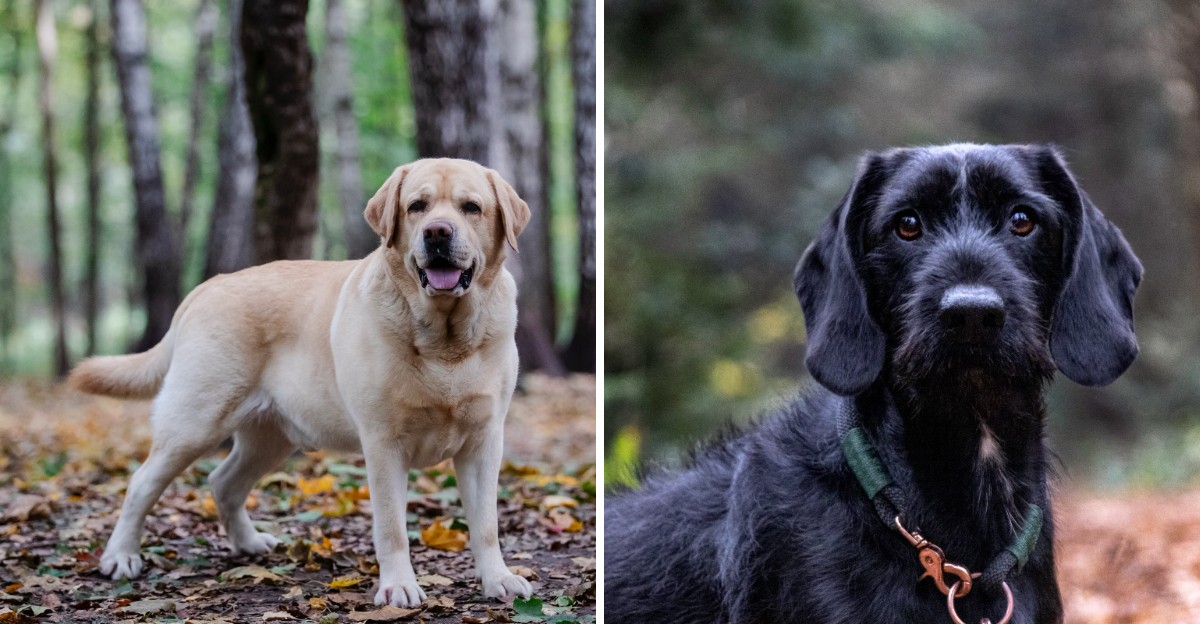
13. Labrador Retriever: The Reliable Workhorse
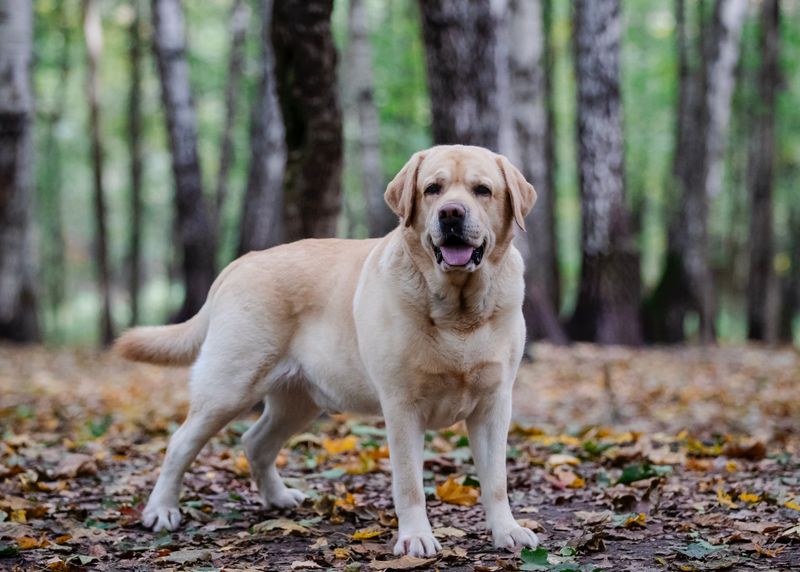
Ask ten Michigan hunters about their first bird dog. Several will smile and say “Lab.” There’s good reason.
Labradors flush and retrieve upland birds at a moderate, manageable pace. Then they happily jump into icy water for ducks.
Webbed feet and a water-shedding double coat handle cold seasons well. Even-tempered and sociable, Labs fit right into family life.
They are true weekday pals and weekend partners.
14. Golden Retriever: Sunshine With a Soft Mouth
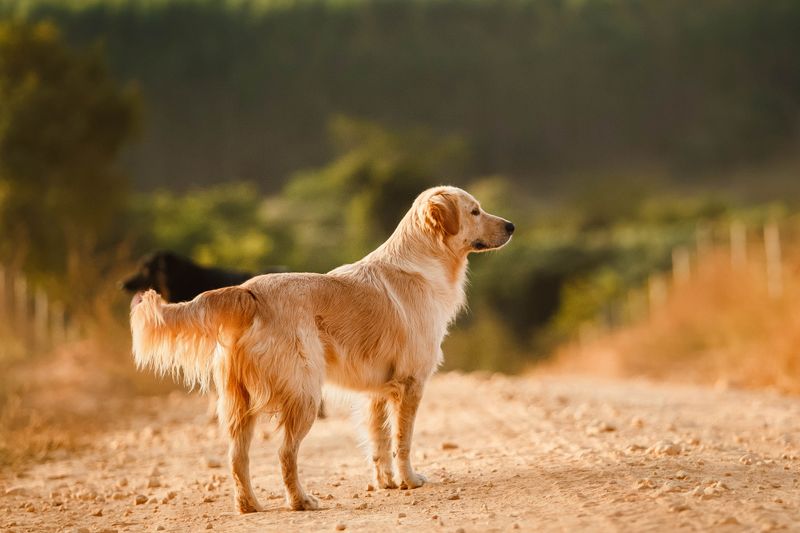
Golden Retrievers carry birds so gently, hunters call it a soft mouth. Retrieves often arrive barely ruffled.
Look for field-bred lines if you hunt uplands. They run leaner, quicker, and show stronger bird drive than show types.
Goldens forgive handler mistakes with endless good cheer. Their dense coat handles cold water easily.
Pair one with a chilly Michigan morning, and you’ll both come home happy.
15. American Water Spaniel: A Midwest Original
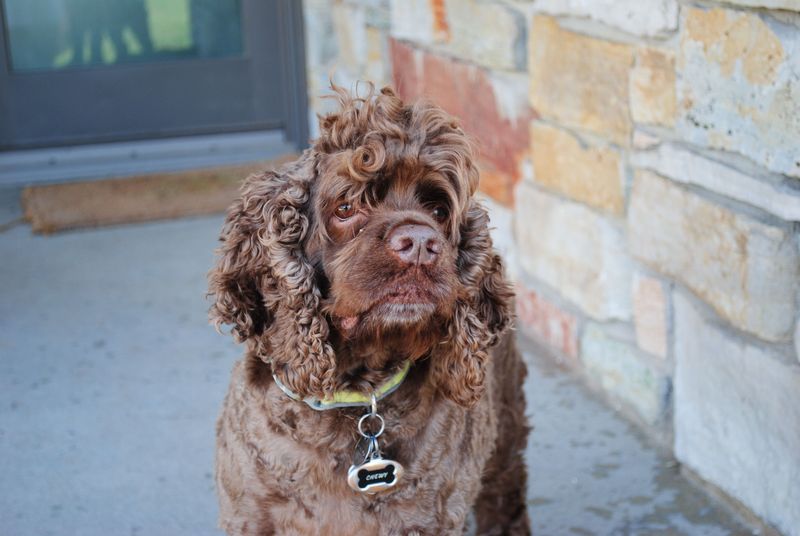
Did you know? This curly brown spaniel was developed right here in the Great Lakes region.
Wisconsin even claims it as its state dog.
Built for marsh, river bottoms, and upland fields, it flushes and retrieves with spunk. Its modest size fits small boats nicely.
Loyal to family, sometimes shy with strangers, these dogs need daily exercise. Otherwise, mischief comes calling quickly.
16. Irish Setter: Red Flash in the Field
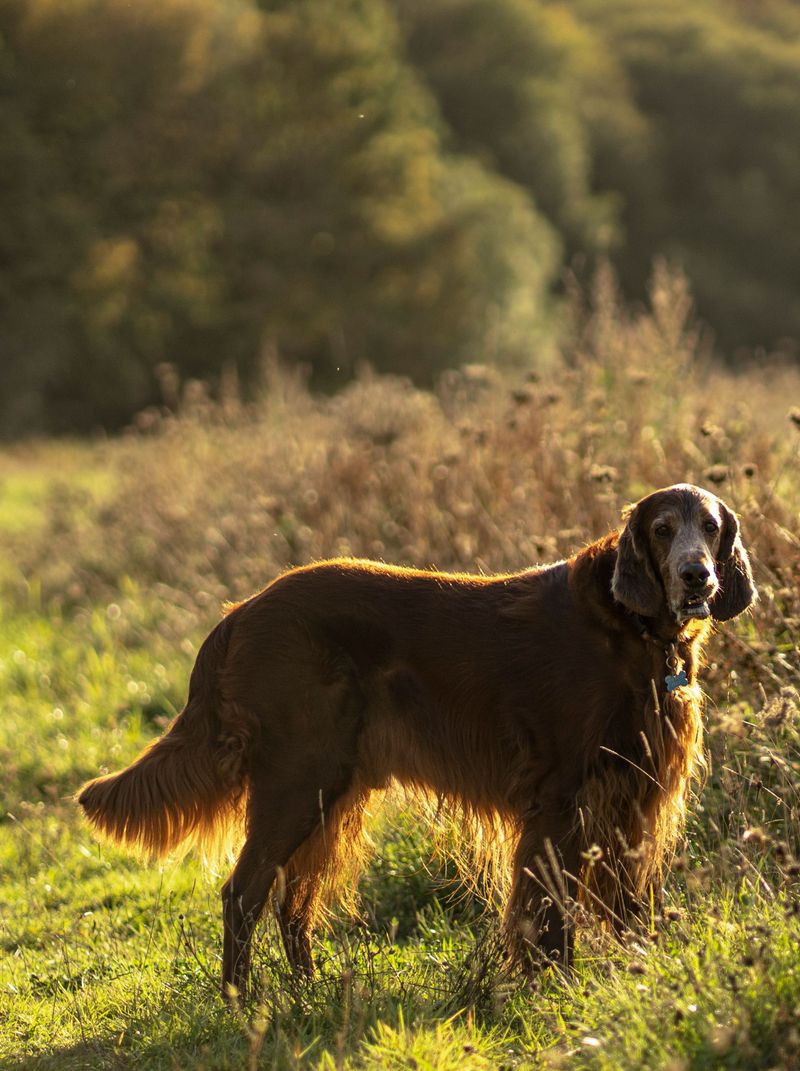
That glowing red coat turns heads at every trailhead. Yet the Irish Setter is far more than a pretty face.
Bred for grouse, pheasant, and partridge, it hunts fast and focused. Its rigid set is something to see.
Back home, it’s playful and outgoing with everyone. Patient, positive training works best.
Leave one bored, and you’ll discover just how inventive a redhead can be.
17. Irish Red and White Setter: Easy to Spot
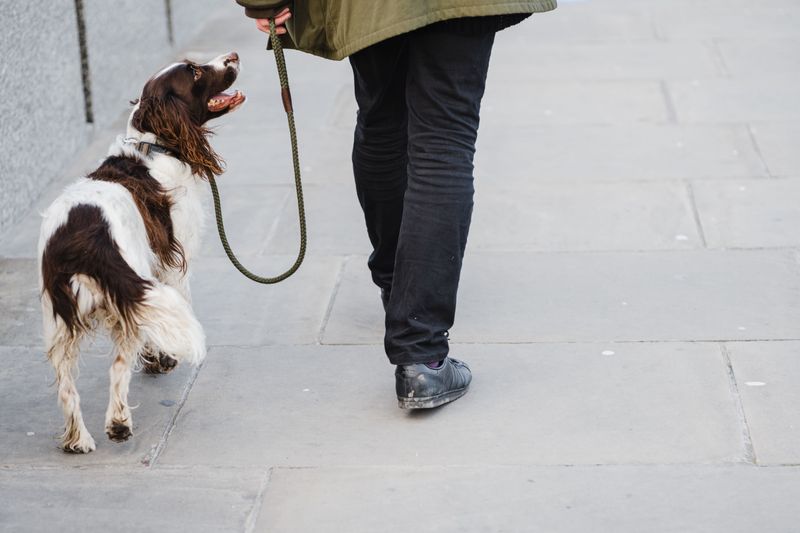
Lost sight of your dog in the goldenrod? Not with this one.
White coats with bold red patches pop against autumn cover.
Irish Red and Whites are natural pointers. They adjust smoothly to changing ground, from farm edges to forest trails.
Sinewy and strong, they can hunt all day. Friendly and fun-loving, they genuinely enjoy working with their handlers.
Teamwork comes naturally to them.
18. Vizsla: The Golden Velcro Pointer
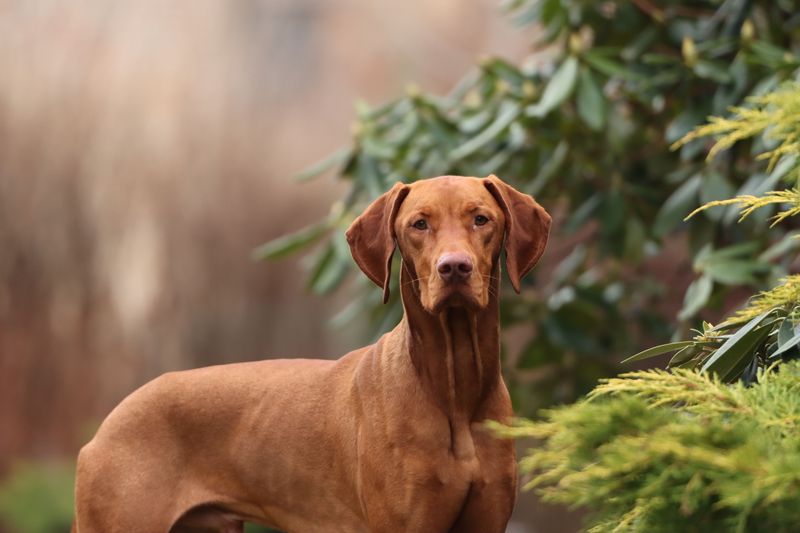
Owners joke that Vizslas come with built-in Velcro. This Hungarian pointer sticks to its people like glue.
In the field, watch for its signature pose: one paw raised, nose and tail aimed. Vizslas usually work close to medium range.
Short coats mean easy care, though a fleece vest helps on frosty Michigan mornings. Sensitive and smart, they thrive on kind, consistent training.
19. Spinone Italiano: The Bearded Wanderer
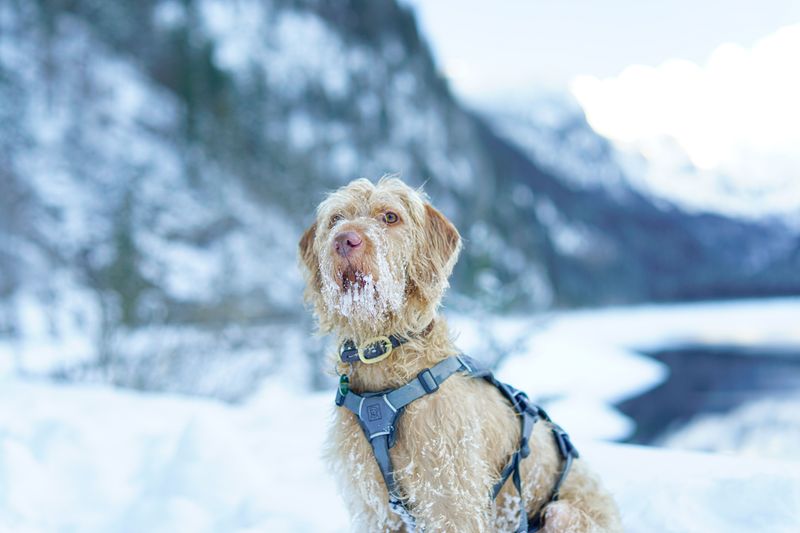
Shaggy eyebrows, a tufted beard, and a slow, steady trot. The Spinone looks like a wise old professor of bird hunting.
This ancient Italian breed hunts methodically, perfect for folks covering ground on foot. Its wiry coat laughs at brambles.
Patient and docile, Spinoni usually get along with kids and other dogs. Expect plenty of happy drool, though.
Keep a towel handy in the truck.
20. Boykin Spaniel: Tiger in the Field
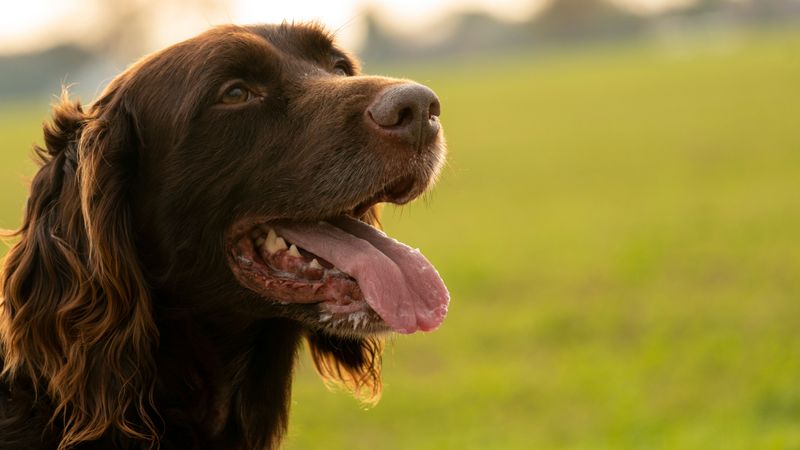
Fans describe the Boykin as a doorbell at home and a tiger in the field. That sums it up perfectly.
Bred in South Carolina swamps for ducks and turkeys, Boykins adapt well to pheasant, grouse, and quail. Webbed feet make them strong swimmers.
Plan for 60 to 90 minutes of exercise daily. Reward that effort, and you’ll get a loving shadow at day’s end.