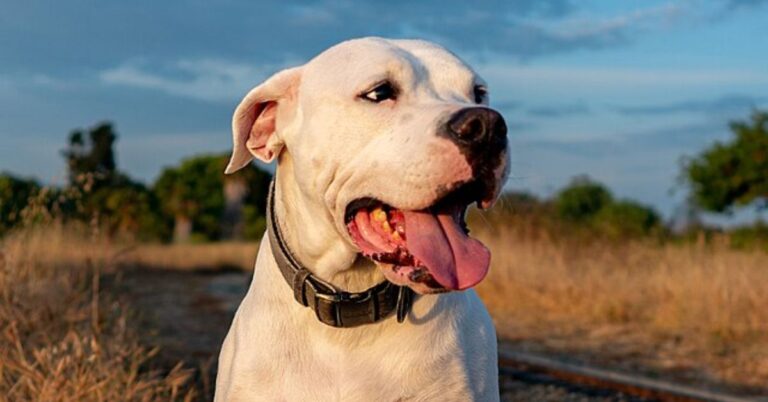
What to Do If Your Georgia Dog Meets a Snake Near Water
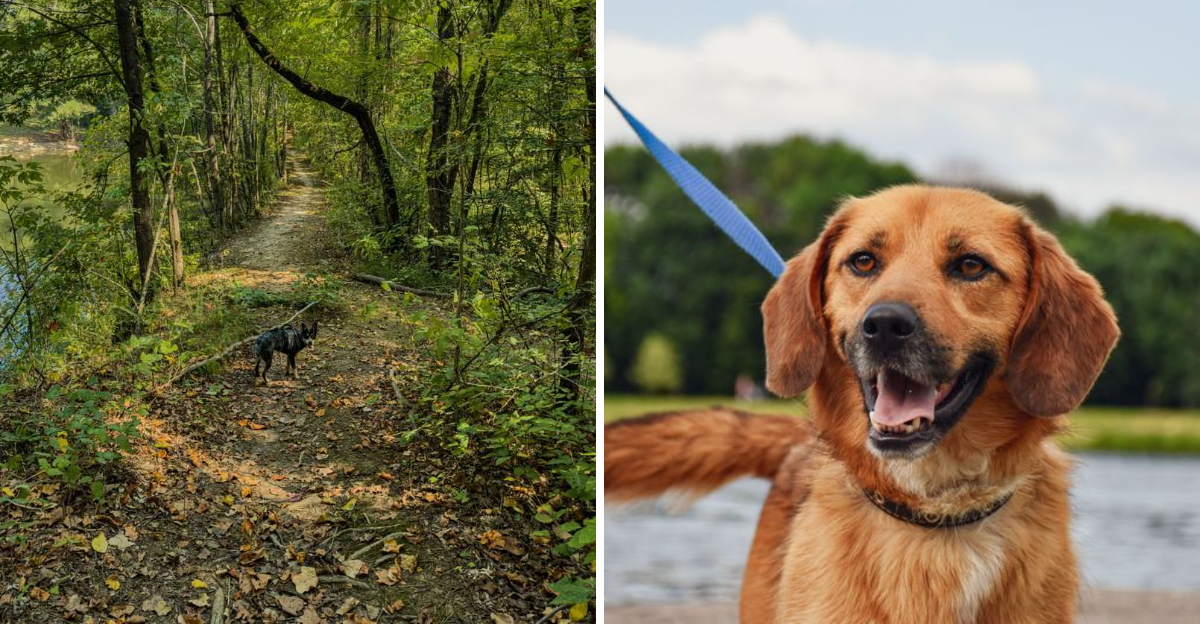
Georgia summers pull us outside, and dogs love every minute of it. Warm weather, shaded trails, quiet creeks, and family swimming holes all invite exploring.
Those same places are home to snakes, which means encounters happen from time to time. Most of them end without harm, especially when the person holding the leash knows what to do.
That is really the goal here: a calm owner making steady choices in a short, tense moment. Think of this as the conversation you might have with a neighbor who hikes the same trails you do.
We will walk through the immediate steps, from getting your dog away from the snake to checking for injuries and calling a veterinarian. We will also cover simple habits that lower the odds of a surprise meeting in the first place, like scanning the shoreline before your dog dashes into the water.
None of this requires you to identify snakes on sight or take any risks yourself. It just requires attention, a leash, and a plan.
Read through once now, while everything is quiet, and you will be far more prepared the next time your dog freezes and stares at something coiled beside a log.
Move Your Dog Away From the Snake
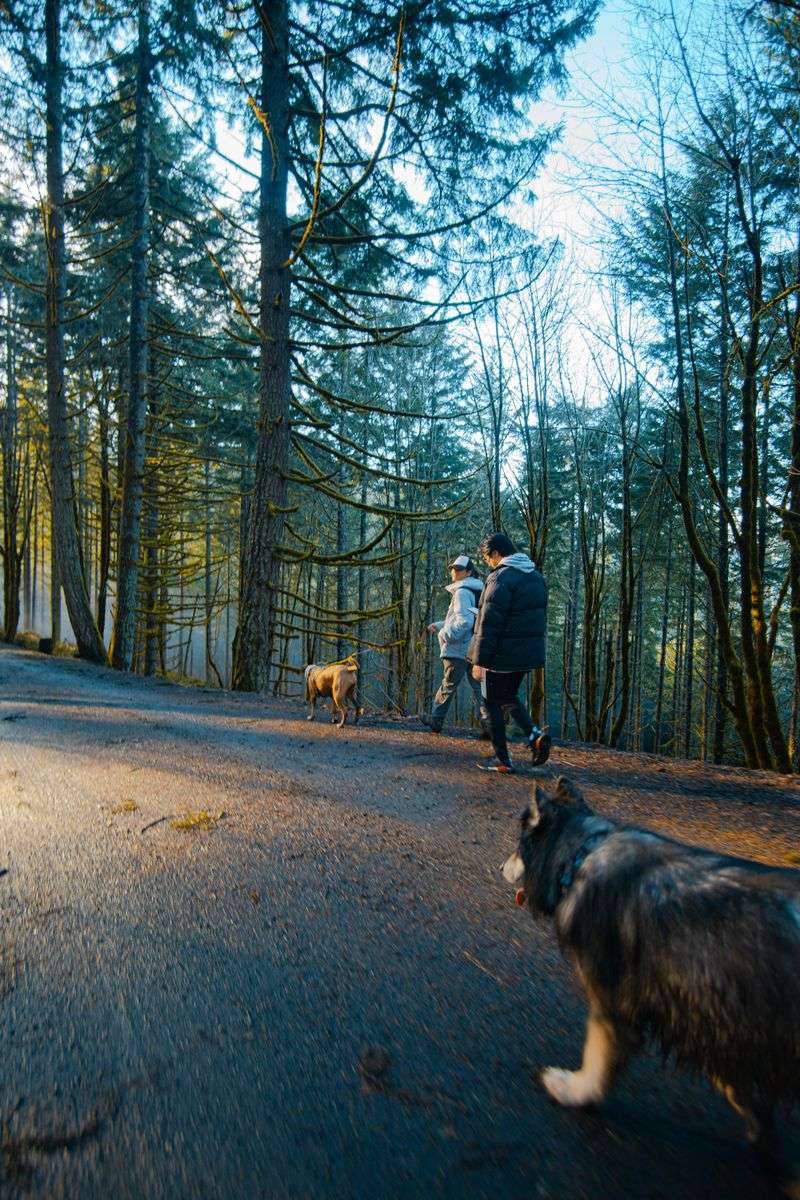
The first few seconds matter more than anything else. Call your dog back in a bright, upbeat voice, then step away yourself so your dog follows.
Distance is the whole goal. Six feet is better than three, and twenty is better still.
Resist the urge to let your dog take one more curious sniff. Dogs often want a second look, and that second look is where trouble usually starts.
Do Not Let Your Dog Chase It
A cornered snake will defend itself. That is simply how it protects its life, and a barking dog looks like a serious threat.
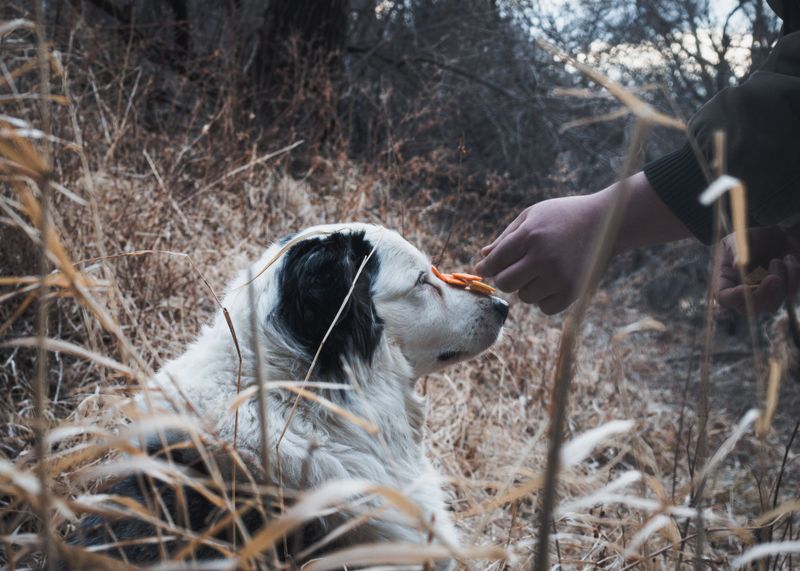
Redirect instead of scolding. A treat, a squeaky toy, or a happy word usually breaks your dog’s focus faster than shouting does.
Guide your dog away at a walking pace. Sudden lunging or grabbing at the collar can startle both animals at once.
Keep Your Own Distance
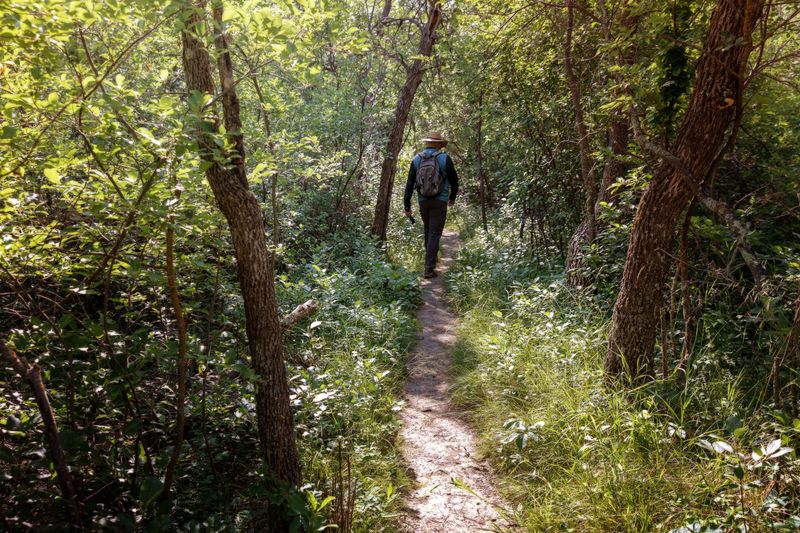
Curiosity can lead people to take unnecessary risks around snakes. Never move closer for a better view or reach out to nudge the animal.
Most snakes want to leave. Give them a clear escape route and they may move away on their own.
Stay well outside striking range and give the snake plenty of space. Standing back protects you and keeps your dog behind you too.
Get Your Dog Back on the Leash
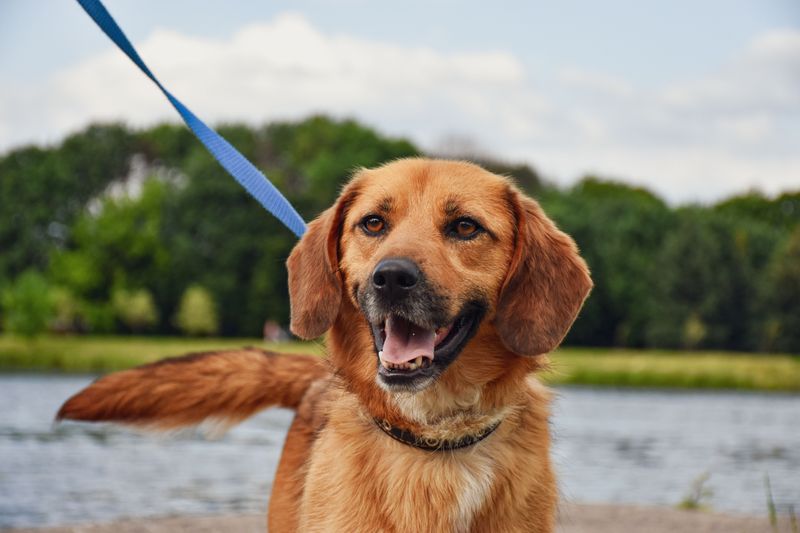
Off-leash freedom is wonderful until wildlife enters the picture. Once your dog is clear of the snake, clip the leash on right away.
Keep your dog at your side rather than out ahead. Short leash, steady pace, no wandering.
Doing this prevents a repeat encounter while you walk out. Dogs have remarkable memories for interesting smells, and many will circle back if given the chance.
Check Your Dog Carefully
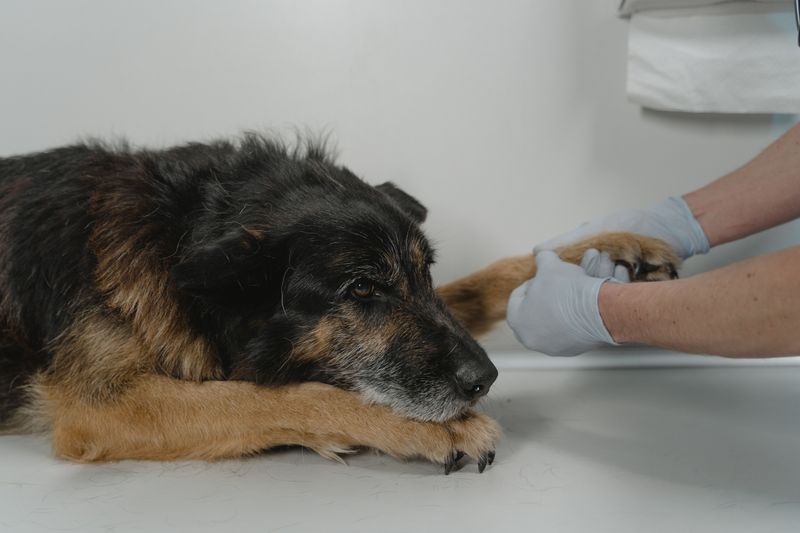
Once things are calm, look your dog over carefully. Check for swelling, tenderness, bleeding, or small puncture marks without pressing on areas that seem painful.
Give the face, muzzle, front legs, and paws extra attention. Those areas can make first contact when a dog investigates something on the ground.
Dogs can hide discomfort well. A flinch, a lifted paw, or sudden quietness deserves your attention just as much as visible marks do.
Watch for Sudden Swelling
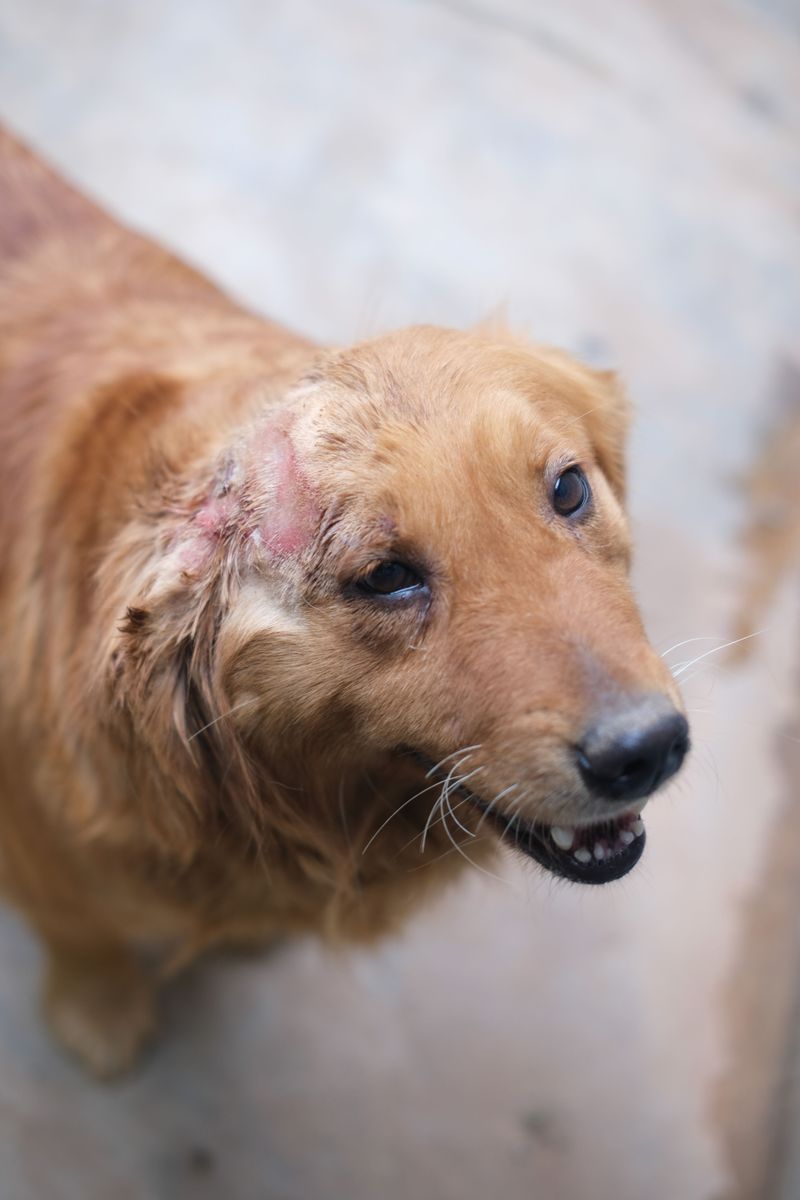
Swelling can be an important warning sign after a possible snake encounter. It may appear quickly, sometimes within minutes, and can spread outward from one spot.
Other changes worth noting include drooling, weakness, trembling, pale gums, or restlessness.
If you see these signs or suspect your dog was bitten, call a veterinarian promptly instead of waiting to see how things develop. Early veterinary attention is important after a suspected venomous bite.
Take Any Bite Seriously
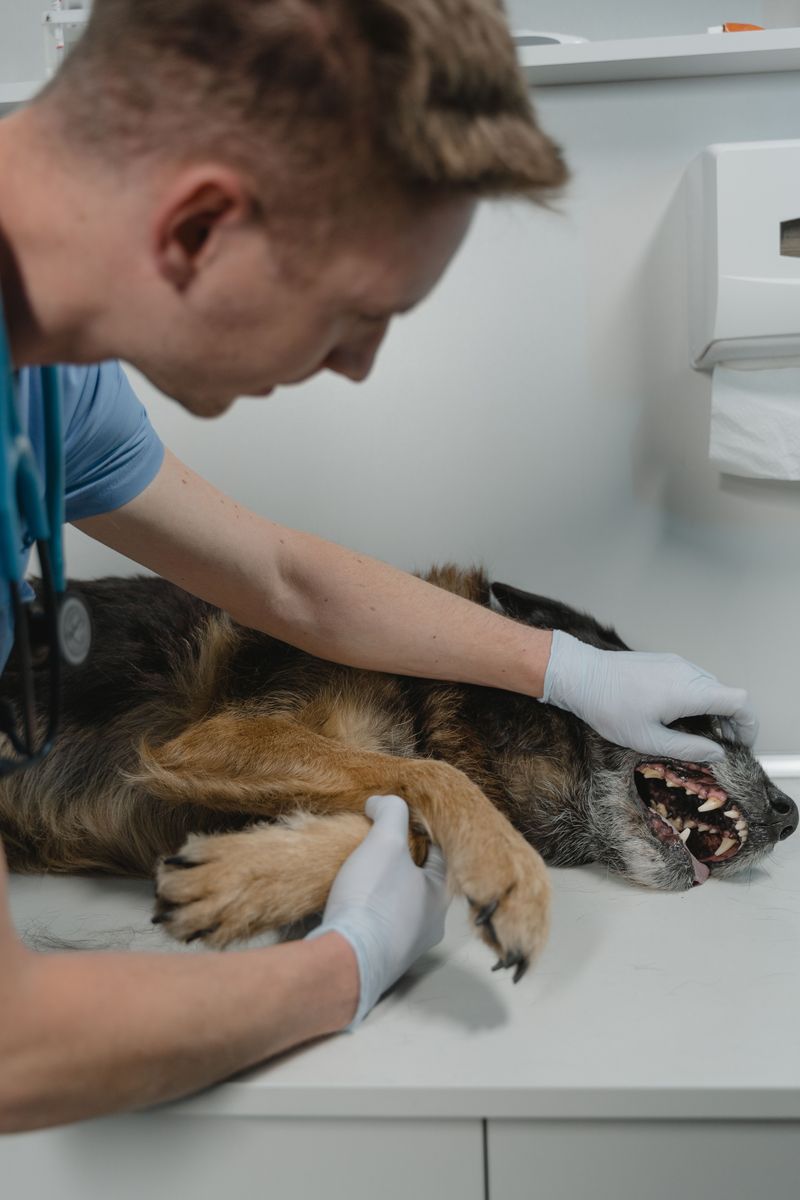
Here is the tricky part: a snake bite can look like almost nothing from the outside. Fur hides punctures easily, and some bites cause little immediate reaction.
Treat a suspected bite as urgent even if your dog seems perfectly normal. Symptoms sometimes develop over hours.
Veterinarians would much rather examine a healthy dog than treat a delayed emergency. A phone call costs you nothing but a few minutes.
Keep Your Dog Calm
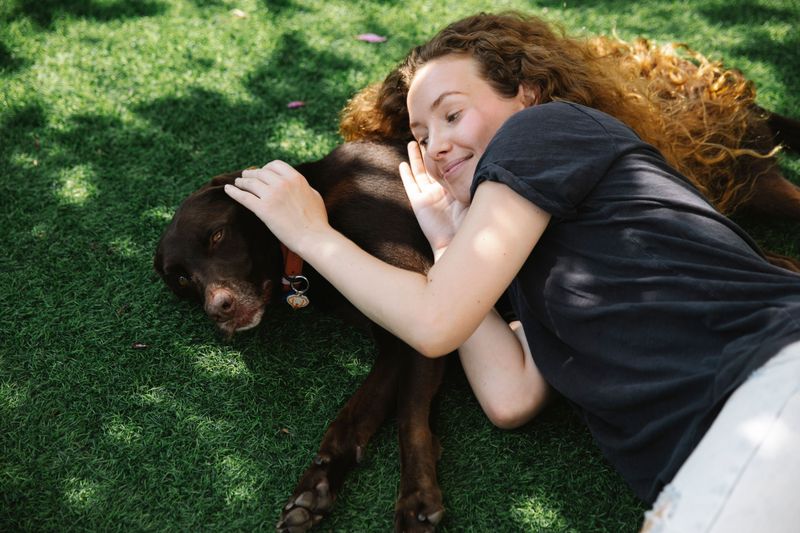
Keep activity to a minimum after a suspected snakebite. Running, jumping, and excited movement can make it harder to keep your dog calm while you arrange veterinary care.
Encourage your dog to sit or lie down in a quiet spot. Speak softly and handle your dog gently.
If your dog is small enough to carry safely, carrying may be easier than walking back to the car. Larger dogs should move as little as reasonably possible while you seek veterinary advice.
Skip Home Remedies

Old advice dies hard, and much of it does real damage. Do not cut the wound, attempt to suck out venom, or tie a tourniquet.
Skip ice packs and skip human pain medication entirely. Several common household drugs are genuinely unsafe for dogs.
Give medication only when a veterinarian tells you to, and only at the dose they specify. Clean water and calm handling are enough until professionals take over.
Call a Veterinarian

Call your veterinarian or a local emergency veterinary clinic as soon as possible. Describe what you saw, when it happened, and any symptoms you have noticed.
Ask whether your dog should come in immediately and whether the clinic can provide the treatment needed for a suspected venomous bite, including antivenom if appropriate. If necessary, the veterinarian can direct you to another emergency facility.
Save an emergency clinic number in your phone before your next outing. Having that information ready can save valuable time when every minute matters.
Do Not Risk Another Snake Encounter
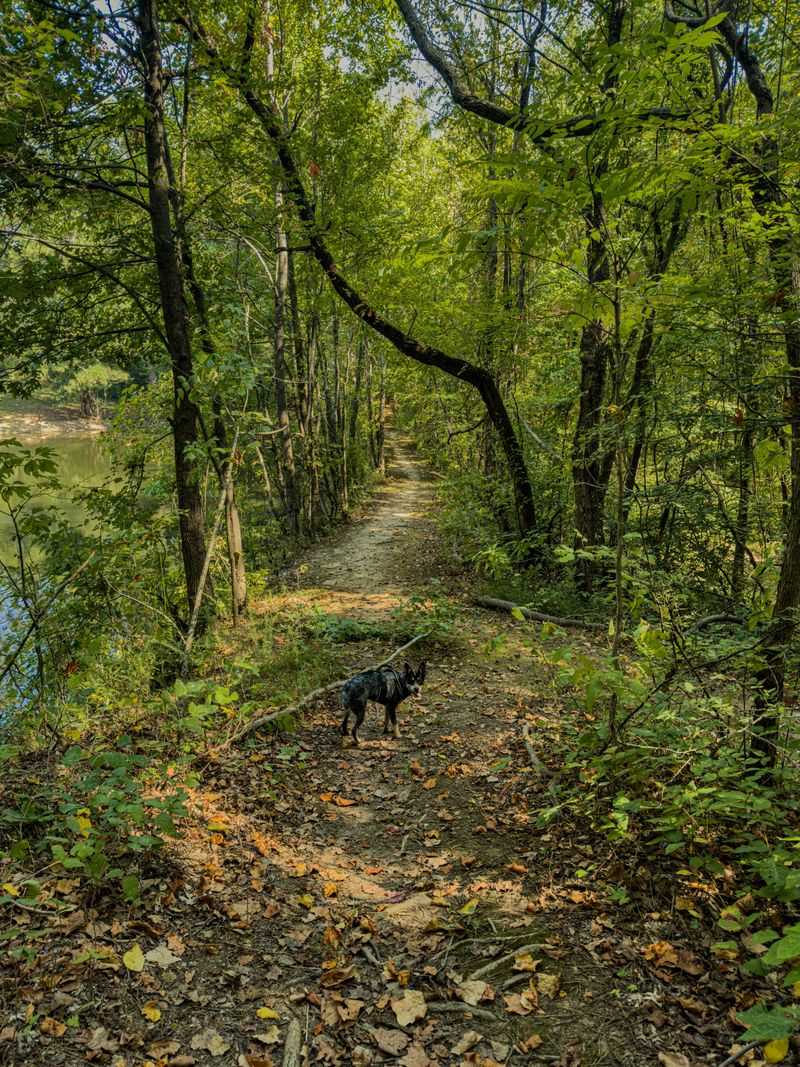
Leaving the area deserves as much thought as arriving did. Choose a route that keeps plenty of space between your group and the snake.
Never attempt to move, trap, or relocate it. Handling snakes is how a surprising number of bites happen.
Certain species in Georgia are legally protected, and killing wildlife in state parks is generally prohibited. Simply walk away and let it be.
Remember Where the Encounter Happened
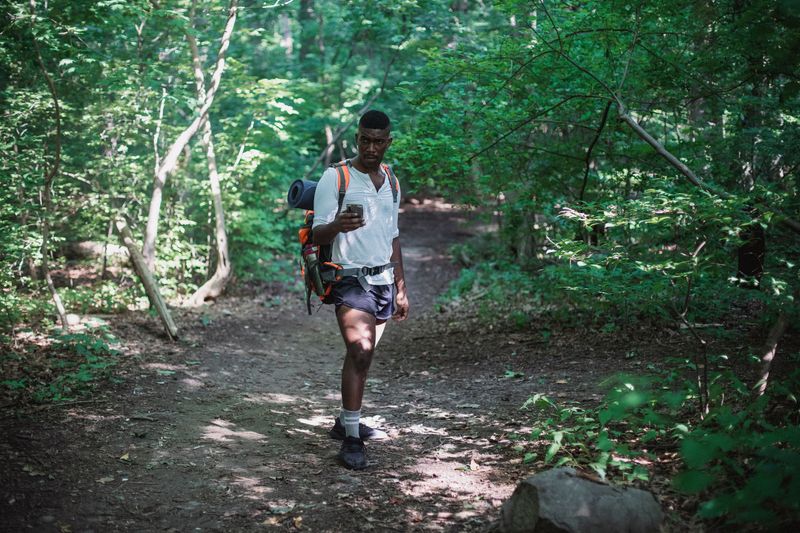
Memory fades faster than you expect once your heart rate settles. Make a quick mental note, or better yet, drop a pin on your phone map.
Note the trail name, the mile marker, or a nearby landmark like a boat ramp.
Sharing that detail with park staff or other owners is a kindness. It also helps you steer clear of the same spot on your walk back.
Photograph Only From a Safe Distance

A clear photo can potentially help with identification, but never at the cost of your safety. Use your phone’s zoom, stay well back, and keep your dog behind you.
Skip the picture entirely if your dog needs care. Veterinary treatment matters far more than identifying the snake.
If you can safely document the snake without approaching it, share the image with your veterinarian. Never delay care or put yourself at risk trying to get a better look.
Learn Georgia’s Common Snake Species
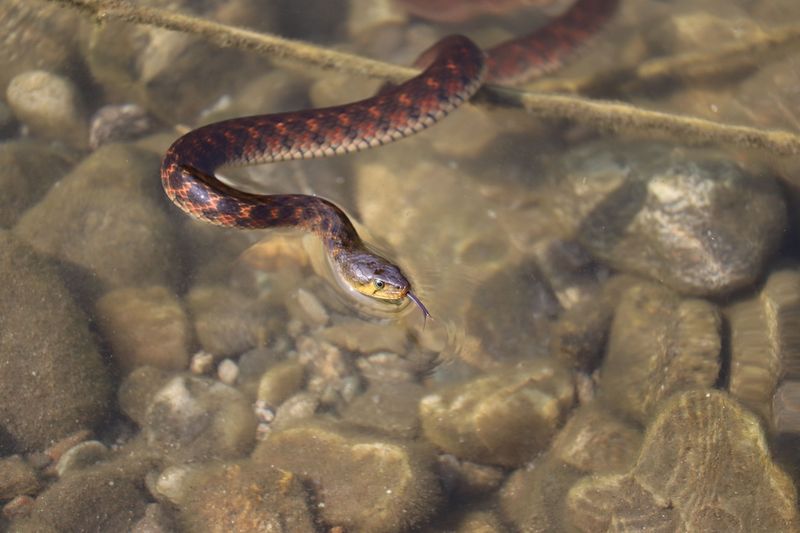
Georgia is home to 46 snake species, and only six are venomous. Cottonmouths are strongly associated with aquatic habitats, while copperheads and several rattlesnake species can occur in a range of environments.
Harmless watersnakes are frequently mistaken for cottonmouths, so guessing based on a quick glance can be risky.
Learn from photos, field guides, and Georgia DNR resources at home. Study builds confidence, but identification should never involve approaching a live snake on the trail.
Be Extra Careful Around Warm, Quiet Water

Still coves, muddy banks, sun-warmed rocks, fallen logs, and overhanging brush can provide places for snakes to rest or hunt. Keep your dog close where visibility drops, especially around shallow, weedy edges.
Take a moment to scan the shoreline before letting your dog explore or enter the water. Keeping your dog leashed and staying alert can reduce the chance of a surprise encounter.