Why Sago Palms Are A Serious Risk For Dogs In South Carolina’s Lowcountry
A familiar plant beside your Lowcountry porch could deserve a closer look before your dog explores the yard. Sago palms fit beautifully into coastal gardens, but chewing their seeds or leaves can cause serious poisoning.
Knowing what to spot, what to remove, and when to call your veterinarian makes a real difference. With a few practical steps, you can enjoy your outdoor space while keeping your dog’s safety firmly in mind.
1. Why Sago Palms Are Especially Dangerous For Dogs
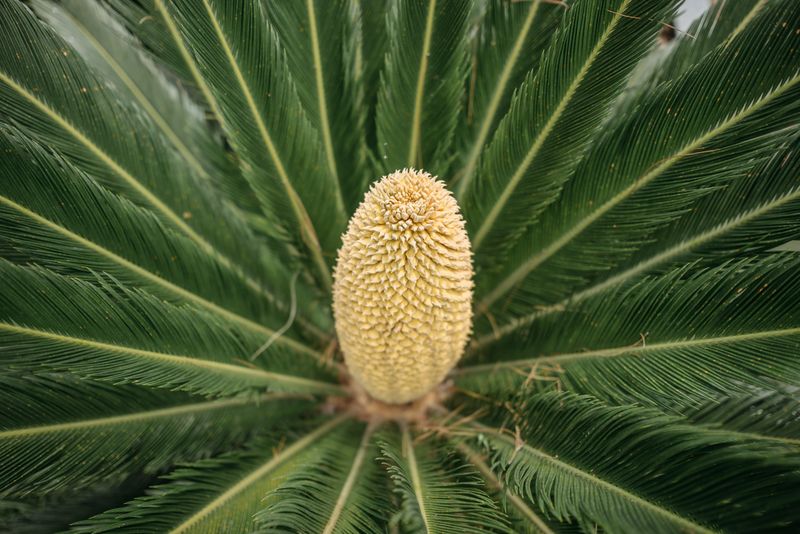
A tropical look can hide a problem that many dog owners never expect. Sago palms contain cycasin, which can cause severe liver injury when swallowed.
Other toxic compounds also contribute to poisoning.
Even a small amount deserves an immediate call to your veterinarian. There is no reliable safe bite size for a dog.
Treat suspected chewing as urgent, whether your pet seems comfortable or already has an upset stomach after exploring the yard outside.
2. Every Part Of The Sago Palm Is Toxic
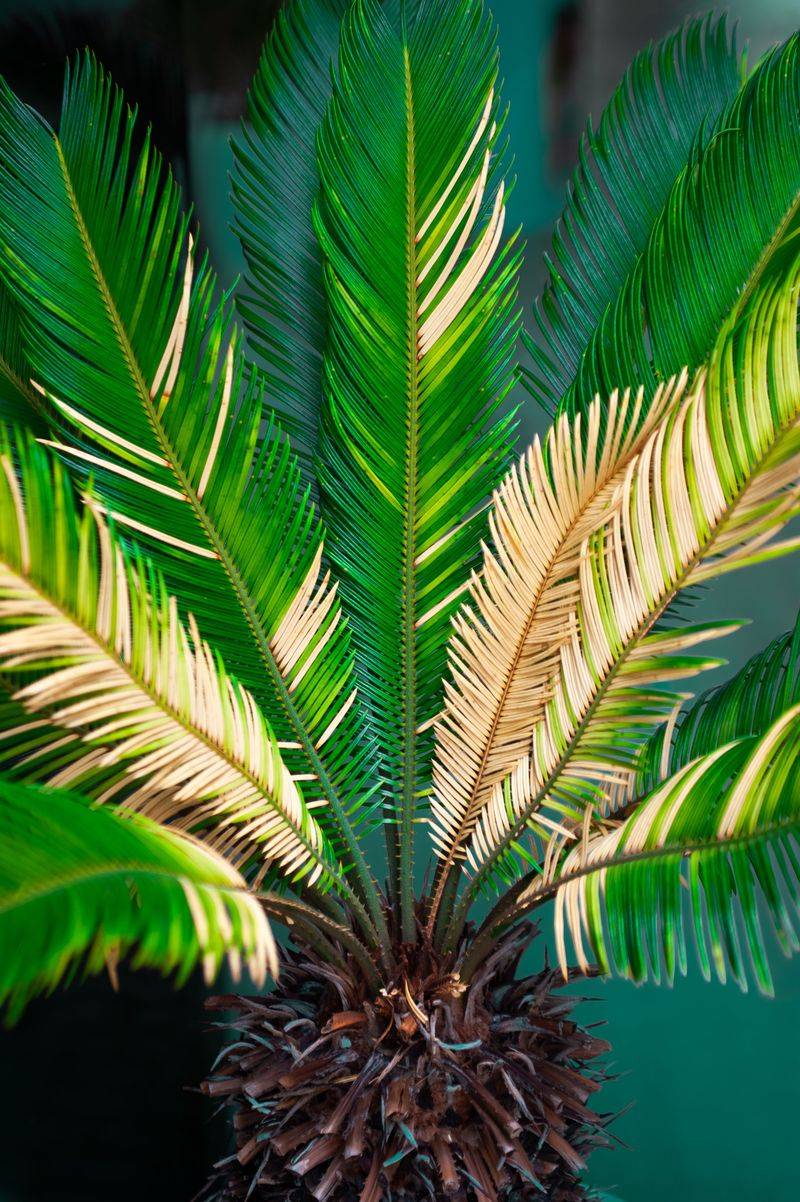
Leaves are not harmless just because they look like ordinary garden greenery. The roots, trunk, fronds, and seeds all contain toxic substances.
Dried or damaged pieces should also stay away from your dog.
Do not assume removing the seed head makes the remaining plant safe. Chewed roots or fallen leaf pieces still warrant veterinary advice.
When planning your yard, think about the whole plant rather than protecting your pet from only its most noticeable parts.
3. The Seeds Contain The Highest Concentration Of Toxins
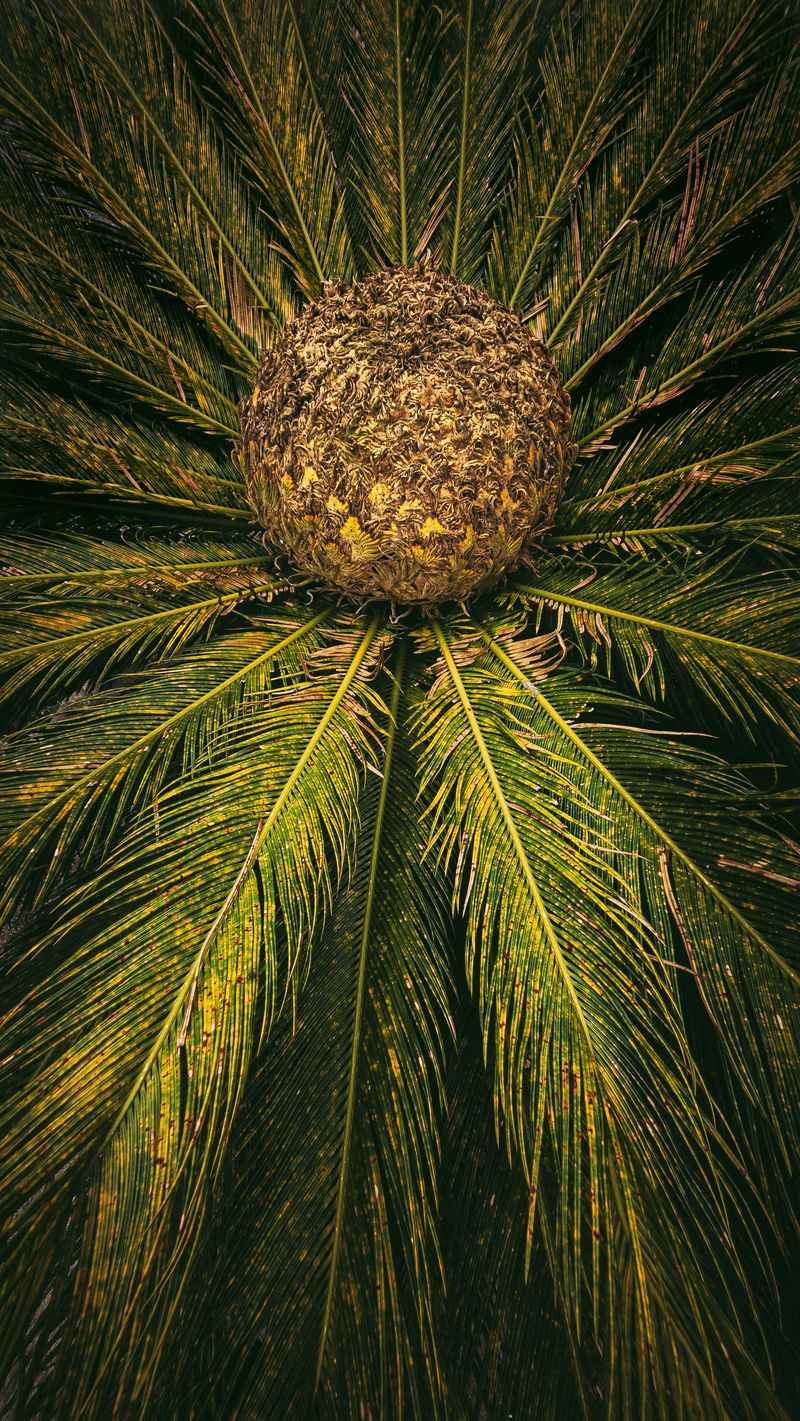
Bright orange or reddish seeds can look like interesting little backyard treasures. Unfortunately, they contain the plant’s highest concentration of cycasin.
Swallowing even one seed can cause serious poisoning in a dog.
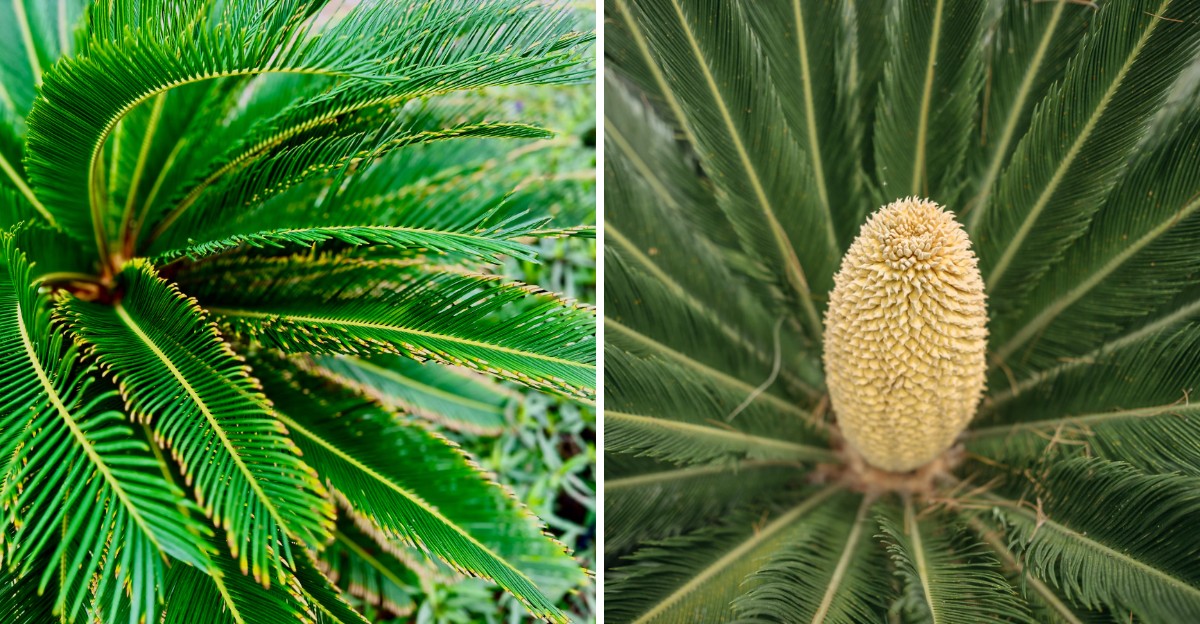
Female plants produce seeds, while male plants form a different cone structure. Neither type belongs within easy chewing reach.
Ask a knowledgeable nursery worker to identify your plant, but never delay veterinary care while determining exactly which part your dog may have swallowed.
4. Why South Carolina’s Lowcountry Has So Many Sago Palms
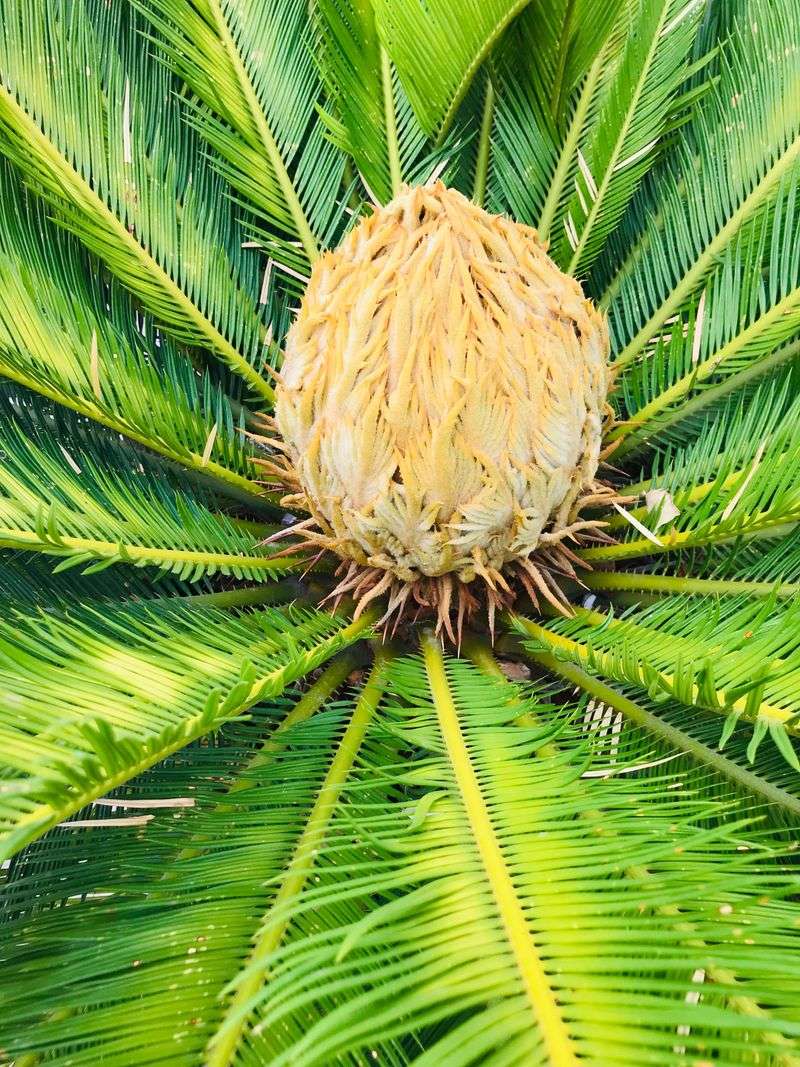
Coastal gardens often favor plants that create a lush, tropical feel. The Lowcountry’s relatively mild winters help explain the popularity of sago palms.
Their tidy shape also suits entrances, patios, and foundation beds.
Despite the common name, a sago palm is a cycad, not a true palm. Familiar landscaping does not automatically mean safe landscaping for pets.
Check individual properties carefully, since plant choices differ between neighborhoods, rental homes, and shared outdoor spaces nearby too.
5. How To Recognize A Sago Palm In Your Yard
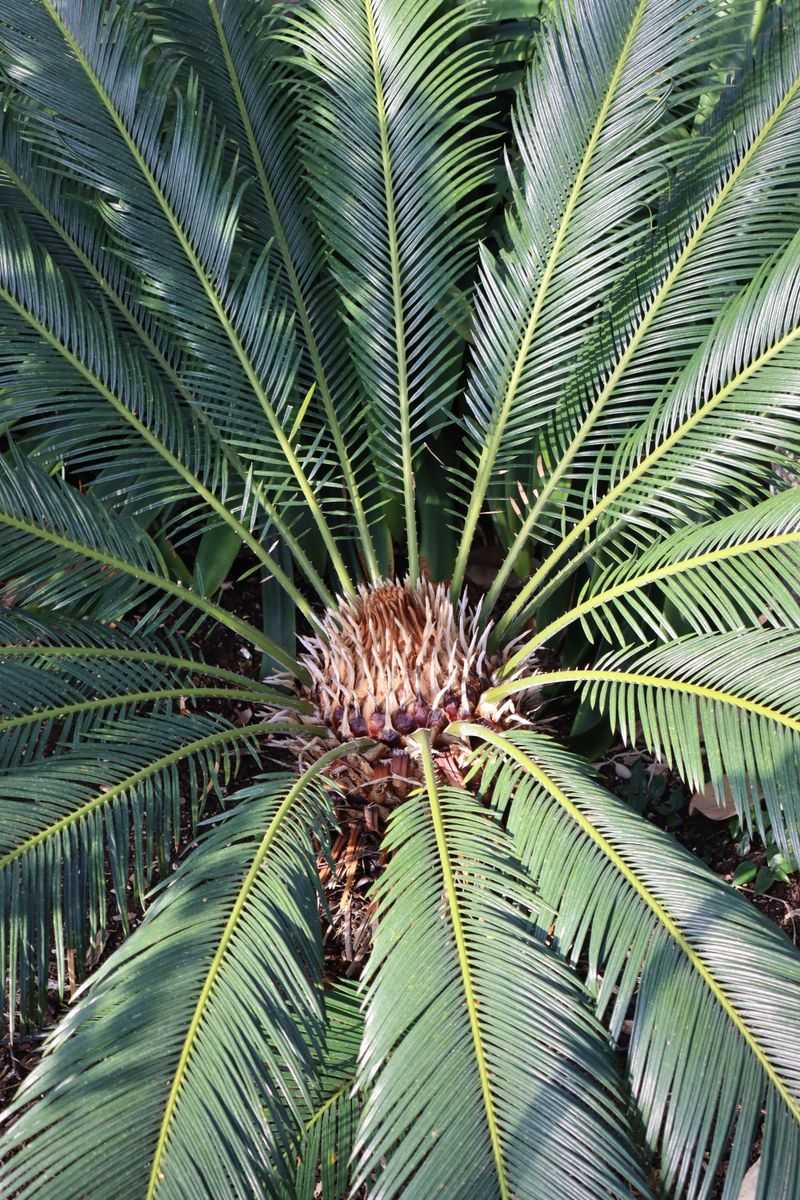
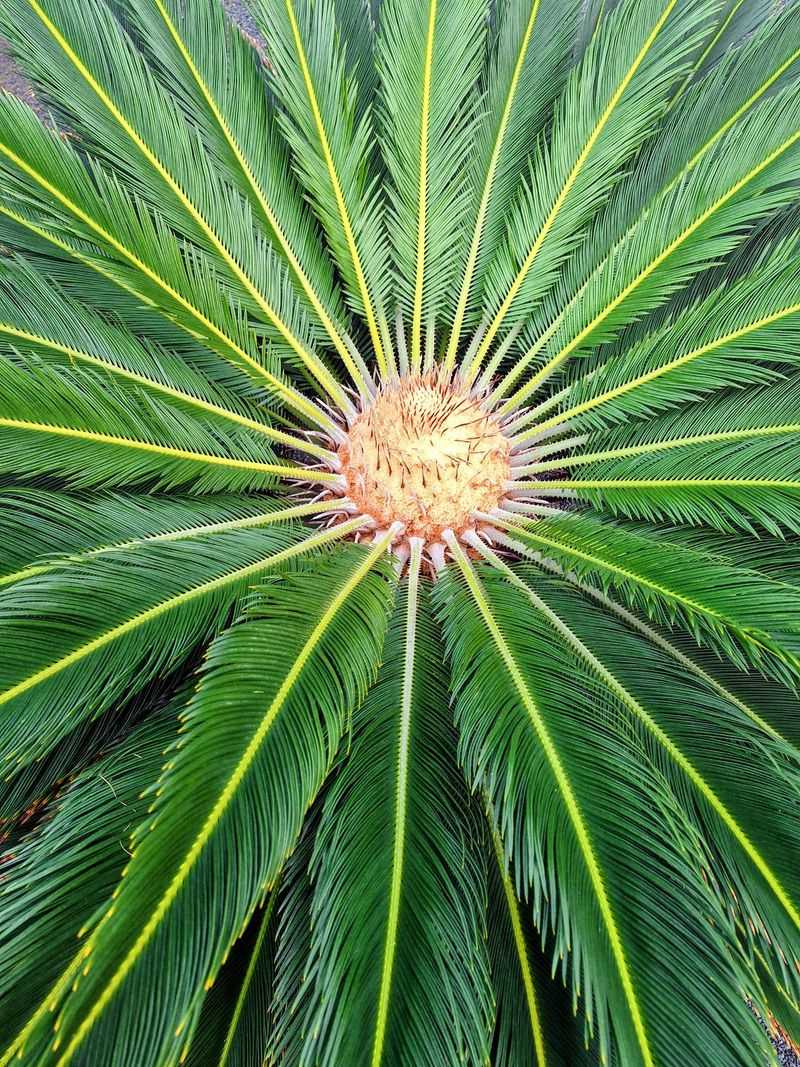
Start with the crown: stiff, featherlike fronds spread from a central growing point. Each frond carries many narrow, pointed leaflets.
Older plants often have a rough trunk, while young specimens may sit low.
Look for the botanical name Cycas revoluta on nursery labels. Other cycads can also poison dogs, so uncertain identification deserves caution.
Photograph the whole plant and its leaves for a nursery professional, extension expert, or veterinarian to review before allowing access again.
6. Fallen Seeds Can Become A Hidden Backyard Hazard
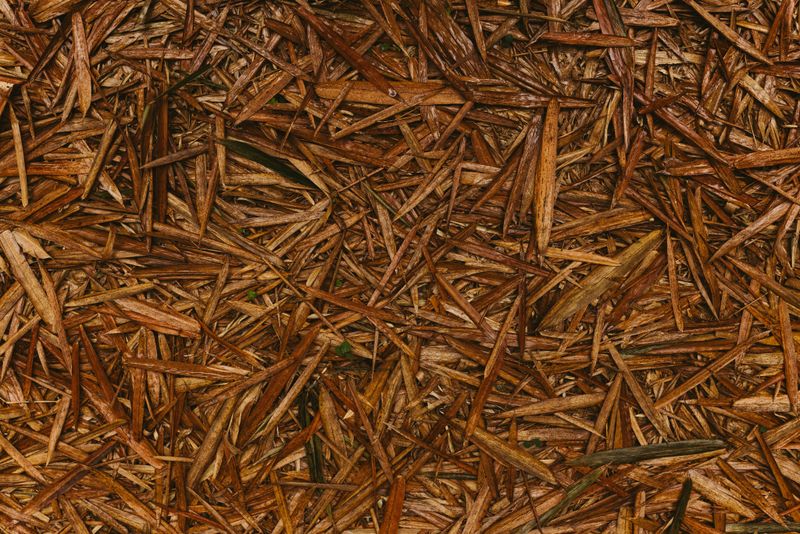
Under pine straw, a fallen seed can disappear from human view. Your dog’s nose may find it much faster than your eyes.
Seeds can collect beneath fronds, along edging, or among nearby groundcover.
Inspect these spots before opening the yard for play. After windy weather, check wherever loose plant material has gathered.
A quick glance from the porch is not enough when mulch hides small objects, especially around plants that have recently started shedding seeds.
7. Puppies And Curious Dogs Face Additional Risks
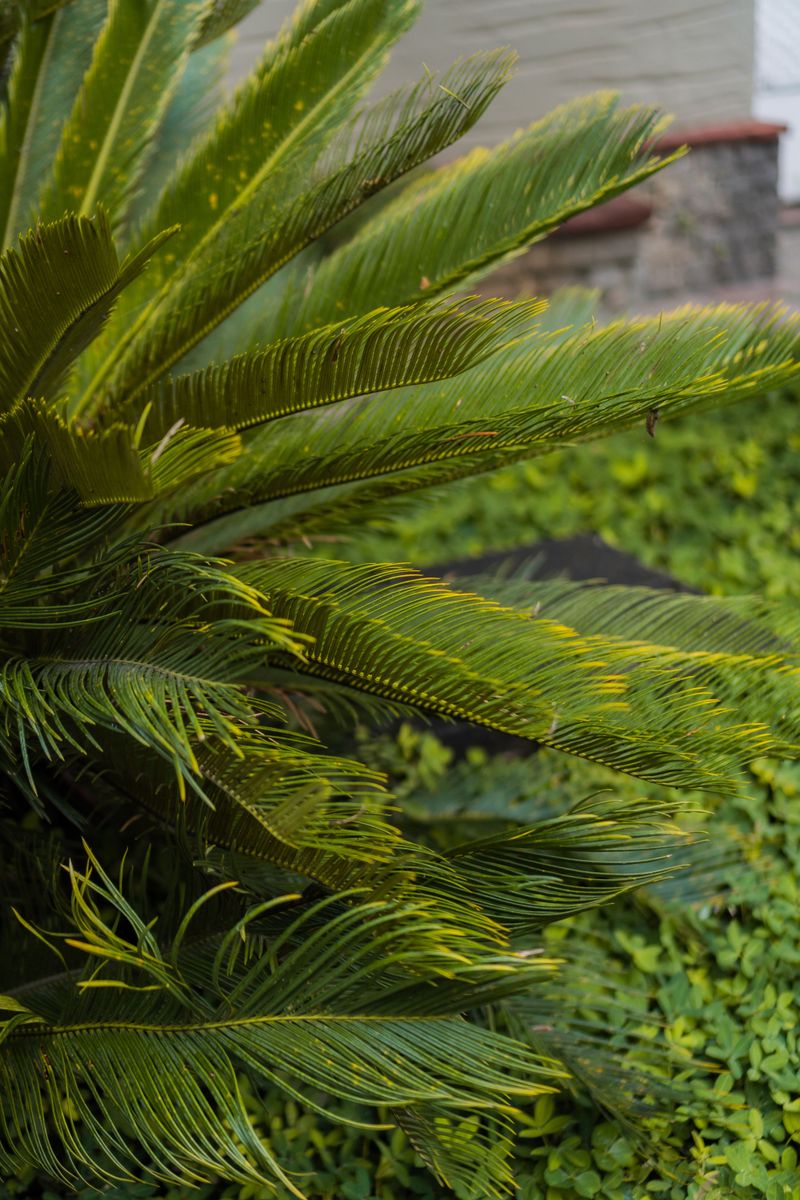
For a puppy, exploring often means picking something up with its mouth. Dogs that dig, shred plants, or carry yard objects have more chances for exposure.
Small body size can make an exposure especially concerning.
Supervise outdoor trips instead of relying on a puppy’s past behavior. Practice leave it and drop it with safe training objects.
These skills help, but physical separation remains essential around toxic plants, even when your dog usually follows directions well.
8. What Happens After A Dog Eats Sago Palm Material
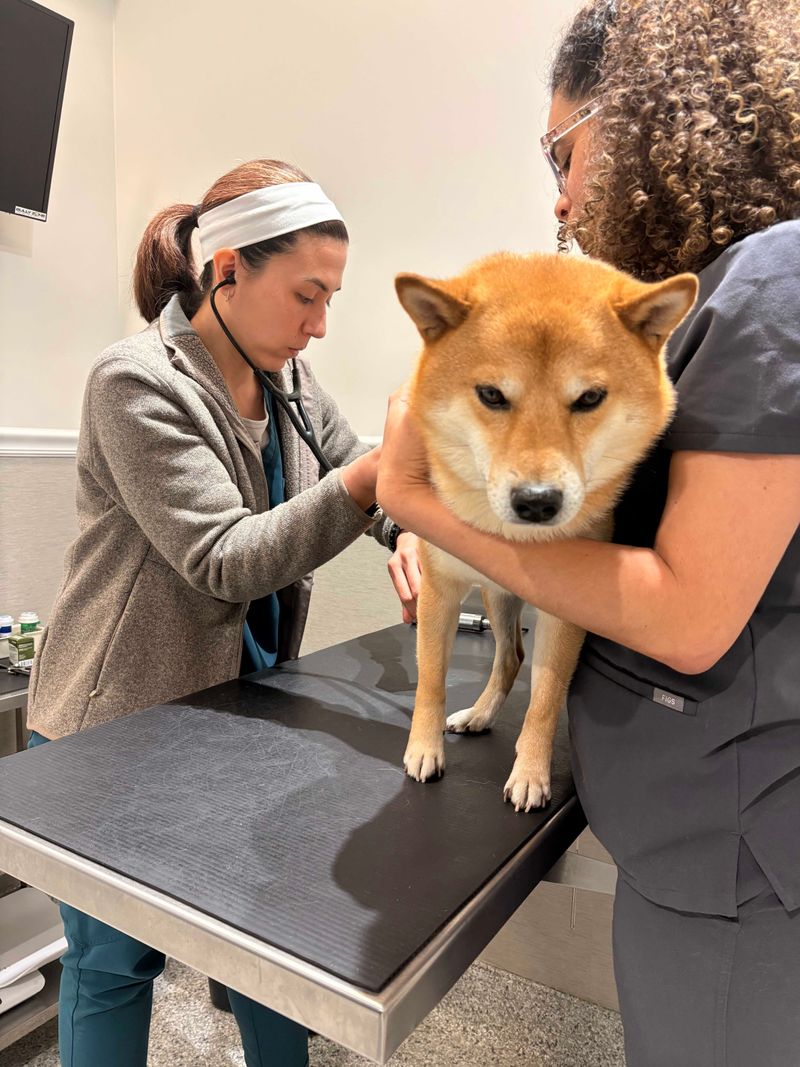
An upset stomach may be the first sign that something is wrong. Vomiting, diarrhea, drooling, or reduced appetite can appear within hours.
Some dogs also become unusually tired or develop belly discomfort.
Timing varies, and early signs do not reveal how much damage is developing. Tell your veterinarian about any possible plant exposure, even without clear proof.
Keep your dog nearby for observation while arranging care, rather than leaving them alone to rest without supervision.
9. Liver Damage Can Develop Even When Early Symptoms Seem Mild
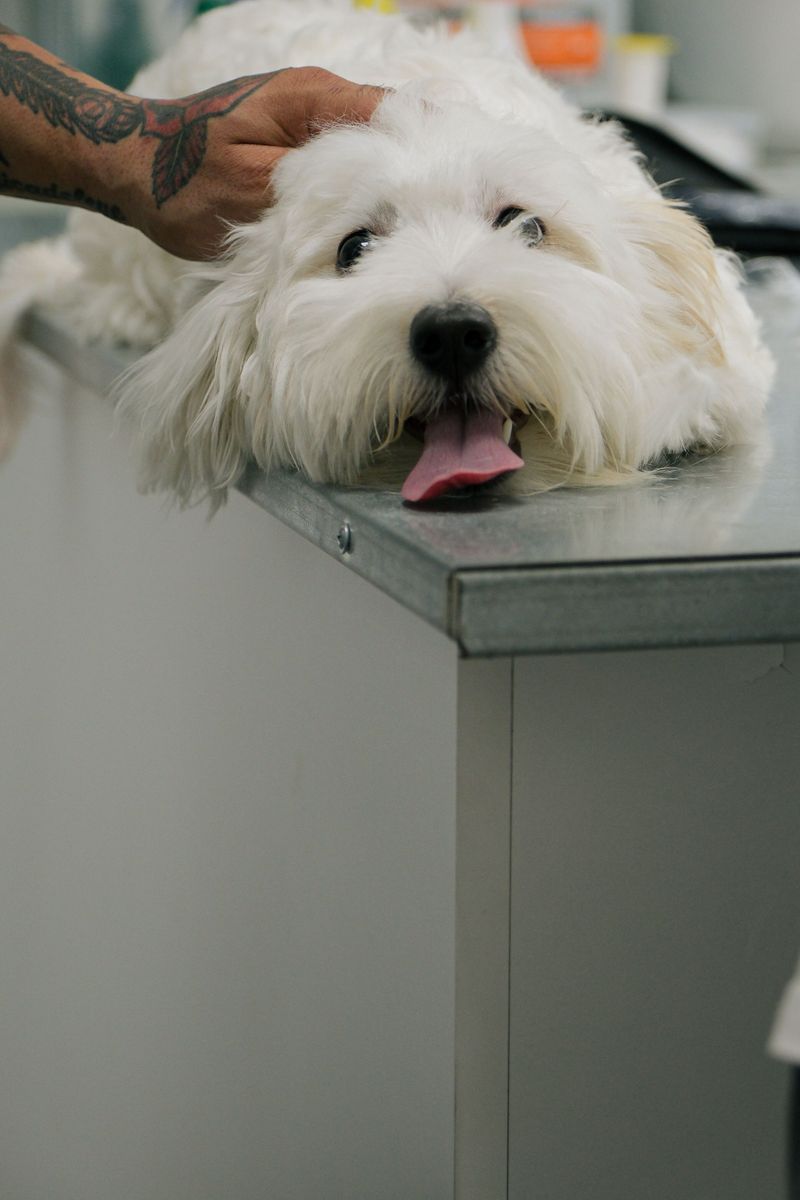
A quieter stomach does not always mean the danger has passed. Liver injury may become apparent over the next few days.
Yellow gums or eyes, unusual bruising, and marked weakness require immediate veterinary attention.
Blood tests help veterinarians assess liver function and clotting problems. Repeat testing may be needed even after an initially reassuring visit.
Follow the recommended schedule closely, because your dog’s outward behavior cannot reliably show whether internal recovery is moving along safely.
10. Why Waiting For Symptoms Can Be Dangerous
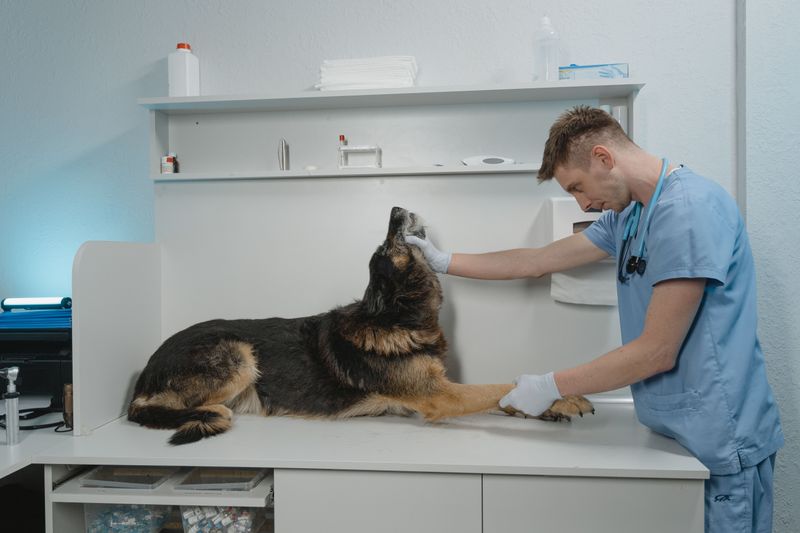
The most useful time to seek help may come before your dog looks unwell. Veterinary teams sometimes have more treatment options soon after swallowing.
Waiting for vomiting can mean losing valuable time.
Call immediately when you witness chewing or discover a seed with fresh bite marks. Explain what happened and follow the clinic’s directions.
Do not spend time searching for home remedies or watching online videos before arranging professional advice and transport for your dog.
11. What To Do If Your Dog Eats A Sago Palm Seed
Move your dog away from the plant and call a veterinarian immediately. If your regular clinic is closed, contact an emergency veterinary hospital.
Bring a photograph or safely bagged sample if readily available.
Report your dog’s weight, the suspected amount, and the time of exposure. Never induce vomiting or give home treatments unless a veterinary professional specifically directs you.
Animal poison services can also guide care, although consultation fees may apply when you call them.
12. How Veterinarians Treat Sago Palm Poisoning
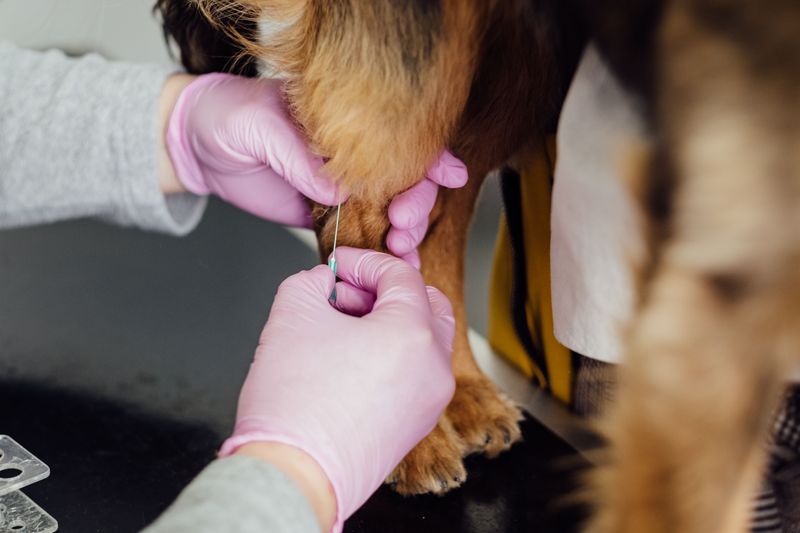
Professional treatment depends on when exposure happened and how your dog is doing. A veterinarian may induce vomiting when appropriate or administer activated charcoal.
Neither step should be attempted without professional direction.
Hospital care may include intravenous fluids, nausea medicine, liver support, and repeated blood tests. There is no specific antidote for sago palm poisoning.
Early care improves the chance of recovery, but outcomes vary with exposure and the extent of injury to the liver.
13. Keep Sago Palms Away From Dog Play Areas
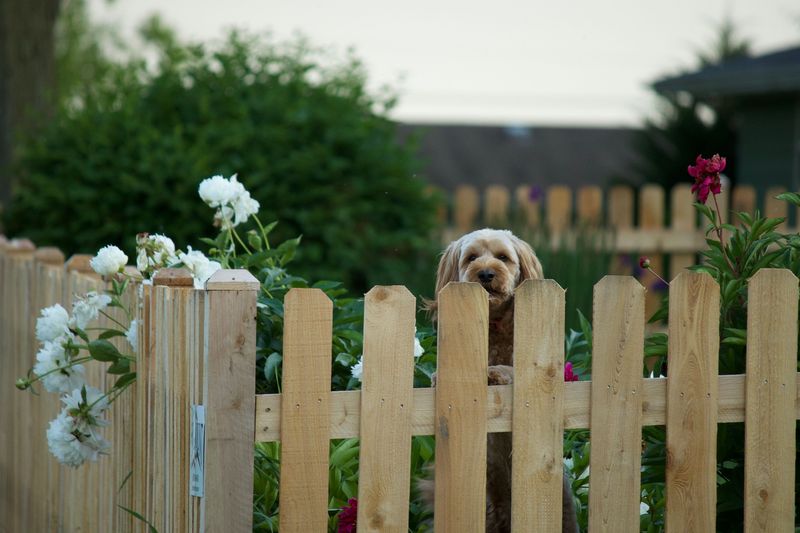
A favorite fetch route should never pass through a toxic planting bed. Removing sago palms from areas your dog uses provides stronger protection than supervision alone.
A decorative border will not stop determined exploring.
If removal cannot happen immediately, install a sturdy barrier that prevents access to plants and fallen debris. Check gates and gaps regularly.
Keep toys, water bowls, and resting spots elsewhere, so daily routines do not draw your dog toward the hazard.
14. Check Landscaping Around Lowcountry Homes
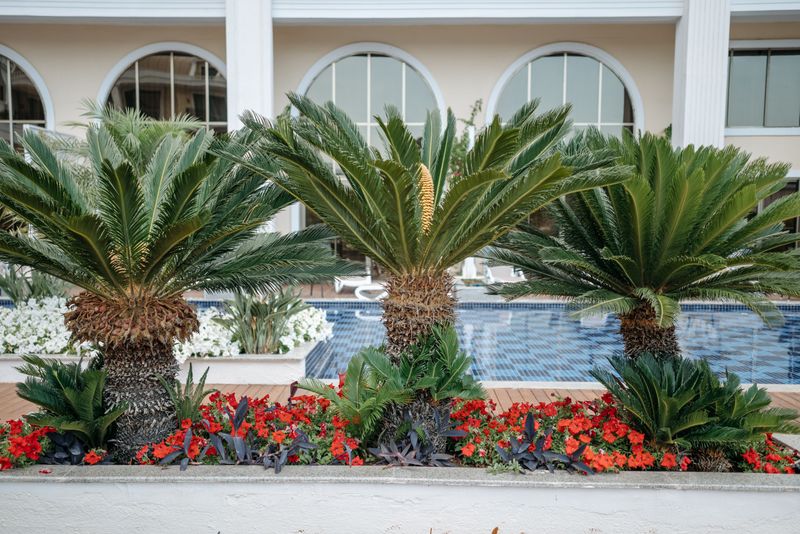
Before unpacking at a rental, take a slow walk around the property. Look beside stairs, beneath windows, around pools, and near outdoor seating.
Small potted sagos deserve the same attention as established garden plants.
Ask landlords or property managers about any plants you cannot identify. Request removal or secure separation when needed, rather than assuming pet friendly means plant safe.
At home, repeat your inspection after landscaping work introduces new greenery into familiar outdoor areas.
15. Watch For Sago Palms In Neighborhood Landscaping
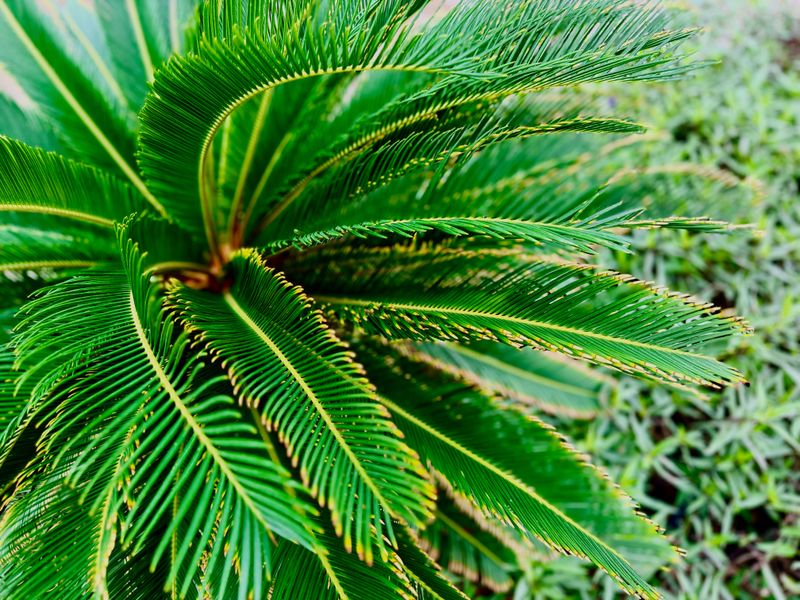
Your own yard is only part of your dog’s daily world. Neighborhood entrances, sidewalks, and shared courtyards may contain sago palms.
Keep the leash short enough to prevent grabbing plants without restricting comfortable movement.
Choose another route when seeds or debris cover the walking area. Report concerns to the property manager or homeowners association with a clear photograph.
Shared landscaping decisions vary, so request practical changes rather than assuming a specific local removal rule exists.
16. Remove Fallen Seeds And Plant Debris Carefully
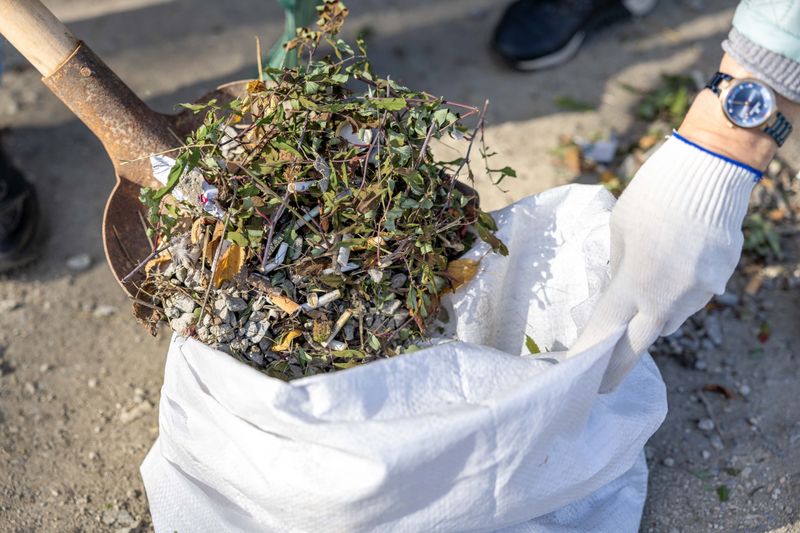
Cleanup works best when your dog stays indoors or behind a closed gate. Wear gloves and collect seeds, fronds, and small fragments into secure containers.
Keep filled bags where pets cannot reach them.
Do not place toxic material in an accessible compost pile or leave it beside the fence. Ask your local waste provider about accepted disposal methods.
After plant removal, inspect for remaining pieces and regrowth before letting your dog explore the area again.
17. Choose Dog-Safer Alternatives For Tropical Landscaping
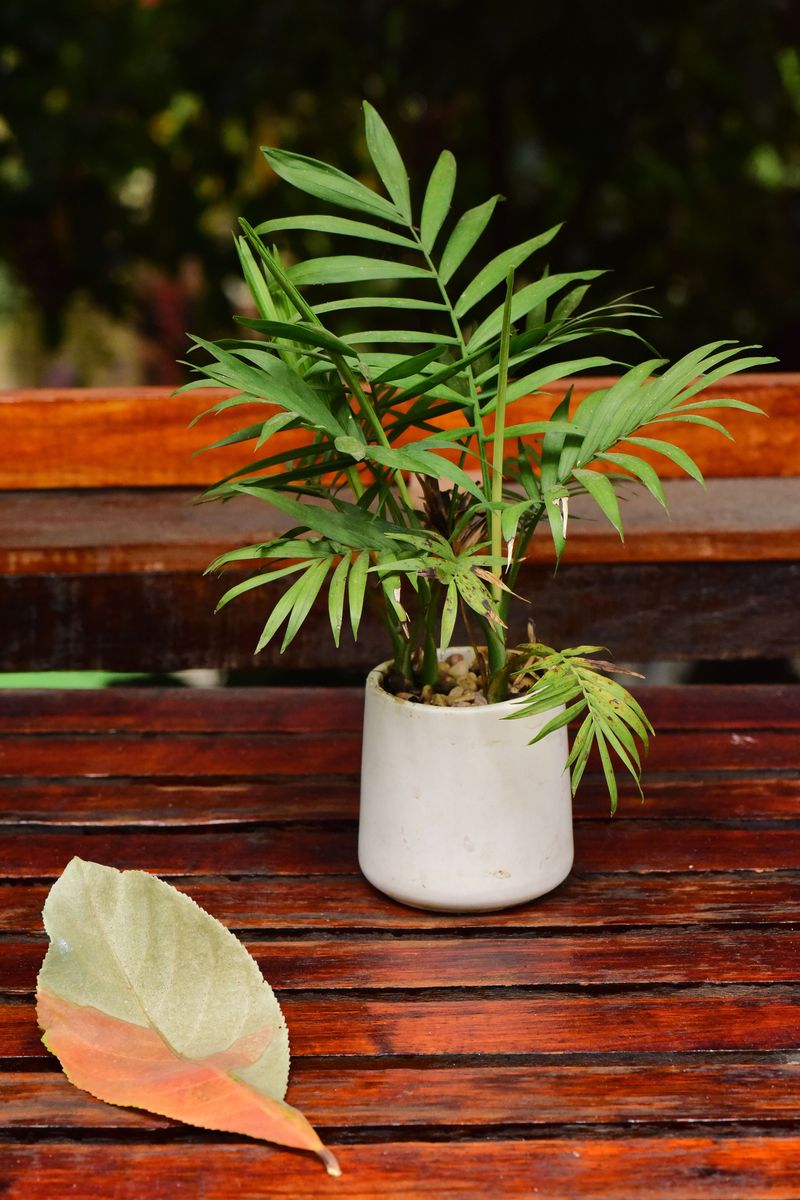
You can keep a leafy coastal look without keeping a sago palm. Parlor palms and cast iron plants are generally considered nontoxic to dogs.
Suitable placement depends on shade, drainage, and local winter conditions.
Verify the botanical name before buying, because common names can cause confusion. Consult a reputable pet toxicity database and a local nursery about each choice.
Even nontoxic plants can upset stomachs when chewed, so discourage snacking and avoid sharp garden features.
18. Teach Everyone In The Household To Recognize Sago Palms
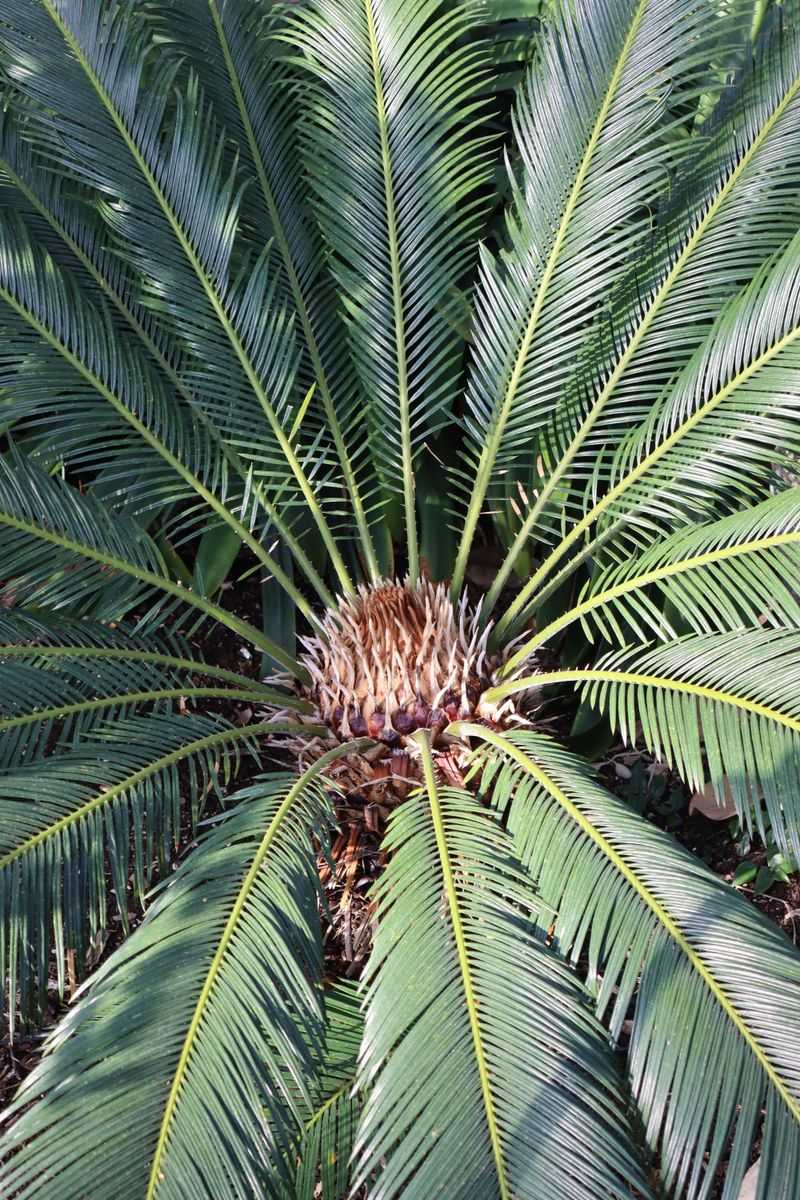
A shared safety plan works better than one person quietly watching the garden. Show family members, dog walkers, and sitters pictures of sago palms.
Explain that seeds, leaves, and other pieces all require caution.
Save your veterinarian’s number and the nearest emergency clinic in everyone’s phone. Make calling promptly the rule after suspected chewing, even when your dog seems fine.
Know the plant, limit access, and act early: simple habits make Lowcountry life safer for dogs.