What New York Law Says About Dogs Left Outside During Severe Weather
New York weather can change quickly, especially when your dog enjoys spending time outside. Knowing the rules helps you make safe choices before snow, heat, or heavy rain arrives.
State law sets shelter standards, while local rules may add more protection. Here is what owners should know about outdoor care, warning signs, and getting help when conditions become unsafe.
1. New York’s Rules for Dogs Left Outdoors
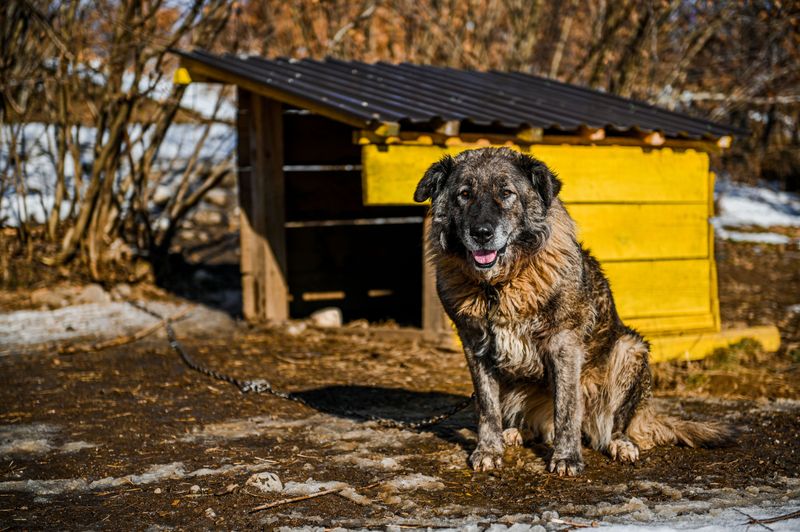
A backyard is not automatically a suitable place for every dog in every season. New York Agriculture and Markets Law Section 353-b sets requirements for dogs left outdoors without ready access to an appropriate permanent structure during inclement weather.
Its protections include suitable shelter during inclement weather and shade for dogs restrained outdoors when direct sunlight is likely to threaten their health.
The law considers the dog’s breed, physical condition, and the climate. Owners should check the current statute through the New York State Senate website.
Local animal control can explain additional requirements that apply in your community.
2. When Leaving a Dog Outside Becomes Animal Cruelty
Weather exposure can become a legal issue when an owner fails to provide necessary care. Section 353 prohibits neglect of necessary sustenance, food, drink, and other covered mistreatment.
Whether outdoor conditions violate that law depends on the facts.
A shelter violation under Section 353-b is a separate matter. Officers may consider both laws when assessing a situation.
Bringing your dog indoors early is safer than waiting for obvious discomfort or a visit from authorities later.
3. How Cold Weather Can Put Dogs at Legal Risk
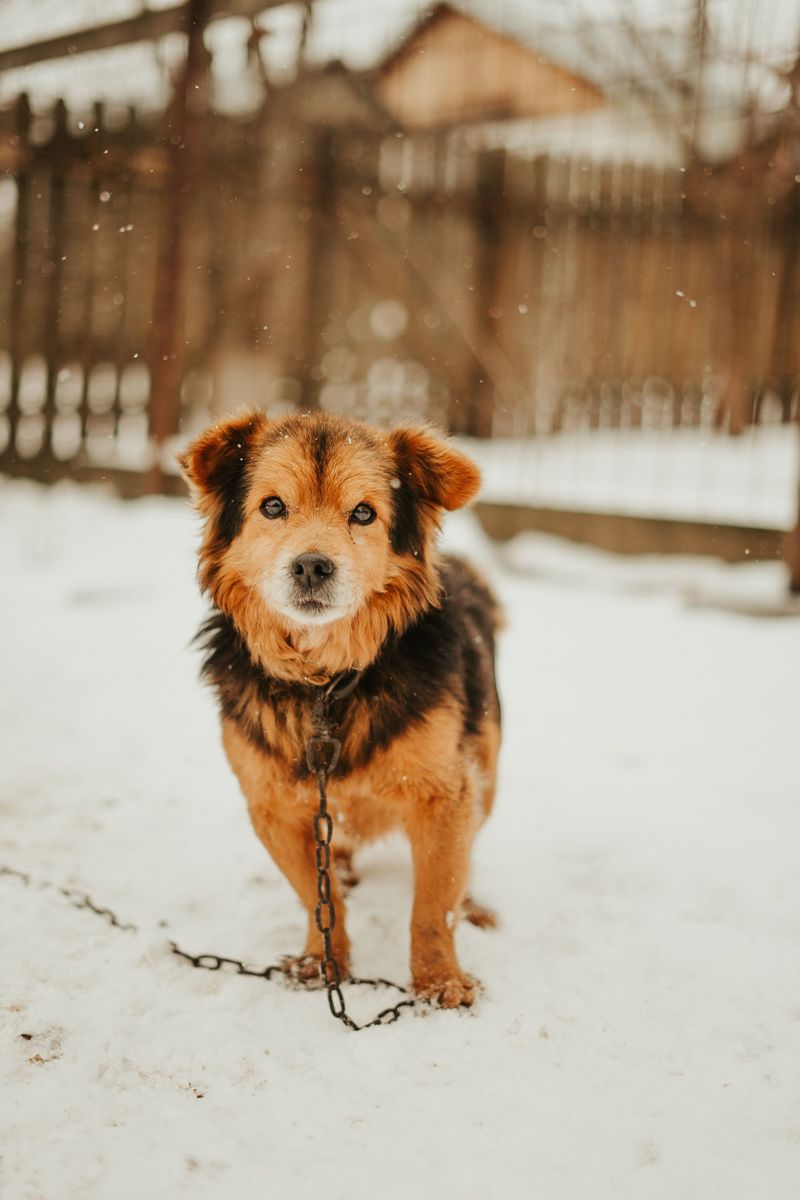
A thick coat does not give every dog the same protection from winter weather. Wind, damp fur, body size, and health all affect cold tolerance.
State shelter requirements account for individual needs rather than one temperature alone.
Do not assume freezing weather is the only concern. Wet, windy conditions above freezing can also make outdoor stays unsafe.
Shorten outings when your dog shivers, lifts paws, or seeks shelter. Ask your veterinarian about suitable winter limits.
4. What Counts as Adequate Outdoor Shelter
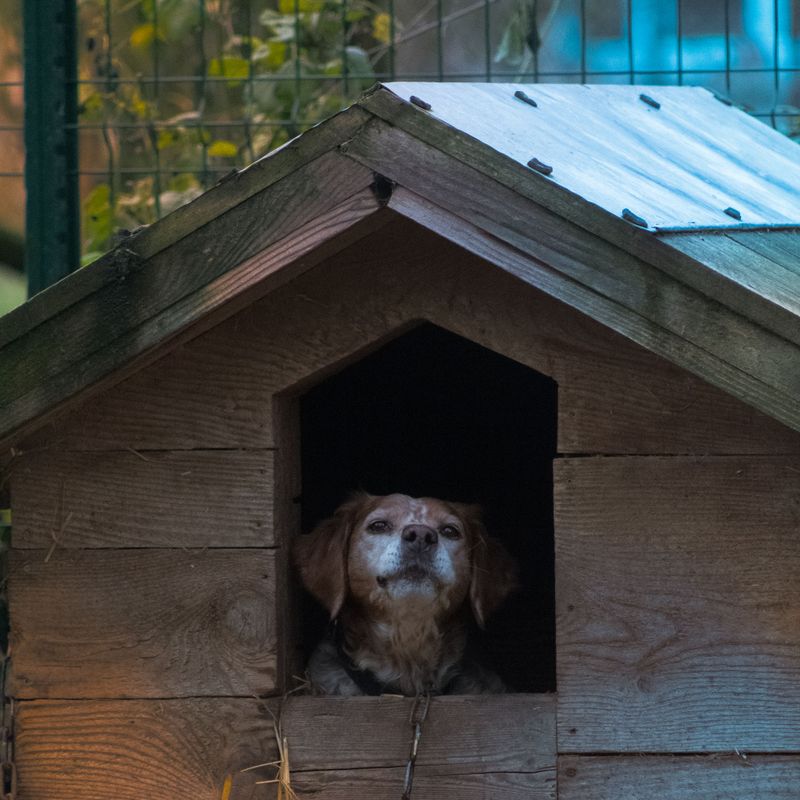
Good shelter does more than cover a dog’s head. Section 353-b requires appropriate protection from inclement weather for dogs kept outdoors.
Required shelter includes a waterproof roof, appropriate insulation, and space for normal movement.
Your dog must be able to stand, turn around, and lie down with limbs outstretched. Shelter also needs drainage and sanitary conditions.
Check bedding after rain or snow. A structure that stays dry outside may still collect moisture inside after storms.
5. Why Tethering Rules Matter During Severe Weather
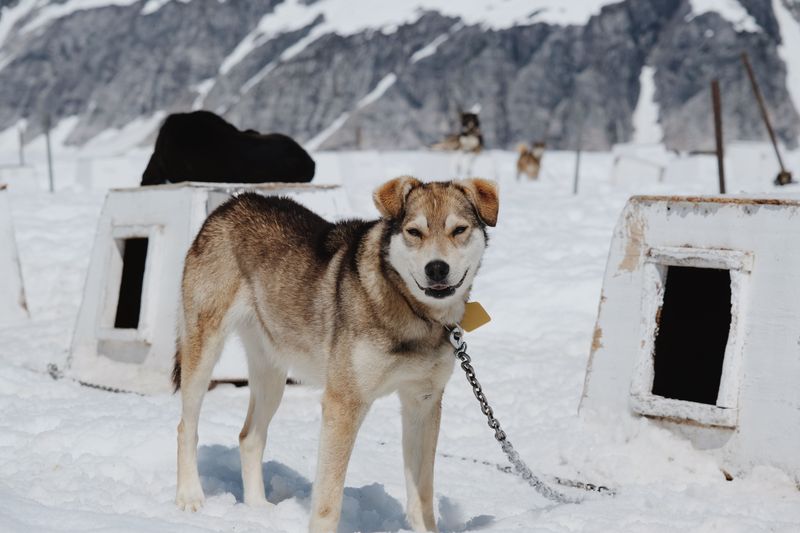
A leash can limit access to safety when weather changes. A tethered dog may become tangled or unable to reach water and shelter.
Providing a doghouse means little if the dog cannot actually enter it.
Tethering restrictions vary across New York communities, including weather conditions and permitted durations. Ask local animal control about your address before using an outdoor tether.
Never assume a long lead solves weather concerns. Supervised outdoor time offers better protection during changing conditions.
6. How Long Can a Dog Legally Stay Outside?
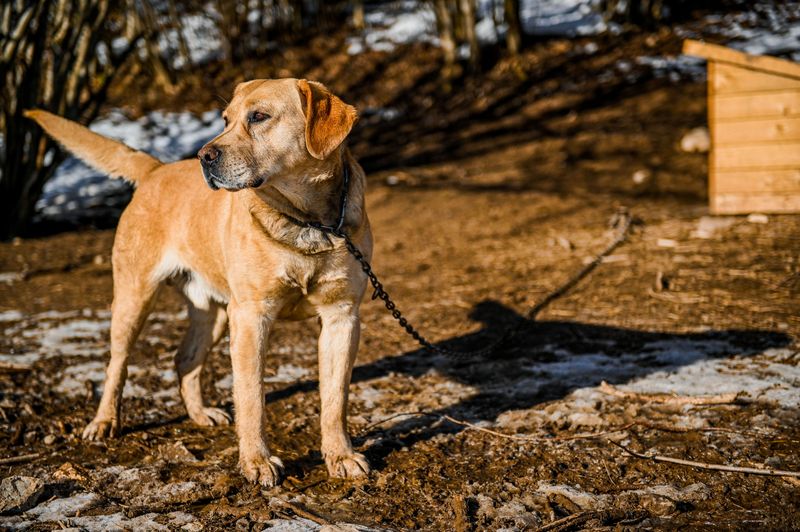
The clock alone cannot tell you whether an outdoor stay is lawful. Section 353-b does not create one statewide outdoor time limit for every dog.
Shelter, weather, physical condition, and other applicable laws still matter.
Some municipalities impose specific tethering limits or weather restrictions. Confirm those locally rather than relying on social media charts.
For daily care, use frequent checks and bring your dog inside before discomfort develops. A short outing can become unsuitable surprisingly quickly.
7. What New York Law Says About Extreme Heat
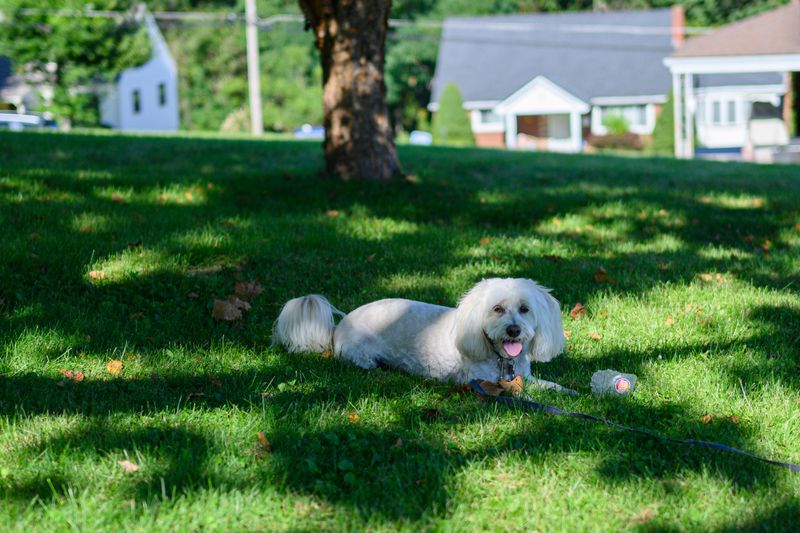
Summer sunshine brings legal responsibilities alongside winter storms. Section 353-b requires access to shade for dogs kept outdoors in sunlight.
Heat can also raise concerns under the state’s broader animal care protections.
A doghouse may trap heat instead of providing cooling relief. Choose a cooler indoor space when temperatures rise, especially during humid weather.
Watch for heavy panting, weakness, or unusual behavior. Local rules may include temperature thresholds, so check requirements where you live before summer.
8. Why Access to Fresh Water Is Essential
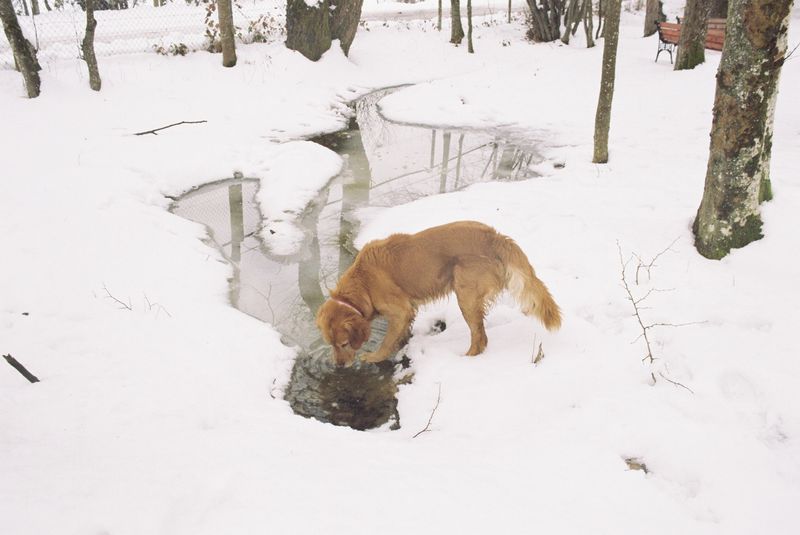
An empty or frozen bowl cannot meet a dog’s drinking needs. Section 353 addresses deprivation of necessary drink, making water more than a comfort item.
Outdoor water needs attention during both freezing weather and summer heat.
Check bowls often for ice, spills, dirt, and rising water temperature. Place them where your dog can reach them without tangling a lead.
Weatherproof equipment may help, but it never replaces regular checks. Bring water indoors with your dog afterward.
9. Special Protections for Puppies and Senior Dogs
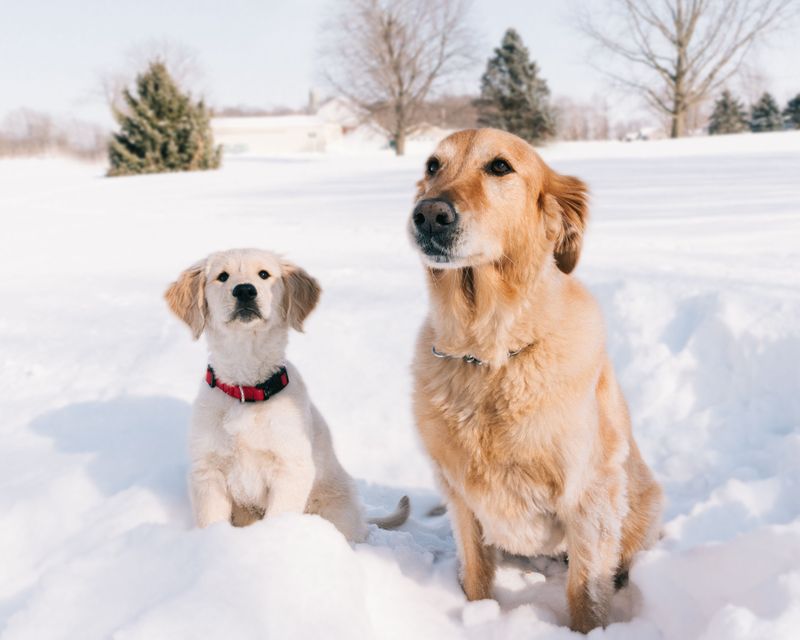
Age changes how comfortably a dog handles outdoor conditions. Puppies and older dogs may struggle with temperature control or existing health problems.
Section 353-b considers physical condition, which makes individual needs legally relevant.
That does not mean every age group has a separate statewide temperature rule. Instead, plan shorter outings and ask your veterinarian for guidance.
Thin dogs, recovering dogs, and dogs with limited mobility may need extra care. Indoor rest is usually the simpler choice.
10. What Happens When a Dog Is Left Outside During a Storm?
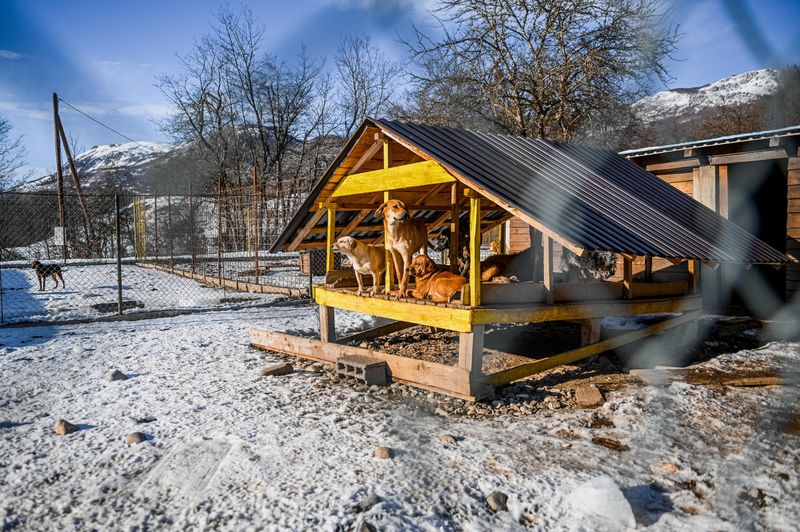
Thunder, heavy rain, and blowing snow can quickly change a familiar yard. Required shelter must provide suitable protection under the conditions your dog faces.
Flooding, wind damage, or soaked bedding can make previously useful shelter inadequate.
Bring your dog inside before conditions worsen whenever possible. Keep identification current in case storm noise causes an escape.
If officers receive a report, they may assess shelter, weather, and the dog’s condition. Their response depends on the circumstances observed.
11. When a Doghouse Does Not Provide Enough Protection
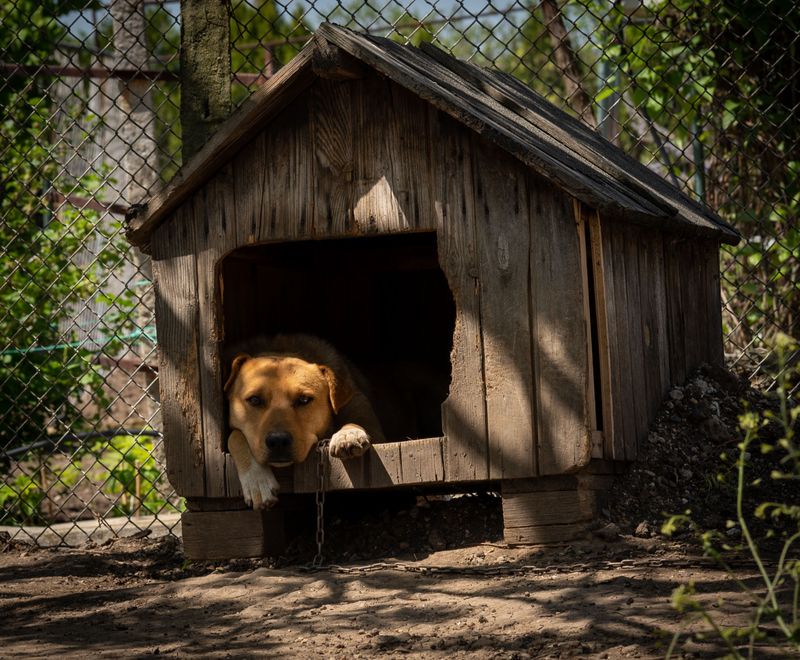
Four walls can still leave a dog exposed to bad weather. A leaking roof, wet floor, or poorly placed entrance may undermine protection.
Oversized openings can admit wind, while poor ventilation can worsen summer heat.
Inspect the structure from your dog’s level after weather changes. Remove wet bedding and repair damage promptly.
Compliance depends on actual shelter conditions, not simply owning a doghouse. When protection is uncertain, move your dog indoors while you arrange a solution.
12. Who Can Be Held Responsible for Leaving a Dog Outside?
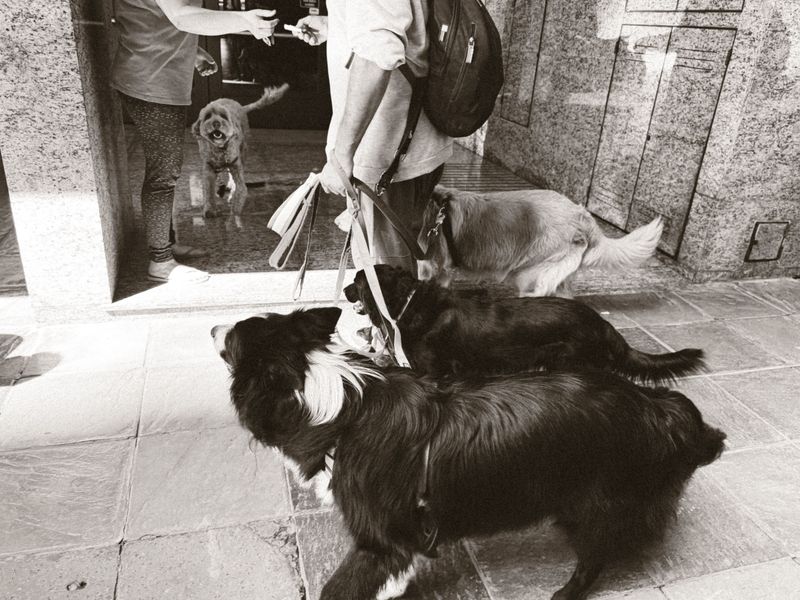
Care duties do not always stop with the person named on a license. Section 353-b covers owners and people with custody or control of dogs kept outdoors.
Other animal protection provisions may apply according to someone’s conduct.
Arrange clear instructions whenever a sitter, relative, or neighbor watches your dog. Explain indoor access, water checks, and weather limits before leaving.
Shared care should never mean unclear responsibility. Give caregivers your veterinarian’s number and a reliable emergency contact.
13. How to Report a Dog Left Outside in Dangerous Weather
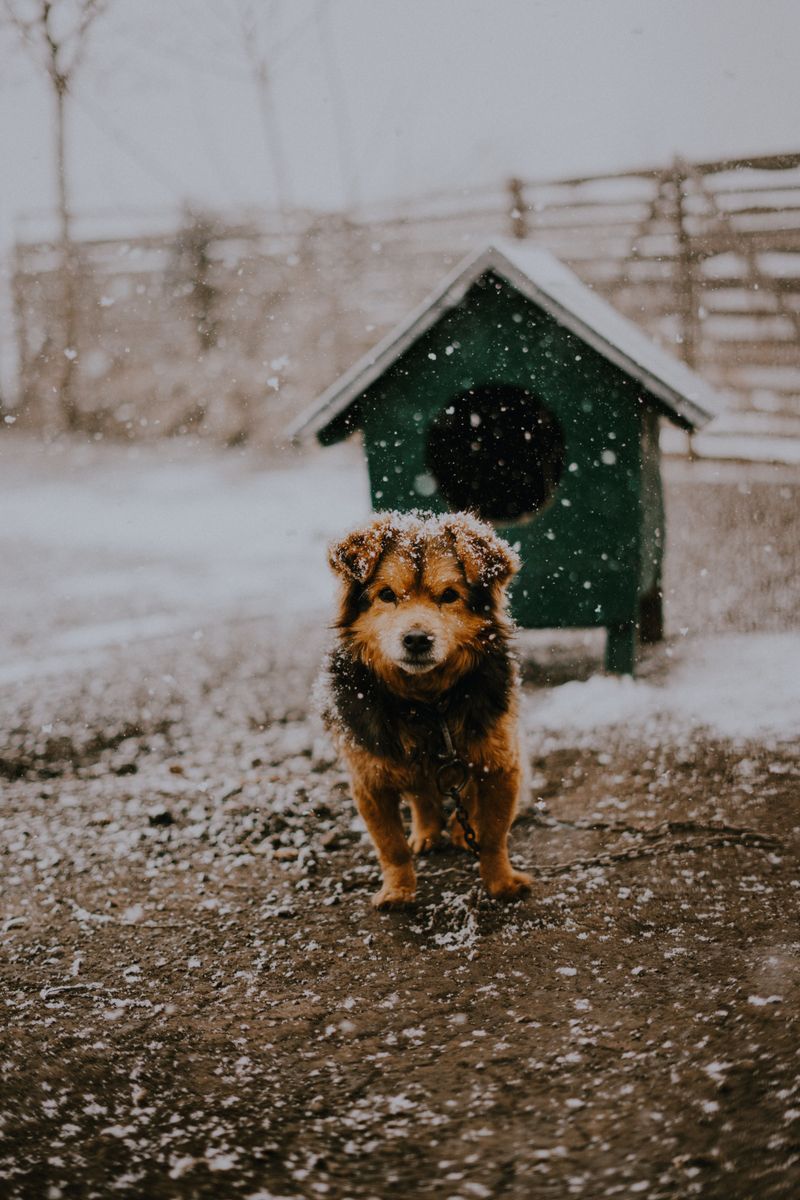
Concerned neighbors can help without entering someone else’s property. Contact local animal control, police, or an authorized humane law enforcement agency.
In New York City, use 311 for guidance or 911 for an immediate emergency.
Explain the location, weather, available shelter, and what you observed. Stick to facts rather than guessing about the owner’s intentions.
Avoid confrontation and follow the agency’s directions. If conditions worsen after your report, provide an update through the appropriate contact channel.
14. What Evidence Can Help Animal Welfare Officers?
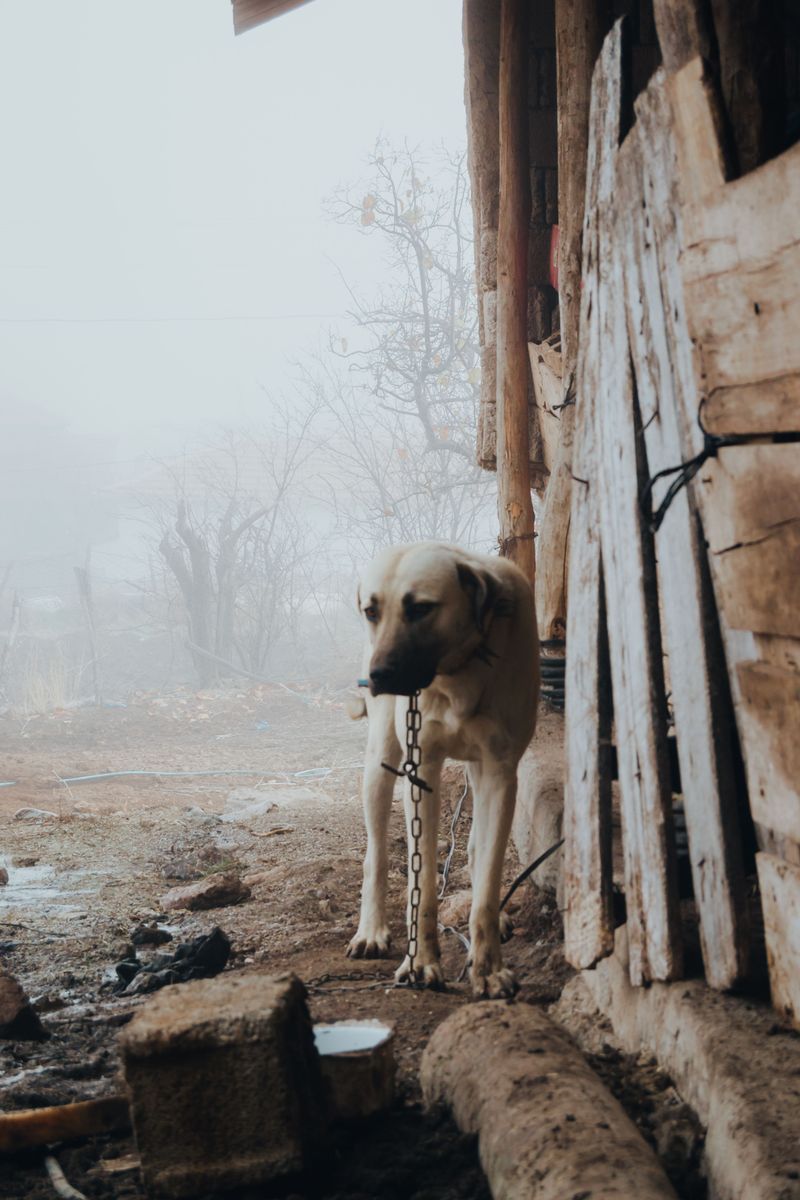
Clear observations give responding officers a useful starting point. Record dates, times, weather conditions, and how long you personally observed the dog.
Note whether water, shade, or usable shelter was visible from your lawful location.
Photos or video may help when collected safely without trespassing. Avoid presenting assumptions as established facts, including claims about unseen indoor access.
Keep original files and share them with investigators. Let officers determine whether the evidence supports a violation of law.
15. What Penalties Can Owners Face Under New York Law?
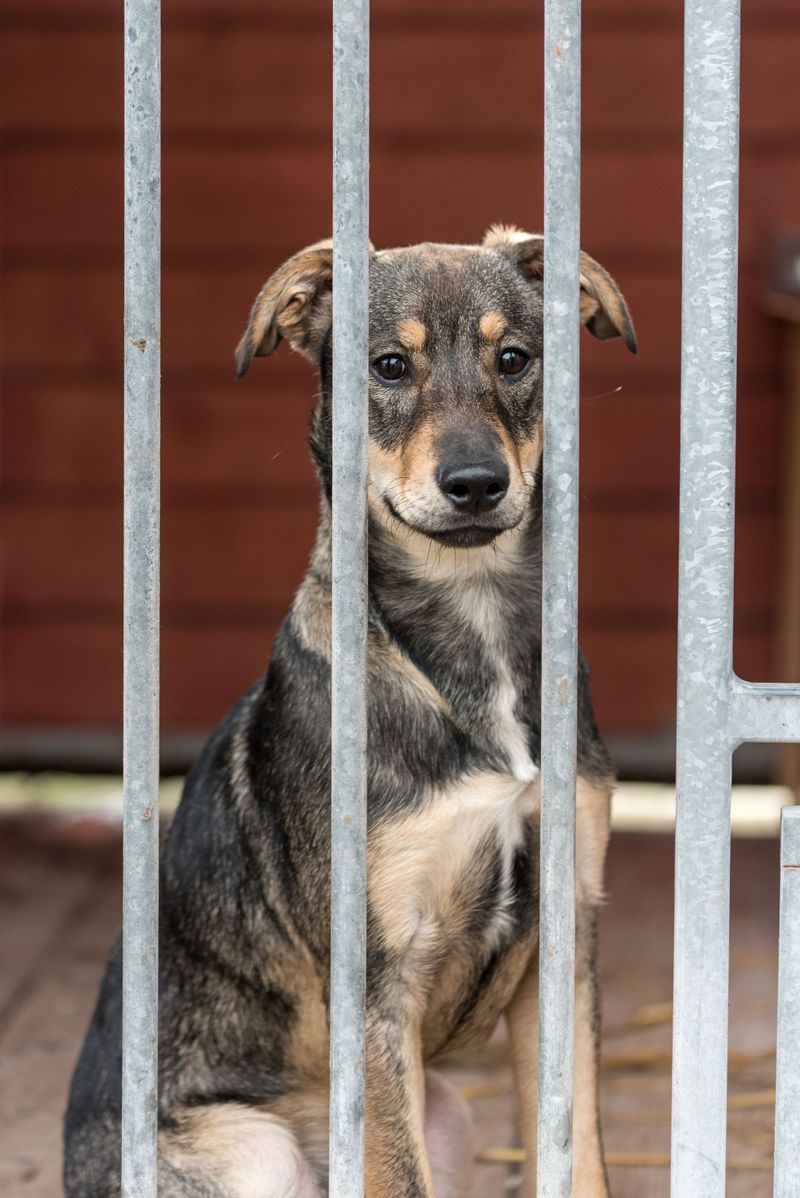
Different violations can lead to different legal consequences. Section 353-b classifies shelter violations as violations and provides fines that increase for repeat offenses.
Its enforcement provisions also address correction and possible court decisions about dog custody.
Charges under Section 353 can carry misdemeanor consequences, depending on the case. Local ordinances may add separate penalties.
Avoid relying on a single online fine amount. Check the current statute or ask the enforcing agency which provision applies to your situation.
16. What to Do If a Dog Shows Signs of Weather Exposure
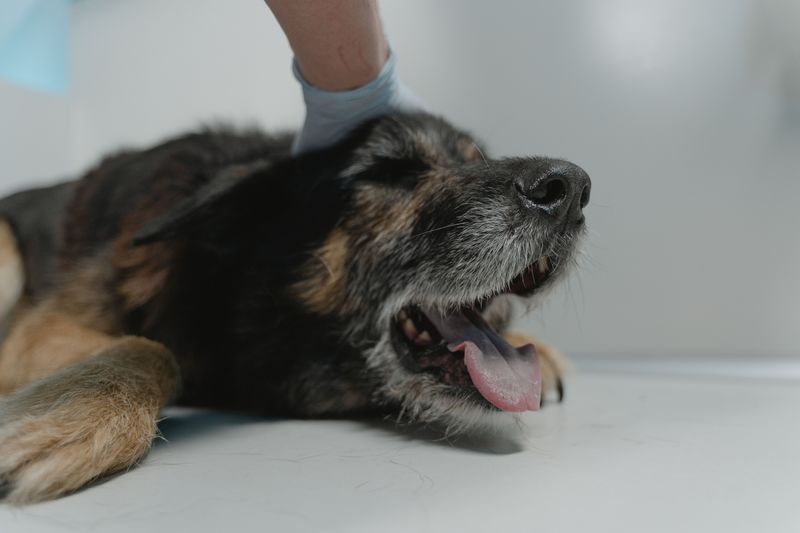
Shivering, weakness, heavy panting, or unusual confusion deserve prompt attention. Move your dog to a sheltered, temperature-controlled place and contact a veterinarian.
Describe the weather exposure, symptoms, and any known health conditions.
For suspected overheating, begin cooling with cool water and airflow while seeking veterinary instructions. Avoid ice baths or forcing water into the mouth.
For cold exposure, dry your dog and use blankets, not direct high heat. Do not delay care to collect legal evidence.
17. Why Local Animal Protection Rules May Also Apply
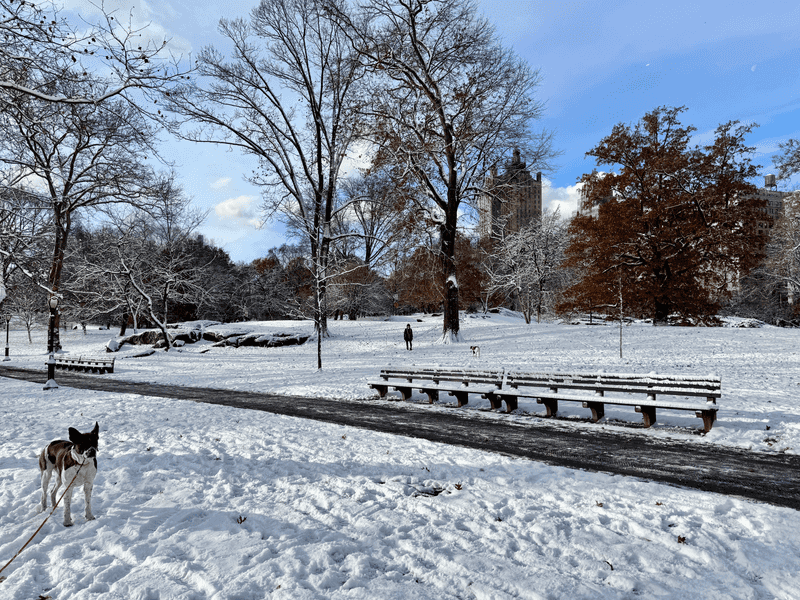
Your town’s rules may require more than the statewide minimum. Cities, towns, and counties can have additional animal care or tethering provisions.
Check your municipality’s official code and ask animal control about current enforcement guidance.
Save those details alongside your veterinarian’s contact information before rough weather arrives. Review your outdoor setup whenever seasons change or your dog’s health needs shift.
The simplest habit remains useful everywhere: watch the weather, know your dog, and bring comfort indoors.