Moving Between Texas Cities With A Dog Means Rechecking Local Rules Instead Of Assuming They Match
Packing up for a new Texas city is exciting, and your dog is coming along for the ride. Here is something many owners miss, though.
Dog rules in Texas are mostly set by each city or county, so they can change from one town to the next. A quick check of your new local rules helps you avoid surprise fines and keeps your pup safe.
Think of this list as a friendly heads-up from someone who has made the move before.
1. Look Up License and Registration Rules
Paperwork is probably not the fun part of moving. Still, many Texas cities expect dogs to be licensed or registered with local animal services.
Houston, for example, requires registration for dogs and cats. Your old town may not have asked for anything at all.
Fees, renewal dates, and proof needed can differ widely.
Visit your new city’s animal services website soon after you arrive. Registering early also helps workers return your dog faster if it ever wanders off.
2. Ask Whether a Microchip Is Required
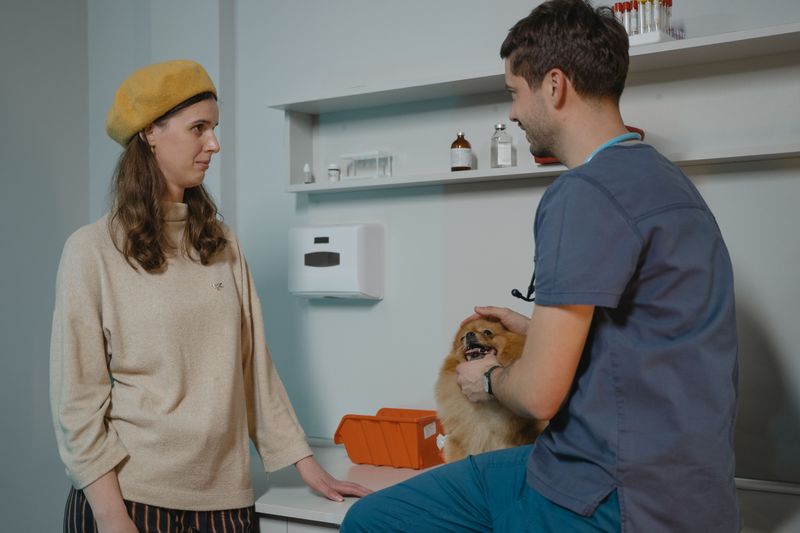
A chip the size of a rice grain can make a huge difference. Texas does not require microchips statewide, but some cities do.
Houston now requires microchipping for dogs and cats. Other cities simply encourage it.
Either way, a chip gives your dog a permanent ID that cannot fall off like a collar tag.
After the move, log in to the chip company’s site. Update your new address and phone number right away.
3. Keep Rabies Shots and Tags Current
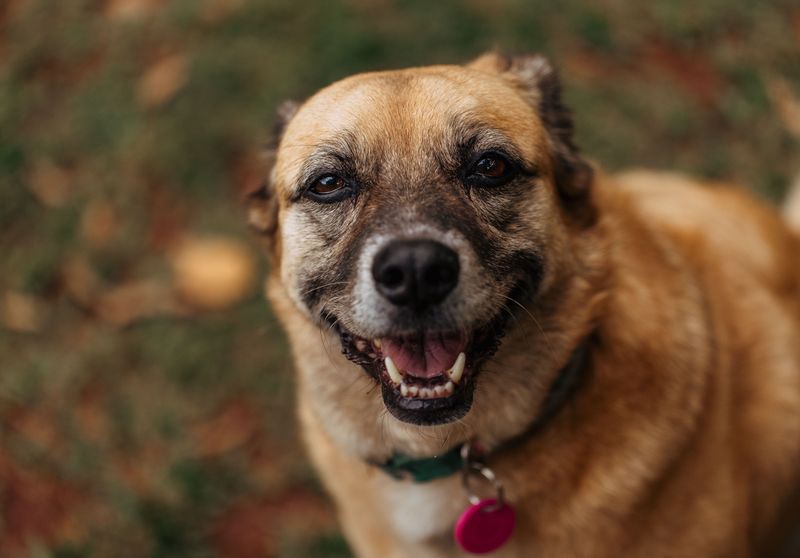
Here is one rule that follows you everywhere in Texas. State law requires dogs to have a rabies vaccine by four months of age, given by a licensed veterinarian.
A booster is due one year after the first shot. After that, your vet may use a one-year or three-year vaccine.
Cities may add their own tag rules. Some want the rabies tag worn on the collar.
Keep your certificate handy, since officials can ask to see it.
4. Count Your Pack Against Local Limits
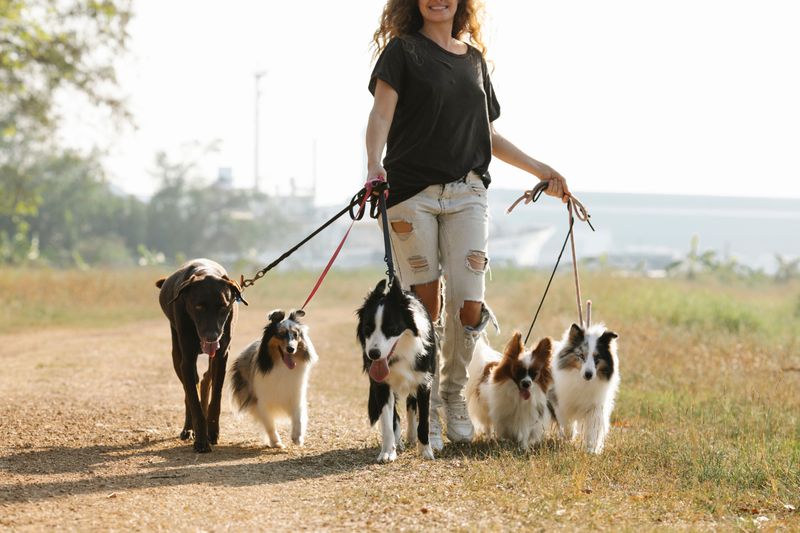
Three dogs felt perfectly normal back home. Your new city might see it differently.
Texas has no statewide cap on how many dogs you can own. Many cities set their own limits, and the number can depend on lot size or zoning.
Some towns treat a certain number of animals as a kennel needing a permit. Before signing a lease or closing on a house, call local animal control or zoning to confirm.
5. Check Rules for Unspayed or Unneutered Dogs
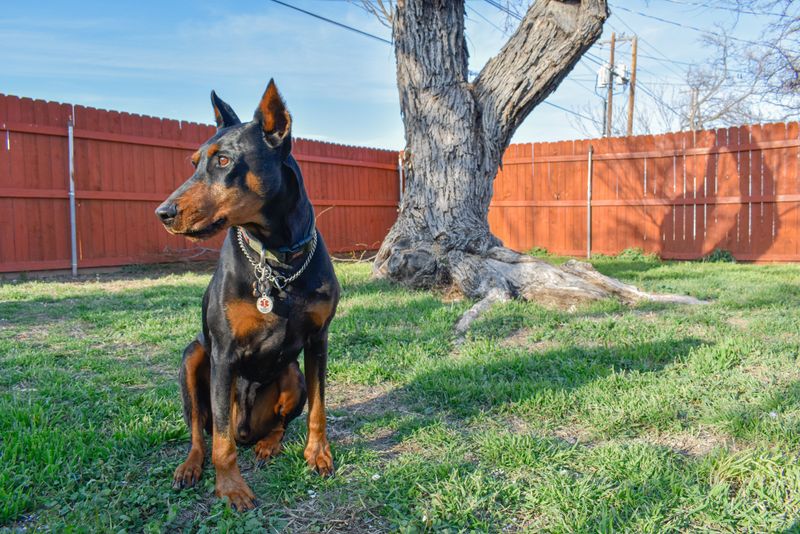
Got an intact dog? That detail may matter more than you expect.
Some Texas cities charge higher registration fees for dogs that are not spayed or neutered. A few may require a special permit.
These rules exist to help reduce pet overpopulation.
Not every city has them, which is exactly why checking matters. Your city code is often searchable online.
A short phone call to animal services can also clear things up quickly.
6. Know the Permits for Breeding and Puppy Sales
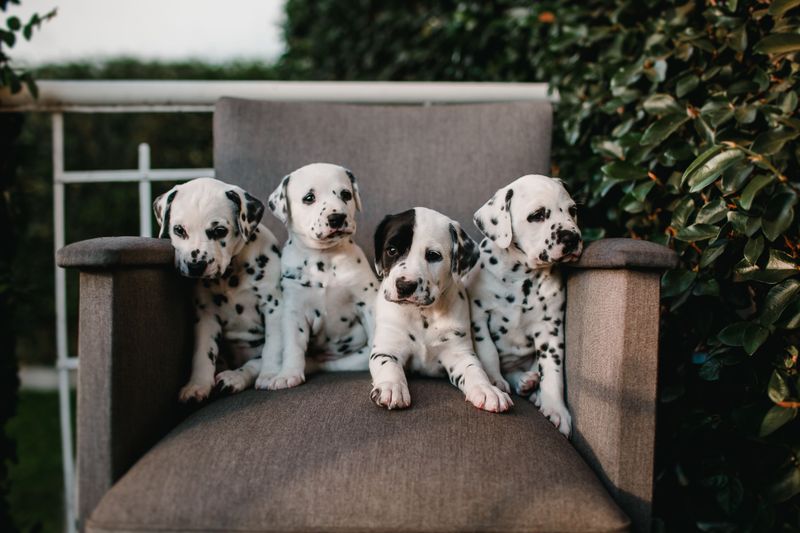
A surprise litter can turn into a legal question fast. Texas requires a state license from TDLR for people with five or more adult intact females who breed them for sale.
That threshold dropped from 11 to five in 2024. Certain herding, hunting, and show dogs may be exempt.
Even small hobby breeders can face city or county permit rules. Check both levels before you sell a single puppy in your new area.
7. Measure Up to Local Leash Laws
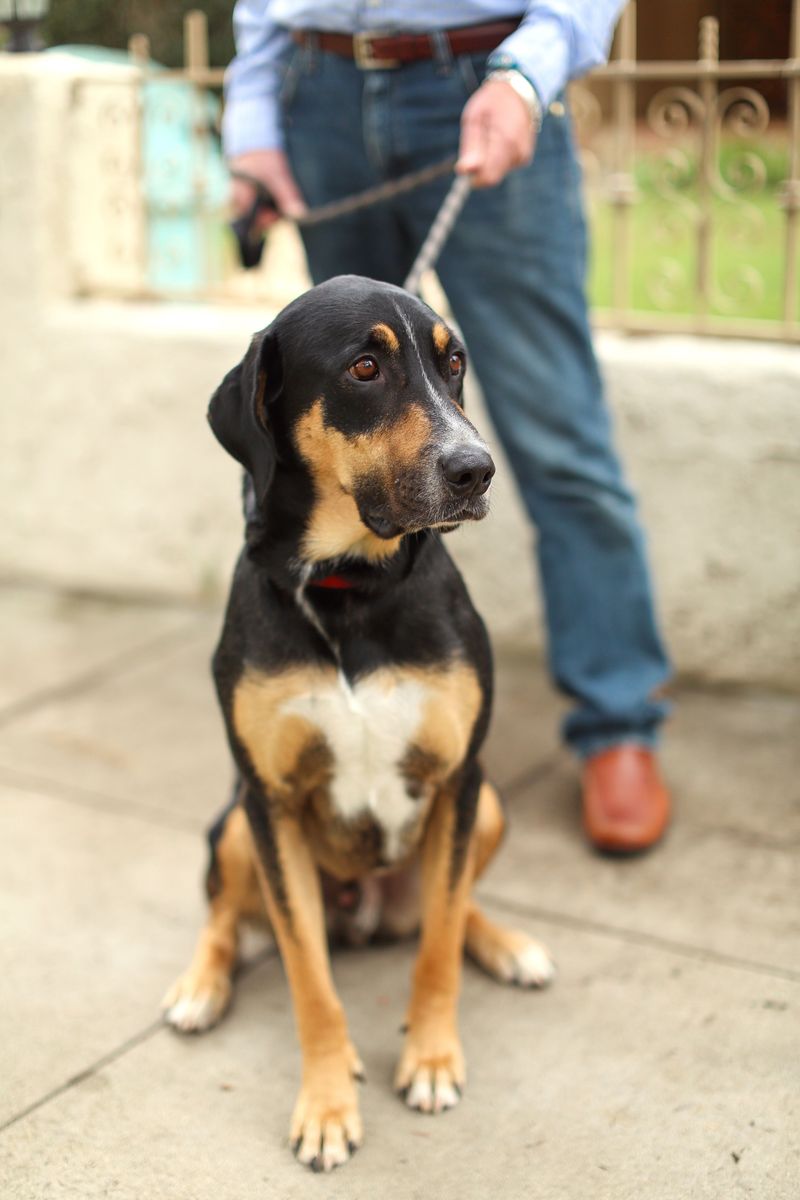
Surprisingly, Texas has no statewide leash law. Cities fill that gap, and their rules are not identical.
Houston requires dogs off your property to be restrained by a leash, fence, or enclosure. Voice control does not count there.
On most Austin city land, the leash must be six feet or shorter.
Retractable leashes can stretch past those limits. Lock yours at a shorter length or switch to a standard leash for city walks.
8. Find the Real Off-Leash Spots
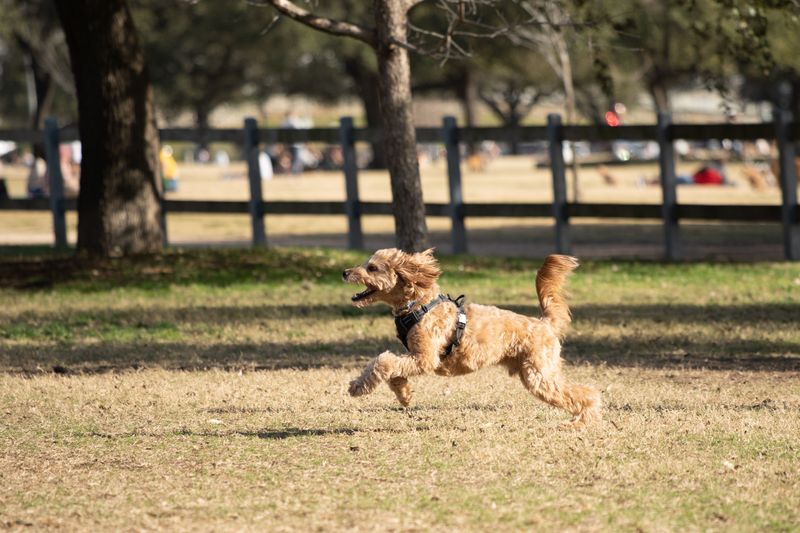
Every dog deserves a good zoomie session. The trick is finding places where running free is actually allowed.
In Austin, dogs may go off-leash only in specially marked areas. Even there, dogs must stay within sight and sound of their owner.
They should also be friendly and up to date on shots.
Many dog parks ask owners to keep dogs in heat at home. Read posted signs at each park before unclipping.
9. Secure the Yard Before Your Dog Explores
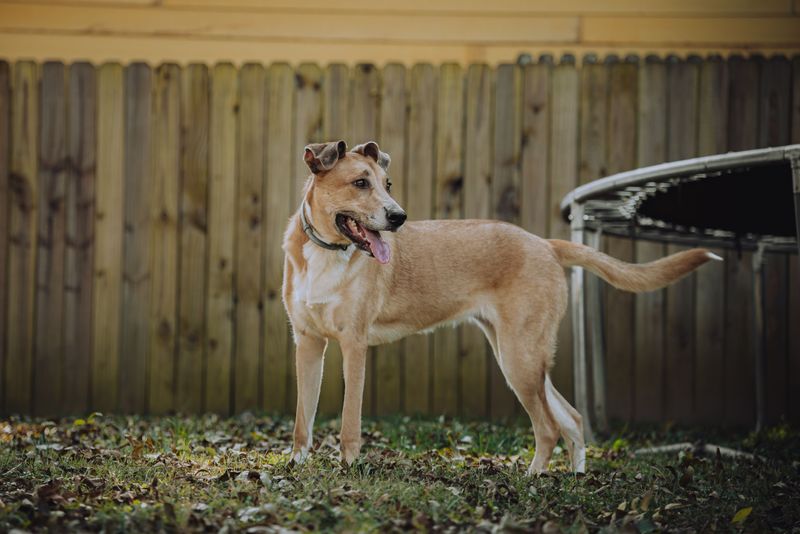
New yards hide surprises, like a loose board or a gap under the gate. Walk the fence line on day one.
Most Texas cities have running-at-large rules. Dogs generally cannot leave your property without restraint.
If your yard is unfenced and opens to public space, a leash is usually expected.
Animal control may pick up dogs found roaming. Some HOAs also set fence height or style rules, so check those too.
10. Understand Tethering Under State and City Law
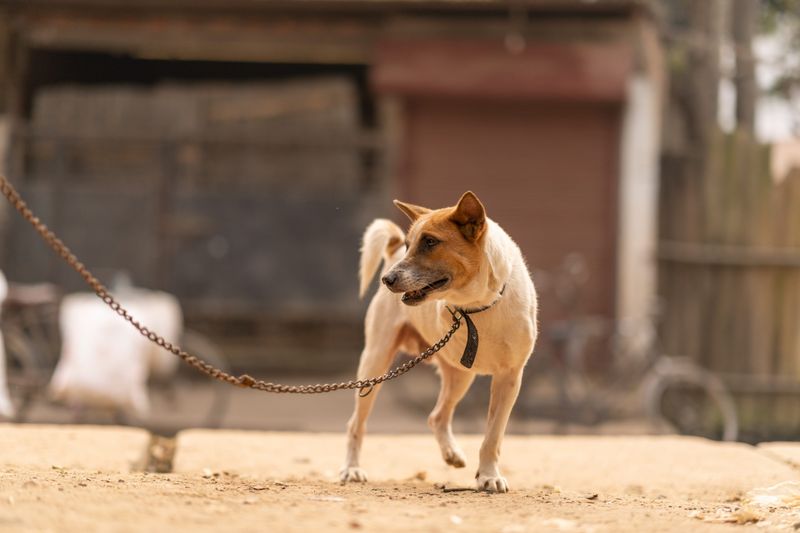
Texas took a clear step on outdoor restraint in 2021. The Safe Outdoor Dogs Act bans using chains to restrain an unattended dog outside.
The law also sets standards for shelter, water, and restraint setup. Cities may go further, with tighter tethering rules than the state.
If your dog spends time outdoors alone, compare both rule sets. A secure fenced yard is often the simplest way to stay compliant.
11. Plan for Shade, Shelter, and Fresh Water
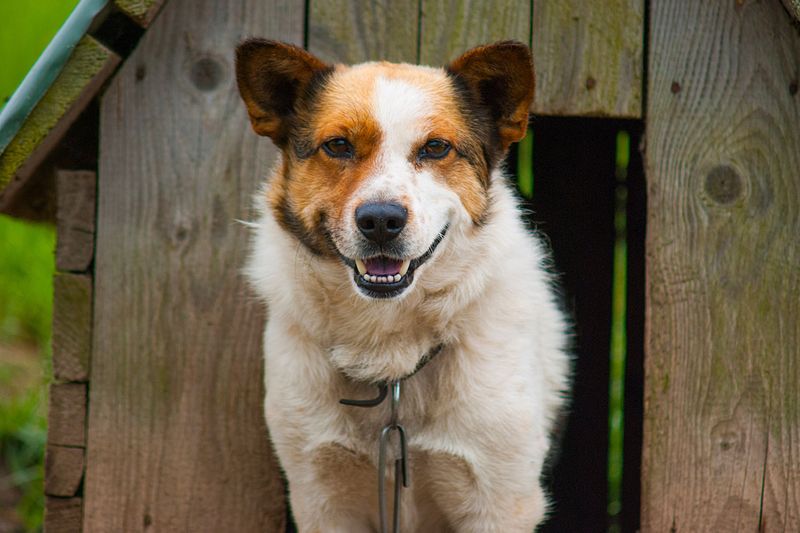
Texas summers are no joke, and winter storms can surprise everyone. Outdoor dogs need real protection from both.
State law requires adequate shelter from extreme heat, cold, standing water, and bad weather. Clean drinking water must be available too.
Some cities add details about shade or shelter design.
Tip from experience: water bowls tip over easily. A heavy bucket or anchored bowl keeps water steady through the hottest afternoons.
12. Keep the Barking Neighbor-Friendly
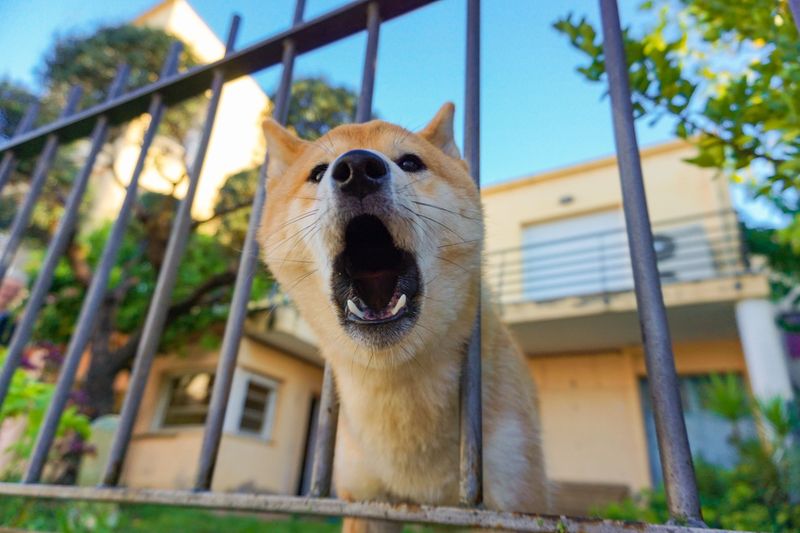
New sounds, new smells, new squirrels. Moving can turn a quiet dog into a chatty one for a while.
Many Texas cities treat ongoing barking as a nuisance. Complaints usually go to animal control or noise enforcement.
Rules about time of day and how complaints work vary by city.
Give your dog extra walks and puzzle toys during the adjustment. Saying hello to neighbors early builds goodwill if things get noisy.
13. Pack the Poop Bags Every Time
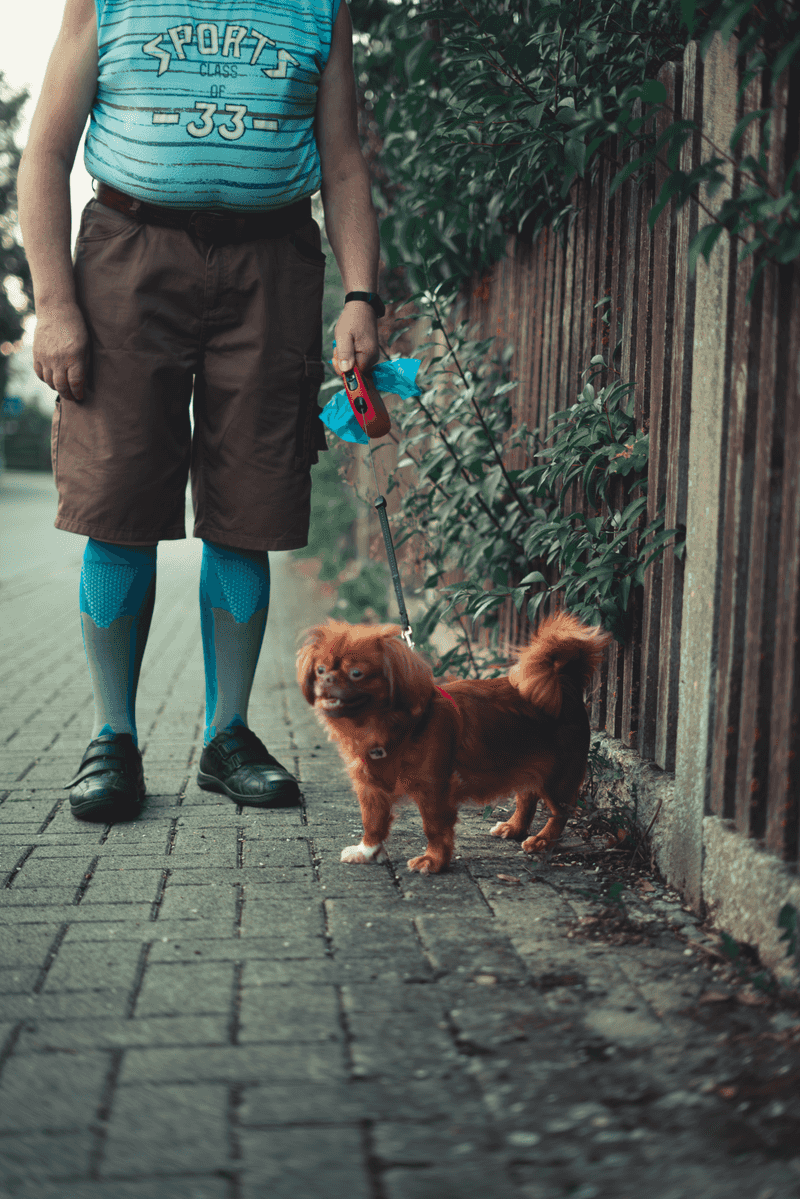
Nobody loves this chore, but neighbors notice who skips it. Most Texas cities require owners to pick up and properly dispose of dog waste.
Austin, Dallas, Houston, and San Antonio all have pickup rules. Houston even expects owners to carry bags while walking.
Fines vary by city.
Clip a bag holder to your leash so you never forget. Many parks also offer free bag stations near the trails.
14. Stay on Top of Yard Cleanup
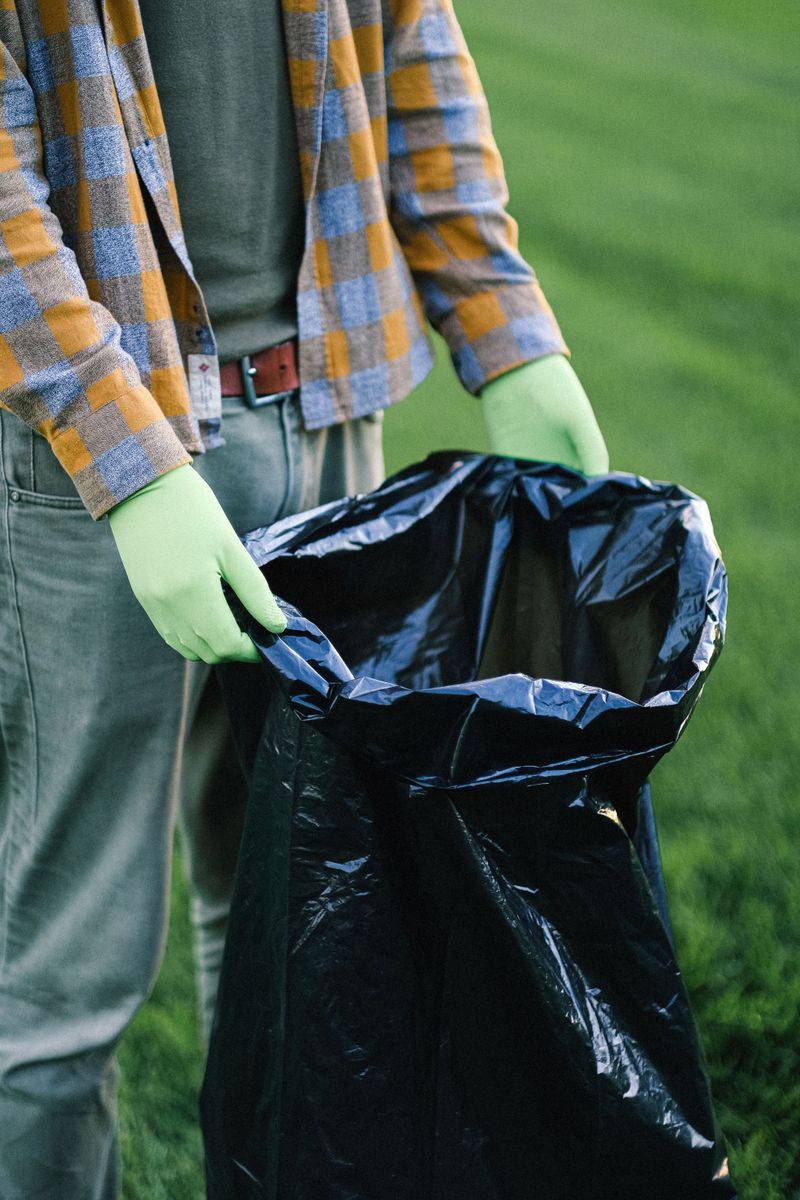
Your own yard has rules too. Waste that builds up and causes odors or attracts pests can be treated as a nuisance.
Texas health law addresses these conditions in general terms. Many cities spell out more specific cleanup expectations in local codes.
A quick daily scoop keeps everyone happy, including your dog. Regular cleanup also cuts down on flies and helps protect your pet from parasites.
15. Read the Signs at Parks and Fields
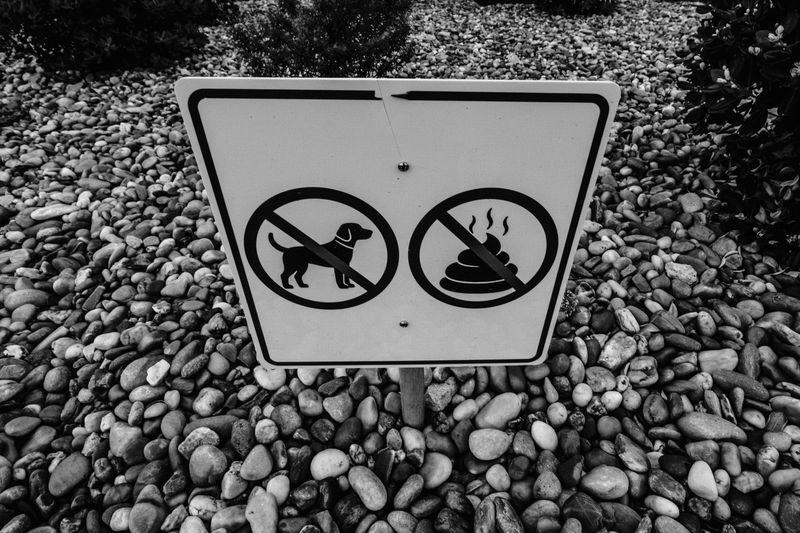
A city park looks open to everyone. Some parts of it may not welcome dogs, though.
Many Texas cities limit dogs on playgrounds, sports fields, or splash pads. Leash rules usually apply across most park land, as in Austin.
Policies can even change between parks in the same city.
Check your parks department website before visiting. Posted signs at entrances are the final word, so take a moment to read them.
16. Learn the Dangerous Dog Process
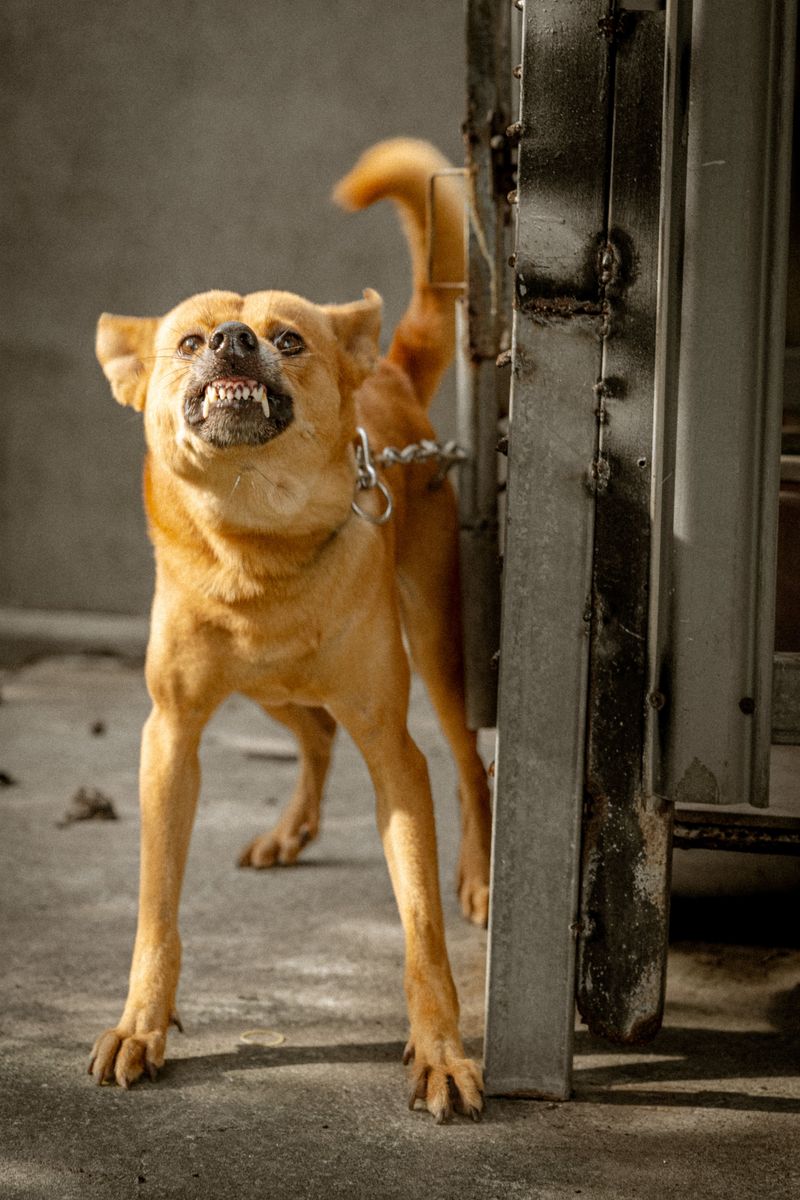
Most owners will never need this section. Still, understanding the process brings peace of mind.
Texas law lets authorities classify a dog as dangerous after certain unprovoked incidents outside a secure enclosure. Owners then have 30 days to comply.
Rules include registering the dog, secure restraint, and at least $100,000 in liability coverage.
Cities and counties can add requirements. If your dog carries this label, contact your new animal control before moving.
17. Know How Bite Reports and Quarantine Work
Even sweet dogs can nip when scared. Knowing the steps ahead of time keeps you calm if it happens.
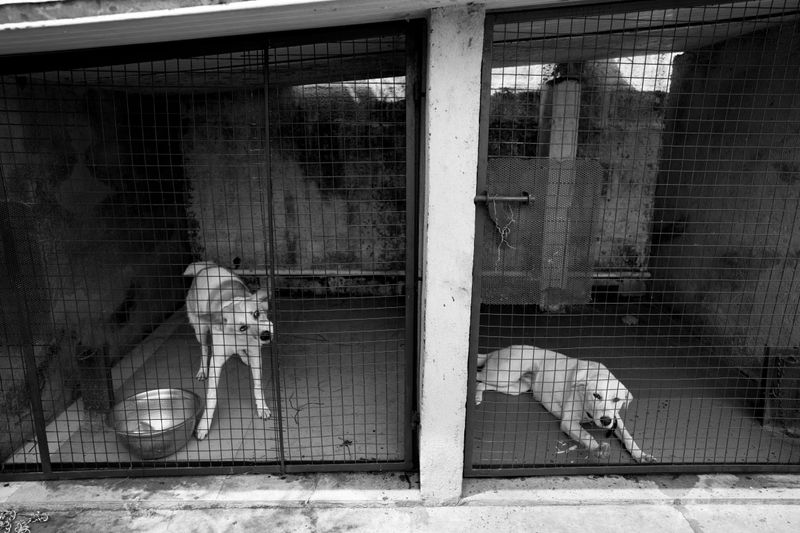
Texas requires anyone aware of a bite that could spread rabies to report it to the local rabies control authority. The dog is then usually placed in a rabies observation quarantine.
Where and how quarantine happens is set locally. Save your new animal control number in your phone today.
18. Check Shelter Holding Times and Fees
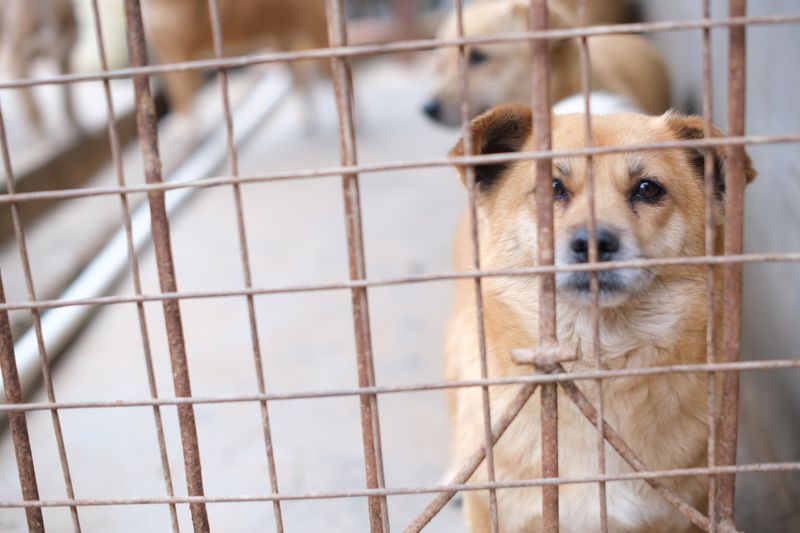
Imagine your dog slipping out during the move. Knowing the local shelter rules helps you act fast.
Holding periods for stray dogs are set by each city or county. Dogs with ID often get a longer hold.
Impound and boarding fees also differ by location.
Look up your nearest shelter now, before you ever need it. Bring your rabies certificate and photos when picking up a lost pet.
19. Rethink Car Waits and Truck Bed Rides
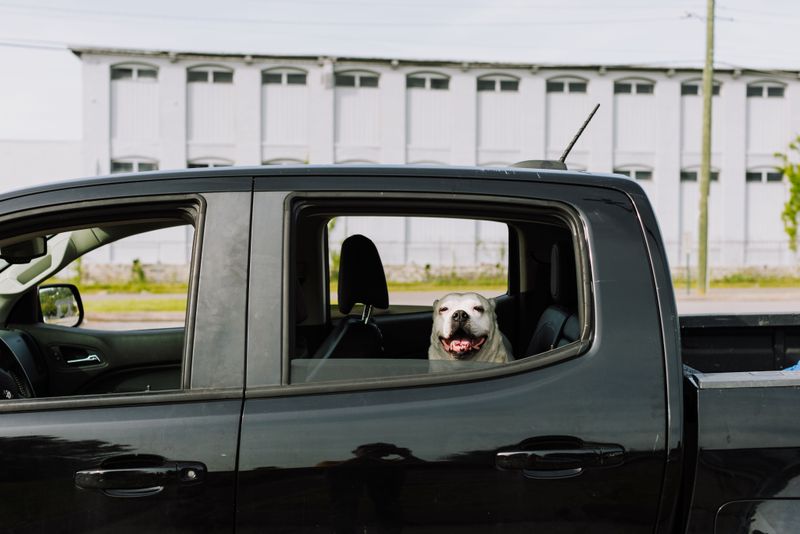
Quick errands feel harmless until the Texas sun hits a parked car. Interiors heat up very fast.
State law on hot cars and truck beds is limited. General cruelty laws still apply, and many cities have their own rules.
Some restrict leaving dogs in vehicles during risky weather. Others require secure restraint in pickup beds.
Safest plan? Keep your dog in the cab with a harness, or leave them home.
20. See If Your Setup Counts as a Kennel
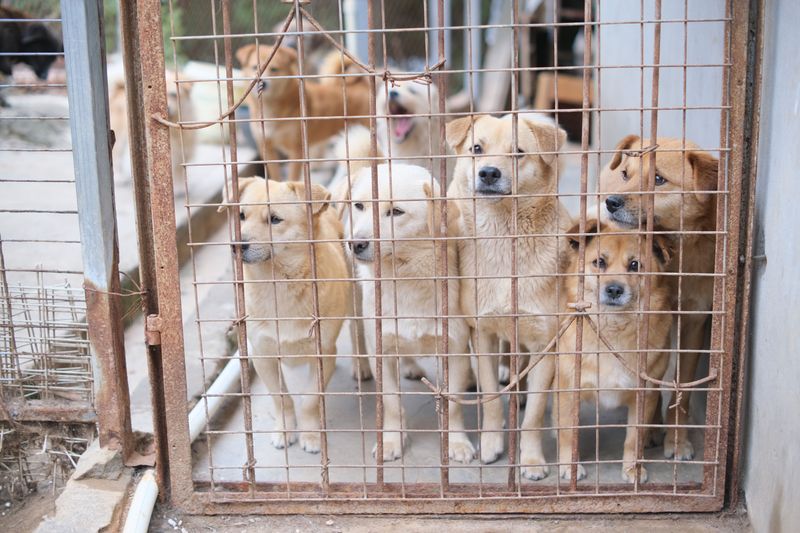
You do not need a business sign to be called a kennel. Some cities use that word for owners with several pets.
Little River Academy, for example, treats five or more animals on one lot as a kennel needing a permit. Other places use different numbers or none at all.
Commercial kennels usually need local permits and must meet space and sanitation standards. Ask your city before adding another furry family member.