20 Florida Lanai And Garage Storage Habits To Rethink Once A Curious Dog Moves In
Bringing a dog home is exciting, and Florida homes offer plenty to explore. Your lanai and garage probably hold pool supplies, yard products, and tools you barely think about.
A curious nose can find all of it fast. With a few simple storage changes, you can keep your new buddy safe and still enjoy these handy spaces.
Here is what every local dog owner should know.
1. Lock Up Pool Chemicals and Chlorine Tablets
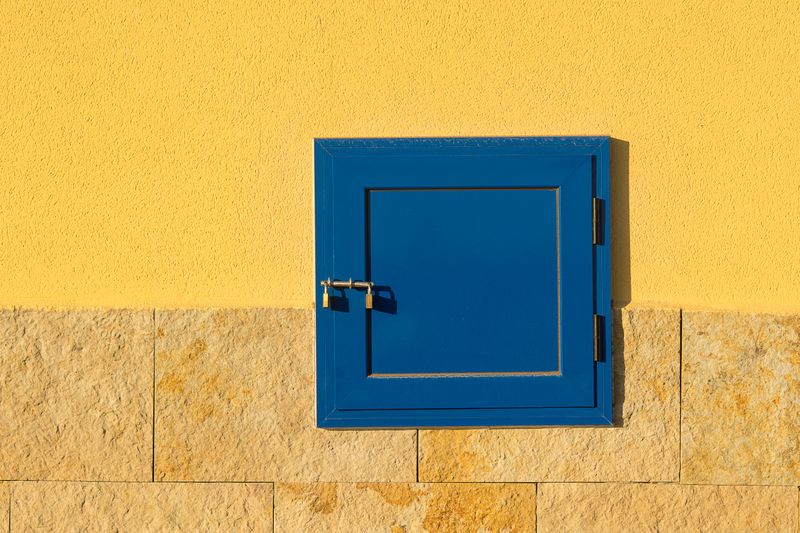
Chlorine tablets look a lot like chew toys to a bored dog. Undiluted pool chemicals are corrosive and can cause painful mouth sores, drooling, and vomiting.
Even dust from the packaging may trigger coughing or sneezing. Keep tablets, shock powder, and test kits in a locked cabinet up high.
After shocking the pool, keep your dog out until levels are safe. Your pool store can explain the waiting time for your product.
2. Move Yard Chemicals Off the Bottom Shelf
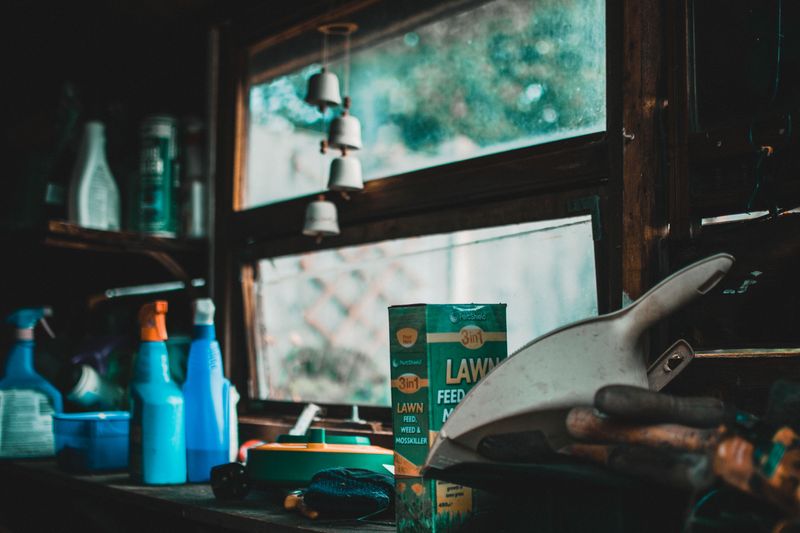
Low shelves are the perfect height for a sniffing snout. Fertilizers, pesticides, and weed-control products can cause vomiting, drooling, tremors, or sluggishness in dogs.
Signs may show up within minutes or hours. Move these products to high shelves or a locking cabinet.
Florida humidity can slow drying time on treated lawns. Follow the label and keep your pup off the grass until it is fully dry.
3. Seal Every Automotive Fluid Tightly
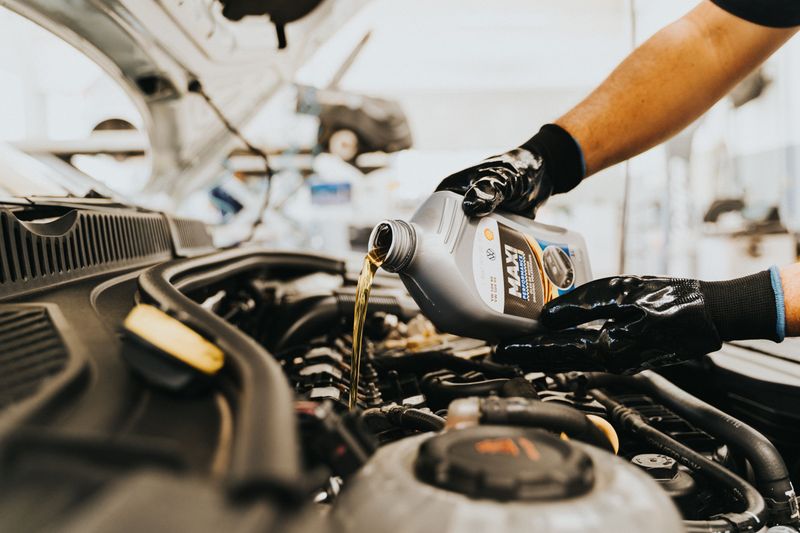
Antifreeze often has a sweet taste, and that makes it tempting to pets. Ethylene glycol is very toxic, even in small amounts.
Motor oil can upset the stomach and irritate skin. Store all fluids in tightly capped containers on high shelves or in locked cabinets.
Wipe up drips under the car right away. If you suspect your dog licked antifreeze, call your veterinarian immediately.
4. Hide Roach and Ant Baits Completely
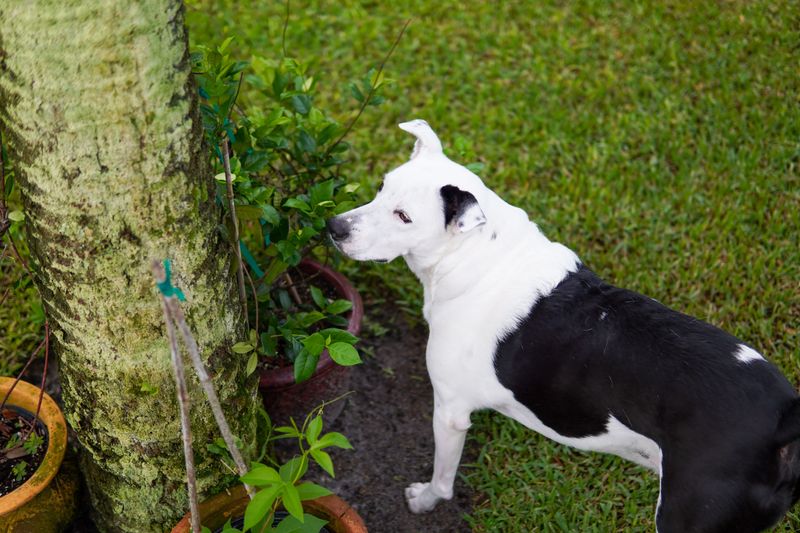
Florida bugs are relentless, so many homes keep baits everywhere. Dogs find those little stations fascinating.
Most gel baits need a large amount to cause serious harm. Still, the plastic housing can be a choking risk or cause a blockage.
Place baits in spots your dog cannot reach. Store extra insecticide sprays up high.
Ask your vet or pest pro about pet-friendlier options for your lanai.
5. Secure Gasoline, Thinners, and Solvents
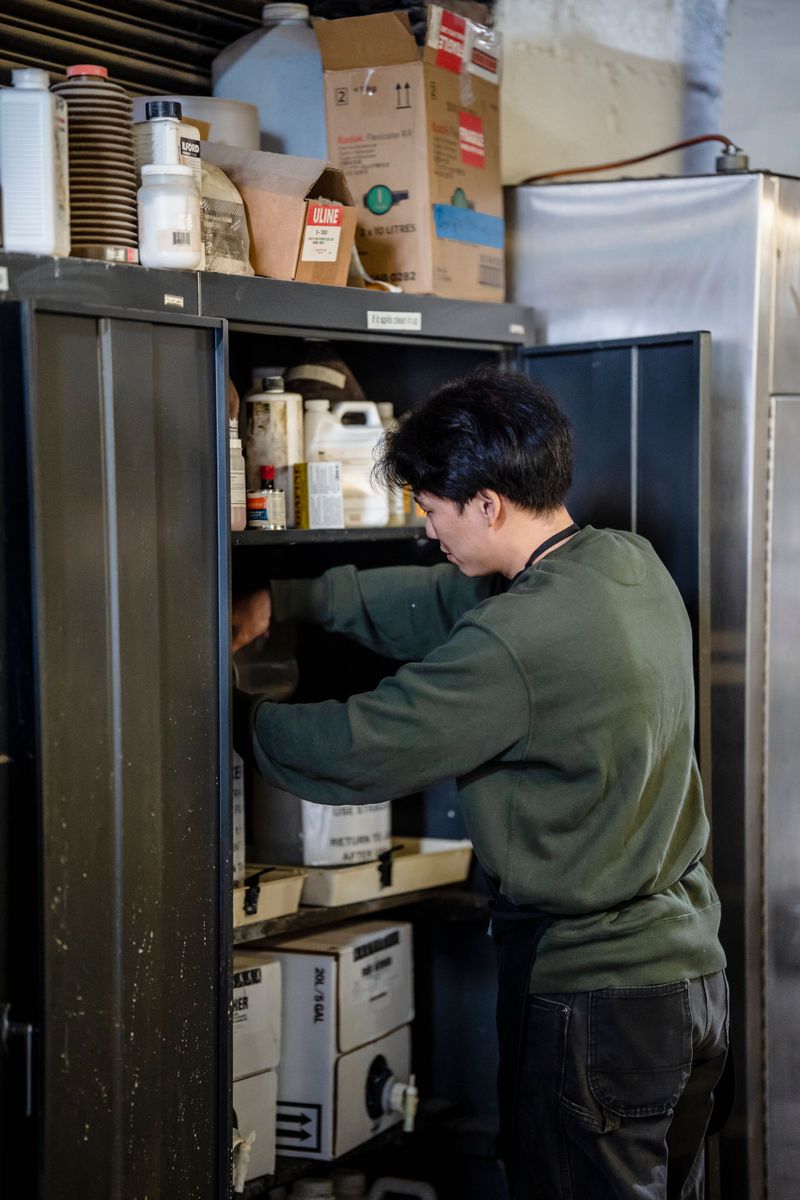
Gas cans for the mower often sit right on the garage floor. That habit deserves a second look.
Gasoline, paint thinner, and solvents can burn a dog’s mouth and stomach. Fumes may cause wobbliness or drowsiness.
Keep these liquids in original, sealed containers inside a locked, ventilated cabinet. Never try to make your dog vomit after exposure.
Call your veterinarian or a pet poison line first.
6. Hang Up Sharp Garden Tools
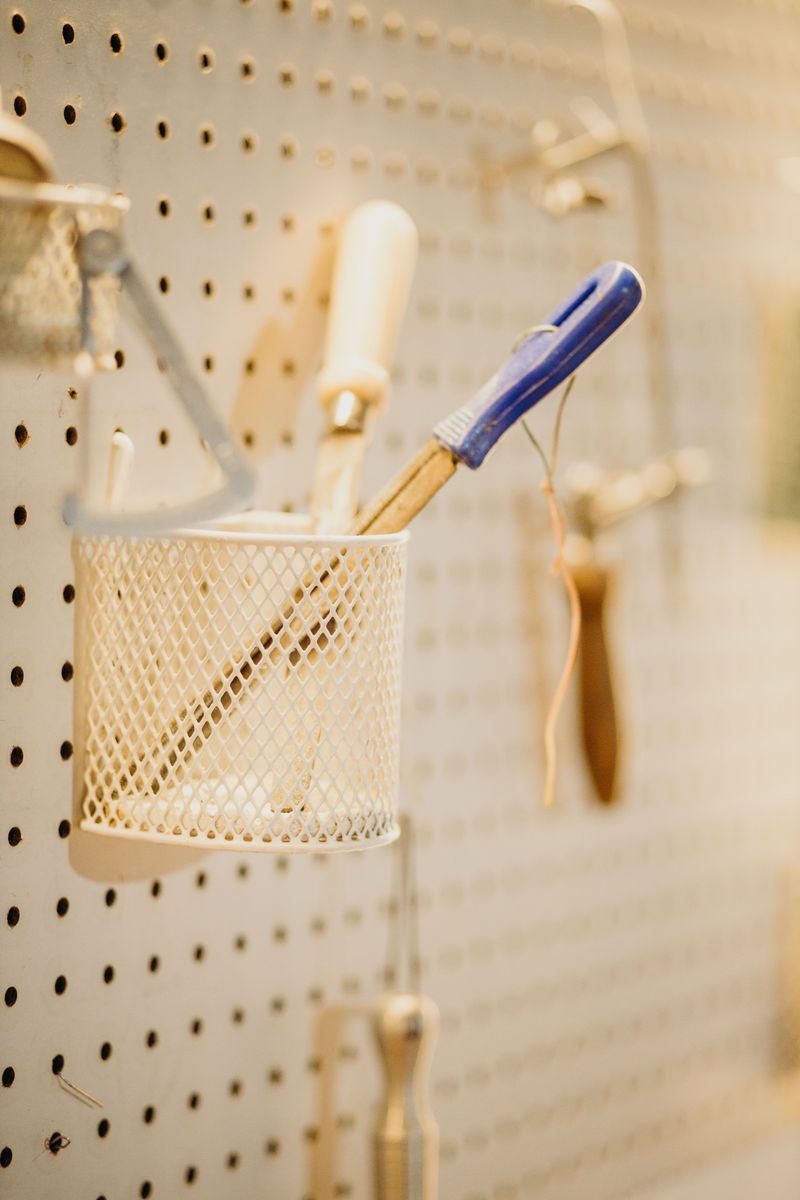
A rake left tines-up is a classic cartoon gag. For a playful dog, it is no joke.
Pruners, shovels, and hoes can cause cuts or bruises if stepped on or knocked over. A wall rack or pegboard keeps blades off the floor.
Prop long handles so they cannot tip. A quick sweep of the yard after gardening also catches tools you forgot.
7. Gather Loose Screws and Nails
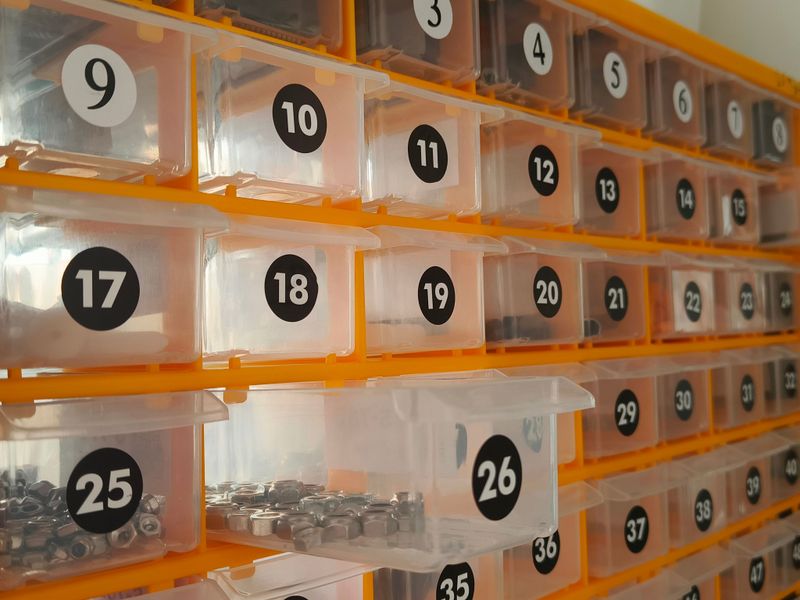
Ever dropped a screw and lost it forever? Your dog may find it first.
Small hardware can be swallowed, causing choking, blockages, or internal injury. Sharp nails are especially worrisome.
Use lidded organizer bins and keep them on a workbench or high shelf. After projects, run a magnetic sweeper across the floor.
It grabs stray metal bits in seconds and makes cleanup almost fun.
8. Close Off Soil, Mulch, and Compost
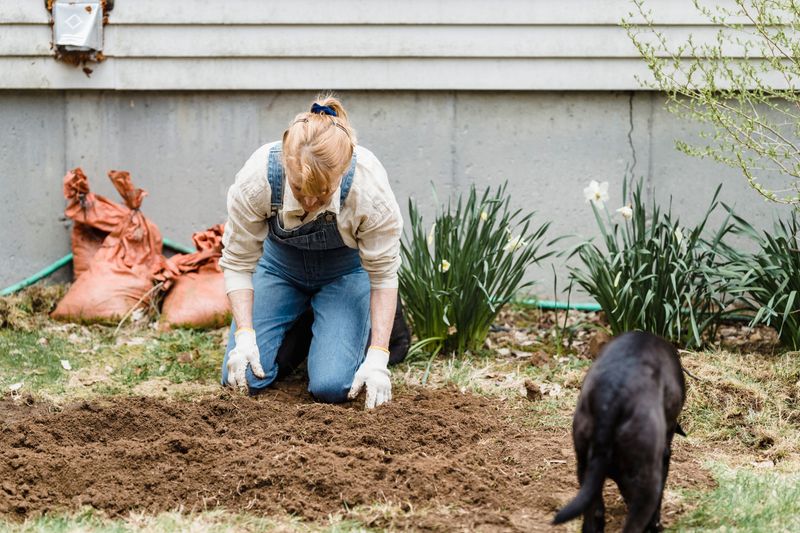
Dogs love to dig, and an open soil bag feels like an invitation. Some materials are risky, though.
Cocoa mulch contains theobromine, the same compound in chocolate. Moldy compost may hold toxins that cause tremors.
Pick pet-friendlier mulches like pine or untreated wood chips. Keep compost in a closed bin.
Store soil bags off the floor, or in a sealed tote.
9. Rethink Toxic Potted Plants
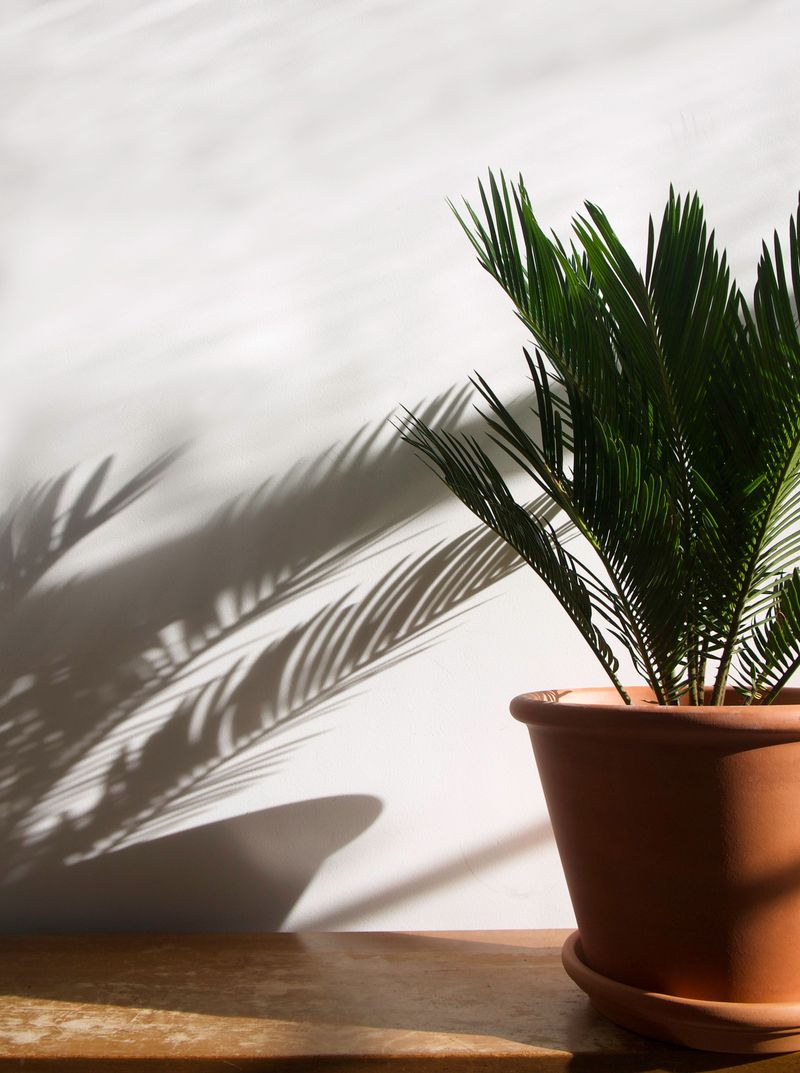
Sago palms are everywhere in Florida, and they are among the most dangerous plants for dogs. Every part is toxic, especially the seeds.
Oleander, lantana, and azaleas are also concerns. Pothos and philodendron can cause mouth pain and drooling.
Consider swapping in Boston ferns, spider plants, or parlor palms. When unsure, check the ASPCA toxic plant list before buying.
10. Stash Pool Floats and Inflatables
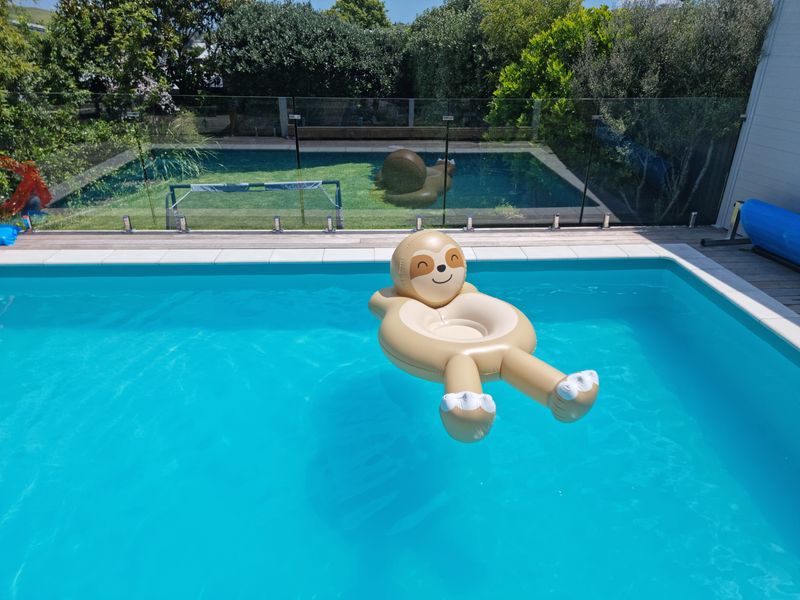
To a chewer, a deflated pool float is basically a giant squeaky toy. Sadly, swallowed plastic or rubber pieces can cause stomach upset or blockages.
Some blockages need surgery to fix. Store floats, noodles, and pool toys in a closed deck box after swimming.
If your dog loves the water, offer sturdy toys made for dogs. They hold up better and keep the fun going.
11. Lock the Tackle Box
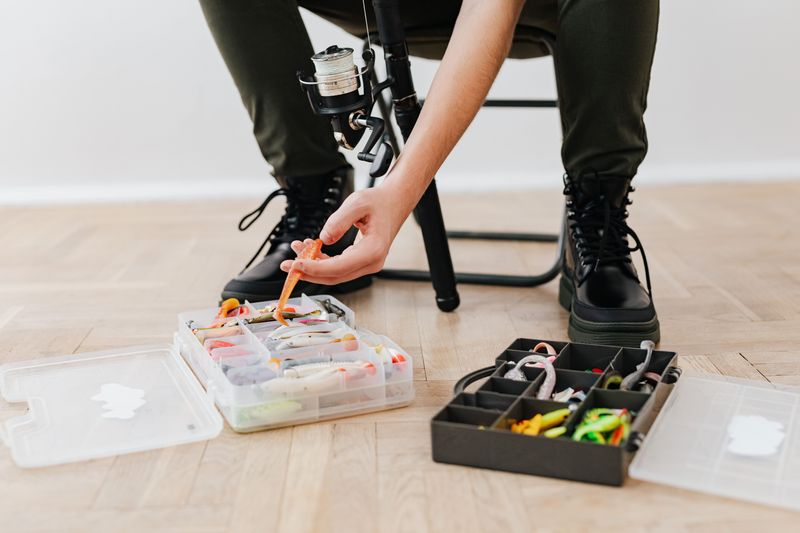
Fishing is part of Florida life, and bait smells irresistible to dogs. That combination can lead to hooked lips or swallowed lures.
Watch for drooling, pawing at the face, or gagging. Never pull a swallowed hook or try to make your dog vomit.
Head to your vet promptly instead. Keep tackle and bait in a latched box, and toss used line in a covered can.
12. Raise Cleaning Supplies and Detergents
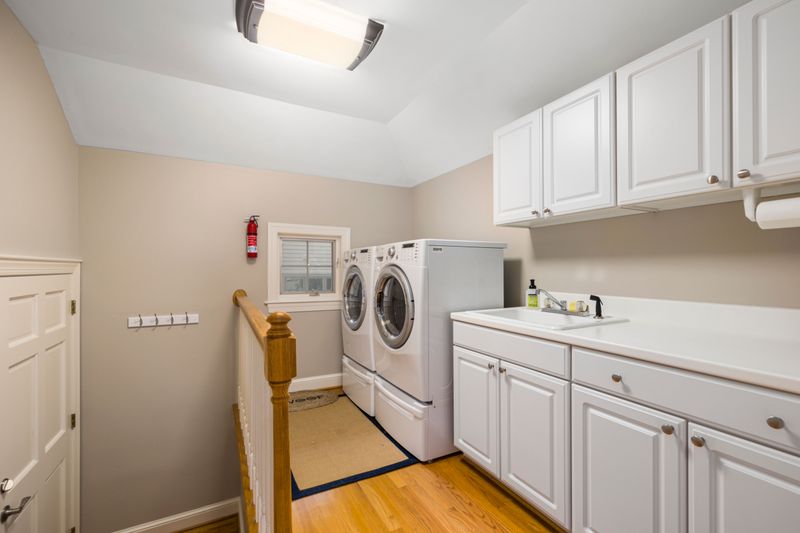
Many Florida homes have the laundry setup in the garage. That puts detergents right at nose level.
Laundry pods and concentrated cleaners can irritate the mouth, eyes, and airways. Symptoms include drooling, vomiting, and coughing.
Move supplies to high shelves or add childproof latches to lower cabinets. After mopping, let floors dry before your dog walks through.
Rinse paws if they get wet.
13. Upgrade to Dog-Proof Trash Bins
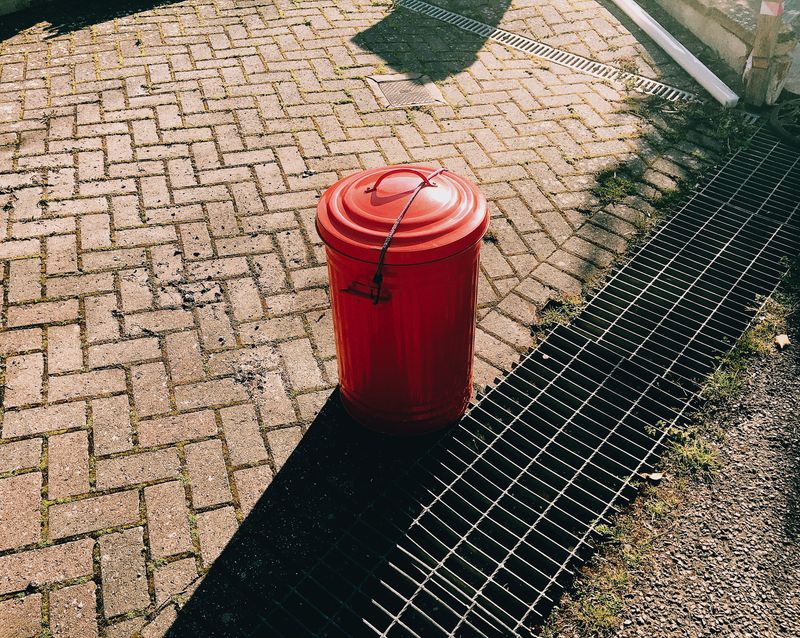
A garbage can is a buffet in a dog’s eyes. Unfortunately, trash often holds spoiled food, cooked bones, grapes, onions, or xylitol gum.
Any of those can make a dog sick. Plastic packaging also poses a choking or breathing risk.
Choose a can with a locking lid. In the garage, a strap or cabinet latch helps.
Heat speeds spoilage here, so empty bins often.
14. Cover Cords and Chargers
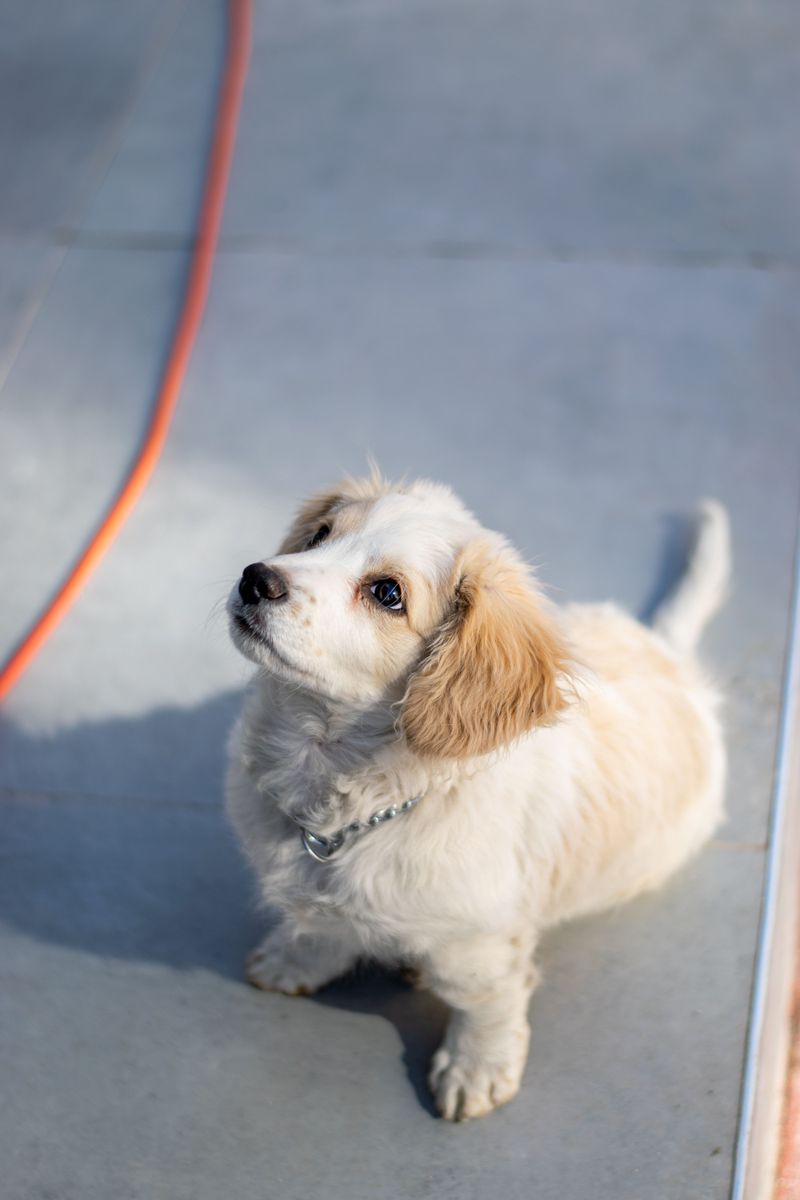
Puppies explore with their teeth, and cords are easy targets. Chewing a live wire can cause mouth burns and breathing trouble.
If it ever happens, unplug the power before touching your dog. Then call your vet right away.
Wrap cords in tough plastic covers. Unplug chargers when not in use.
A bitter-tasting deterrent spray can also discourage teething pups from nibbling.
15. Keep Rodent Bait Far Away
Rats and mice like garages, especially in rainy season. Rodent poison works by being tasty, which also attracts dogs.
Some poisons affect blood clotting, while others affect the nervous system. Snap traps can pinch noses or paws.
Use enclosed stations placed where dogs cannot reach, or hire a pro. Save the product package.
It helps your vet act fast if exposure happens.
16. Dump Standing Water Daily
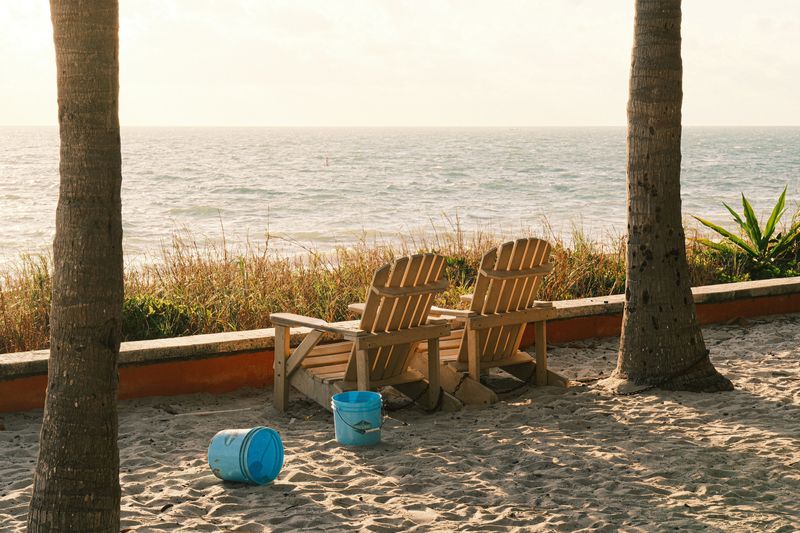
Afternoon storms leave buckets brimming on many lanais. Small puppies or older dogs could tip in and struggle to climb out.
Standing water also breeds mosquitoes. In Florida, mosquitoes spread heartworm, a serious condition for dogs.
Flip buckets upside down and empty saucers after rain. Keep fresh drinking water out instead.
Talk to your vet about year-round heartworm prevention.
17. Store Lawn Equipment Safely
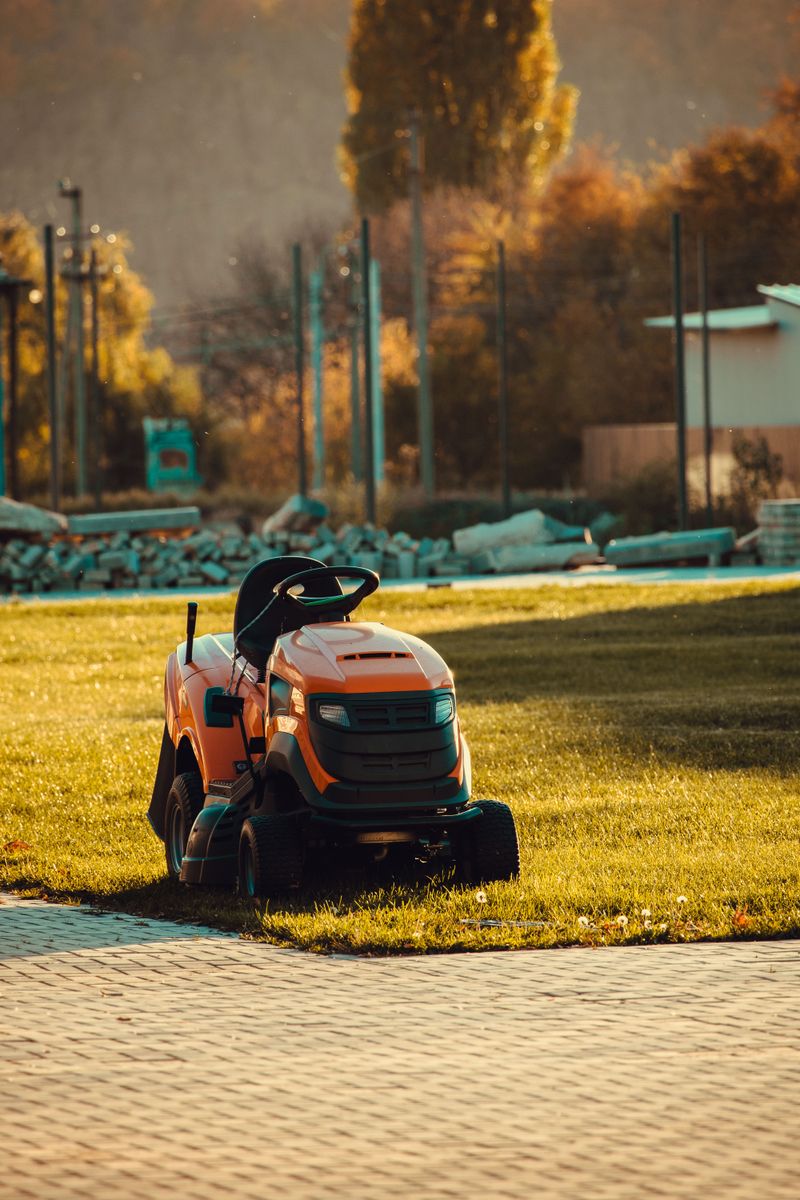
Mowers, trimmers, and hedge clippers are built to cut. A curious dog does not understand that.
Blades and moving parts can cause injuries, and wet cords near sprinklers add electrical risk. Store equipment in a closed shed or garage corner.
Unplug power tools, cover blades, and remove batteries. Keep your dog inside while you mow.
Flying debris can startle or hurt pets.
18. Seal Up Food, Treats, and Birdseed
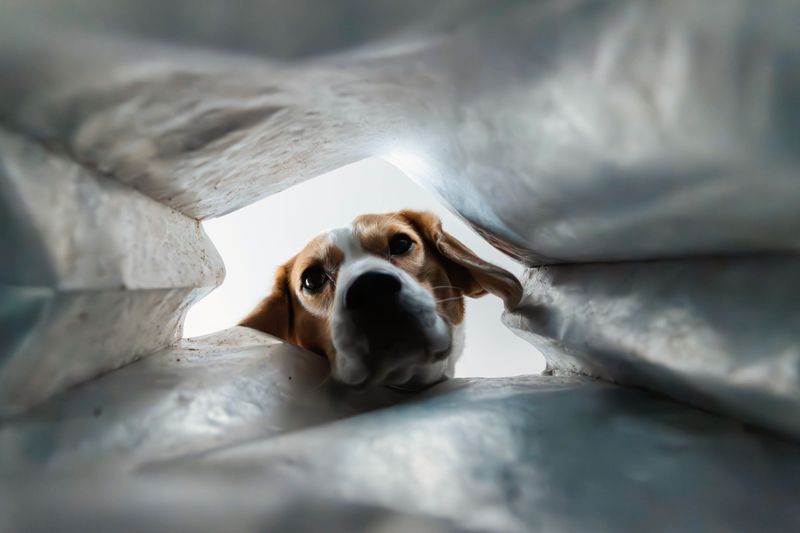
Here is a funny truth: dogs can open more containers than you think. Paper bags of kibble or birdseed are easy work.
Overeating can upset stomachs, and fatty food may trigger pancreatitis. Moldy wildlife feed can also cause illness.
Use airtight, latching bins. Florida humidity encourages mold, so sealed containers keep food fresher too.
Store snacks with chocolate or xylitol well out of reach.
19. Steady Those Stacked Boxes
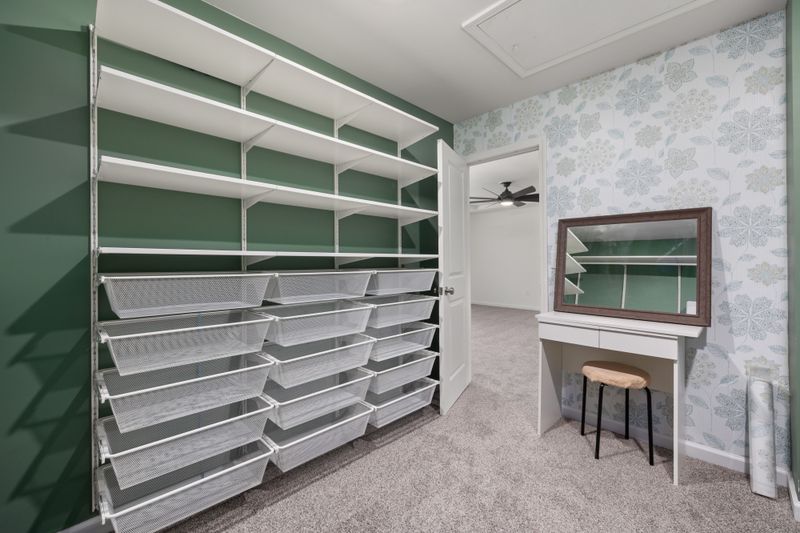
Picture a tall tower of holiday bins. Now picture a dog chasing a lizard right into it.
Wobbly stacks can topple and cause bruises or worse. Sturdy shelving anchored to the wall keeps heavy items stable.
Put the heaviest boxes on bottom shelves. Keep walkways clear so your dog can move freely.
A tidy garage is easier to search during hurricane prep, too.
20. Secure Doors, Screens, and Pool Gates
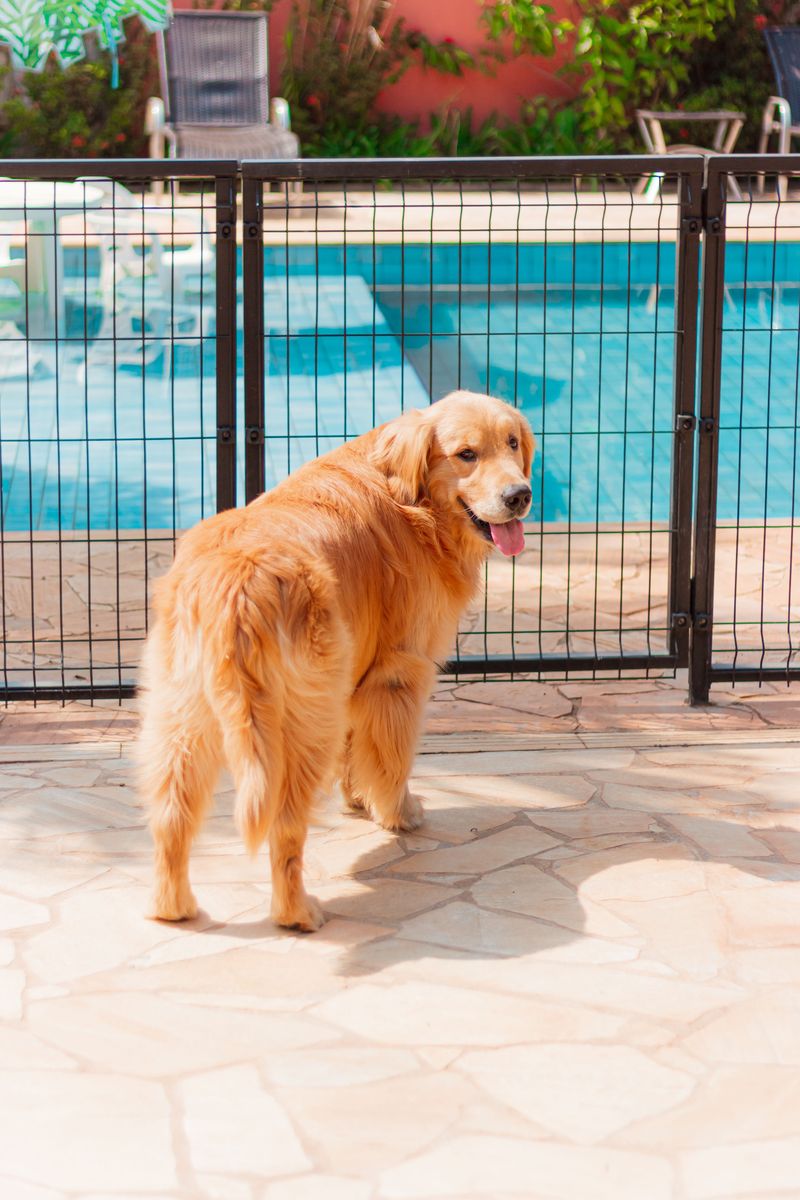
An open garage door is a doorway to traffic. Torn lanai screens offer easy escape routes, too.
Florida law requires certain safety features for new residential pools, often including barriers with self-latching gates. Rules focus on children and can vary, so check with your local building department.
A removable mesh pool fence adds protection for dogs. Patch screens quickly and test gate latches every month.