17 Ohio Dog Expenses Owners Underestimate Once Winter Gear, Grooming, And Yard Care Add Up
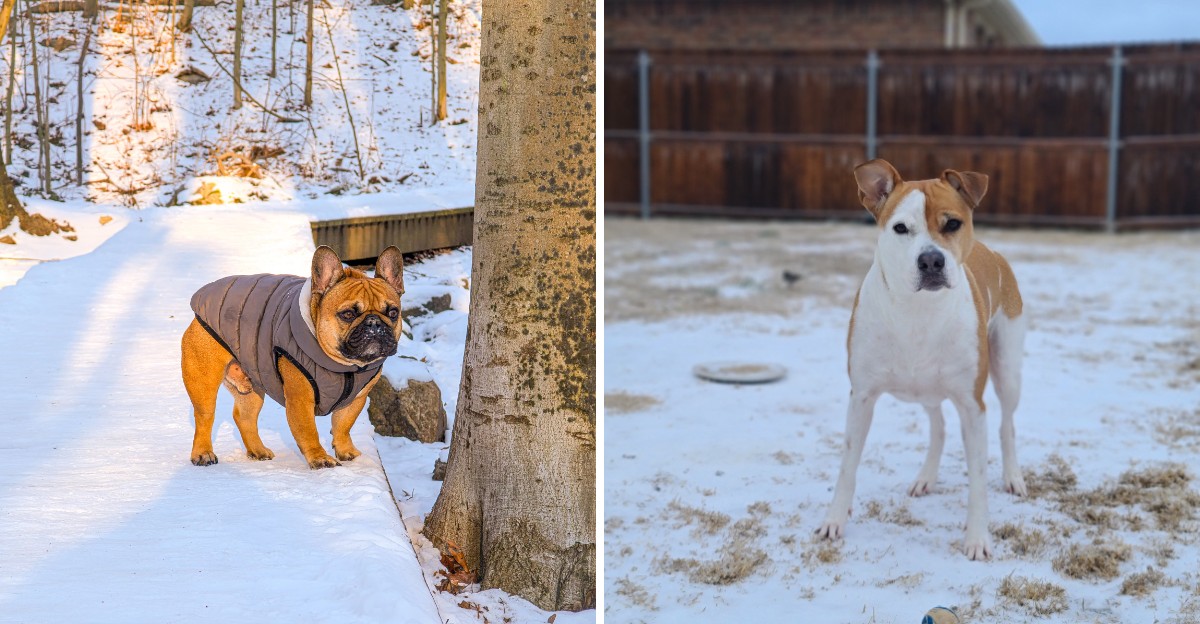
Ohio winters can turn a simple dog budget into a collection of small, steady expenses. Between snowy walks, muddy yards, and extra laundry, you may spend more than you planned.
A little preparation helps you decide what your dog actually needs and where you can save. Here are the costs worth planning for, without buying every winter product on the shelf.
1. Winter Coats And Jackets May Need Replacing More Often Than Expected
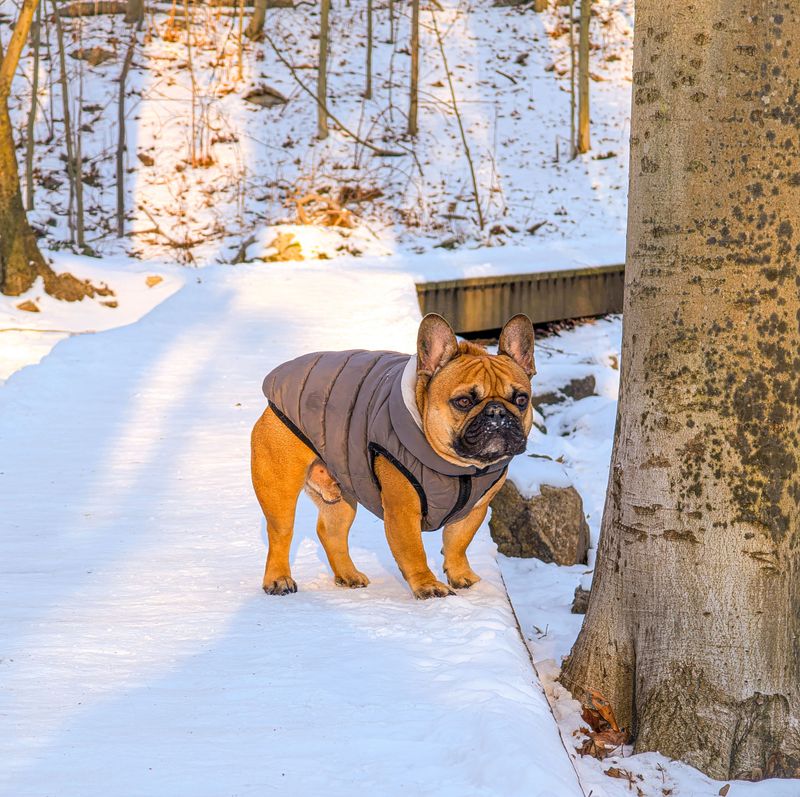
A coat that fit last January might feel snug before the next snowfall arrives. Puppies grow, body shapes change, and worn closures stop holding during busy walks.
Measure your dog’s chest and back before shopping, rather than trusting familiar size labels.
Shorthaired dogs may need warmth that thick coated dogs can manage without. Ask your veterinarian about individual needs.
Keep one washable backup if possible, and inspect seams before replacing an otherwise useful winter jacket unnecessarily.
2. Waterproof Boots And Paw Protection Add Another Expense
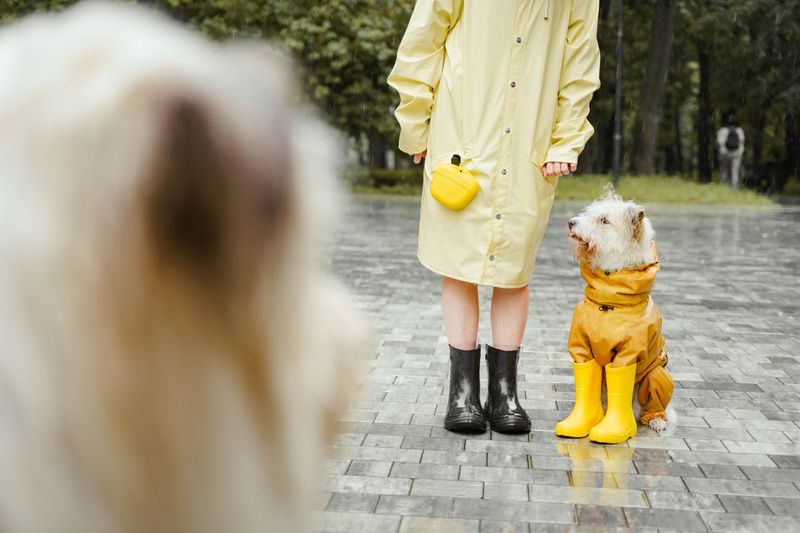
One missing boot can turn a useful purchase into another shopping trip. Good footwear needs secure straps, suitable traction, and enough room for paws to spread.
Measure each paw, since front and back sizes may differ.
Practice indoors with brief sessions and rewards before heading onto snowy Ohio sidewalks. Check for rubbing after every outing.
Compare replacement options before buying, because some brands sell individual boots while others require purchasing a complete new matching set again.
3. Paw Balm And Salt Removal Products Become Regular Purchases
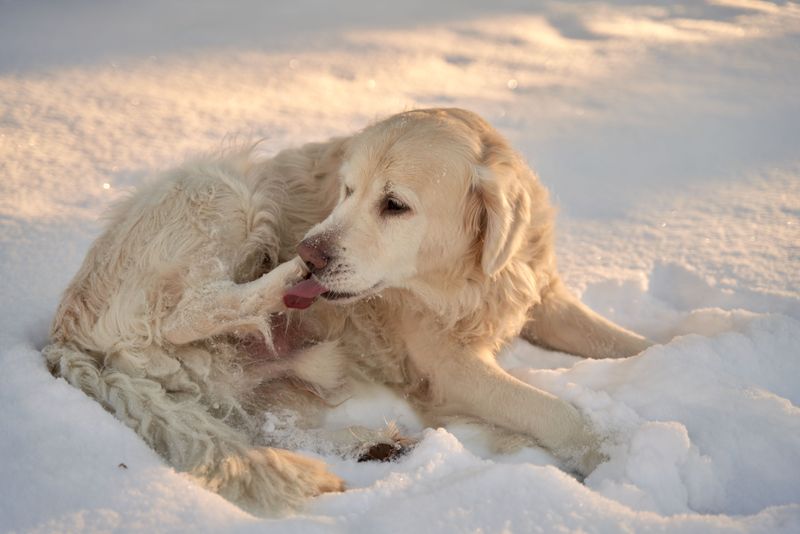
Salty sidewalks can follow your dog straight through the front door. A simple paw cleaning station helps remove residue before licking begins.
Keep lukewarm water and soft towels near your usual entrance.
Dog paw balm may help protect pads, but it does not replace cleaning or suitable footwear. Choose products intended for dogs and follow label directions.
Budget for replacements, while remembering that plain water often handles routine salt removal without special cleaners or disposable wipes.
4. Winter Grooming Appointments Can Cost More Than Usual
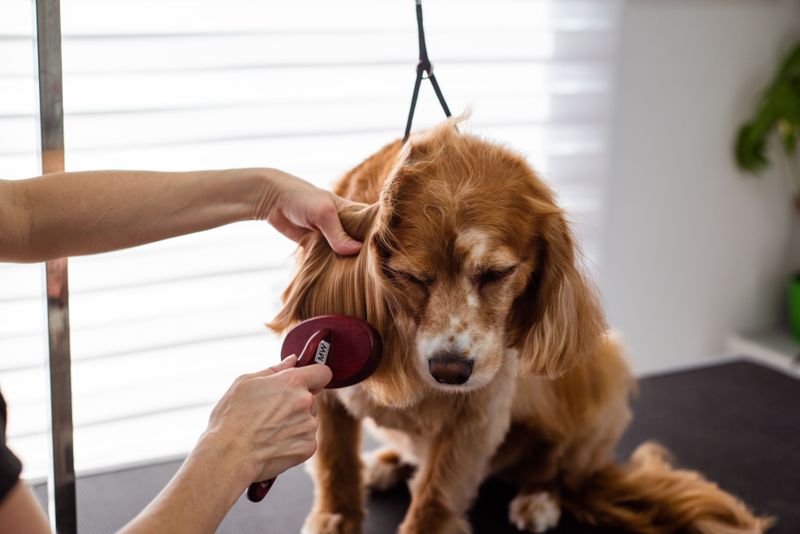
Tangles hide easily beneath a fluffy coat and a snug winter jacket. When brushing falls behind, appointments may take longer and cost more.
Ask your groomer whether the estimate includes brushing, drying, and any extra coat work.
Regular home care can reduce surprises, especially around legs, armpits, and collar areas. Never cut tight mats with scissors near skin.
Discuss a manageable winter trim instead of assuming every dog needs its longest possible coat throughout the season.
5. Muddy Paws Mean More Baths And Cleaning Supplies
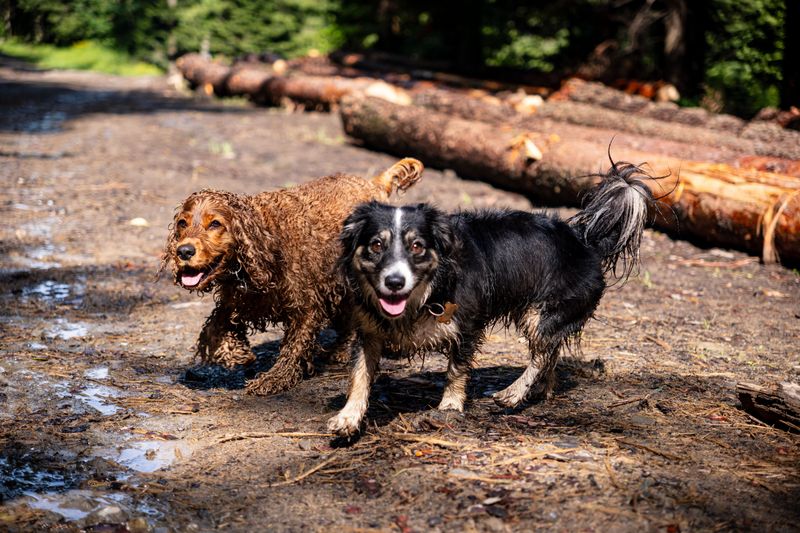
Ohio’s winter thaws can turn a quick backyard break into a muddy homecoming. Towels, washable mats, and dog shampoo become regular household purchases.
Set up a cleanup spot before your dog reaches carpets or furniture.
Often, rinsing dirty feet and legs is enough between full baths. Frequent shampooing may irritate some dogs, so ask your veterinarian about a suitable schedule.
Wash reusable cloths together, and choose cleaning products according to their labels and pet safety directions.
6. Nail Trims Still Matter When Outdoor Walks Become Shorter
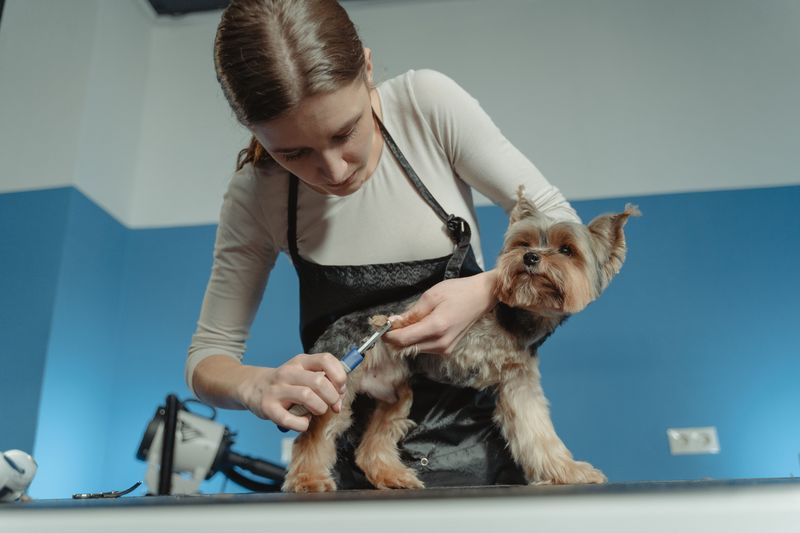
Less pavement time may mean less natural nail wear during colder months. Long nails can affect comfort and traction, especially on smooth indoor floors.
Add routine trims to your budget rather than waiting for obvious trouble.
A groomer or veterinary team can demonstrate safe handling and suitable tools. If your dog dislikes trimming, short practice sessions with rewards may help.
Avoid cutting unfamiliar nails too closely, and ask about appointment costs before choosing an ongoing schedule.
7. Heated Beds And Extra Blankets Can Raise Household Costs
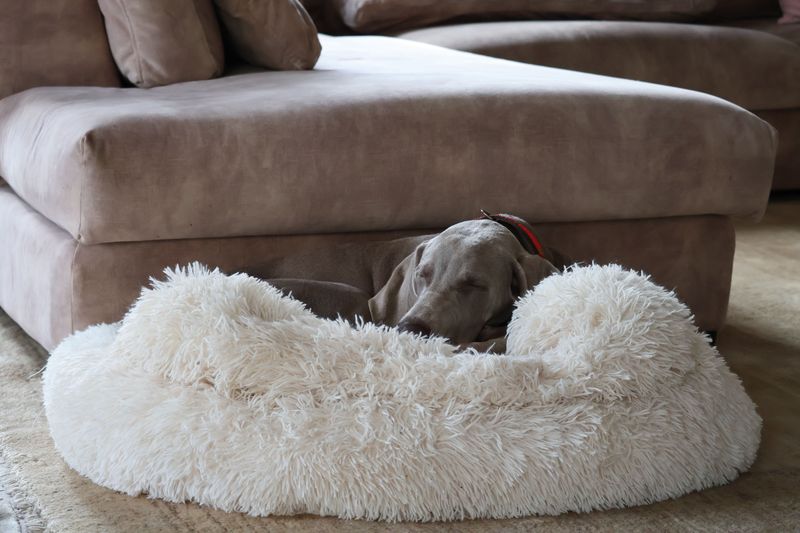
A drafty sleeping corner can make an older dog’s bed less inviting. Start by moving bedding away from cold doors and adding washable blankets.
Many dogs need no powered heating product at all.
If your veterinarian recommends extra warmth, choose equipment specifically designed for pets. Follow instructions about supervision, cords, and placement.
Purchase price is only part of the expense, since electricity and replacement covers also count. Avoid household heating pads unless your veterinarian specifically approves.
8. Indoor Enrichment Toys Help Replace Lost Outdoor Activity
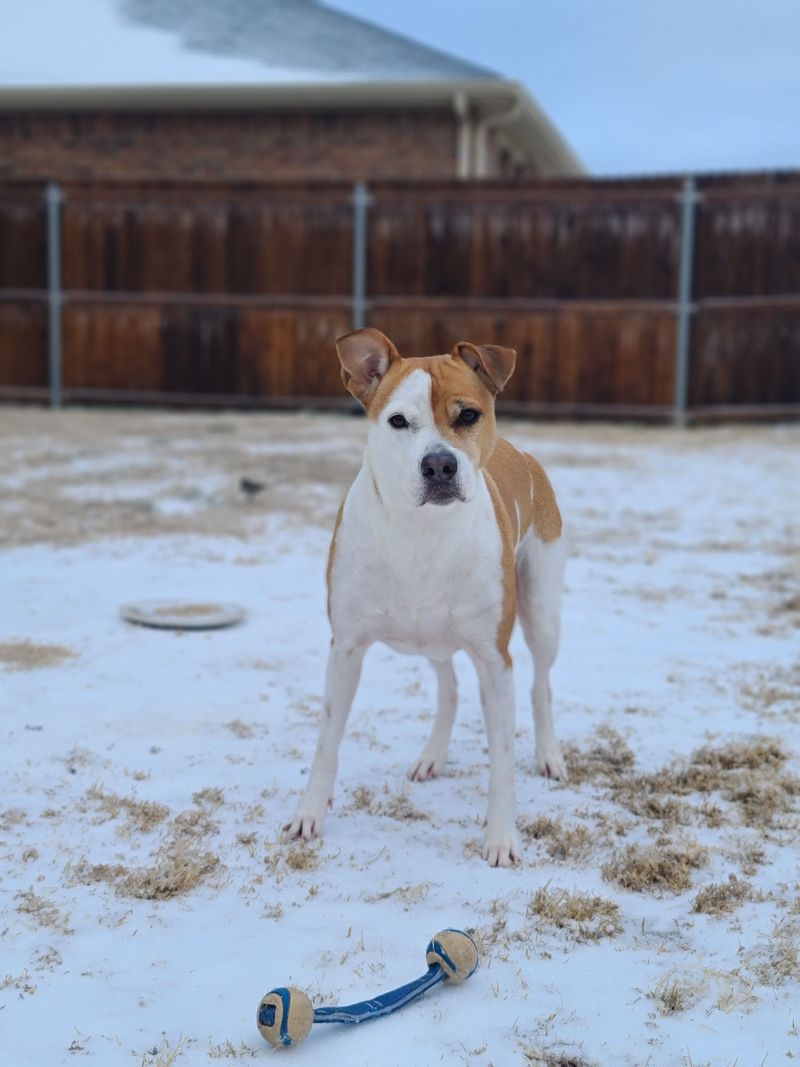
Cabin fever can show up as pacing, barking, or stolen socks. Food puzzles and short training games give dogs something useful to do indoors.
They supplement exercise rather than fully replacing walks and bathroom breaks.
Start with one sturdy toy suited to your dog’s size and chewing habits. Rotate existing toys instead of buying something every week.
Use part of regular meals for food games, and supervise new activities to catch damage before pieces come loose.
9. Winter Bedding Needs More Frequent Washing
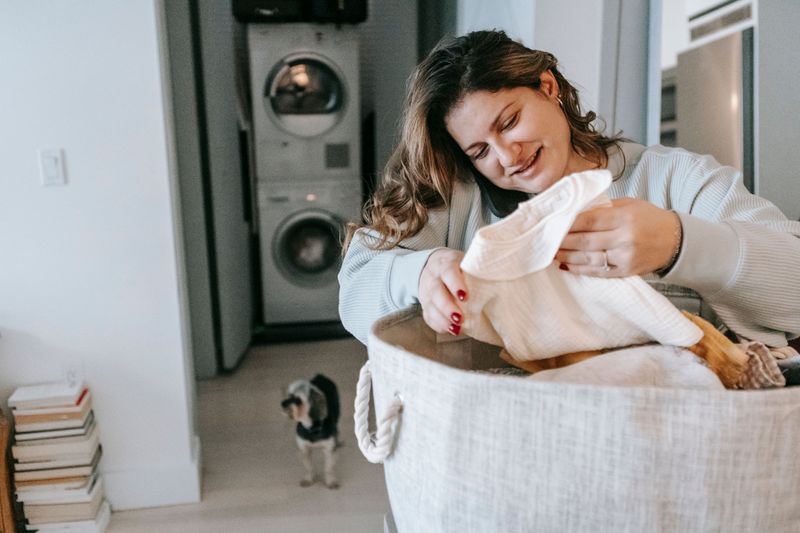
That fresh blanket may collect wet fur again before the day ends. Extra laundry adds detergent, water, energy, and wear on bedding.
Removable covers usually make cleanup easier than washing an entire bulky bed.
Check care labels before using hot water or high dryer settings. Dry bedding fully before returning it to your dog’s sleeping area.
Keeping a spare cover prevents rushed laundry loads and gives you flexibility when slush, accidents, or damp coats create messes.
10. Yard Mud And Drainage Problems Can Lead To Unexpected Spending
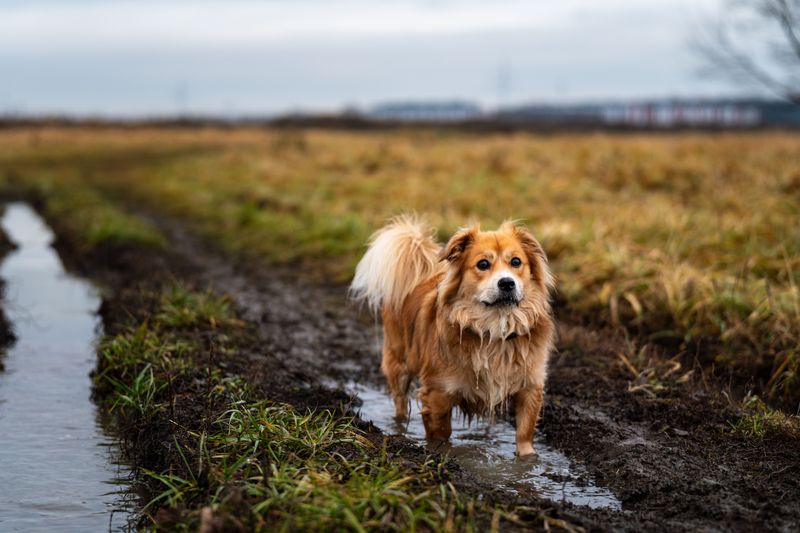
A worn path beside the back door often becomes winter’s muddiest spot. Repeated traffic and melting snow can reveal drainage problems that summer grass hides.
Temporary barriers may protect soft areas while you plan repairs.
Price drainage work carefully, and check local requirements before changing where water flows. Avoid sending runoff toward neighboring property.
Ask a qualified contractor about persistent pooling, and choose dog friendly surfaces that provide stable footing without sharp edges or loose swallowing hazards.
11. Fencing Repairs Become Important When Winter Weather Hits
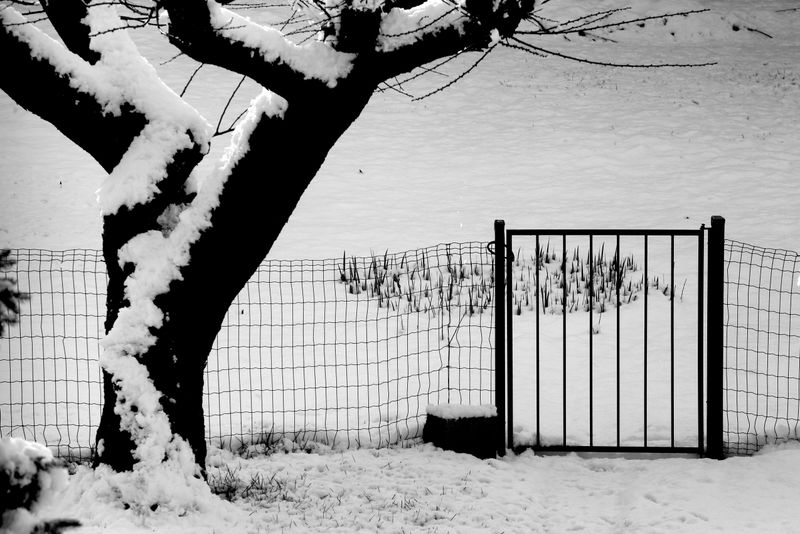
Frozen ground, wind, and heavy branches can expose weak spots in a fence. A gate that latched yesterday may stop closing properly after shifting weather.
Walk the boundary regularly, especially following storms or sudden thaws.
Set aside money for hardware, loose boards, and professional repairs when needed. Snow piled beside fencing can reduce its effective height.
Supervise outdoor breaks until problems are fixed, and use a leash rather than trusting a damaged gate to hold securely.
12. Snow Removal Around Dog Potty Areas Takes Extra Work
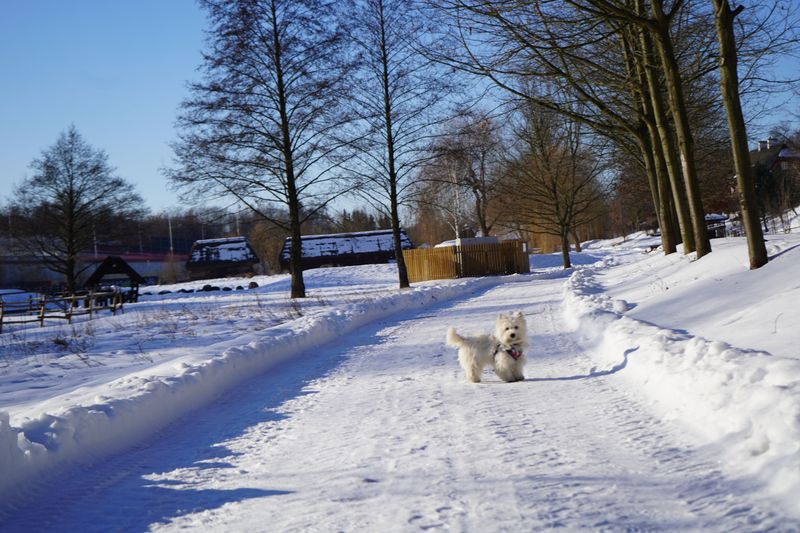
Deep snow can make a familiar bathroom spot hard for small dogs to reach. Clearing a short path saves effort during repeated outdoor trips.
Include a stable standing area, not just a narrow channel through drifts.
Your budget may need a better shovel, traction supplies, or occasional hired help. Take breaks and work within your physical limits.
Keep shoveled piles away from gates, and check the cleared route for refrozen patches before each outing with your dog.
13. Pet-Safe Ice Melt Often Costs More Than Standard Products
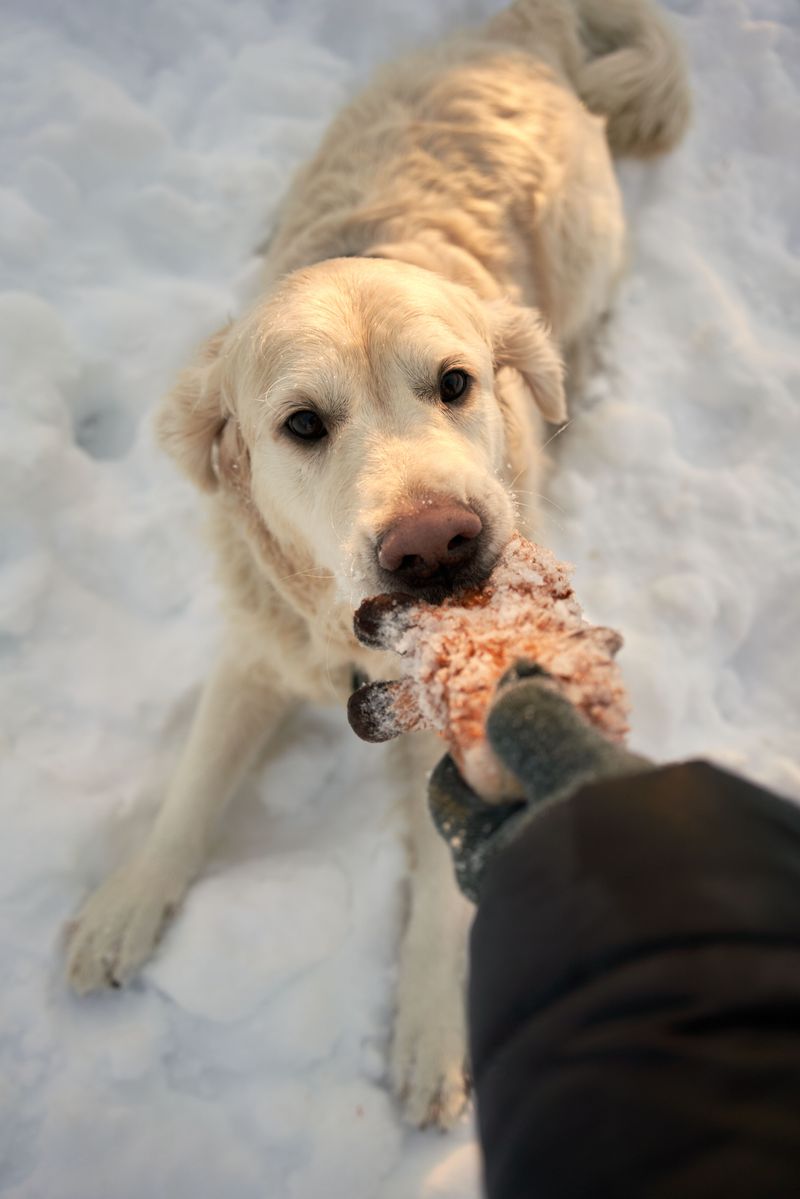
A “pet-safe” label does not mean an ice melt product is completely harmless to every dog. Some formulations can still irritate paws or cause problems if ingested, so follow the product directions, keep your dog away from treated areas until it is safe to return, and prevent licking.
Compare ingredients and follow application directions instead of relying on packaging alone.
Shoveling promptly can reduce how much product you need. Store bags securely, prevent licking, and rinse paws after treated walks.
For uncertain ingredients or suspected ingestion, contact your veterinarian promptly rather than assuming a pet label guarantees complete safety.
14. Winter Paw And Skin Problems May Require Veterinary Visits
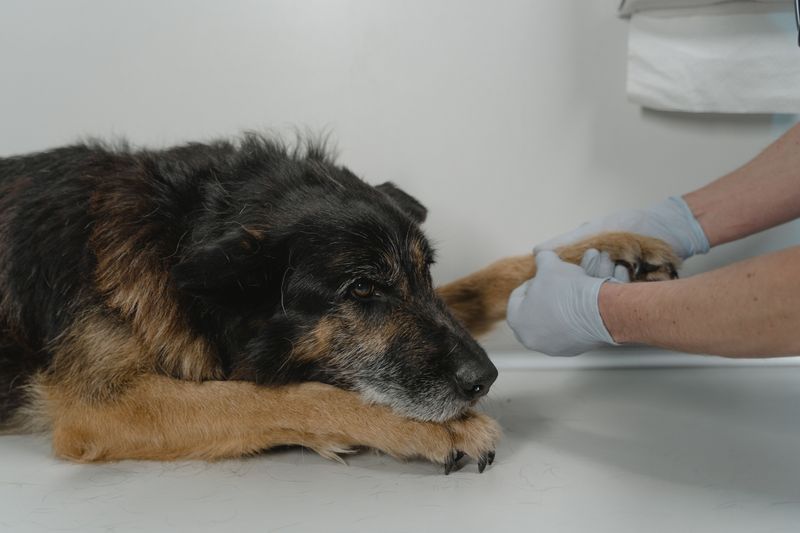
Repeated licking deserves attention, even when a paw looks mostly normal. Dry indoor air, road residue, and trapped moisture may contribute to irritation.
Veterinary care costs can include an examination, testing, and treatment when appropriate.
Check between toes after walks and dry damp feet gently. Contact your clinic about limping, swelling, discharge, or discomfort that continues.
Avoid applying human creams without guidance, since ingredients may be unsuitable when licked. Early advice can help prevent unnecessary product purchases.
15. Flea And Tick Prevention Should Not Disappear From The Budget
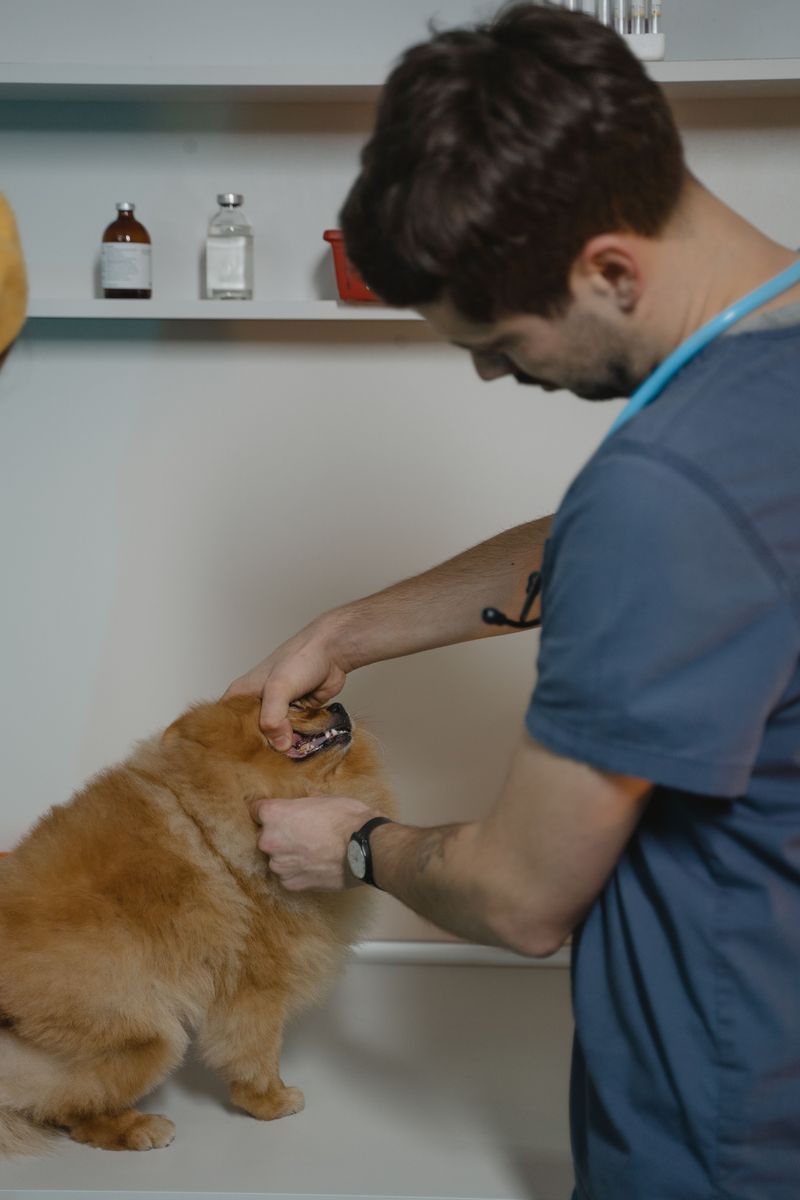
Cold weather does not create a dependable break from every parasite. Fleas can persist indoors, and some ticks become active during milder winter days.
Keep prevention in your spending plan instead of stopping when snow arrives.
Your veterinarian can recommend products and timing based on your dog’s health and exposure. Follow the prescribed schedule and use the correct weight range.
Never substitute another animal’s medication. Comparing clinic and pharmacy prices may help, provided the seller and prescription are legitimate.
16. Winter Car Cleaning And Travel Gear Add Up
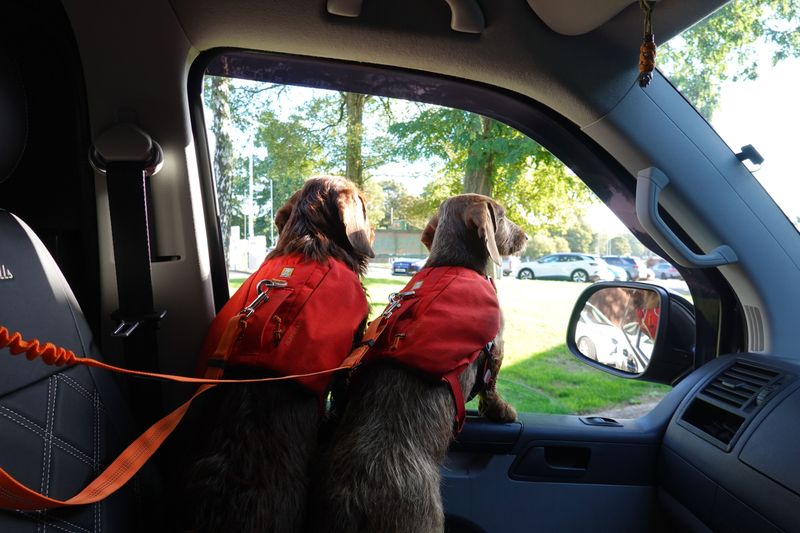
One snowy park visit can leave the back seat damp and gritty. Washable seat covers, towels, and a suitable travel restraint help manage the mess.
Cleaning costs grow when salt residue and wet fur sit untreated.
Choose a secured crate or vehicle harness appropriate for your dog and follow installation instructions. Keep covers clear of restraint attachment points.
Carry dry towels for return trips, and compare washable protection with repeated detailing before deciding where your travel budget goes.
17. Emergency Winter Supplies Are Worth Keeping On Hand
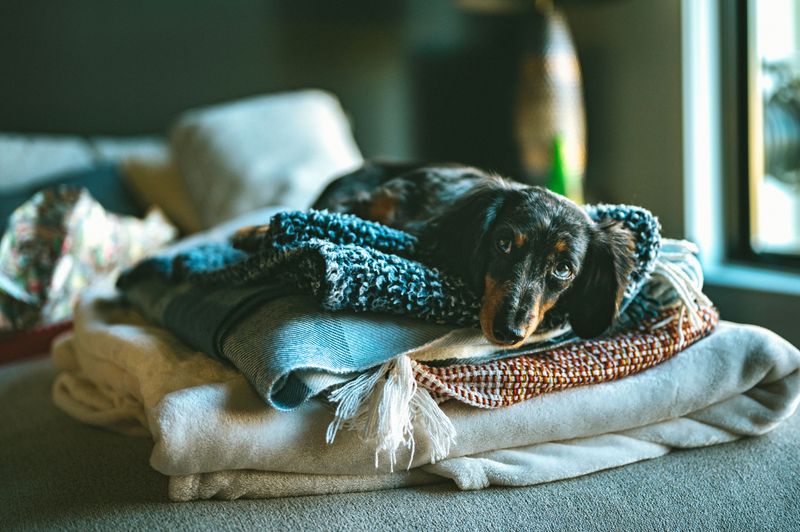
A delayed delivery or power outage is easier with a small reserve ready. Store drinking water, food, medications, waste bags, and familiar bedding where you can reach them.
Keep veterinary contacts and medical records available offline.
Rotate supplies before expiration, and ask your veterinarian about medication storage during outages. Plan somewhere warm that accepts your dog if relocation becomes necessary.
Build the kit gradually. A steady budget and a little preparation make Ohio winters easier to manage.