What Washington Law Says About Dogs Left Unattended In Parked Cars
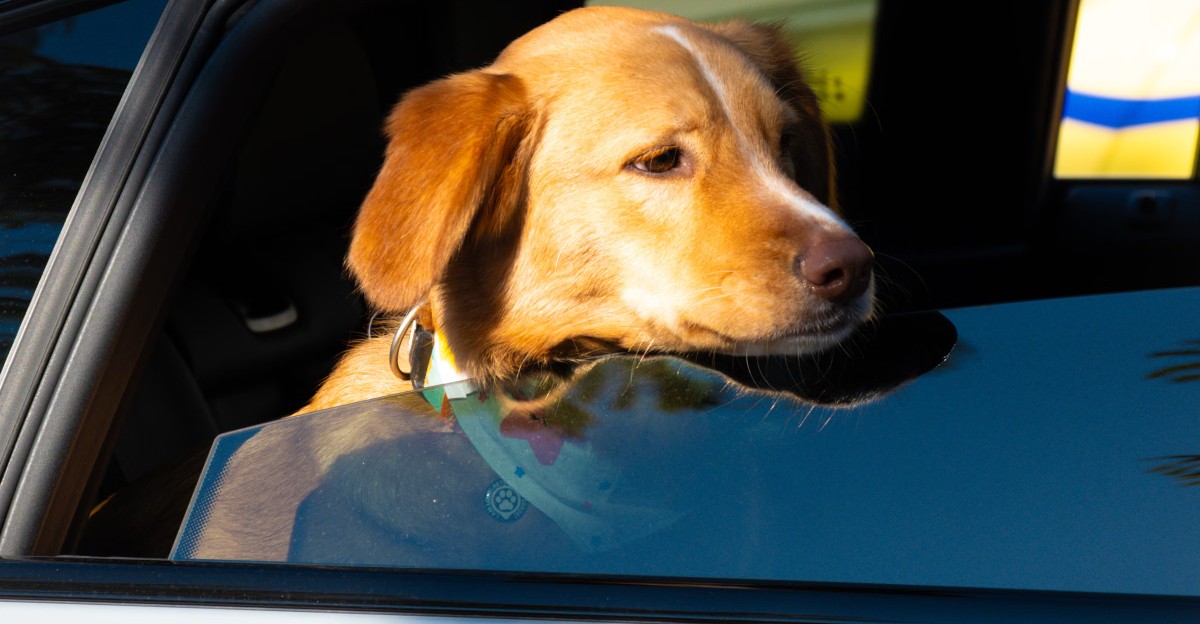
Taking your dog along for errands can feel like a treat, especially around Washington’s parks and neighborhood shops. But leaving your companion in a parked car brings safety concerns and legal duties that every owner should understand.
Washington law focuses on dangerous conditions, not simply whether a dog is alone. Knowing the rules, including who can legally enter a vehicle, helps you make thoughtful choices and respond calmly when another dog needs help.
1. Washington Law Does Not Allow Dogs to Be Left in Dangerous Conditions
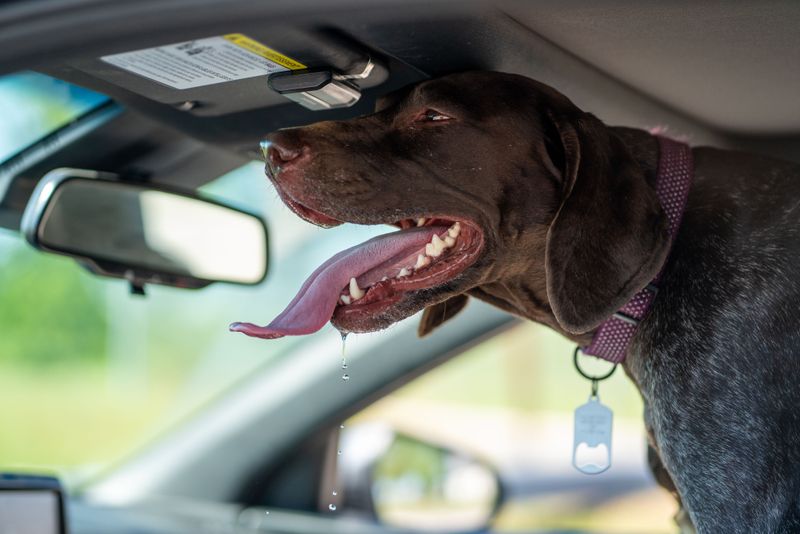
A parked car becomes a legal concern when its conditions threaten an animal’s health or safety. Washington’s RCW 16.52.340 covers leaving or confining any animal unattended in a motor vehicle or enclosed space.
The statute addresses dangerous heat, cold, poor ventilation, and lack of necessary water. It does not make every unattended moment automatically unlawful.
Before stepping away, consider the actual conditions your dog will face, rather than assuming a familiar parking spot is safe today.
2. The Rules Apply in Both Hot and Cold Weather
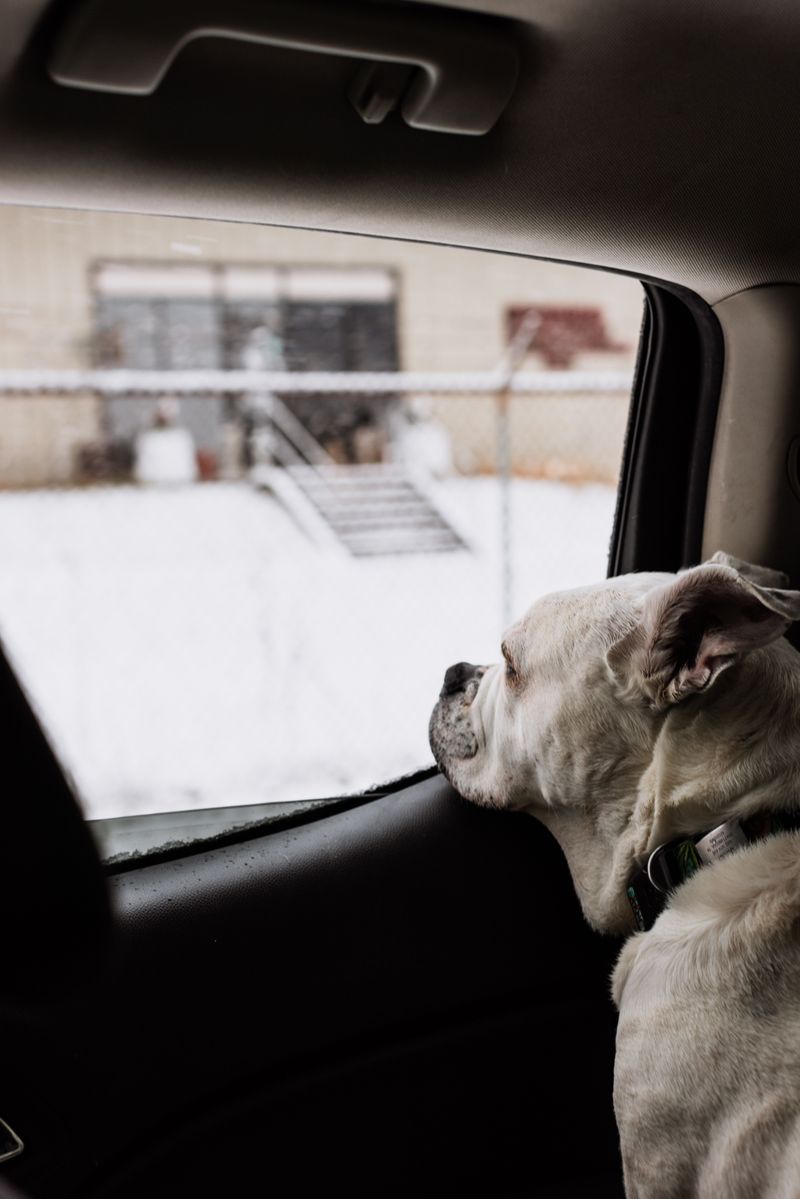
Winter errands deserve the same thoughtful planning as summer outings. The Washington statute specifically includes excessive cold alongside excessive heat when vehicle conditions threaten an animal’s health or safety.
A dog’s coat does not guarantee protection during a long wait. Age, health, moisture, and outdoor conditions can affect comfort.
Choose arrangements that keep your companion supervised and comfortable. When temperatures feel challenging, leaving your dog safely at home usually makes the trip simpler for everyone involved.
3. A Cracked Window Does Not Guarantee a Safe Environment
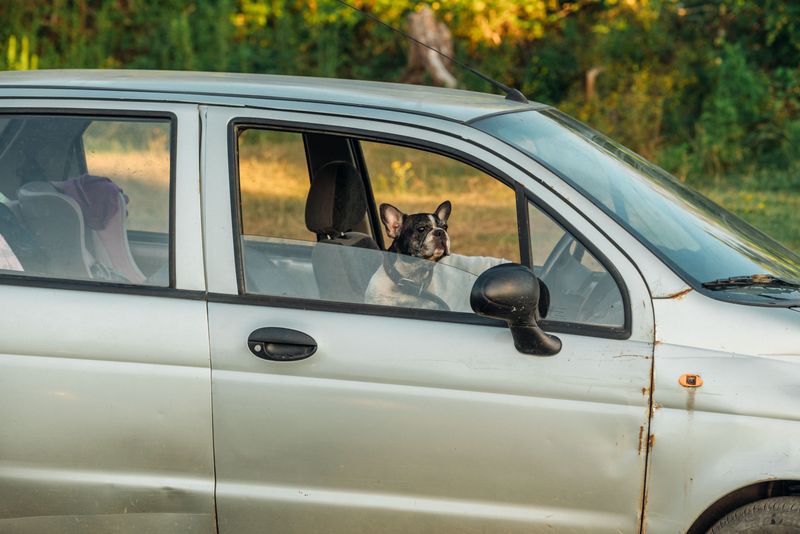
That small opening above the glass can create a false sense of security. Cracked windows do not reliably prevent a parked vehicle from becoming too warm for a dog.
Washington law looks at dangerous conditions, not whether you lowered a window before leaving. Shade can shift, and sunlight can reach the cabin unexpectedly.
Treat ventilation as one consideration, never a promise of safety. A supervised outing or a comfortable home is a more dependable plan.
4. Lack of Water Can Also Put a Dog at Risk
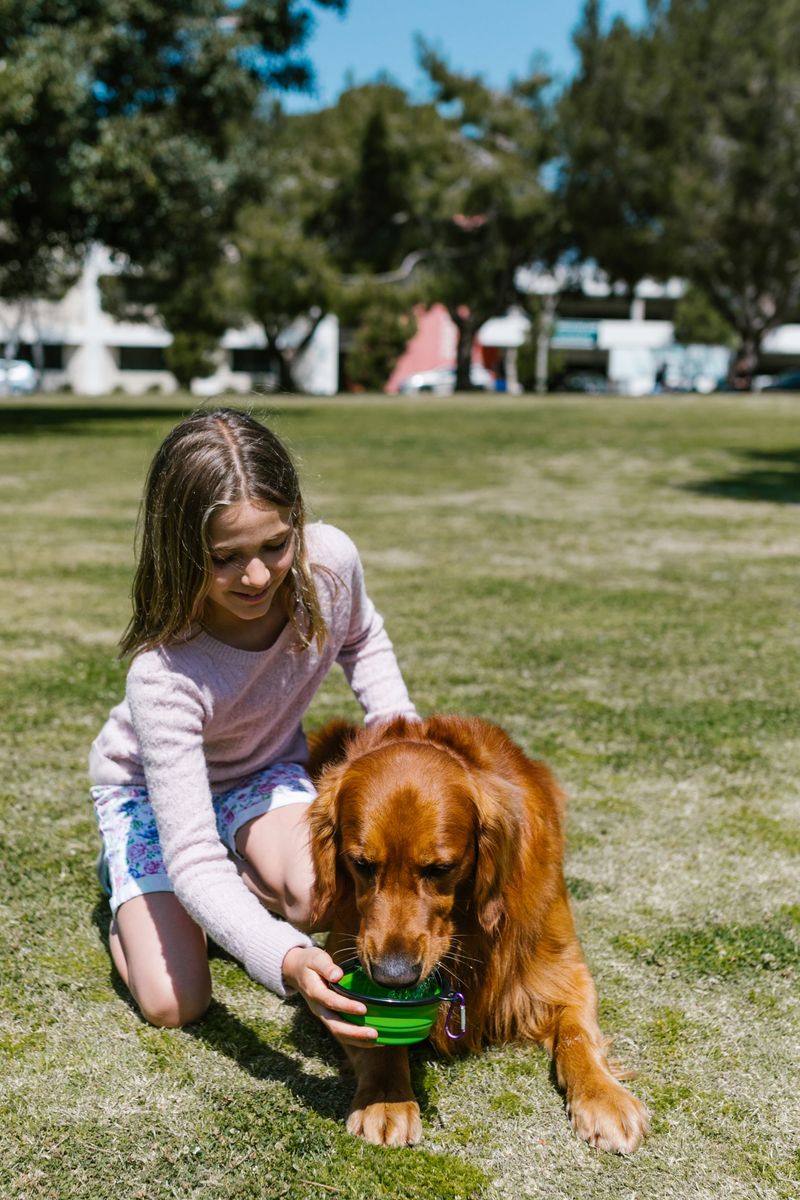
A water bowl belongs in your travel kit, but it cannot make an unsafe vehicle safe. Washington’s statute identifies lack of necessary water as a condition that can threaten an unattended animal.
Bring fresh drinking water and offer regular breaks during outings. Remember that bowls can spill, and some dogs will not drink when uncomfortable.
If your companion seems unwell, move somewhere suitable and contact a veterinarian. Water supports good care without replacing supervision or planning.
5. The Law Covers More Than Just Summer Heat
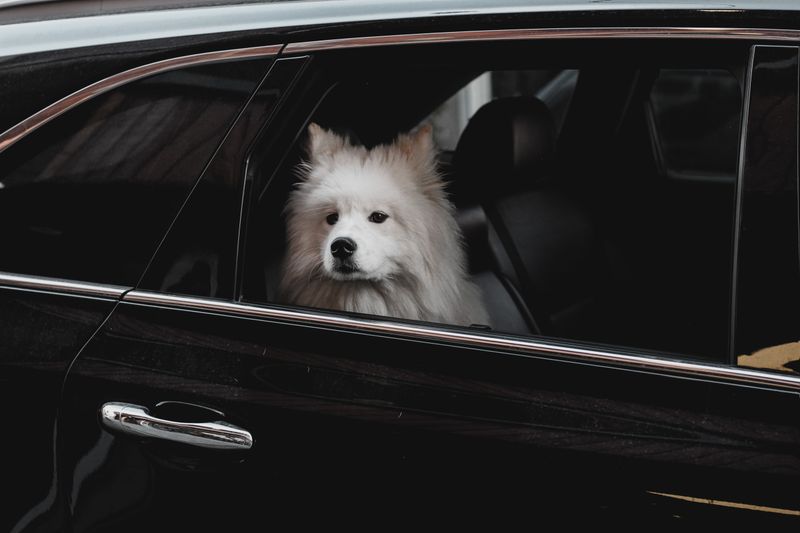
Cloudy skies do not settle the legal question. RCW 16.52.340 addresses excessive heat, excessive cold, lack of ventilation, and lack of necessary water when those conditions could harm an unattended animal.
That broader wording matters because unsafe conditions do not always involve bright sunshine. Assess the entire setting, including airflow, confinement, and your dog’s condition.
Avoid treating the weather forecast as your only checklist. A mild afternoon can still involve circumstances that deserve closer attention before you leave an animal unattended.
6. There Is No Guaranteed Safe Waiting Period
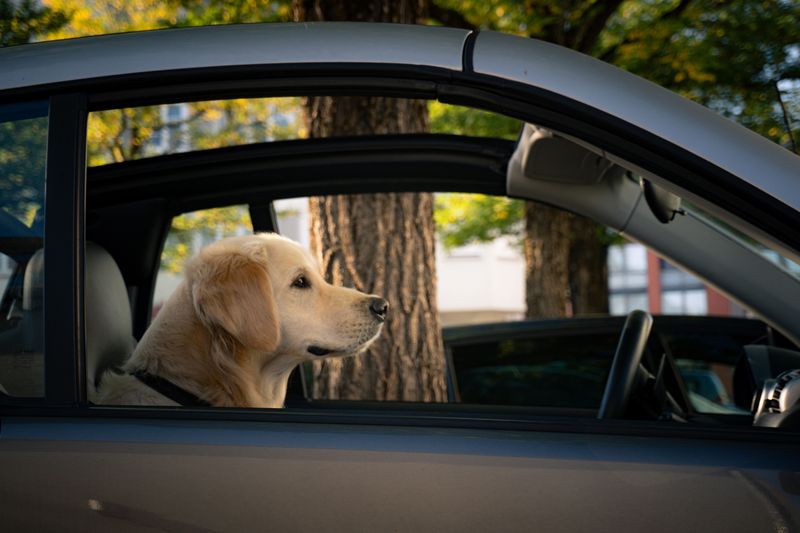
Five minutes can stretch when a checkout line stops moving. Washington’s vehicle confinement law does not provide a guaranteed waiting period that makes dangerous conditions acceptable.
The question is whether the animal’s health or safety is threatened, not whether your errand seemed brief. Avoid relying on a timer as permission to leave.
Arrange a companion who can supervise safely, choose another shopping option, or bring your dog home before handling errands that require entering a business.
7. A Class 2 Civil Infraction Can Carry a Financial Penalty
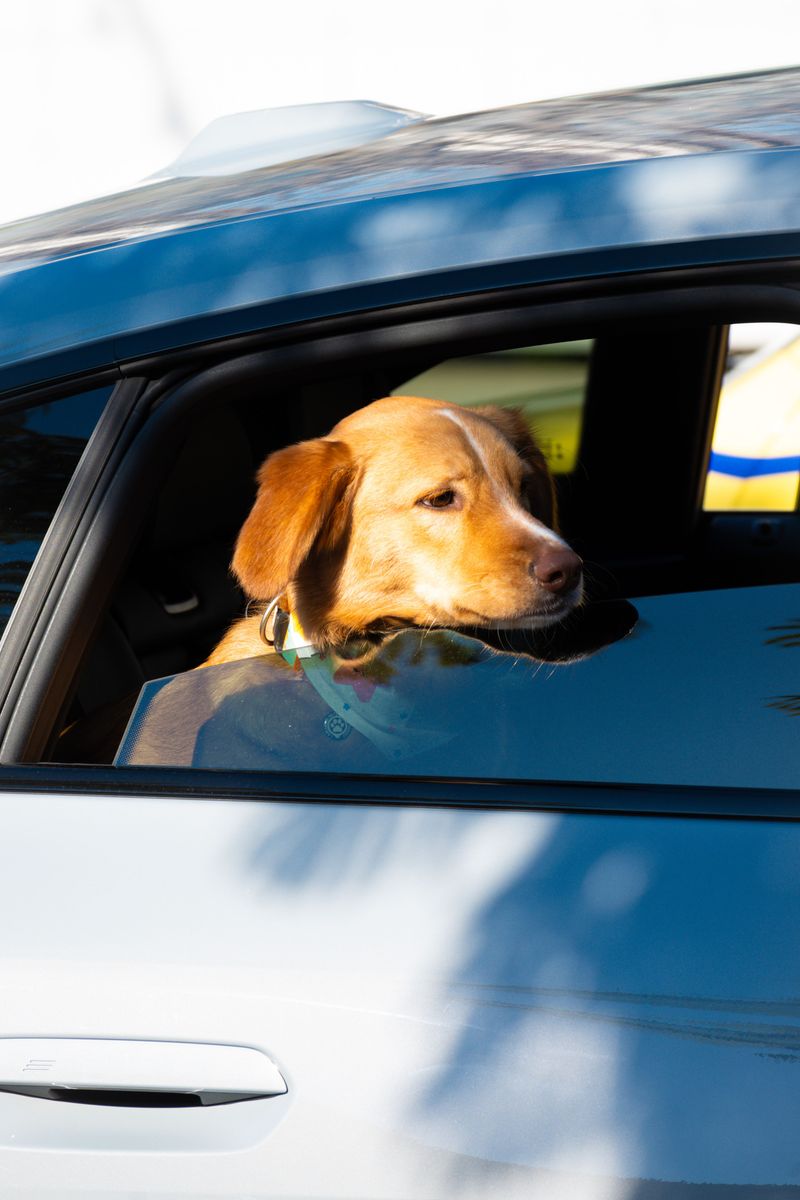
Unsafe confinement can bring a citation even when no separate criminal charge follows. A violation of RCW 16.52.340 is a class 2 civil infraction.
Under RCW 7.80.120, that class carries a maximum base monetary penalty of $125. Applicable assessments can affect the amount owed, so confirm details with the issuing court.
The civil classification does not excuse dangerous conditions. It also does not prevent separate animal cruelty charges when the facts support them under Washington law.
8. Police Officers Can Remove Dogs From Dangerous Vehicles
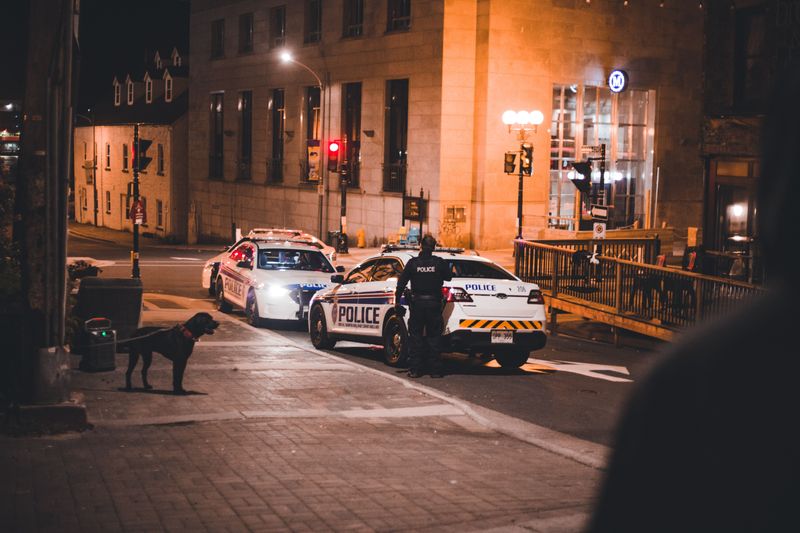
Help does not depend on an owner returning first. Washington authorizes animal control officers and law enforcement officers to enter a vehicle or enclosed space under specified circumstances.
An officer must reasonably believe that an animal is suffering or is likely to suffer harm from excessive heat, excessive cold, lack of ventilation, or lack of necessary water. The officer may enter and remove the animal by reasonable means if no one is present in the immediate area who has access to the vehicle and will immediately remove the animal.
If you report a concern, explain what you can actually see. Clear observations help responding officers evaluate the situation and choose an appropriate next step.
9. Officers Do Not Have to Wait Until a Dog Collapses
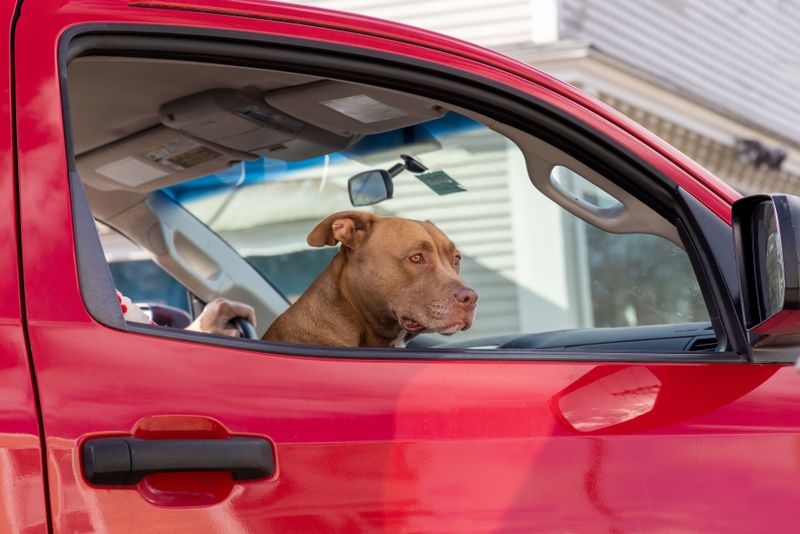
Early action is part of the law’s protective purpose. An authorized officer does not need to wait for a dog to become unresponsive before assessing intervention.
The standard is whether the officer reasonably believes the animal is suffering or is likely to suffer harm from the conditions covered by the statute. The officer may remove the animal if no person is present in the immediate area who has access to the vehicle and will immediately remove it.
Report concerning changes promptly without trying to diagnose the dog yourself. Officers can evaluate the situation and decide whether protective removal is justified.
10. Breaking a Car Window Can Be Permitted During a Rescue
A damaged window may be part of an authorized rescue, but permission is not universal. RCW 16.52.340 allows covered officers to use reasonable force when necessary.
The statute also protects those officers from liability for property damage resulting from actions taken in good faith. That protection should not be confused with permission for every passerby to break glass.
Call for professional help and describe the urgency. Let responders determine the safest lawful way to reach the animal.
11. Bystanders Should Not Assume They Have Special Rescue Protections
Here is a distinction worth remembering before acting: Washington’s vehicle rescue statute protects specified officers, not ordinary bystanders. It does not create blanket civilian immunity for breaking into cars.
Online advice often mixes Washington rules with laws from other states. Do not assume good intentions remove possible legal responsibility for damage or entry.
Contact emergency services when danger appears immediate. Explain your observations and follow instructions while authorized responders assess the situation and arrange appropriate help.
12. Calling 911 Does Not Automatically Authorize Civilian Entry
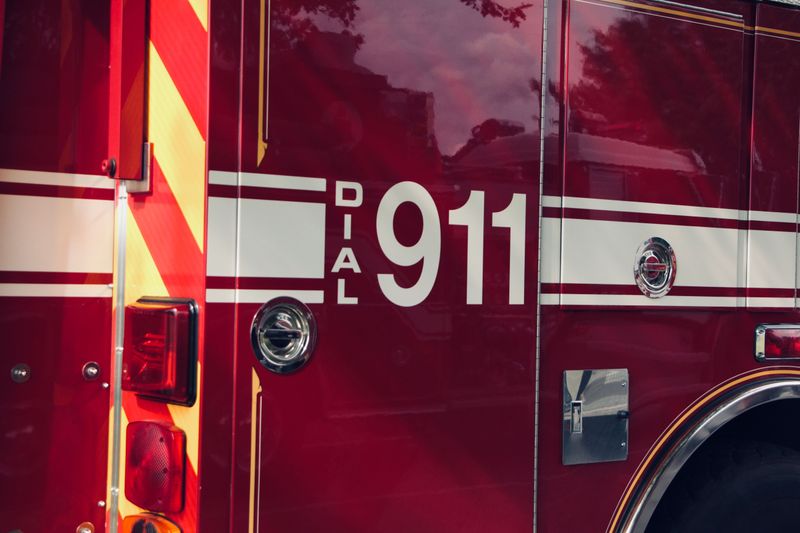
Making an emergency call is helpful, but it is not a legal permission slip. Washington’s statute does not establish a civilian rescue process requiring a 911 call before entry.
Instead, its express entry authority applies to animal control and law enforcement officers. Call 911 when a dog appears in immediate danger, and follow dispatcher instructions.
For less urgent concerns, use local reporting channels. Never assume that placing a call alone protects you from liability for damage.
13. Authorized Rescuers Must Use Only Reasonable, Necessary Force
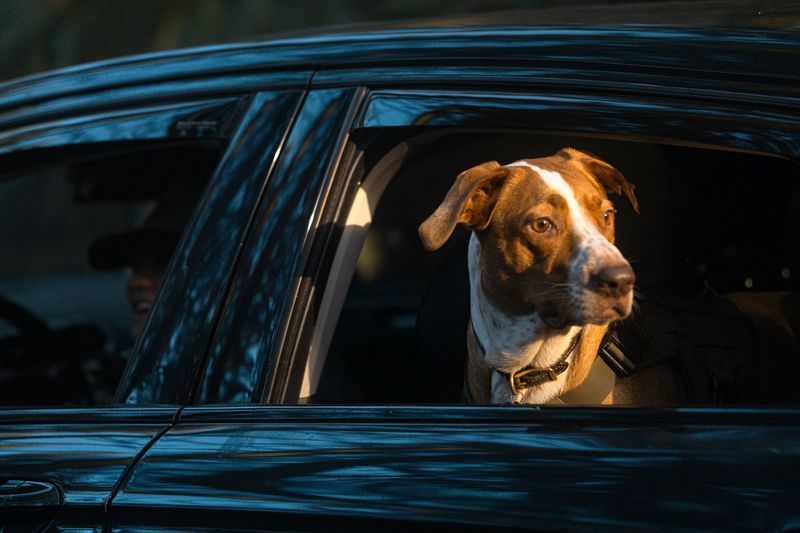
Rescue authority has limits, even when an animal needs help. The Washington statute permits covered officers to use reasonable force when necessary to enter and remove an animal.
That wording does not authorize needless damage. Responders must judge what the circumstances require while protecting the animal and nearby people.
Civilians should not interpret this officer authority as their own exemption. Keep the area clear, share useful details, and allow trained personnel room to manage the situation safely.
14. Bystanders Should Stay Nearby Until Help Arrives
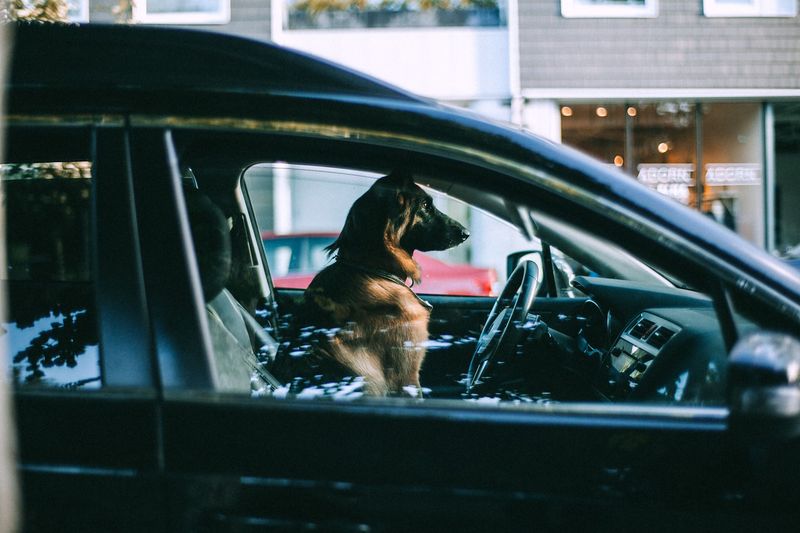
Your continued observations can be useful after making a report. If safe, stay nearby so you can update dispatchers and point responders toward the correct vehicle.
Washington’s statute does not create a civilian immunity checklist requiring someone to remain with a rescued dog. Staying available is practical guidance, not that kind of legal protection.
Avoid taking an animal away or confronting the owner. If circumstances change, tell the dispatcher and follow instructions about your next steps.
15. Animal Cruelty Charges May Apply in Serious Cases
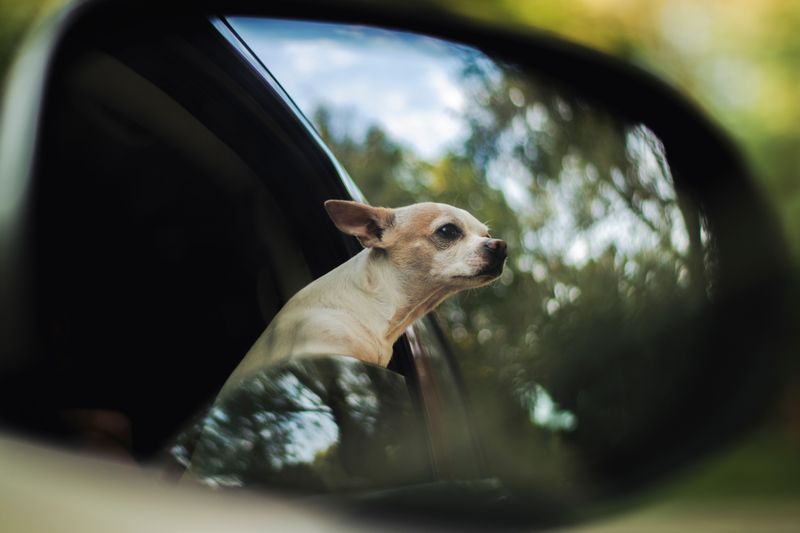
A civil citation is not always the only possible outcome. RCW 16.52.340 expressly allows prosecution under Washington’s animal cruelty laws when the circumstances support those charges.
Whether a case qualifies depends on evidence and the requirements of the applicable offense. Avoid assuming every unattended dog case receives the same treatment.
Officers and prosecutors assess the specific facts. For owners, the practical lesson stays straightforward: prevent dangerous conditions rather than relying on assumptions about likely penalties afterward.
16. Dogs With Special Needs May Face Additional Risks
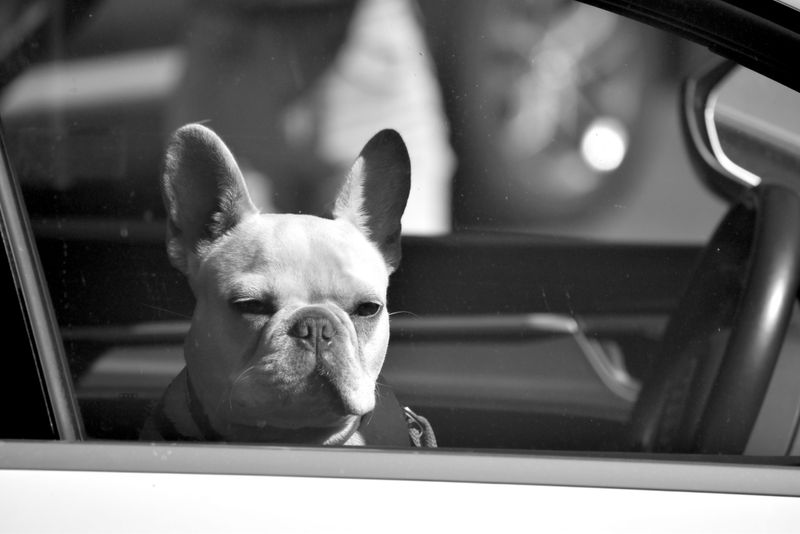
Your dog’s individual needs matter more than another owner’s routine. Puppies, older dogs, and dogs with certain health conditions may have greater difficulty handling temperature changes.
Flat-faced breeds can also face added breathing challenges in warm conditions. Ask your veterinarian about travel planning if your companion has medical concerns.
Washington’s law focuses on threatened health or safety, so individual vulnerability matters when assessing conditions. Build errands around your dog’s needs instead of copying someone else’s habits.
17. Air Conditioning and Heating Do Not Replace Responsible Supervision
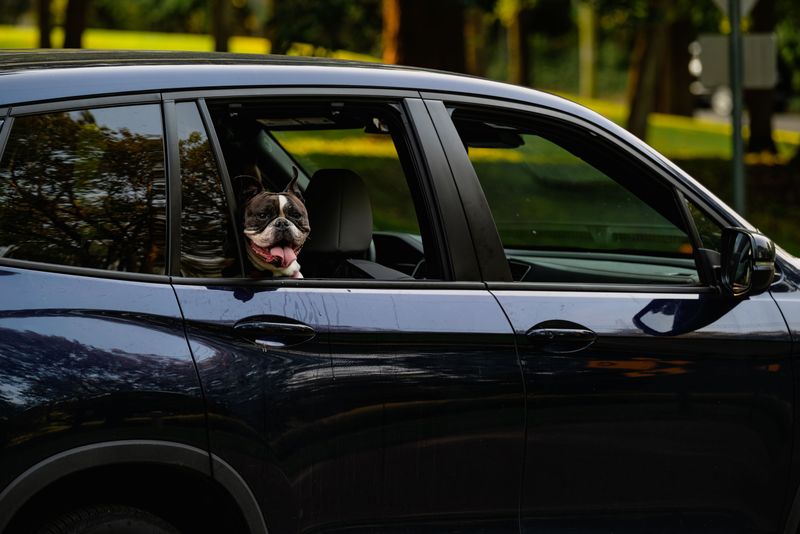
A running climate system can help, but equipment is not a substitute for sound judgment. Mechanical problems, power changes, or incorrect settings can alter cabin conditions.
Washington’s statute does not provide an automatic exemption simply because heating or air conditioning is running. The animal’s actual safety remains the concern.
A display or phone alert can offer information without guaranteeing protection. Avoid depending on technology alone when planning unattended time, especially if you cannot return immediately when needed.
18. What to Do When You Spot a Dog in a Parked Car
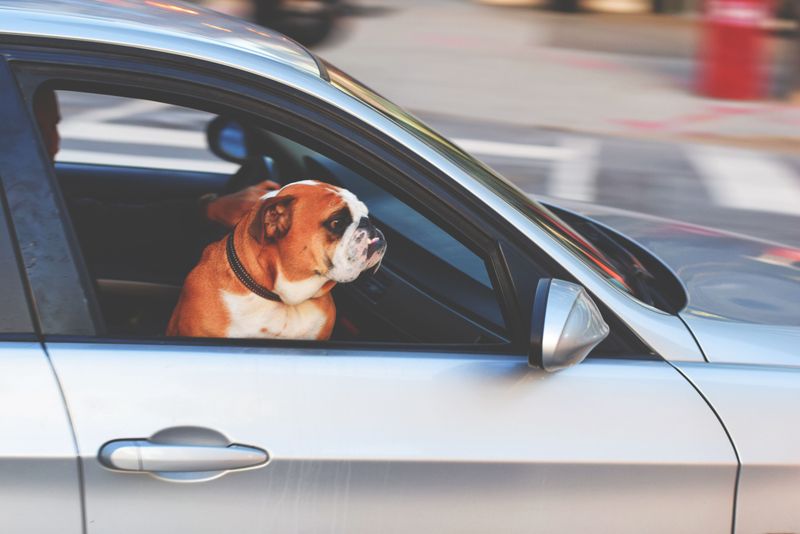
Pause long enough to assess what you can safely observe. Look for concerning behavior, poor ventilation, and weather conditions that could threaten the dog’s wellbeing.
If danger appears immediate, call 911 and give the exact location. Otherwise, contact local animal control or the appropriate nonemergency line.
Store staff may help locate an owner without delaying urgent reporting. Avoid crowding the vehicle or arguing with anyone.
Calm, specific information is more useful than guessing about someone’s intentions.
19. Take Note of the Vehicle and the Dog’s Condition
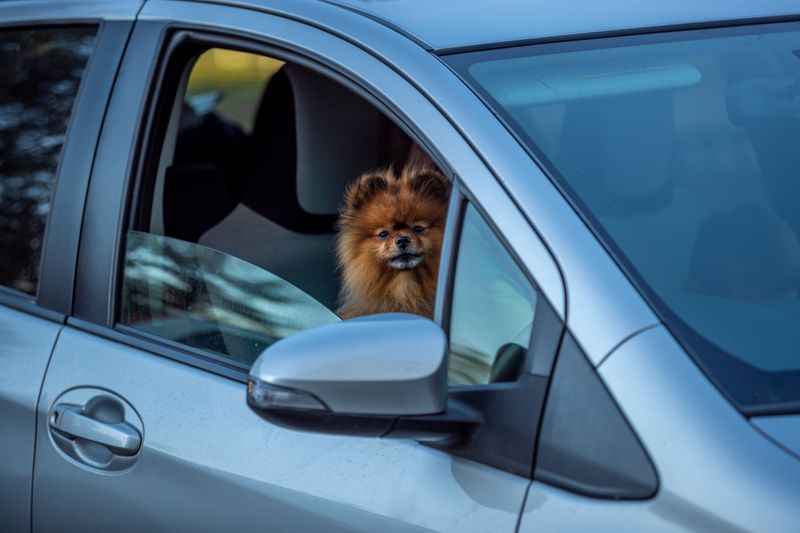
Useful details help responders find the right car quickly. Record the location, vehicle color, make, and license plate when you can do so safely.
Describe the dog’s behavior without assigning a medical diagnosis. Mention whether the animal is panting heavily, struggling to stand, or becoming less responsive.
Note when you first observed the situation, rather than guessing how long it lasted. Photos may help if taken safely, but reporting concerns should come before collecting extra evidence.
20. Local Animal Control Can Help With Non-Emergency Reports
Not every concern requires an emergency response, but questions still deserve attention. Your city or county animal control agency can explain local reporting options and service hours.
Coverage differs across Washington, and some communities route calls through police or sheriff dispatch. Save the appropriate number before you need it.
Local ordinances may also affect animal care responsibilities, so ask about rules where you park. If conditions become urgent, update authorities rather than waiting for routine follow-up assistance.