What North Carolina Dog Owners Should Know About Ground-Nesting Yellow Jackets On Trails
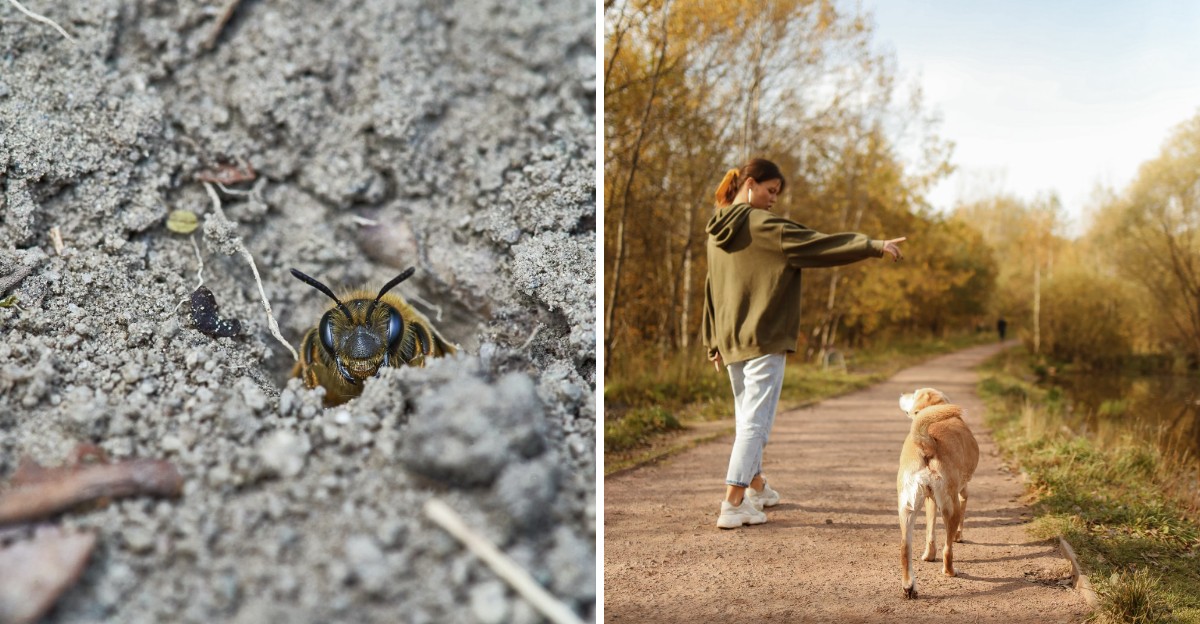
A shady North Carolina trail can be a wonderful place to walk your dog, with a little extra awareness. Ground-nesting yellow jackets sometimes settle beside paths, where curious noses and busy paws can disturb them.
Knowing what to watch for helps you avoid trouble without giving up your favorite outdoor time. Here is practical guidance for spotting nests, handling an encounter, and knowing when your dog needs veterinary help.
1. Small Underground Colonies Can Create Trail Hazards
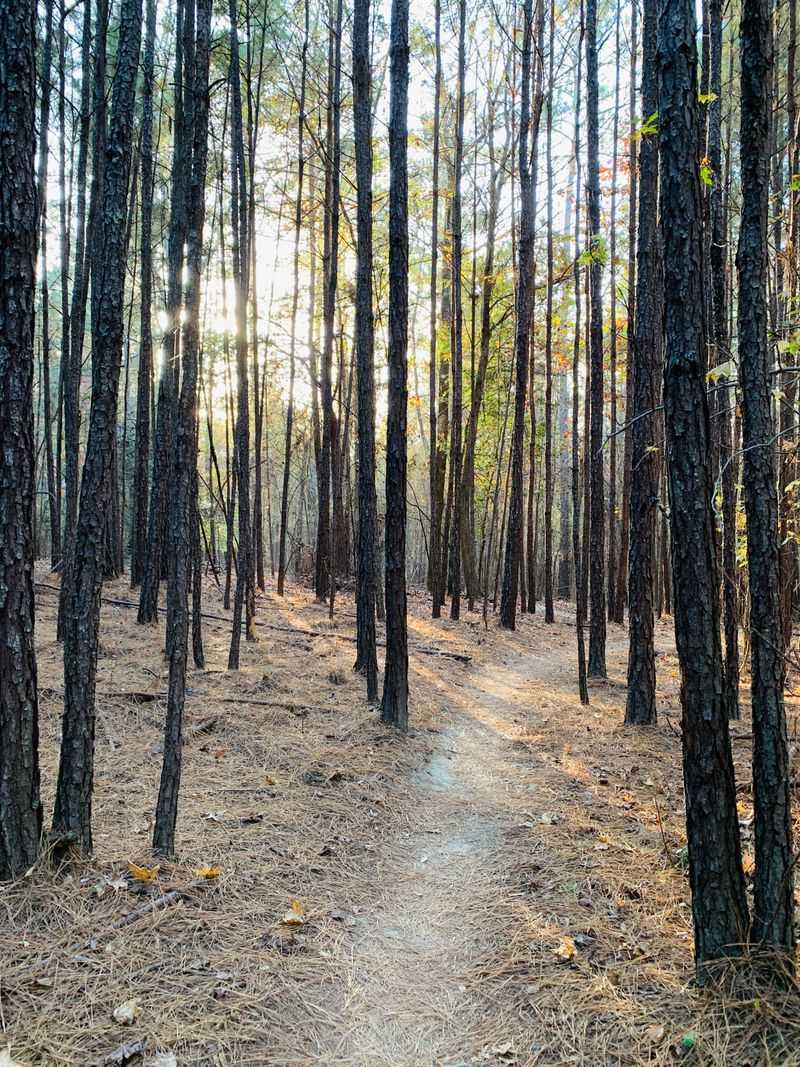
A quiet patch of trail can hide a busy colony beneath your feet. Ground-nesting yellow jackets are social wasps that defend their nest when disturbed.
Unlike worker honey bees, individual yellow jackets can sting repeatedly.
Dogs may approach an entrance before their owners notice anything unusual. Several wasps may respond together, making quick distance useful.
You do not need to fear every buzzing insect. Focus on repeated activity near the ground, and give suspected nests generous space.
2. A Small Entrance Offers the Best Nest Clue
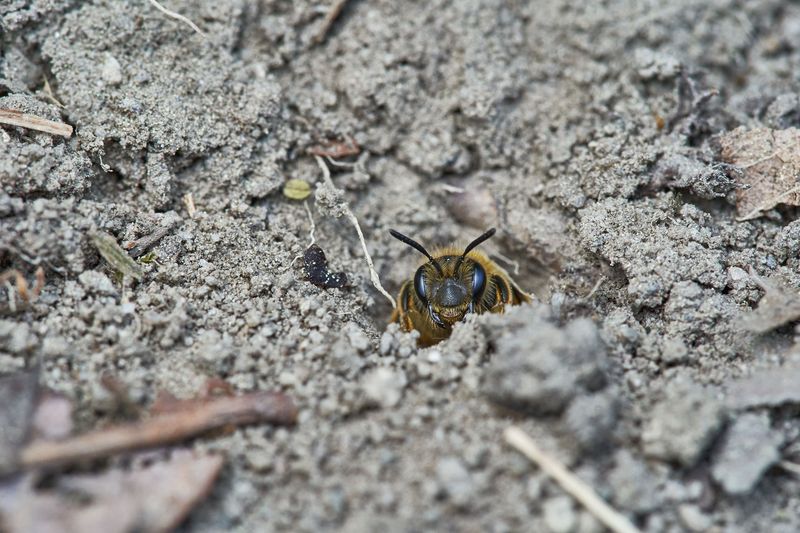
Forget the large paper nest you might picture hanging from a branch. Underground colonies often use an old rodent burrow or another existing cavity.
Their entrance may look like an ordinary hole among roots or leaves.
Watch for yellow and black wasps repeatedly entering and leaving one spot. The paper nest usually stays hidden underground.
Never poke the opening, clear its covering, or lean closer for identification. Observe from a distance and choose another way around.
3. Trail Edges Can Offer Useful Nesting Spaces
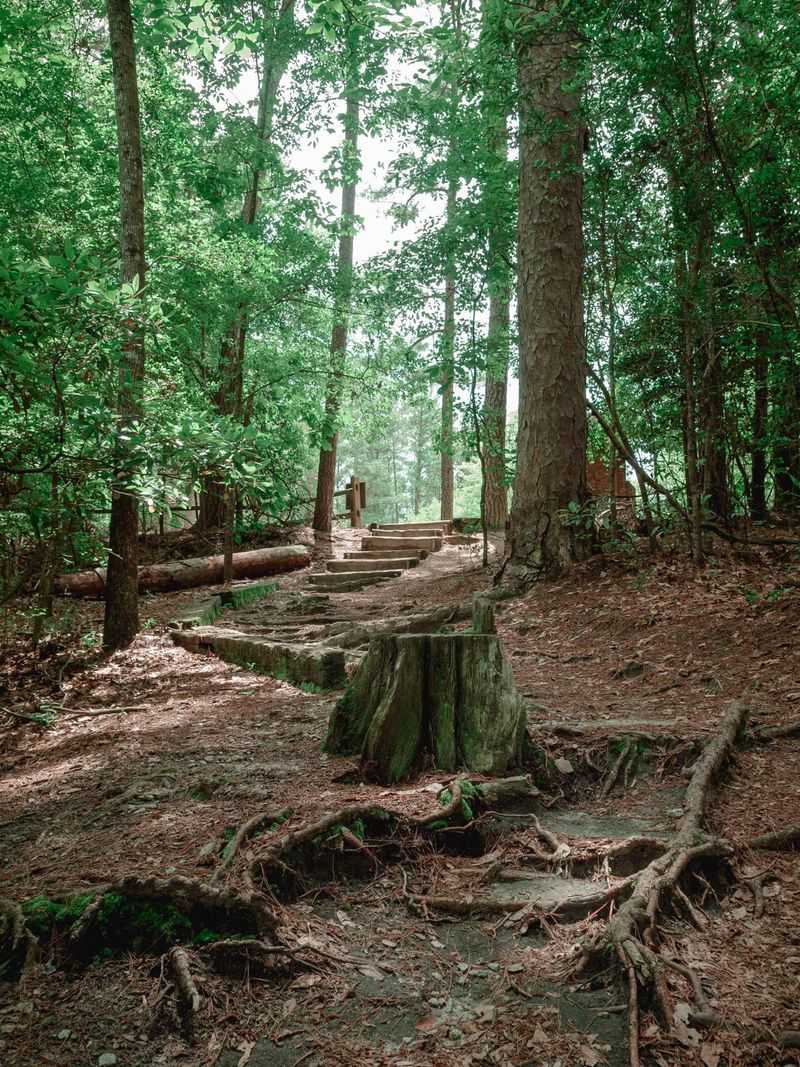
That interesting trail edge may offer shelter for more than woodland plants. Yellow jackets can nest in soil cavities beside banks, grassy borders, old stumps, and root systems.
Some species also use spaces above ground.
Across North Carolina, suitable nest sites occur in mountain forests, Piedmont parks, and coastal recreation areas. No landscape guarantees their presence or absence.
Keep your dog away from holes and decaying wood, especially where insect traffic suggests an occupied cavity nearby.
4. Curious Paws May Disturb Hidden Entrances
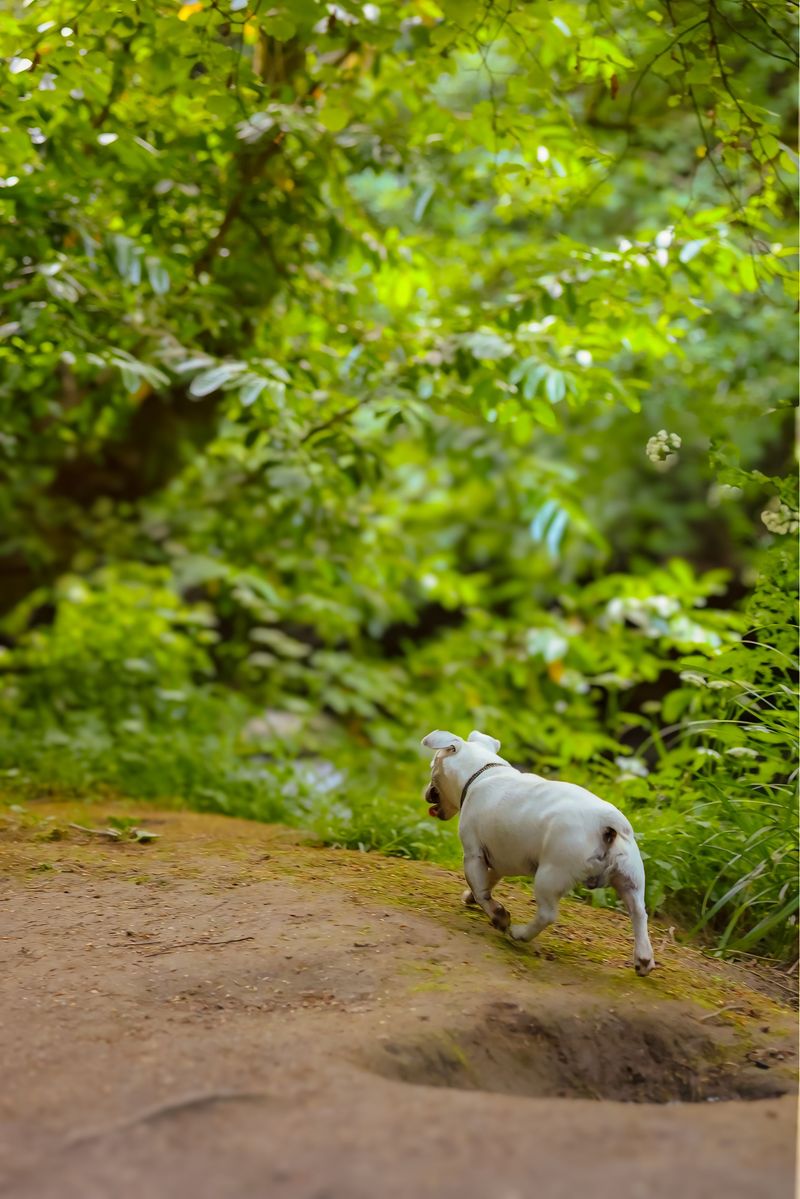
Your dog’s nose finds things your eyes miss, including intriguing smells around underground openings. Sniffing, digging, pawing, or stepping near an entrance can disturb the colony.
Even an otherwise polite dog may investigate before you react.
Practice a reliable leave it cue somewhere free of distractions. Reward your dog for turning away from holes and returning beside you.
Avoid letting dogs dig along public trails. Close supervision protects both your walking companion and the surrounding wildlife habitat.
5. Leaves and Uneven Light Can Hide Warning Signs
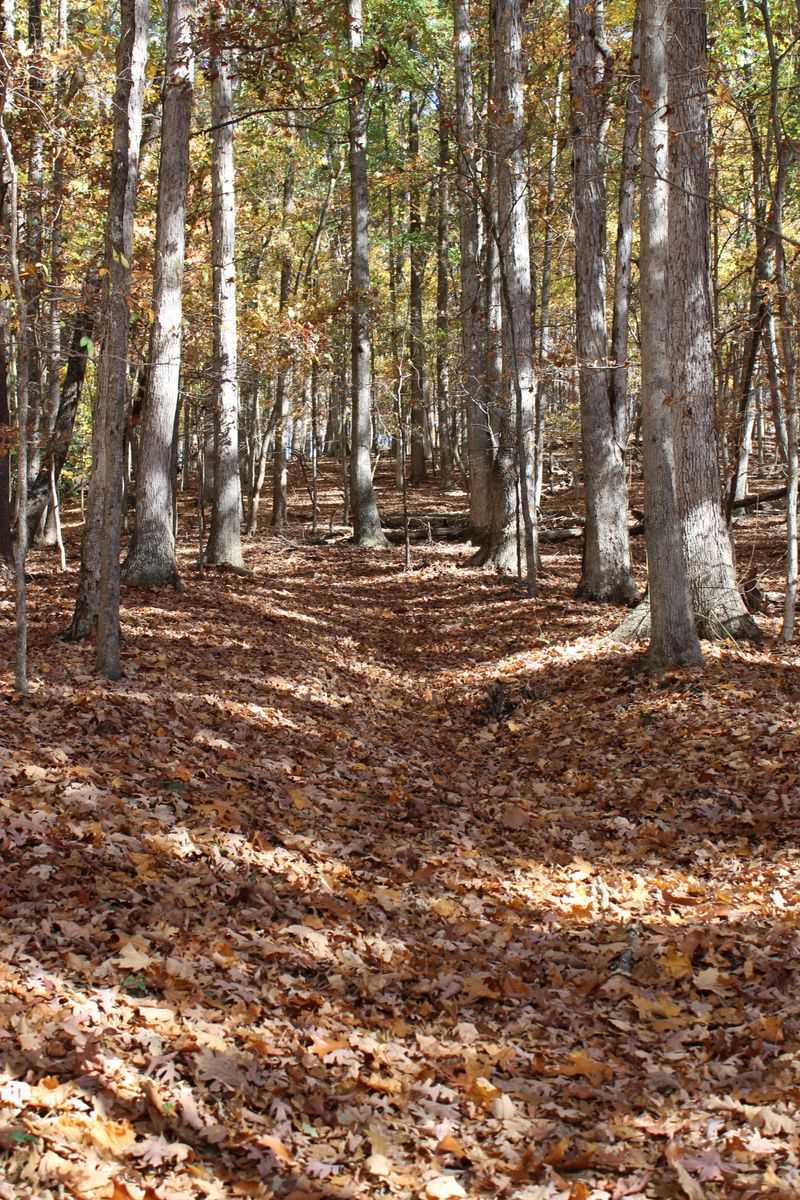
A carpet of leaves can make an entrance almost disappear. Pine needles, tall grass, exposed roots, and patchy shade also make ground activity harder to notice.
Narrow trails may leave little room for passing safely.
Slow down where visibility is poor instead of letting your dog lead around blind bends. Pause before crossing fallen branches or stopping beside overgrown banks.
Wet or cool weather does not prove a nest is empty. Keep watching whenever conditions limit visibility.
6. Late Summer and Fall Call for Extra Awareness
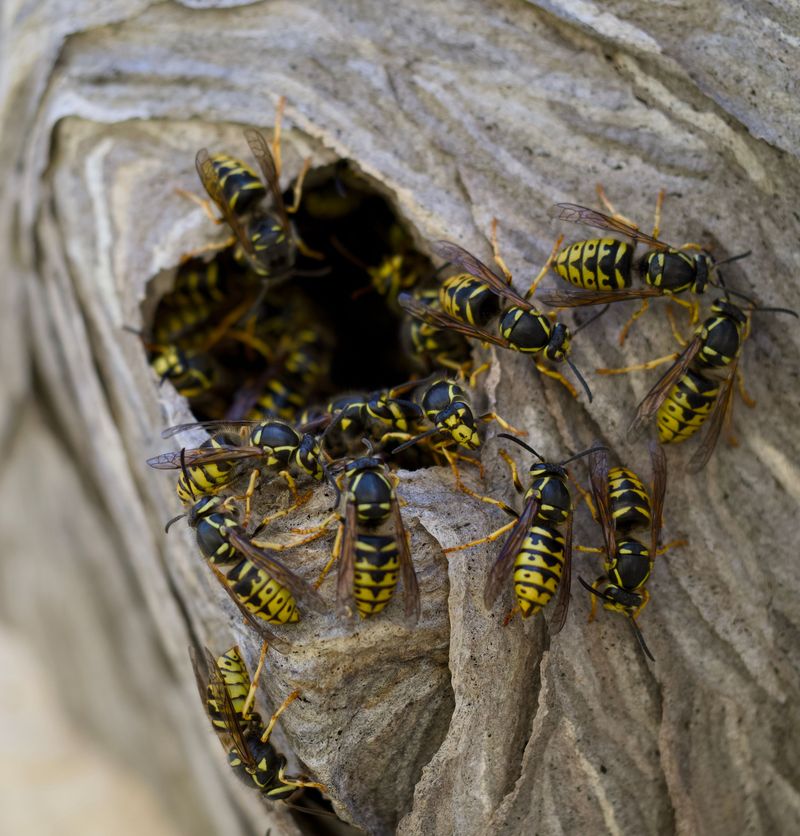
By late summer, many yellow jacket colonies contain more workers than they did during spring. Larger colonies can mean more activity around entrances and more defenders when nests are disturbed.
Fall food sources may also draw wasps toward people.
North Carolina’s changing temperatures affect how long colonies remain active. Do not rely on a calendar date to decide conditions are safe.
Continue checking trail edges during warm autumn weather, and keep snacks sealed when stopping with your dog.
7. Repeated Low Flights Deserve a Second Look

One passing wasp does not necessarily mean a nest sits nearby. A steady pattern of insects flying toward the same ground opening is more useful evidence.
You may notice this traffic before seeing the hole itself.
Pause at a safe distance and keep your dog beside you. Look ahead rather than following individual insects through brush.
If the pattern suggests a nest, turn back or use a clearly separated route. Avoid approaching merely to confirm your suspicion.
8. Discovering a Nest Means Giving It Space
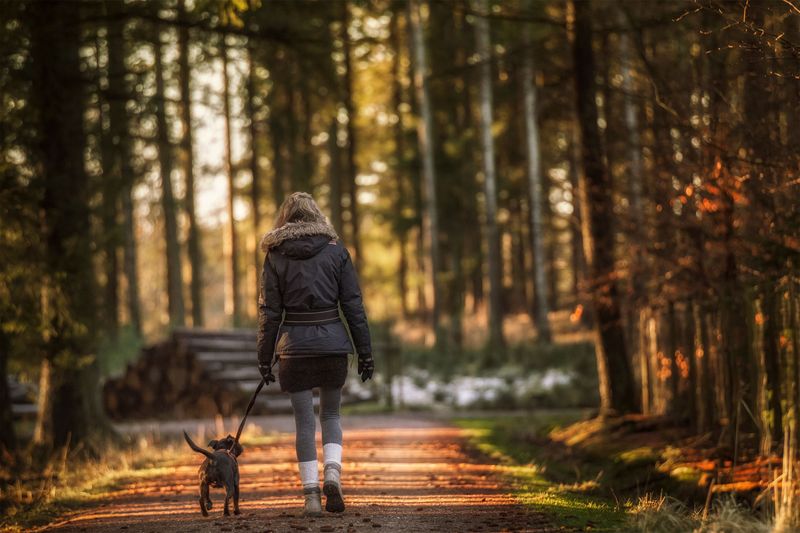
Finding a nest is your cue to change plans, not investigate. Stop your dog’s approach and retreat without blocking the entrance.
Let nearby walkers know about the location from somewhere safely away.
Do not plug the hole, spray household products, or try to remove the colony yourself. Those actions can provoke defensive activity and harm the surrounding area.
Public land managers should decide whether treatment or a closure is needed. Respect posted barriers and choose another route.
9. Guide Your Dog Away Without Stopping Nearby
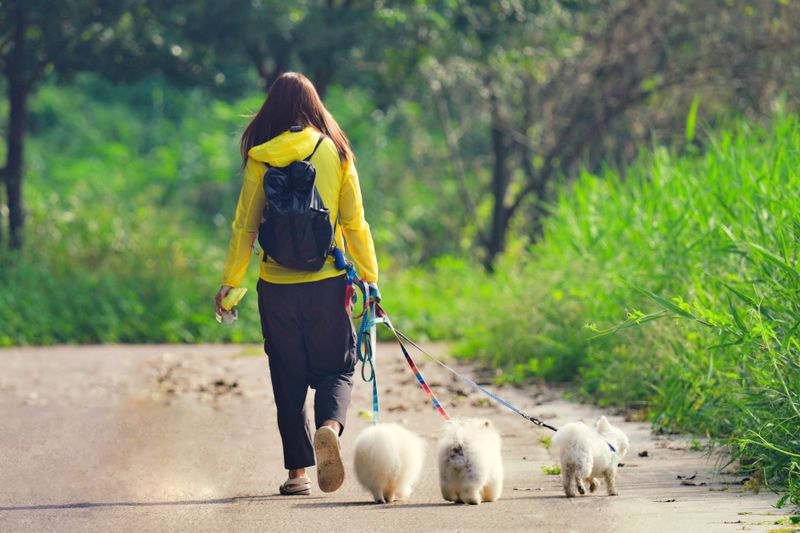
Distance is the priority when wasps begin defending their nest. Use your leash to guide your dog away immediately.
Pick a clear direction that leads away from the entrance, rather than deeper into nearby brush.
Keep moving until pursuing insects are no longer around you. If attacks continue, leave quickly and seek an enclosed vehicle or building when available.
Do not stop beside the nest to inspect stings. Once sheltered, check your dog and contact your veterinarian.
10. Avoid Swatting, but Do Not Delay Your Escape
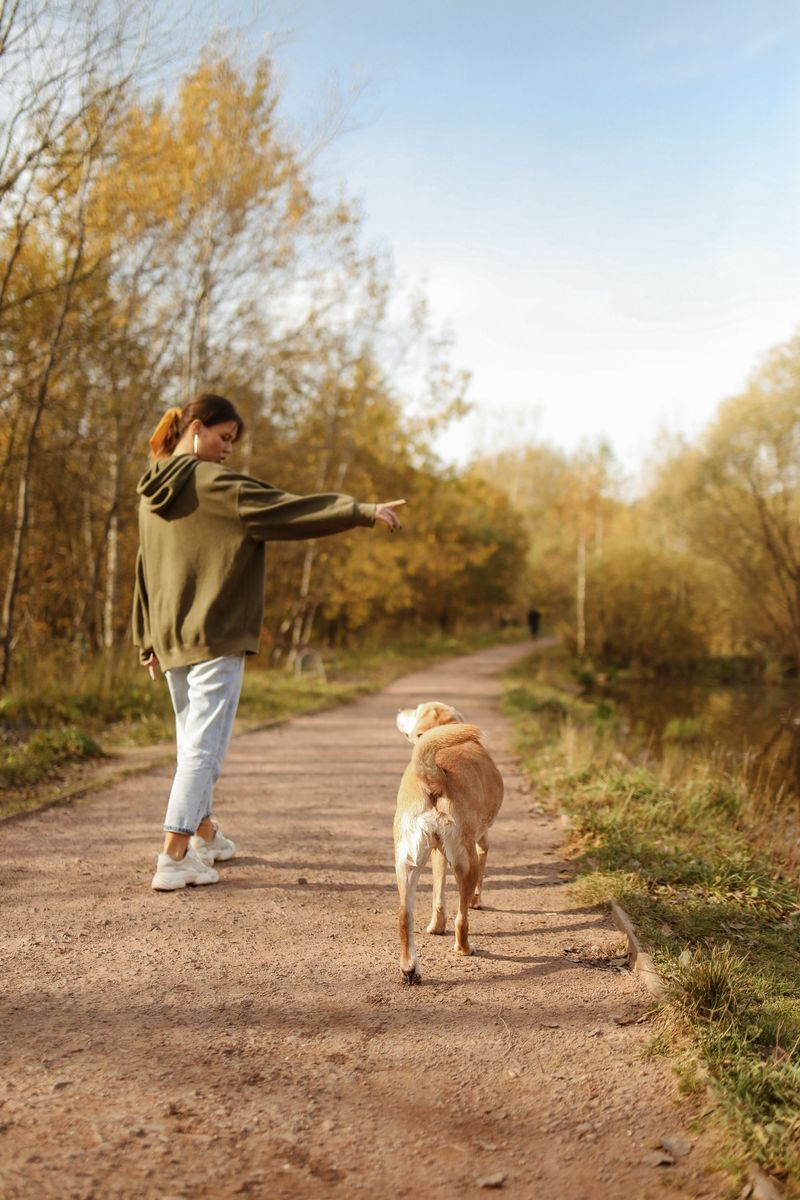
Flailing hands and frantic leash movements can make a tricky moment harder. Swatting may disturb nearby wasps, while uncontrolled running can cause falls or pull your dog toward the entrance.
Calm handling helps you choose an escape route.
However, advice against running should never mean staying near an active attack. Move away promptly, and run if needed to escape pursuing wasps.
Your goal is safe distance, not slow motion. Avoid jumping into water or stopping to fight insects.
11. Multiple Stings Need Prompt Veterinary Guidance
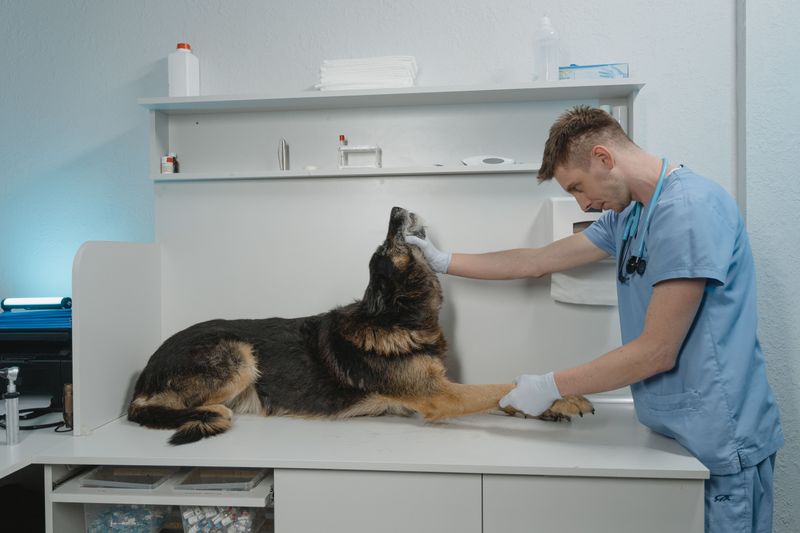
Several stings deserve a call to a veterinarian right away, even if your dog initially seems comfortable. Venom effects depend on the number of stings, your dog’s size, and individual sensitivity.
Problems may develop after the encounter.
Tell the clinic when it happened, where your dog was stung, and any changes you notice. Follow their instructions about immediate examination.
Do not give human medicines unless a veterinarian directs you. If symptoms appear, seek emergency care without waiting.
12. Allergic Reactions Can Affect More Than the Skin
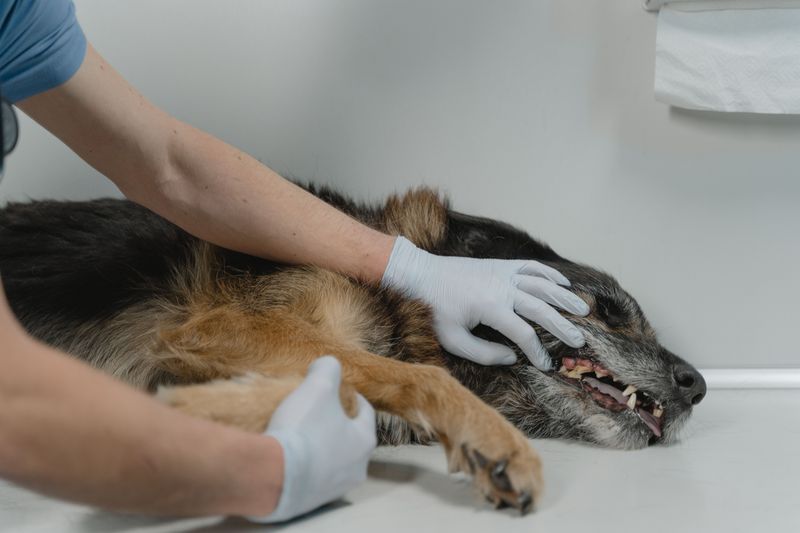
A reaction may involve more than a sore spot. Watch for facial swelling, widespread hives, vomiting, diarrhea, unusual weakness, or trouble breathing.
Sudden collapse is also an emergency, even without obvious skin changes.
Seek emergency veterinary care immediately if these signs appear after a sting. Call ahead when possible, but do not delay departure to gather supplies.
A past mild reaction does not guarantee the next one stays mild. Follow your veterinarian’s emergency plan for known allergies.
13. One Sting Can Still Require an Examination
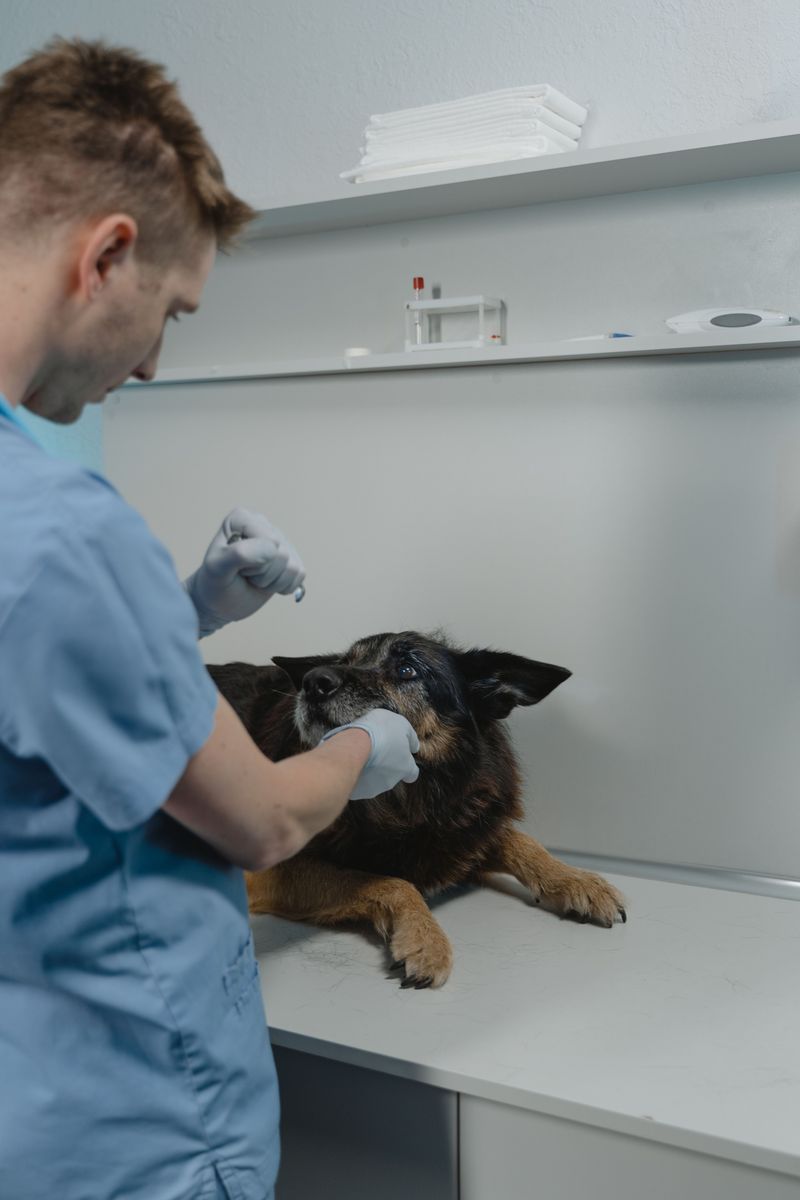
Location matters as much as the number of stings. A sting inside the mouth or near the throat needs prompt veterinary advice because swelling can affect breathing.
Eye stings also warrant quick professional attention.
Call about persistent pain, increasing swelling, or behavior that seems unusual for your dog. A small dog or one with health problems may need extra caution.
Never assume one sting is harmless. Your veterinarian can help decide whether home observation or an examination fits.
14. Report the Location Without Approaching Again
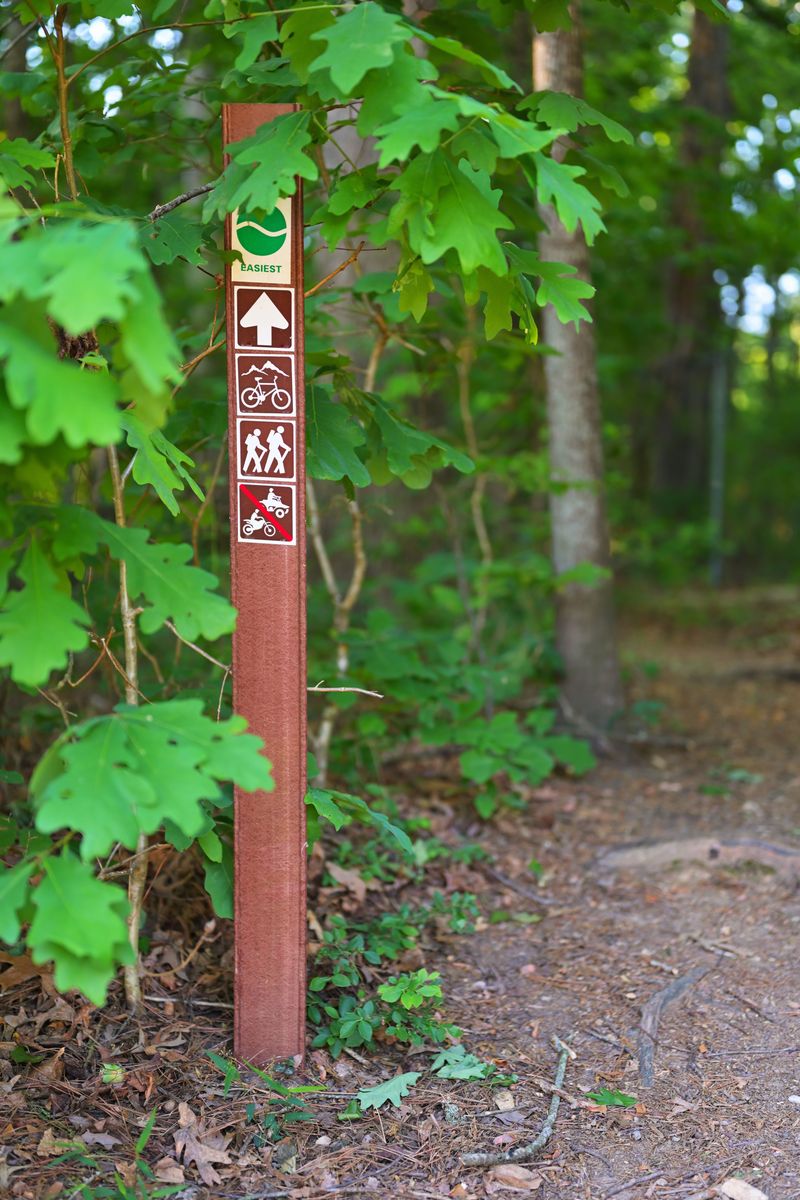
A useful report can help protect the next dog walking through. Contact the park office, ranger station, or organization managing the trail.
Include the trail name, nearest marker, and which side contains the suspected entrance.
A map pin helps if you can record it safely. Do not return for a closer photograph or place markers beside the nest.
Reporting methods and management policies vary across North Carolina. Use posted contact information, and describe any immediate hazard to visitors.
15. A Manageable Leash Helps Prevent Surprise Visits
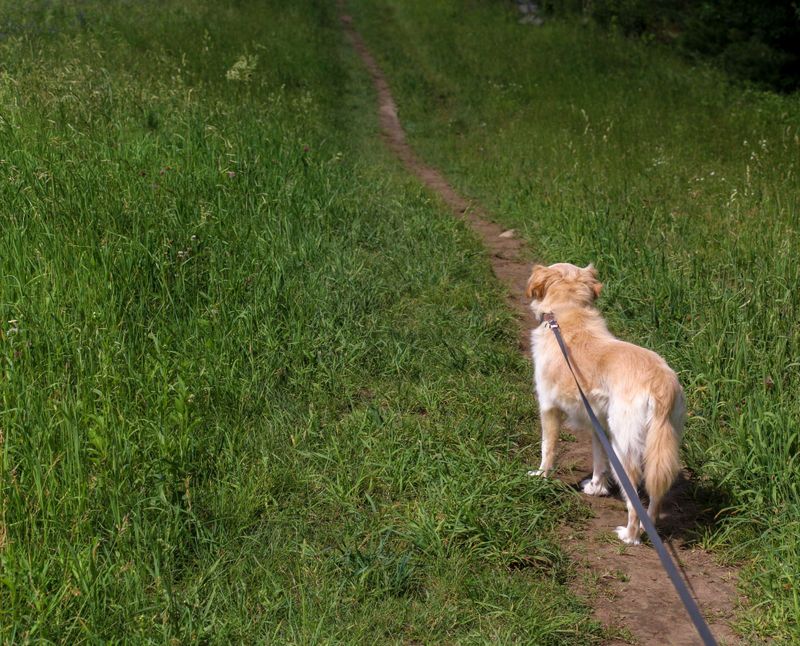
A leash cannot prevent every sting, but it gives you useful control. Keeping your dog nearby makes it easier to interrupt digging and avoid suspicious holes.
A fixed length leash can help near brushy edges.
Follow the rules posted for that property. North Carolina trails have different leash requirements depending on their managing agency and local rules.
Do not assume statewide permission for off leash walking. Leave enough slack for comfortable movement while keeping your dog within reach.
16. Pick Routes With Room to See and Turn
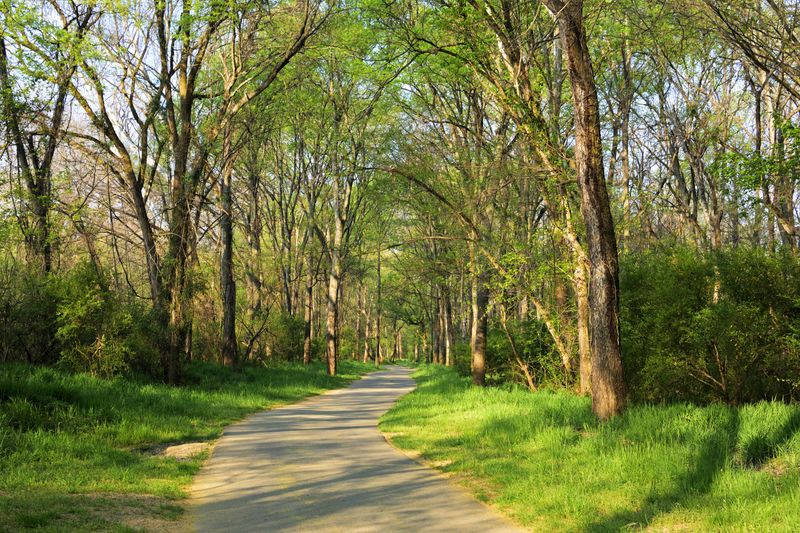
Some days, an open greenway is a better choice than a narrow woodland path. Clear sightlines and maintained borders make insect activity easier to notice.
They also provide more room to turn around without entering vegetation.
Check park alerts before leaving, especially after reports of nests along your usual route. Cooler mornings may reduce activity, but they never guarantee safety.
Bring water, a charged phone, and veterinary contact information. A flexible walking plan keeps outings enjoyable without unnecessary worry.
17. Finish With a Calm Check From Nose to Paws
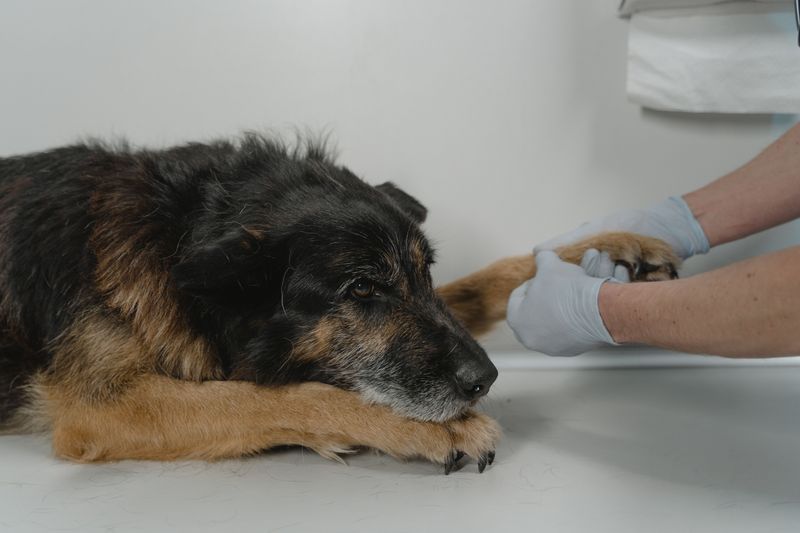
Back somewhere safe, look over your dog’s face, belly, legs, and paws. Notice licking, tenderness, swelling, or a sudden limp.
Yellow jackets usually do not leave stingers behind, so avoid digging through skin looking for one.
For mild swelling, ask your veterinarian about a wrapped cold compress and appropriate monitoring. Watch for delayed changes and call if anything concerns you.
Keep one simple habit: notice, create distance, and check afterward. Prepared owners can enjoy North Carolina trails confidently.