What Arizona Owners Should Check Before Leaving A Dog With A Sitter During Summer
Leaving your dog with a sitter should help you enjoy your trip, not add another worry. Arizona summers call for extra planning because hot pavement, sudden storms, and cooling problems can change a normal day.
Before you leave, walk through the details that keep your dog comfortable and your sitter prepared. A clear plan gives everyone more confidence, especially when the weather has other ideas.
1. Start With Real Arizona Summer Experience

A sitter who loves dogs still needs practical experience with desert summers. Ask how they adjust care during heat advisories.
Request examples of canceled walks, shorter bathroom breaks, and indoor activities. Someone prepared should explain their choices clearly, without brushing off concerns.
Discuss your dog’s age, breed, fitness, and medical history. Flat faced dogs and dogs with health conditions may need extra precautions.
Have your veterinarian explain any limits before the sitter takes responsibility for care.
2. Verify Reliable Air Conditioning
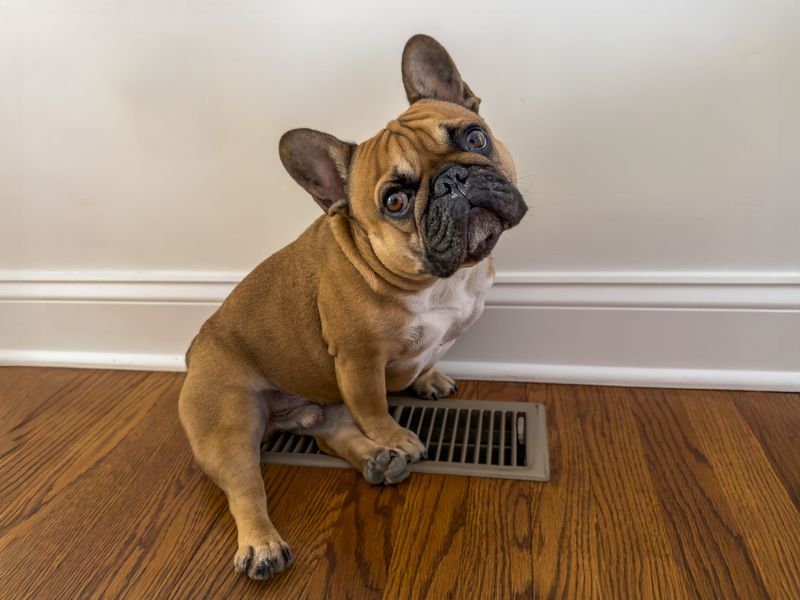
A cool house matters more than a shady yard during an Arizona summer. Confirm that air conditioning works before leaving.
Ask where your dog will rest and whether that room stays comfortable throughout the afternoon. Fans alone cannot replace reliable cooling.
Leave thermostat instructions and contact details for repairs. Agree on a backup location if cooling fails.
Choose temperature settings with your veterinarian when health conditions affect your dog’s comfort, rather than following one universal number.
3. Set Walking Times Around Conditions

Sunrise often offers better walking conditions, but the clock cannot guarantee safety. Overnight temperatures can remain high across Arizona communities.
Have the sitter check air temperature, pavement, humidity, and your dog’s behavior before heading out. Avoid hot pavement entirely.
A quick hand check cannot prove a surface is safe for paws. Plan brief bathroom trips when conditions are unsuitable.
Replace exercise walks with indoor games, and never push your dog to finish a route in heat.
4. Teach the Early Signs of Heatstroke
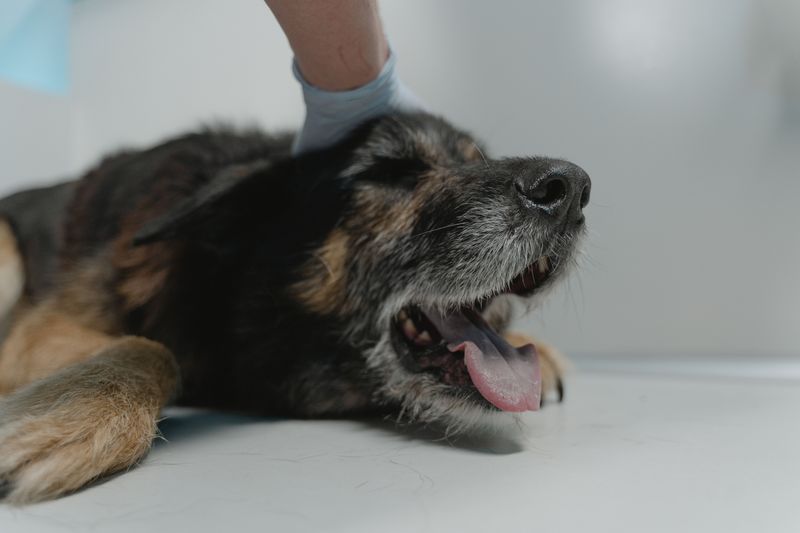
Heavy panting is not the only warning sign worth knowing. Drooling, weakness, vomiting, confusion, or collapse can signal heat illness.
Tell your sitter to move your dog into cooling immediately and contact an emergency veterinarian. Begin cooling with cool water and airflow.
Avoid ice baths, and never wrap the dog in wet towels. Do not force drinking.
Follow veterinary instructions while arranging transport, even if your dog seems better. Prompt professional guidance matters after suspected heatstroke.
5. Keep Fresh Water Within Easy Reach
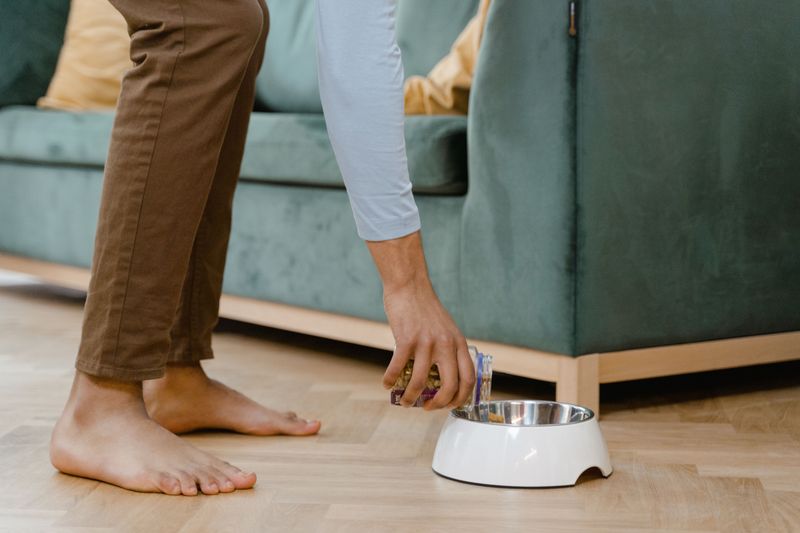
One tipped bowl can leave a dog without water until someone notices. Set out multiple stable bowls in accessible places.
Ask the sitter to refresh them regularly and check them during every visit. Outdoor bowls can become warm or dirty quickly.
Show any fountain cleaning steps, but keep ordinary bowls available too. Mention unusual drinking patterns your veterinarian wants monitored.
Never restrict water to reduce bathroom trips unless your veterinarian gives specific instructions for medical care.
6. Organize Meals and Medication Clearly
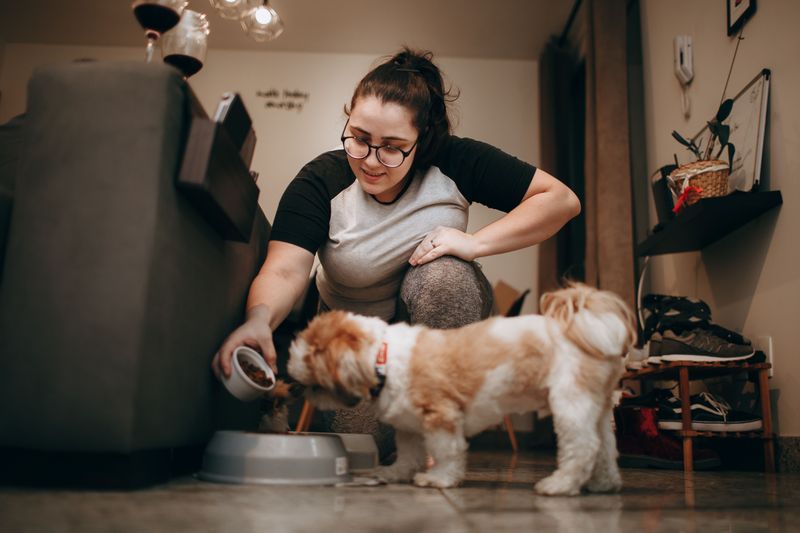
Familiar meals help keep your dog’s day predictable while you travel. Measure portions and label containers when that makes feeding easier.
List medication names, prescribed amounts, timing, storage needs, and whether food is required. Keep medicines in their original labeled packaging.
Demonstrate each step before leaving, including any tools your dog accepts. Ask your veterinarian what to do about missed doses or vomiting.
The sitter should never guess, double doses, or introduce supplements without veterinary approval first.
7. Share Veterinary Contacts Before Departure
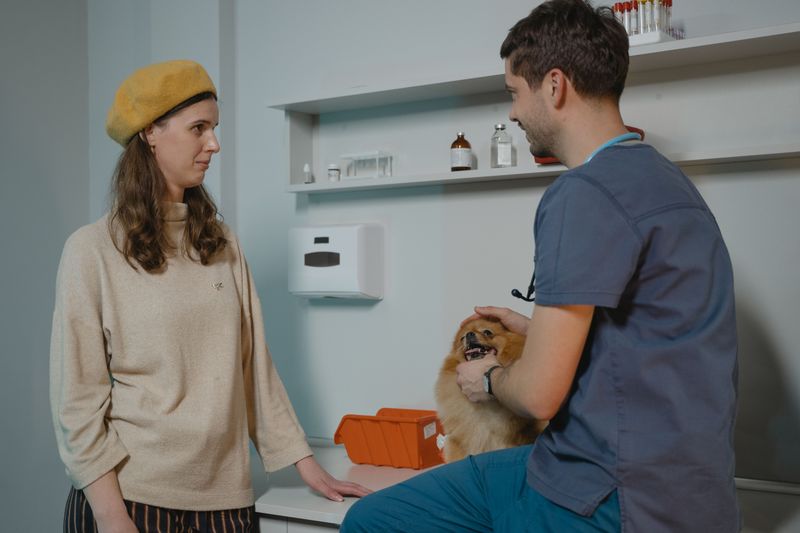
Searching for a clinic is harder when a dog needs help. Save your regular veterinarian’s number in the sitter’s phone.
Add an emergency hospital, its address, and current operating hours. Call ahead to confirm services, since availability can change without warning.
Provide your dog’s records, allergies, and relevant medical history. Tell your clinic who will provide care during your absence.
Keep printed details somewhere obvious, so a drained phone does not become another obstacle during urgent decisions.
8. Test the Sitter’s Emergency Readiness
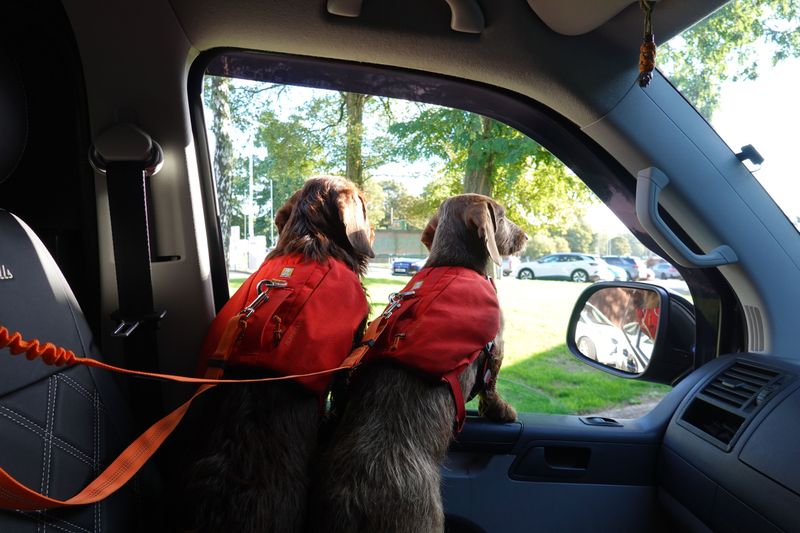
Confidence sounds reassuring, but a workable plan matters more. Ask how the sitter would transport your dog during an urgent problem.
Confirm access to a vehicle, a secure carrier or harness, and the nearest available emergency clinic. Discuss backup help if needed.
Pet first aid training is useful, but it does not replace veterinary care. Practice loading your dog safely before departure.
No dog should wait inside a parked vehicle while the sitter handles other tasks elsewhere.
9. Prepare for Monsoons and Power Outages

Summer storms can change plans quickly, bringing thunder, blowing dust, and lost electricity. Explain how your dog behaves during noisy weather.
Show the sitter flashlights, charged power banks, and your utility’s outage reporting information. Keep dogs indoors during dust storms and lightning.
Choose a cooled backup location before departure, and confirm it accepts your dog. Relocate promptly if indoor heat becomes unsafe.
Never use generators indoors or in garages, even when doors are open for ventilation.
10. Inspect a Secure Indoor Resting Area
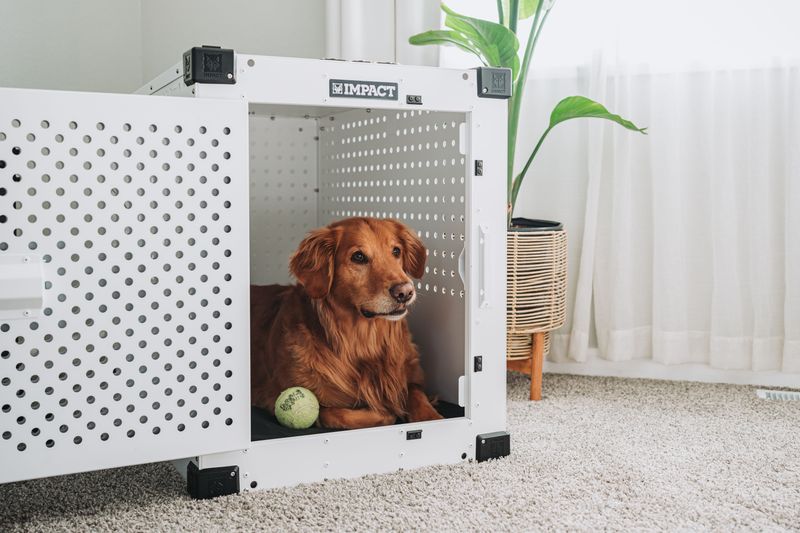
An unfamiliar doorway can tempt even a usually settled dog. Walk through gates, windows, screens, and exterior doors with your sitter.
Choose a quiet indoor area away from direct sun and accessible hazards. Remove loose cords, cleaning products, and tempting food packages.
If your dog uses a crate, explain its normal routine and limits. Never introduce prolonged confinement as a convenience.
Check yard gates too, but make clear that a secure yard cannot replace safe indoor shelter.
11. Describe Reactions to Desert Wildlife
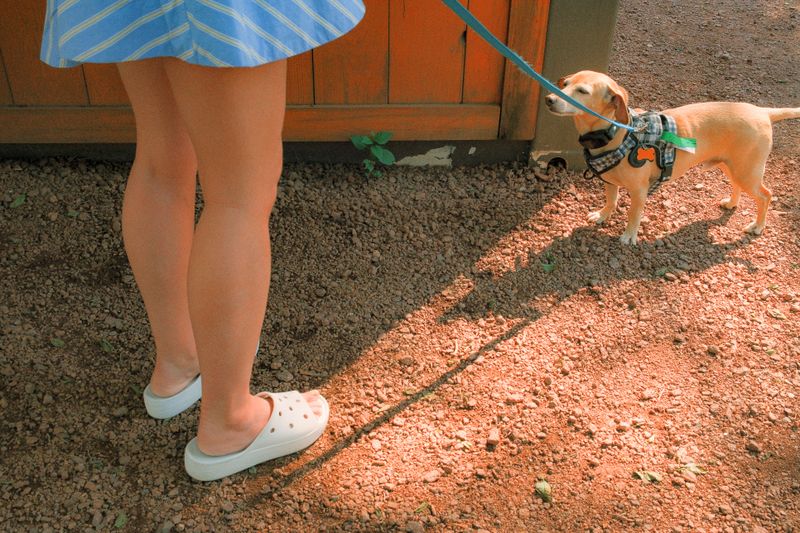
A rabbit near the fence can change your dog’s behavior instantly. Explain chasing habits and reactions to coyotes or unfamiliar animals.
Require a leash outside secure areas and close supervision during yard breaks. Small dogs should never be left outdoors alone.
Keep pet food indoors and remove fallen fruit or other wildlife attractants. Tell the sitter not to approach or feed wildlife.
For repeated wildlife concerns, seek guidance from Arizona wildlife officials or local animal control staff.
12. Replace Hot Outdoor Play With Indoor Fun
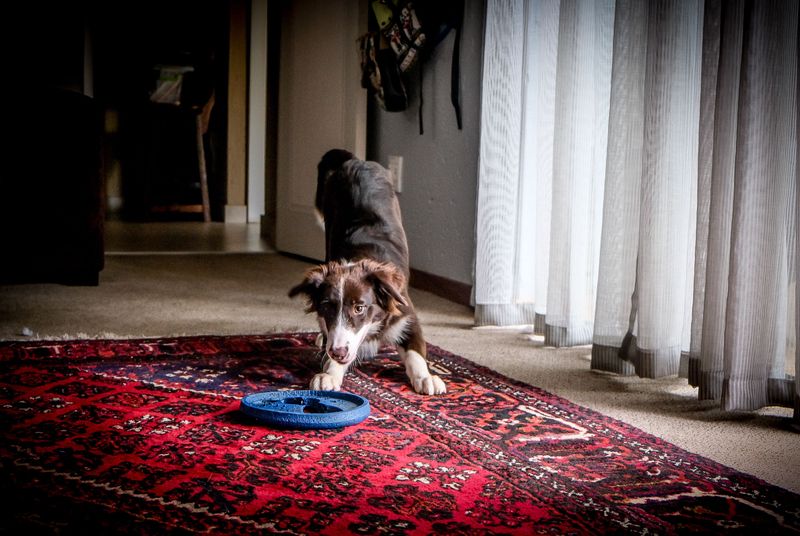
Fetch can keep an excited dog running beyond comfortable limits. Ask the sitter to avoid strenuous outdoor games during summer heat.
Offer simple alternatives, such as food puzzles, scent games, or short training sessions indoors. Match activities to your dog’s usual abilities.
Shade does not make hot weather safe for hard exercise. Supervise any pool access, and prevent drinking pool water.
Swimming also requires breaks and supervision. Leave permission requirements for outings, rather than allowing unexpected adventures.
13. Review Parasite and Snake Precautions

Desert living does not remove the need for parasite prevention. Confirm your dog’s flea and tick plan with your veterinarian.
Show the sitter how to check for ticks after outdoor time. Avoid brush, rock piles, and places where snakes may shelter.
Suspected snakebite needs immediate veterinary attention, even when marks are hard to see. Keep your dog quiet during transport.
Never cut, suction, ice, or apply a tourniquet. Discuss regional risks and prevention choices before your trip.
14. Map Out the Normal Daily Routine

Small familiar habits can make your absence easier for your dog. Write down wake times, bathroom needs, meals, and rest periods.
Include favorite toys, training cues, and any behaviors that mean your dog needs space. Note restrictions around children or other pets.
Build flexibility into the schedule for hotter weather without changing essential care. Explain how long your dog normally stays alone.
For drop in visits, verify that visit frequency meets bathroom, medication, companionship, and monitoring needs.
15. Arrange a Calm Introduction First

A first meeting should happen before suitcases reach the door. Invite the sitter over while you can guide a relaxed introduction.
Let your dog approach at their own pace, without forced contact. Demonstrate leash handling, door routines, and comfortable ways to offer rewards.
A short practice visit can reveal worries that a conversation misses. Watch how the sitter responds to hesitation or excitement.
If handling feels rushed or uncomfortable, arrange more practice or choose a better match.
16. Agree on Useful Daily Updates
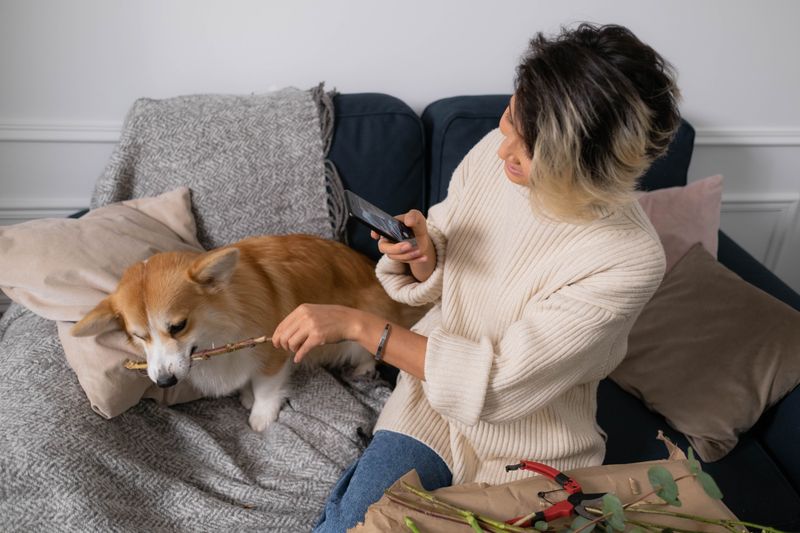
A cheerful photo is nice, but useful updates tell you more. Agree on when messages arrive and what they should include.
Ask about appetite, water intake, bathroom habits, medication, activity, and comfort indoors. Photos can help show your dog is settling well.
Decide which changes need an immediate call rather than a routine message. Name a backup contact if you cannot answer.
Make clear that urgent veterinary care should never wait for a photo or your reply.
17. Refresh Identification and Microchip Records
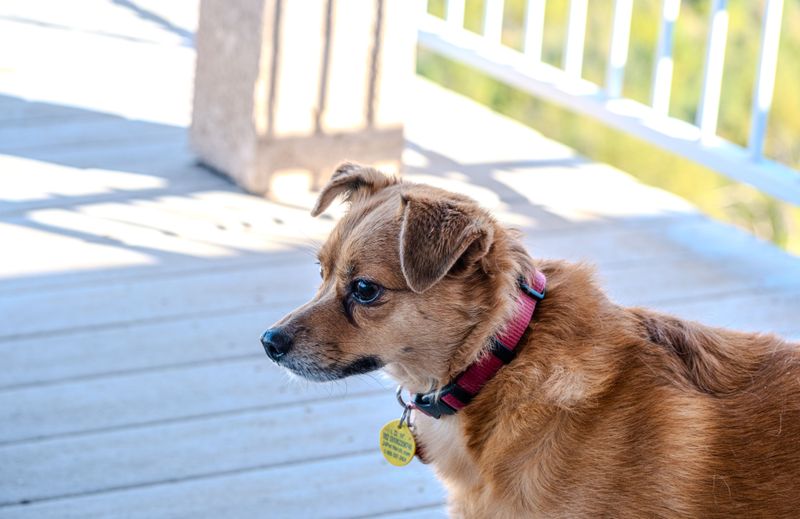
Even careful sitters can face an unexpected open door. Check that your dog’s collar fits properly and identification tags remain readable.
Confirm your phone number in the microchip registry, and add an emergency contact when possible. A microchip is not a tracker.
Leave a recent photo and instructions for contacting local shelters if your dog goes missing. Arizona requires rabies vaccination for dogs, while licensing requirements and procedures depend on the applicable county or local jurisdiction.
Confirm current requirements with your county’s animal services.
18. Finish With Written Emergency Permission
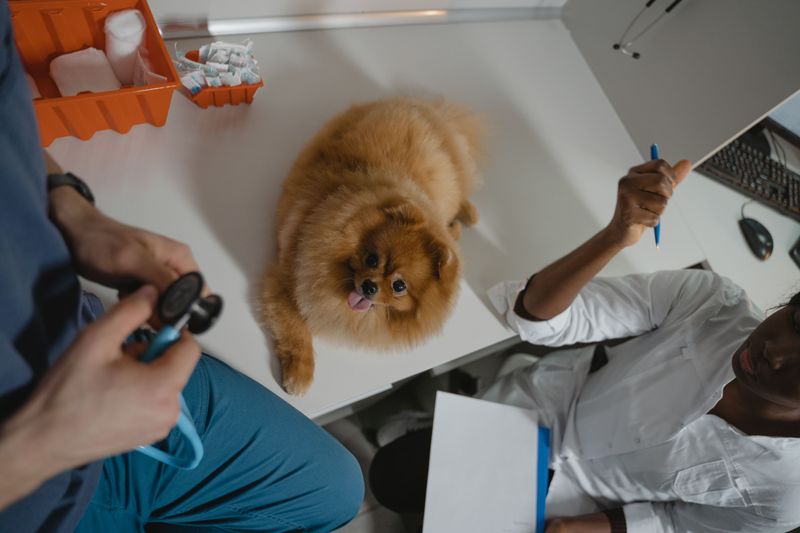
Written instructions turn a good conversation into a dependable plan. Provide signed veterinary authorization and ask your clinic what documentation it accepts.
Discuss payment arrangements, spending guidance, backup contacts, and who can approve treatment. Do not assume a signature guarantees every clinic’s acceptance.
Keep copies with the sitter and your veterinarian, and review everything together before leaving. Clear plans make summer care feel manageable.
Prepare the details now, then leave knowing your sitter understands your dog’s needs.