What New Texas Dog Owners Usually Learn During Their First Summer
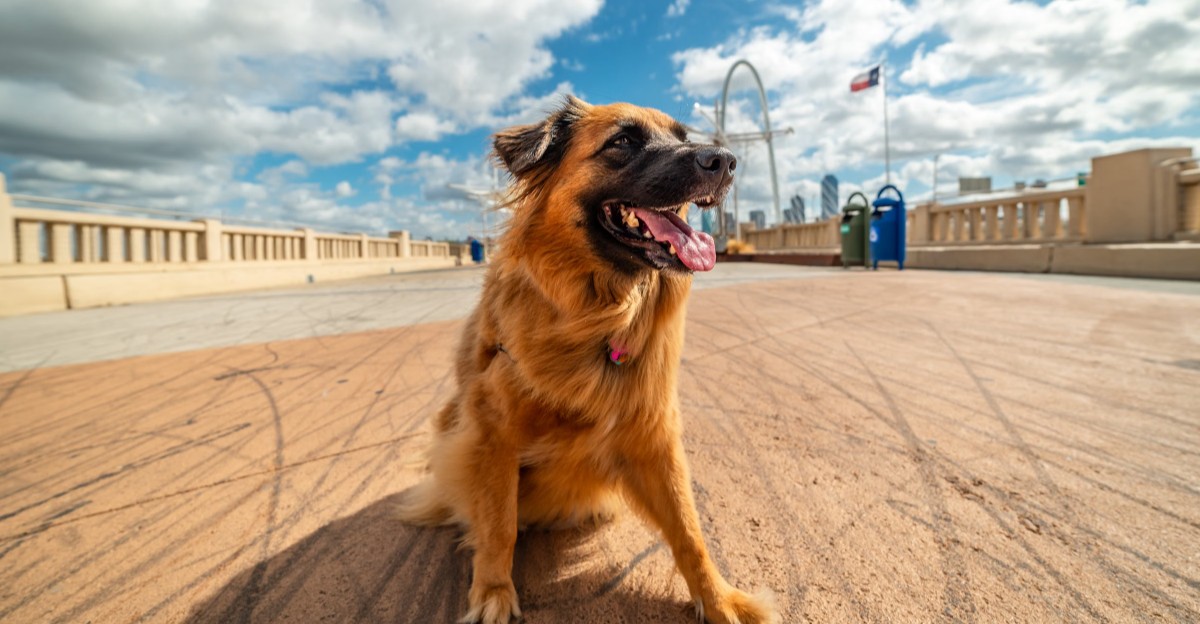
Your first Texas summer with a dog teaches you things no puppy book mentions. You learn to read pavement with your hand, to walk before sunrise, and to keep water within reach at all times.
None of it is complicated, but all of it matters. Here is what local owners figure out along the way, gathered in one place so you can start the season feeling prepared instead of guessing.
Think of it as friendly advice from someone down the road.
1. Pavement Heats Up Faster Than You Expect
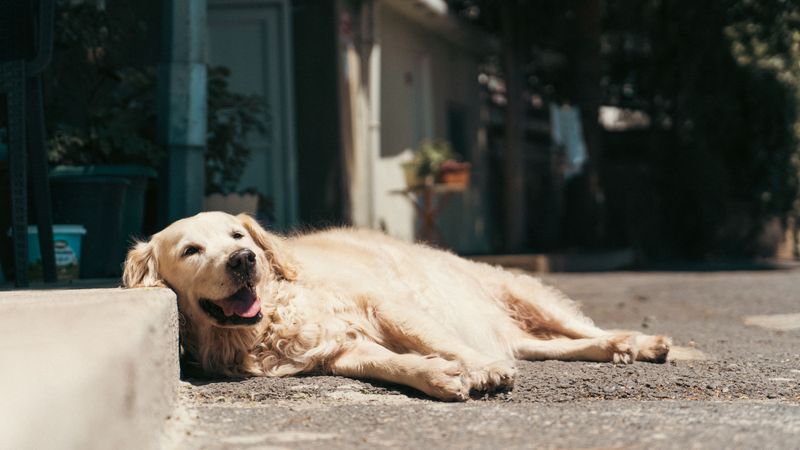
Air temperature tells only half the story. When it hits 85 degrees, asphalt can climb past 130 degrees.
At 95 degrees, pavement can exceed 150.
Paw pads are tough, but not heat-proof. Skin damage can happen quickly at those surface temperatures.
Try the seven-second test: rest the back of your hand on the pavement. If you want to pull away, your dog would too.
Grass and shaded dirt paths stay far cooler.
2. Sunrise and Sunset Become Your Walking Hours
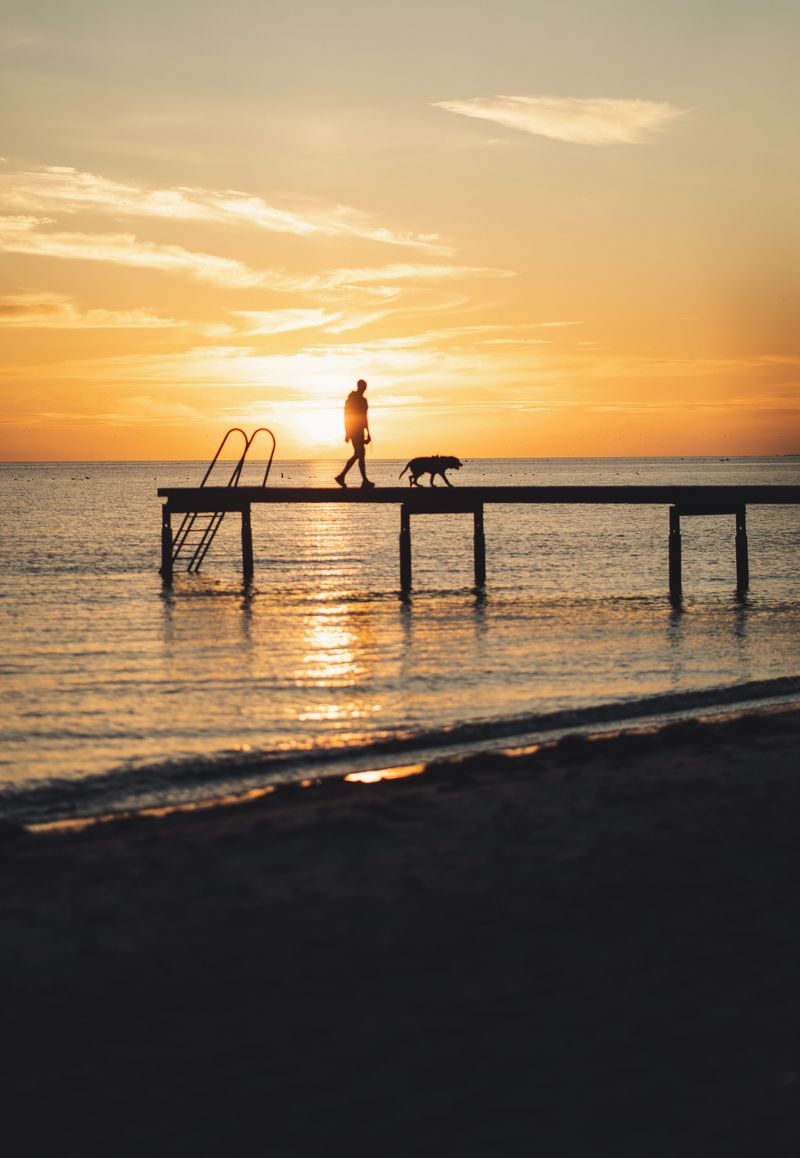
Most Texas owners shift their whole schedule within a few weeks. Before 8 a.m. and after 7 p.m. are generally the kindest windows.
Mornings often win because the ground cooled overnight. Concrete holds heat for hours and can stay warm long after sunset.
Two short outings usually beat one long midday trek. The stretch between 10 a.m. and 6 p.m. is best reserved for indoor games.
3. Heat Catches Dogs Off Guard Quickly
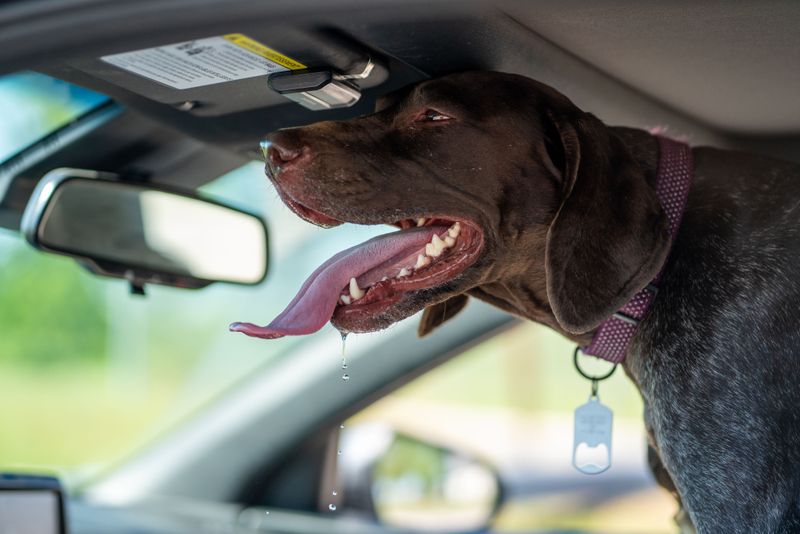
Dogs do not sweat the way we do. Panting is their main cooling tool, and it has limits.
That difference explains why overheating can develop fast, sometimes in the time it takes to finish a short loop around the block.
Heat strain can also build up over hours or across several warm days. A dog who seemed fine yesterday may tire sooner today.
Watching and adjusting beats pushing through.
4. Shade Helps, But It Is Not a Free Pass
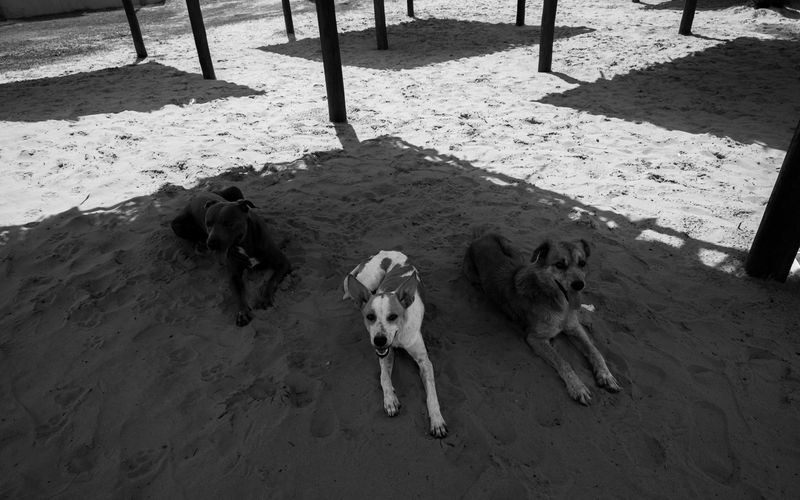
A shady spot lowers the sun’s direct sting. What it cannot do is cool the surrounding air or the concrete nearby.
Surfaces just outside the shade can still reach levels that bother paw pads within minutes.
Add Texas humidity, and a dog resting in shade may still struggle to cool down. Treat shade as one layer of protection, paired with water, breaks, and shorter outdoor time.
5. Parked Cars Are Never a Quick Errand Option
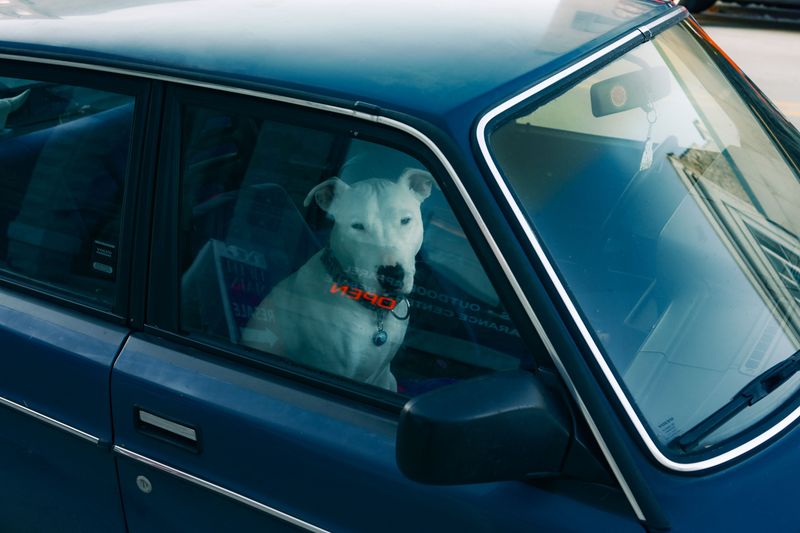
Here is the rule experienced owners follow without exception: the dog either comes inside with you or stays home.
Interior temperatures can pass 100 degrees within minutes, and cracked windows change very little. Shaded parking helps less than people assume.
Texas has no single statute naming parked cars, but such cases can be handled under general animal cruelty laws. Some cities have their own ordinances, so check locally.
6. Water Access Turns Into a Constant Job
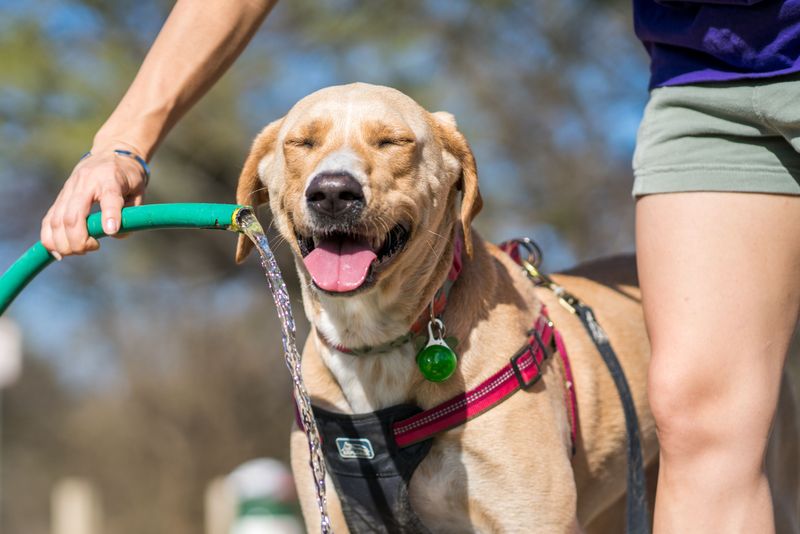
Refilling bowls becomes almost a reflex by mid-June. Fresh, cool water should be available indoors and out, all day long.
Outdoor bowls belong in the shade, since sunlight can warm water surprisingly fast. Topping them off a few times daily keeps things pleasant.
Carry a bottle and collapsible bowl on every walk, even short ones. Dampening your dog’s coat beforehand adds a little evaporative cooling too.
7. Short-Nosed Breeds Need Extra Caution
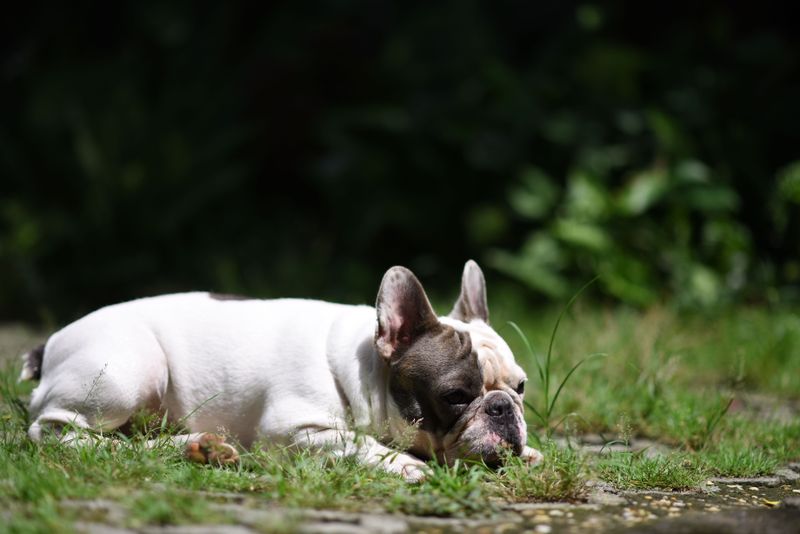
Bulldogs, French Bulldogs, Pugs, Boston Terriers, Shih Tzus, Boxers, and Cavaliers share one trait: a compressed airway.
Because panting works less efficiently for them, heat strain can appear at temperatures other dogs handle comfortably.
Owners of these breeds often keep summer activity almost entirely indoors, with brief potty trips and plenty of air conditioning. A cool tile floor and a fan go a long way in July.
8. Humidity Quietly Raises the Difficulty
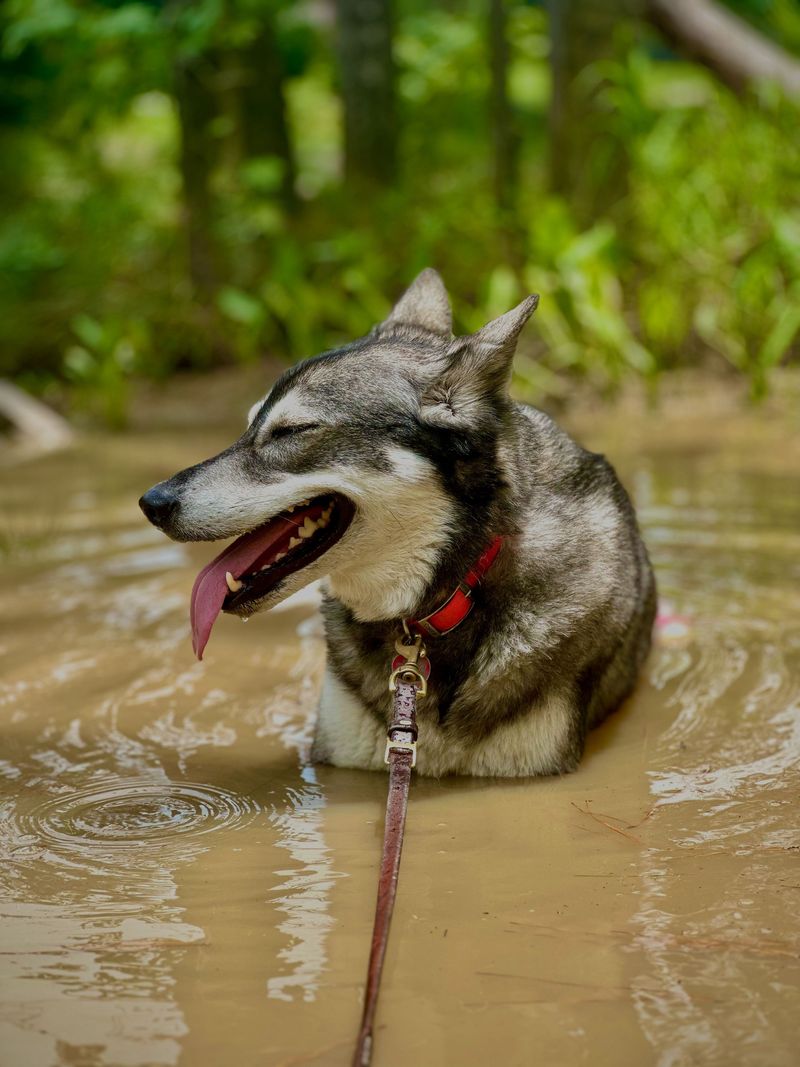
Ninety degrees in dry West Texas feels different from ninety along the Gulf Coast. Moisture in the air slows evaporation, and panting depends on evaporation.
Even dogs used to warm weather can struggle when humidity climbs.
Checking the heat index rather than the plain temperature gives a more honest picture. On sticky mornings, many owners trade the long walk for sniff games in an air-conditioned hallway.
9. Warning Signs Worth Memorizing Early
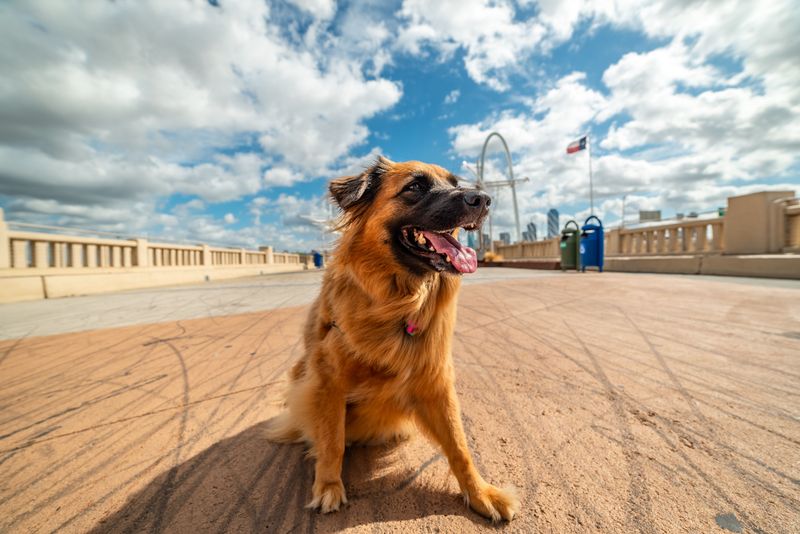
Learn this short list before you need it: heavy panting, thick drooling, weakness, wobbly walking, confusion, vomiting, or diarrhea.
Gums that look bright red or unusually pale also deserve attention, as does collapse or unresponsiveness.
Move your dog somewhere cooler right away, offer cool water rather than ice-cold, and contact a veterinarian or emergency clinic promptly. Saving that number in your phone now makes the moment far less stressful.
10. Fleas and Ticks Barely Take a Break
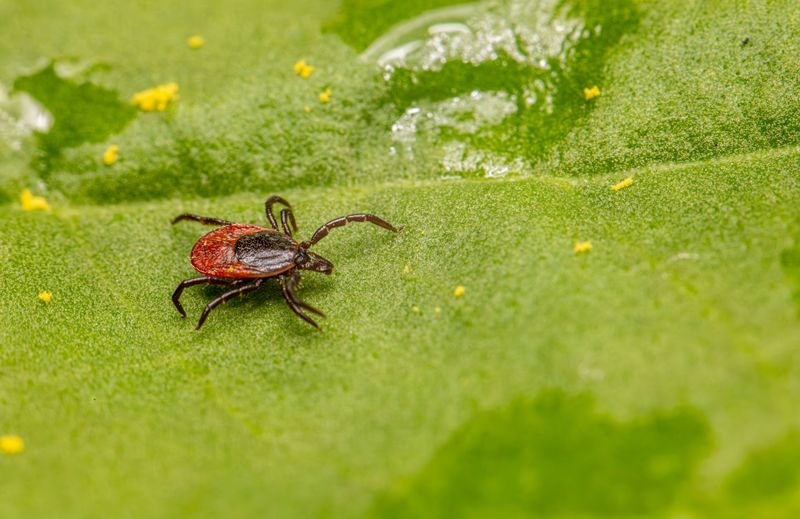
Winter does not reset the parasite clock here. Warm, humid conditions keep fleas active nearly year-round, with peaks often from May through July.
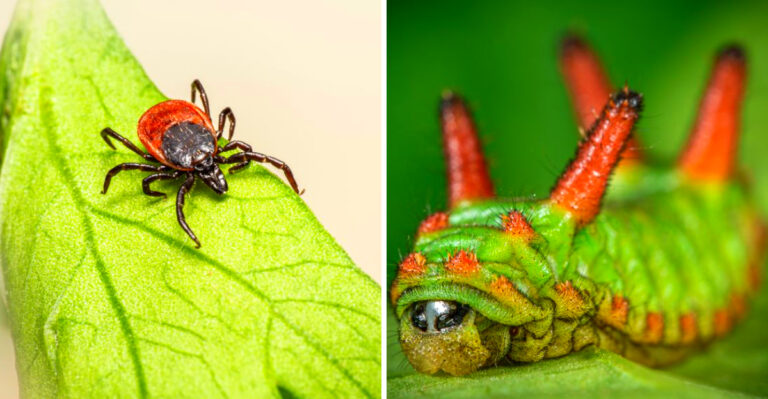
Ticks stay busy any time temperatures sit above freezing, which covers most Texas months.
Continuous prevention, rather than seasonal, is the standard advice from local veterinarians. Run your hands over ears, armpits, and between toes after outdoor time.
Quick checks catch hitchhikers early.
11. Mosquitoes Make Heartworm Prevention Essential
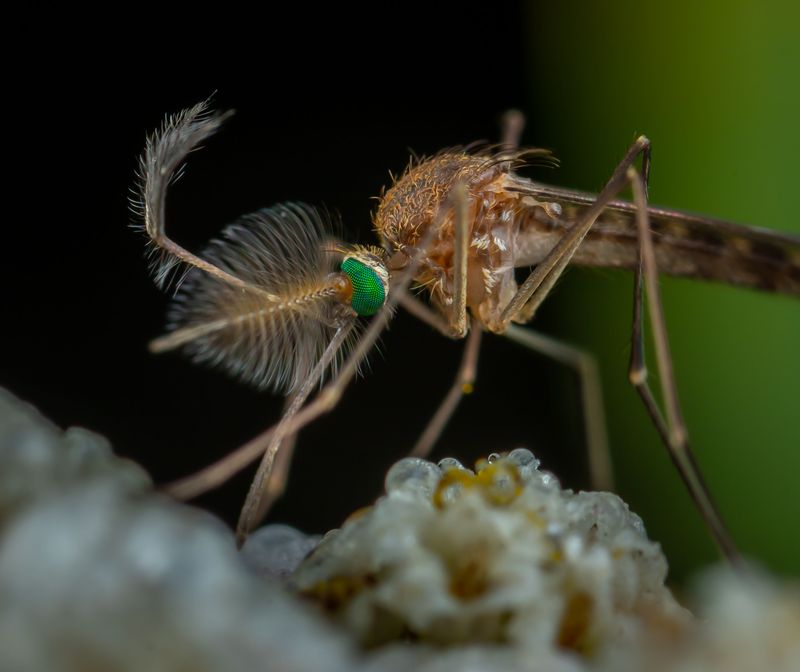
Those evening mosquito clouds are more than an annoyance. Mosquito bites are how heartworm disease spreads to dogs.
The encouraging part: it is preventable, and prevention is simple. Monthly chewables or vet-recommended products handle it, and some combine heartworm, flea, and tick coverage.
Ask your veterinarian which schedule fits your dog and your region of Texas. Testing before starting or restarting prevention is standard practice, so keep appointments consistent.
12. Fire Ant Mounds Deserve a Wide Berth
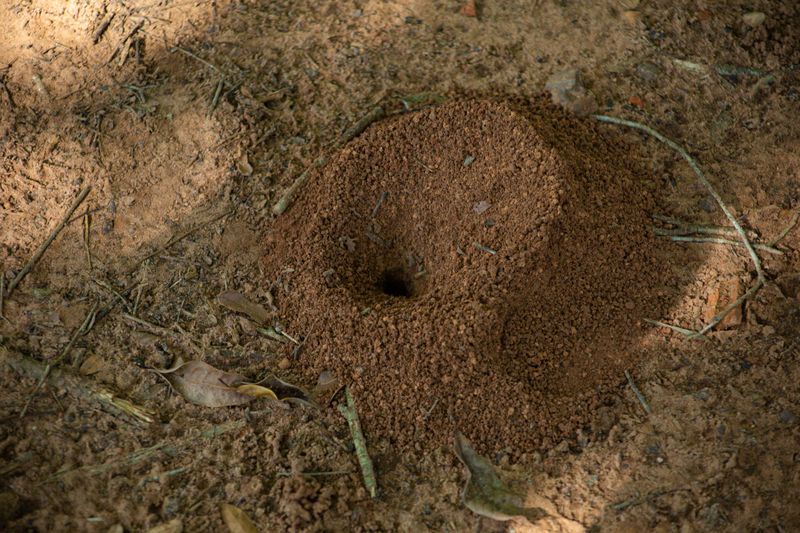
Red imported fire ants live across most of Texas, often in tidy-looking lawns. A curious nose can find a mound in seconds.
Stings burn and swell, and small white-centered bumps may appear within a day or two. Paws, bellies, and muzzles are common spots.
Brush ants off with a dry towel instead of water, then apply a cool compress. Call your vet if swelling spreads or breathing seems labored.
13. Snake Awareness Becomes Second Nature
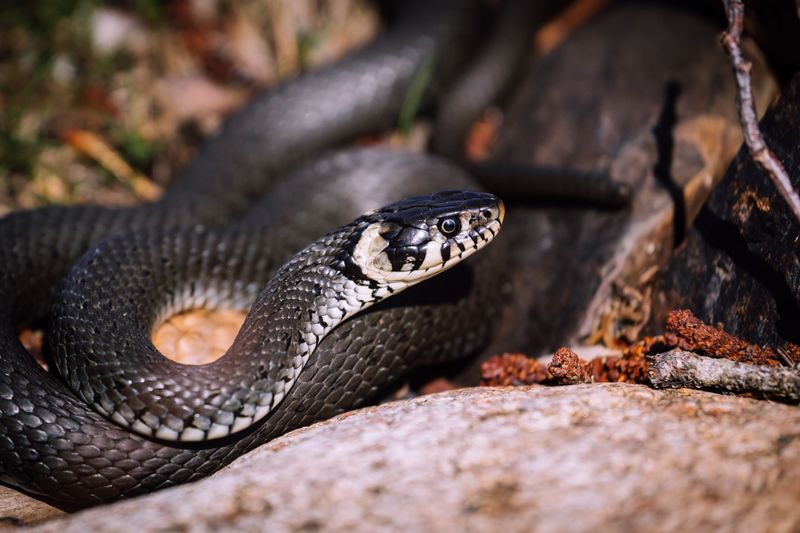
Rattlesnakes, copperheads, cottonmouths, and coral snakes all call Texas home, with ranges varying by region.
Activity picks up once temperatures pass 80 degrees, and hiding spots include tall grass, woodpiles, brush, and rocky ledges.
Leashes and cleared paths prevent most surprises. Keep grass trimmed and debris piles gone.
Aversion training exists in some areas, and a rattlesnake vaccine may reduce severity, though any bite still needs immediate veterinary care.
14. Blue-Green Algae Changes How You Pick Swim Spots
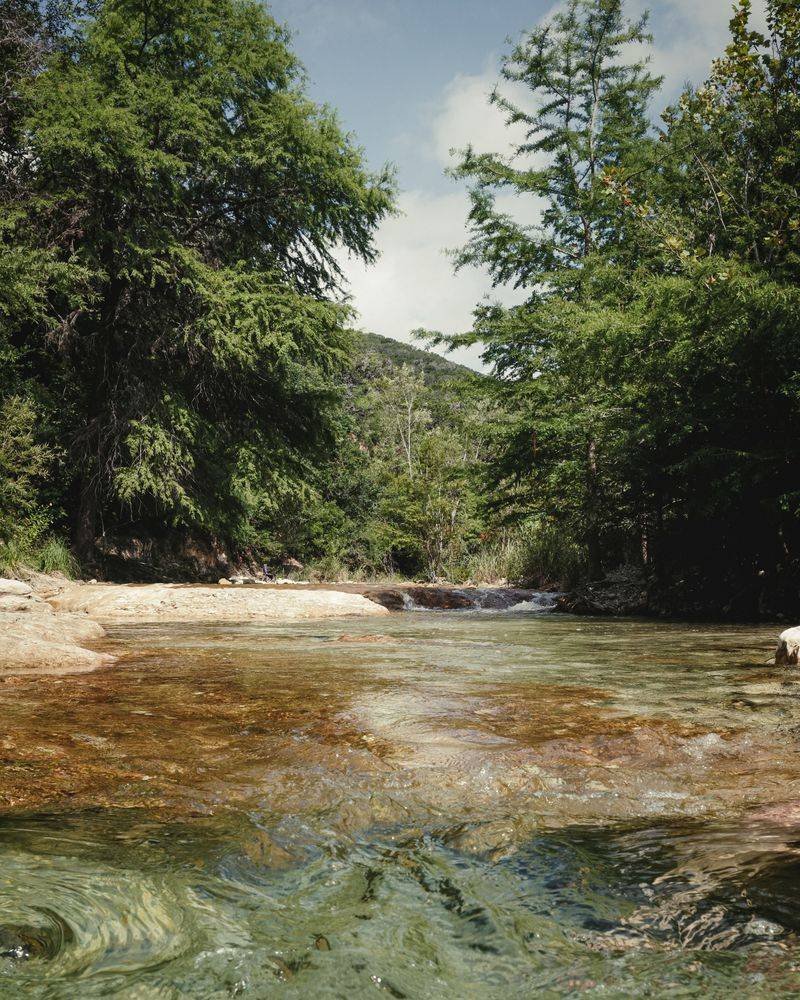
Some Texas lakes, ponds, and slow-moving creeks can develop harmful blue-green algae, also called cyanobacteria.
These blooms release toxins that may affect the liver or nervous system. Austin’s Lady Bird Lake and Lake Austin have seen toxic blooms since 2019.
Skip any water with visible scum, mats, or foam, and never let your dog drink from it. If exposure happens, rinse thoroughly with clean water and call a veterinarian.
15. Swimming Is Not Automatic Cooling
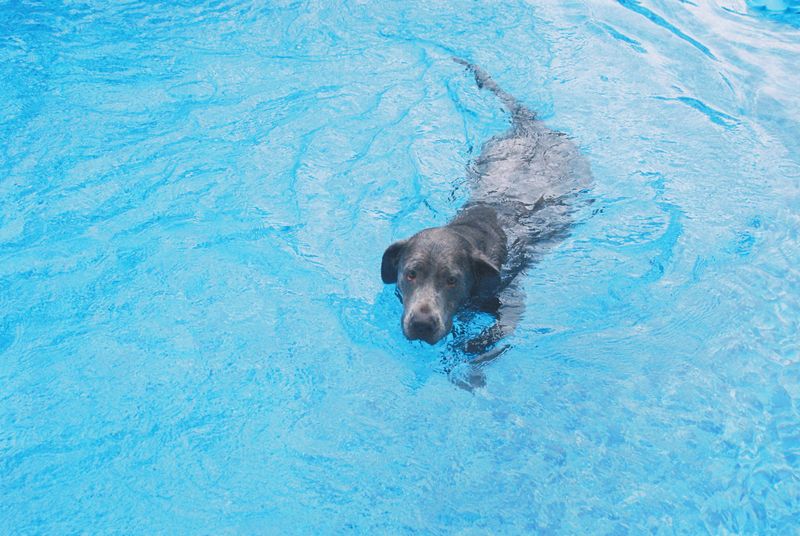
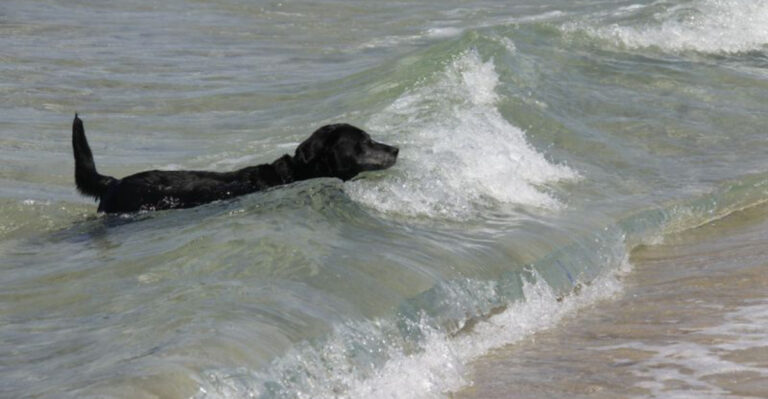
Plenty of owners assume water solves the heat problem. A dog paddling hard for an hour can still overheat, especially in warm water.
Swimming is exercise, and exercise generates heat. Frequent rest in the shade keeps sessions safe.
Water quality matters as much as temperature, so check for algae or runoff. A shallow kiddie pool in the yard offers a simpler option, always with someone watching nearby.
16. Afternoon Storms Reveal Noise Sensitivity
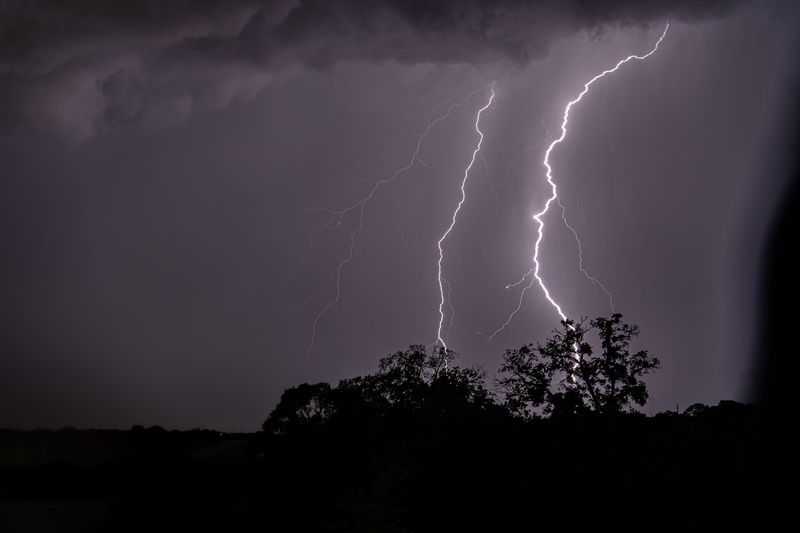
Gentle rain rarely bothers dogs. Texas storm season brings something louder, with sudden thunder, gusty wind, and pressure shifts.
Roughly a third of dogs show storm fear, appearing as trembling, hiding, pacing, or restless panting.
Set up a quiet retreat with familiar bedding and a favorite toy. White noise or calming music helps mask rumbles.
Staying relaxed yourself reassures them, and your vet can discuss wraps or medication options.
17. The Backyard Gets a Summer Makeover
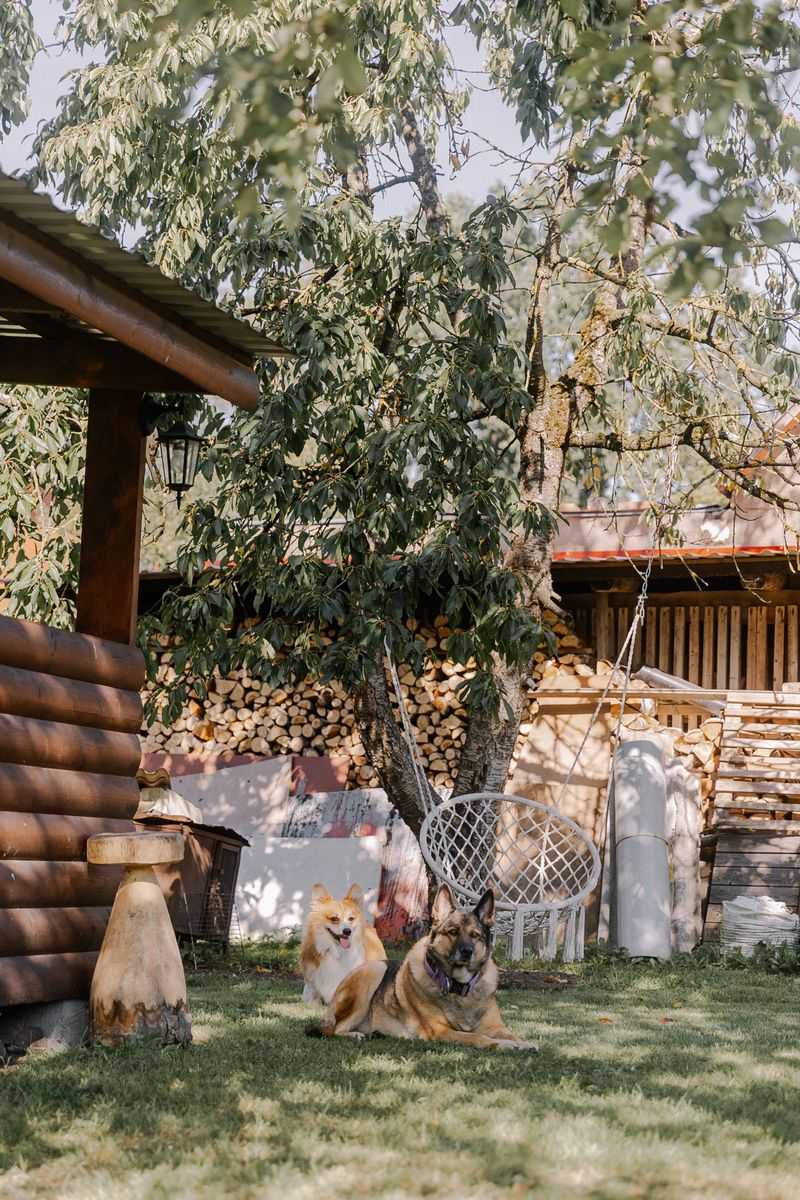
By July, most yards here look a little different. Shade sails, covered patios, or a leafy corner give dogs somewhere to retreat.
Water bowls move into the shade and get refilled often. Cooling mats or a damp towel make resting spots more comfortable.
Outdoor time shrinks to supervised breaks rather than long stretches. A small kiddie pool is an easy upgrade that many dogs happily claim as their own.
18. Brushing Beats Shaving for Double Coats
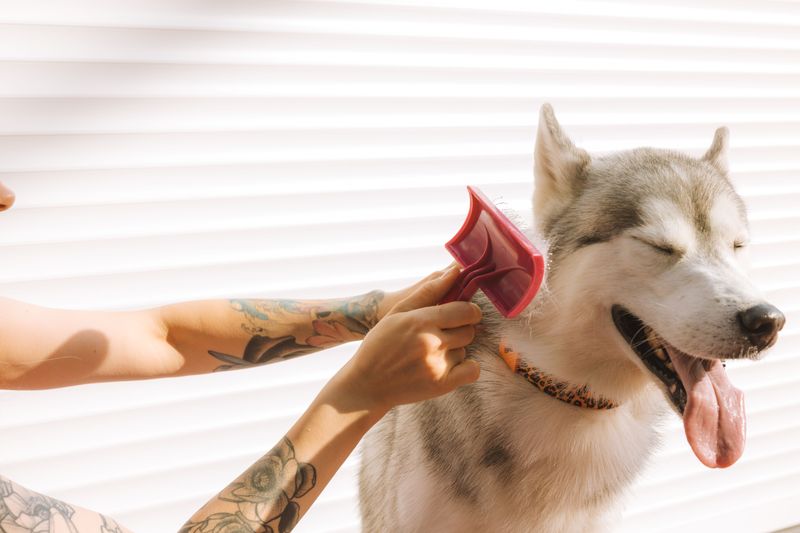
It feels logical to shave a fluffy dog in Texas. For double-coated breeds like Huskies, Golden Retrievers, German Shepherds, Corgis, and Pomeranians, it usually backfires.
That coat traps air and shields skin from direct sun. Removing it raises sunburn and irritation risk and can disrupt natural temperature control.
Regrowth may come back patchy or changed in texture. Thorough brushing and deshedding improve airflow instead.
Shaving stays reserved for medical reasons.
19. Exercise Gets Split Into Smaller Servings
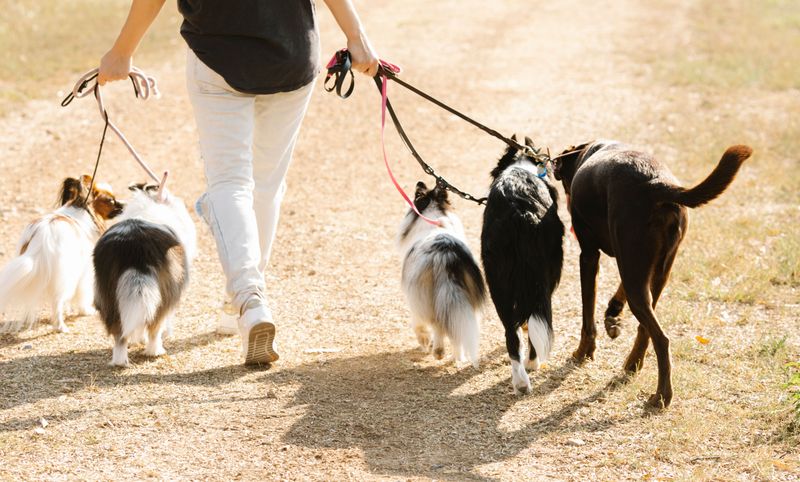
Long summer hikes rarely work out. Most owners trade them for two brief walks, one early and one late, plus indoor enrichment.
Shorter, slower sessions with frequent rest keep energy burning without the strain of midday heat.
Sniff mats, puzzle feeders, training practice, and hallway fetch tire dogs surprisingly well. A mentally worked dog naps just as soundly as one who ran three miles.
20. Checking the Forecast Comes Before the Leash
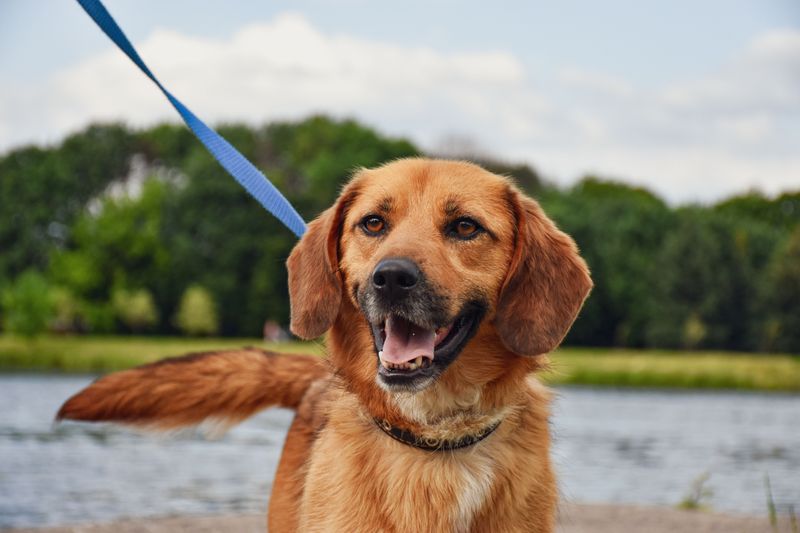
The habit that sticks longest is simple: look at the temperature and heat index before you plan anything.
Then touch the pavement for seven seconds at the door. Those two steps decide the route, the timing, and the pace.
Adjust freely, since conditions shift week to week across Texas. Deciding before you leave, rather than after your dog slows down, is the quiet skill first summers teach best.