15 Working Dog Breeds Suited To California Ranches And Horse Properties
A good ranch dog needs more than energy when horses, open gates, and California heat share the same space. Some breeds help move livestock, while others watch over animals without gathering them.
Choosing between those jobs matters more than picking the cutest puppy beside the feed room. From coastal pastures to warm inland valleys, the right match starts with your daily chores, fencing, and training time.
1. Australian Cattle Dog: A Compact Cattle Specialist
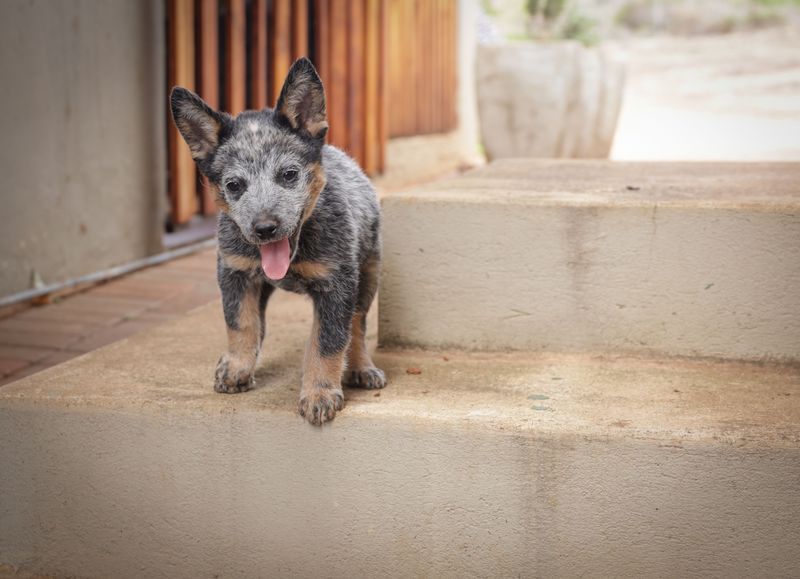
Dusty boots have met their match in this sturdy, busy ranch hand. Bred to move cattle, Australian Cattle Dogs bring stamina, quick thinking, and plenty of determination.
That heel nipping instinct needs careful direction around horses. Teach distance, recall, and a reliable stop before introducing any livestock work.
Plan demanding exercise and short training sessions each day. During hot California afternoons, switch to shaded activities and save harder jobs for cooler hours whenever practical and possible.
2. Australian Shepherd: The Versatile Chore Partner
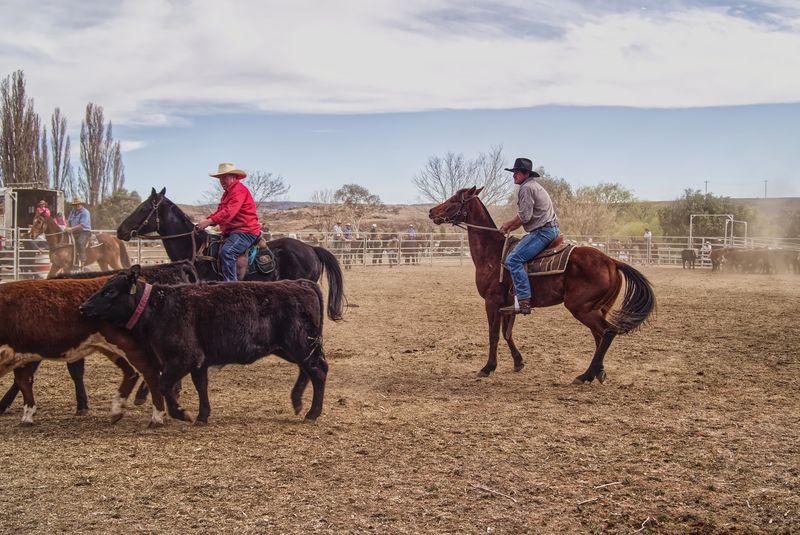
Chore time often becomes the highlight of an Aussie’s day. Despite the name, this breed developed in the American West as a capable livestock worker.
Many enjoy learning gate manners, gathering stock, and staying close during supervised property rounds. Choose working ability and temperament over coat color.
Around horses, reward quiet movement rather than circling or barking. Regular brushing helps remove burrs, while daily mental challenges give that clever ranch brain something useful to do afterward.
3. Border Collie: Precision With Plenty of Drive
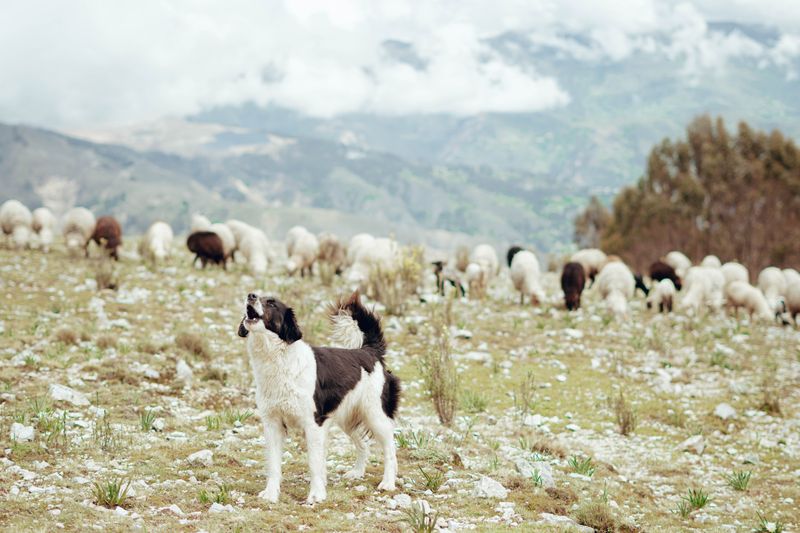
A tiny hand signal can mean a whole new assignment to this sharp observer. Border Collies excel at controlled livestock movement when trained by someone who understands herding.
Their intense focus can become unwanted chasing without clear boundaries. Horses should never serve as practice targets for an untrained youngster.
Look for a suitable working line and seek experienced instruction. Puzzle games help, but they cannot replace exercise, rest, and thoughtful daily training on a busy property.
4. Australian Kelpie: An Athletic Gathering Expert
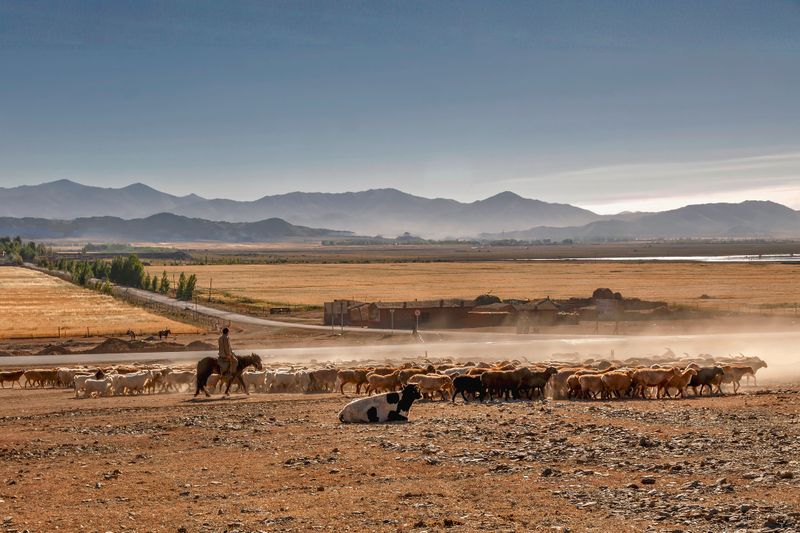
Long paddock days suit a dog built for movement and quick decisions. Australian Kelpies were developed for livestock work across demanding Australian landscapes.
On California ranches, their athletic style fits active owners with real herding tasks. A large yard alone rarely satisfies such a busy mind.
Build fitness gradually and schedule summer work before temperatures climb. Even capable working dogs need shade, water, recovery time, and careful introductions to horses behind secure fences before sharing space.
5. McNab Shepherd: California’s Homegrown Ranch Hand
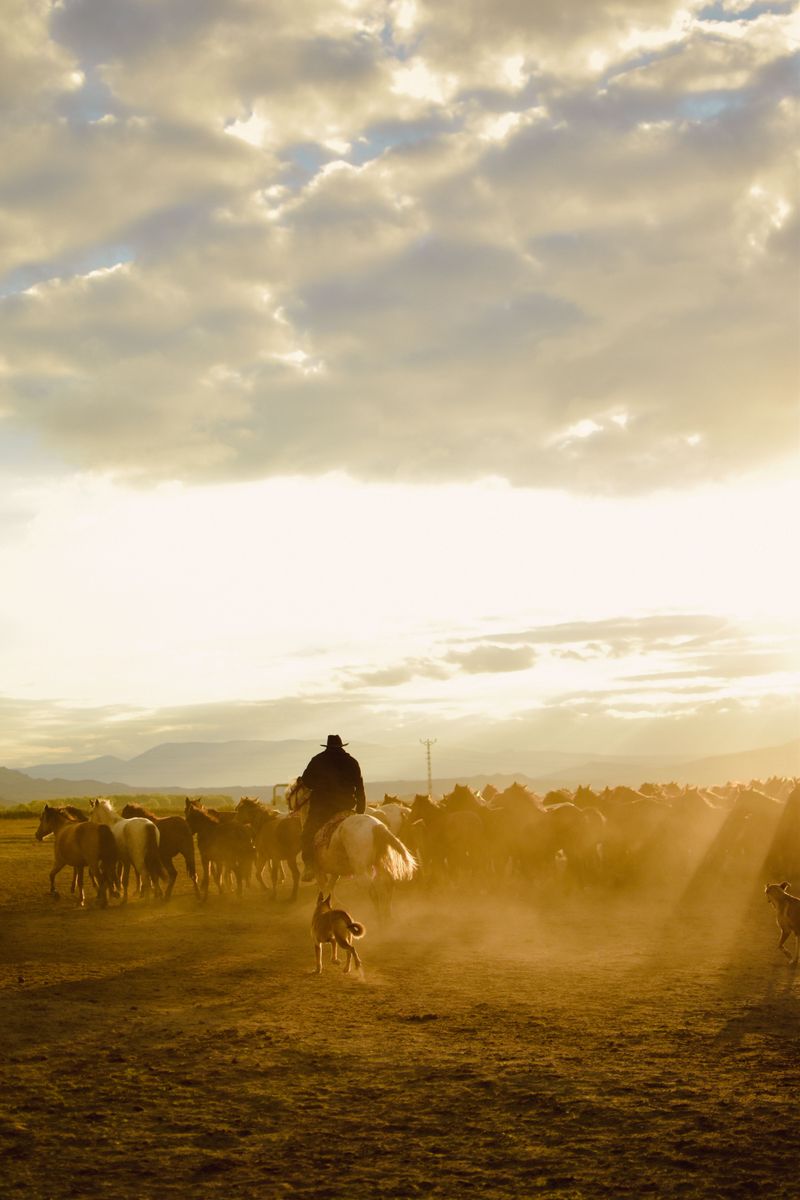
California roots give the McNab a special place beside the saddle rack. Developed in Northern California, these ranch dogs are known for athletic movement and livestock sense.
Coats and appearances vary, so judge the individual rather than expecting one standard look. Ask breeders about working parents, health testing, and temperament.
Provide purposeful activity and consistent boundaries near paddocks. Their local history is appealing, but successful horse manners still come from patient teaching, not a regional pedigree.
6. Catahoula Leopard Dog: A Bold Stock Worker
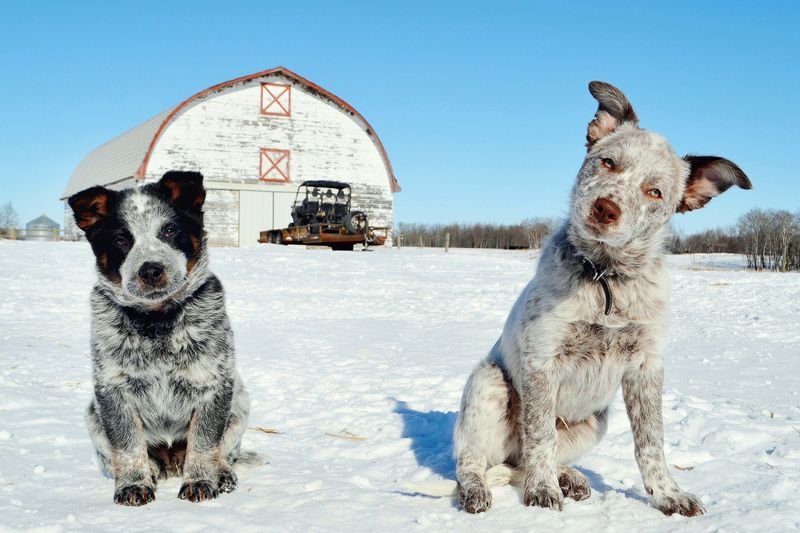
Spotted coats catch attention, but working judgment matters much more here. Louisiana’s Catahoula Leopard Dog has a strong history of stock work and other demanding outdoor jobs.
Independent thinking can help with difficult assignments, yet it requires steady guidance. Select dogs whose family history matches your intended ranch role.
Supervise introductions to horses and smaller animals closely. Secure fencing, dependable recall, and structured exercise are essentials, especially when an interesting scent invites an unscheduled property inspection.
7. English Shepherd: The Traditional Farm All-Rounder
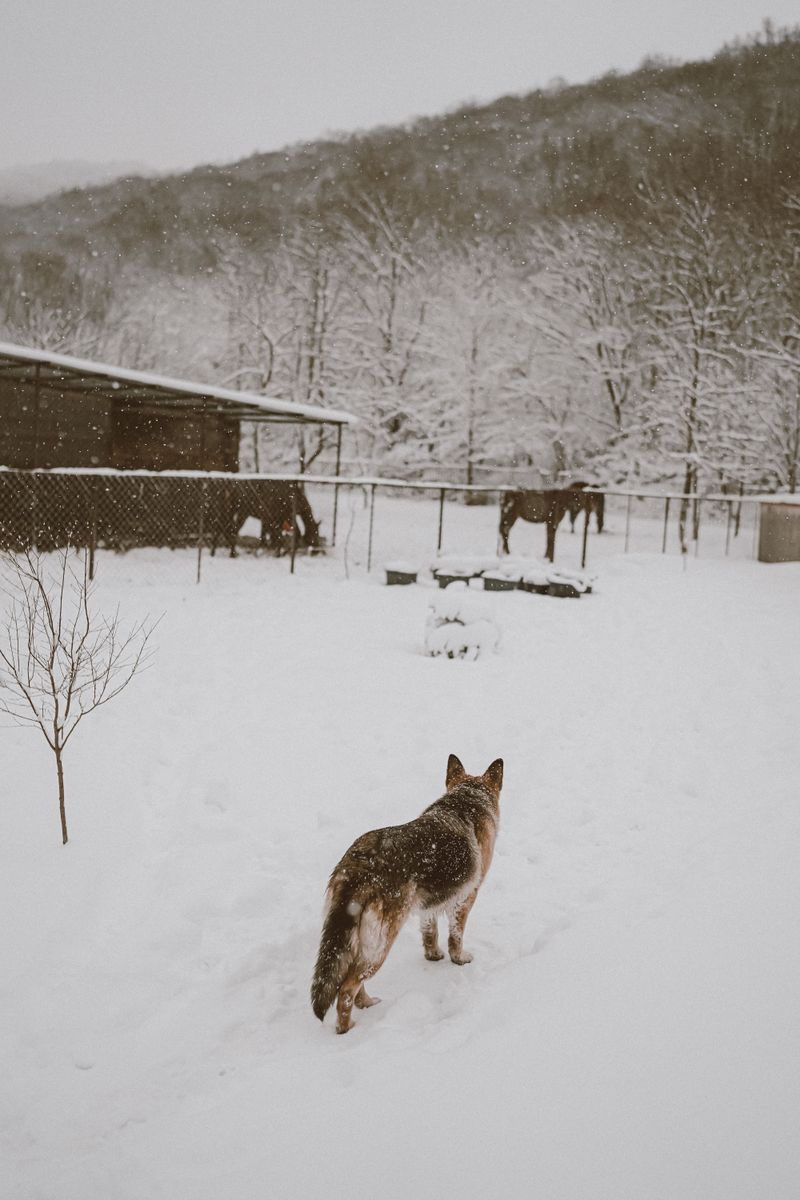
Someone has to notice when the daily routine changes. English Shepherds often bring that watchful farm helper attitude, alongside herding ability and a strong connection with their people.
They suit owners seeking varied chores rather than nonstop speed. Individual dogs differ, so discuss livestock experience and household expectations with breeders.
Teach a settled waiting spot during horse grooming and feeding. Rewarding calm observation helps prevent helpful enthusiasm from turning into unauthorized supervision of every moving hoof.
8. German Shepherd: Structure Makes the Difference
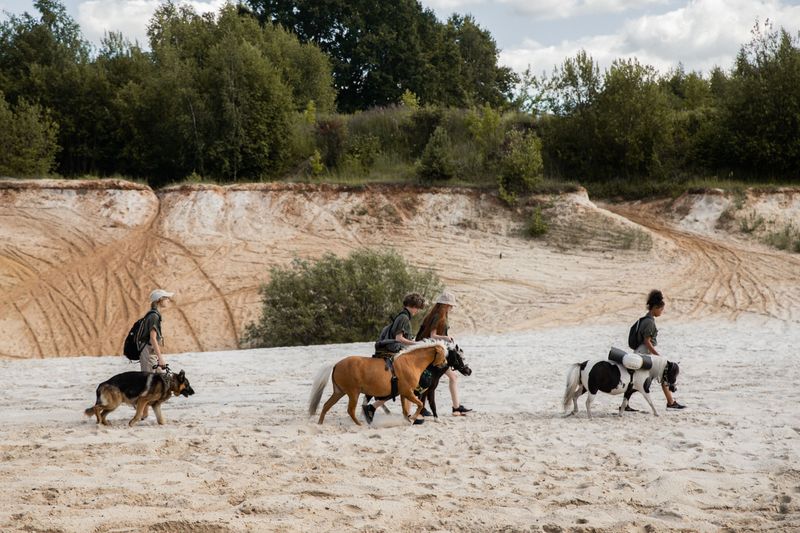
A clear assignment brings out the best in many German Shepherds. Their trainability and versatility can suit supervised property rounds, obedience work, and certain livestock roles.
They are not automatic livestock guardians, and compatibility with horses must be taught. Choose sound temperament and ask about recommended health screenings.
Practice calm greetings with visitors and reliable boundaries around arenas. California summers also call for cooler exercise times, fresh water, and breaks away from sun warmed working surfaces.
9. Belgian Malinois: Best for Experienced Working Homes
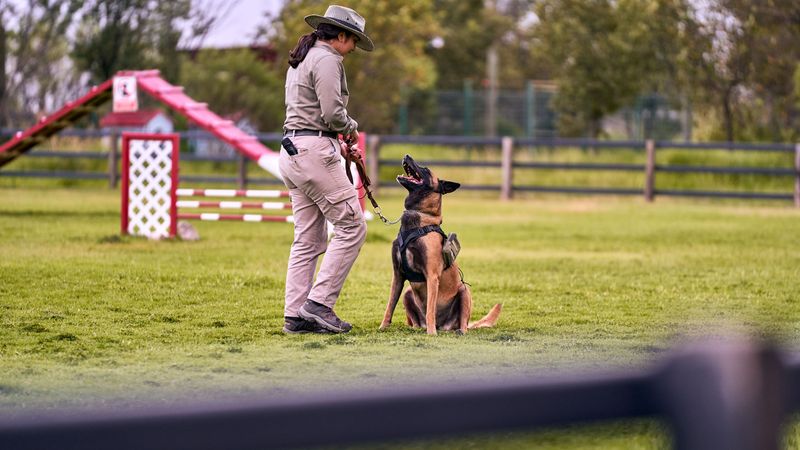
Fast feet come with an equally fast brain in this demanding breed. Belgian Malinois need skilled handling, daily training, and an outlet beyond simply roaming acreage.
For experienced owners, structured ranch routines can complement serious dog sports or other trained work. Most casual horse households should consider easier alternatives.
Prevent chasing from the start and teach relaxation as deliberately as obedience. A fenced training area separates lively practice from horses, deliveries, and the everyday barn bustle.
10. Dutch Shepherd: A Brindle Brain for Busy Days
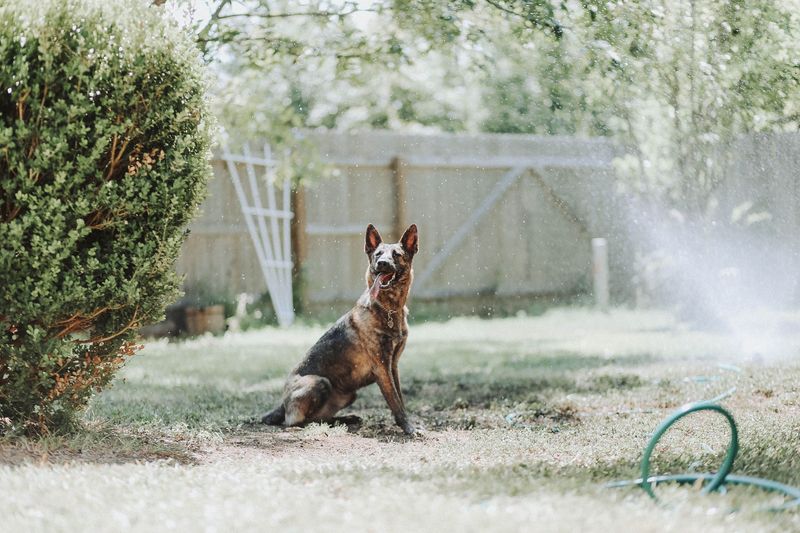
Brindle stripes wrap a dog that usually appreciates having homework. Dutch Shepherds began as versatile farm workers, although modern lines vary greatly in drive and purpose.
Ask specifically about a breeder’s goals before choosing a puppy. Some lines demand far more training than an ordinary ranch household can provide.
Use reward based lessons for recall, quiet waiting, and moving away from horses. Short coated dogs need less brushing, but every coat type still requires regular checks.
11. Anatolian Shepherd: A Watchful Livestock Guardian
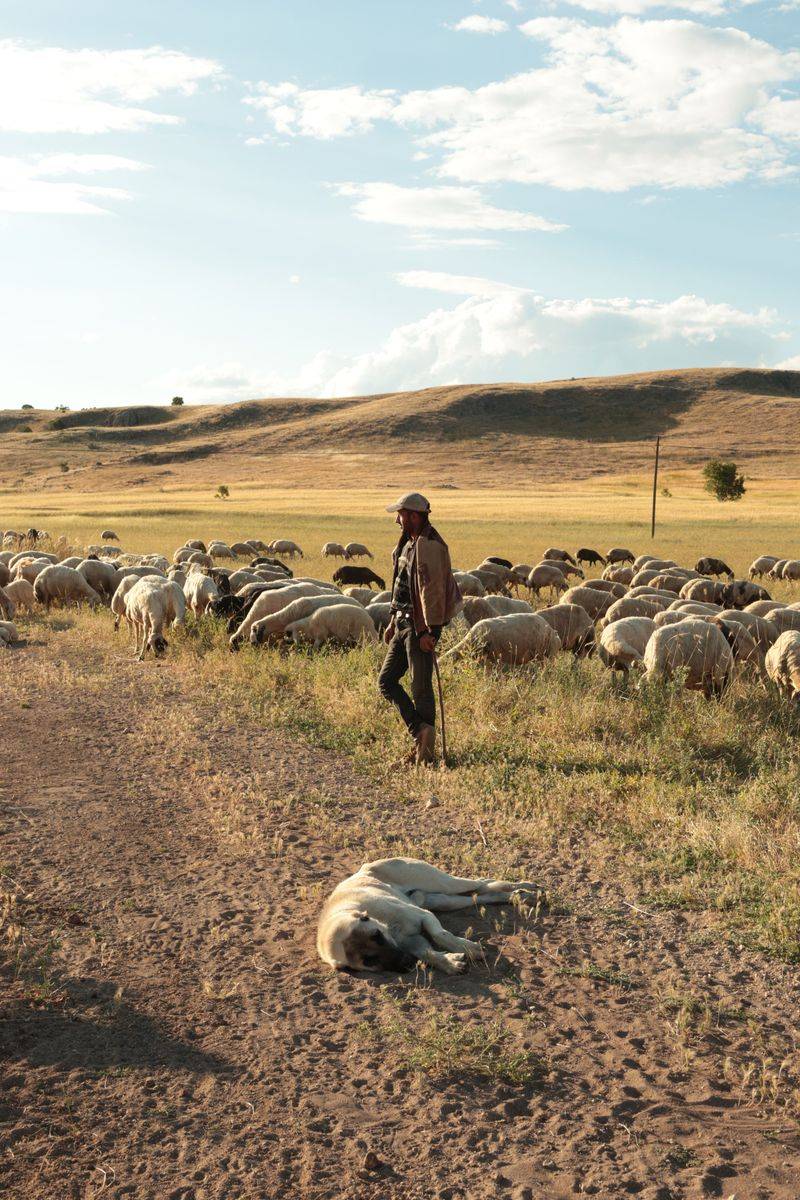
Quiet observation can be a full day’s work for a livestock guardian. Anatolian Shepherds were developed to stay with animals and assess changes around them.
They guard rather than herd, making job matching especially important. A horse property without vulnerable livestock may not need this independent specialist.
Install substantial fencing and plan carefully for visitors, neighboring dogs, and nighttime barking. Young guardians need supervised livestock experience, while warm inland weather requires dependable shade and abundant clean water.
12. Great Pyrenees: A Patient Pasture Presence
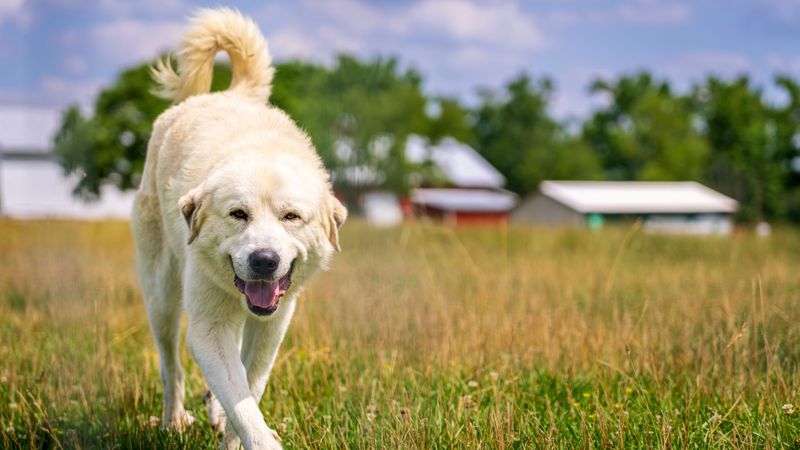
That fluffy white outline belongs to a serious pasture professional. Great Pyrenees traditionally guard livestock, often showing patience with familiar animals and independence from human instructions.
Expect barking, especially after dark, and discuss nearby neighbors before bringing one home. Secure boundaries matter because roaming can become a habit.
In hotter California regions, provide generous shade and monitor comfort closely. Brush the thick coat regularly rather than routinely shaving it, and arrange supervised introductions to resident horses.
13. Maremma Sheepdog: A Guardian With Italian Roots
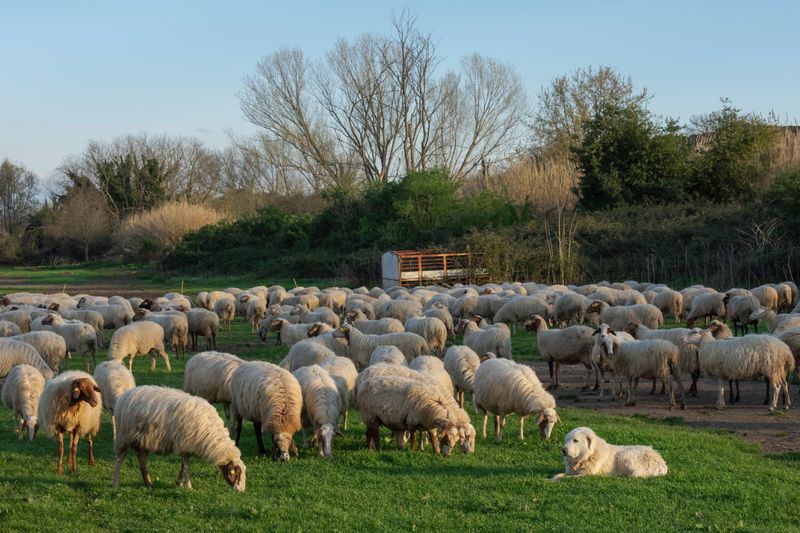
Among grazing sheep, a white guardian can almost disappear into the group. Maremma Sheepdogs come from Italy, where their traditional role centers on watching livestock.
They generally need thoughtful bonding with the animals they will protect. Buying a puppy does not create an instant, trustworthy pasture manager.
Find a mentor familiar with guardian development and supervise the early months. On mixed horse properties, provide separate spaces when needed and teach calm behavior around handlers, gates, and feeding.
14. Akbash: An Independent Open-Pasture Watcher
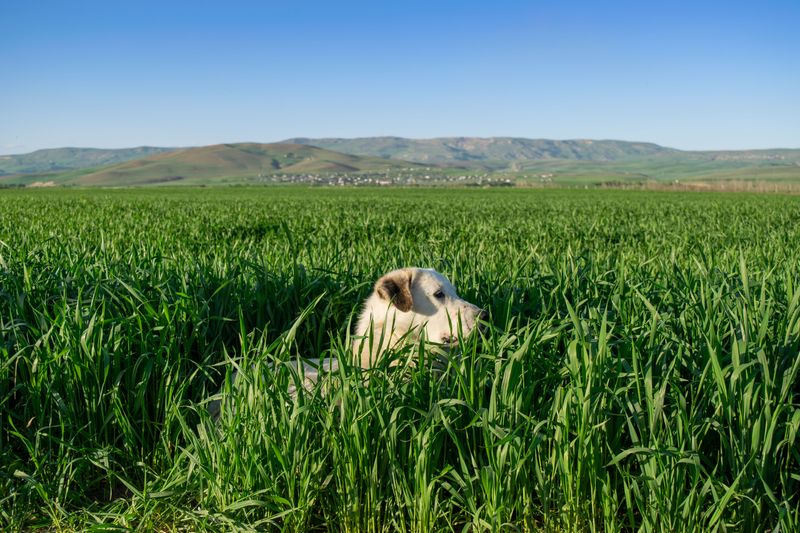
Long legs and a watchful expression hint at this Turkish guardian’s purpose. Akbash dogs traditionally protect livestock, using their own judgment rather than awaiting constant directions.
That independence makes experienced support valuable, particularly during adolescence. They are not herding dogs or automatic substitutes for secure fencing.
Choose proven working backgrounds when livestock protection is the goal. Plan visitor routines, veterinary handling practice, and shaded resting areas before arrival, especially on busy properties with regular horse traffic nearby.
15. Komondor: A Corded Coat With a Working Purpose
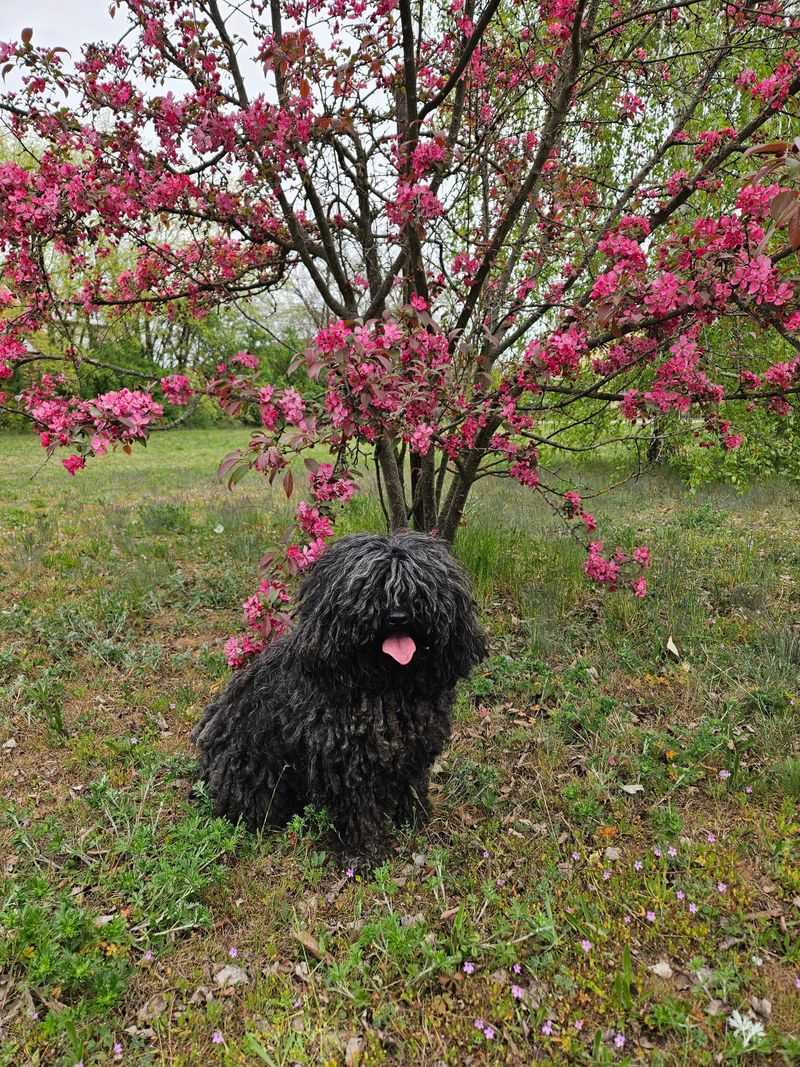
A walking collection of white cords certainly turns heads beside the barn. Hungary’s Komondor is a livestock guardian, not simply a shaggy pet with country style.
Its unusual coat requires knowledgeable care, including separating cords and allowing thorough drying. Dust, burrs, and summer conditions make upkeep worth serious thought.
Experienced owners must also manage boundaries, visitors, and gradual livestock introductions. Match the dog to the job, then grab that leash and build good ranch habits together daily.