15 Pennsylvania Dog Laws Many Owners Don’t Realize Exist
Owning a dog in Pennsylvania comes with more responsibilities than most people expect. Beyond feeding, walking, and vet visits, there are actual state laws that govern how you care for, house, and handle your dog.
Some of these rules catch even experienced owners off guard. Knowing them now can save you from fines, legal trouble, and stressful situations down the road.
Think of this as your friendly, no-nonsense guide to the rules your dog-owning neighbor probably never told you about.
1. Licensing Is Required Early and Fast
Most new dog owners think licensing can wait a few months. Pennsylvania law says otherwise.
Your dog must be licensed when purchased or adopted, or by the time it turns three months old, whichever comes first.
That timeline moves quickly, especially with puppies. Licenses are issued through your county treasurer’s office.
Fees are typically low, and the process is straightforward. Getting this done early keeps you compliant from day one.
2. January 1 Is the Annual Renewal Deadline

Pennsylvania dog licenses run on a calendar year, from January 1 through December 31. That means renewal is due by the start of every new year, without exception.
Licenses for the coming year typically go on sale starting December 1. Mark that date on your calendar so you are never caught lapsing.
Staying current avoids fines that can reach up to $500 plus court costs.
3. Moving Means Updating Your Records

Relocating to a new home is exciting, but your dog’s license records need updating too. Pennsylvania requires owners to update their contact information and address within 120 days of any change.
Keeping your records current helps animal control return a lost dog to the right address. Check with your county treasurer’s office on the exact process, since procedures can vary slightly between counties.
4. You Have Ten Days to Show Proof of License

If an authorized officer asks to see your dog’s license, you have ten days to produce it. This is not a grace period for getting licensed.
Your dog must already be licensed before the request is made.
Officers who can make this request include state dog wardens and animal control officials. Failure to comply can result in fines.
Keep a copy of your license somewhere easy to access.
5. The Tag Must Stay on the Collar

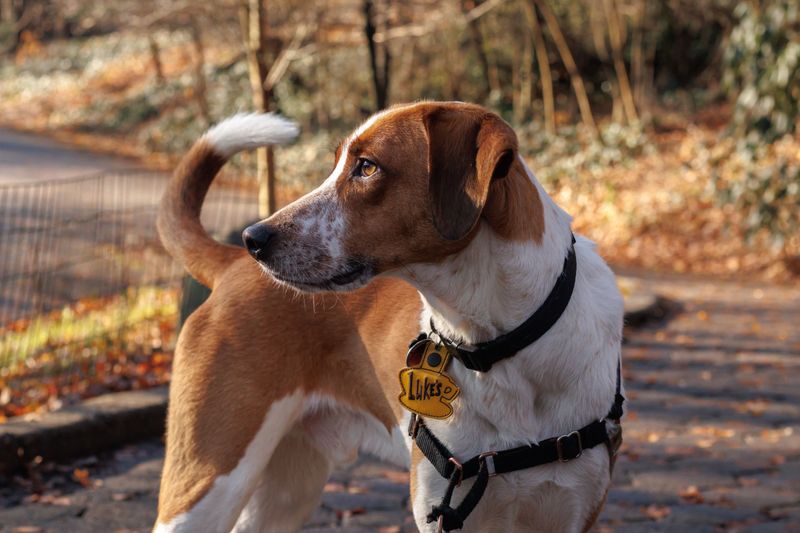
Your dog’s license tag is not just a piece of metal. Under Pennsylvania law, the tag must be attached to your dog’s collar or harness whenever the dog is outside and not confined on your property.
A visible tag is also the fastest way to get a lost dog back home. Some exceptions exist, so confirm specifics with your local dog warden if your dog’s situation is unusual.
6. One Tag, One Dog, No Exceptions
Every license tag in Pennsylvania is tied to a specific dog. You cannot transfer a tag from one dog to another, even temporarily.
Each animal needs its own individual license.
This rule exists because licensing records are tied to a dog’s description, including breed, color, and age. Using the wrong tag creates confusion during lost-dog situations and puts you at risk of a violation.
Keep records organized for each pet separately.
7. Rabies Vaccination Is Legally Required
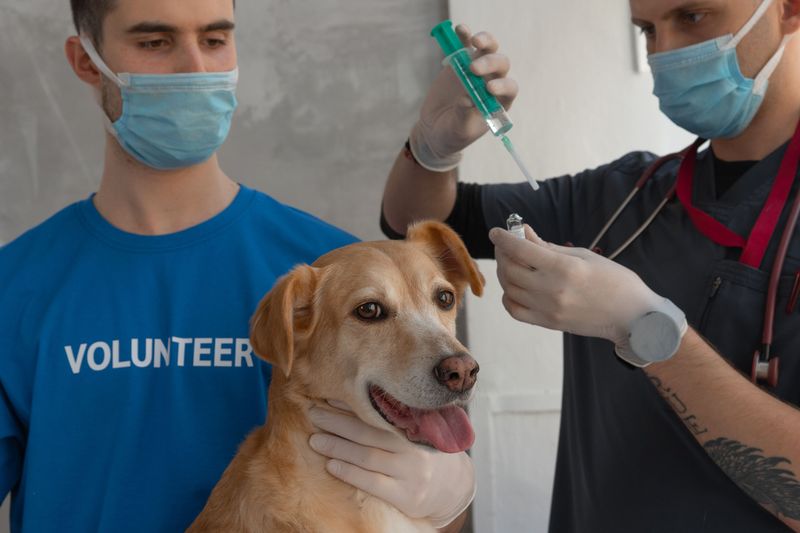
Pennsylvania law requires dogs three months of age or older to carry a current rabies vaccination. According to state guidance, vaccination should occur within four weeks of the dog reaching 12 weeks old.
Your vet will issue a vaccination certificate after the shot. Keep that document somewhere safe.
Rabies law protects both your dog and the people around it. Staying current on boosters is just as important as the first shot.
8. Rabies Certificate Must Be Ready Within 48 Hours
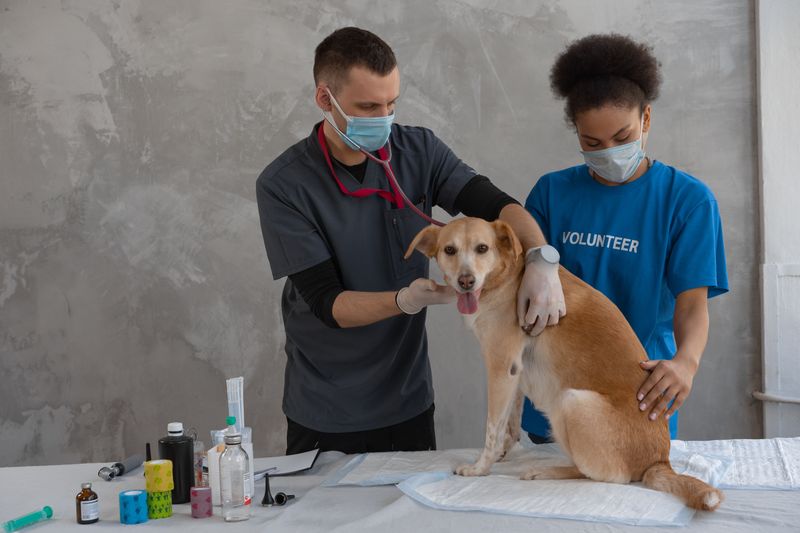
Here is one rule that surprises many owners. If a police officer, state dog warden, or animal control officer asks for proof of your dog’s rabies vaccination, you must produce it within 48 hours.
That is a tight window. Keep a physical or digital copy of your dog’s vaccination records somewhere accessible.
Your vet’s office can usually provide a duplicate quickly if needed, but do not wait until you are asked.
9. Dogs Must Be Confined or Under Control at All Times
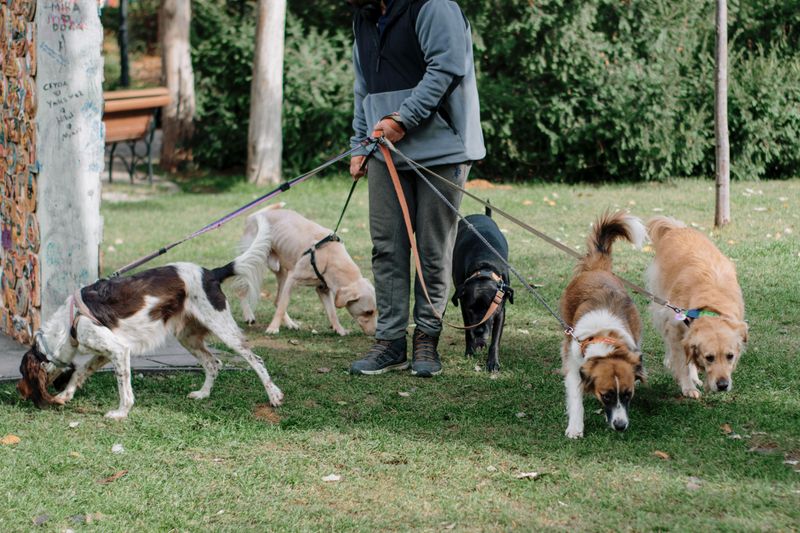
Pennsylvania law requires that dogs stay confined within the owner’s property, secured on a chain or device that prevents straying, or under the reasonable control of a person at all times.
Many municipalities go further and require a physical leash in public spaces. Check your local ordinances to know exactly what applies in your area.
Letting a dog roam freely, even briefly, can lead to fines or complaints from neighbors.
10. Female Dogs in Heat Cannot Roam Freely
Pennsylvania’s general confinement laws apply to all dogs, but there is a specific concern with female dogs in heat. They must not leave the owner’s property unless properly confined or controlled.
An unconfined female in heat can attract other dogs and create dangerous or disruptive situations. A securely fenced yard or a leash in public is the safest approach.
When in doubt, keep her close and supervised at all times.
11. Certain Containers Are Illegal Housing for Dogs

This one shocks most people when they first hear it. Pennsylvania law specifically makes it illegal to house a dog in a drum, barrel, refrigerator, or freezer, regardless of the material they are made from.
This rule falls under animal cruelty protections. Dogs need proper shelter with space to stand, turn around, and lie down comfortably.
If you are unsure whether your dog’s housing meets state standards, contact your local animal control office for guidance.
12. A Biting Dog Must Be Isolated for Ten Days
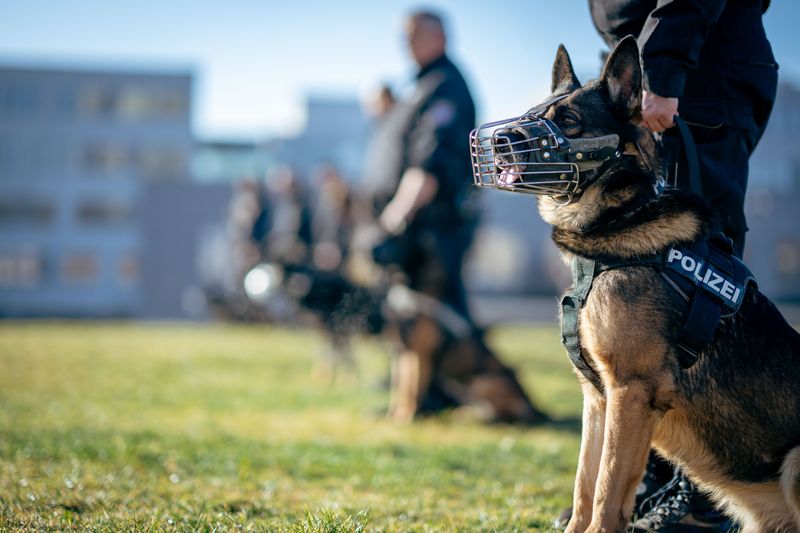
After a dog bites or attacks a person, Pennsylvania law requires that the dog be immediately confined and isolated for a minimum of ten days. This applies even if the bite seems minor.
The isolation period allows authorities to monitor the dog for signs of rabies. An authorized officer must approve the confinement location.
The cost of housing the dog during this period falls on the owner or keeper, not the state.
13. Owners Pay the Victim’s Medical Bills
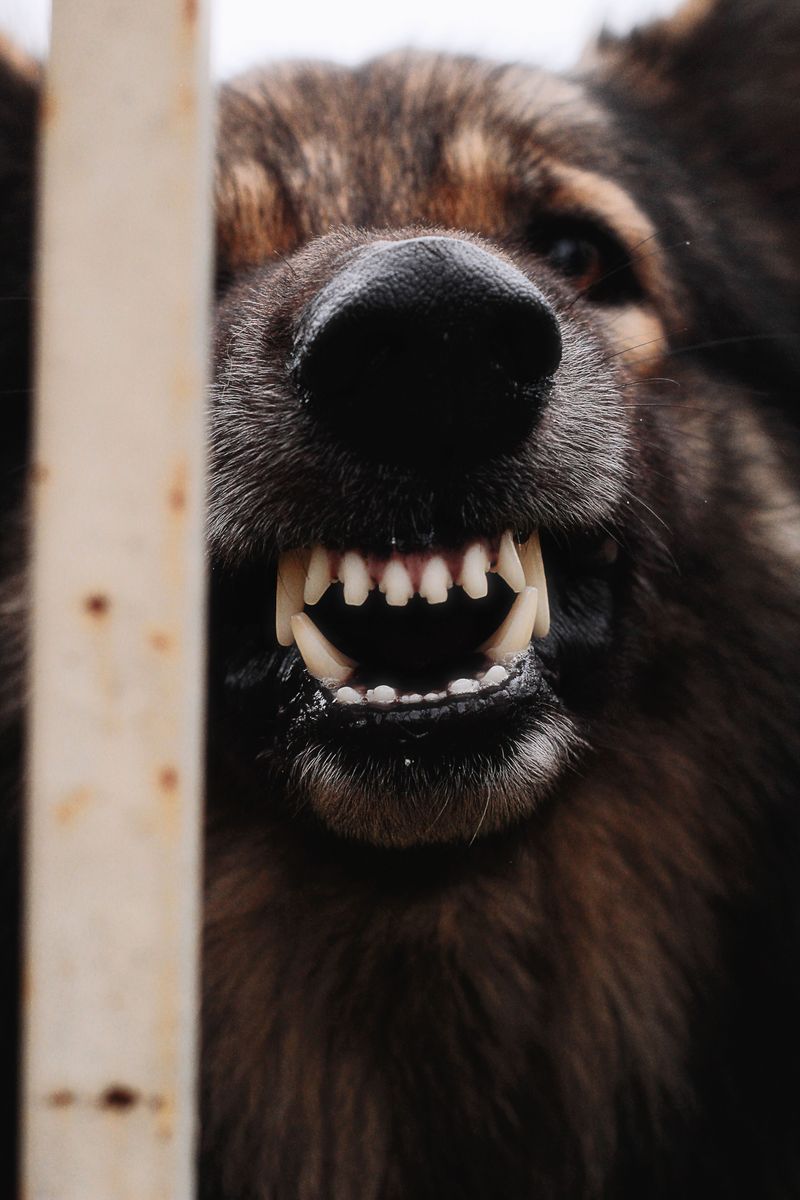
Pennsylvania operates under strict liability when it comes to dog bites. If your dog bites or attacks someone, you are responsible for covering all of that person’s medical treatment costs.
Prior history of aggression does not matter. Even a first-time bite creates full financial responsibility.
This makes pet liability insurance worth considering seriously. Talk to your insurance provider about whether your homeowner’s or renter’s policy includes dog bite coverage.
14. Abandoning a Dog Is a Criminal Offense

Leaving a dog behind is not just morally wrong in Pennsylvania. It is against the law.
Anyone who abandons or attempts to abandon a dog can face a fine of $300 to $1,000 plus court costs.
If a dog is left at a vet or boarding kennel for more than ten days after the owner has been notified, the facility may transfer the dog to a humane society. There are legal, humane options if you can no longer care for a pet.
15. Puppies Under Eight Weeks Cannot Be Transferred

Selling or giving away very young puppies is regulated in Pennsylvania. No dog under eight weeks of age may be sold, traded, bartered, auctioned, raffled, or otherwise transferred to a new owner.
Eight weeks is the earliest any puppy can legally change hands. This rule protects puppies during a critical developmental window when they still need their mother and littermates.
Breeders, rescues, and private sellers are all expected to follow this rule.