What North Carolina Law Says About Dogs Left Unattended In Parked Cars
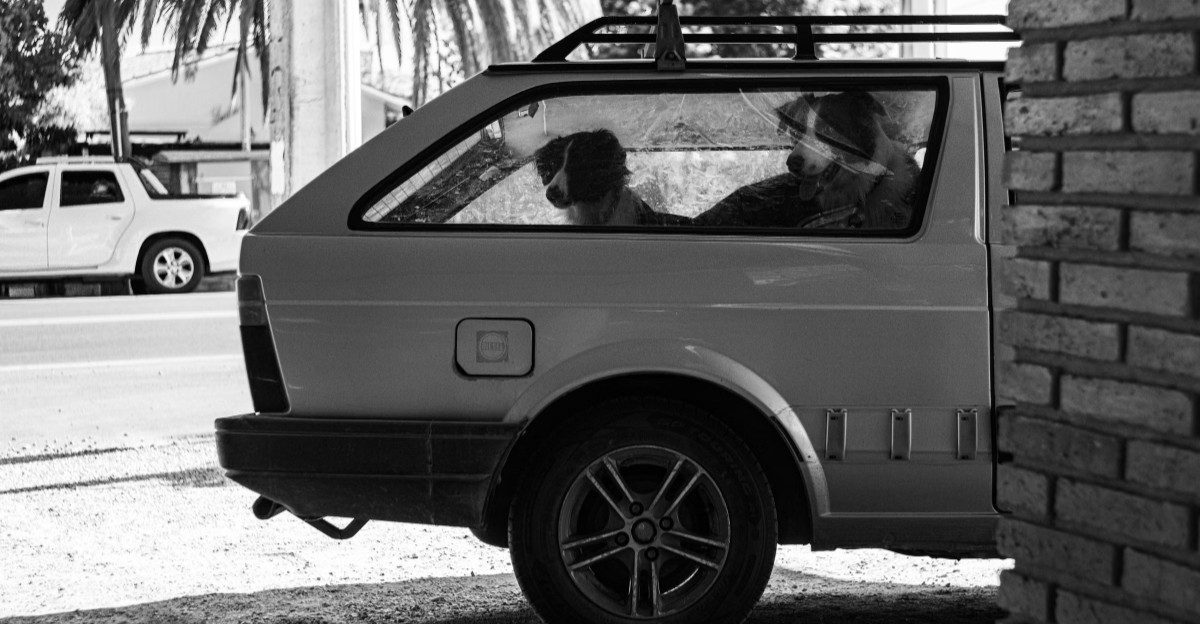
A quick errand can feel simple until your dog is waiting in the car. In North Carolina, the law looks at the conditions inside the vehicle, not just whether a dog is alone.
Heat, cold, and poor airflow can all change what is safe. Knowing the rules can help you plan ahead and respond calmly if you see another dog that may need help.
1. Being Alone Is Not Automatically Illegal
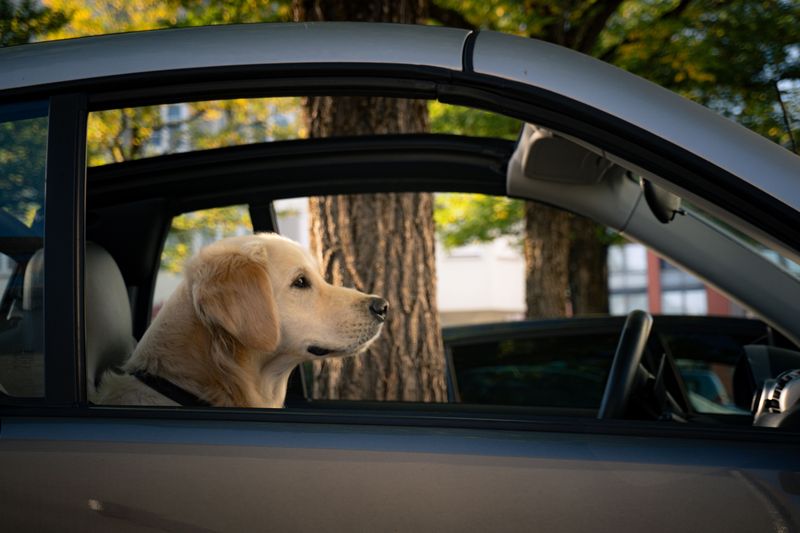
A dog waiting alone while you run an errand does not automatically mean you have broken North Carolina law. The key question is whether the conditions are likely to cause the animal suffering or injury.
That distinction is not a promise that any stop is safe. Weather, airflow, and your dog’s needs can change quickly.
Before leaving, ask whether bringing your dog along is necessary. When you can, leave your dog somewhere comfortable instead.
2. Heat Changes the Picture
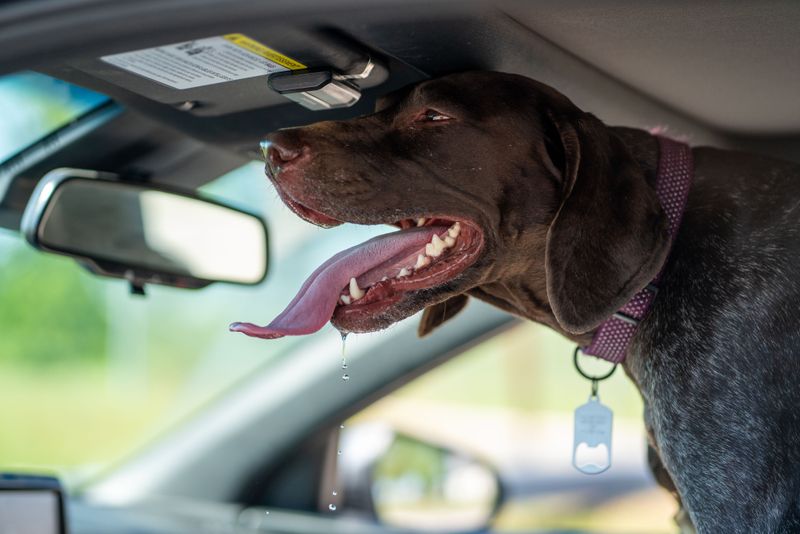
Sunshine can turn an ordinary parking spot into a poor place for a dog to wait. North Carolina’s vehicle-entry law, G.S. 14-363.3, specifically names heat as a possible danger.
Authorized responders may act when they have probable cause to believe conditions are likely to cause suffering or injury. Do not judge safety by the outdoor temperature alone.
A parked car’s interior can warm quickly, even when the day feels fairly mild to you.
3. Cold Weather Counts Too
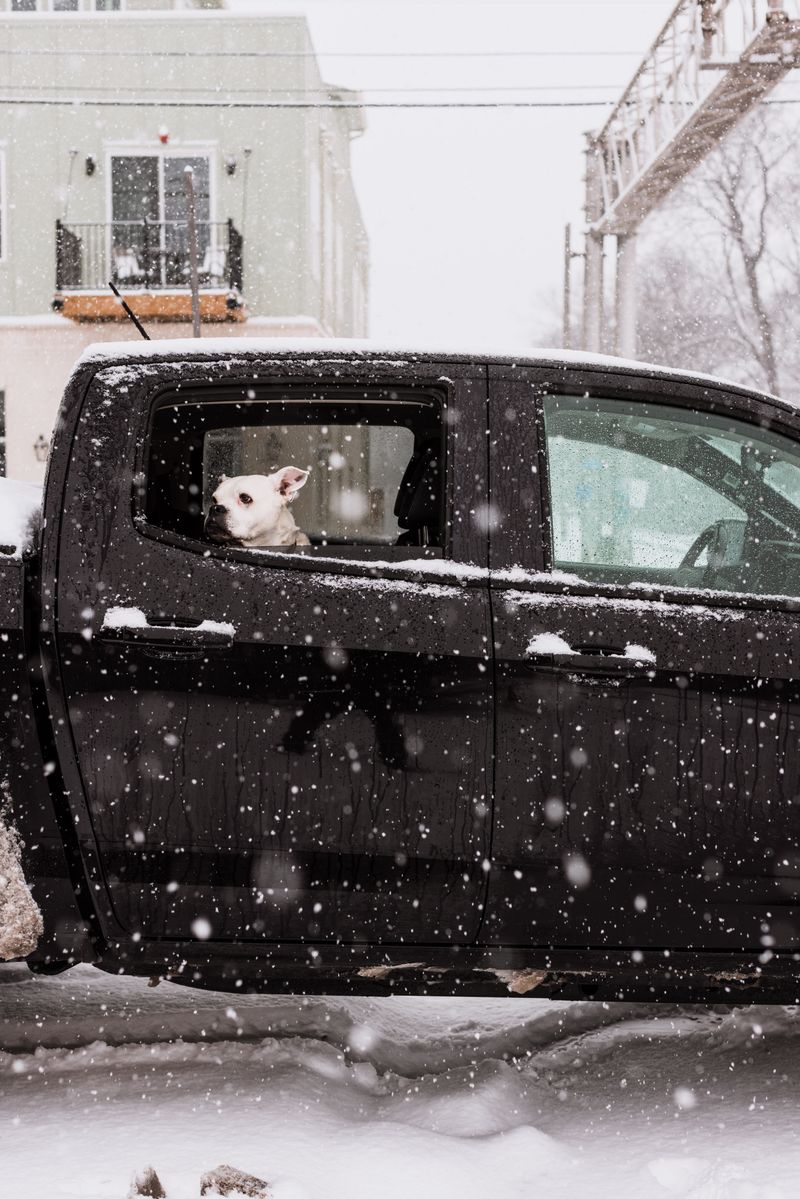
Winter errands deserve the same thoughtful planning as summer ones. G.S. 14-363.3 names cold among the conditions that can make vehicle confinement dangerous.
A dog’s size, coat, age, and health may affect how well it handles low temperatures. The law focuses on likely harm, not a single outdoor reading that applies to every pet.
If your dog cannot stay comfortable throughout your trip, make another plan before you leave home.
4. Airflow Is Part of the Law
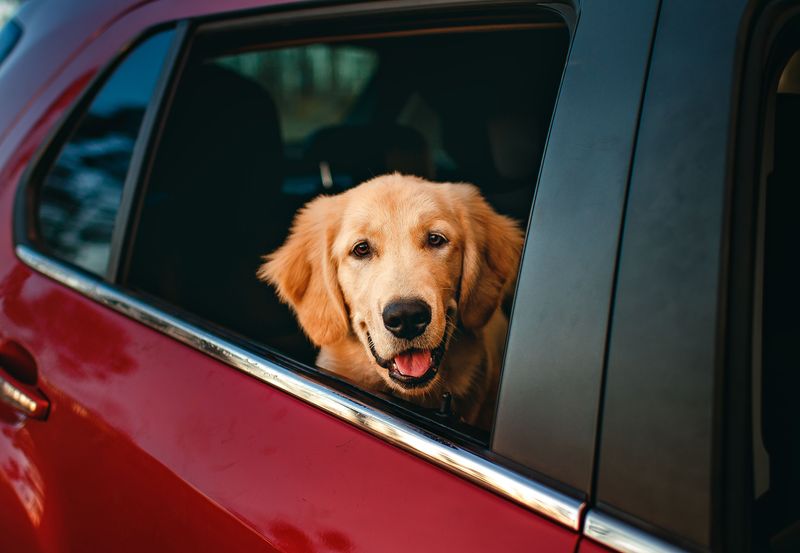
Fresh air matters, even when the sky is cloudy. North Carolina’s vehicle-entry statute specifically mentions a lack of adequate ventilation.
Opening a window slightly does not guarantee safe conditions inside the car. Airflow, temperature, and the time away all matter together.
If you are unsure whether your dog will have enough fresh air and stay comfortable, avoid leaving it there. A safe place at home is usually easier to manage than a parked vehicle.
5. Other Hazards Can Matter
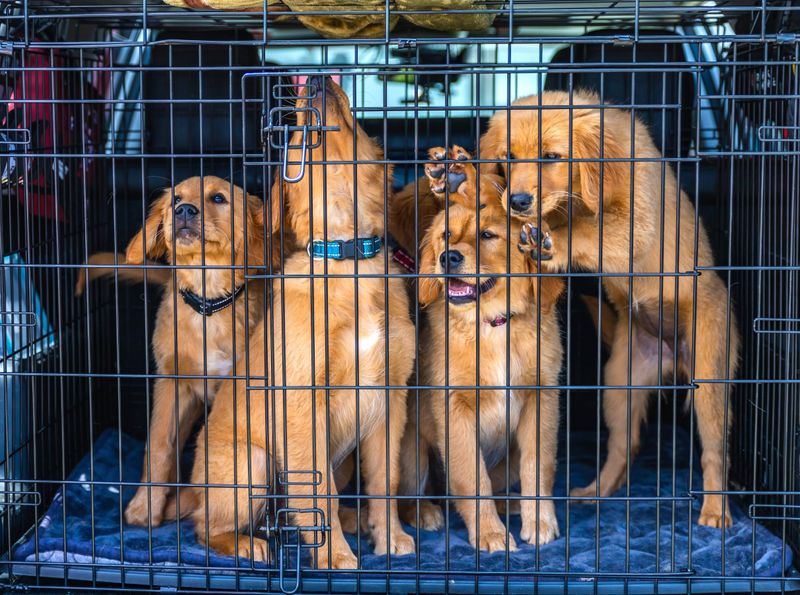
Temperature is only part of what responders may notice. G.S. 14-363.3 also refers to other endangering conditions likely to cause suffering or injury.
For example, a dog could become tangled in loose items or face another hazard inside the vehicle. The exact facts determine whether the legal standard is met.
Keep your dog’s space clear, secure, and comfortable during travel. If you must stop, check the whole vehicle, not just the forecast.
6. Certain Responders May Enter
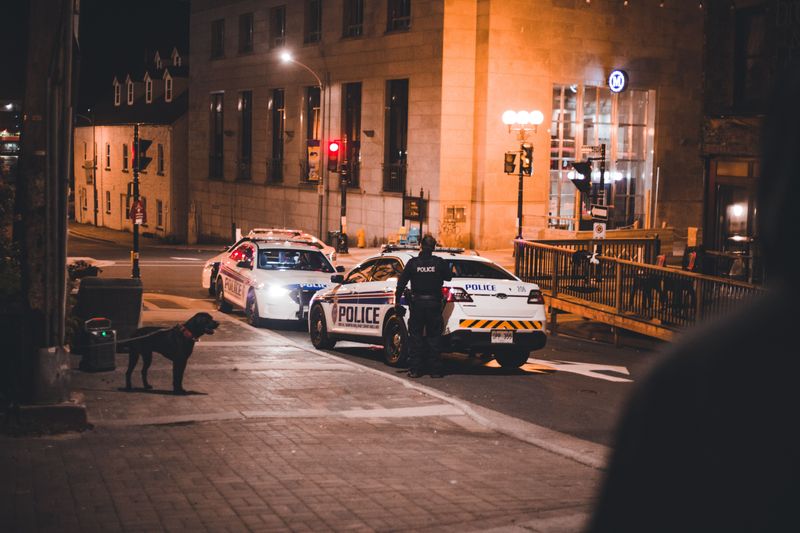
When a dog appears at risk, North Carolina gives vehicle-entry authority to specific responders. They include animal control officers, appointed animal cruelty investigators, law enforcement officers, firefighters, and rescue squad workers.
These workers may enter by reasonable means when the statute’s requirements are met. Their authority is not based on concern alone.
If you report a dog, share clear observations so responders can assess the situation. They can decide what steps the law allows.
7. Probable Cause Sets a Limit
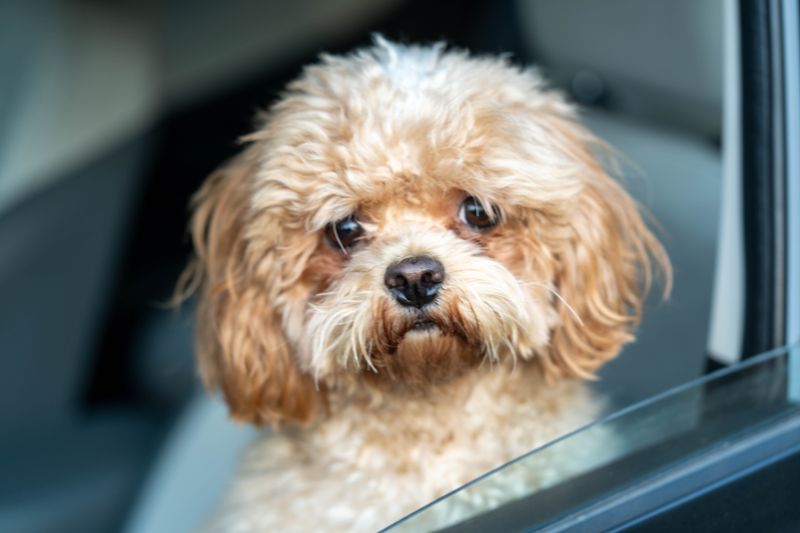
Spotting a dog through a window does not, by itself, authorize a responder to enter. G.S. 14-363.3 requires probable cause to believe the animal faces conditions likely to cause suffering or injury.
Responders look at what they can reasonably observe, such as the dog’s condition and the vehicle’s surroundings. If you call for help, explain those details plainly.
Avoid guessing about things you cannot see. Accurate information helps officials make a sound decision.
8. Finding the Owner Comes First
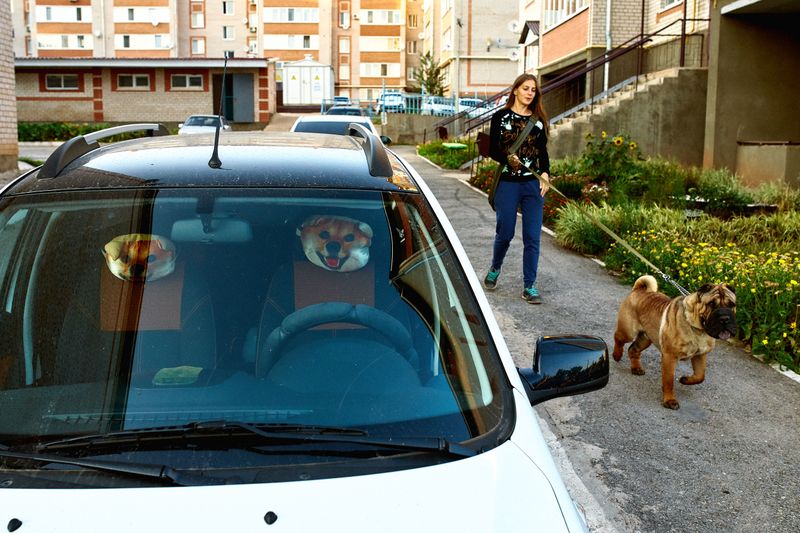
Before entering a vehicle, authorized personnel must make a reasonable effort to find the animal’s owner or another responsible person. That step is written into North Carolina’s vehicle-entry law.
A nearby store may be able to make an announcement, for example. What counts as reasonable depends on the situation and its urgency.
If someone contacts you about your dog, return promptly and follow the responder’s directions. Quick communication may solve the problem without vehicle entry.
9. Bystanders Should Call, Not Break In
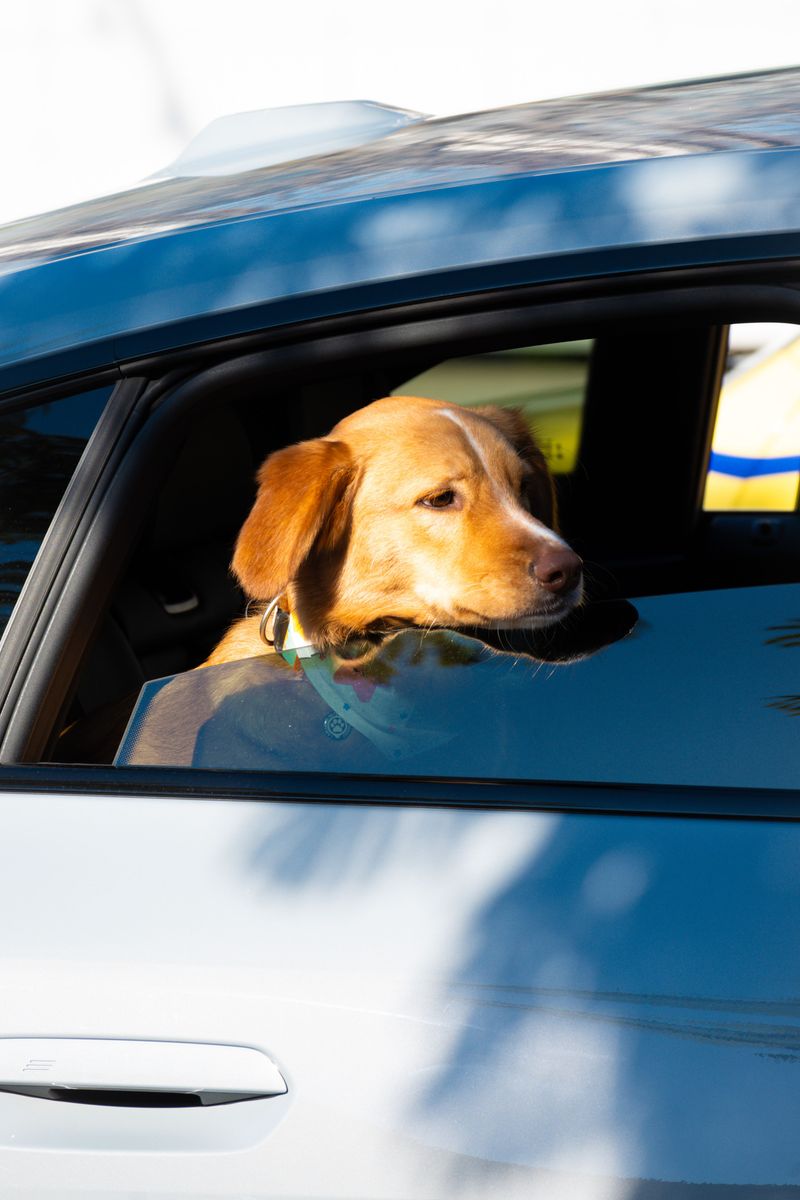
Seeing a dog in trouble can make you want to act immediately. However, G.S. 14-363.3 does not give every bystander permission to break into a car.
Its entry authority belongs to the officials and emergency workers named in the statute. Call local animal control or law enforcement and describe what you see.
For an immediate emergency, contact emergency services. Stay nearby if it is safe, so you can guide responders to the right vehicle.
10. Cruelty Rules Are Separate
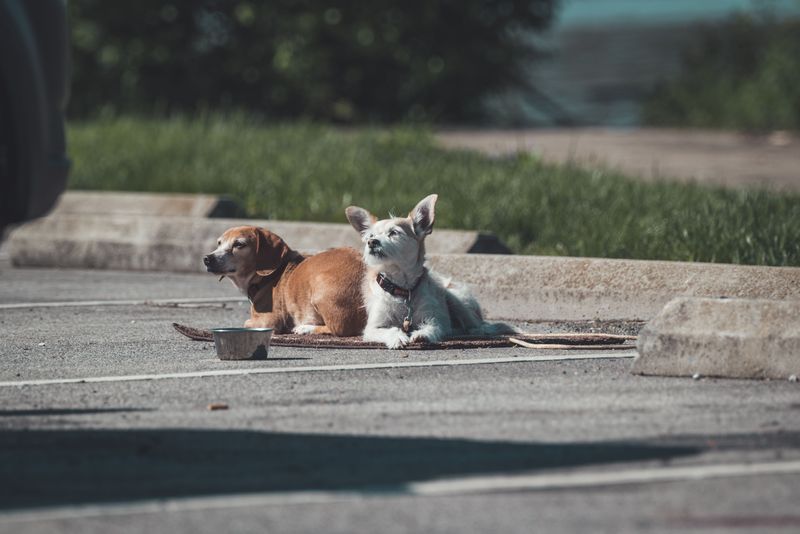
The vehicle-entry rule explains when certain responders may enter a car. North Carolina’s general animal cruelty law, G.S. 14-360, addresses harmful treatment more broadly.
It covers certain intentional acts and acts or failures to act that cause or permit unjustifiable pain or suffering. These are related laws, but they answer different questions.
Owners should focus on their dog’s actual care, not only whether an officer could enter. Safe choices can prevent problems before legal questions arise.
11. A Car Incident May Become a Cruelty Case
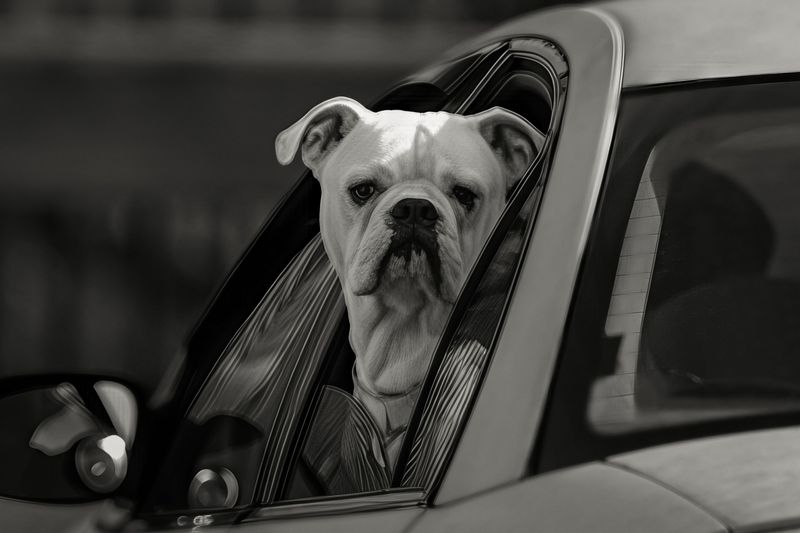
A car situation may raise more than a question about vehicle entry. If a dog’s treatment causes or permits unjustifiable pain or suffering, G.S. 14-360 may apply.
Investigators consider the facts, including conditions in the car and what happened to the animal. No single detail settles every case.
If you discover your dog is uncomfortable, move it to a safer place promptly. Ask a veterinarian for advice if its condition concerns you afterward.
12. Basic Cruelty Is a Misdemeanor
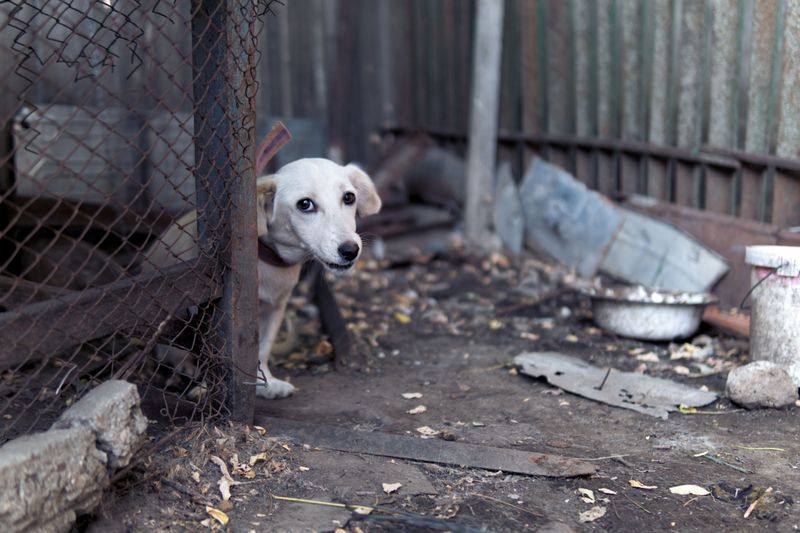
Legal consequences depend on which law applies and what the evidence shows. Under G.S. 14-360(a), North Carolina’s basic animal cruelty offense is a Class 1 misdemeanor.
Subsection (b) covers certain more serious, malicious conduct as a Class H felony. That distinction does not mean every unattended dog leads to a charge.
It means owners should take unsafe conditions seriously. For questions about a particular incident, speak with local authorities or a qualified attorney.
13. A Short Stop Has No Magic Time Limit
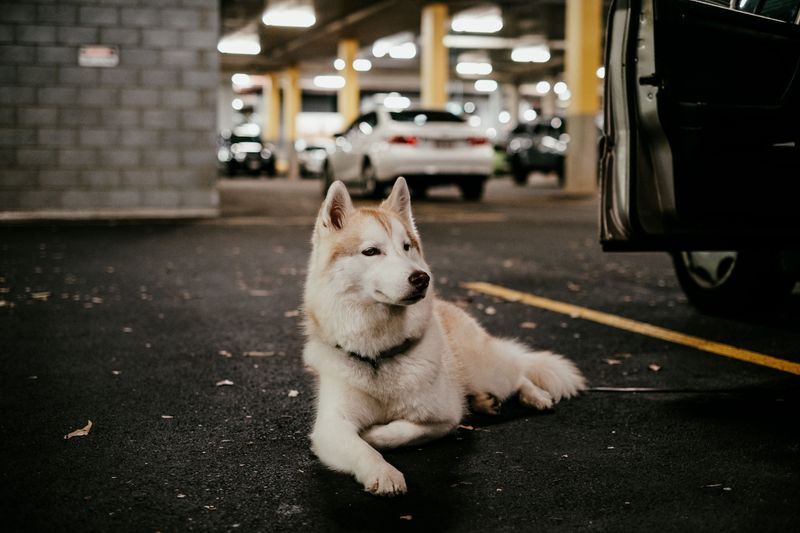
Running inside for just a moment may sound harmless, but minutes alone do not settle the legal question. Conditions and their likely effects on the dog matter more.
Sun, shade, airflow, and weather can change during a stop. A delay at checkout can stretch your plan, too.
North Carolina’s vehicle-entry statute does not offer a universal safe number of minutes. If an errand might keep you away, bring another person or leave your dog home.
14. Check the Car From Your Dog’s View
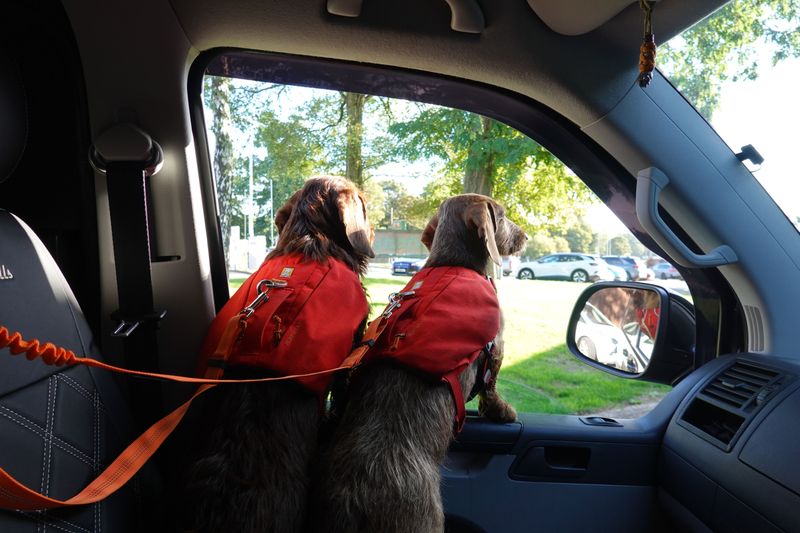
Your car may feel fine when you park, yet your dog experiences the space differently. Think about direct sunlight, airflow, loose objects, and changing weather.
Also consider your dog’s age, health, and comfort. An older dog or one with health concerns may need a different plan.
Never assume a cracked window or a shaded spot solves every problem. If you cannot keep conditions safe while away, choose a dog-friendly errand or leave your companion home.
15. Local Ordinances Deserve a Look
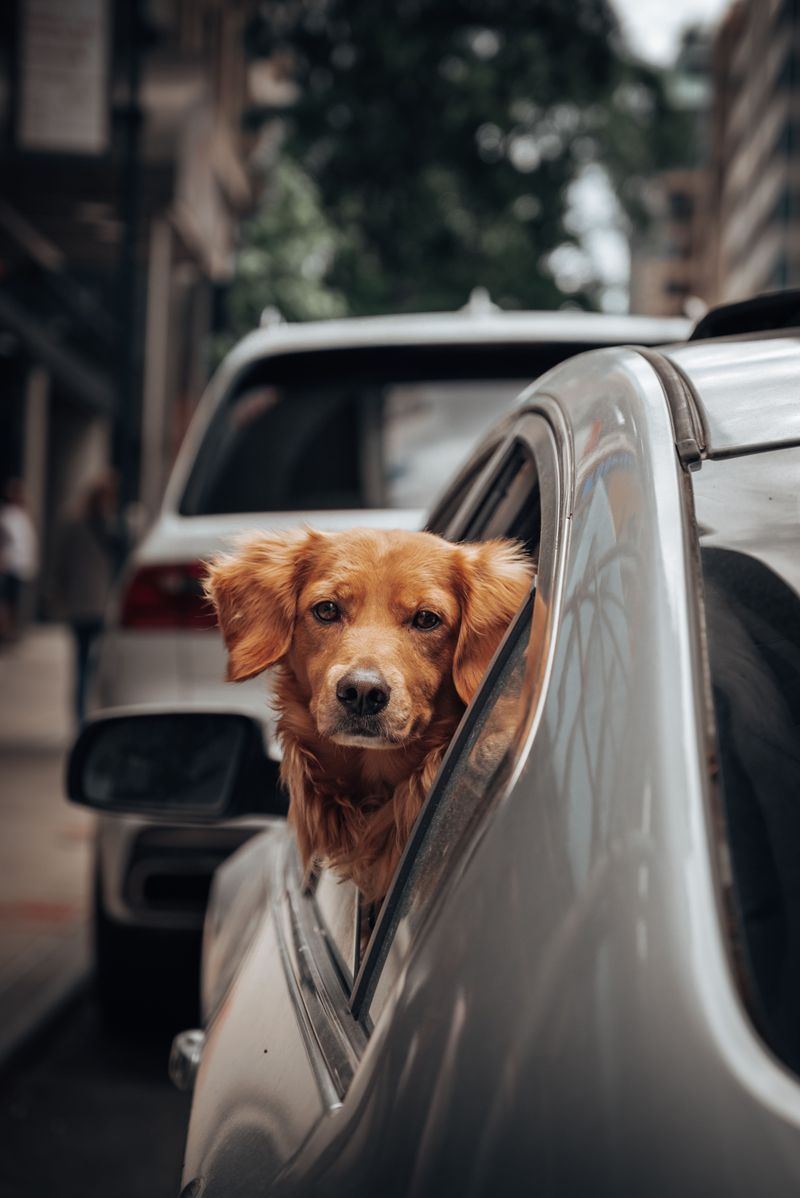
State law is the starting point, not always the only rule to check. North Carolina cities and counties may have animal care ordinances with additional requirements.
Because local rules vary, advice for one town may not fit another. Look up your city or county ordinance before relying on a general answer.
Your local animal control office can also explain whom to contact about a parked vehicle. Checking ahead makes everyday travel simpler and less uncertain.
16. Report a Dog That Seems at Risk

A clear report gives responders a useful head start. If a dog appears to be in immediate danger, call local law enforcement, animal control, or emergency services.
Give the location, vehicle description, and license plate if you can read it safely. Describe the weather and the dog’s visible condition without making assumptions.
Follow the dispatcher’s instructions rather than trying to enter the car yourself. Your calm observations can help the right people respond quickly.
17. Conditions Are the Key Takeaway
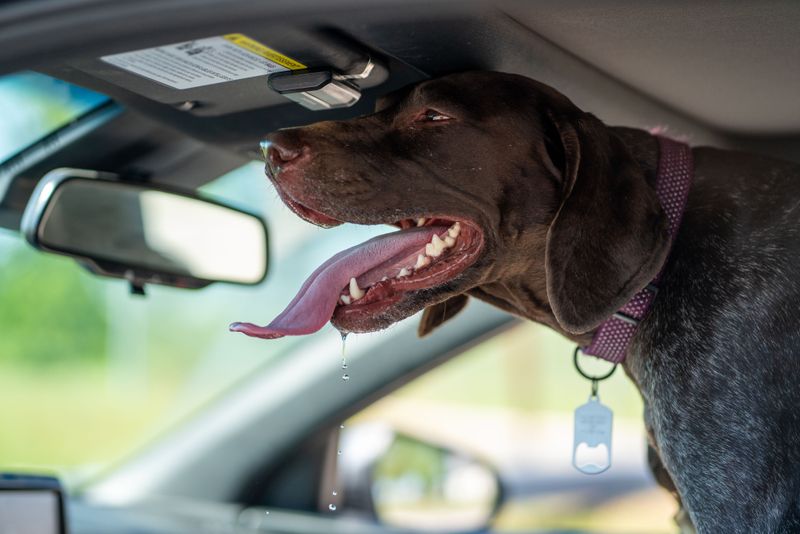
North Carolina law draws a useful line between a dog simply being unattended and a dog facing dangerous confinement. G.S. 14-363.3 focuses on conditions likely to cause suffering or injury.
That is why planning matters more than searching for a simple time limit. Check the weather, think about your dog’s needs, and have a safer backup plan.
When something looks wrong, call trained responders. With that approach, you can make calm choices that protect your dog.