How To Keep Dogs Safe Around Arkansas Hot Springs And Geothermal Water
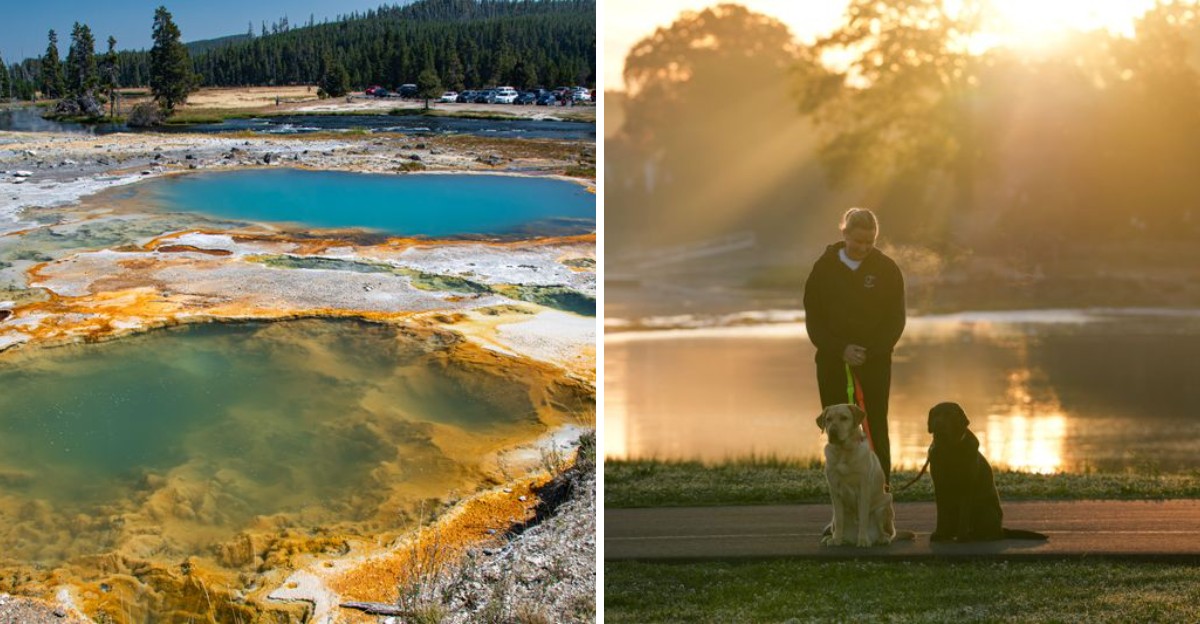
Arkansas gives dog owners something few states can match: steaming natural springs sitting right beside walkable city trails. Hot Springs National Park welcomes leashed dogs on all of its trails, which makes it a favorite weekend stop for local families.
The thermal water, though, surfaces near 143 degrees Fahrenheit, so a little planning matters. Here is what experienced owners around town do to keep tails wagging and paws comfortable on every visit.
1. Give Spring Outlets A Wide Berth
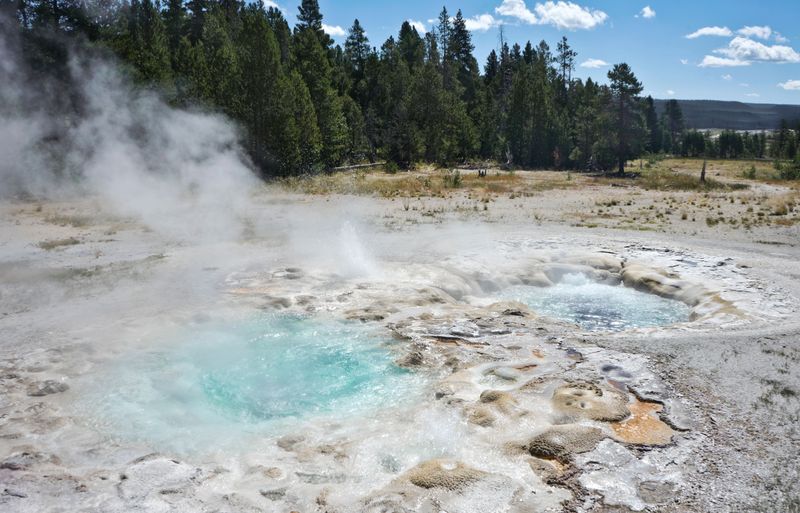
Outlets are where water first breaks the surface, and they run hottest of all. Mineral crust, warm runoff channels, and damp stone often surround them.
Dogs sniff low, so noses reach these spots before owners notice.
Pick your walking line early. Cross to the opposite side of the promenade well before you reach an open feature, and keep your dog on the outside of your body as you pass.
2. Shallow Does Not Mean Cool
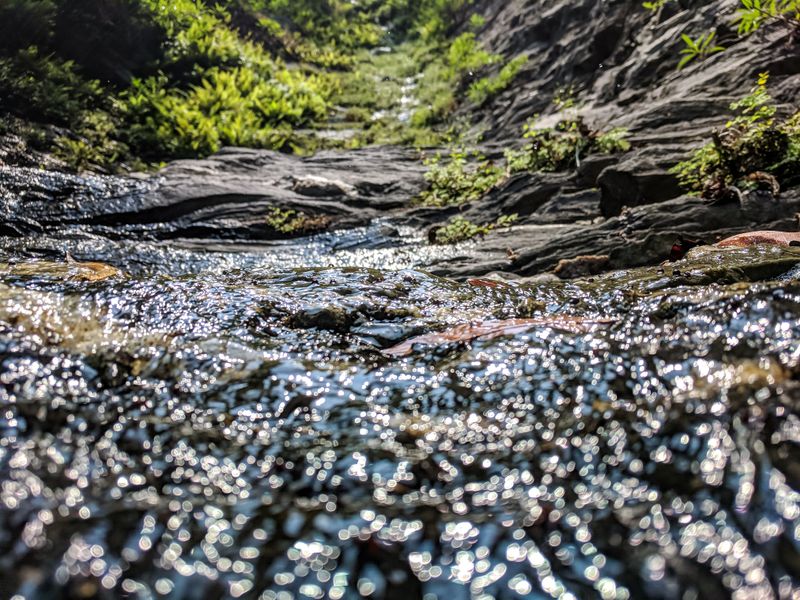
A thin trickle across rock can fool anyone. Depth has nothing to do with temperature here, because the source water arrives near 143 degrees Fahrenheit regardless of how far it spreads.
Puddles, seeps, and damp channels can all carry that heat.
Assume any water near a thermal feature is hot until proven otherwise. If your dog steps toward a wet patch, redirect gently with the leash and keep moving forward.
3. Thermal Water Is Not A Drinking Bowl
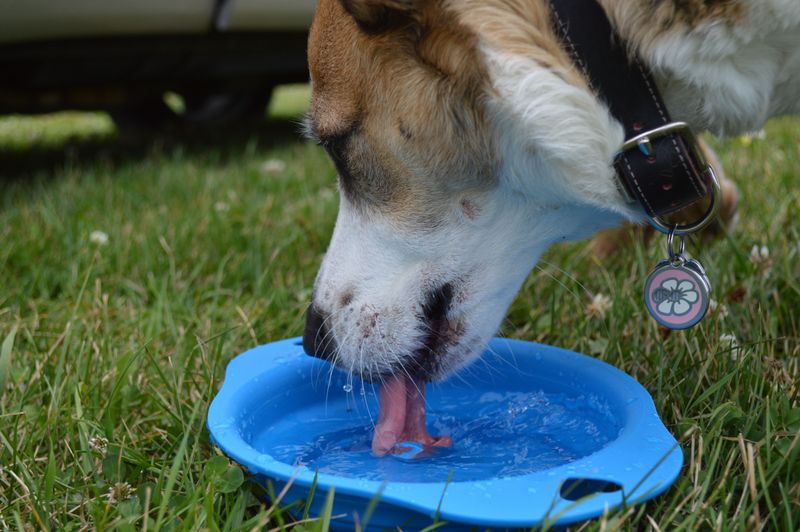
Thirsty dogs will drink from almost anything, including a warm mineral pool. Straight from the source, thermal water is far too hot for safe sipping.
The park offers cooled thermal jug fountains for people, but those are meant for human bottles.
Carry your dog’s own supply and offer it before your pup starts hunting for water. A quick drink break every twenty minutes usually removes the temptation entirely.
4. Keep Paws Out Of Thermal Springs And Pools
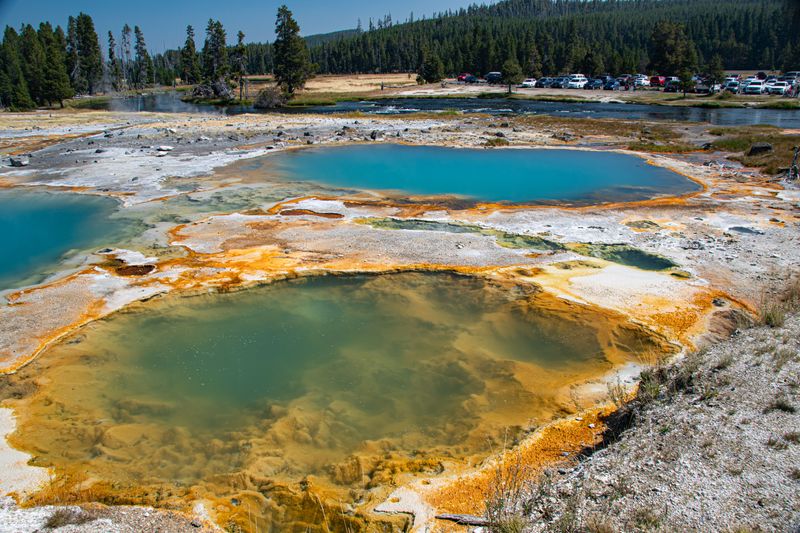
Steam rising off a quiet pool looks inviting to a curious dog. The water surfacing in Hot Springs National Park sits around 143 degrees Fahrenheit, far hotter than any bath.
Park rules prohibit pets from entering the thermal springs and pools, and that rule protects paws and skin.
Treat every steaming feature as a look-only attraction. Guide your dog past on the far side of the walkway, and reward calm walking with a treat.
5. Pack Fresh Water Every Single Time
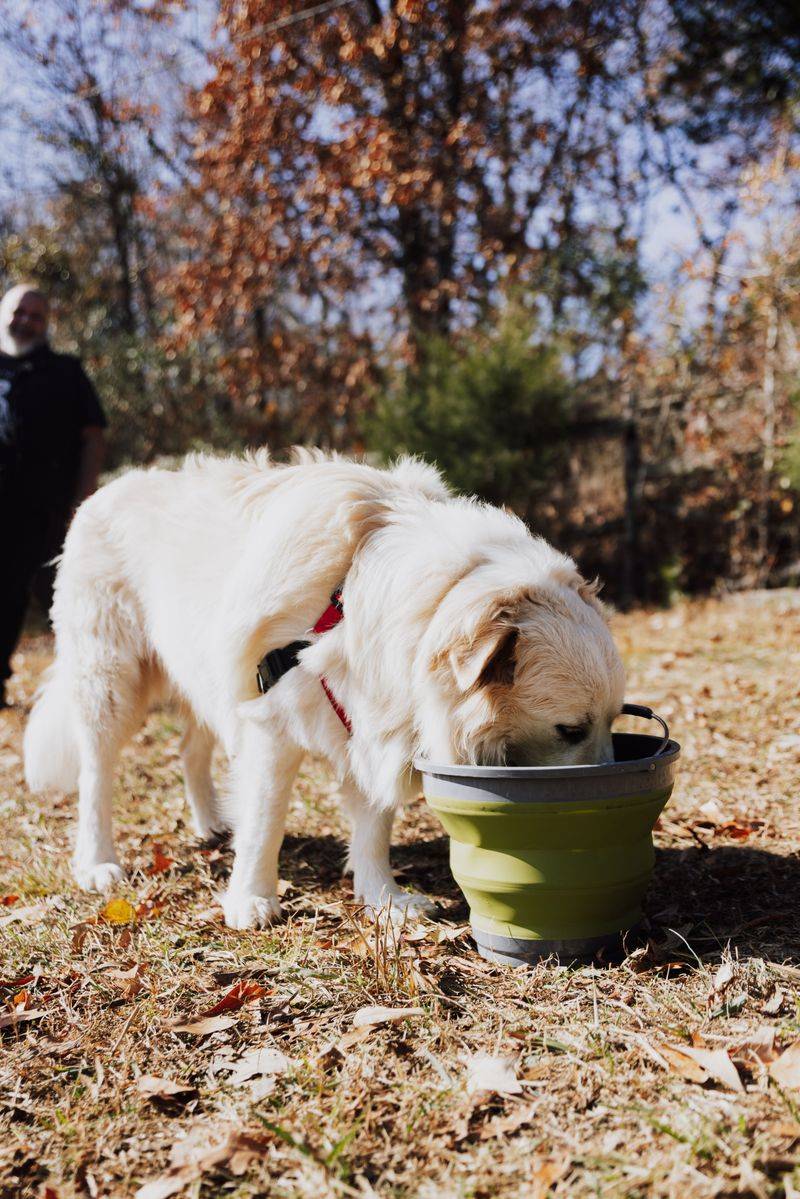
Locals learn this fast: many Arkansas trails have no reliable stream for a dog to use. Summer humidity makes that gap noticeable within the first mile.
A collapsible bowl weighs almost nothing and folds flat into a side pocket.
Plan roughly one ounce of water per pound of dog for a shorter outing, then add extra for heat. Leftover water is never wasted, just poured out at the trailhead.
6. Six Feet Is The Leash Limit
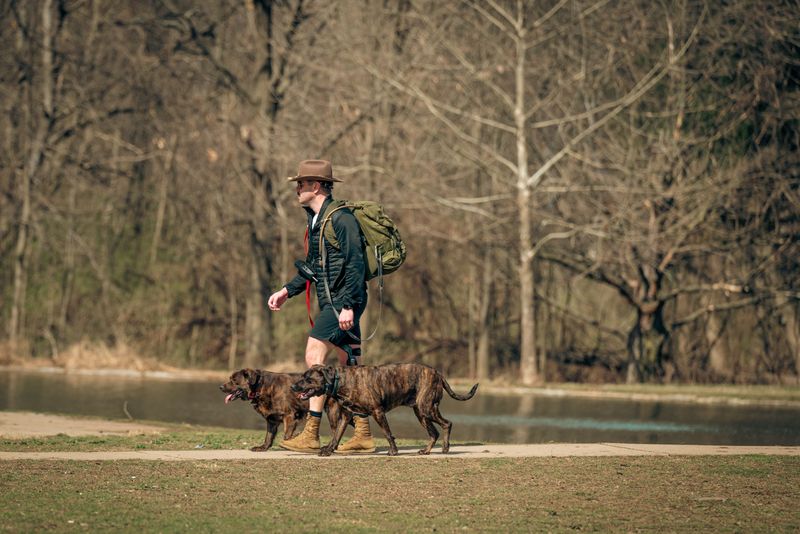
Rules here are refreshingly simple. Hot Springs National Park requires dogs to stay on a leash no longer than six feet at all times.
That applies on trails, the Grand Promenade, Gulpha Gorge Campground, and the scenic drives.
Arkansas State Parks generally follow the same six-foot standard in public areas. A fixed-length leash beats a retractable one for control, and it saves you from fumbling with a brake button near hazards.
7. Choke Up On The Leash Near Steam
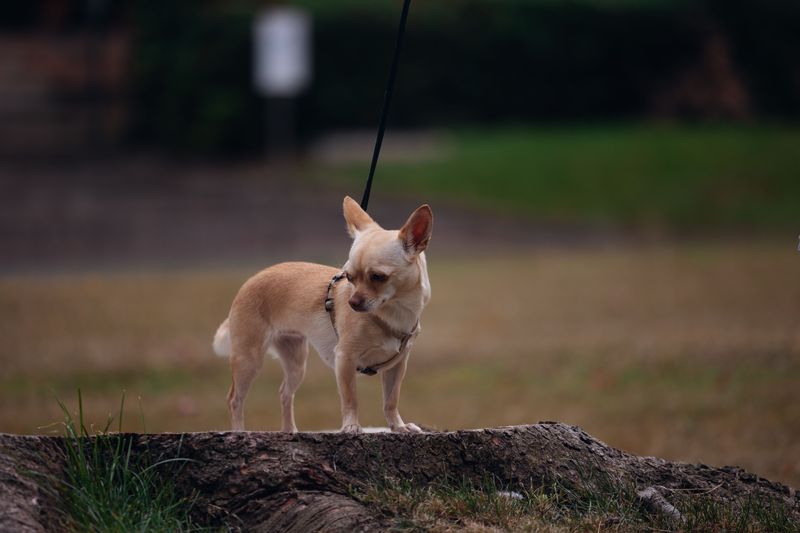
Control tightens as hazards get closer. Near open thermal features, gather the leash so only two or three feet remain between your hand and the collar.
Shortening it takes half a second and removes any chance of a sudden lunge toward steam.
Practice the motion on ordinary walks so it feels automatic. Dogs read tension well, so keep your voice light while your grip stays firm and steady.
8. Trails Exist For Good Reasons
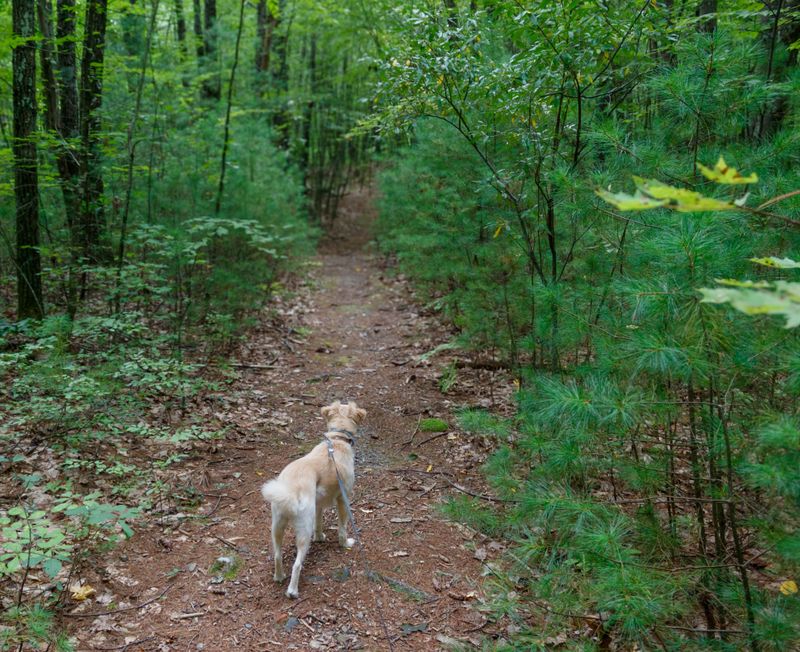
Twenty-six miles of designated trail wind through Hot Springs National Park, and dogs are welcome on all of them. Staying on the tread keeps four paws away from hidden drop-offs and warm seeps.
Off-trail wandering also crushes plants and stirs up resident wildlife.
Follow the blazes, and let your dog sniff freely within leash range. There is plenty to explore without ever leaving the marked path.
9. Hot Stone And Slick Rock Both Deserve Attention
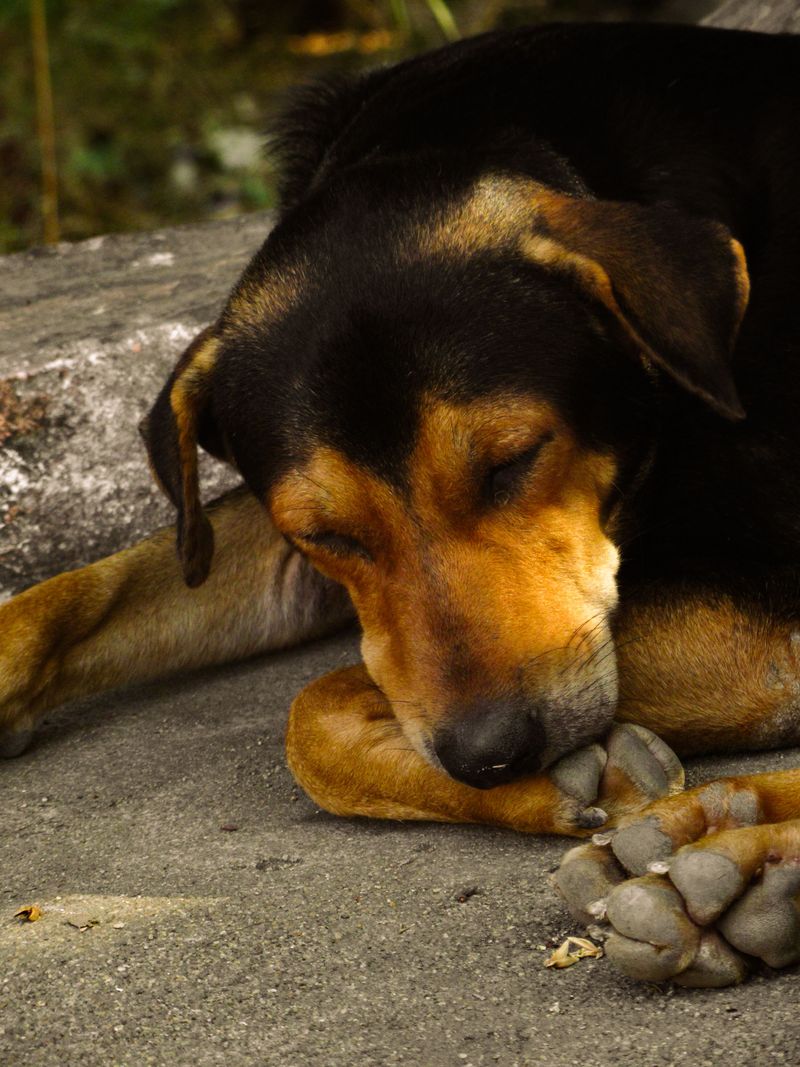
Two very different surface problems show up around the springs. Sun-baked rock, asphalt, and concrete can heat enough to bother sensitive paw pads.
Near thermal features, mineral deposits and constant moisture can leave stone slick underfoot.
Watch your dog’s footing on damp ledges, and steer toward shaded dirt when the sun is high. Dog boots help some pups, though many prefer simply walking earlier in the day.
10. The Seven-Second Hand Test

Here is a check that takes less time than tying a shoe. Press the back of your hand against the pavement and hold it there.
If seven seconds feels uncomfortable, the surface is too warm for paws.
On a sunny Arkansas afternoon, pavement can run 40 to 60 degrees hotter than the air. Grass, packed dirt, and shaded walkways make far kinder alternatives for the same route.
11. Aim For Morning Light Or Evening Shade
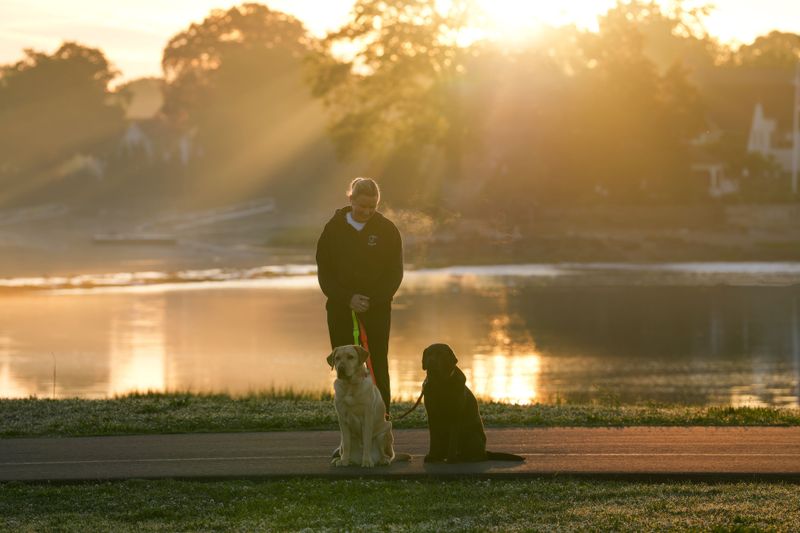
Timing solves half the heat problem before it starts. Early morning brings cooler pavement, softer light, and thinner crowds along the promenade.
Evening works too, once the sun drops behind the mountain.
Midday visits in July and August are best kept short and shady. Many local owners split the difference: a sunrise hike, a long nap, then a relaxed stroll after supper when the stone has cooled.
12. Bring More Water Than The Trail Looks Like It Needs
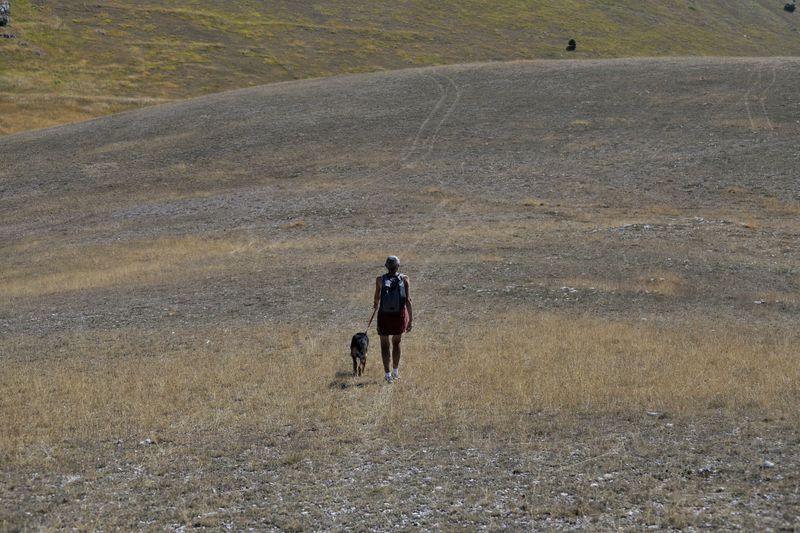
Longer routes deserve extra planning. Natural water sources in the park can run low, especially late in summer.
Two bottles feel heavy at the trailhead and priceless at the turnaround point.
Split the supply between you and your dog, and offer sips at regular intervals instead of one large drink. Steady hydration keeps energy up and helps your dog handle Arkansas humidity comfortably.
13. Build Shade Breaks Into The Plan
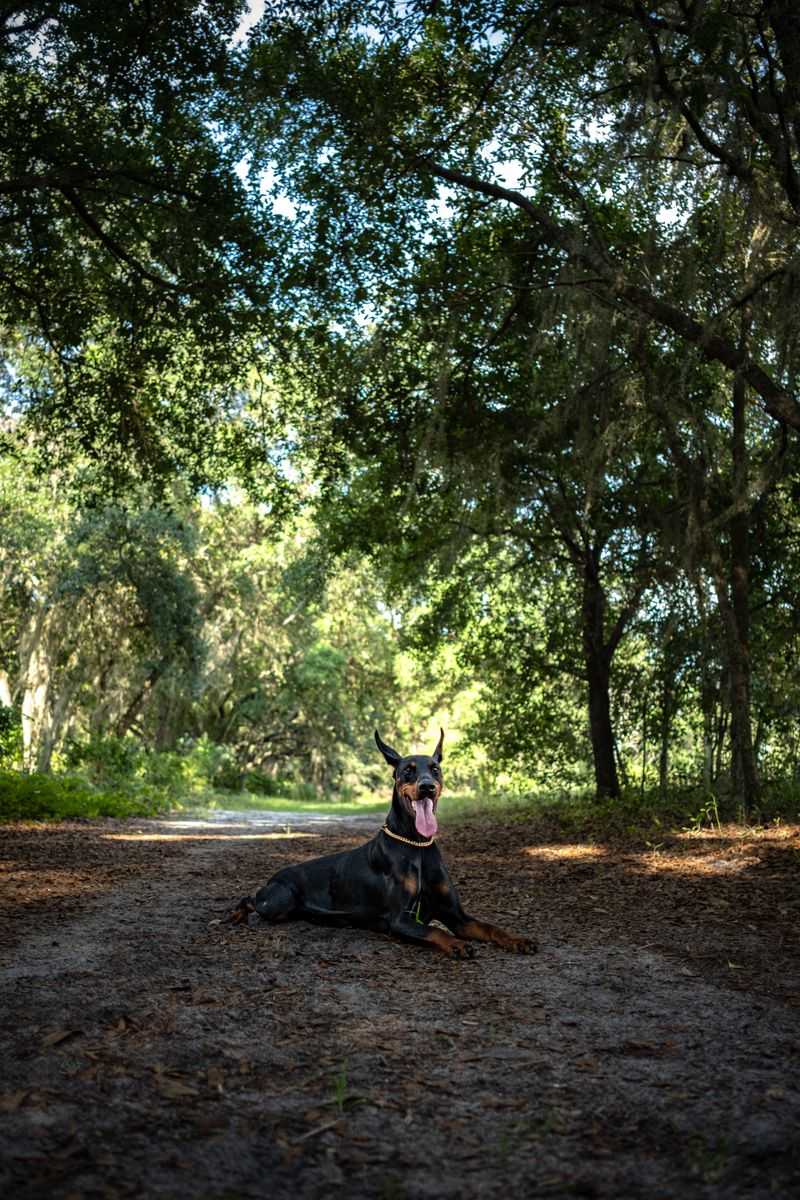
Dogs rarely announce that they need a break. Heavier panting, slowing down, or drifting toward tree cover usually says it first.
Answer those signals with five quiet minutes under canopy.
Wooded stretches of Hot Springs Mountain offer plenty of cool spots. Sit, offer water, and let breathing settle before continuing.
Frequent short rests beat one long recovery stop, and they keep the whole outing pleasant.
14. Parked Cars Are Off Limits
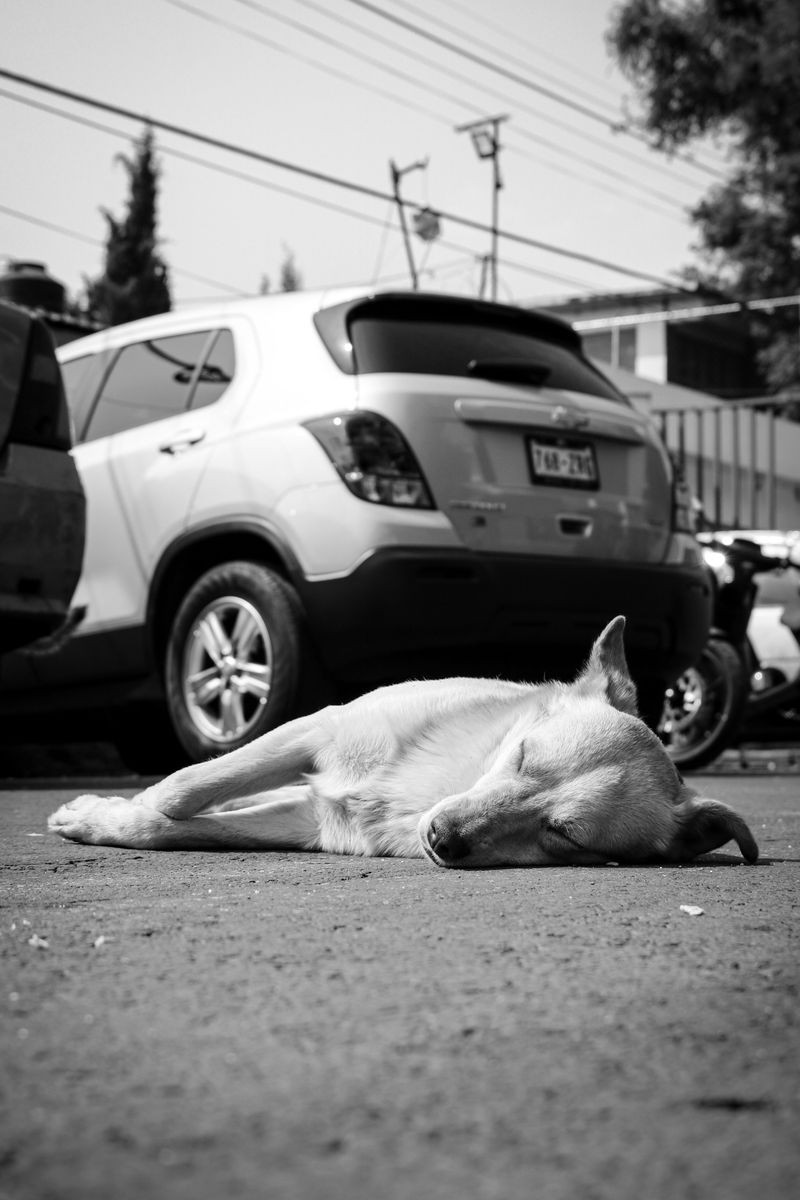
Even a short errand changes things inside a vehicle. Interior temperatures climb quickly on warm days, and cracked windows do very little.
Plan visits so your dog is never waiting in the car.
Take turns with a friend if you want to tour an indoor site, or choose outdoor stops instead. Many Hot Springs businesses have shaded patios where leashed dogs can wait comfortably beside you.
15. Let Wildlife Stay Wild

Deer, rabbits, birds, and snakes all share these woods. A leash is the single best tool for keeping introductions from happening.
Snakes in particular prefer warm rock edges and leaf litter along trail margins.
Keep your dog centered on the path and discourage nose-first investigation of brush piles. Everyone benefits: wildlife stays undisturbed, and your dog avoids an unpleasant surprise on an otherwise easy afternoon.
16. Run A Tick Check Before You Get Home
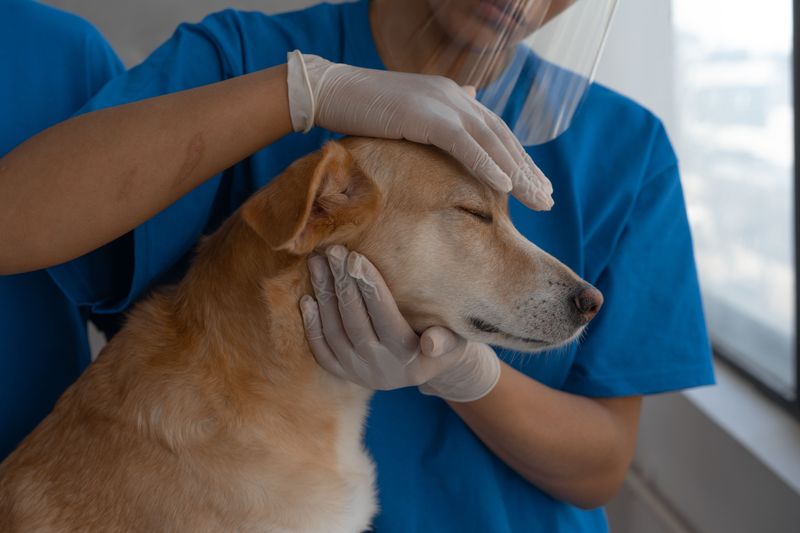
Arkansas ticks stay busy through the warm months. A careful once-over at the trailhead catches most of them before they settle in.
Check ears, neck folds, armpits, between toes, and under the tail.
Regional tick-borne illnesses affecting dogs include ehrlichiosis, Rocky Mountain spotted fever, Lyme disease, and anaplasmosis. Ask your veterinarian which preventive product suits your dog, since recommendations vary by age and health.
17. Bag It, Every Time
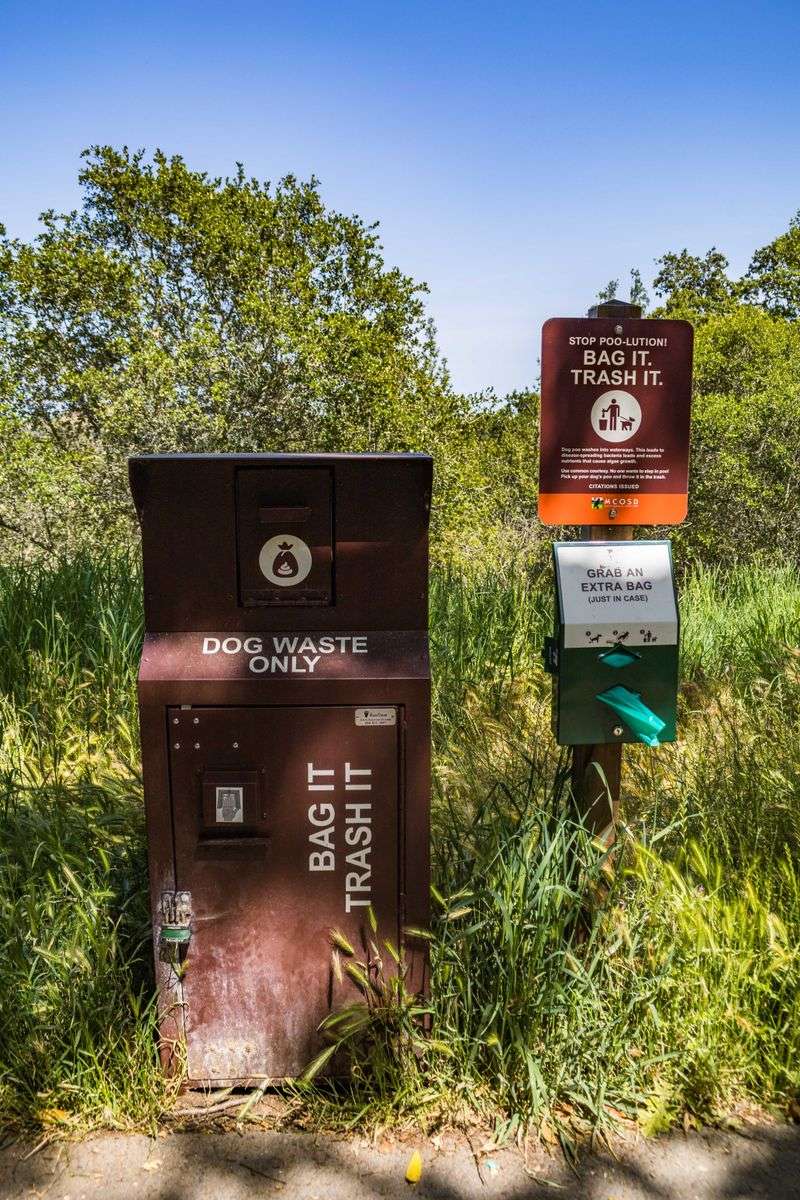
Waste left behind is more than a courtesy issue near springs. It can wash into creeks and groundwater, affecting the very water the region is known for.
It also spreads parvovirus, giardia, and roundworms among dogs and wildlife.
Carry extra bags, tie them off, and use marked receptacles at trailheads and along the promenade. Two seconds of effort protects a resource the whole town shares.
18. Check Conditions The Night Before
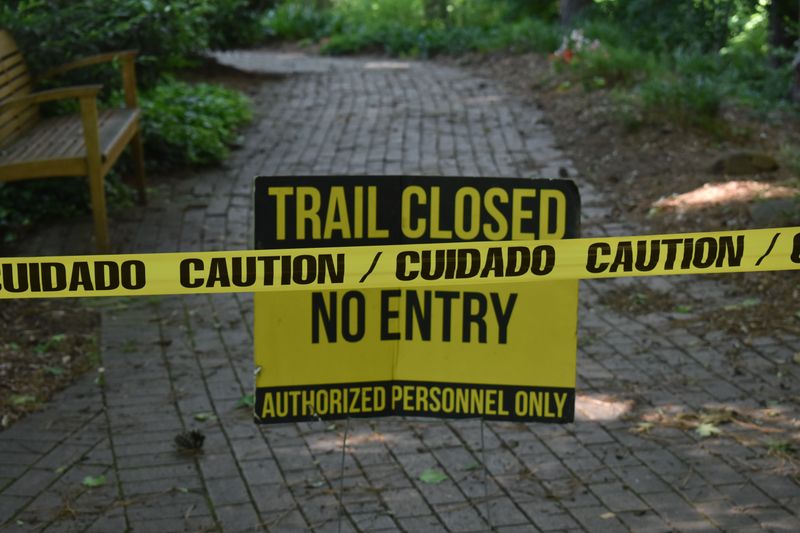
Plans go smoother with a quick look at current alerts. Trail closures, construction near bathhouses, and heat advisories all change what a good route looks like.
Park websites list conditions and pet regulations, and rules differ between national and state park units.
When something seems unclear, call the visitor center or ask a ranger on site. Staff answer pet questions constantly and give straight, practical guidance.
Steady preparation makes for happy, easy days out.