How To Prepare Your Dog For Long Rural Drives Across North Dakota
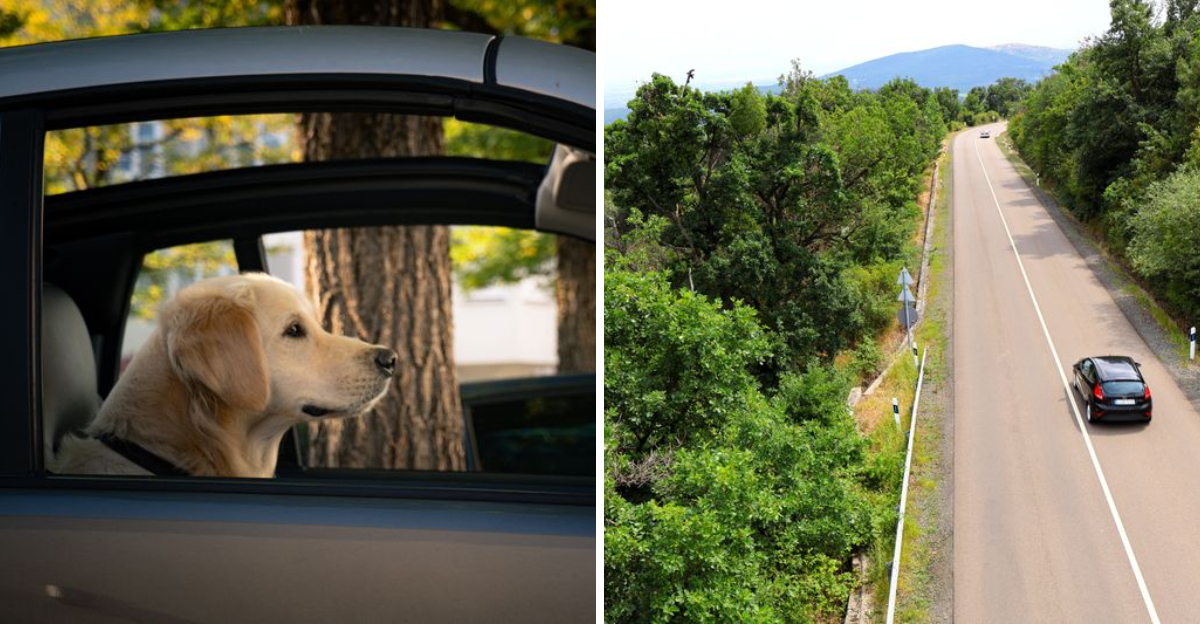
Two hundred miles of prairie can pass without a single stoplight, and that stretch of quiet is exactly why North Dakota drives feel so good. It is also why a little planning matters so much.
Between deer at dusk, wind chills that bite, and towns spaced far apart, your dog depends on you to think ahead. Get the details right and the miles turn into easy, tail-thumping fun.
Here is how to set it all up.
1. Buckle Up With A Crash-Tested Harness Or Crate
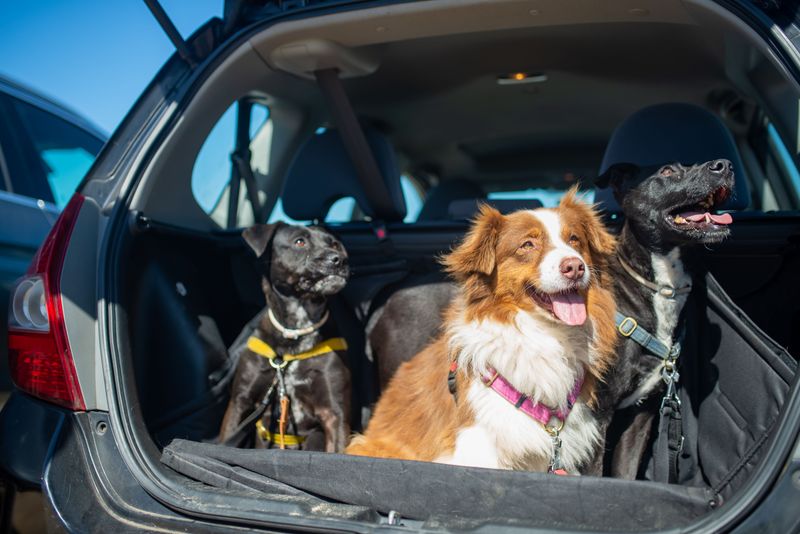
Loose dogs become flying objects when a driver brakes hard. A crash-tested harness such as the EzyDog Drive or Sleepypod Clickit Terrain keeps your pup anchored to the seatbelt system.
Look for padded vests, seatbelt-grade webbing, and stress-tested buckles built to standards like FMVSS 213. Fit should be snug, not squeezy.
Prefer a crate? Great.
Just strap it down so it cannot slide across the cargo area on gravel roads.
2. Warm Up With Short Practice Drives First
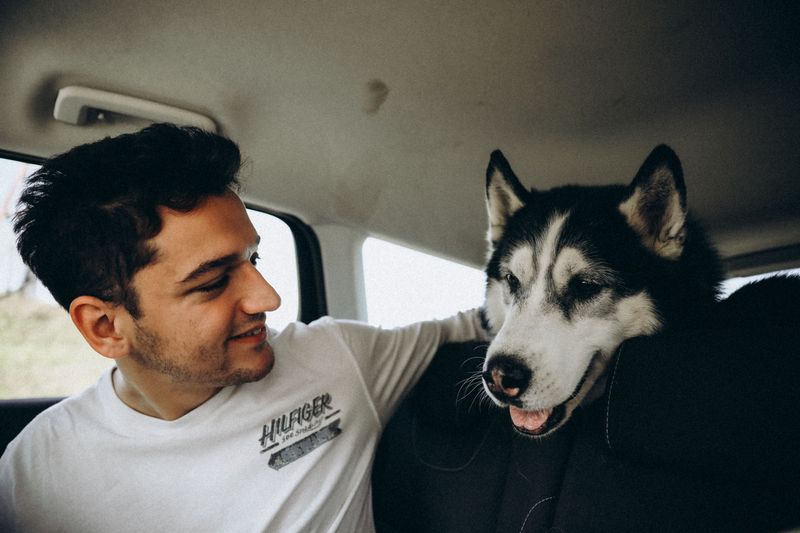
Jumping straight into an eight-hour haul is a lot to ask of a rookie rider. Start with quick trips around town, then stretch to twenty minutes, then an hour.
Small, frequent snacks and sips of water help settle queasy stomachs on the way.
Each easy ride teaches your dog that the car means good things, not stress. Confidence built early pays off when the pavement stretches past the horizon.
3. Overpack The Water, Every Single Time
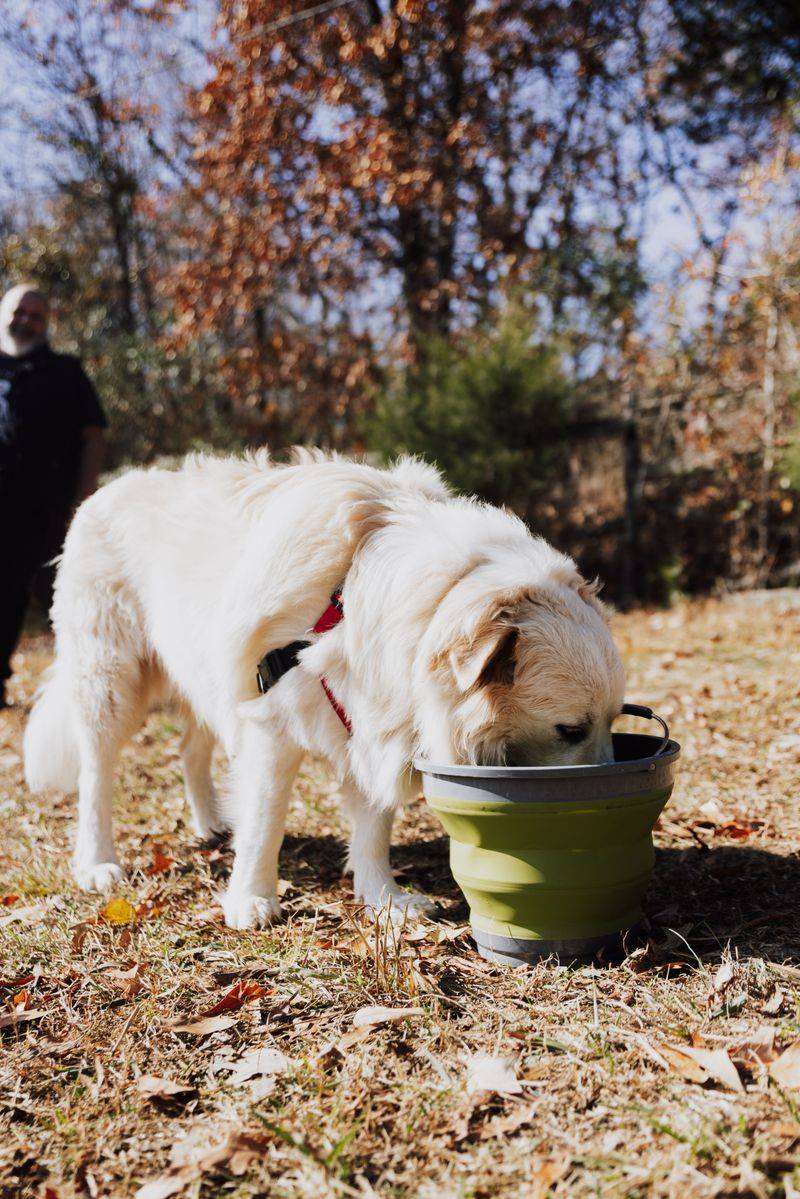
Rural service stations close early, and some towns are simply gone. Water is the one supply nobody should ration.
Plan on roughly one ounce per pound of body weight each day, then add extra for delays and warm afternoons.
Bring water from home or bottled water so a new mineral taste does not upset your dog’s stomach.
Keep jugs cool and pour into a spill-proof travel bowl at stops.
4. Stick With The Food Your Dog Already Knows
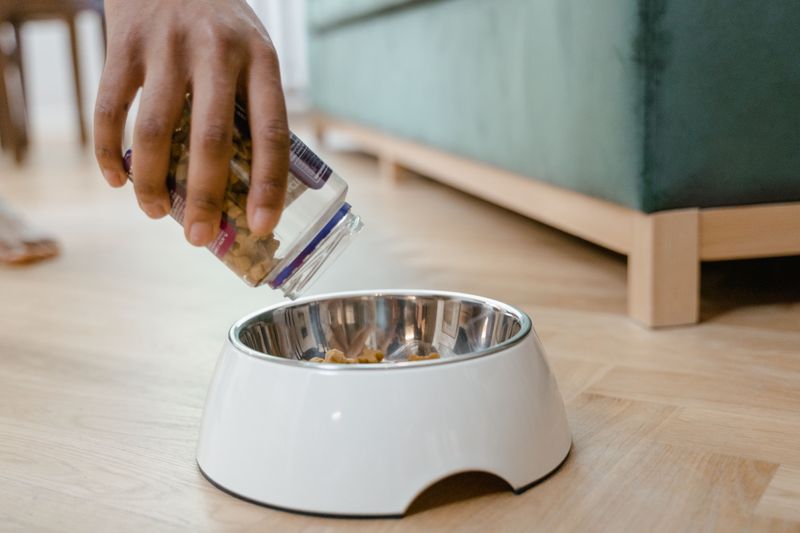
Vacation is no time for menu experiments. Sudden diet swaps are a fast lane to an unhappy belly and an emergency roadside stop.
Measure out the full trip’s worth of your dog’s usual kibble, then toss in a few spare days for weather delays.
Airtight containers keep everything fresh and mouse-proof at campgrounds.
Familiar meals also comfort nervous travelers who miss their routine.
5. Build A Grab-And-Go Travel Kit
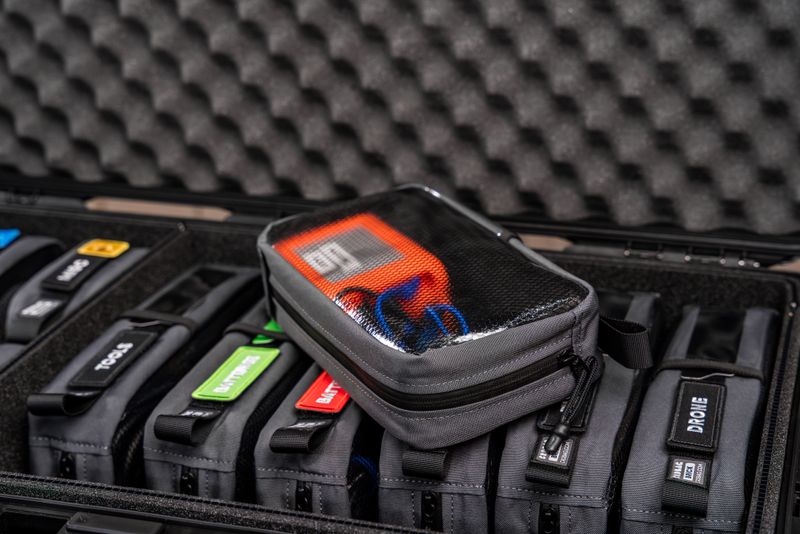
Think of it as your dog’s carry-on. Bowls, a sturdy leash, waste bags, and any medications go in first.
Add grooming supplies, a pet first-aid kit, vaccination records, microchip paperwork, and your vet’s phone number.
Slip in a recent photo of your dog too, because a clear picture speeds up any search.
Keep the whole kit in one tote so nothing hides under luggage when you need it.
6. Refresh That ID Tag And Microchip Info
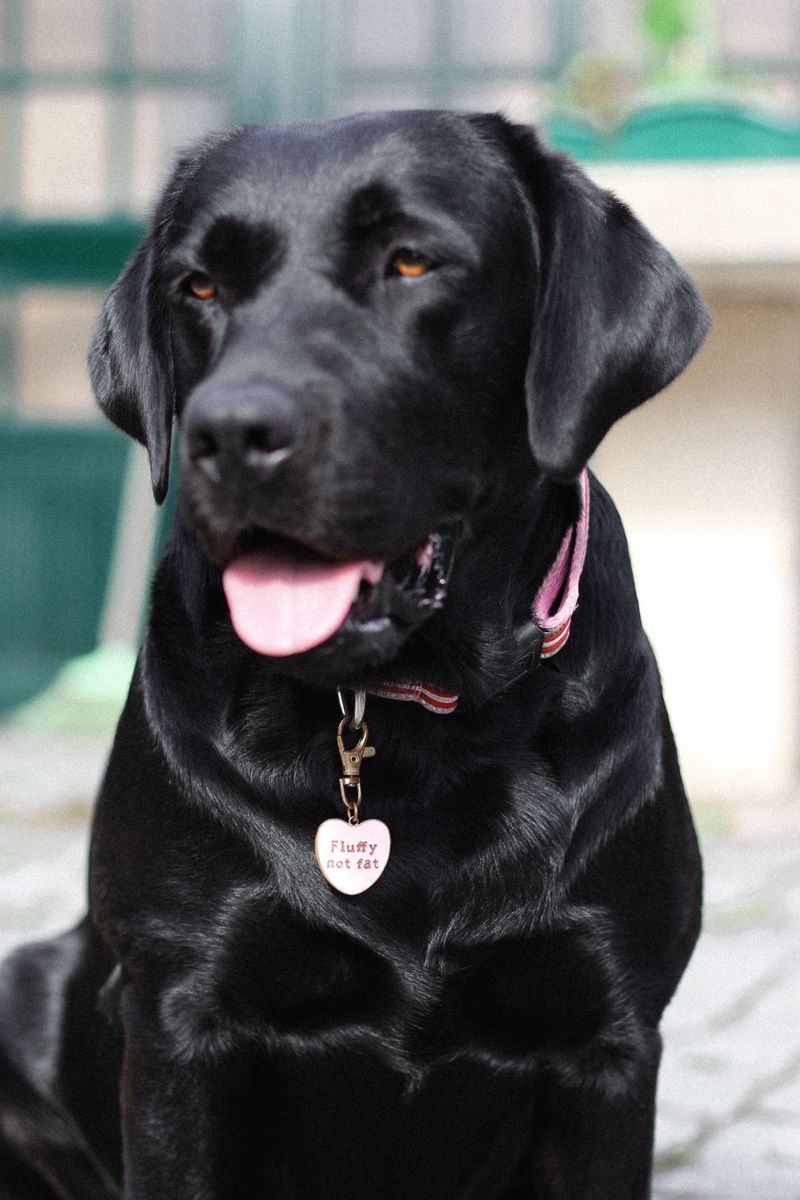
An old phone number on a tag helps nobody. Check the engraving and replace it if the digits are worn smooth.
Log into your microchip registry and confirm your current address and cell number.
A chip only works when the database points somewhere real. Two minutes of updating can bring a wandering dog home from a prairie shelterbelt.
Traveling internationally later? ISO-compatible chips are often required.
7. Schedule Stops Every Couple Of Hours
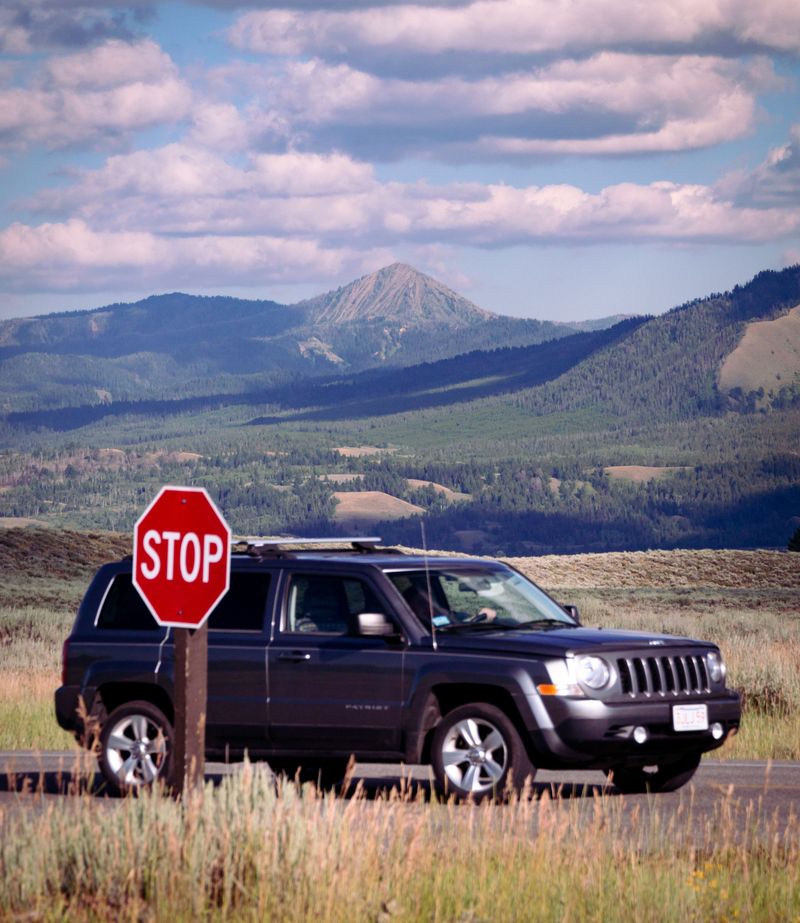
Every two hours, pull over. That is the rhythm most veterinarians recommend for road-tripping pets.
Let your dog stretch, sniff, drink, and take care of business before climbing back in.
Hot days and anxious first-timers may need breaks even sooner.
Here is the bonus: a dog who burns a little energy at each stop naps happily between them. Everybody wins, including the driver who gets a leg stretch.
8. Clip That Leash Before The Door Opens
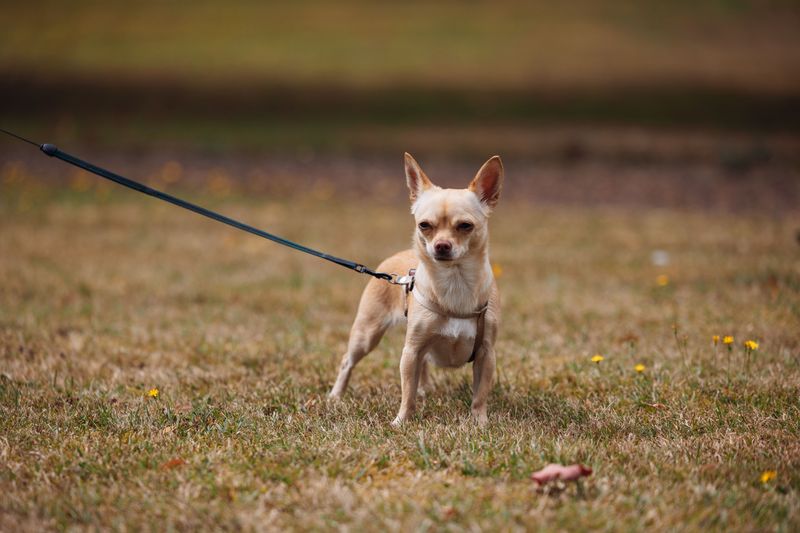
Open prairie triggers big ideas in small dogs. Attach the leash while your pup is still buckled inside, not after.
North Dakota has no statewide leash law, but Fargo and Bismarck expect dogs leashed or under voice control in public.
State parks are stricter: leashes must be six feet or shorter.
A six-foot lead is the sweet spot for control and sniffing freedom.
9. Pick Break Spots Far From Speeding Traffic
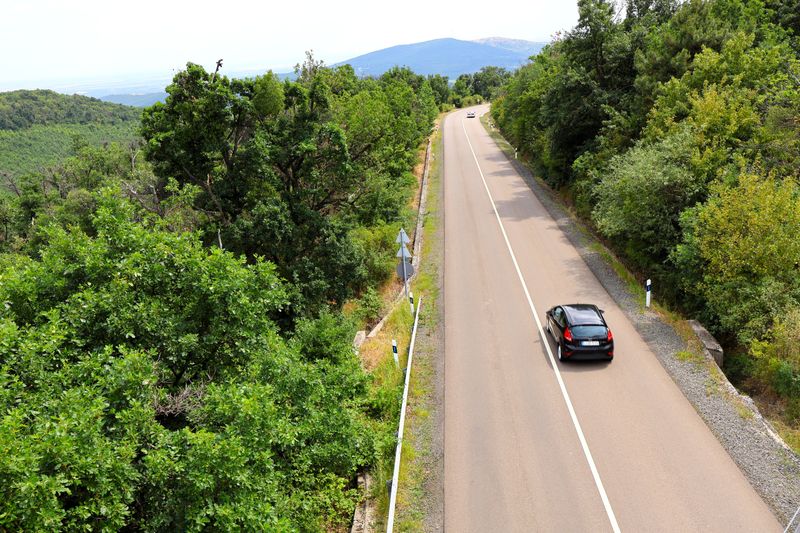
Semis on a two-lane highway create a wind blast that can startle even steady dogs. Skip the narrow shoulder.
Aim instead for town parks, quiet gravel pull-offs, or wide rest areas set back from the lanes.
Extra distance means less noise, less stress, and far more room for error if a leash slips.
Scan for glass and burrs before letting paws wander.
10. Keep Deer Eyes On Your Radar At Dawn And Dusk
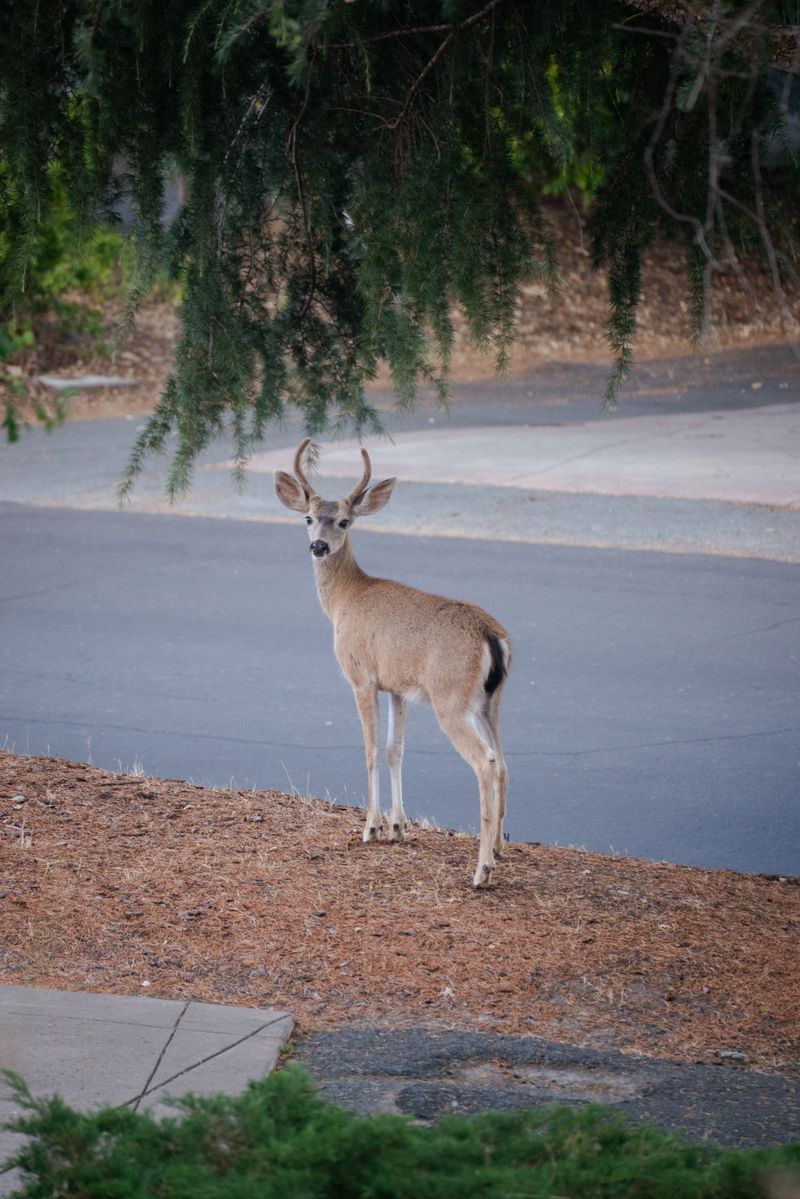
North Dakota’s deer population is healthy, and the animals do not read road signs. Their busiest hours fall around sunrise, sunset, and full dark.
Dim your interior lights, use high beams when nobody is coming, and scan the ditches, not just the pavement.
Eyeshine often appears before the animal does.
Steady speed gives you reaction time, and your dog rides calmer when the driving stays smooth.
11. One Deer Usually Means Friends Are Coming
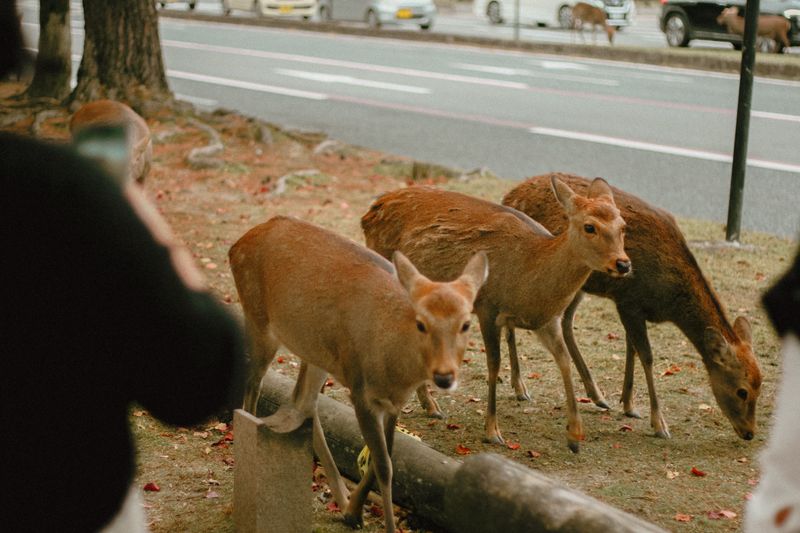
Deer travel in family groups, so the one that just cleared your bumper rarely travels solo. Ease off the gas immediately.
A second or third animal often bolts across seconds later, aiming for the same gap in the fence.
Slowing by even fifteen miles per hour buys real stopping distance.
Your buckled passenger appreciates the gentle braking far more than a sudden swerve.
12. Read The Forecast Before The Pavement Empties Out
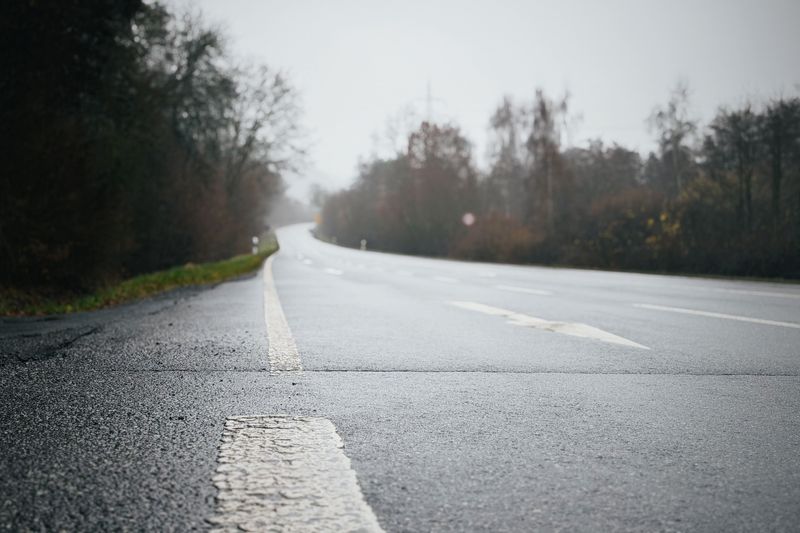
Prairie weather flips fast. Blue sky at breakfast can mean ground blizzard or hail by mid-afternoon.
Check the state’s road condition reports and the latest forecast before you leave cell coverage behind.
Note where the next fuel stop sits, since gaps of sixty miles are common out here.
Screenshot your route. A dog stuck in a stalled car deserves a driver with a backup plan.
13. Winter Gear Is Not Optional Out Here
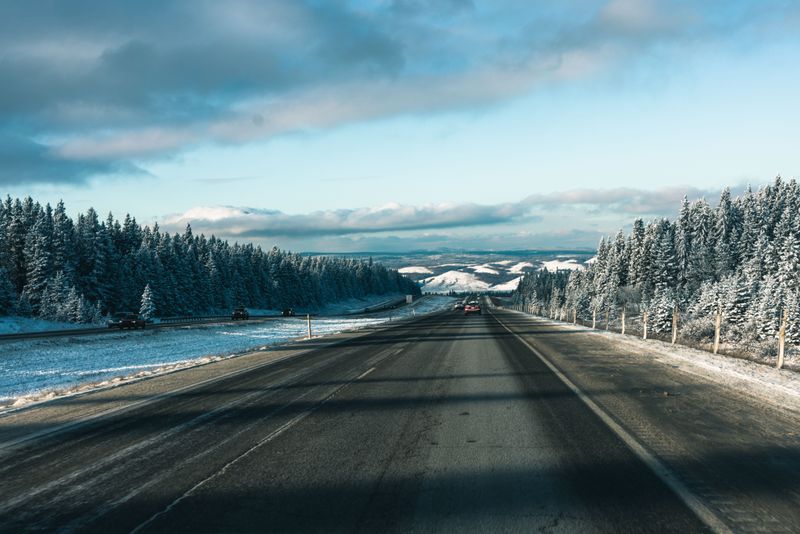
December through February, wind chills in North Dakota can plunge past forty below. That changes everything about a potty break.
Pack an insulated coat, booties or paw balm, and a warm blanket for the crate.
De-icing chemicals sting paws, so wipe pads after every stop.
Watch ear tips, tails, and pads for frostbite signs. Keep outdoor time short, brisk, and cheerful.
14. Summer Calls For Shade, Sips, And Slow Downs
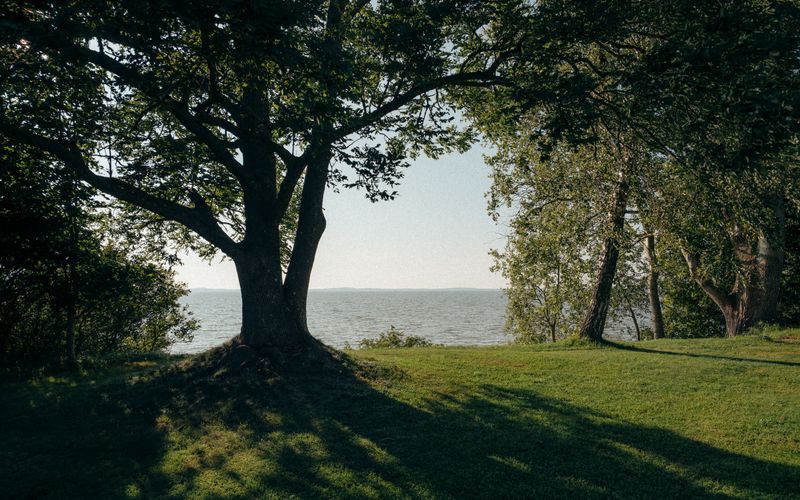
Dogs shed heat by panting, and panting fails when the air is hotter than they are. That is how heatstroke sneaks up.
Carry extra water, a portable bowl, and a battery-operated clip fan for the crate.
Choose shaded picnic areas for breaks and skip midday romps on scorching gravel.
Test the ground with your hand. If it burns you, it burns paws too.
15. The Parked Car Rule: Take Your Dog With You
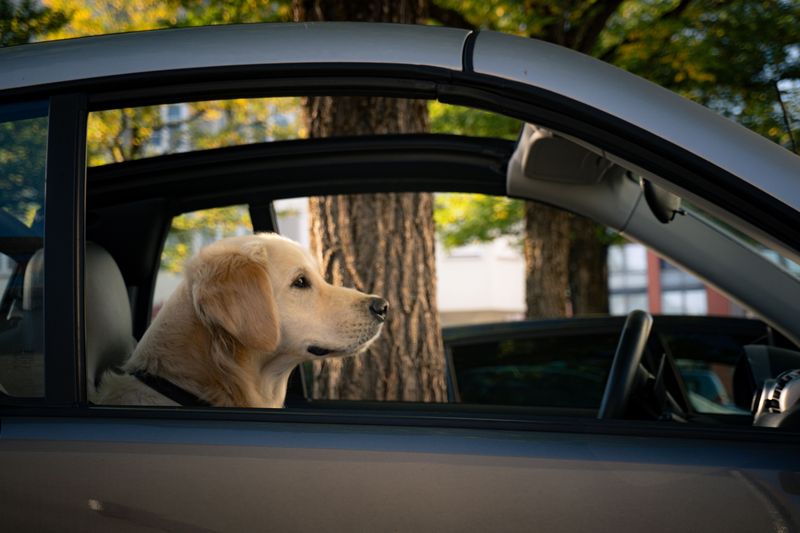
On a mild seventy-degree day, a car interior can hit 104 degrees in half an hour. Cracked windows barely help.
North Dakota law makes it illegal to confine a dog in a vehicle in a way that endangers its health, and officers may enter to remove an animal in distress.
Cold snaps are just as risky.
Simplest fix: pick drive-throughs, curbside pickup, or take turns going inside.
16. Back Seat Beats Shotgun When Airbags Exist
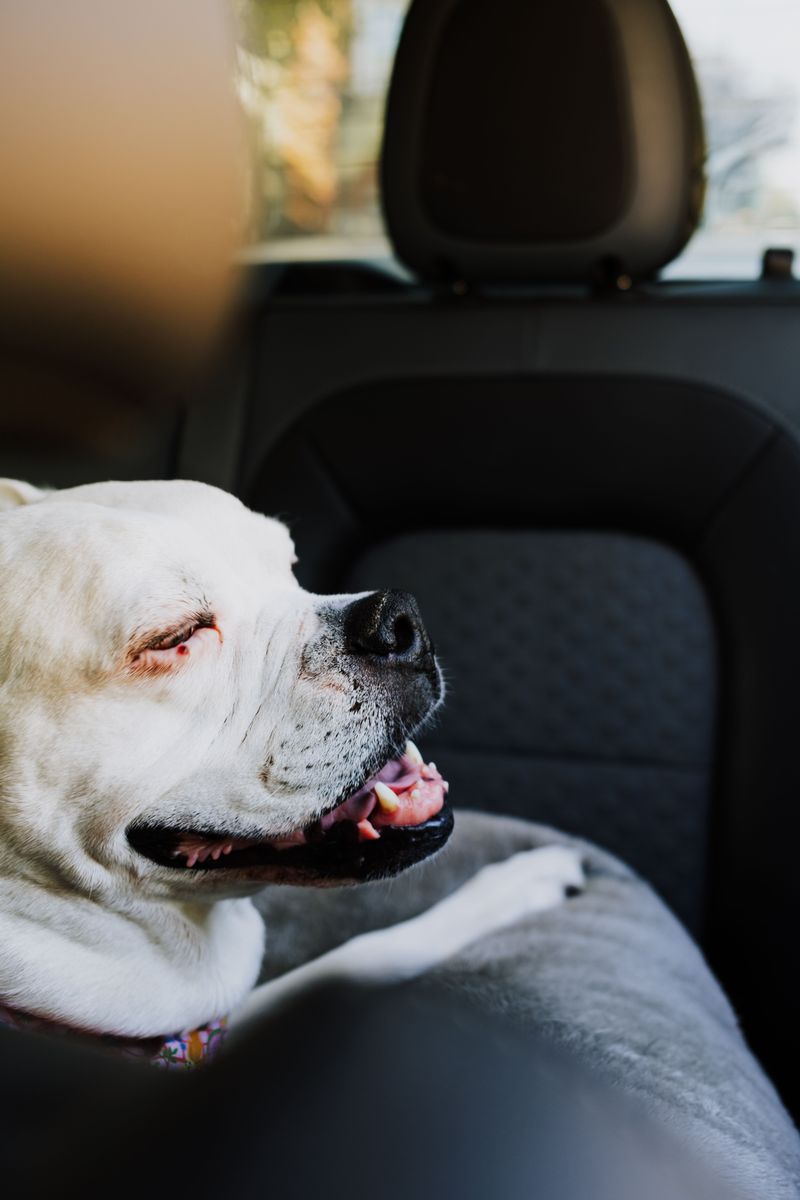
Riding shotgun looks adorable and carries a real hazard. A deploying airbag inflates with tremendous force, dangerous for any dog.
The safest seat is behind you, secured with a tested harness or an anchored crate.
Back there, your pup also avoids the dashboard during quick stops.
Miss the company? A rearview mirror glance at those ears still delivers plenty of road-trip joy.
17. Wind-In-The-Ears Looks Fun, But Skip It
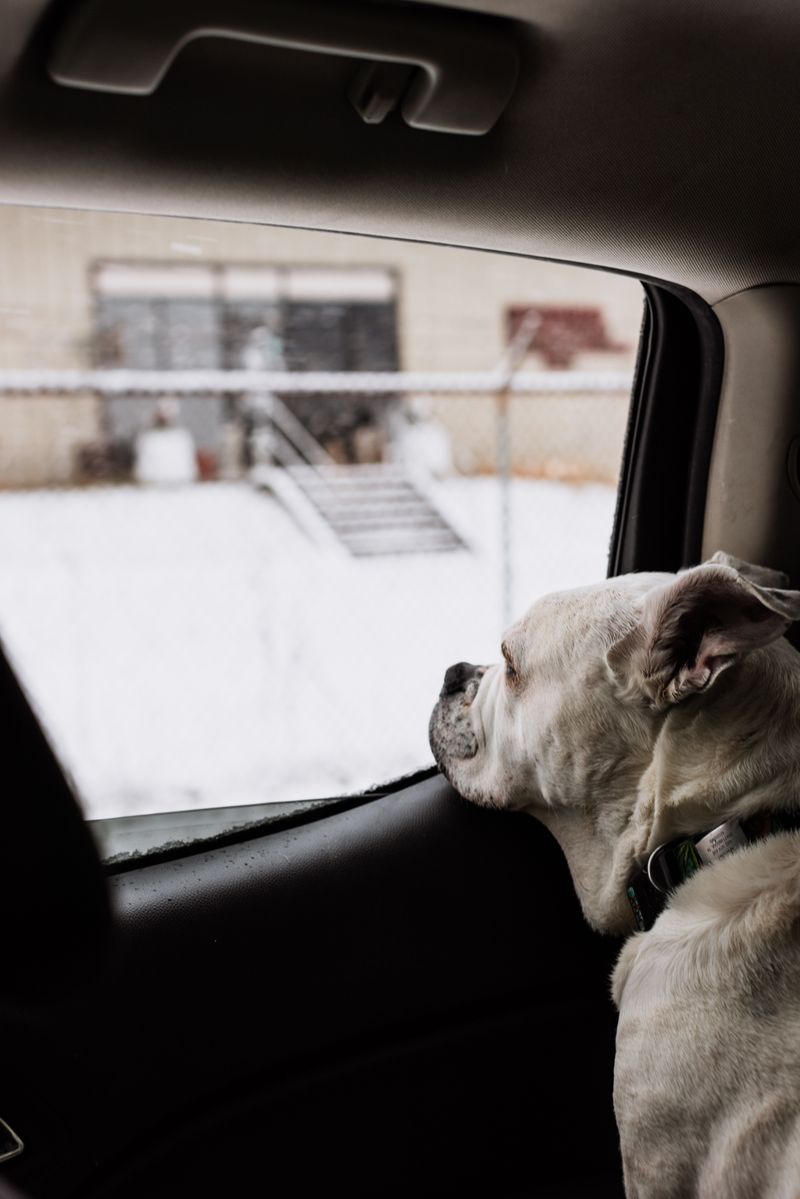
Highway speed turns gravel, insects, and grit into projectiles. Eyes, ears, and noses take the hit.
Rushing air can also irritate ear canals and cause swelling over a long drive.
Then there is the worst case: a startled dog leaping toward a passing critter.
Crack the window a few inches for fresh smells instead. Vented air satisfies the sniffer without the risk.
18. Pickup Beds Need Crates, Never Loose Rides
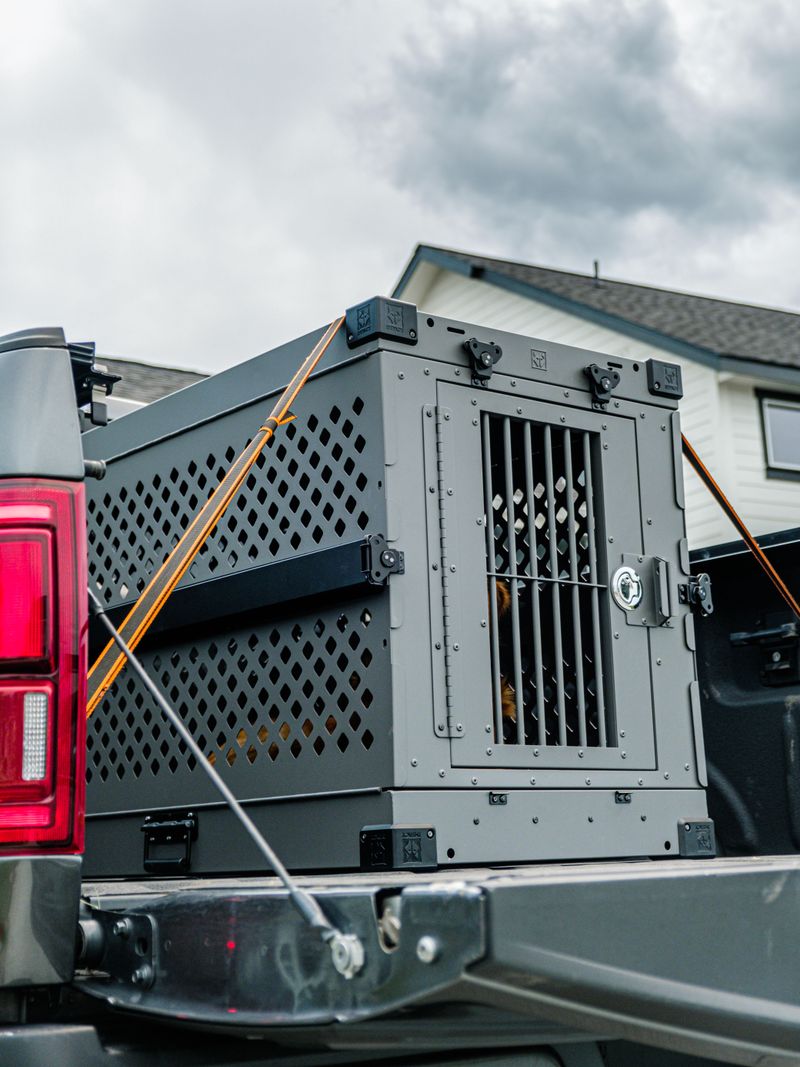
Estimates suggest around 100,000 dogs are lost each year after falling from pickup trucks. Sudden stops and sharp turns do it.
A single tether is not the answer either, since it can tangle badly.
If the bed is the only option, use a sturdy crate strapped at all four corners with heavy-duty straps.
Add an insulated liner in winter and a weatherproof tarp against wind.
19. Map The Vets Before You Need One
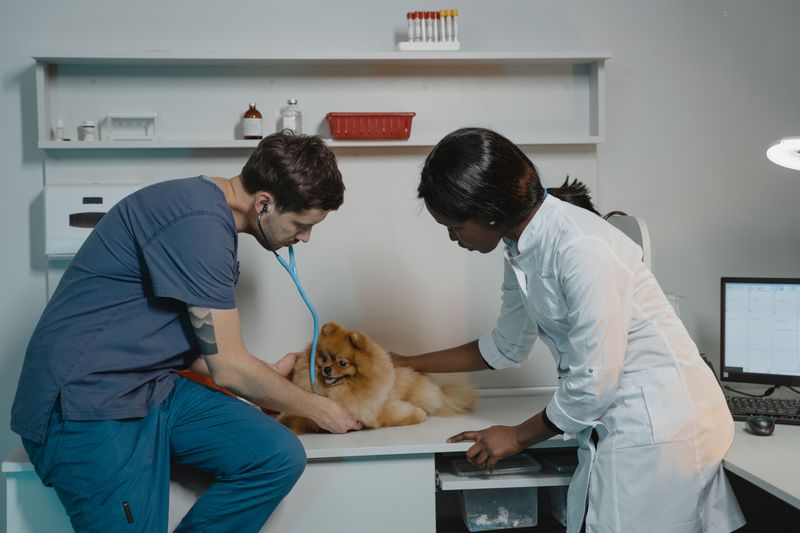
Cell service thins out fast between towns, so do the homework at the kitchen table.
Note clinics and after-hours emergency options in the bigger stops along your route: Fargo, Bismarck, Minot, Dickinson, Jamestown.
Save the numbers in your phone and write them on paper as backup.
Keep your own vet’s contact info and vaccination records handy. Preparation you never use is still the best kind.
20. Confirm Pet Rules At Every Park And Campground
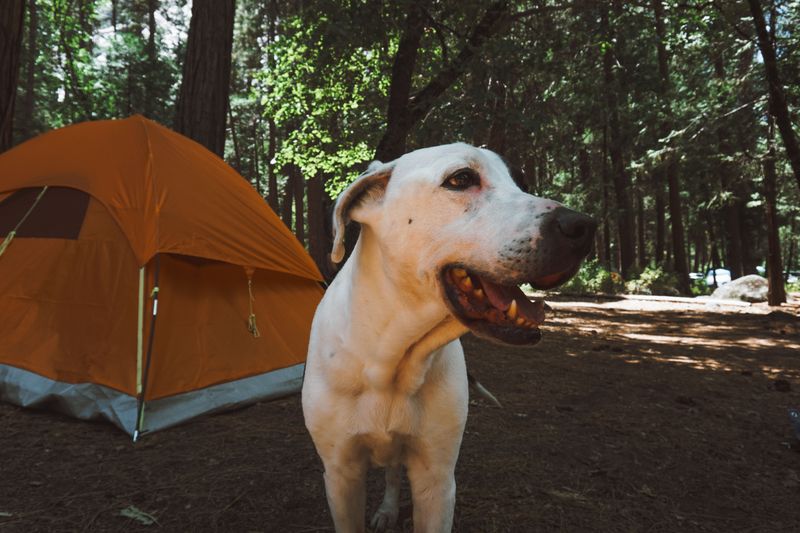
Rules shift from gate to gate. North Dakota State Parks welcome leashed pets in campgrounds, with leashes six feet or shorter.
Cabins, swimming areas, playgrounds, and buildings are usually off limits.
Theodore Roosevelt National Park allows dogs on roads and in Cottonwood and Juniper campgrounds, but not on backcountry trails.
Medora Campground, Fort Abraham Lincoln, Icelandic, Lake Sakakawea, and Turtle River state parks also host happy campers.