How Wind And Rapid Weather Changes Complicate South Dakota Dog Hikes
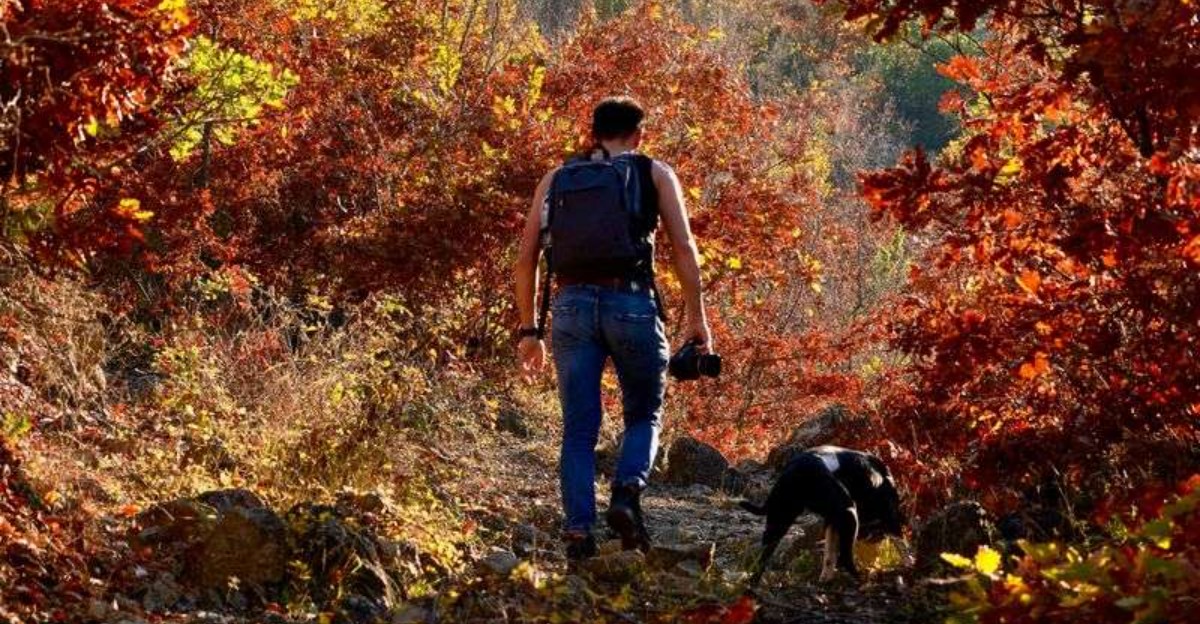
South Dakota gives dog owners wide skies, open prairie, and trails that feel endless. It also gives us wind that arrives without warning and temperatures that can swing in a single afternoon.
If you hike with your dog here, a little planning goes a long way toward keeping the day easy and fun. Think of this as friendly advice from someone who has turned back early more than once.
Here is what local owners should keep in mind.
1. Check The Forecast Before Leaving
Five minutes with a weather app can reshape your whole afternoon. Look past the temperature and read the hourly wind, gust, and precipitation lines.
South Dakota forecasts shift fast, so check again right before you drive out. National Weather Service pages cover local zones well and update often.
Share the plan with someone at home. Knowing the expected high, low, and wind speed helps you pack right for your dog.
2. Treat Wind Speed As Part Of The Hike Plan
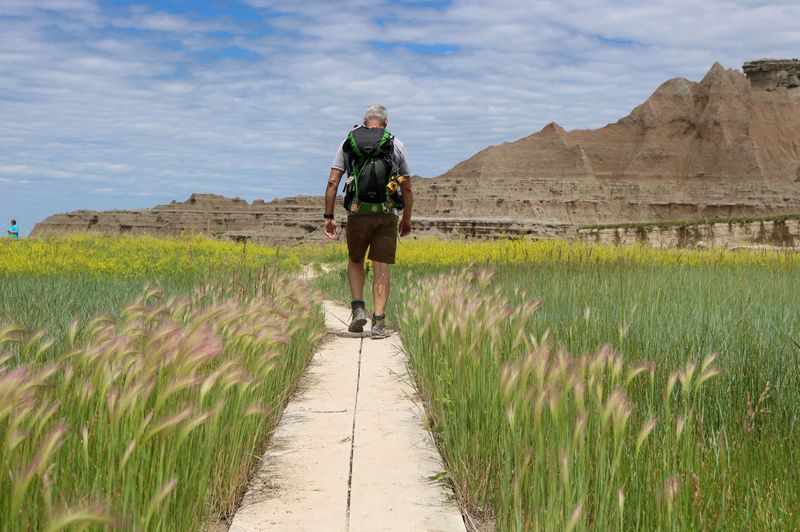
Wind deserves the same attention you give the thermometer. A pleasant fifty degrees feels very different when gusts reach thirty miles per hour.
Steady wind tires dogs faster, dries their eyes, and makes small dogs work harder to stay steady.
Before choosing a route, ask how much of it sits in the open. On breezy days, shorter loops usually make more sense than long, exposed stretches.
3. Expect Exposed Trails To Feel Colder
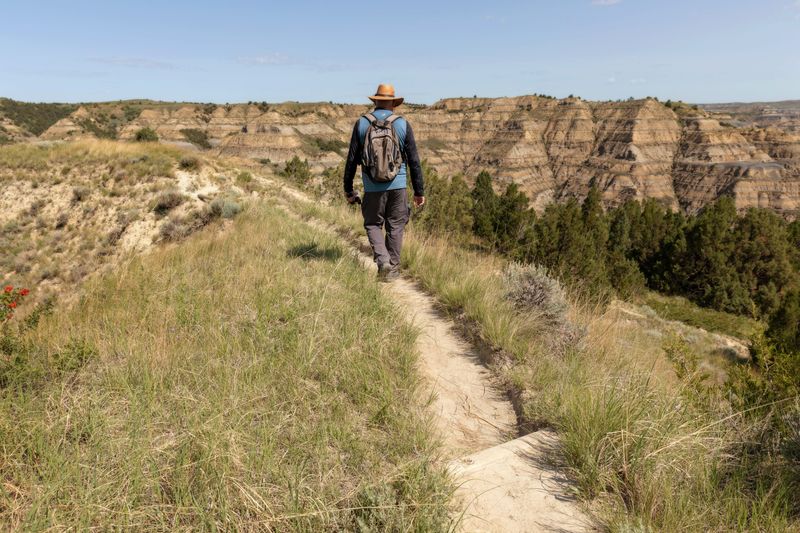
Prairie ridges and Badlands overlooks catch every bit of moving air. That constant flow pulls heat away from your dog much faster than still conditions.
Shorthaired breeds, seniors, and puppies notice the difference first. A light insulating coat helps them stay comfortable on ridgelines.
Plan open sections for the warmest part of the day. Save shaded draws and creek bottoms for when the air cools down.
4. Watch For Sudden Temperature Drops
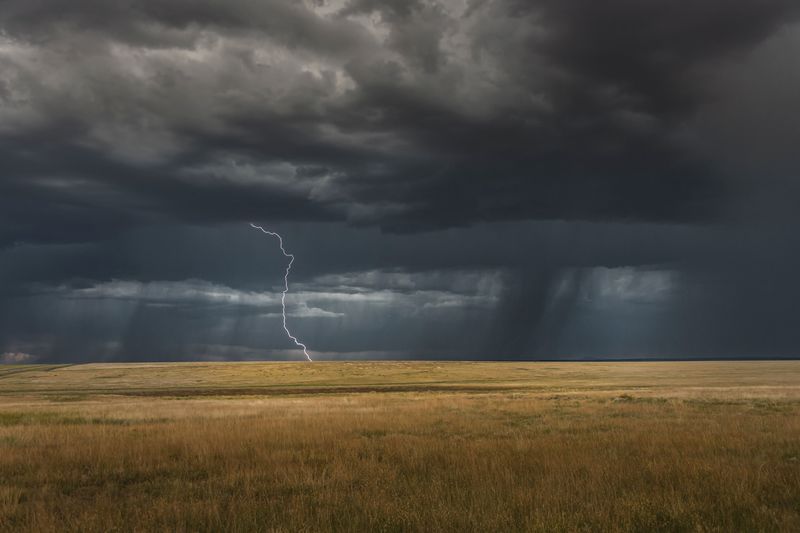
Locals joke that the state offers three seasons before lunch. A sharp temperature drop can happen quickly when a strong front moves through.
Wet fur plus falling temperatures is the combination to avoid. Dogs that splashed in a creek cool down quickly once the air changes.
Carry a towel in the car. Drying your dog before the drive home makes a real difference.
5. Keep A Closer Eye On Your Dog
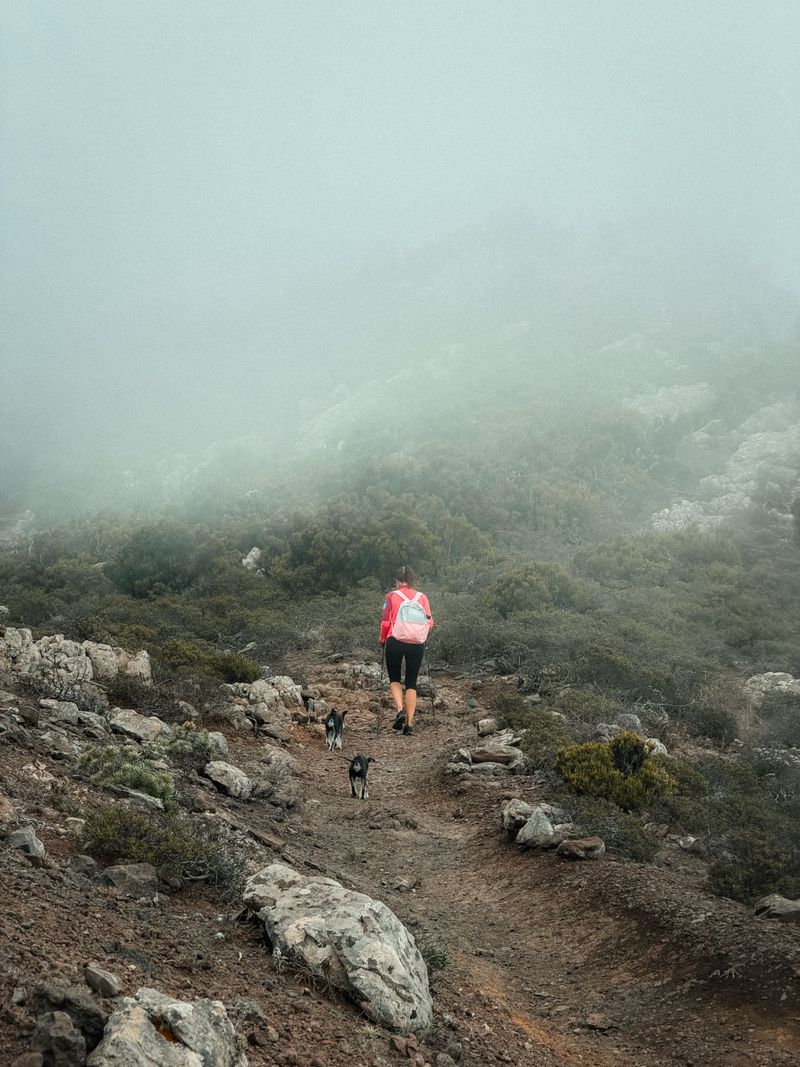
Dogs rarely announce that conditions have become uncomfortable. Instead, they show it through small changes you can learn to spot.
Slowing down, lagging behind, tucking the tail, or turning away from the wind all count as messages.
Check in every fifteen minutes or so on rough days. A quick pause, a hand on the chest, and a look at their eyes tells you plenty.
6. Choose Sheltered Routes On Rough Days
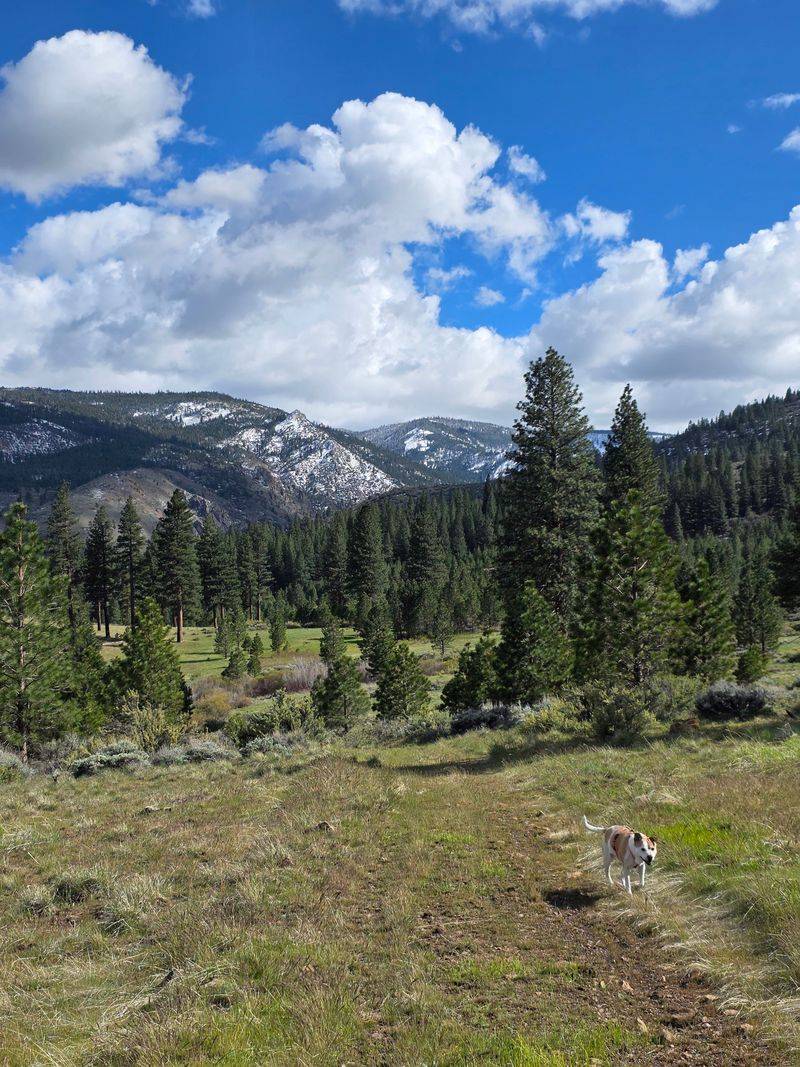
The Black Hills offer something the open prairie cannot: trees that break the wind. Pine draws and creek canyons stay noticeably calmer.
Spearfish Canyon style routes and forested park trails work well when gusts pick up across the plains.
Terrain matters too. Trails tucked below a ridge can feel more sheltered than exposed sections along the same route.
7. Be Careful Around Storm Clouds
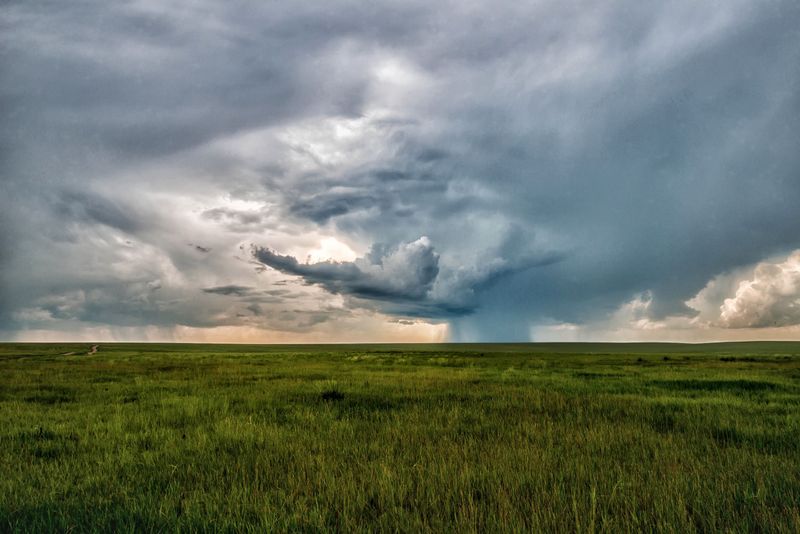
Tall, building clouds with dark bases signal that it is time to head back. Prairie storms grow quickly and travel faster than most people expect.
Lightning is the main concern on open ground and high ridges. Move downhill and away from lone trees and metal structures.
Keep your dog leashed during rumbling weather. Thunder startles even confident dogs into bolting.
8. Know How Wind Affects Trail Conditions
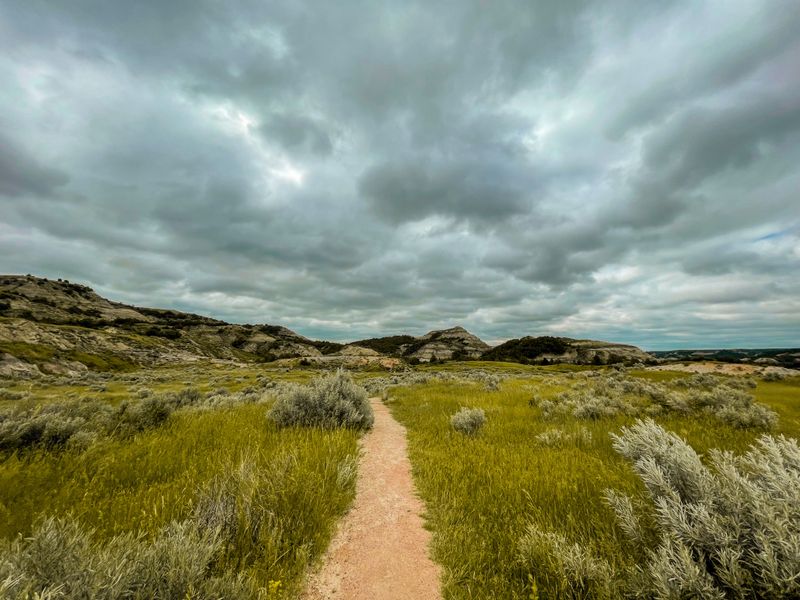
Moving air changes the ground itself. Dust lifts off dry paths, grit collects in low spots, and loose sand stings eyes.
In winter, wind pushes snow into drifts that hide holes, rocks, and trail edges. Depth becomes hard to judge.
Slow your pace when footing looks uncertain. Letting your dog walk just ahead on a shorter lead gives you both better control.
9. Protect Your Dog From Blowing Debris
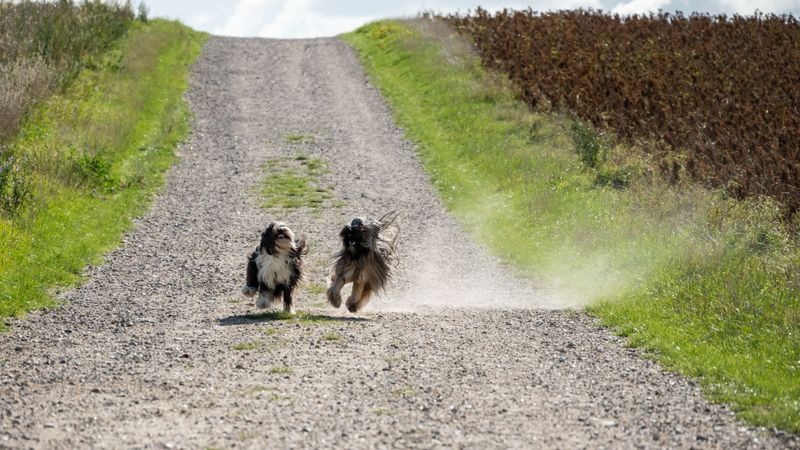
Grass seeds, dust, and small twigs ride the wind and end up where they should not. Eyes, ears, and noses take the brunt of it.
After breezy hikes, wipe your dog’s face gently and check between the toes for foxtail style seed heads.
Persistent squinting, head shaking, or pawing at the face deserves a call to your veterinarian rather than home treatment.
10. Bring Water Even On Cool Days
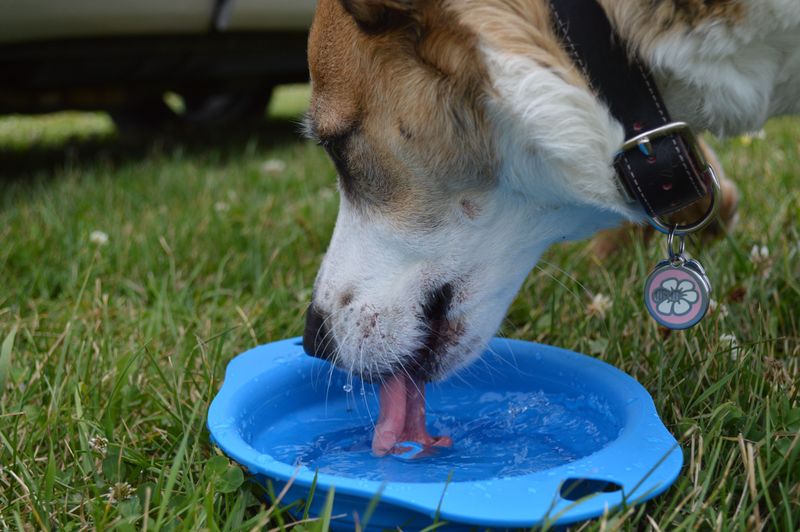
Cool air fools people into leaving the water bottle behind. Wind and exercise can still increase your dog’s need for fluids.
Pack roughly one ounce per pound of body weight for a moderate outing, and more for long days.
Skip creek water when you can. Standing prairie ponds sometimes host algae that veterinarians warn against, so bring your own supply instead.
11. Pack For More Than One Type Of Weather
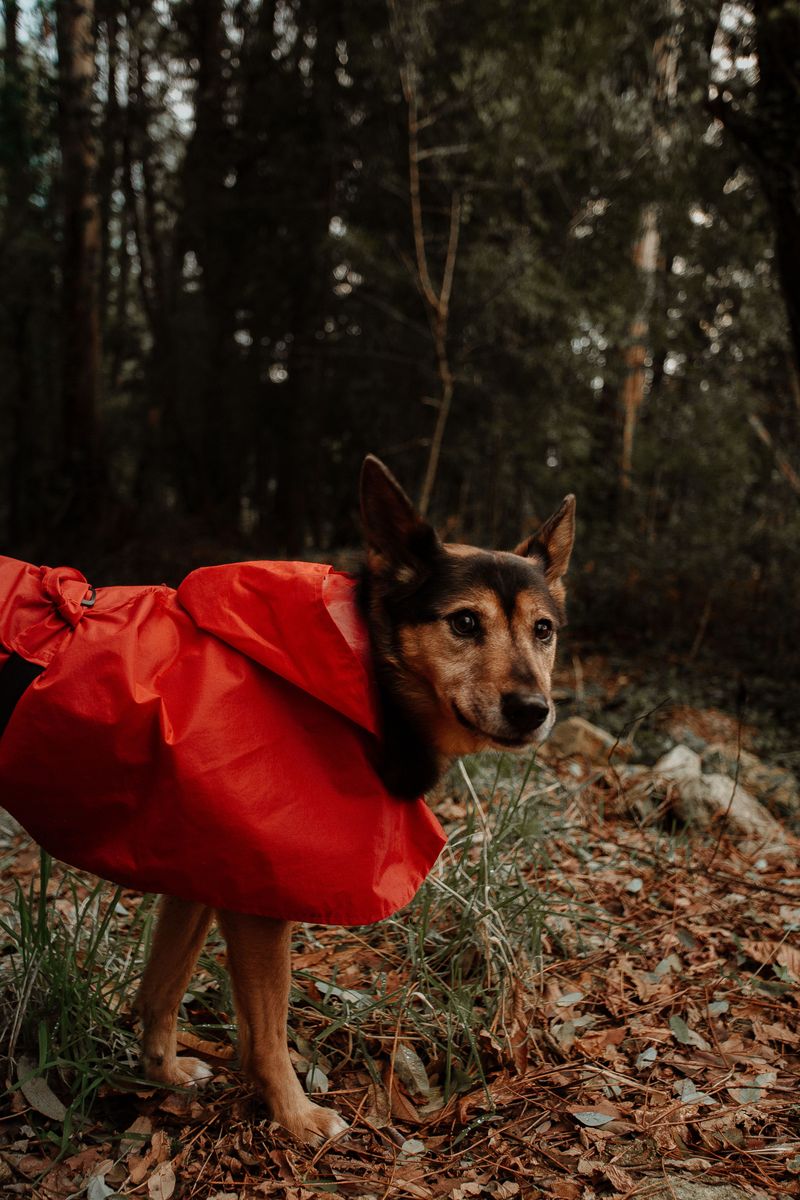
Smart packing here means preparing for two seasons in one trip. A dog jacket, a towel, and a rain shell take almost no space.
Add a spare leash, booties if your dog tolerates them, and a small first aid kit.
Leave a backup layer in the vehicle. Coming back to dry gear turns an unexpected soaking into a minor story.
12. Give Your Dog A Chance To Warm Up

Rest breaks work best out of the wind. Duck behind a rock outcrop, a stand of pines, or a hillside for a few minutes.
Offer a small snack during the pause. Calories help dogs generate warmth naturally.
Back at the vehicle, dry the chest and belly first. Those areas hold cold moisture longer than the back does.
13. Watch For Signs Your Dog Is Too Cold
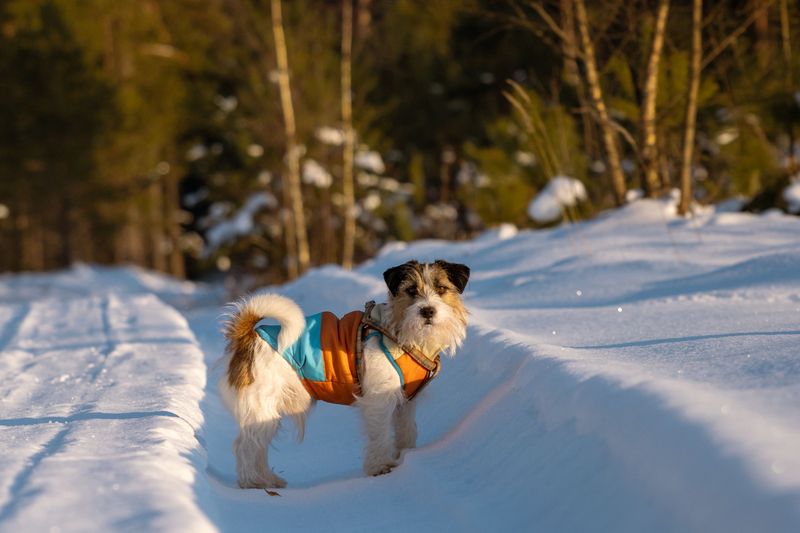
Shivering is the clearest early signal, though it is not the only one. Stiff movement, lifted paws, and reluctance to continue matter too.
Some dogs simply stop and look back at you. Take that seriously.
Warm them gradually with blankets and shelter, then contact a veterinarian if shivering continues after your dog is dry and out of the wind.
14. Keep Paws In Mind After Weather Changes
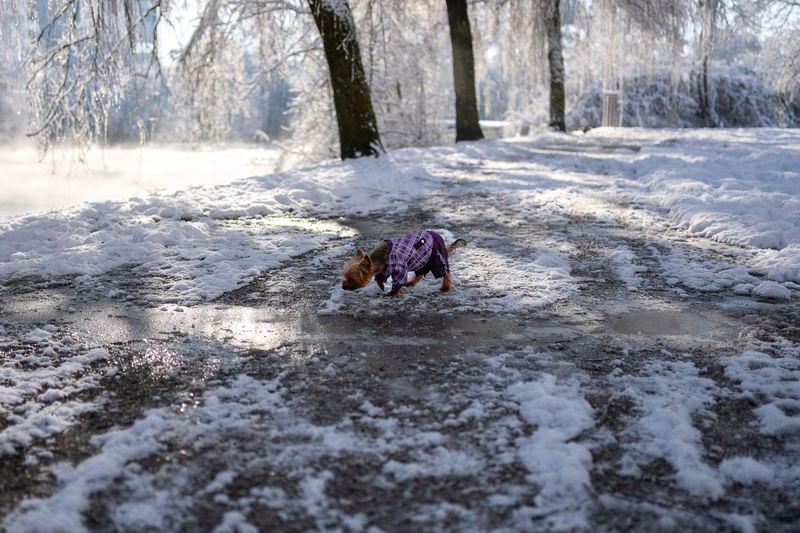
Freeze and thaw cycles roughen up trails quickly. Frozen mud ridges, ice crusts, and refrozen slush can irritate soft pads.
Ice balls between the toes are common on longhaired dogs. Trimming the fur there helps a great deal.
Rinse paws after hikes near roads or parking lots, since de-icing products stick to pads and get licked off later.
15. Have A Turnaround Point
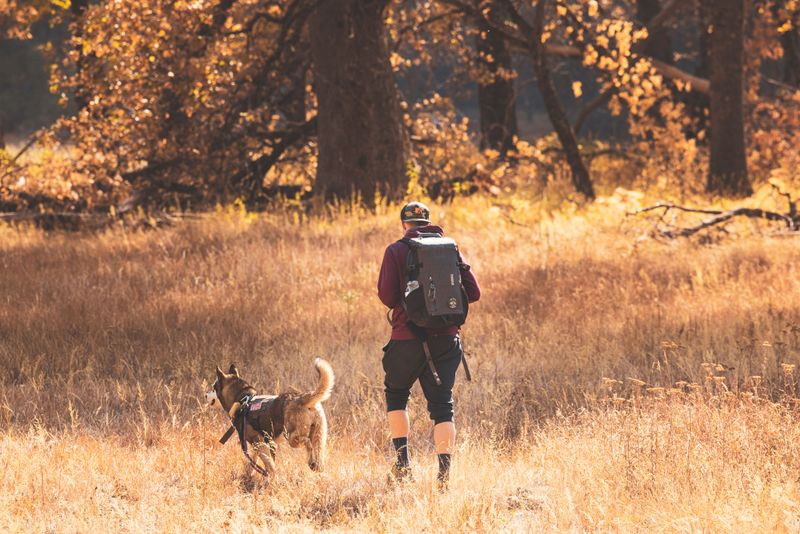
Deciding in advance beats deciding in the wind. Pick a landmark, a distance, or a clock time before you start walking.
Half your water gone is another simple trigger to head back.
Say the plan out loud in the car. Committing early keeps a beautiful overlook from pulling you farther than conditions allow.
16. Avoid Getting Caught Far From The Trailhead
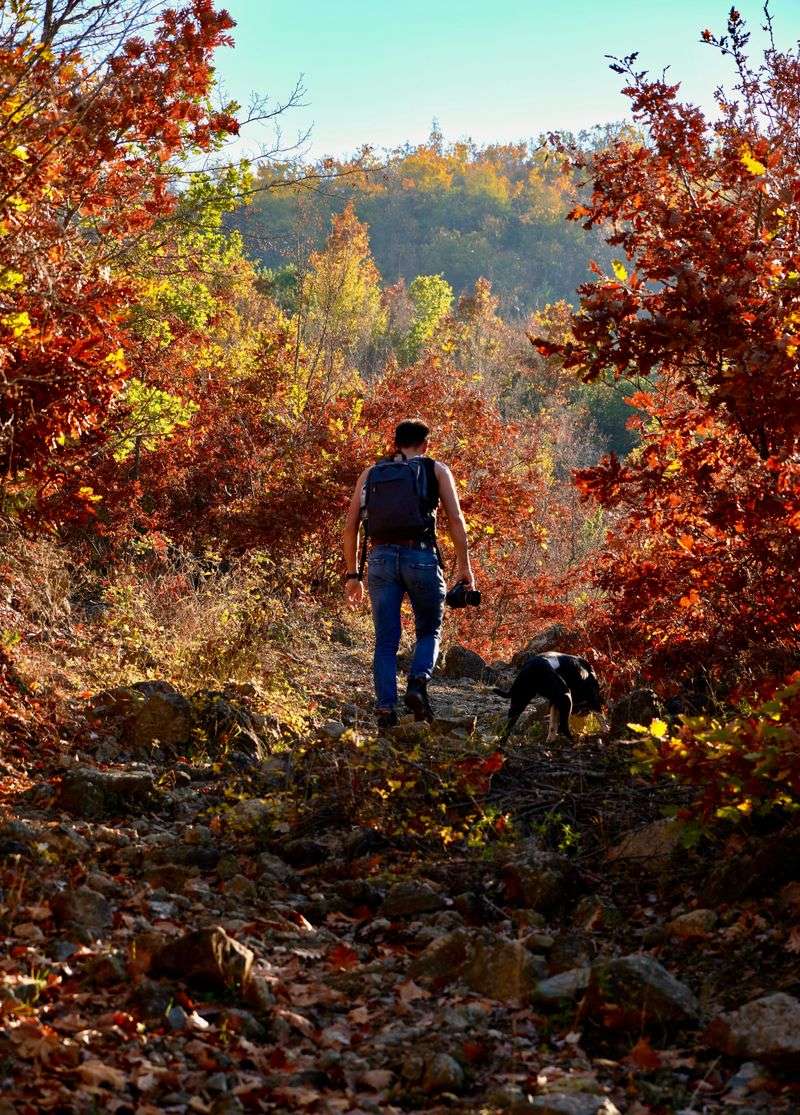
Distance becomes a problem when the sky changes. A three mile return feels much longer with a cold wind in your face.
Out and back routes give you a clear escape line. Loops can strand you at the farthest point.
Cell coverage drops in canyons and remote grassland. Download offline maps and tell someone your route before leaving.
17. Check Conditions Again Before The Next Hike

Trails change between visits, especially after storms. Mud, downed branches, and washed sections appear overnight.
Park and forest websites post closures and alerts, and many county pages list local access updates.
Leash rules also vary by park, city, and land manager across South Dakota. Confirm the current requirement with the managing agency rather than assuming last year’s rule.
18. Let The Weather Decide When To Stay Home
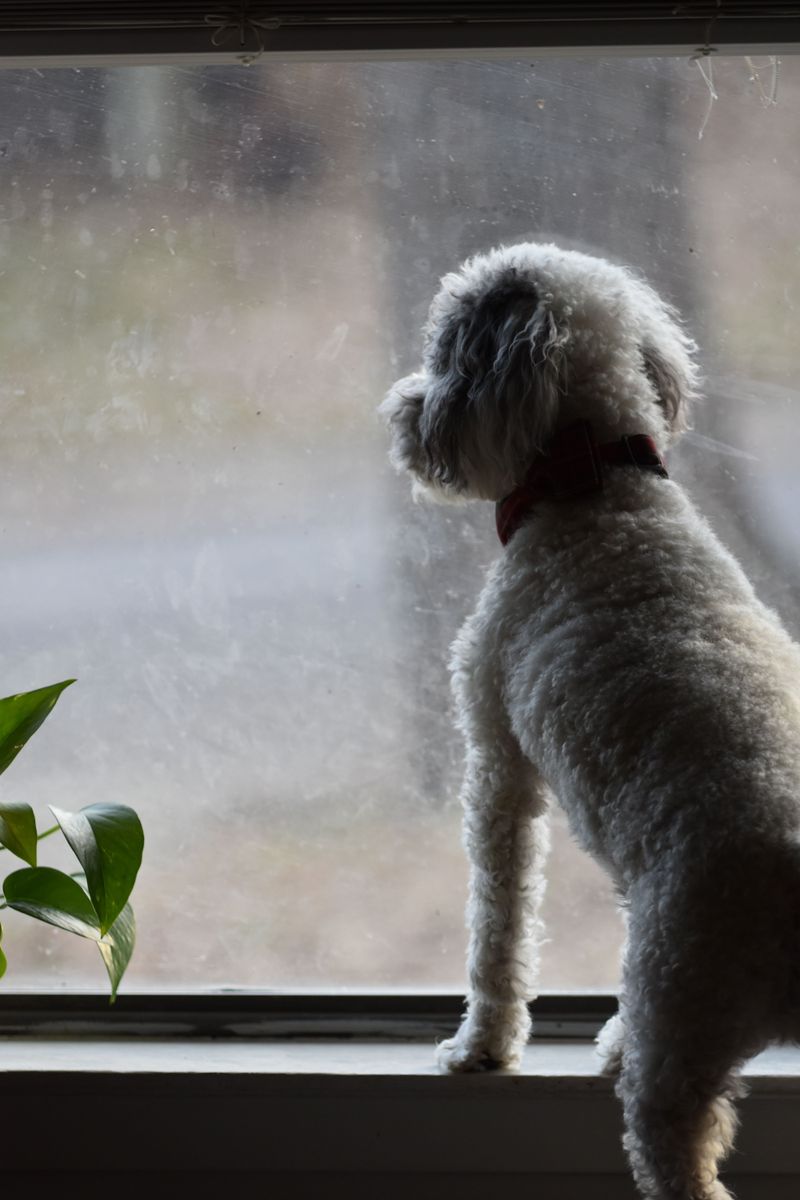
Some days the smartest hike is the one you skip. Dangerous wind, ice storms, and extreme heat can all make an outing unsafe.
Indoor games, scent work, and short neighborhood walks still provide useful exercise and mental stimulation.
Trails will wait. Reading the sky, packing well, and knowing your dog’s limits turns South Dakota’s changeable weather into something manageable rather than something worrying.