What Florida Law Says About Dogs Left In Parked Cars
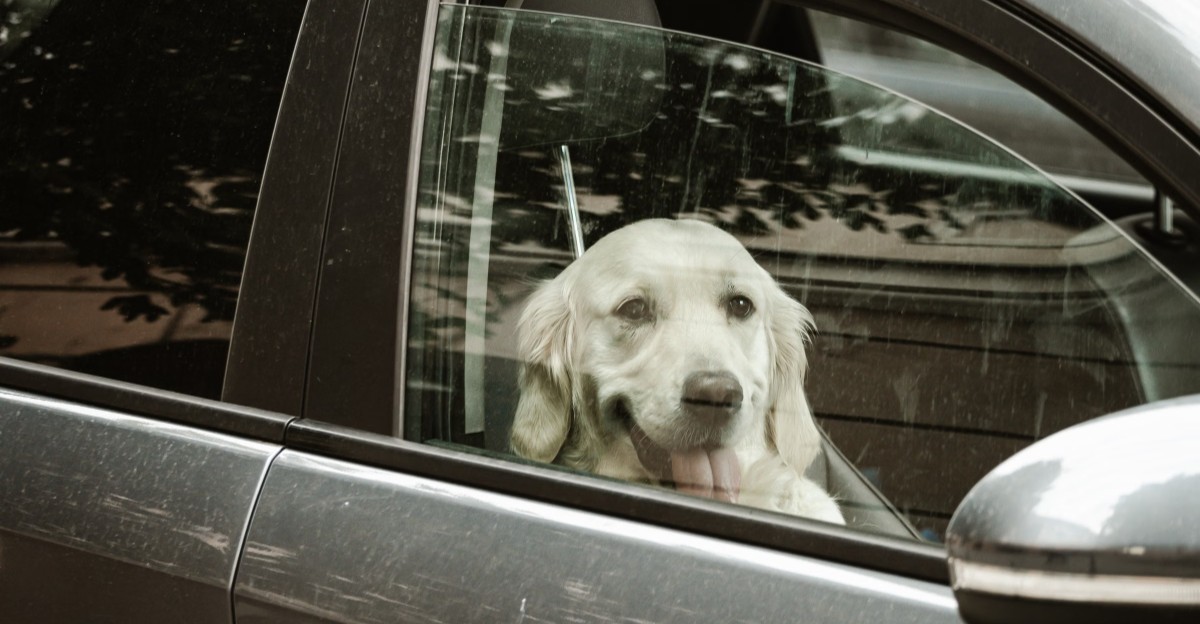
Florida sunshine is wonderful, but it changes the rules for dog owners on quick errands. A parked car can warm up faster than most people expect.
Knowing what state law actually says helps you make calm, smart choices. Think of this as a friendly guide from a neighbor who has read the statutes so you can feel confident every time you grab your keys.
1. No Blanket Ban Exists
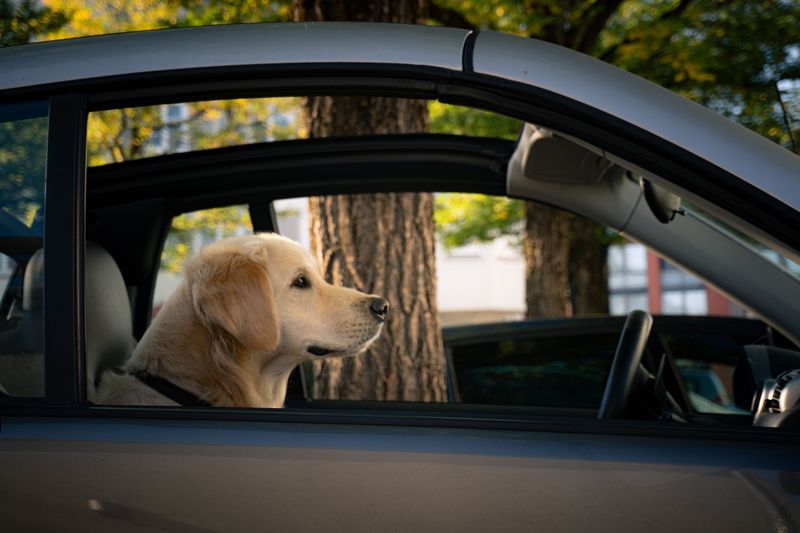
Many owners are surprised to learn something simple. Florida has no statewide law that bans leaving a dog in a parked car in every situation.
That does not mean anything goes. Other laws step in when conditions turn unsafe for your pet.
Some cities or counties may have their own local rules. Check with your local animal services office to learn what applies where you live and shop.
2. The Cruelty Statute Sets the Tone
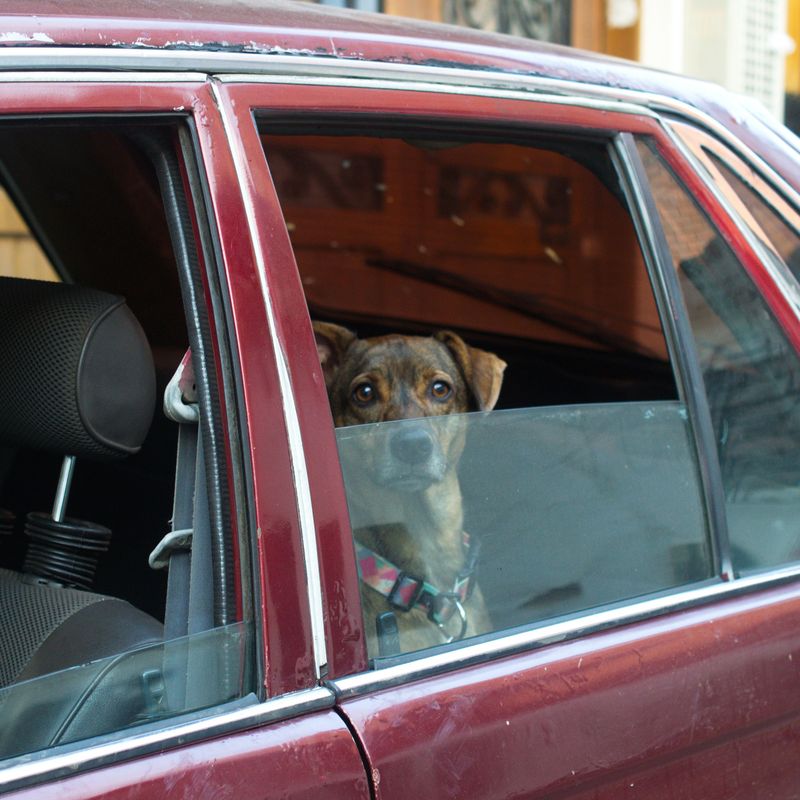
Florida Statute 828.12 is the backbone of animal protection in the state. It makes treating animals cruelly or inhumanely against the law.
The statute even mentions vehicles. Carrying an animal in or on a vehicle in a cruel or inhumane way is covered.
So while no single rule targets parked cars, this broad law reaches them. Your dog’s comfort inside the car truly matters in the eyes of the law.
3. Heat Can Turn a Choice Into Cruelty
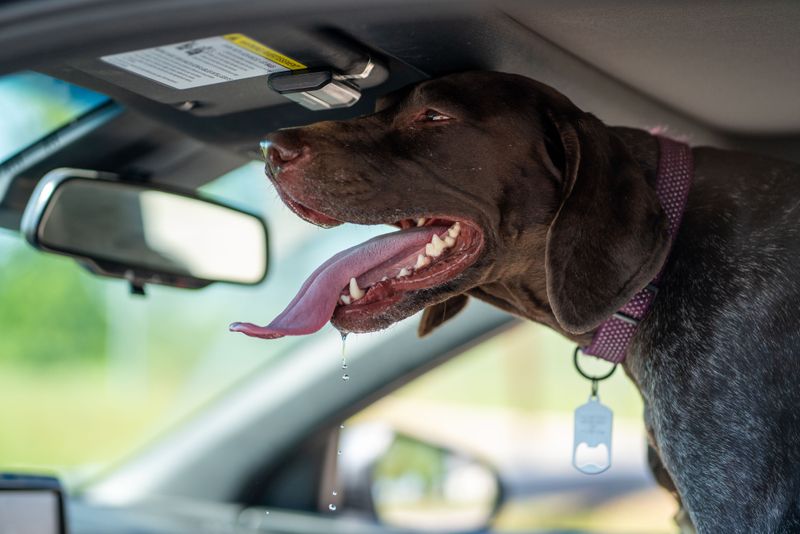
Picture a July afternoon in Tampa. Sunlight pours through the windshield, and the cabin warms quickly.
Leaving a dog in a dangerously hot vehicle can count as animal cruelty under 828.12. Prosecutors may view it as denying the animal proper shelter.
Dogs cool themselves mostly by panting, which works poorly in trapped hot air. A cool, shaded spot at home is often the kindest plan.
4. There Is No Magic Number on the Thermometer
You might hope for a clear cutoff, like a certain degree reading. Florida law does not set one.
Instead, officials look at whether conditions were cruel, inhumane, or endangered the animal’s health. That means judgment calls based on the full picture.
Shade, airflow, humidity, and your dog’s breed all play a role. Flat-faced breeds and seniors handle heat less easily, so give them extra care.
5. No Official Time Limit, Either
Five minutes feels harmless, right? The law does not say how many minutes a dog may wait alone in a parked car.
What counts is what happens during that time. A short stop on a scorching day can still create real risk.
Lines at stores often run longer than planned. If you cannot bring your dog inside, consider leaving them home for that particular errand.
6. Ordinary Cruelty Is a Misdemeanor

Here is how the law classifies most cases. Ordinary animal cruelty under 828.12 is a first-degree misdemeanor.
In Florida, that is the most serious level of misdemeanor. It sits just below a felony.
Knowing this helps owners understand why officers take hot car calls seriously. A careless moment can bring real legal consequences, not just a stern warning from a passerby.
7. Jail Time Is Possible
Few people picture a courtroom when they run into the pharmacy. Still, the law allows serious penalties.
A first-degree misdemeanor cruelty conviction can lead to up to one year in jail. Judges weigh the facts of each case.
The goal here is awareness, not worry. Simple planning, like bringing a helper or using drive-through options, keeps you far away from this situation.
8. Fines Can Reach Five Thousand Dollars

Money talks, and Florida’s numbers speak clearly. A first-degree misdemeanor cruelty conviction can carry a fine of up to 5,000 dollars.
That fine may come alongside jail time, depending on the court’s decision.
Compare that to the cost of a pet sitter or a dog-friendly store visit. Prevention is far cheaper, and your pup will thank you with a happy tail wag.
9. Food and Water Rules Apply Too
A second statute deserves a spot on your radar. Florida Statute 828.13 bans confining an animal without enough good food and water.
A car can count as a place of confinement. Long waits without water raise concerns under this law.
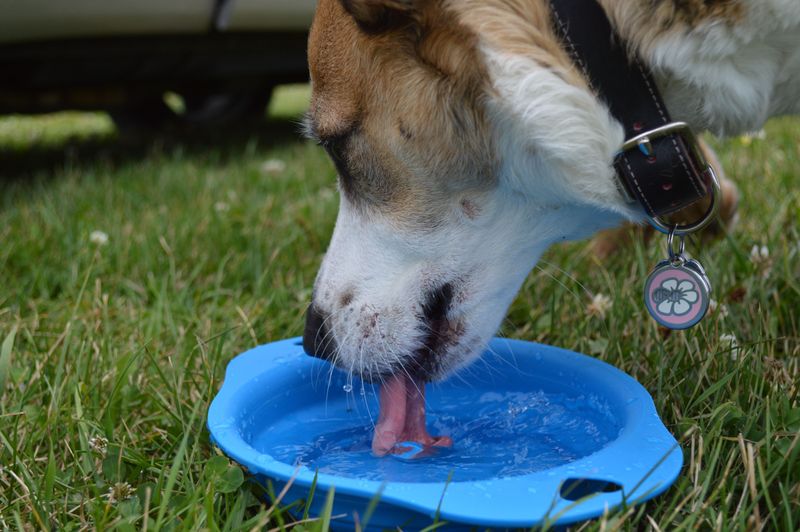
Keep a spill-proof bowl and a bottle of fresh water in your vehicle. It is a small habit that pays off on every road trip.
10. Fresh Air and Movement Count
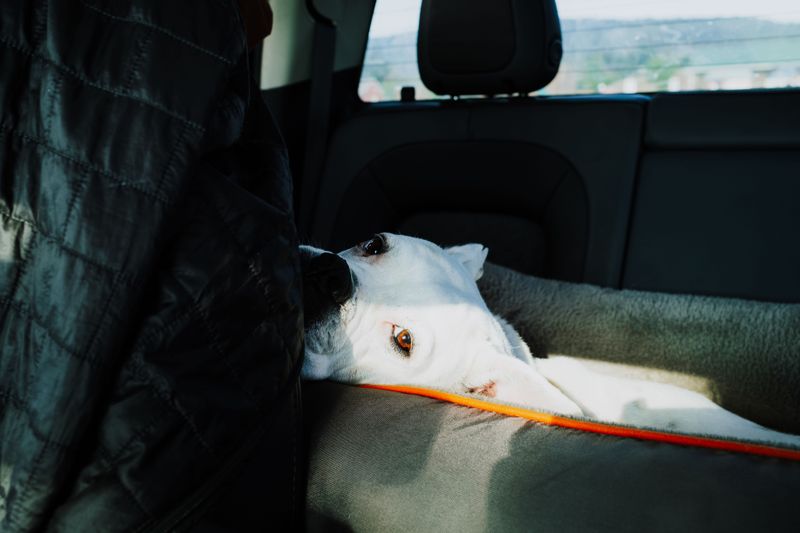
Dogs need more than a seat and a window. Section 828.13 also forbids keeping animals in an enclosure without wholesome exercise and a change of air.
A closed car offers little of either. Stale, warm air builds up quickly.
On long drives, plan stops every couple of hours. Let your dog stretch, sniff, and breathe outside before buckling back in.
11. Breaking 828.13 Brings Similar Penalties
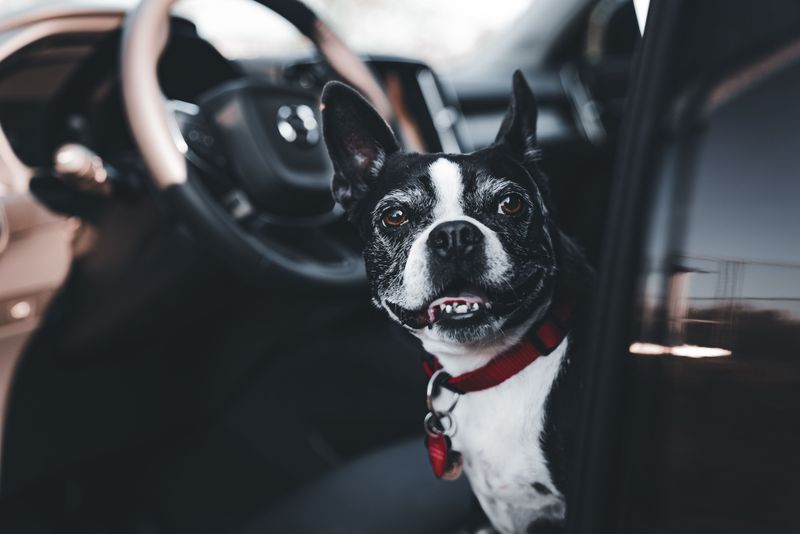
Violating the confinement law is no small matter. Breaking 828.13 is also a first-degree misdemeanor.
Penalties can include imprisonment, fines of up to 5,000 dollars, or both. The court decides based on the circumstances.
Simply put, Florida takes basic care seriously. Water, air, and movement are not extras.
They are expectations the law spells out for every animal owner.
12. When Inaction Becomes Aggravated Cruelty

Sometimes the problem is what an owner fails to do. Under 828.12, a failure to act can rise to aggravated animal cruelty.
This applies when it leads to an animal’s loss of life in a cruel way. It also covers excessive or repeated unnecessary suffering.
That is a heavier charge reserved for serious outcomes. Careful planning keeps any trip from heading in that direction.
13. Felony Stakes Are Much Higher
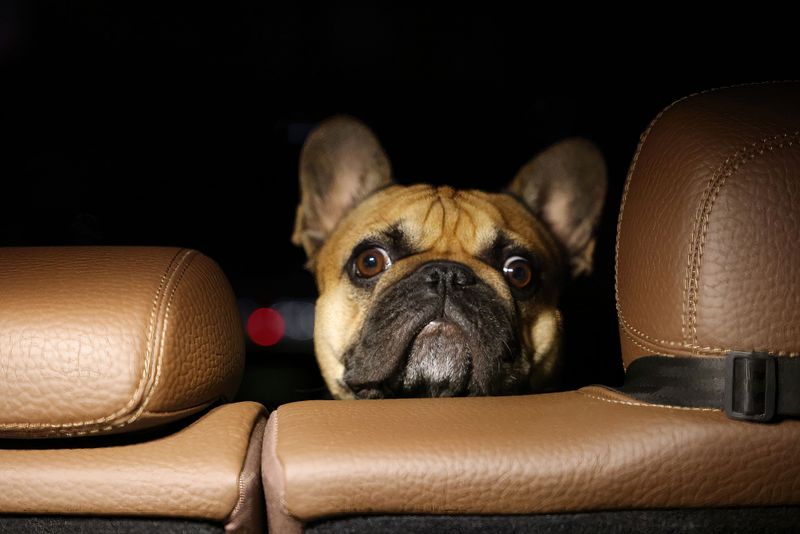
Aggravated cruelty moves the case into felony territory. It is a third-degree felony in Florida.
The penalty can be up to five years in prison. A fine of up to 10,000 dollars is also possible.
Cases involving torture or torment may add a minimum fine of 2,500 dollars and counseling. These numbers show how strongly lawmakers value animal welfare.
14. Good Samaritans Get Some Protection

Ever wondered what bystanders can legally do? Florida Statute 768.139 offers conditional civil protection to people who rescue animals from vehicles.
It covers domestic animals, including dogs. The key word is conditional, since several steps must be followed.
The law encourages caring action while setting clear guardrails. The next few points walk through each requirement, so you know exactly what is expected.
15. Step One: Check the Doors
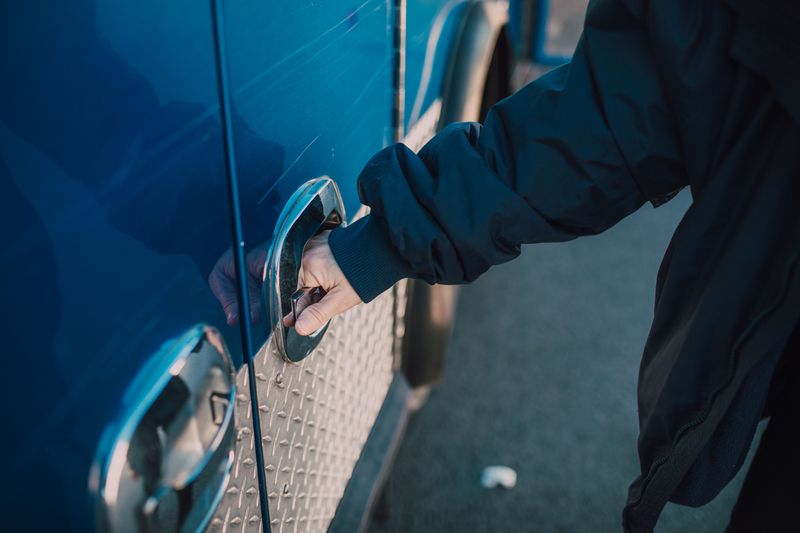
Before anything else, a rescuer needs facts. The law requires them to determine the vehicle is locked.
Alternatively, they must find the animal has no reasonable way to get out without help.
Try the handles first. An unlocked door changes everything, since breaking a window would no longer be necessary.
This quick check also shows good judgment if questions come up later.
16. A Genuine Belief of Danger
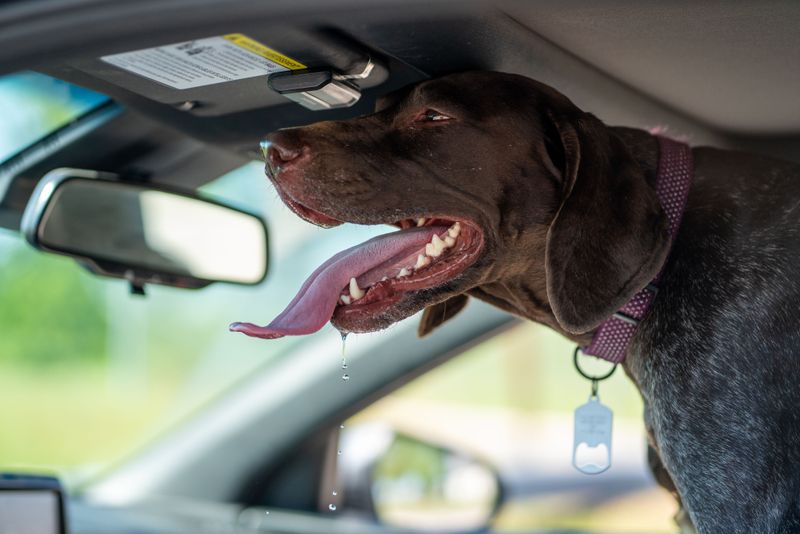
Gut feelings matter, but they must be reasonable. The rescuer must believe in good faith that the dog faces imminent danger.
Signs might include heavy panting, drooling, weakness, or distress. Hot weather and no visible airflow add context.
A calm, napping dog in a shaded car on a mild morning may not qualify. Observe carefully before deciding to act.
17. Call for Help First or Right After
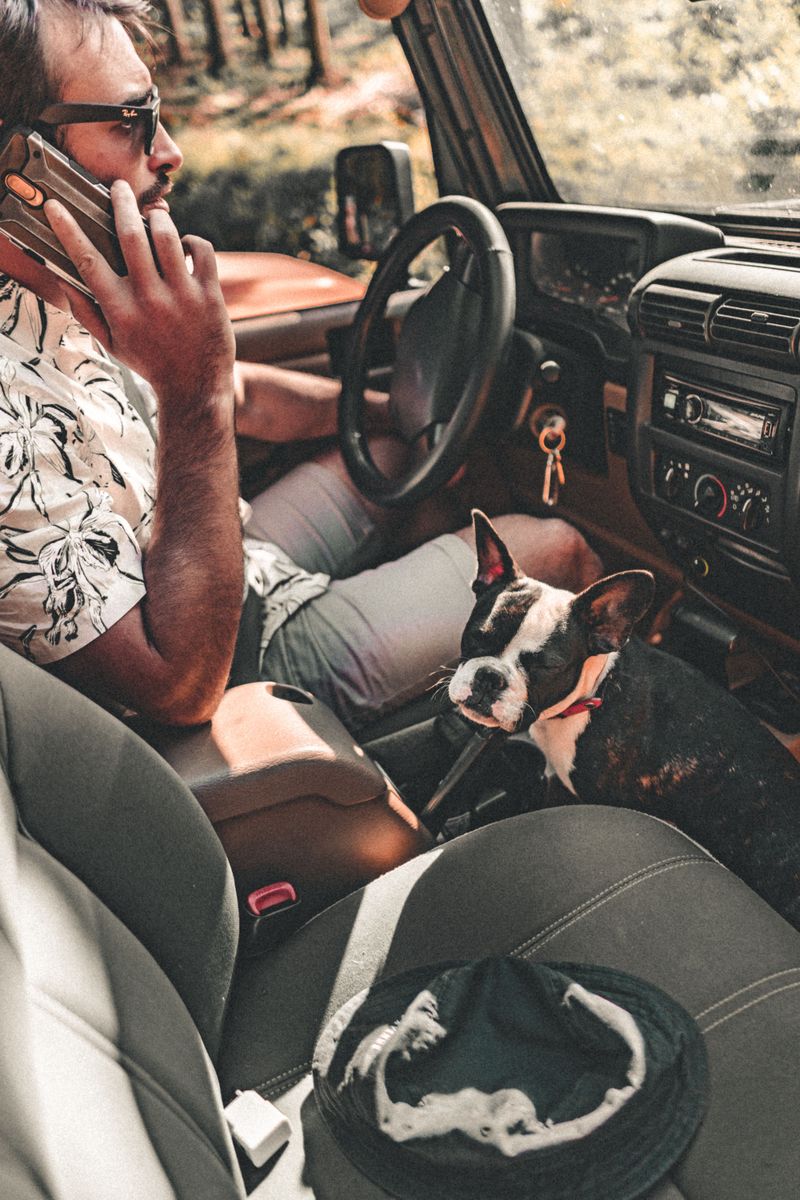
Picking up the phone is part of the law, not just good manners. The rescuer must contact law enforcement or call 911.
This must happen before entering the vehicle or immediately afterward.
Calling brings trained help and creates a record of your concern. Many local animal control offices also take reports, so save their number in your contacts today.
18. Use Only the Force Needed
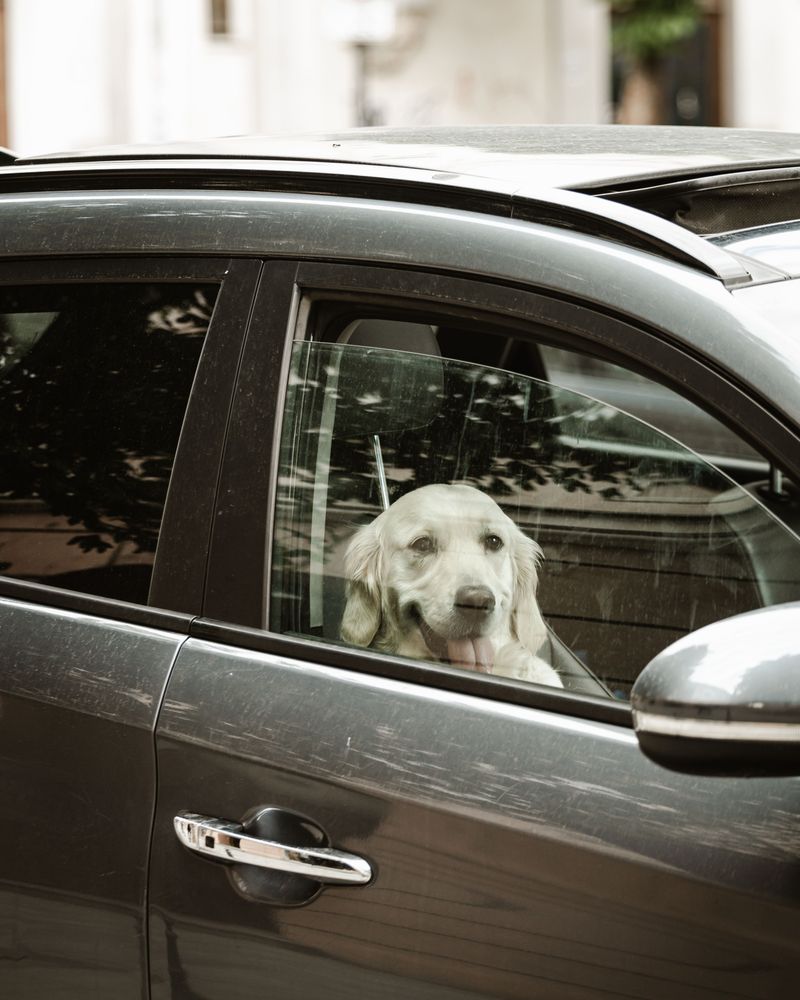
Restraint is part of being a good rescuer. The law says to use no more force than necessary to enter and remove the dog.
Choose a window farthest from the animal. That keeps glass away from the pup.
Smashing extra windows or damaging the interior goes beyond what the law protects. Careful, measured action keeps everyone safer, including the dog you are trying to help.
19. Stay Close Until Responders Arrive
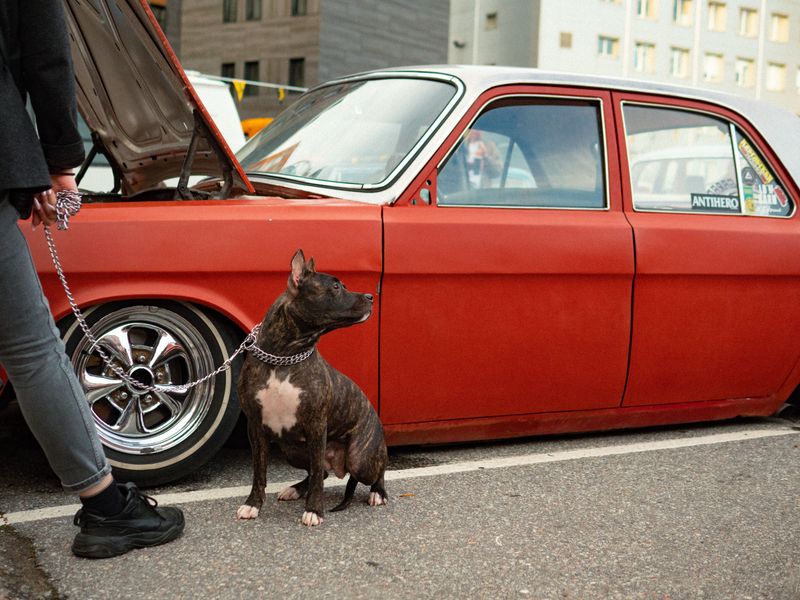
The rescue does not end once the dog is out. The rescuer must stay with the animal in a safe spot nearby.
That location should be reasonably close to the vehicle. Wait there until law enforcement or another first responder arrives.
Find shade and offer water if you have some. Walking off with the dog would break the law’s conditions and confuse the returning owner.
20. Civil Shield, Not a Free Pass
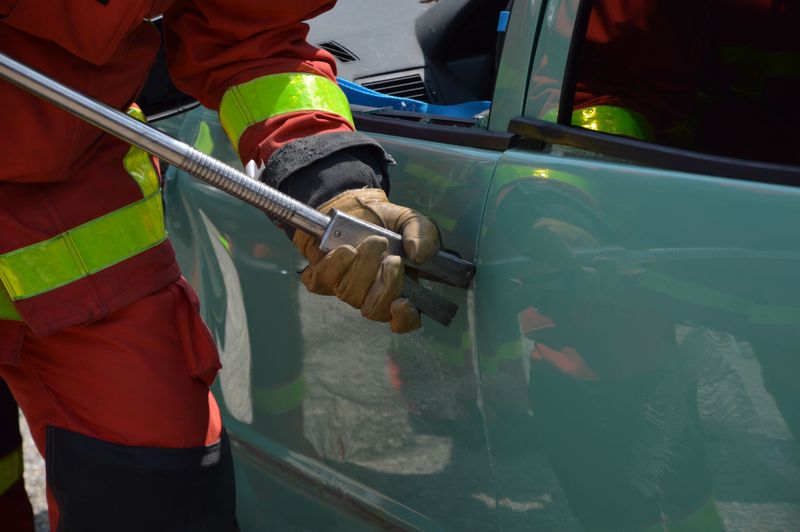
One detail often gets misunderstood. Section 768.139 protects rescuers from civil liability for vehicle damage when every condition is met.
It does not expressly grant blanket immunity from criminal prosecution. Those are separate matters.
Following each step carefully gives you the strongest footing. If you have legal questions, a local attorney can explain how the rules apply to your situation.