What Massachusetts Dog Owners Should Know About Seasonal Rules On Cape Cod Beaches
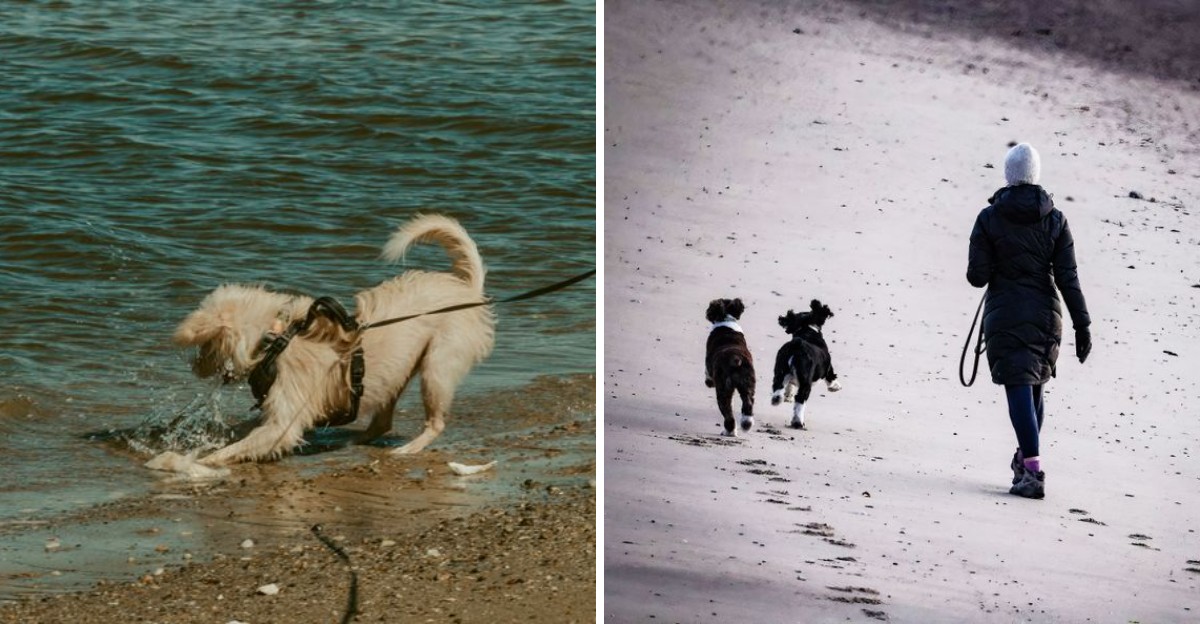
If you love walking your dog along the Cape’s shoreline, a little planning goes a long way. Beach access for dogs changes with the calendar, and each town sets its own dates, hours, and leash rules.
Nesting shorebirds, summer crowds, and parking permits all play a part. Once you know the general patterns, trips become easy and stress free.
Here is a friendly walkthrough of what local owners should keep in mind before heading to the sand.
1. Check The Beach Rules Before You Go

A quick check before loading the car saves a wasted trip. Every Cape Cod town posts beach and pet rules on its website.
Some list dates, hours, and leash requirements clearly.
Call the town hall or natural resources office if anything seems unclear. Staff answer these questions daily and rarely mind.
Rules also shift year to year, so last summer’s memory may be outdated. Confirm fresh information each season, then plan your walk with confidence.
2. Know When Summer Restrictions Begin
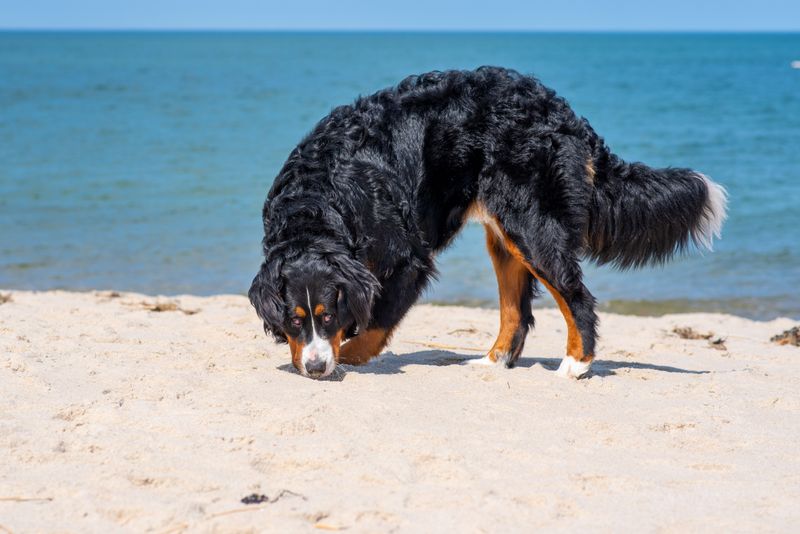
Spring is when access usually narrows. Many Cape towns limit or prohibit dogs on public beaches during the warmer months, but the dates and conditions vary by beach and town.
Start dates vary widely. Some communities begin restrictions in May, while others use different seasonal dates or specific hours.
Because there is no single Cape-wide date, treat each town and beach separately. A quick look at the current beach regulations page tells you when dogs are restricted at your chosen stretch.
3. Look For Off-Season Dog Access

Fall and winter can offer more opportunities for beach walks with dogs. Once seasonal restrictions end, some town beaches allow leashed dogs again, but hours and conditions vary.
Quiet sand, cool air, and open space can make these months appealing for beach walks.
Access still is not automatic everywhere. Some beaches remain closed to pets year-round, and conservation properties can have their own policies.
4. Check The Exact Hours For Dogs

Dates are only half the picture. Several towns allow dogs during limited windows, such as early morning and late afternoon or evening.
Those hours are meant to keep beaches comfortable for swimmers and sunbathers during peak times.
Posted hours differ from place to place, so avoid assuming one town’s schedule applies elsewhere. Set a phone reminder if your beach uses a cutoff time.
Arriving twenty minutes early beats an awkward conversation with a beach attendant.
5. Leash Rules Can Change By Season
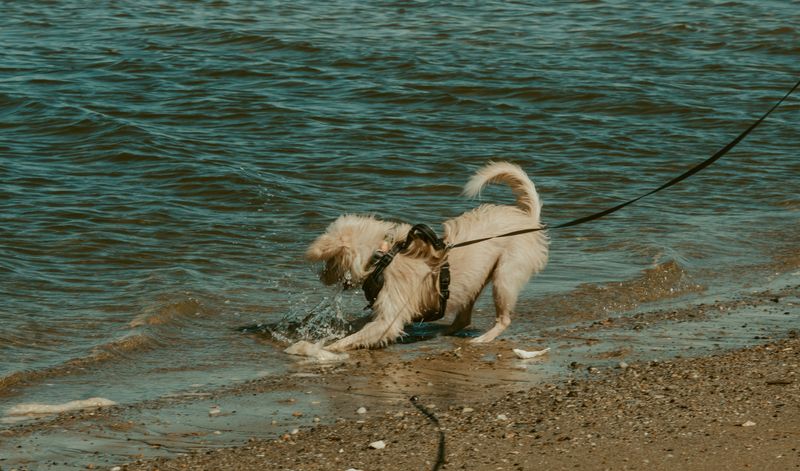
Leash expectations are not the same all year. Cape Cod National Seashore requires pets on a leash no longer than six feet at all times.
Some towns follow similar rules, while others permit more freedom during quiet off-season months.
Voice control sounds simple until gulls, joggers, or another dog appear. Carrying a leash is smart even where it is optional.
Massachusetts communities also have local leash bylaws that apply beyond the beach parking lot.
6. Watch For Posted Signs At Beach Entrances
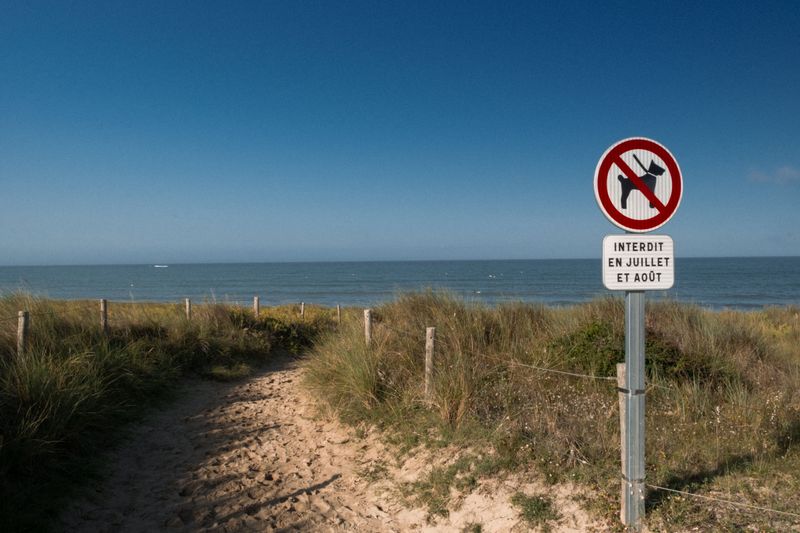
Signs at the boardwalk are your best friend. Towns and the National Seashore update them as conditions change, which websites sometimes lag behind.
Look for pet notices, closure maps, and dates near the entrance or bathhouse.
Rangers and natural resource officers post temporary notices too, especially during nesting season or after storms. Read before you walk down, not after.
Snapping a photo of the sign gives you a handy reference for the next visit.
7. Town Rules May Differ Across Cape Cod
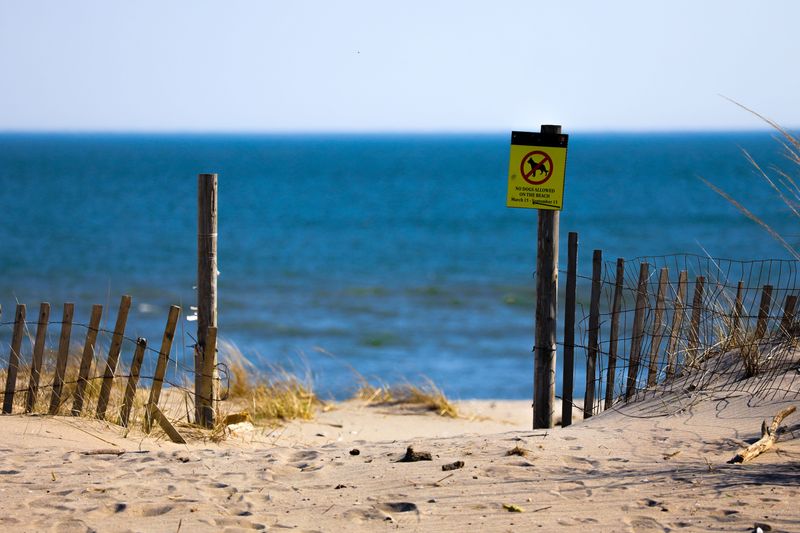
Fifteen towns share this peninsula, and each writes its own beach bylaws. Barnstable’s approach may not match Truro’s, Falmouth’s, or Chatham’s.
Layered on top are Cape Cod National Seashore beaches with federal rules, plus private and association beaches with their own policies.
Driving twenty minutes can mean entirely different expectations. Rather than memorizing everything, keep a short list of two or three reliable spots.
Confirm each one’s current rules at the start of every season.
8. Check Parking And Beach Pass Requirements
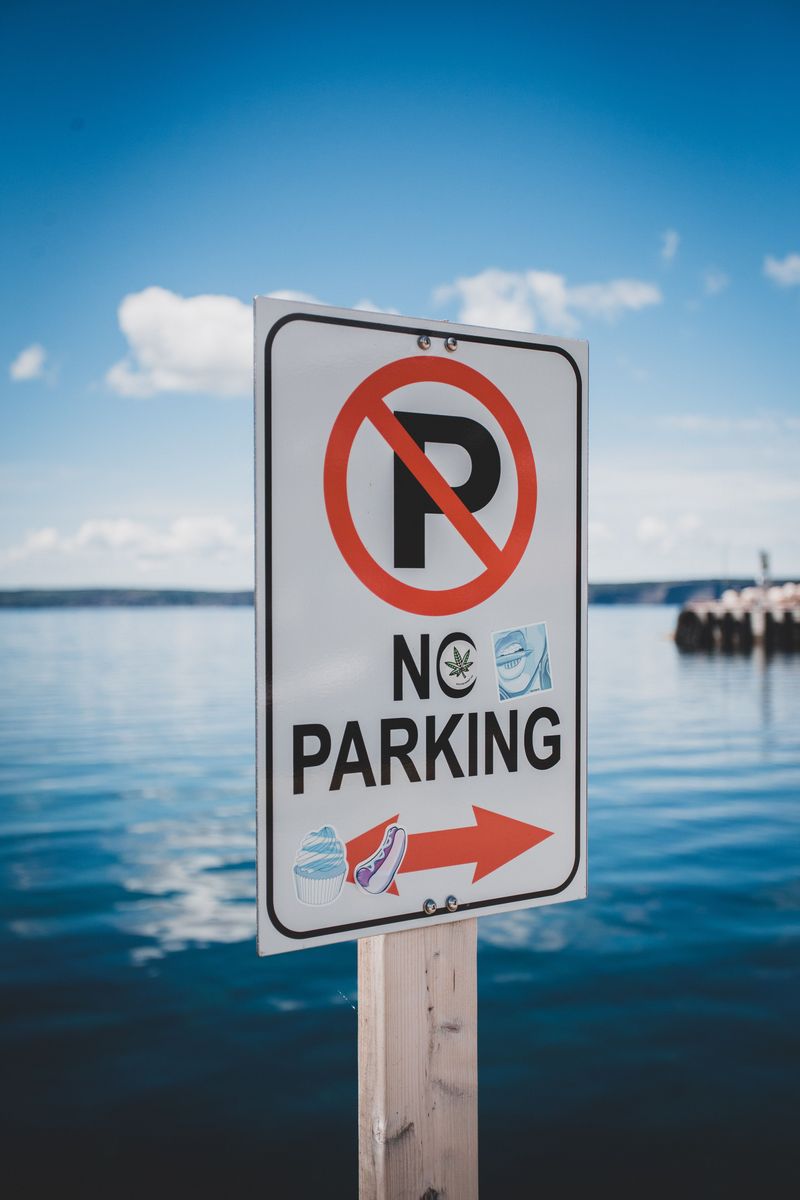
Access rules and parking rules are two separate hurdles. Most town beaches require a resident sticker or daily fee during the summer season.
Off-season parking is often free or unstaffed, which is part of why fall walks feel so easy.
Nonresidents sometimes have fewer lot options, so read the fee page carefully. National Seashore beaches charge their own entrance fee in season.
Sorting this out ahead of time keeps arrival smooth for you and your dog.
9. Know Which Areas Dogs Cannot Enter

Certain spots stay off limits regardless of the calendar. Lifeguarded swimming areas, freshwater ponds, and fragile dune paths commonly exclude pets.
Cape Cod National Seashore keeps dogs out of designated lifeguarded beaches, ponds, and marked nesting habitat.
Some conservation areas and wildlife refuges also prohibit dogs entirely, including popular walking destinations. A glance at the property’s website prevents disappointment at the trailhead.
When in doubt, choose a beach that clearly states pets are welcome.
10. Keep Dogs Away From Protected Wildlife
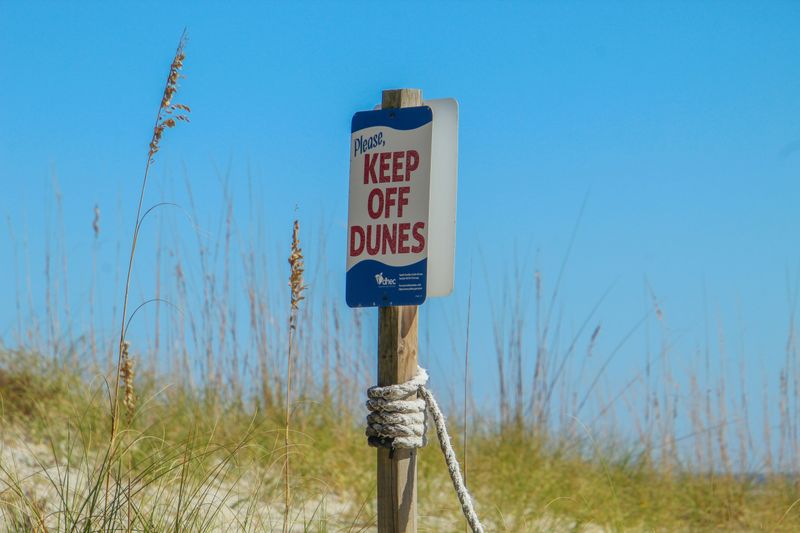
Seals rest on Cape beaches regularly, especially in cooler months. Federal law protects them, and guidance recommends staying at least 150 feet away.
Leash up immediately and walk a wide path if you spot one.
Horseshoe crabs, nesting turtles, and shellfish beds deserve space as well. Report a seal that appears unwell to a marine animal hotline instead of approaching.
Giving wildlife room protects them and keeps your dog comfortable and calm.
11. Respect Seasonal Shorebird Closures
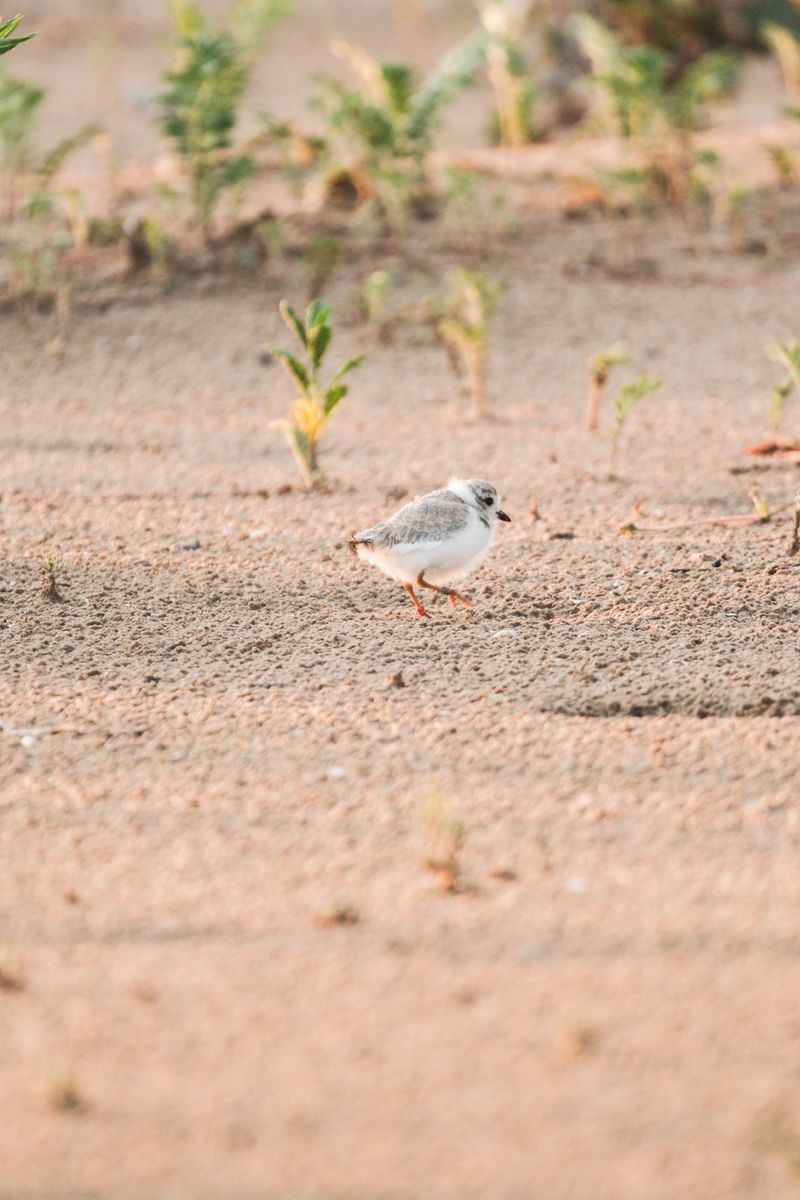
Piping plovers and least terns nest right on open sand each spring. From roughly April into late summer, crews rope off nesting zones with symbolic fencing.
Those closures are legally protected under state and federal law.
Dogs can unsettle nesting birds even from a distance, which is why pet limits tighten during these weeks. Walk below the fencing, near the water, and keep your dog close.
Closure boundaries shift as chicks move.
12. Carry Waste Bags Every Time
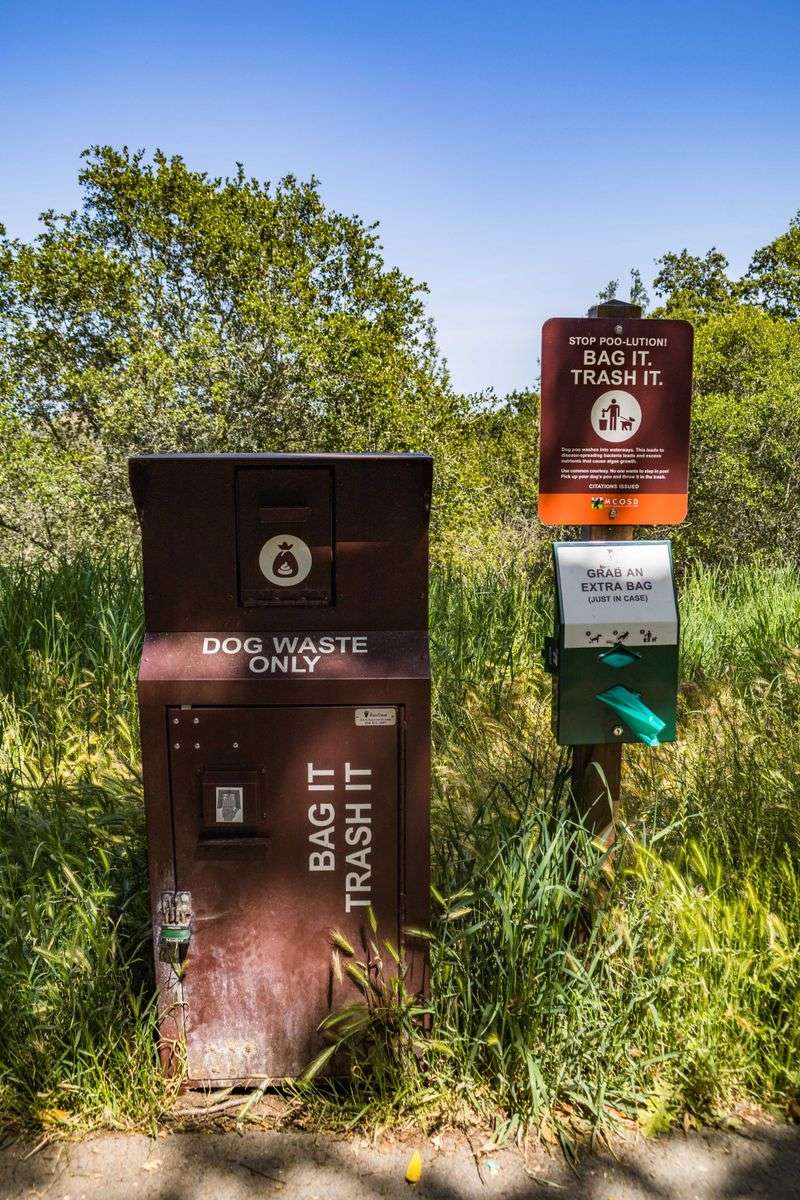
Nobody remembers the beach walk where they ran out of bags fondly. Cleaning up is required in Cape towns, and violations can bring fines.
Waste left on sand affects water quality and shellfish areas nearby.
Stash extra bags in your car, coat pocket, and leash clip. Many lots have barrels, but off-season pickup may pause, so plan to carry it out.
Small habit, big difference for everyone sharing the shoreline.
13. Consider The Tide When Planning A Walk

Tides shape everything on the bay side. Low tide opens vast flats, while an incoming tide can fill channels behind you surprisingly fast.
Check a tide chart before heading out, and note the turn time.
Strong currents run through inlets and cut channels, so keep your dog out of moving water. Rocky areas and jetties become slippery as water rises.
Turning back early is the simplest way to keep the outing pleasant.
14. Summer Heat Can Change The Best Time To Visit
Midday sand gets hot enough to bother sensitive paw pads. Press your palm down for several seconds as a quick comfort test.
Early morning and evening outings feel far better for thick-coated dogs.
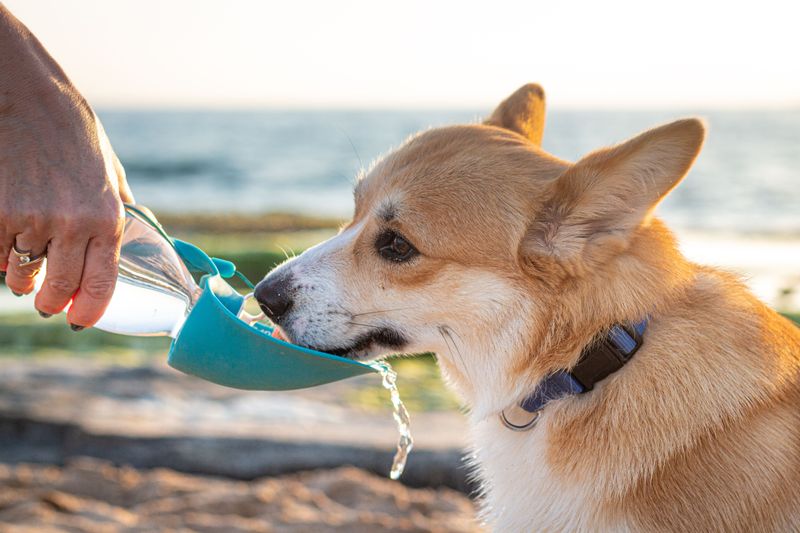
Bring fresh water and a bowl, since salty water upsets stomachs. Shade, short sessions, and rinse-offs afterward help too.
Watch for heavy panting or slowing down, and head to the car when you notice either.
15. Check Rules Again After Labor Day

September brings good news for most Cape dog owners. Many towns reopen beaches to leashed pets after Labor Day, and others wait until mid September.
A few keep restrictions in place while late nesting birds remain present.
Lifeguard schedules also wind down, which changes which areas allow pets. Because reopening dates are not uniform, verify your beach rather than assuming.
That one check turns fall into months of easy shoreline walks.
16. Winter Does Not Always Mean Unlimited Access

Cold months feel wide open, yet rules still exist. Local leash bylaws generally apply year round, even when no attendant is on duty.
Storm damage, erosion, and unstable dune banks can close stairways and access paths temporarily.
Seals haul out more often in winter, so keep your distance and leash up quickly. Some beaches also host shellfish or dune restoration work.
Reading posted notices matters just as much in January as in July.
17. Keep Your Dog Under Control And Verify Before Every Trip
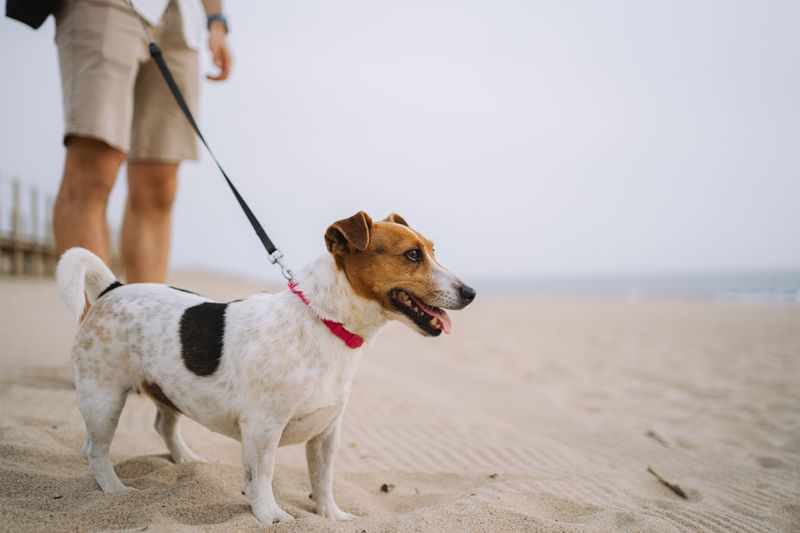
Good beach manners keep access open for everyone. Stay close to your dog around children, anglers, kite flyers, and other pets.
Solid recall and a short leash prevent most awkward moments before they start.
Make one final habit yours: confirm dates, hours, and closures before each Cape Cod trip. Rules change, but a prepared owner never gets caught off guard.
Pack water, bags, and patience, then enjoy the shoreline together.