If You See This Bug in Your Florida Yard, Keep Your Dog Away From It
Florida’s warm climate and lush greenery make it a paradise for people and pets alike. But that same environment is also home to a surprising number of insects and bugs that can seriously harm your dog.
Some of these creatures hide in the grass, burrow in the soil, or cling to your dog’s fur without you ever noticing. Knowing which bugs to watch for and what to do about them gives you a real edge in keeping your pup safe and healthy.
This guide covers the most common harmful bugs found in Florida yards, what dangers they pose to dogs, and simple steps you can take to protect your four-legged family member. You do not need to be an expert to use this information.
A little awareness goes a long way, and after reading this, you will feel much more confident the next time your dog heads out to sniff around the backyard.
Mosquitoes
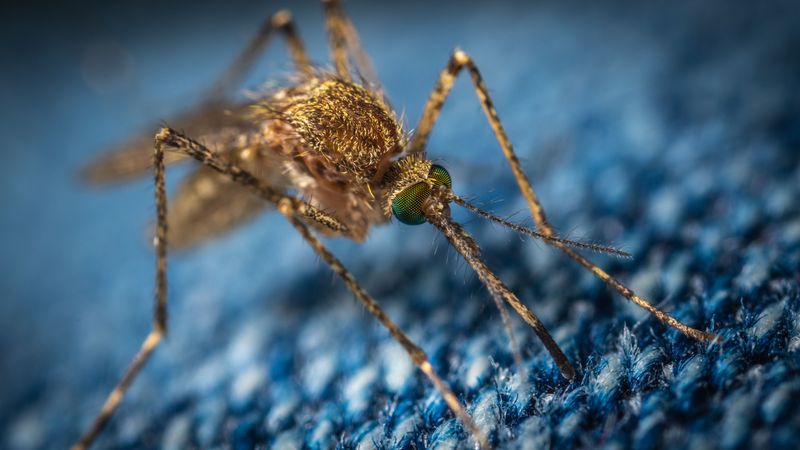
Mosquitoes are more than just annoying buzzing pests. In Florida, they can transmit heartworm disease to dogs through a single bite.
Heartworms grow inside the heart and lungs, causing serious damage over time.
The good news is that heartworm is preventable with monthly medication prescribed by your vet.
Keep your dog on a prevention plan year-round. Reduce mosquito breeding spots by emptying standing water from pots, buckets, and birdbaths regularly around your yard.
American Dog Ticks
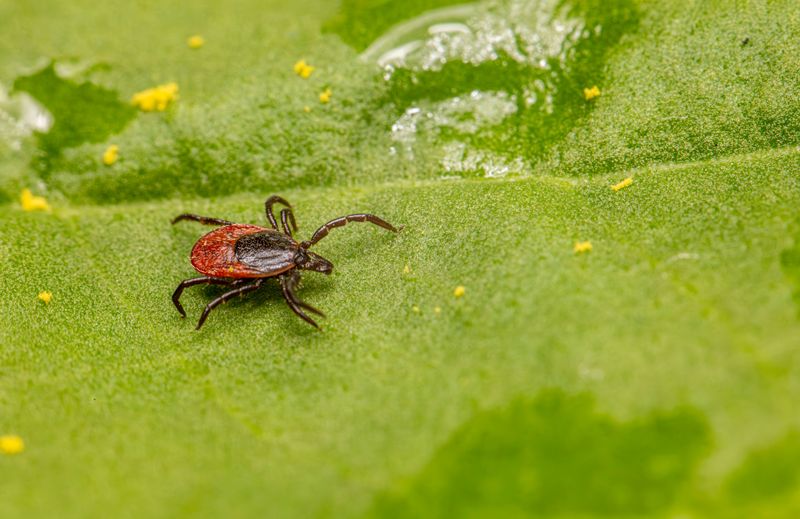
American dog ticks are one of the most common ticks found on dogs across Florida. They can transmit Rocky Mountain spotted fever and tularemia, both of which are serious illnesses.
These ticks are reddish-brown and prefer grassy, shrubby areas.
After every outdoor visit, run your fingers through your dog’s fur carefully. Pay close attention to areas around the ears, neck, and between the toes.
Remove any ticks promptly using fine-tipped tweezers and call your vet if your dog shows signs of illness.
Brown Dog Ticks
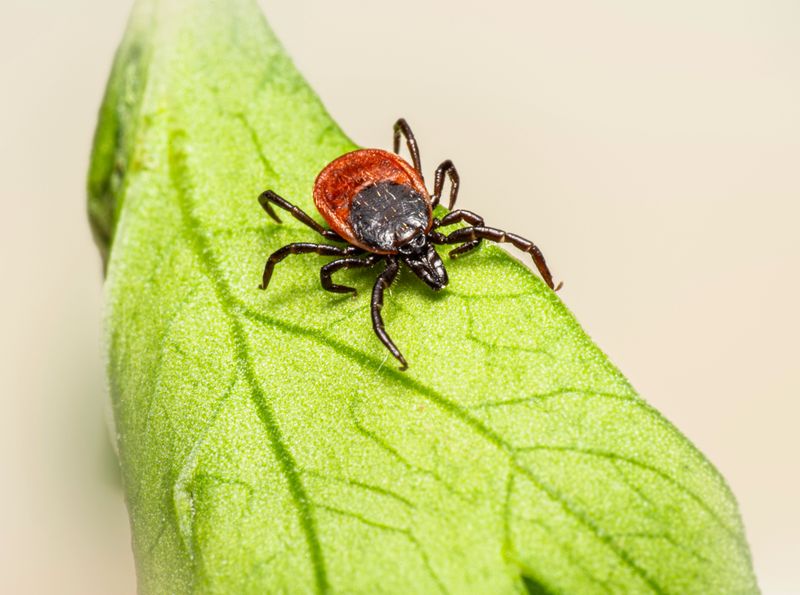
Unlike many other ticks, brown dog ticks can complete their entire life cycle indoors. That makes them especially tricky for Florida dog owners.
They hide in kennels, furniture, and baseboards, making infestations hard to control once established.
Brown dog ticks can transmit canine ehrlichiosis and babesiosis, both of which affect your dog’s blood cells. Treating your home and yard together is key when dealing with an infestation.
Talk to your vet about tick prevention products that work well in your specific situation.
Lone Star Ticks
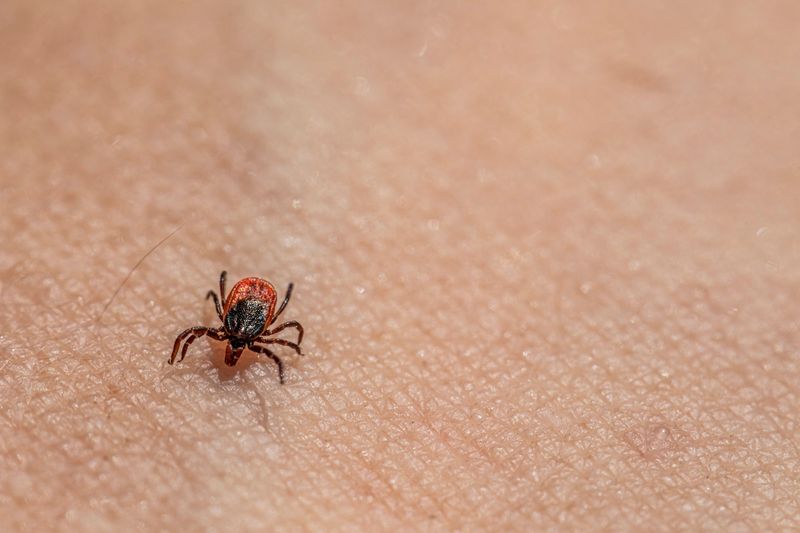
Spot a tick with a single white dot on its back? That is a lone star tick, and it is one of the more aggressive tick species found in Florida.
It actively seeks out hosts rather than waiting passively, which increases the chance of a bite.
Lone star ticks can cause ehrlichiosis and tularemia in dogs. They are most active in spring and early summer.
Keeping grass trimmed short and using vet-recommended tick repellents helps reduce the risk of your dog picking one up during yard play.
Gulf Coast Ticks
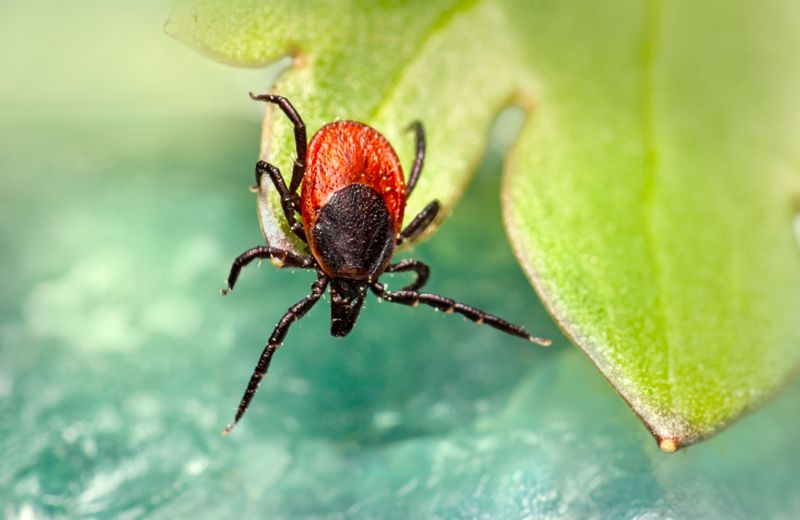
Gulf Coast ticks are common in Florida’s coastal and rural areas. They tend to attach around a dog’s head and ears, which can lead to a condition called tick paralysis.
This neurological issue can cause weakness or even temporary loss of movement in dogs.
Tick paralysis usually resolves once the tick is removed, but it can be frightening to witness. Check your dog’s ears and face thoroughly after outdoor time near wooded or grassy areas.
Your vet can guide you on the safest removal techniques and recommend appropriate preventive treatments.
Blacklegged Ticks
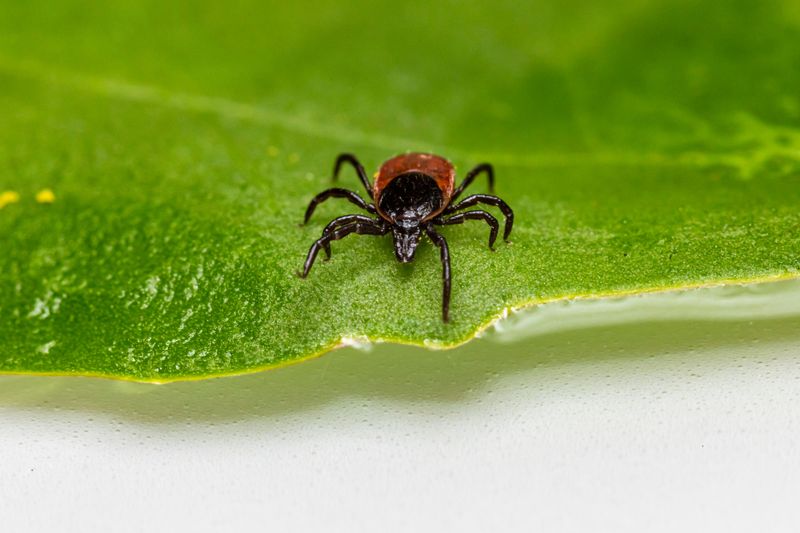
Blacklegged ticks, sometimes called deer ticks, are tiny and easy to miss on a dog’s coat. They are known carriers of Lyme disease, anaplasmosis, and other illnesses.
In Florida, they are found mainly in the northern parts of the state.
Because of their small size, these ticks often go unnoticed until they are already engorged. Doing daily tick checks on your dog is a simple habit that can prevent a lot of trouble.
Ask your vet whether a Lyme disease vaccine makes sense for your dog based on where you live and walk.
Cat Fleas
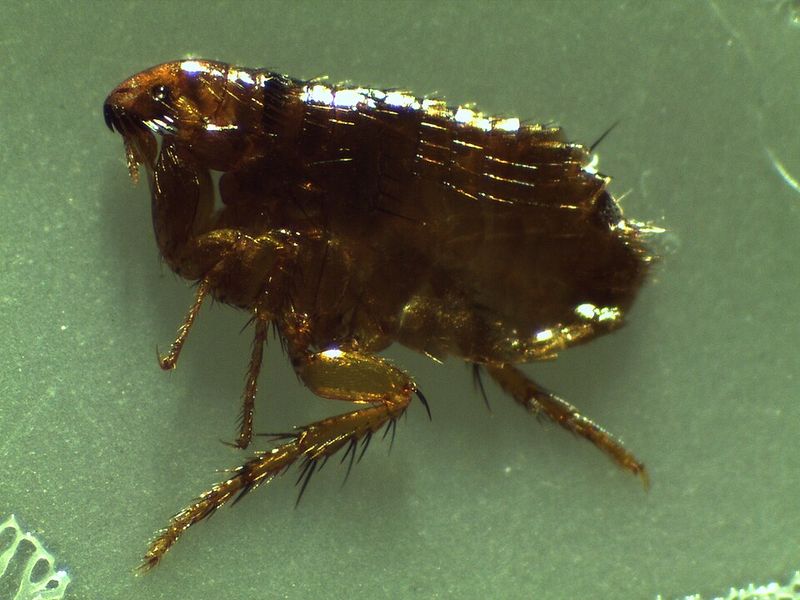
Despite the name, cat fleas are the most common flea species found on dogs in Florida. They cause intense itching, skin irritation, and allergic reactions in sensitive pets.
Heavy infestations can even lead to anemia in small or young dogs.
Fleas also act as hosts for tapeworm larvae, which dogs can swallow while grooming themselves. Treating your dog alone is not enough.
You need to treat your home and yard at the same time to break the flea life cycle completely. Your vet can recommend safe, effective products for all three areas.
Red Imported Fire Ants
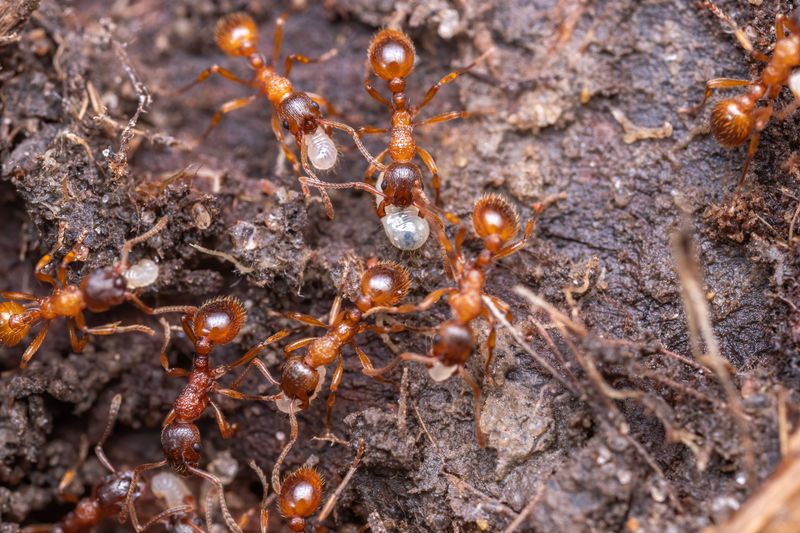
Fire ant mounds look like innocent piles of dirt, but disturbing one triggers an immediate, aggressive swarm. Red imported fire ants sting repeatedly, injecting venom that causes burning pain and raised welts.
Dogs that step on or sniff a mound can be stung dozens of times within seconds.
Severe stings can cause allergic reactions, including swelling of the face or difficulty breathing. If your dog is heavily stung, contact your vet right away.
Inspect your yard regularly and treat fire ant mounds using products labeled safe around pets after they have fully dried.
Honeybees
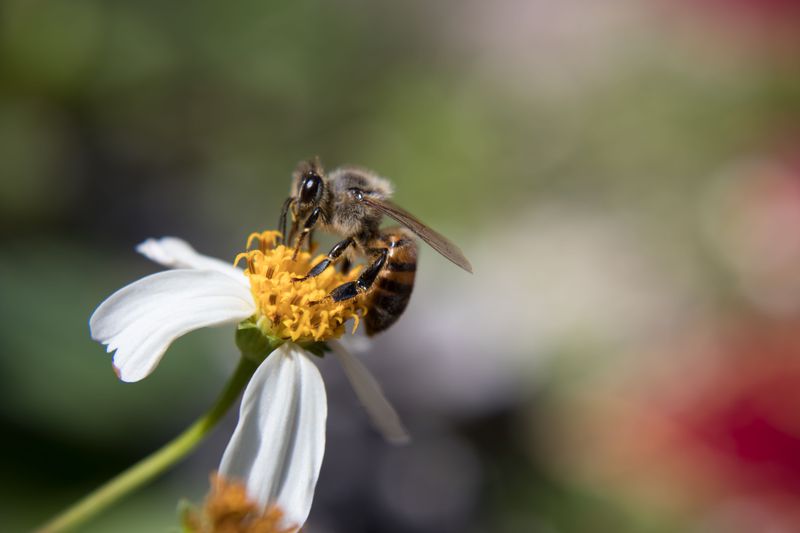
Honeybees are not naturally aggressive and rarely sting unless they feel threatened. However, a curious dog snapping at a bee or stepping on one near a hive can trigger a sting, or multiple stings.
Most single stings cause mild swelling and temporary discomfort.
The real concern is anaphylaxis, a severe allergic reaction that can develop quickly in sensitive dogs. Signs include facial swelling, vomiting, or sudden weakness.
If you notice these symptoms after a sting, treat it as urgent and contact your vet or an emergency animal clinic immediately for guidance and care.
Yellowjackets
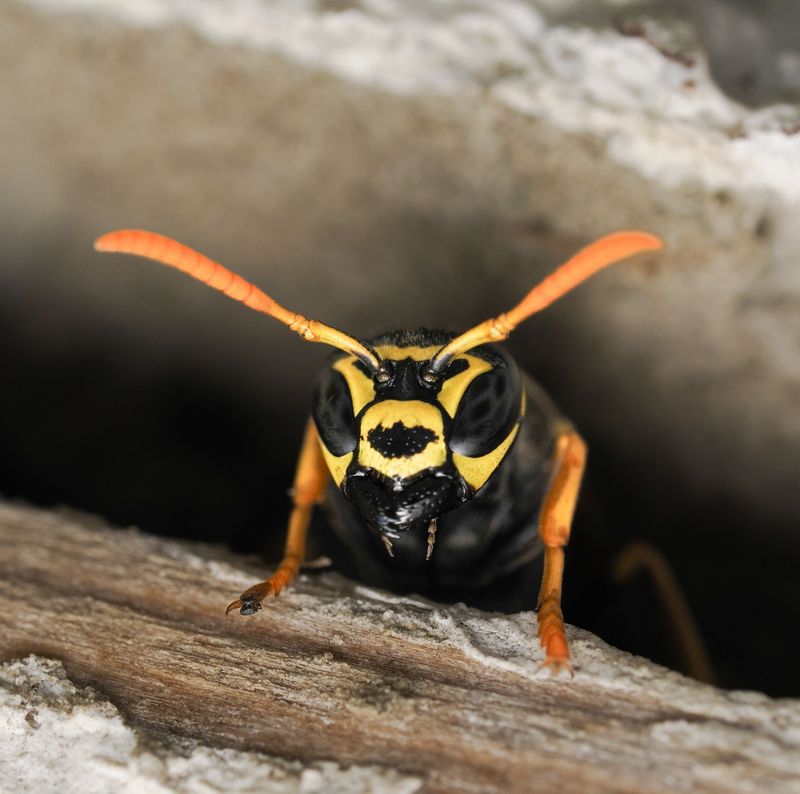
Yellowjackets are wasp relatives that nest underground or in wall voids, making their colonies hard to spot until your dog stumbles across one. Unlike bees, yellowjackets can sting multiple times without losing their stinger.
A dog that disturbs a nest can receive dozens of stings very quickly.
Watch for nests near wood piles, garden beds, or low shrubs where dogs like to explore. If your dog is stung repeatedly, watch closely for signs of an allergic reaction and call your vet promptly.
A pest control professional can safely remove yellowjacket nests from your property.
Paper Wasps
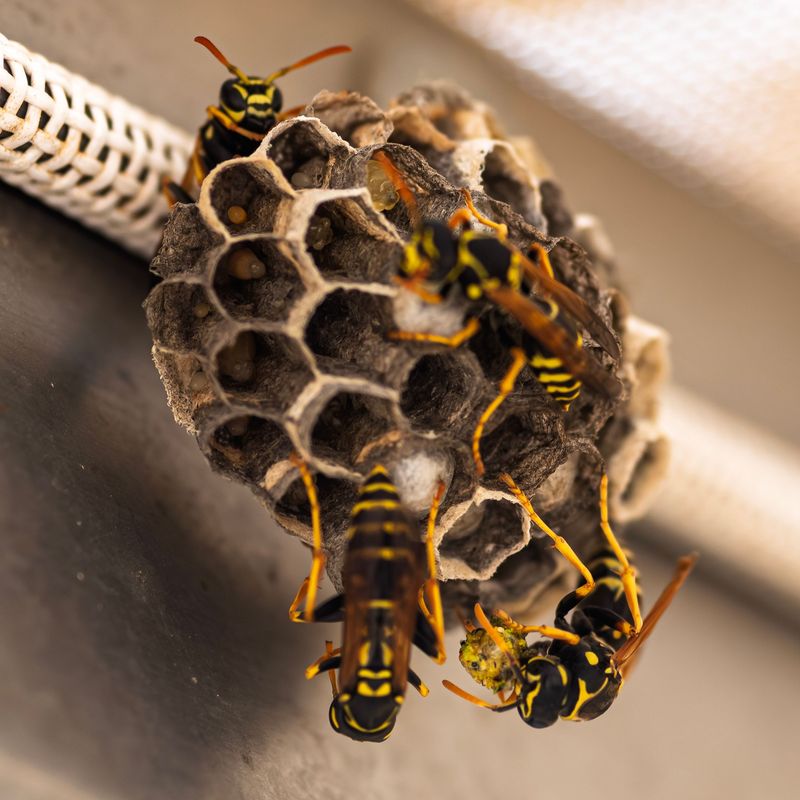
Paper wasps build their distinctive umbrella-shaped nests under eaves, fence rails, and low branches. They are generally less aggressive than yellowjackets but will sting if their nest is approached or disturbed.
A dog jumping or sniffing near a nest can provoke a defensive response.
Stings from paper wasps cause sharp pain and localized swelling. Most dogs recover without major issues, but repeated stings or allergic reactions need veterinary attention.
Check fence lines and outdoor structures periodically for new nests, and have them professionally removed before your dog encounters them unexpectedly.
Hornets
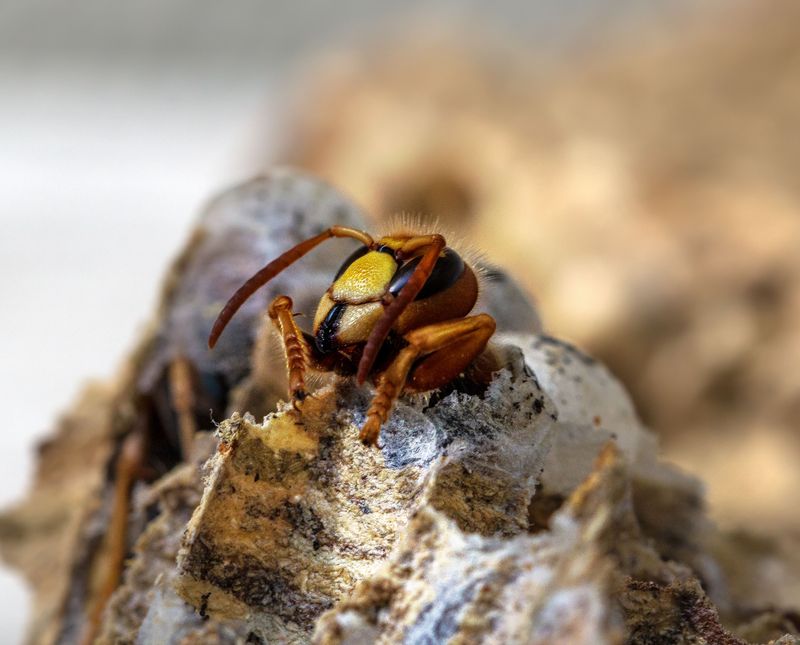
Bald-faced hornets build large, papery, football-shaped nests in trees and shrubs. They are known for being protective of their colony and will attack if anything gets too close.
A dog exploring the yard can easily wander into range without any warning.
Hornet stings are painful and the venom can cause significant swelling. Multiple stings raise the risk of a serious reaction, especially in smaller dogs.
If you spot a hornet nest in your yard, keep your dog away from that area and contact a licensed pest control professional to handle the removal safely.
Black Widow Spiders
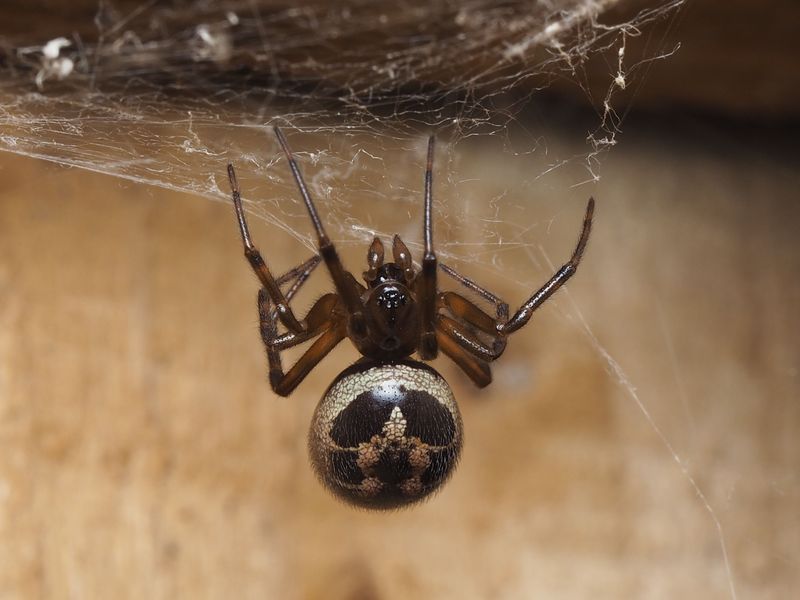
Black widow spiders prefer dark, sheltered spots like wood piles, garden sheds, and under outdoor furniture. A dog nosing around in these areas can disturb a female black widow, leading to a bite.
The venom is a powerful neurotoxin that affects the nervous system.
Symptoms in dogs include muscle pain, tremors, difficulty breathing, and restlessness. Black widow bites are considered a veterinary emergency.
If you suspect your dog was bitten, go to your vet or an emergency animal hospital immediately. Wearing gloves while clearing clutter outdoors helps reduce your own risk too.
Brown Widow Spiders
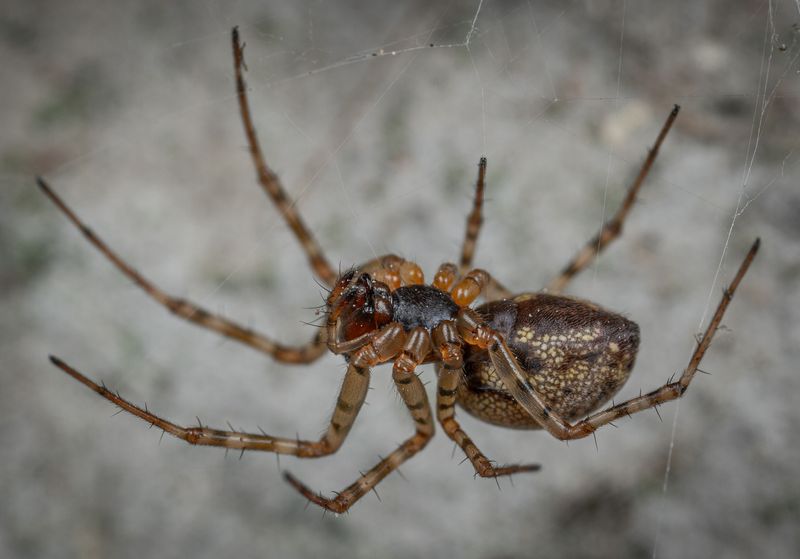
Brown widow spiders have spread widely across Florida in recent years. They often build their webs in low, sheltered spots like lawn furniture, planters, and fence posts, right where dogs tend to sniff and explore.
Their venom is actually more potent than a black widow’s per volume.
However, brown widows typically inject less venom per bite, making bites somewhat less severe on average. That said, any spider bite causing swelling, pain, or unusual behavior in your dog warrants a vet call.
Regularly check outdoor furniture and low structures where these spiders commonly hide.
Puss Caterpillars
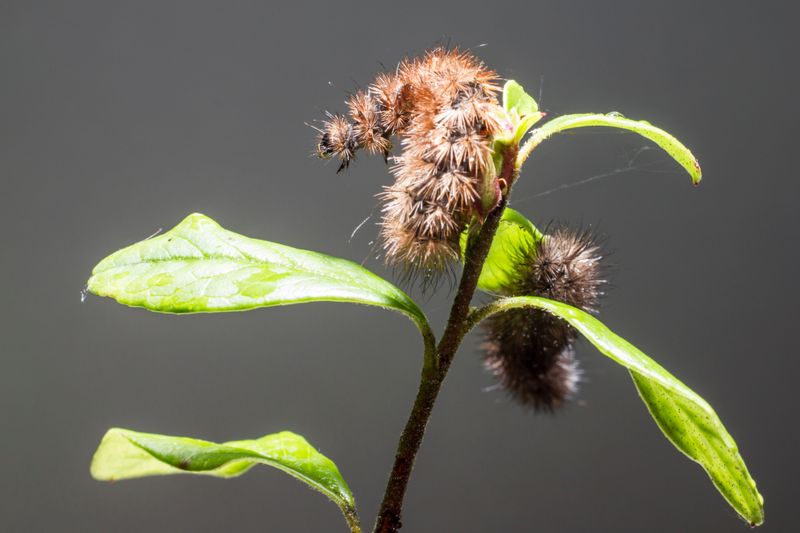
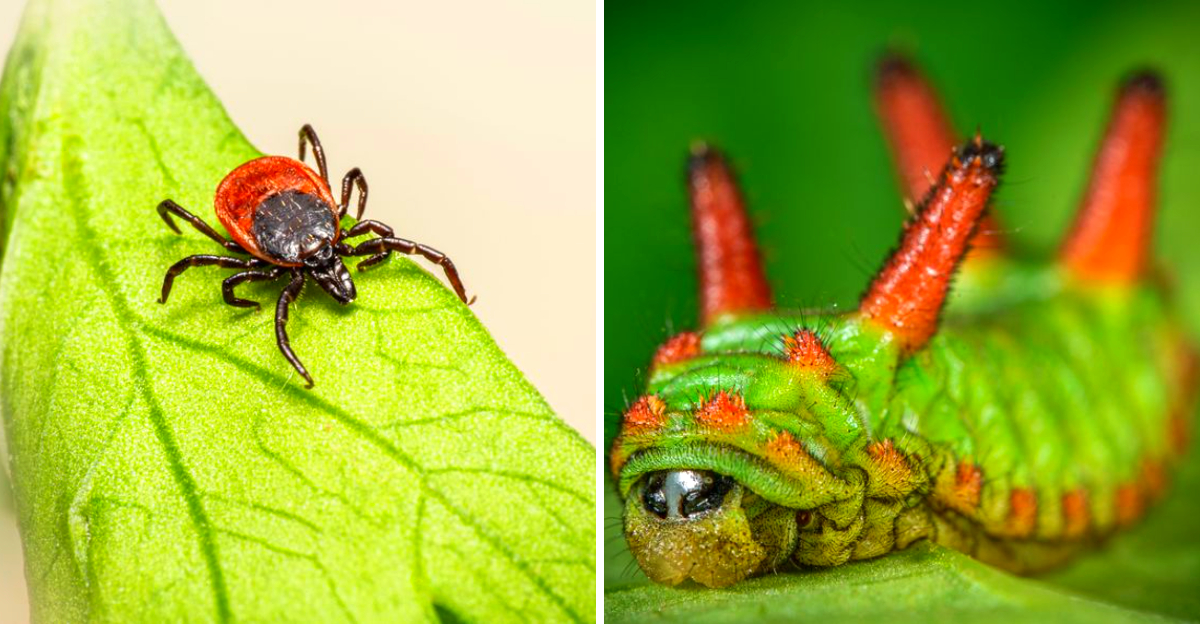
Puss caterpillars look deceptively soft and fluffy, almost like a tiny moving toupee. But hidden beneath those hairs are venomous spines that break off on contact and cause intense pain.
Dogs that sniff or paw at one can end up with spines embedded in their nose or paw pads.
Reactions include immediate pain, swelling, drooling, and distress. If your dog contacts a puss caterpillar, use tape to remove visible spines from the skin, then call your vet for further guidance.
These caterpillars are most common in fall in Florida and tend to drop from oak trees.
Saddleback Caterpillars
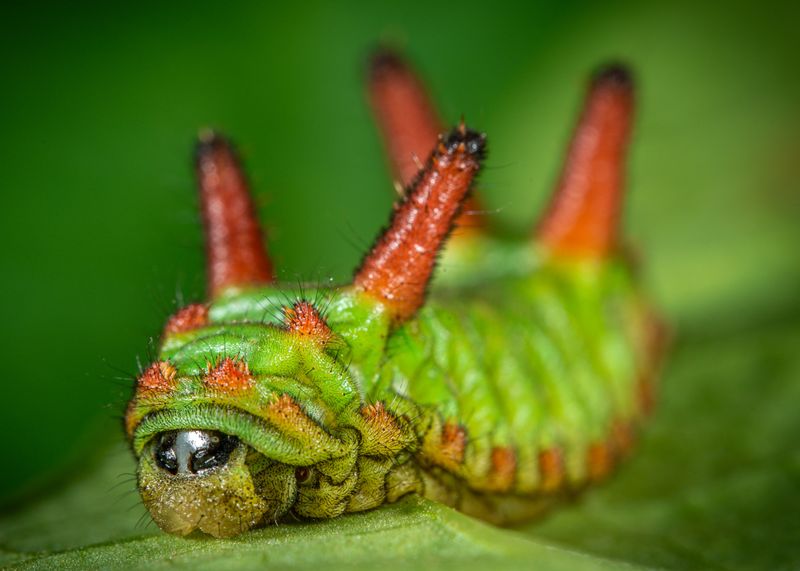
Saddleback caterpillars are easy to recognize by the bright green patch on their backs that looks like a tiny saddle. The spiny horns on both ends contain venom that causes a sharp, burning sting on contact.
Dogs that brush against these caterpillars while sniffing through plants can be stung instantly.
The affected area may swell, redden, and remain painful for several hours. Remove any visible spines gently with tape and rinse the area with water.
Call your vet to discuss whether any additional treatment is needed, especially if your dog shows signs of an allergic response.
Kissing Bugs
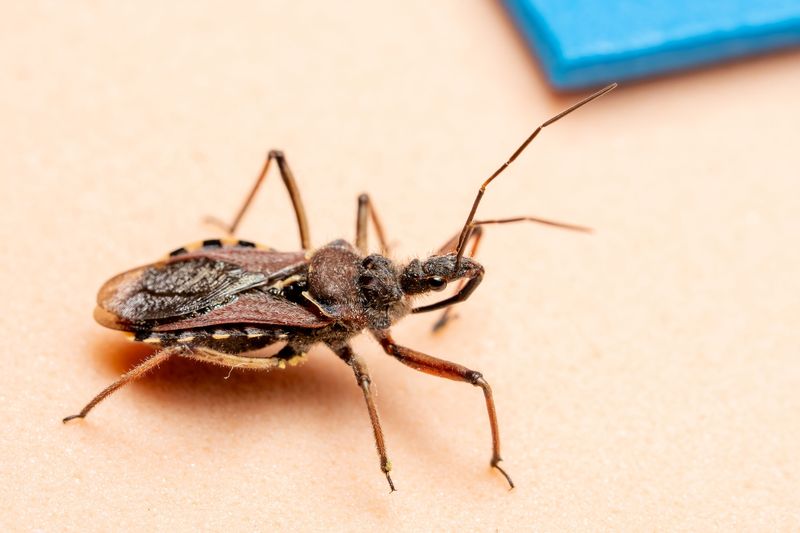
Kissing bugs are nocturnal insects that feed on blood, often biting around the face and mouth of sleeping animals. In Florida, several species are present.
They can transmit Chagas disease, a serious parasitic illness that affects the heart muscle over time.
Many dogs show no immediate symptoms after being bitten, making Chagas disease easy to miss until it has progressed. If you find kissing bugs near your dog’s sleeping area, contact your vet and a pest control professional right away.
Sealing gaps around your home’s foundation and windows helps prevent these insects from coming indoors.
Florida Bark Scorpions
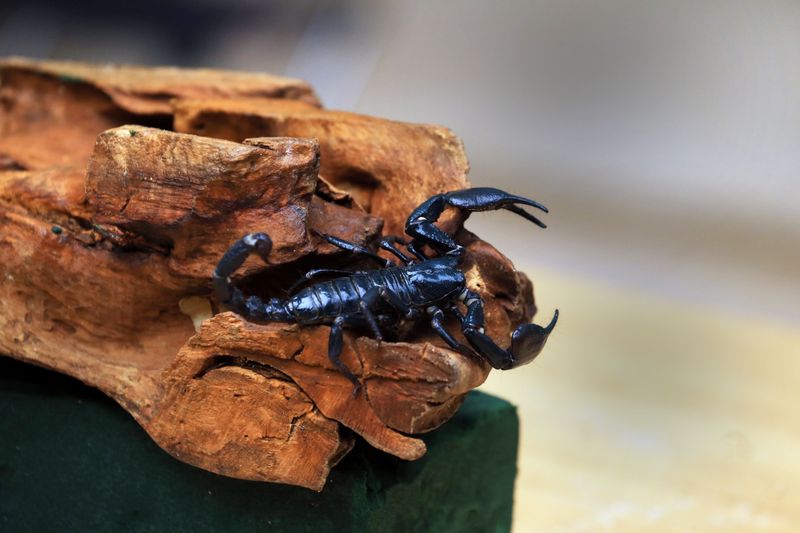
Florida bark scorpions are the most common scorpion species in the state. They hide under loose bark, mulch, leaf litter, and rocks, exactly the kinds of spots dogs love to investigate.
A sting usually happens when a dog paws at or sniffs the scorpion’s hiding place.
Stings cause localized pain, swelling, and sometimes drooling or muscle twitching in dogs. Most healthy adult dogs recover without major complications, but smaller dogs may have stronger reactions.
Contact your vet if your dog is stung, especially if symptoms seem to worsen or your dog appears unusually distressed after the encounter.
Botflies
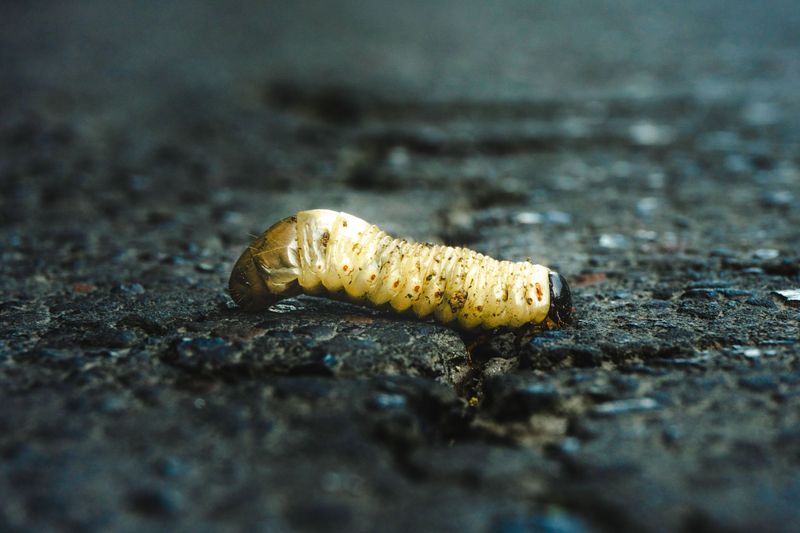
Botflies are a particularly unsettling hazard for Florida dogs. The larvae, called cuterebra, burrow under the skin after a dog comes into contact with botfly eggs in the environment.
A small lump with a breathing hole in the skin is often the first sign something is wrong.
Attempting to remove the larva at home is risky because a broken larva can cause a dangerous infection. Always take your dog to a veterinarian for safe removal.
Dogs that spend time near rabbit burrows or dense vegetation are at higher risk, so check their skin regularly during botfly season.