Moving Between New York City And Upstate With A Dog Creates A Two-Home Record Problem
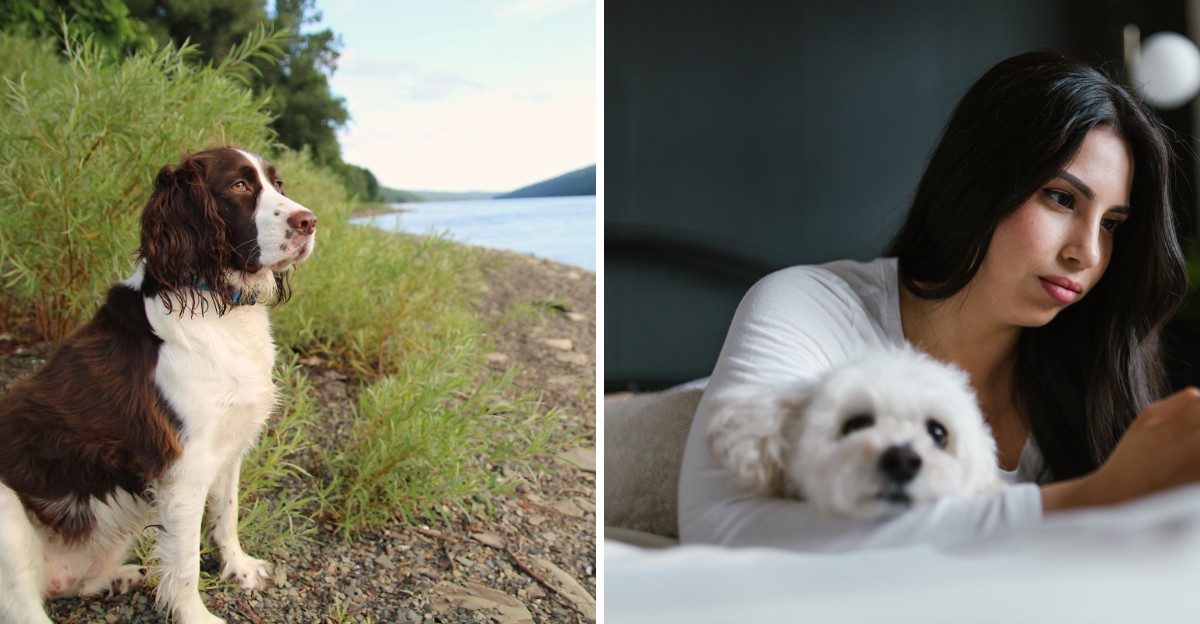
Sharing life between New York City and upstate gives your dog two familiar places to call home. But vaccination papers, license notices, and veterinary updates can easily end up at the wrong address.
A simple record system helps you answer questions quickly, whether you visit a city clinic or an upstate office. Here is how to keep both homes connected without making paperwork another chore.
1. Keep One Master Dog Record
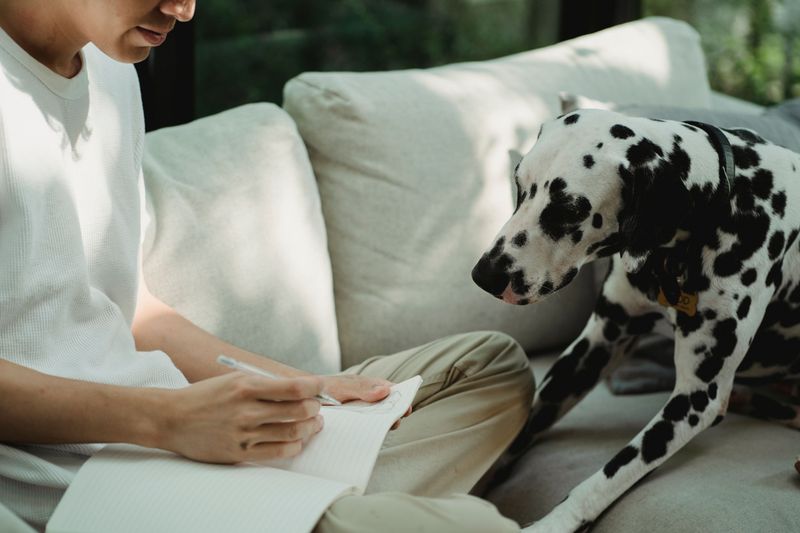
A folder left at the other house can turn a simple appointment into a search. Build one master record containing your dog’s identity, medical history, vaccination documents, and current contact details.
Choose a digital folder or binder that you can maintain easily.
Label sections clearly, and date each new document before filing it. Keep copies at both homes, but identify which version is current.
That prevents yesterday’s paperwork from becoming tomorrow’s answer by mistake during appointments.
2. Track Rabies Vaccination Records
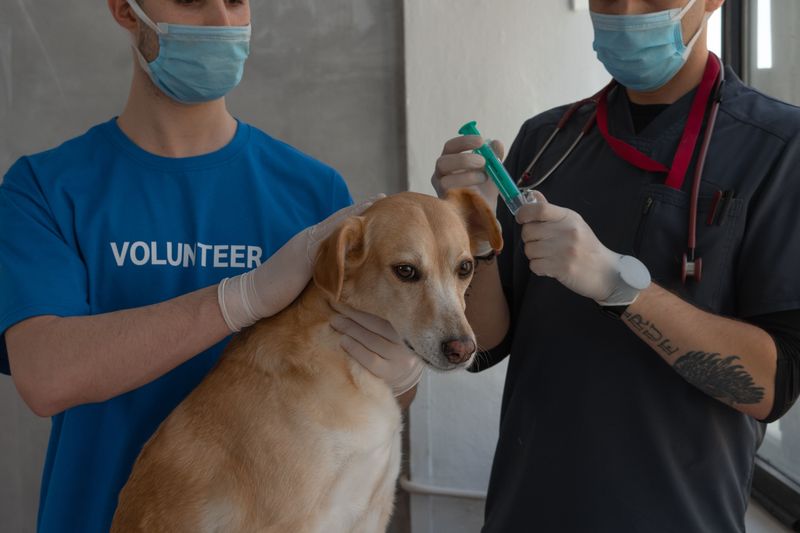
Rabies paperwork deserves its own easy-to-find spot, not a pile beneath old receipts. In New York City, dogs four months old and older are generally required to have current rabies vaccination, with limited exemptions.
Keep the veterinarian’s certificate, including the vaccination date and next due date.
A collar tag does not replace that certificate when an office requests documentation. Ask your veterinarian about your dog’s schedule and any exemption questions.
Save an updated copy after every vaccination at both homes promptly.
3. Keep NYC Dog Licensing Information Separate

City paperwork has a different job from medical paperwork. NYC requires dog licenses, and dogs must wear their license tags in public.
Keep your license number, expiration date, renewal confirmation, and city account details together.
Use the NYC Health Department’s current instructions when renewing or changing information. Do not assume an upstate license replaces your NYC licensing obligations if your dog is living in NYC.
If your living arrangement makes residency unclear, explain both addresses to the licensing office before deciding what you need.
4. Save Upstate Local Records
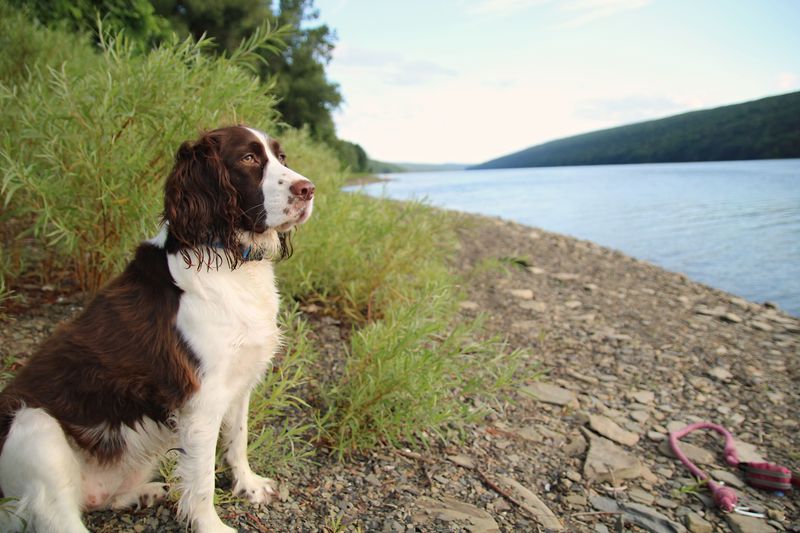
Upstate is not one licensing district with one shared office. Dog licensing outside NYC is generally handled by the local municipality, often through its clerk.
Requirements can depend on your town, city, or village and your dog’s circumstances.
Ask the local office how seasonal residence affects licensing, rather than guessing from a neighbor’s experience. Save applications, receipts, tag numbers, and written guidance in an upstate folder.
Record the office’s phone number for future questions about renewals.
5. Keep One Consistent Veterinary History
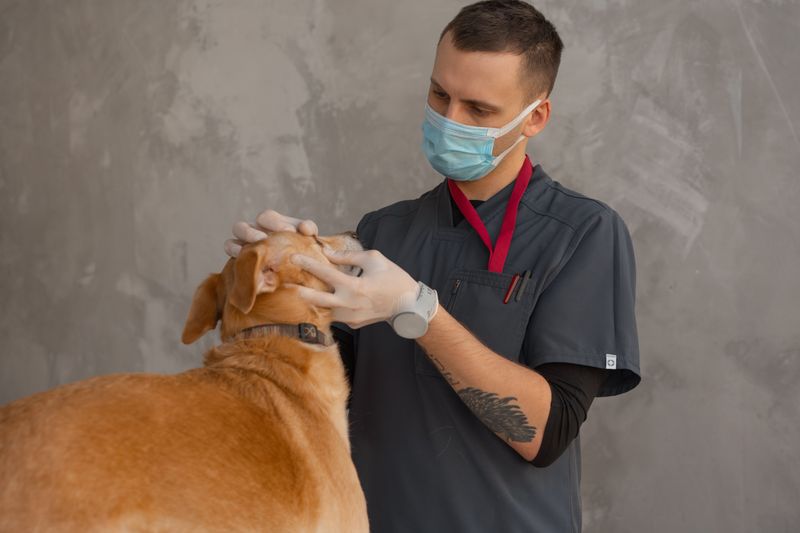
Your dog’s health story should not split when you cross a county line. Combine visit summaries, test results, allergies, surgeries, and ongoing concerns into one timeline.
Include dates and clinic names so another veterinarian can understand what happened.
Request records directly from each practice after significant visits. Keep original reports instead of relying only on your own notes.
A shared history helps both clinics review previous care and discuss next steps with clearer information in hand.
6. Store Emergency Contacts For Both Homes
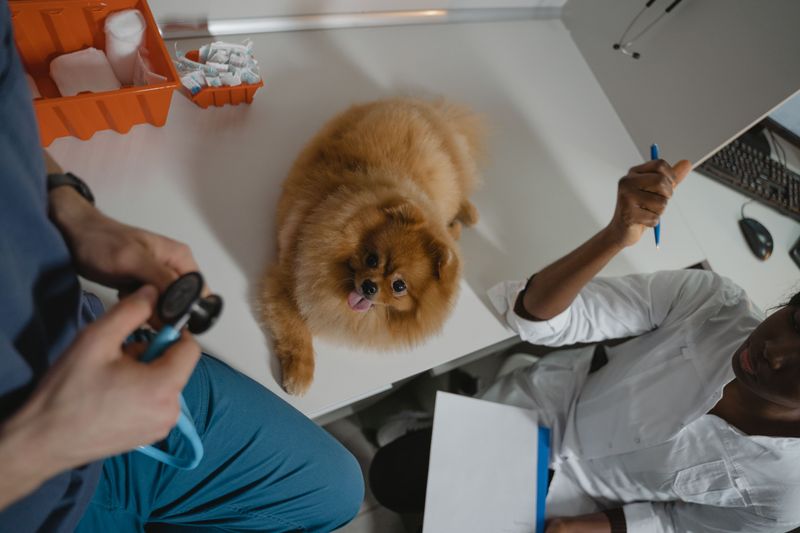
Late-night questions feel easier when the right phone number is already saved. List your regular veterinarians and nearby emergency clinics for each home.
Verify hours, locations, and whether you should call before arriving.
Add a trusted caregiver who can reach your dog if you are delayed. Keep this list on your phone and beside your travel folder.
Recheck it occasionally, since clinic hours and services can change without matching an older search result you previously saved.
7. Keep Microchip Information Updated
A microchip connects your dog to a registry, not a live location map. Its usefulness depends on accurate registration and reachable contact information.
Save the chip number, registry name, and account access details securely.
Update your phone number whenever it changes, and ask whether the registry supports alternate addresses or contacts. Have your veterinarian check the chip during a routine visit.
Two homes should not mean two conflicting contact trails when someone needs to reach you.
8. Maintain Medication Records At Both Homes
Matching medication lists can prevent confusion when bottles travel between kitchens. Record each medicine’s name, prescribed instructions, purpose, prescribing clinic, and refill contact.
Include supplements and any reactions your dog has experienced.
Follow the veterinarian’s directions, and ask before changing doses or stopping treatment. If someone else gives medication, use a shared log showing completed doses.
Store supplies according to their labels, and check expiration dates before leaving either home for another stay with your dog.
9. Track Where Essential Supplies Are Kept
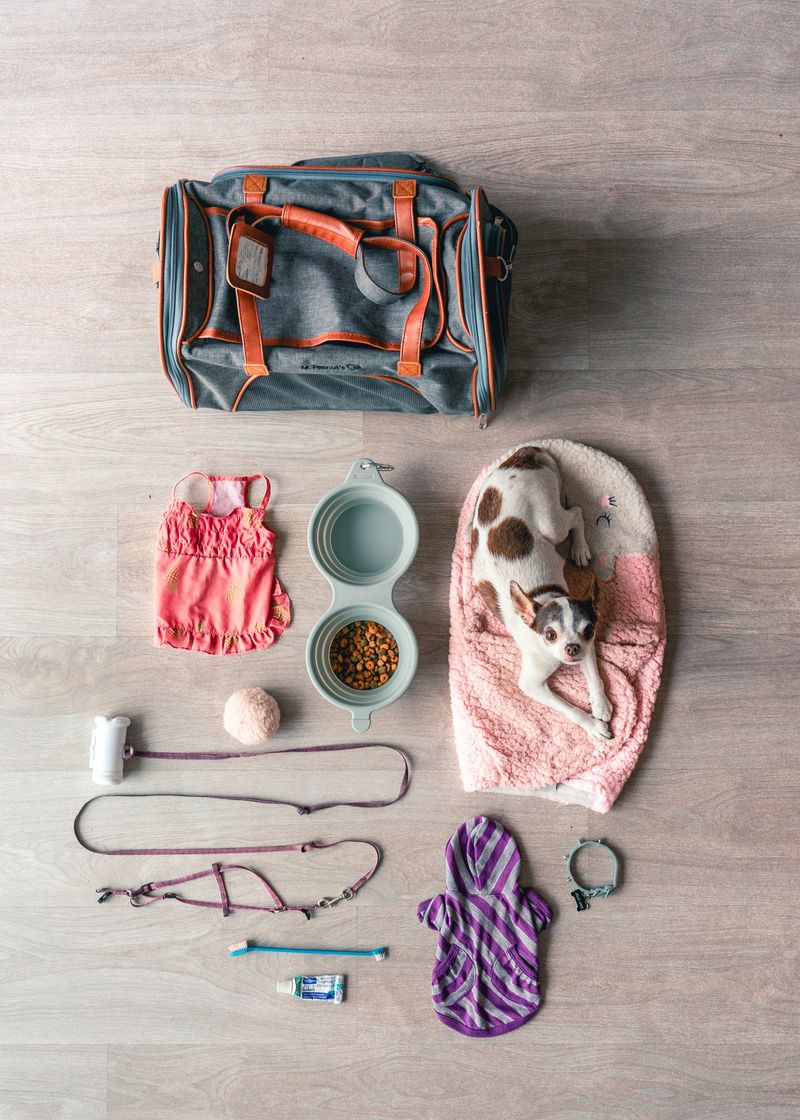
The spare harness is only helpful if you know which closet holds it. Make a short inventory for food, bowls, leads, cleanup supplies, and travel equipment.
Note what stays at each address and what always travels.
List food names and feeding instructions so caregivers can follow your dog’s usual routine. Check supplies before departure instead of relying on memory.
Keeping basic duplicates reduces packing, while an updated inventory helps you avoid missing essentials upon arrival there.
10. Keep Identification Tags Consistent
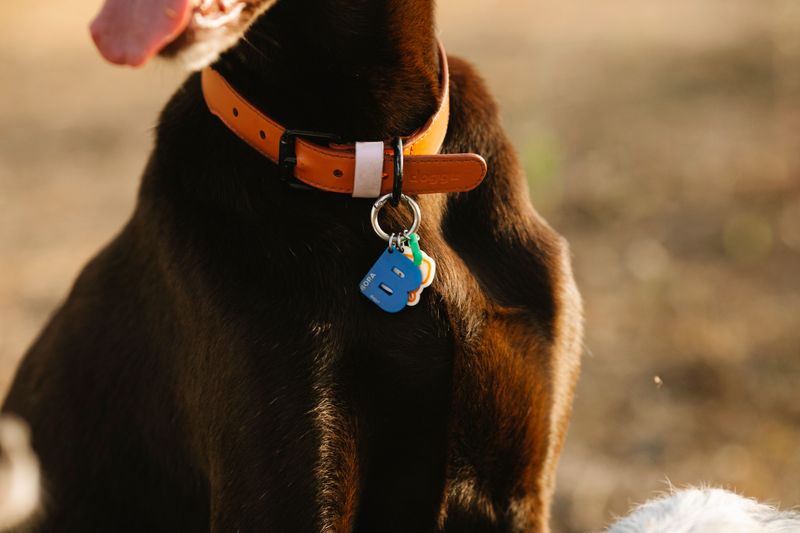
A readable phone number travels better than an address that changes every season. Use an identification tag with contact information you can reliably answer from either home.
Check the engraving, attachment ring, and collar fit regularly.
Keep required license tags attached as directed by the relevant authority. Personal identification tags and official license tags serve different purposes.
If you swap collars, move the needed tags too. Photograph them for your records, but remember photographs cannot replace them.
11. Store Digital Copies Of Important Records
Paper can stay behind, but a saved file can travel in your pocket. Scan vaccination certificates, licenses, medical summaries, and insurance details into clearly named folders.
Use filenames that include the document type and date.
Download key files for offline access, especially before traveling through areas with limited service. Protect accounts with strong passwords and appropriate security settings.
Share documents through secure methods when possible. Keep a backup so one misplaced device does not erase your system.
12. Tell Both Vets About The Two-Home Routine
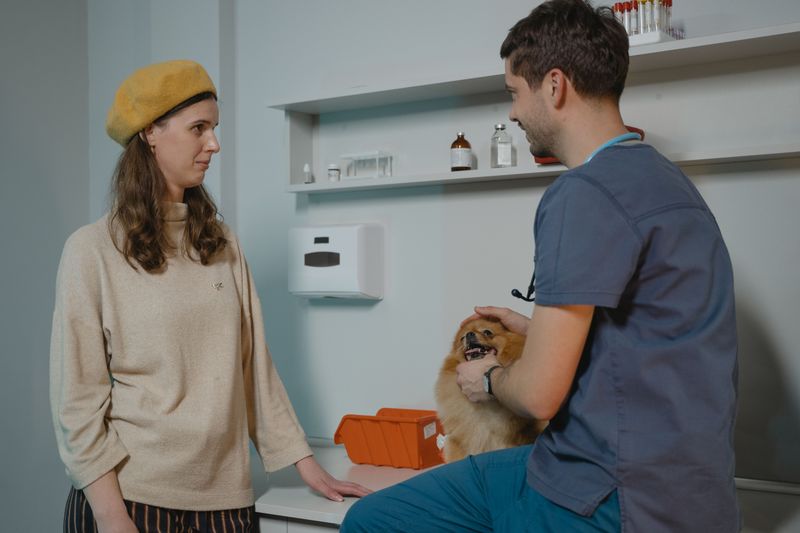
City sidewalks and wooded yards can create different questions for your dog’s care. Explain how often you move, where your dog spends time, and which clinic handles routine visits.
Discuss outdoor exposure, travel stress, and prevention needs with both veterinarians.
Choose a lead practice for coordinating ongoing treatment when practical. Ask how records should be exchanged and who manages refills.
Clear roles help everyone work from the same plan without assuming another clinic already handled a concern.
13. Review Records Before Seasonal Moves
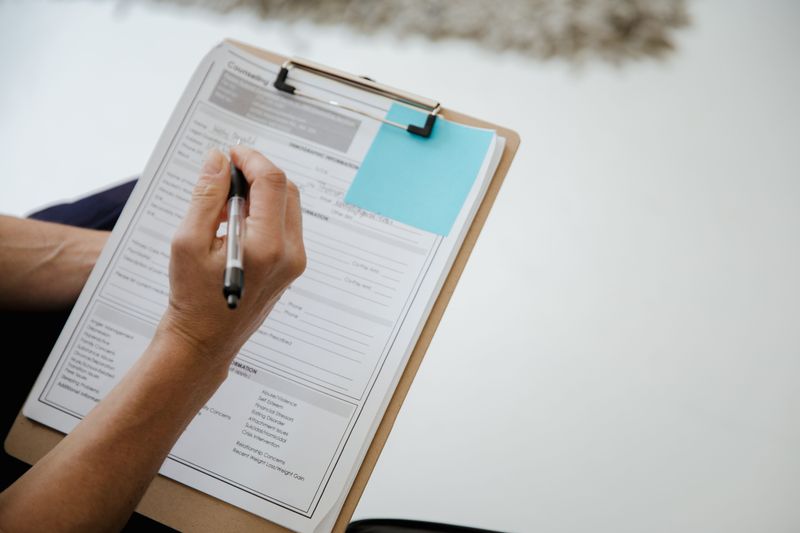
The week before a move offers a useful pause for checking paperwork. Review vaccination dates, license renewals, medication supplies, and upcoming appointments before packing begins.
Confirm that both homes have the latest care instructions.
Ask your veterinarian whether any planned activities need additional documents or preparation. Boarding facilities and transport providers may have their own rules.
Make calls early enough to solve missing-record problems comfortably. A short seasonal review keeps small tasks from following you down the road.
14. Keep A Ready-To-Go Travel Folder
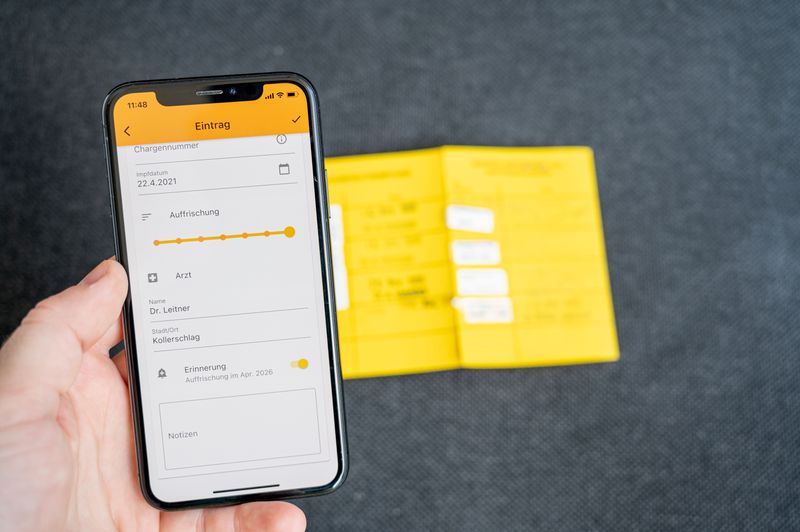
A slim travel folder beats unpacking the entire filing system at a clinic. Include current vaccination proof, a medication list, key medical notes, and both homes’ veterinary contacts.
Add license information and a recent photo of your dog.
Keep copies readable and protected from spills. Store the folder somewhere accessible during the drive, not beneath packed luggage.
Digital backups are useful, but paper offers another option when batteries run low or reception disappears along your travel route.
15. Separate Permanent And Address-Specific Records
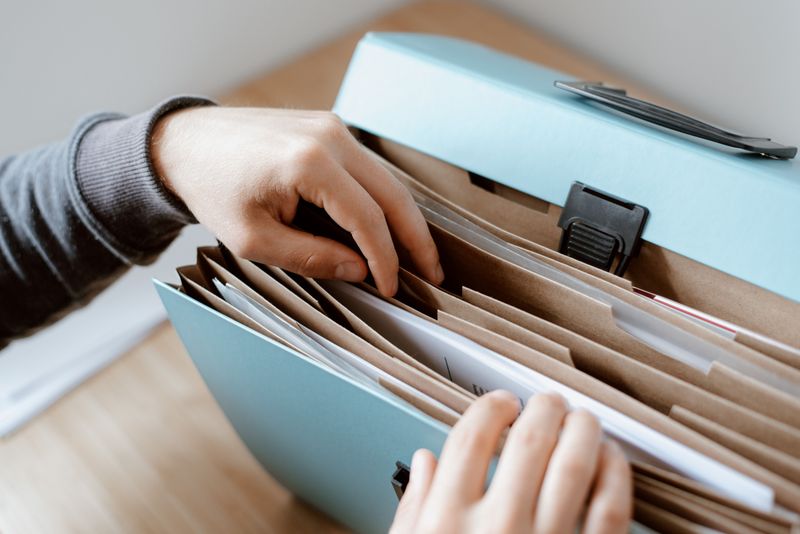
Some papers follow your dog everywhere; others belong to a particular address. Keep adoption documents, microchip details, and medical history in a permanent section.
Place local licenses, housing permissions, and nearby service contacts in location sections.
This division makes updates easier without scattering the dog’s basic information. Label records by purpose rather than assuming every document applies statewide.
When an office asks for proof, check which document it actually needs before sending your entire folder of papers.
16. Update Changes In Both Homes

One changed phone number can leave several useful records pointing the wrong way. After an update, check your master folder, clinic accounts, registry details, and relevant licensing records.
Replace outdated care sheets at both addresses.
Write the revision date on instructions shared with caregivers. Remove older copies from everyday use while keeping medical history intact.
A simple update list helps you track completion. You should not need to remember which kitchen drawer still holds last season’s instructions.
17. Prepare For Unexpected Veterinary Visits
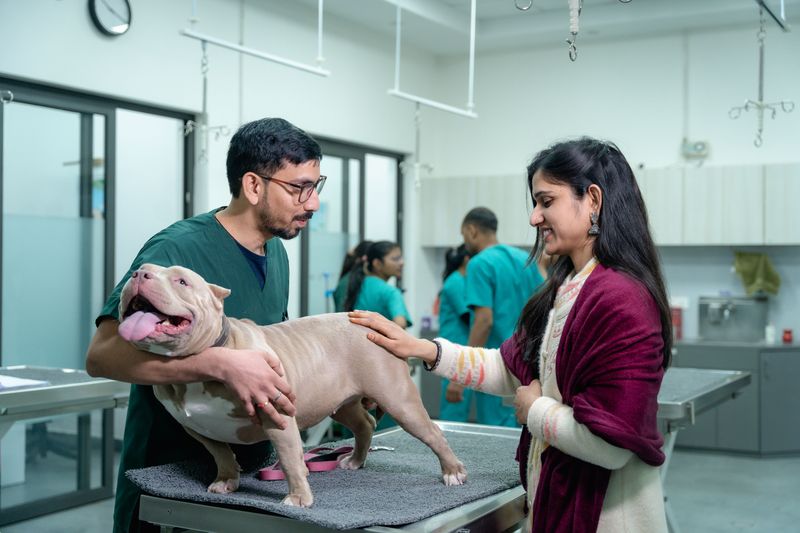
An unfamiliar clinic may need a quick picture of your dog’s usual health. Prepare a brief summary covering ongoing conditions, medications, allergies, and recent treatment.
Add your regular veterinarian’s contact details and relevant test reports.
Call ahead when possible and explain the current concern clearly. Ask how to send records and whether the clinic can see your dog.
Do not delay needed care while collecting perfect paperwork. Available information helps, but the veterinarian can guide your next steps.
18. Use A Move-Day Records Checklist

Before the door closes, give your dog’s paperwork one final check. Confirm that records, medications, contact numbers, identification, and essential supplies are ready to travel.
Make sure anyone helping knows where the folder is kept.
Save the same checklist for every trip, then adjust it when your routine changes. Once you arrive, place records in their usual spot and confirm supplies.
Two homes can share one clear system. Keep the records connected, and enjoy the journey together.