15 Things Every New Dog Owner in Florida Wishes They’d Known Sooner

Bringing a dog home in Florida is one of the best decisions you can make. But the Sunshine State comes with its own set of rules, risks, and surprises that no one hands you at the shelter door.
From scorching sidewalks to wildlife encounters, Florida’s environment is genuinely different from most places in the country.
Think of this as your knowledgeable neighbor filling you in on what every local dog owner eventually learns, so you can skip the hard way and get straight to enjoying life with your dog.
1. Hot Pavement Matters as Much as Hot Air

Pavement can run 40 to 50 degrees hotter than the air around it. On an 85 degree day, that surface can hit 130 degrees or more.
Paw pads are sensitive tissue, and deep thermal burns can happen before your dog even shows pain.
Try the seven-second rule: press the back of your hand flat on the pavement. If you pull away before seven seconds, it is too hot for paws.
Dog booties or a quality paw balm can help on unavoidable midday outings.
2. Flea and Tick Prevention Is Basically a Year-Round Job
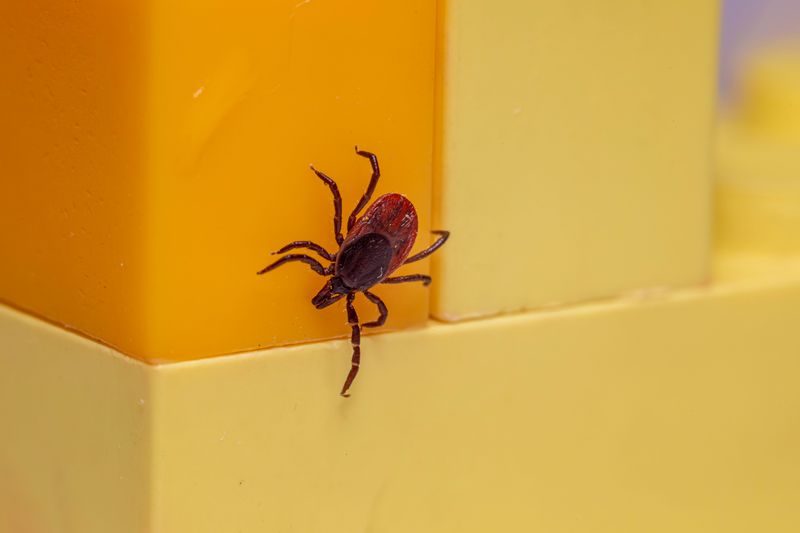
Florida winters simply do not get cold enough to kill off fleas and ticks the way northern winters do. Multiple tick species, including the brown dog tick and the deer tick, thrive here in every season.
Skipping a month of prevention because it feels cool outside is a common and costly mistake.
Talk to your vet about whether a monthly topical, an oral medication, or a collar suits your dog best. Consistency is the whole game here.
3. Heartworm Prevention Should Not Be Treated as Seasonal
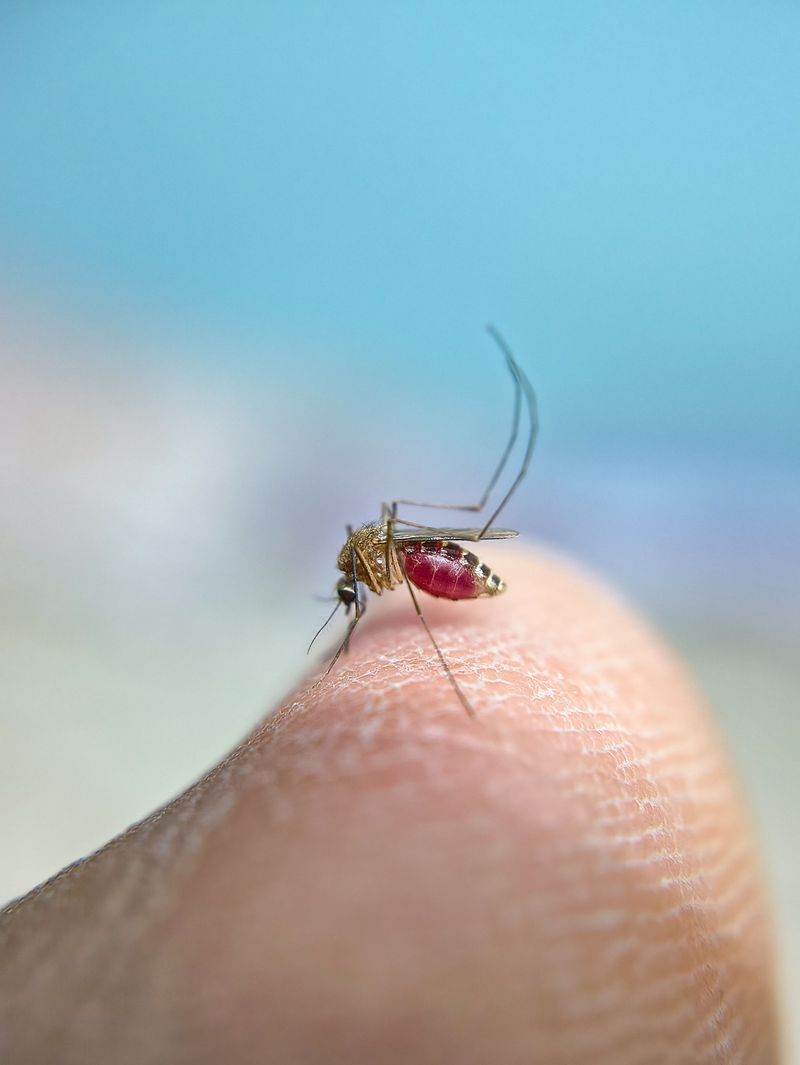
Mosquitoes in Florida are active every single month of the year. Heartworm disease is transmitted by mosquito bites, which means your dog is at risk in January just as much as in July.
Florida consistently records some of the highest heartworm rates in the country.
Monthly prevention costs roughly $5 to $25. Treatment for a heartworm-positive dog can run $1,500 to $3,000 and is hard on the animal.
Even dogs who stay mostly indoors need protection, because mosquitoes find their way inside.
4. Cane Toads Can Be Seriously Dangerous to Dogs

Cane toads, sometimes called bufo toads, are a large invasive species found across South and Central Florida. When a dog mouths or licks one, the toad secretes bufotoxin, which is absorbed almost instantly through the gums and tongue.
Symptoms can appear within minutes and include heavy drooling, head-shaking, and stumbling.
If this happens, flush your dog’s mouth with running water for 10 to 15 minutes, angling the head downward. Then go straight to a veterinarian.
Speed matters enormously in these situations.
5. A Peaceful Pond Is Not Automatically a Safe Swimming Hole

Still, warm water in Florida can harbor blue-green algae blooms that produce toxins capable of killing a dog within hours of exposure. Water that looks pea-soup green, scummy, or has a paint-like film on the surface should be avoided entirely.
Leptospirosis, a bacterial disease spread through wildlife urine, also washes into ponds and ditches during rainy season.
Alligators are present in residential ponds and canals throughout the state, often without any visible sign. Keep your dog away from the water’s edge in unfamiliar areas.
6. Coyotes Aren’t Just a Rural Florida Problem

Coyotes have been documented in all 67 Florida counties, including dense urban areas like Miami-Dade and Broward. Attacks on small dogs in fenced backyards have been reported in Orlando neighborhoods and other metro areas.
Most incidents happen at night or around dusk and dawn.
Walk small dogs on a short leash of six feet or less during those hours. Go outside with your dog even in a fenced yard, and never leave pet food outdoors overnight.
Coyotes are clever and adaptable animals.
7. Not Every Pretty Lake Is Safe for a Swim
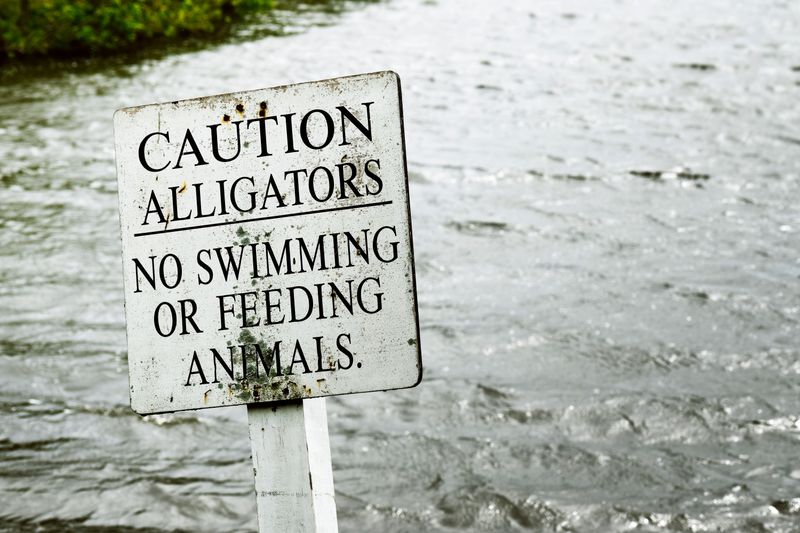
Florida’s freshwater lakes look inviting, especially on a hot afternoon. Blue-green algae blooms are common in these lakes during warm months, and the Florida Department of Health has issued advisories for multiple counties.
Ingesting even a small amount of contaminated water can cause vomiting, seizures, or organ failure in dogs.
Alligators are present in virtually every natural Florida lake. If you are unsure about a body of water, keep your dog on a leash and away from the shoreline until you can confirm it is safe.
8. Florida Heat Can Change Your Entire Walking Schedule

Most new Florida dog owners keep the same walking schedule they had up north. That habit can hurt your dog fast.
On a 95 degree day, a Florida sidewalk can hit 115 degrees or hotter, which means paw damage can happen in under a minute.
Early morning and late evening walks are not just more comfortable. They are genuinely safer.
Aim to be outside before 9 a.m. or after 7 p.m. during summer months.
9. Dog-Friendly Park Does Not Necessarily Mean Dog-Friendly Beach
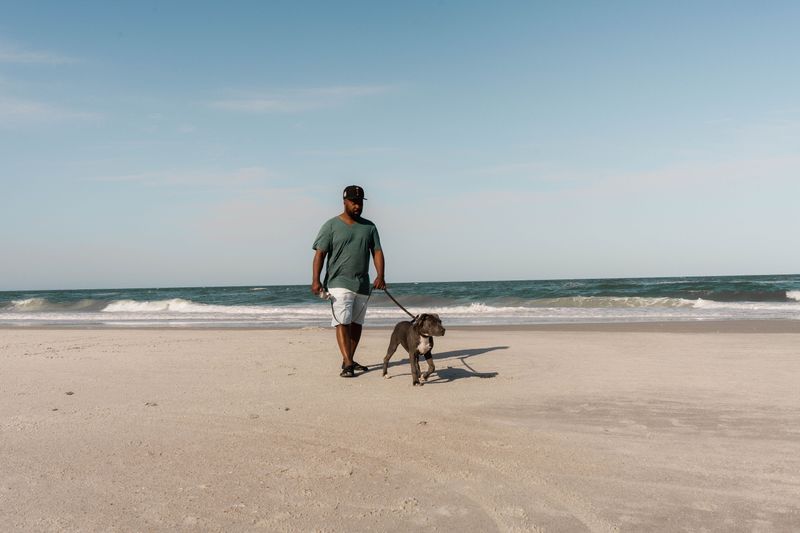
Beach access rules for dogs vary widely across Florida. Jacksonville Beach, for example, allows dogs at certain hours in summer but not others.
Many popular beaches have seasonal or time-specific restrictions that differ completely from nearby park rules. Always check the specific ordinance for the beach you plan to visit.
Ocean water brings its own hazards too. Dogs who drink saltwater can develop serious illness quickly.
Bring fresh water, rinse your dog after swimming, and watch for jellyfish or red tide debris washed ashore.
10. Hurricane Preparation Has to Include the Dog From the Beginning

Florida’s hurricane season runs June through November. Under the state’s Trooper’s Law, it is illegal to leave pets behind during a hurricane, tropical storm, or tornado warning.
Not all hotels and shelters accept pets, so research your options well before a storm is named.
Build a pet kit now: two weeks of food and water in sealed containers, medications, vaccination records in a waterproof pouch, a carrier, and a recent photo of you with your dog. Preparation done early is preparation that actually works.
11. A Microchip Only Helps If the Information Is Current

Microchipped pets are up to 20 times more likely to be reunited with their owners after going missing. But a chip with an old phone number or a previous owner’s address is nearly useless.
Many reunions fail simply because the registry information was never updated after a move or a change in contact details.
Log into your microchip company’s website and confirm your current phone number and address are on file. Do this once a year, the same way you would check a smoke detector battery.
12. Rabies Vaccination Isn’t Optional
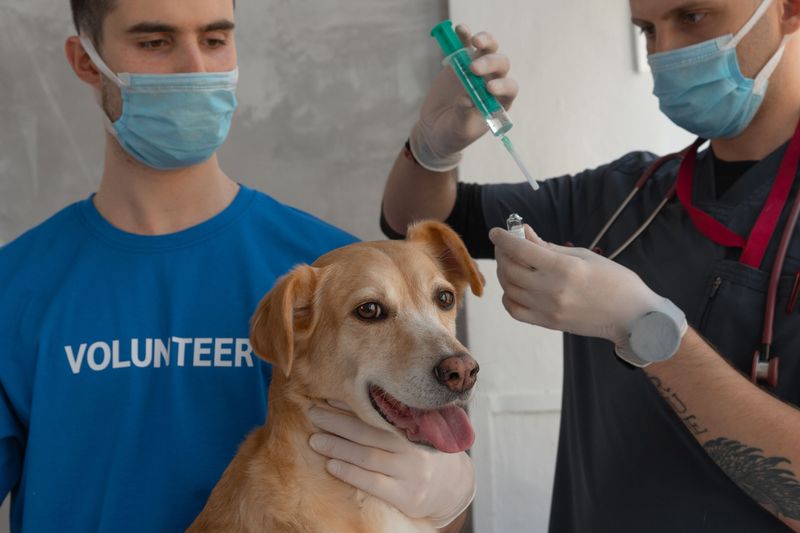
Florida law, under Chapter 828 Section 30 of the Florida Statutes, requires all dogs four months of age or older to be vaccinated against rabies by a licensed veterinarian. A dog is considered overdue even one day past the labeled duration of its last vaccine.
There is no grace period.
Boosters are given annually or every three years depending on the vaccine used. A medical exemption is possible if a vet certifies in writing that vaccination would endanger the animal’s health.
Keep your certificate accessible.
13. Dog Licensing and Leash Requirements Can Change From One Community to Another
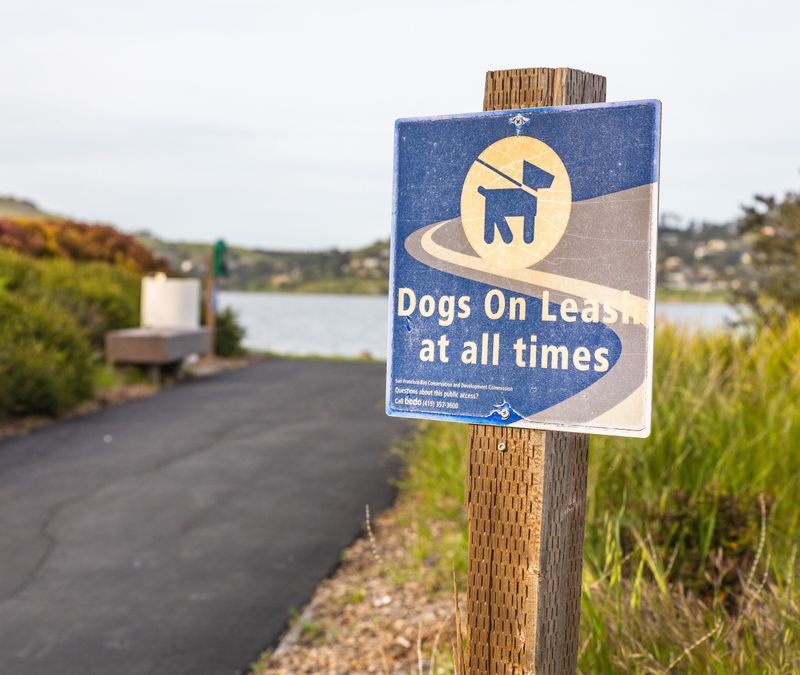
Florida has no single statewide leash law or licensing system. Counties and cities each set their own rules.
Miami-Dade, Orange, Hillsborough, and Duval counties all require annual dog licenses, and fines for leash violations range from $50 to $500 depending on the jurisdiction.
Voice control alone rarely satisfies the legal definition of a dog being under control. Check your specific county and city ordinances, especially if you have recently moved.
Animal control offices are usually the quickest source for accurate local rules.
14. You’re Responsible for More Than Just Dog Bites

Florida Statute 767.01 holds dog owners strictly liable for damages their dog causes to people or other animals, even without a bite. If your dog knocks someone down and they break a wrist, you can be held responsible.
Florida does not use the one-free-bite rule that some other states apply.
Letting a dog run loose in violation of local leash laws can strengthen a liability claim against you. Keeping your dog leashed and under physical control in public is both a legal obligation and a practical safeguard for everyone involved.
15. You Can’t Leave a Dog in the Car Just Because It’s Cloudy or Winter
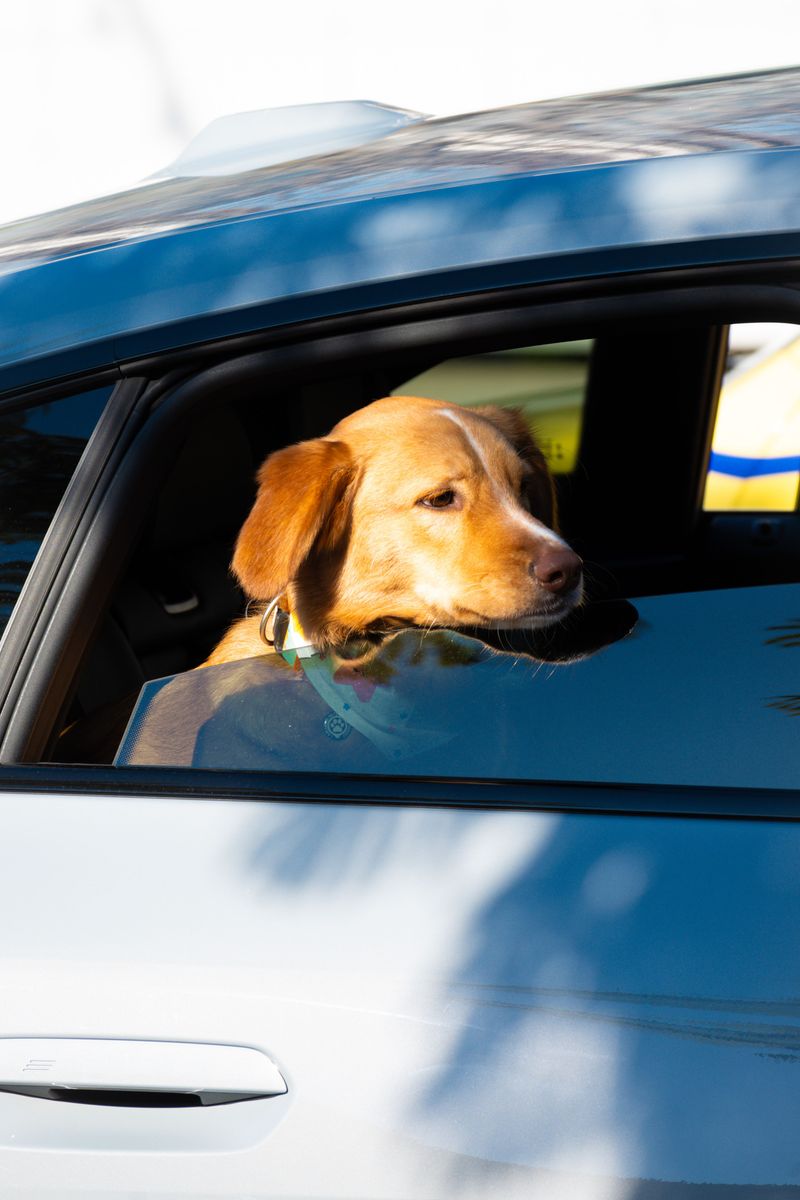
Florida law makes it illegal to leave an animal confined in a parked vehicle without adequate ventilation or protection from extreme temperatures. Penalties can include a $500 fine and animal cruelty charges.
On a 70 degree day, the inside of a parked car can exceed 100 degrees within 30 minutes, even with windows cracked.
Cracking a window reduces interior temperature by only 2 to 4 degrees at most. Florida also has a Good Samaritan law that allows bystanders to legally break a car window to rescue a pet in distress.
Call 911 first if you see this situation.