What Arizona Dog Owners Need To Know About Cactus, Rattlesnakes, Monsoon Weather, And Desert Heat
Living in Arizona with a dog is wonderful, but life in the desert is a little more difficult than in other places. Between scorching pavement, spiny cholla, snakes sunning near trails, and monsoon storms that roll in fast, there is plenty worth learning early.
None of it should keep you home. With a few habits and some local know-how, you and your dog can enjoy this landscape safely all year long.
1. Skip Midday Walks From Late Spring Through Fall
Sunrise and after dark become your best friends here. Most guidance suggests avoiding outdoor exercise between roughly 10 a.m. and 6 p.m. once temperatures climb.
Many veterinarians consider 85 degrees borderline for dogs, and above 90 degrees, hikes are better swapped for cooler plans. Dogs sit low to the ground, so they feel radiated heat more than we do.
Shift your routine seasonally and your dog stays comfortable without losing exercise time.
2. The Seven-Second Hand Test Before You Step Out
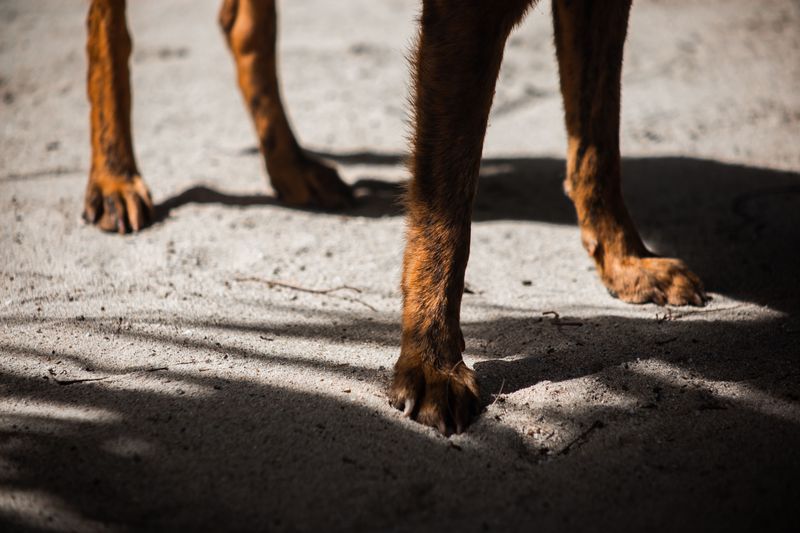
Ten seconds of checking can save your dog days of discomfort. Place the back of your hand flat on the pavement and hold it for seven seconds.
If that feels too hot for you, it is too hot for paw pads. Some folks use a five-second version, which is even more cautious.
Test asphalt, concrete, gravel, artificial turf, pool decking, and dark patio flooring. All of them hold heat surprisingly well.
3. Sunset Does Not Mean The Ground Cooled Off
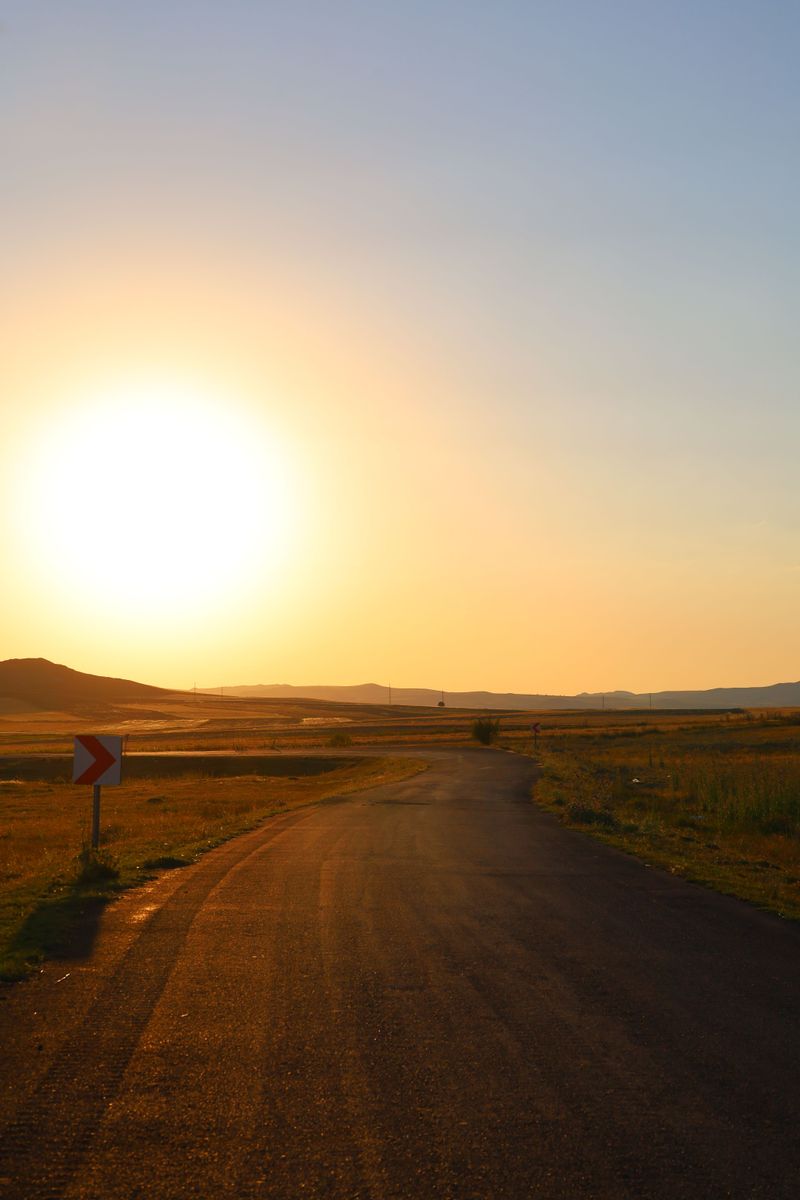
Here is the part that catches newcomers off guard. Asphalt, sand, metal, and wood store solar heat and stay hot for hours after the sun drops.
Surface temperatures can climb past 145 degrees during the day. At around 125 degrees, paw pads can burn in under a minute.
Plan evening walks well after sunset, not right at dusk. Grass, dirt paths, and shaded routes cool down faster than pavement does.
4. Water Comes Along, Every Single Time
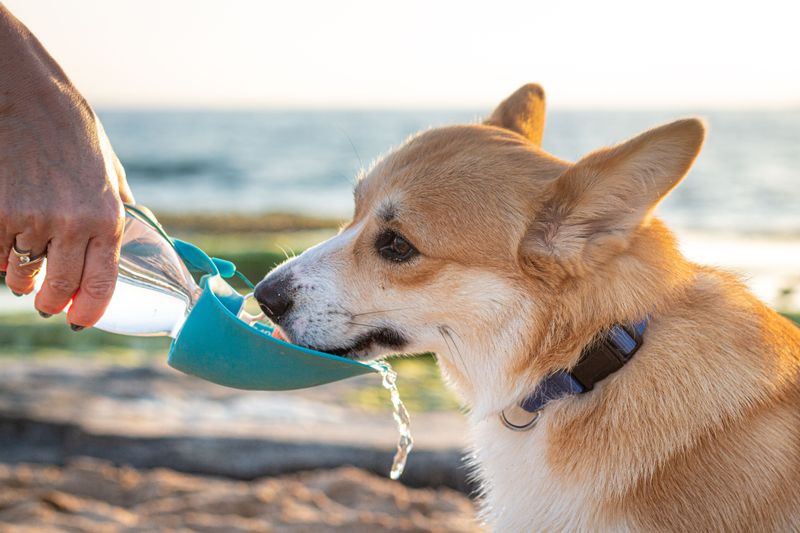
Dehydration sneaks up quickly in dry desert air. Offer fresh, cool water before, during, and after any outing, even when your dog seems uninterested.
A collapsible bowl weighs almost nothing and belongs in every pack. On longer hikes, carry more than you think you need.
Keep dogs from drinking out of puddles, streams, or standing water. Those sources can hold bacteria or parasites that lead to upset stomachs and worse.
5. Parked Cars Are Never An Option Here
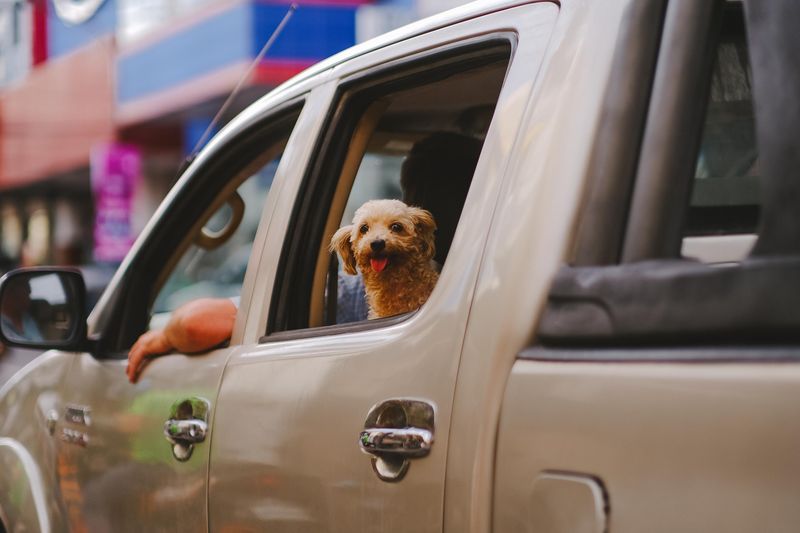
Arizona law makes it illegal to leave a dog unattended in a vehicle when harm could result. Interiors heat fast, even with windows cracked.
On a 90-degree day, a car can reach 109 degrees in ten minutes and 124 degrees in thirty.
A 2017 Good Samaritan law shields people who use reasonable force to free a pet in imminent danger. Call 911 first, then stay with the animal.
6. Phoenix Trails Close To Dogs At 100 Degrees
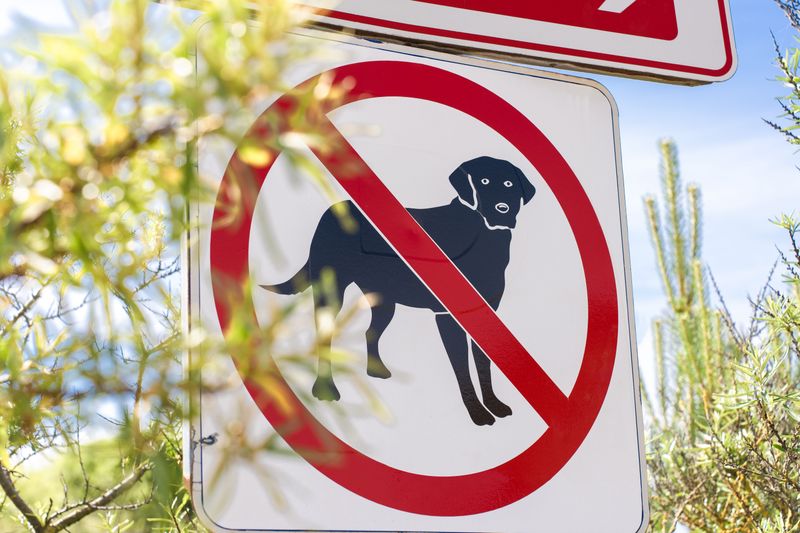
The City of Phoenix bans dogs from all city hiking trails once temperatures hit 100 degrees or higher. Parks and Recreation adopted the rule to prevent heat stroke, burned pads, and dehydration.
Violations can be charged as a Class One Misdemeanor, with penalties reaching significant fines and possible jail time.
Other cities set their own rules, so confirm locally before you drive to a trailhead with your dog.
7. Cholla Earned Its Jumping Nickname Honestly
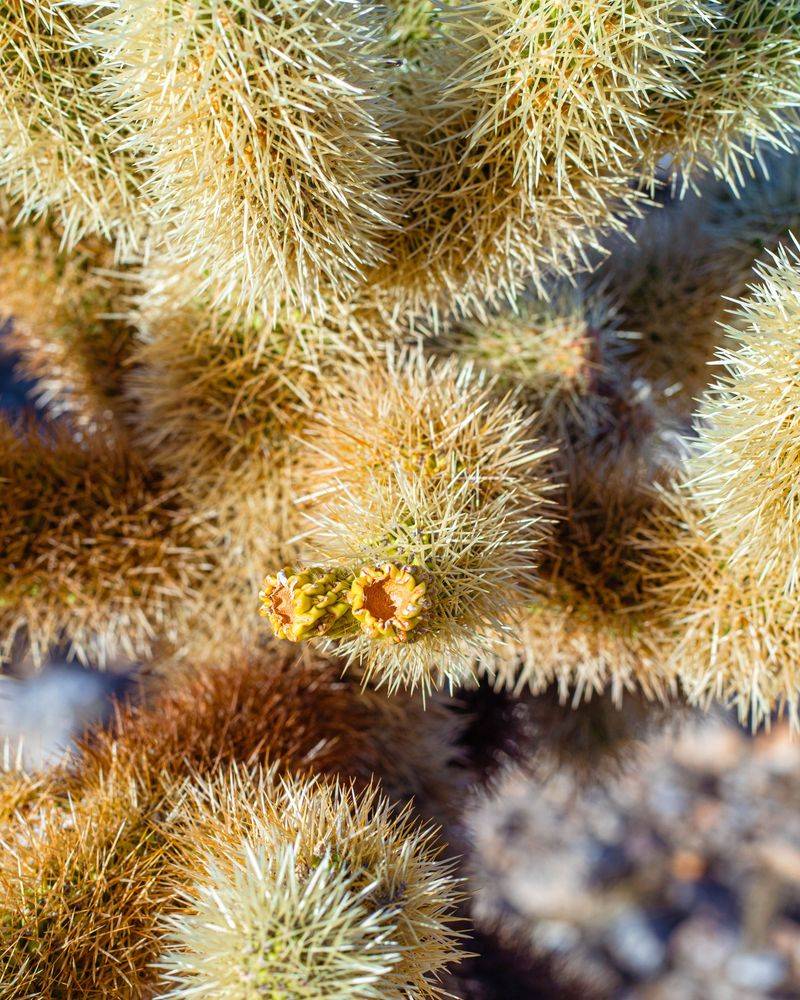
Nobody forgets their first cholla encounter. Those barbed segments detach at the lightest brush and cling to paws, legs, muzzles, and mouths.
Cholla is not poisonous, but the spines hurt intensely and can lead to panic, injury, or infection.
Other desert plants deserve distance too, including oleander, sago palm, desert rose, castor bean, lantana, and chinaberry. Sago palm ranks among the most dangerous, so keep it out of dog-accessible yards.
8. A Shorter Leash Prevents Most Trail Trouble
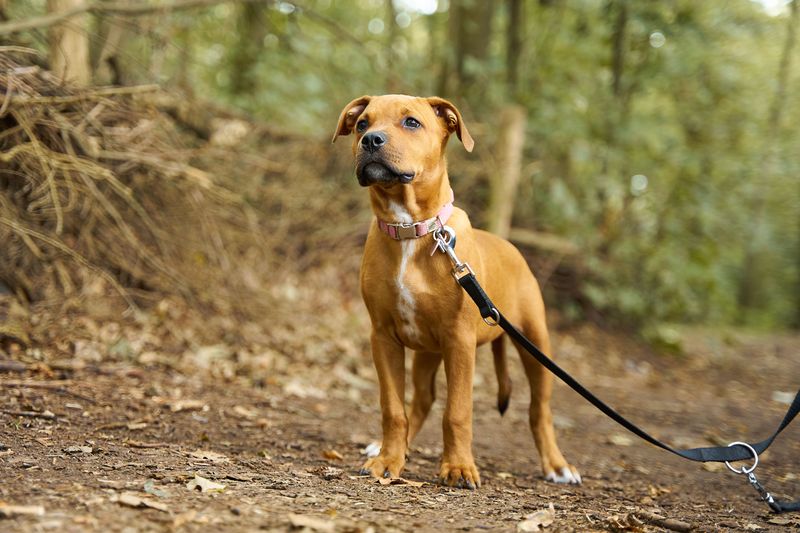
Long retractable lines give dogs room to find exactly the things you want them to miss. A shorter lead keeps your dog beside the trail center, away from brush and cactus clusters.
Arizona leash rules generally require restraint on a leash no longer than six feet, under direct control off your property. Specifics vary by city and county.
Close range also helps you notice a sting or bite immediately.
9. Cactus Spines In The Mouth Need Professional Hands
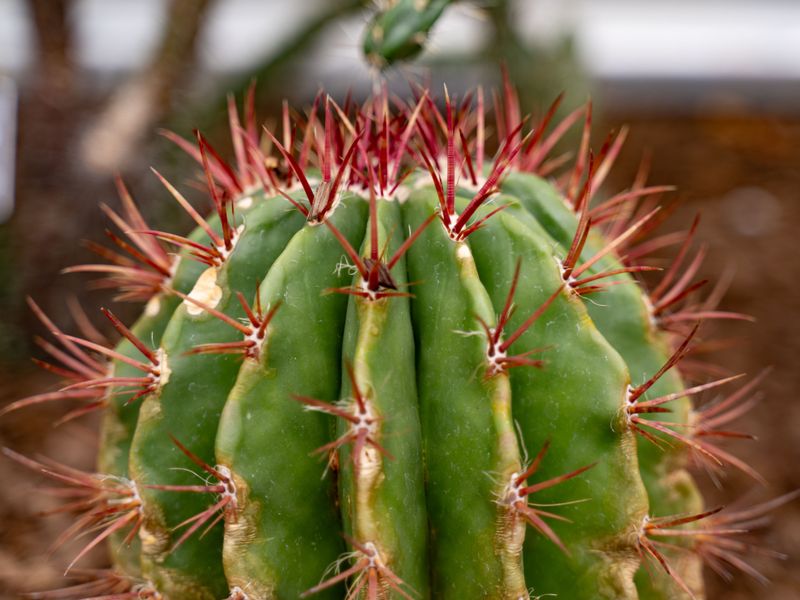
Roadside removal with pliers works for a few leg spines, but faces and mouths are different. Veterinarians often use sedation plus a bright light to inspect every fold and crevice.
Missed fragments can develop into a foreign-body abscess weeks later, which means a second, harder problem.
Call your clinic if spines landed near eyes, gums, tongue, or throat. Getting it right the first time saves everyone trouble.
10. Rattlesnake Country Calls For Leashes, Not Freedom
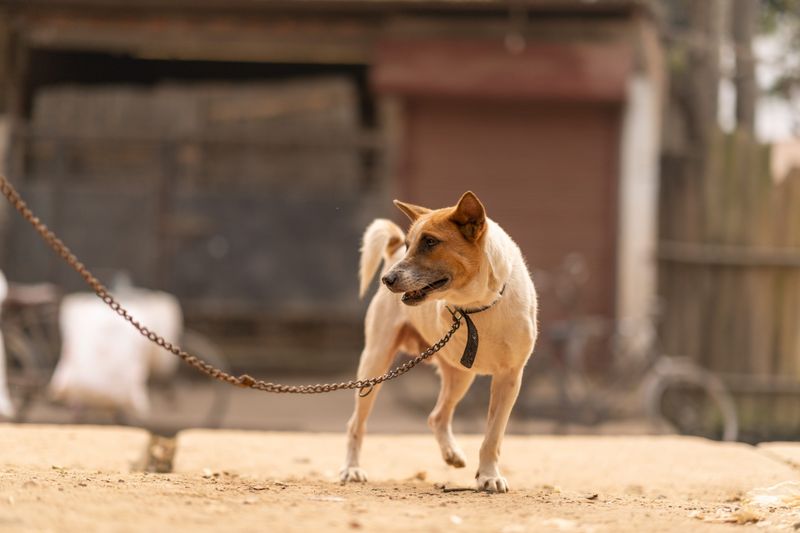
Snakes are part of the landscape, not an ambush waiting to happen. Keeping your dog leashed on trails is the single most effective prevention step available.
Rattlesnakes become most active in warmer months and turn up in deserts, foothills, and mountain areas alike.
Stay alert around rock piles, woodpiles, and shady ledges during peak activity hours. Leashed dogs simply do not have the range to investigate hidden spots.
11. Spotted One? Back Away Calmly And Widely
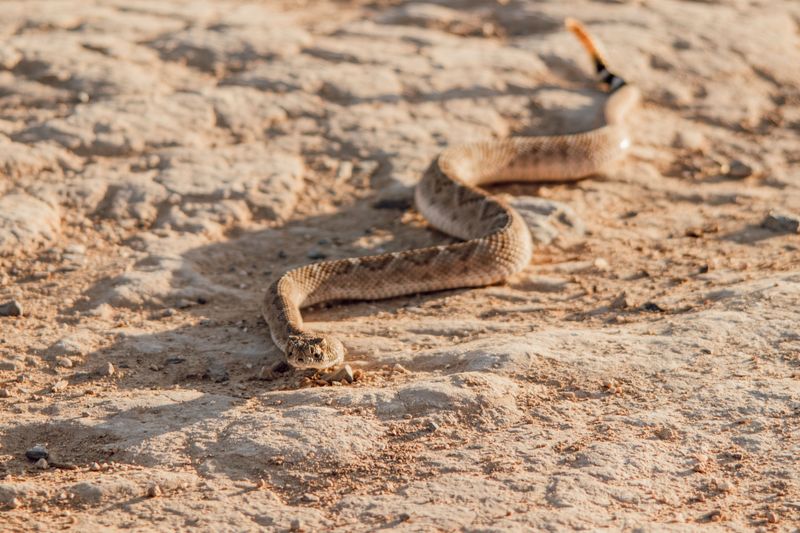
Curiosity is the real risk, not the snake itself. When you spot one, turn your dog around and create distance right away without shouting or rushing.
Give the animal a wide berth and let it move along on its own schedule.
The same quick-redirect approach works for other wildlife encounters. Snakes generally prefer avoiding us entirely, so a calm retreat almost always ends the situation peacefully.
12. Suspected Bite? Head Straight To The Clinic

Minutes genuinely matter with venom. Any suspected rattlesnake bite counts as a true emergency requiring experienced veterinary care immediately.
Venom can cause intense pain, swelling, tissue damage, and internal bleeding, so early evaluation shapes the outcome.
Save the number and address of your nearest 24-hour emergency hospital in your phone now. Carry your dog if possible, keep them calm, and call ahead while someone else drives.
13. Read The Forecast Before Monsoon Season Hikes
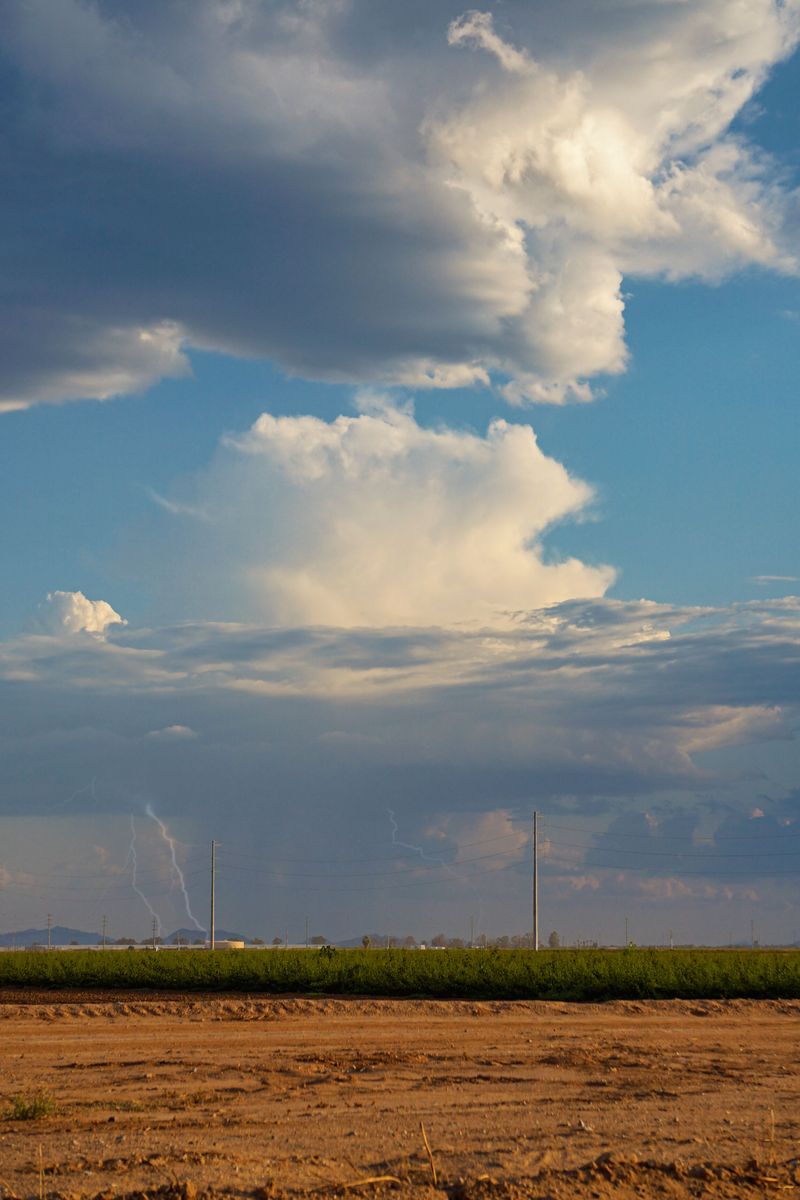
Monsoon season generally runs June through September and changes plans without asking. Storms build fast, and heat spikes often arrive just before the clouds do.
Check radar and local forecasts the morning of any exposed desert outing, then check again before leaving the trailhead.
Shorter loops near the car beat long ridgeline routes this time of year. Flexibility keeps the season enjoyable rather than stressful.
14. Thunder Rolling In Means Everyone Comes Inside
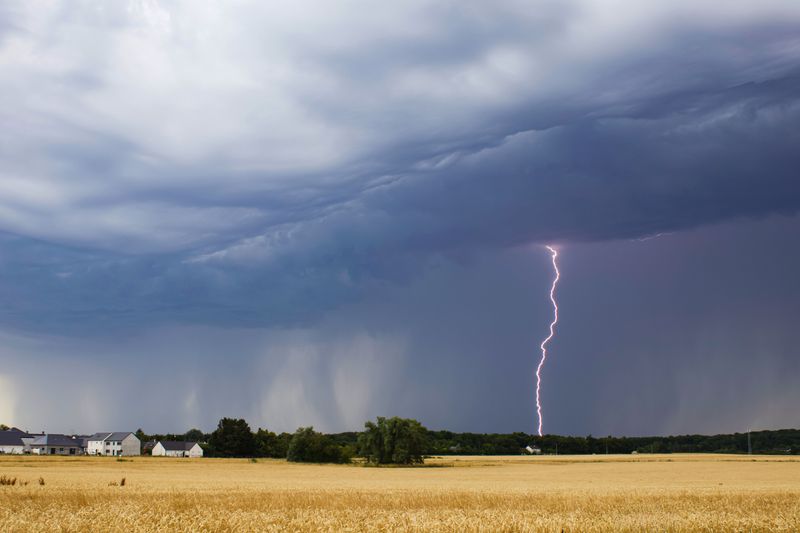
Heavy rain, gusting wind, lightning, and flying debris make yards unsafe during storms. Bring dogs in before the first rumble, not after.
Loud thunder rattles plenty of dogs, prompting pacing, panting, hiding, or attempts to escape a yard.
Set up a quiet retreat in an interior room or closet away from windows. Background music, a favorite blanket, and calm company help more than most owners expect.
15. Flooded Washes Are Off Limits, No Exceptions
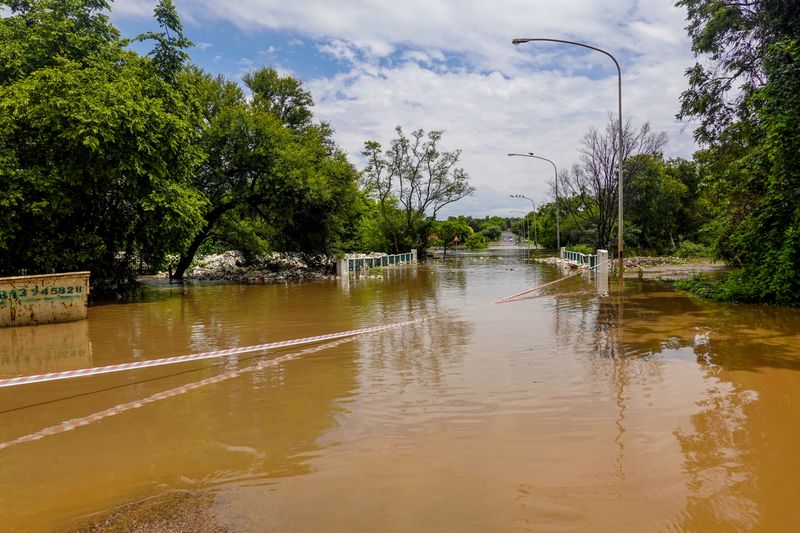
Moving water hides its strength beautifully well. Washes and low-water crossings fill with startling speed during monsoon storms, sometimes from rain falling miles away.
Currents can sweep a dog off their feet in shallow-looking water, and runoff often carries contaminants.
Turn around and find another route instead of testing a crossing. Arizona posts those low-water crossing signs for good reason, and they apply to walkers too.
16. Narrow Canyons Fill Faster Than You Can Walk
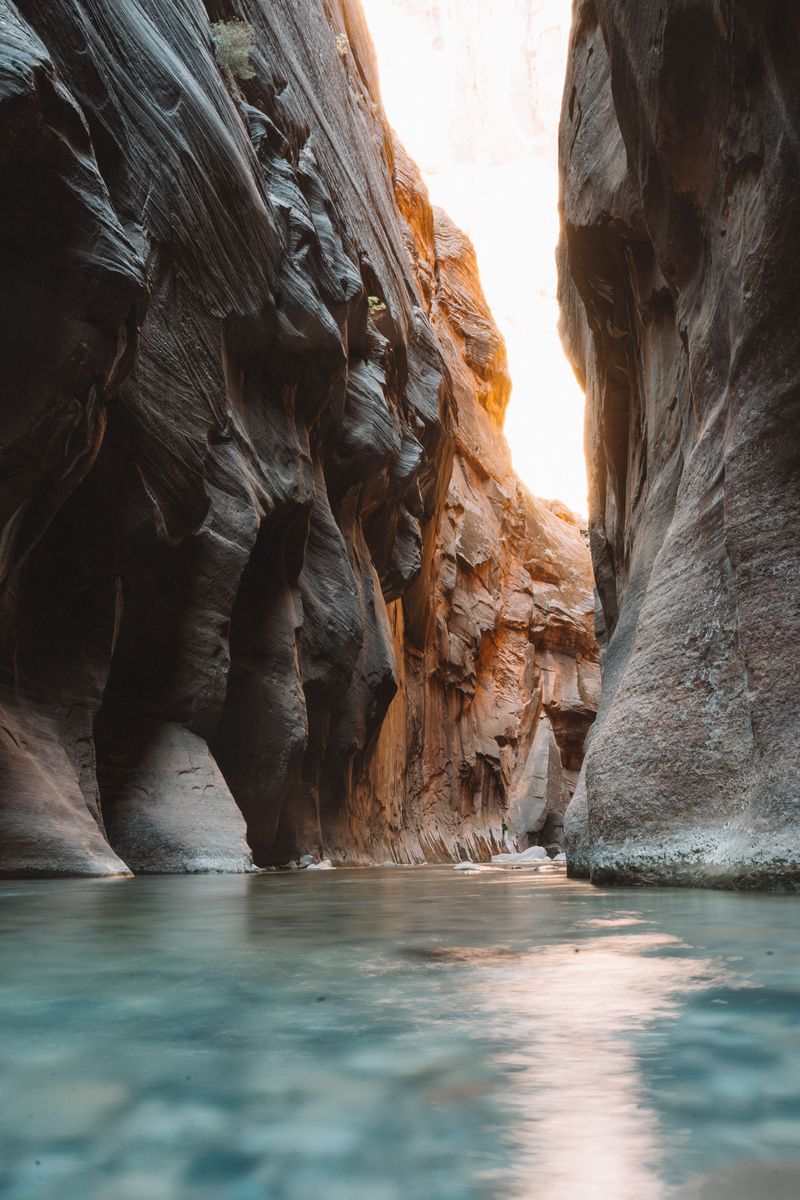
Flash flooding does not need rain overhead. Storms upstream send water racing through drainages, canyons, and narrow washes with very little warning.
Skip those routes entirely whenever storms are active anywhere in the area, even under blue sky above you.
Higher ground and open trails give you options if conditions change. Save the slot canyon exploring for dry stretches outside the monsoon window.
17. Dust Storms Turn Open Walks Into Guesswork
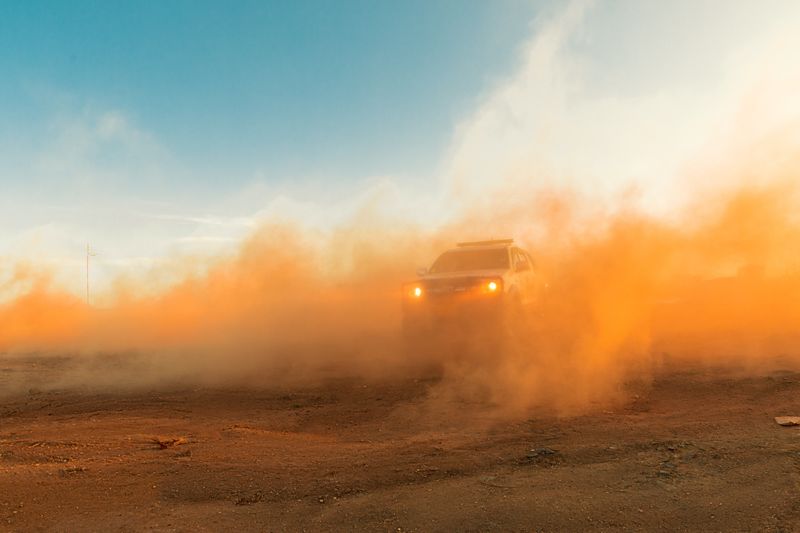
Haboobs arrive as a wall of brown and drop visibility to almost nothing. Winds during monsoon storms frequently hit 30 to 60 miles per hour or more.
Blowing grit irritates eyes and airways, and loose debris becomes a hazard on exposed streets and trails.
Stay home when a dust advisory posts. Indoor games, sniff mats, and short hallway training sessions cover the exercise gap nicely.
18. Javelinas Deserve Distance, Not Introductions
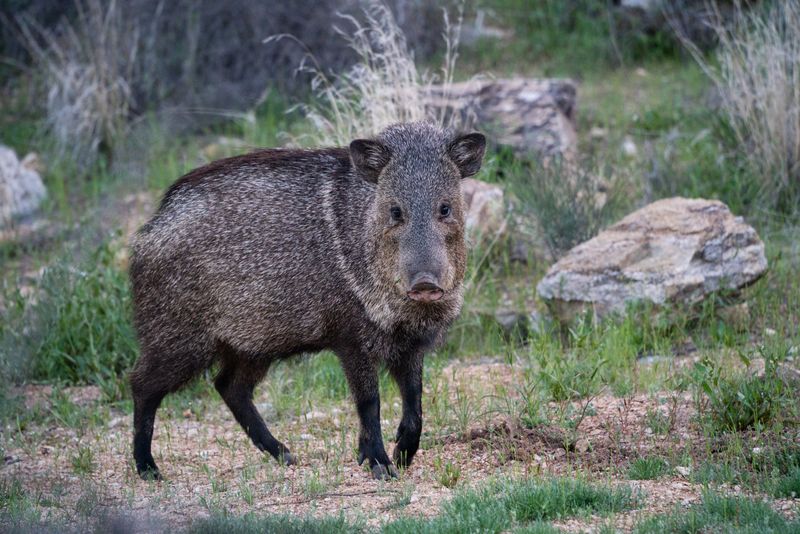
These stocky desert animals view dogs as natural adversaries. Catching a dog’s scent or sound can prompt a defensive reaction, especially if they feel cornered.
Serious injuries to dogs do happen, so avoid approaching and steer your dog away promptly and quietly.
At home, secure garbage and skip leaving pet food or birdseed outdoors. Fewer attractants around the yard means far fewer surprise visits after dark.
19. A Leash Alone Will Not Settle A Javelina Standoff
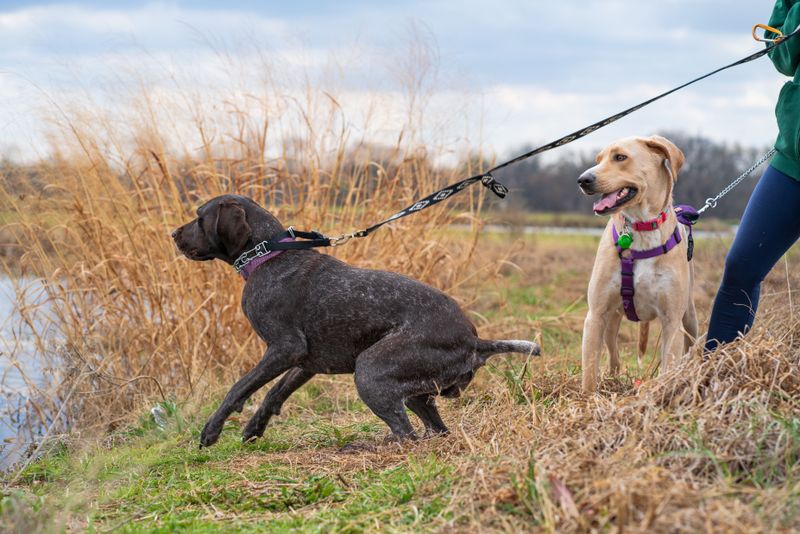
Leashing matters, though it is not a force field. Javelinas habituated to people, particularly those that have been fed, have approached leashed dogs.
Wildlife officials suggest scaring them off by making loud noises, tossing small rocks in their direction, or spraying water.
Put objects between you when possible, like a car, wall, or tree. Then leave the area rather than waiting to see what happens next.
20. Elevation Changes Everything About Your Summer Plans
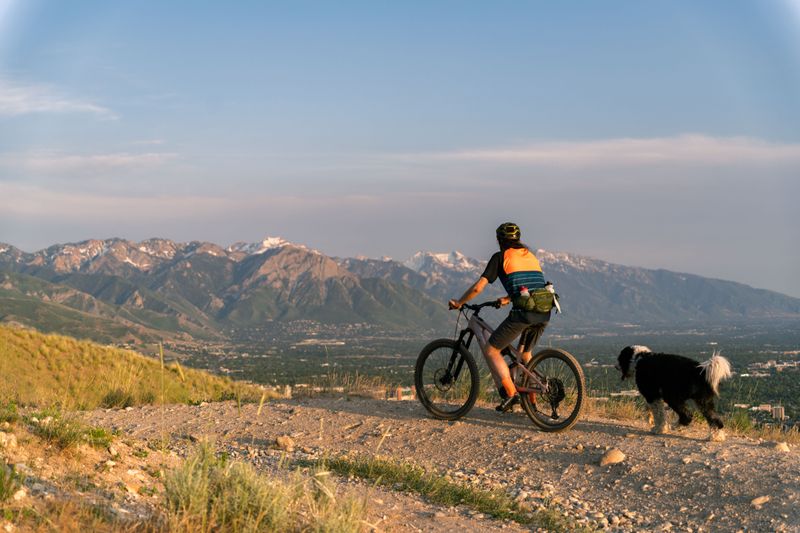
Arizona holds five distinct climate zones, and altitude does the heavy lifting. A blistering Phoenix afternoon can be pleasant hiking weather up around Flagstaff or Prescott.
Driving north for a couple of hours often solves the summer exercise problem entirely.
Adjust your precautions to the elevation, not just the calendar. Know the desert, respect the storms, plan around the heat, and Arizona becomes a wonderful place to share with a dog.