What Arizona Dog Owners Should Know About Valley Fever
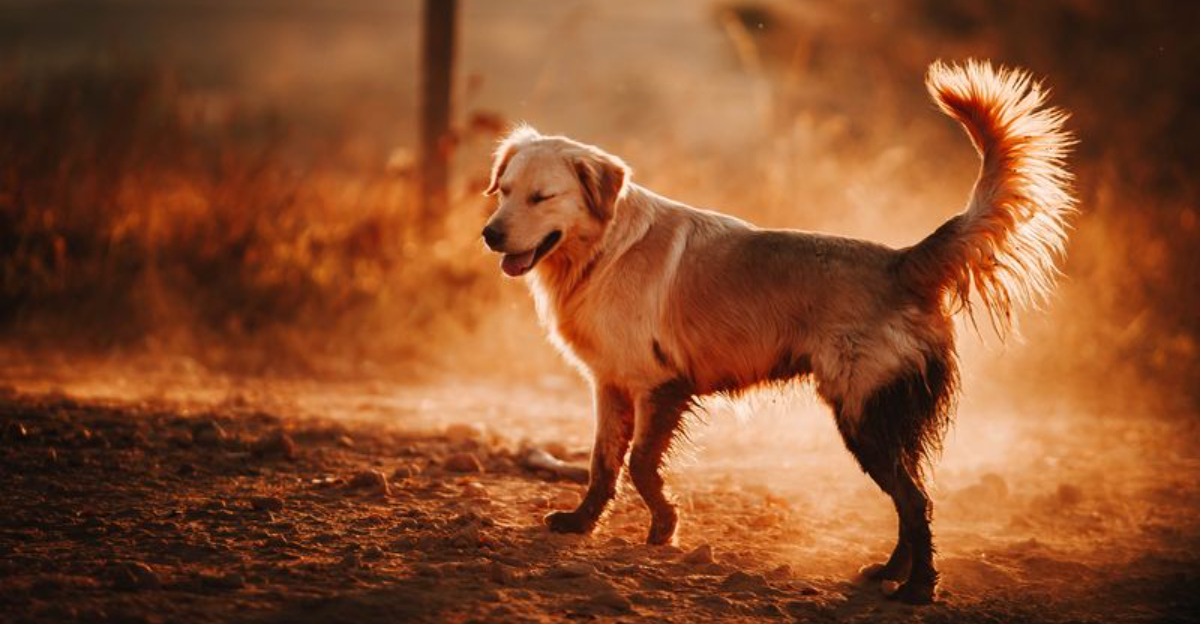
If you live in Arizona and share your home with a dog, valley fever is one of those local topics worth understanding early. It comes up often at dog parks, in vet waiting rooms, and among neighbors who have been through it.
The good news is that knowledge goes a long way here. Valley fever comes from a fungus that lives in desert soil, and dogs can breathe in tiny particles while sniffing, digging, or wandering the yard.
Many dogs exposed to it never become noticeably sick. Others may need veterinary care and a course of medication, and plenty of them do well with proper treatment.
Understanding how exposure happens, what signs to watch for, and when to call your veterinarian puts you in a strong position. Think of this as a friendly rundown from someone who knows the desert and loves dogs.
Nothing here is meant to worry you. The aim is simply to help you notice changes sooner, ask better questions at appointments, and feel steady about the whole subject.
A little awareness now can make a real difference later, and your dog benefits from an owner who pays attention.
Valley Fever Is Especially Relevant In Arizona
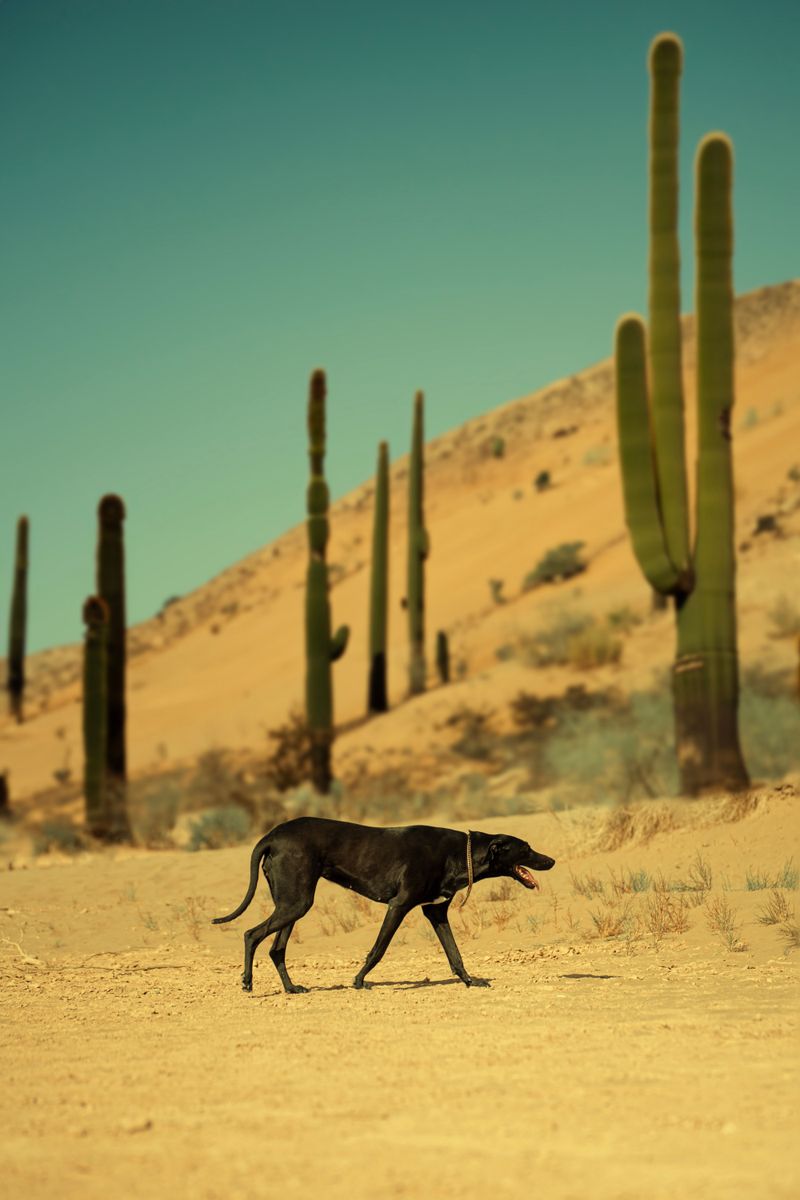
Ask around any Arizona neighborhood and someone will mention valley fever. The infection is caused by a fungus that thrives in the desert Southwest, which puts local dogs in the spotlight.
Dogs explore with their noses close to the ground, so they naturally encounter soil more than we do. Digging, sniffing, and simply lounging outside all count as ordinary exposure opportunities.
Knowing the topic exists is the first practical step toward catching problems early.
The Fungus Lives In The Soil
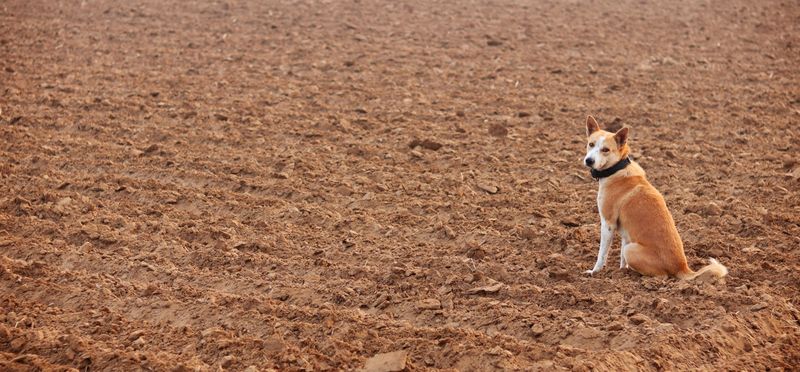
Coccidioides is the name behind valley fever, and it makes its home in certain desert soils. Undisturbed, it stays quietly in the ground.
Once soil gets stirred up by paws, shovels, wind, or construction, microscopic particles can float into the air. A dog nearby may breathe them in without any sign that anything happened.
That is the whole mechanism. No bite, no contact with another animal, just soil and air.
Dusty Conditions Can Increase Exposure
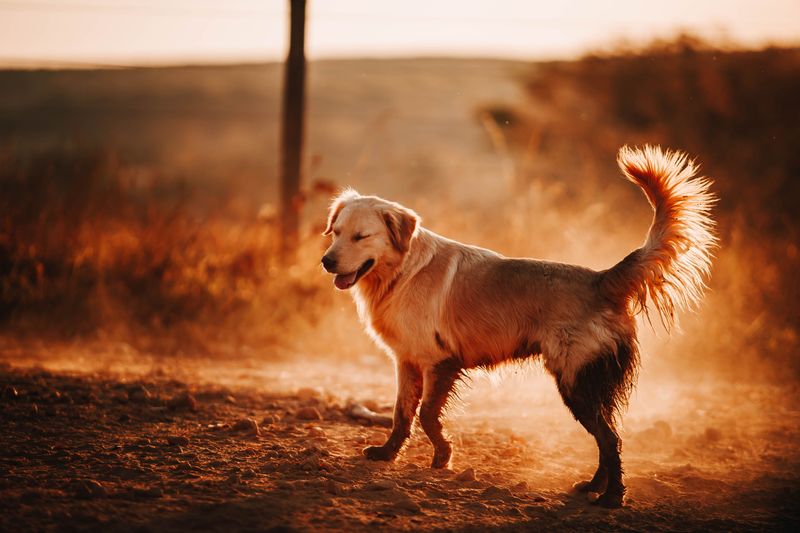
Dust is part of desert life, especially during dry stretches and windy afternoons. Loose, powdery soil lifts easily, and airborne particles travel farther than most people expect.
Dogs that spend long hours outside naturally breathe more of that air. More time outdoors during dusty spells means more chances for contact.
Planning walks for calmer, less dusty parts of the day is a small adjustment that costs you nothing.
Dogs Can Pick It Up Outdoors
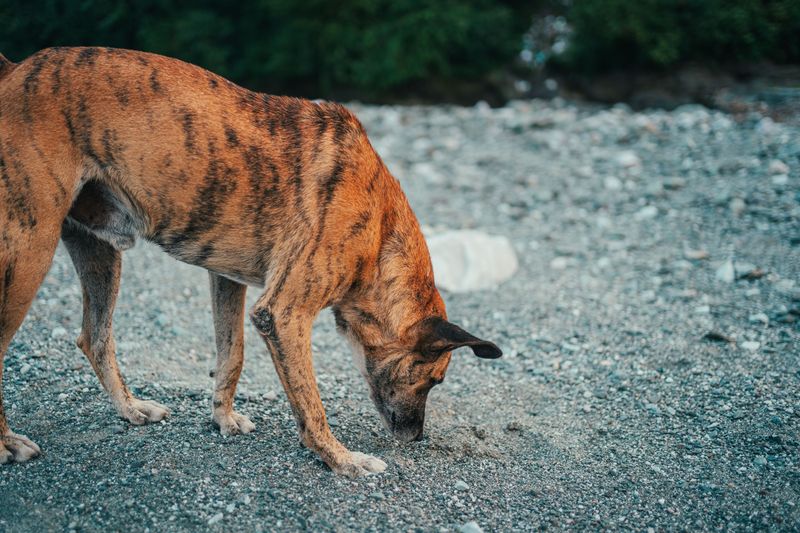
There is no single trail or park to blame. Exposure can happen in a backyard, along a sidewalk, or during a routine sniffing session at the corner.
Ordinary activities are enough: walking, playing fetch, rolling in the dirt, or scratching at a favorite spot.
That may sound unavoidable, and honestly it mostly is. The point is not avoidance, it is awareness of what your dog encounters daily.
Digging Dogs May Face More Exposure
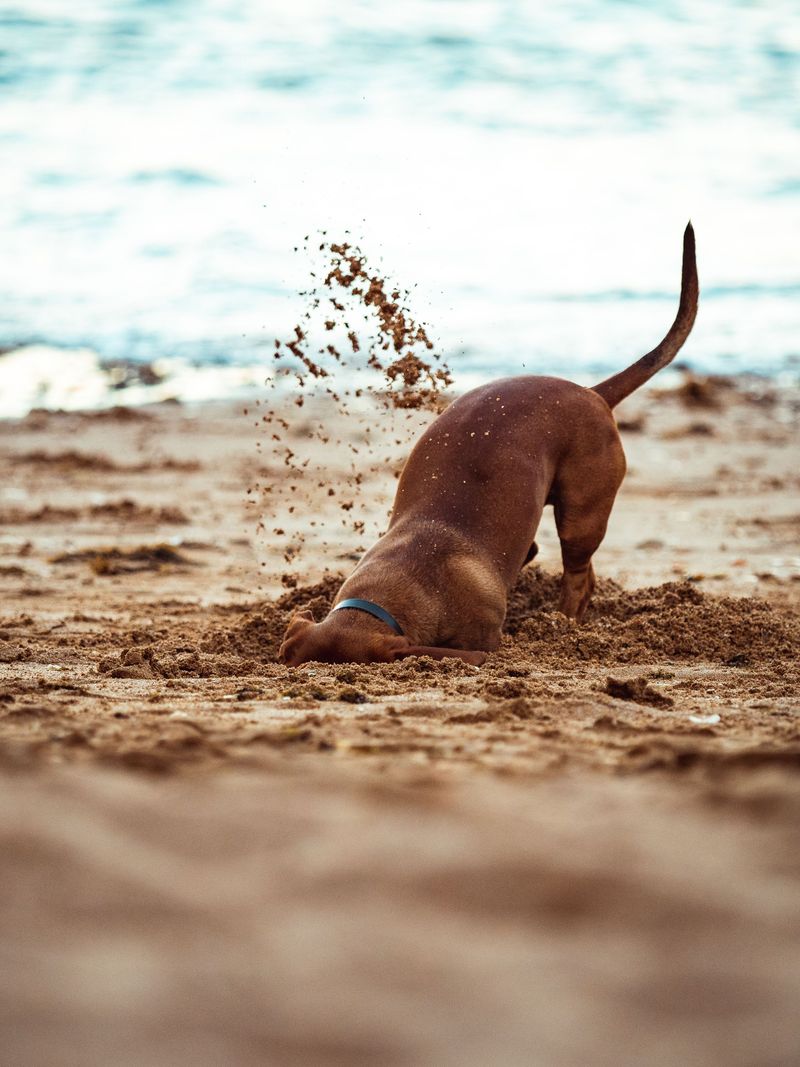
Some dogs treat the yard like a personal excavation project. Terriers especially seem born with shovels for paws.
Digging kicks soil directly into the air right where a dog is breathing hardest. Redirecting that energy helps: try a sandbox filled with clean sand, puzzle toys, or extra walks.
Nobody expects perfection from a determined digger. Reducing the habit a little still lowers unnecessary soil contact.
Valley Fever Does Not Spread Between Dogs
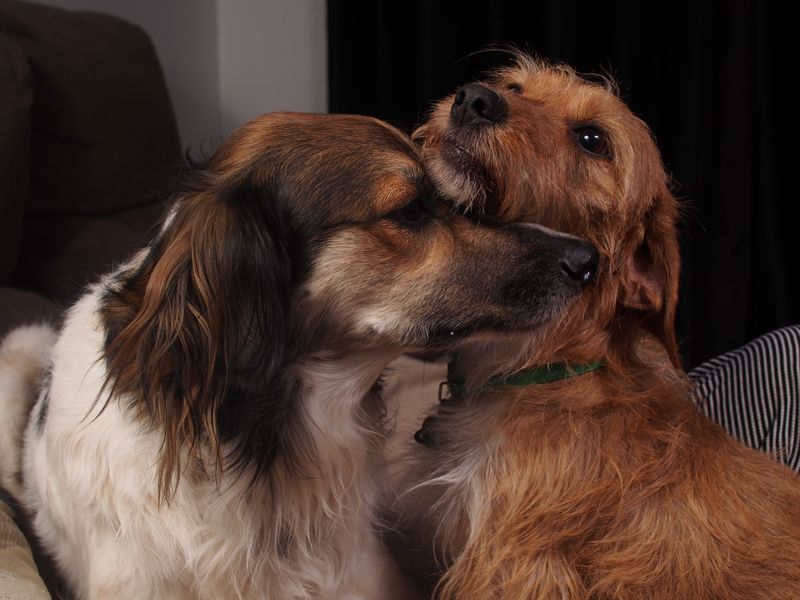
Here is a detail that relieves many multi-pet households. Valley fever is picked up from the environment, not passed from one dog to another.
An affected dog can stay with the family, share the couch, and greet housemates normally. There is no need for isolation in typical cases.
Your veterinarian can confirm this for your situation, but the general rule is reassuring and well established.
Some Dogs Show No Obvious Signs
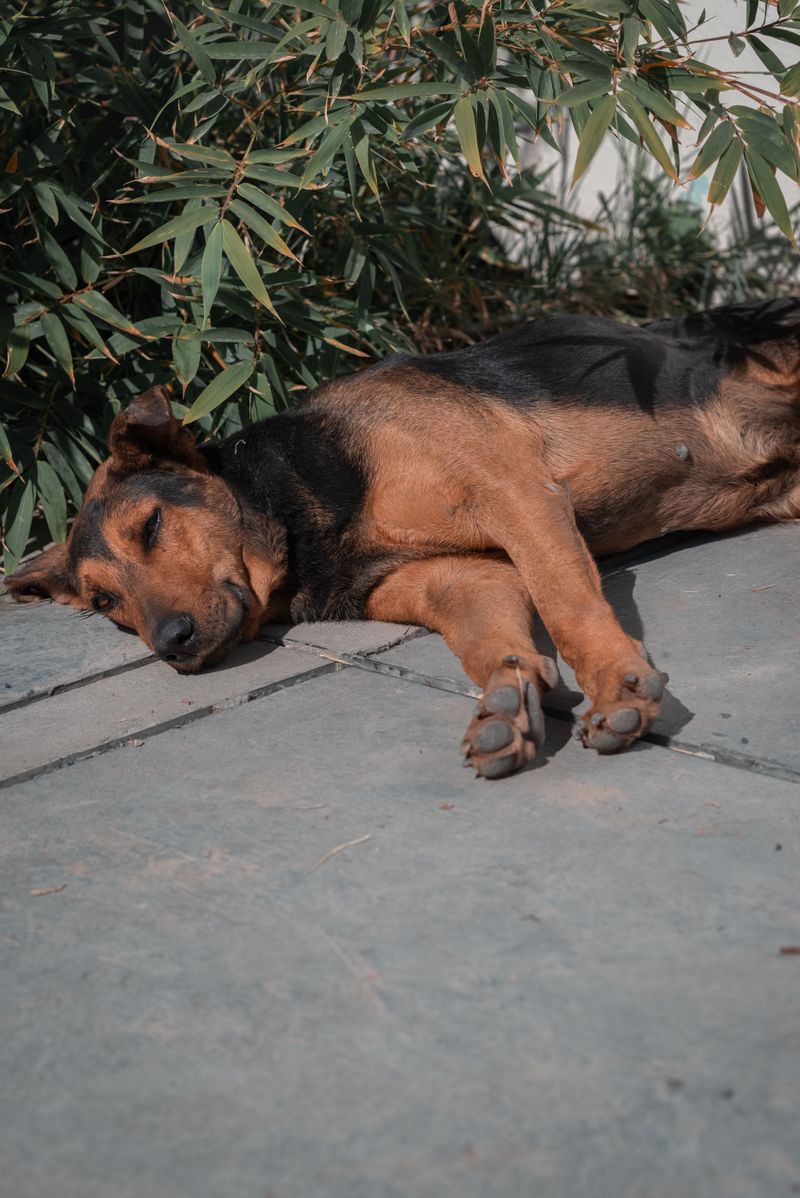
Exposure and illness are not the same thing. Plenty of desert dogs breathe in fungal particles and never seem the least bit off.
Their immune systems handle it quietly. Others develop mild signs that pass, and a smaller number need real veterinary support.
Because outcomes vary so much, guessing rarely helps. Watching your dog’s normal patterns gives you a baseline that makes changes easier to spot.
Coughing Can Be A Warning Sign
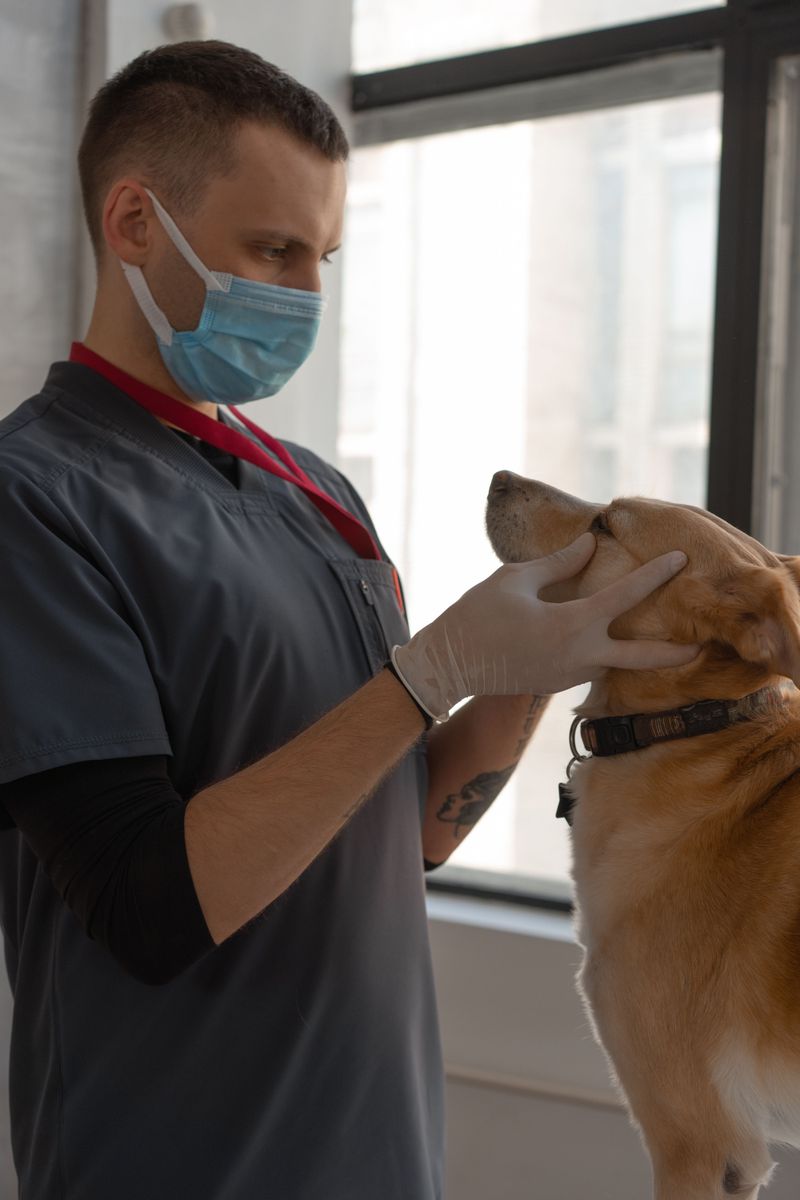
A cough that lingers for weeks deserves a second look. Persistent coughing is among the more commonly noticed signs of valley fever in dogs.
Other breathing changes may show up too, such as tiring quickly or breathing that seems harder than usual after light activity.
Coughs have many causes, from kennel cough to allergies. Still, one that will not quit is worth a phone call to your vet.
Watch For Changes Beyond Breathing
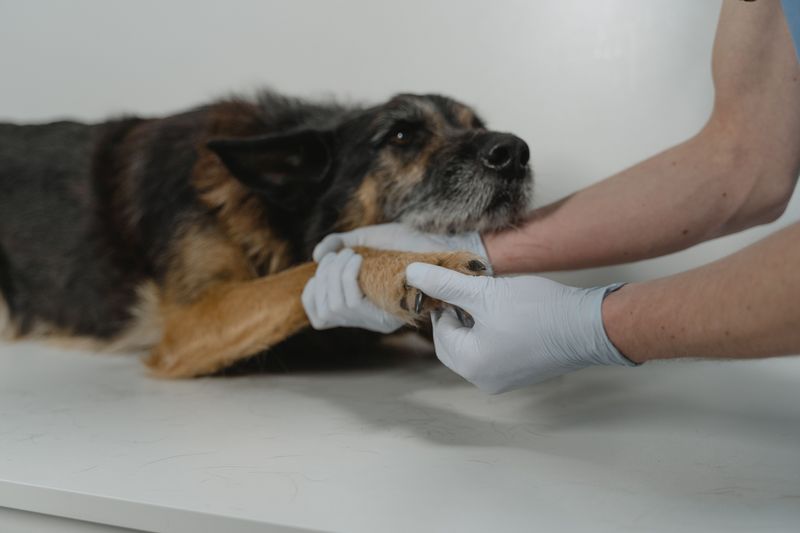
Lungs are the usual starting point, but the infection can sometimes affect other parts of the body. That is why signs are not always respiratory.
Low energy, picky eating, gradual weight loss, fever, or limping can all appear. Some dogs simply seem less interested in their favorite routines.
Trust your instincts when your dog feels different. Owners often notice subtle shifts long before a test confirms anything.
Certain Dogs May Be At Greater Risk
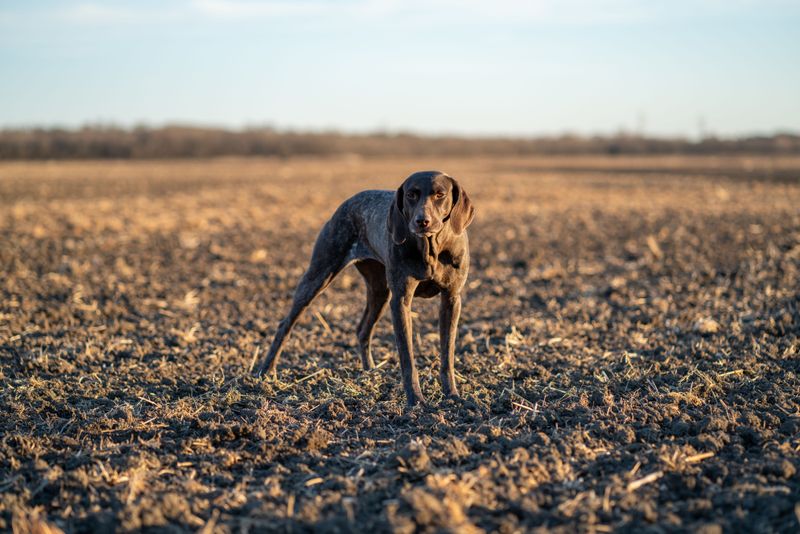
Living in or traveling through the region is really the main factor. Any dog in those areas can potentially be exposed.
Dogs that spend time around disturbed soil, construction, excavation, or blowing dust may have more opportunities to inhale airborne spores.
City dogs are not exempt either. Landscaping projects and windy days bring stirred soil into plenty of urban neighborhoods too.
Puppies May Need Extra Attention

Young dogs are still building their defenses, and their immune systems have less experience overall. That makes close observation worthwhile.
Puppies also explore with everything they have, chewing dirt and digging with cheerful abandon. More soil contact simply comes with the territory.
If a puppy has a cough that hangs on, seems unusually tired, or stops growing steadily, mention it at the next visit.
A Veterinarian Can Help With Diagnosis

Symptoms alone will not settle the question. Valley fever can look a lot like other respiratory or whole-body conditions.
Veterinarians piece things together using your dog’s history, a physical exam, blood work, and sometimes imaging or additional testing. Your notes about travel and outdoor habits genuinely help.
Bringing a short timeline of what you noticed and when makes the appointment more productive for everyone involved.
Treatment Often Requires Antifungal Medication

Once a diagnosis is made, antifungal medication is commonly the backbone of treatment. Your veterinarian selects the drug and dose based on your individual dog.
Length of treatment varies widely, and some dogs stay on medication for many months. Follow-up visits guide any adjustments.
Never share medication between pets or change amounts on your own. Dosing decisions belong with the veterinarian who examined your dog.
Recovery Can Take Time
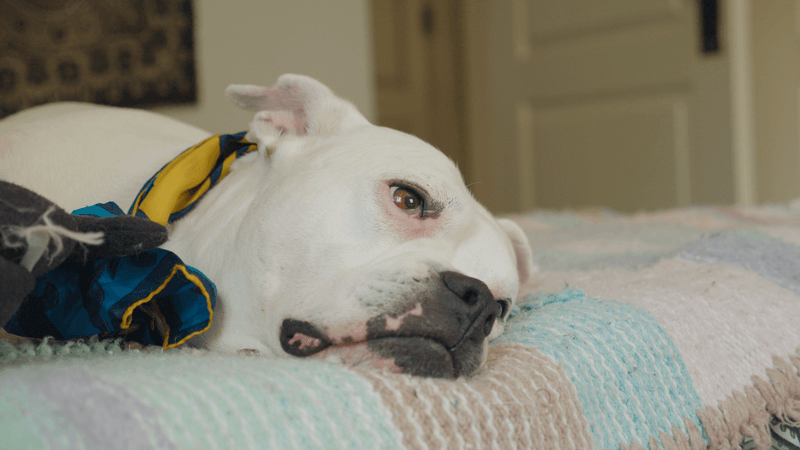
Patience becomes part of the plan. Many dogs improve steadily, though progress can feel slow week to week.
Keep giving medication exactly as directed, even when your dog seems bright and back to normal. Stopping early is a common misstep.
Recheck appointments and repeat testing help your veterinarian decide when treatment can safely end. Consistency at home does most of the heavy lifting.
Outdoor Habits Can Help Reduce Exposure
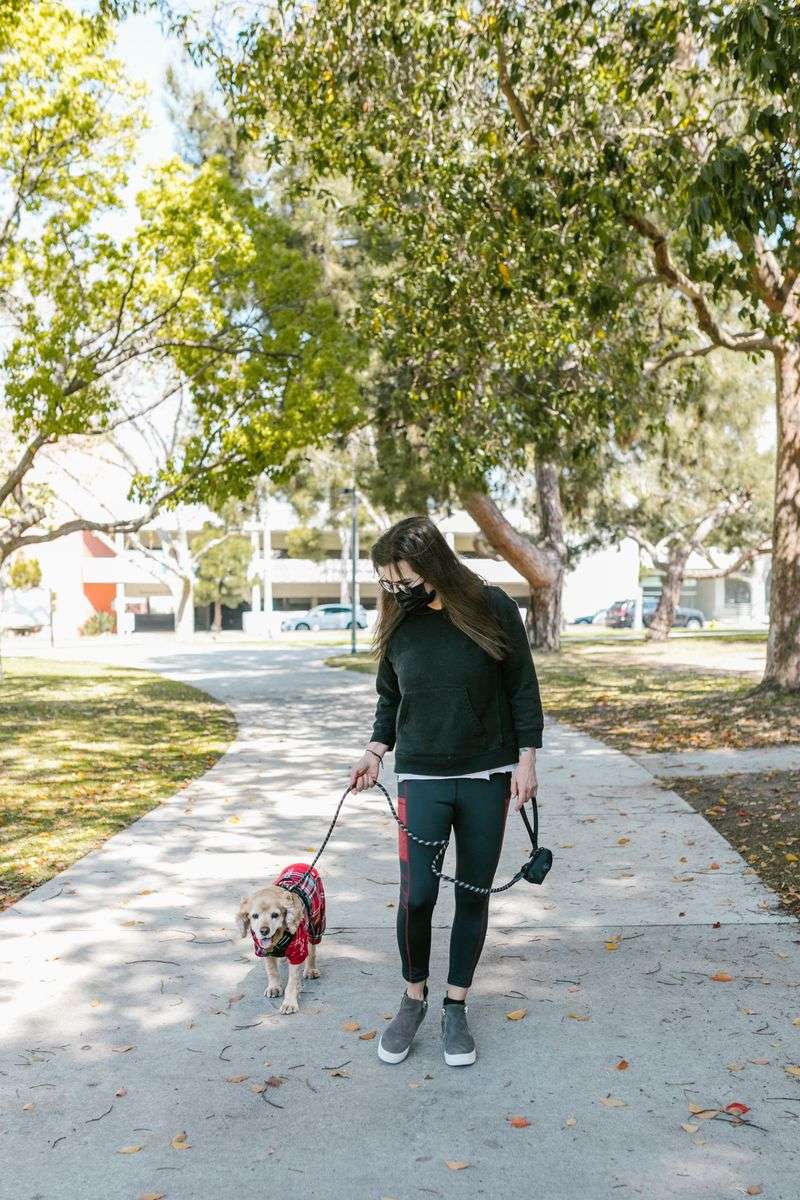
Completely avoiding desert soil is not realistic, and no one should feel guilty about that. Reasonable steps still count.
Sticking to paved paths, discouraging heavy digging, and skipping walks during peak dust can all trim contact with airborne particles.
Some owners also keep gravel or ground cover over bare dirt in the yard. Little choices add up without turning life into a project.
Indoor Air Can Be A Useful Refuge During Dusty Weather
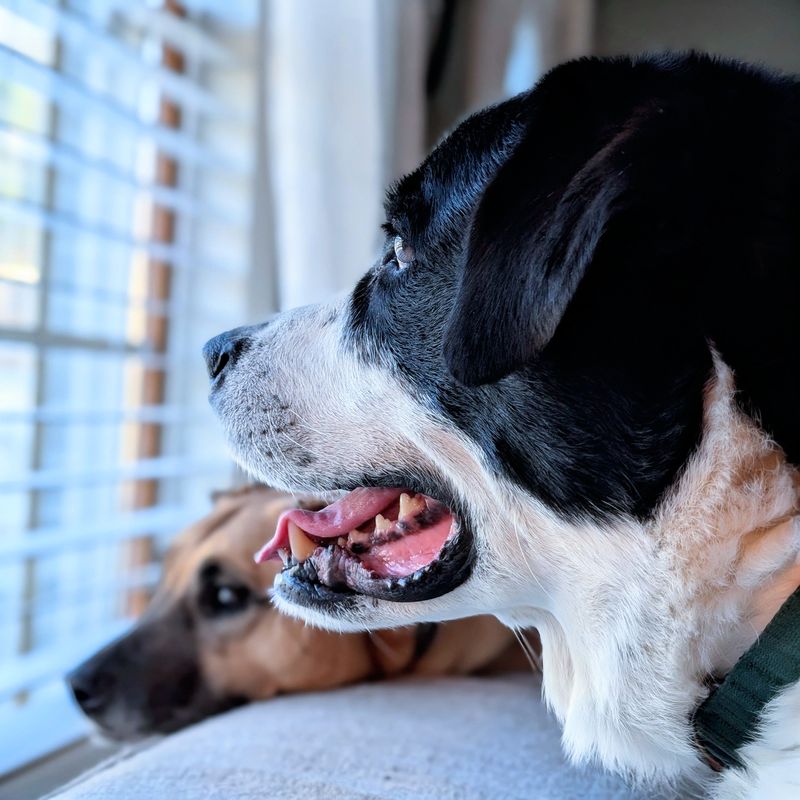
When the sky turns brown and the wind picks up, indoors is the better address. Bringing dogs inside during dust storms cuts down on what they breathe.
Closed windows and running air conditioning help keep indoor air cleaner during those hours.
Plan a few indoor games for those afternoons. A snuffle mat or short training session burns energy without a trip outside.
Travel Can Also Mean Potential Exposure

Road trips through the Southwest can pass through areas where the fungus is present. Exposure does not require an Arizona address.
If your dog develops unexplained signs weeks or even months after traveling, mention the trip. Timelines matter more than people realize.
Keep a simple note of destinations and dates on your phone. That small habit can meaningfully shorten the diagnostic guessing game later.
Awareness travels well.