What Colorado Dog Owners Should Know About Abandoned Mine Openings And Tailings
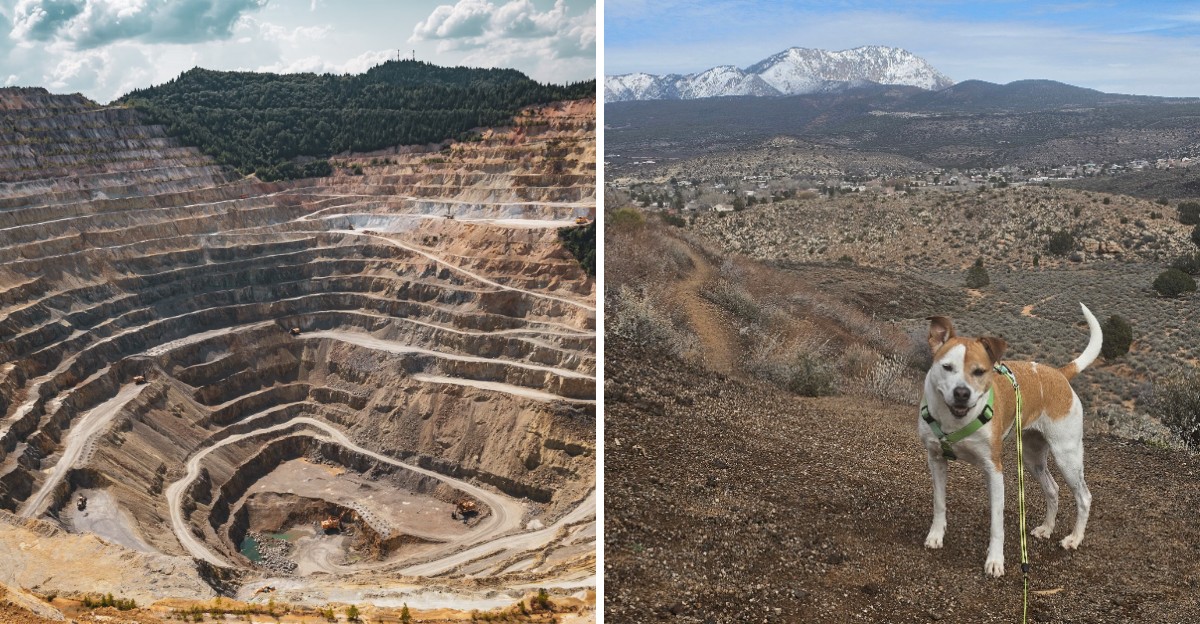
Colorado’s mining history adds character to many mountain walks, but some old workings need a little extra space. If you hike with your dog, knowing what to avoid helps keep those outings relaxed and enjoyable.
Mine openings, waste piles, and nearby water can pose risks that are not always easy to spot. A few simple habits can help you choose safer routes and handle unexpected finds with confidence.
1. Why Abandoned Mine Openings Are Dangerous for Dogs
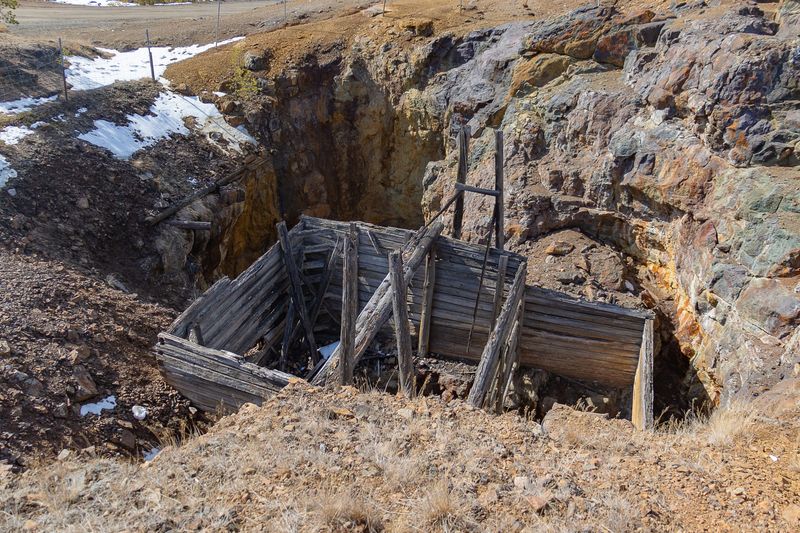
A curious nose can lead a dog toward places that look like ordinary hillside hollows. Abandoned mine openings may conceal steep drops, loose edges, or unstable supports.
Underground spaces can also contain unsafe air that people cannot judge by smell. Never enter one, even briefly, to investigate.
Give openings plenty of space and keep your dog beside you. If the route approaches disturbed ground, turn around rather than testing whether the surface will hold your weight.
2. Keep Dogs Leashed Near Historic Mining Areas
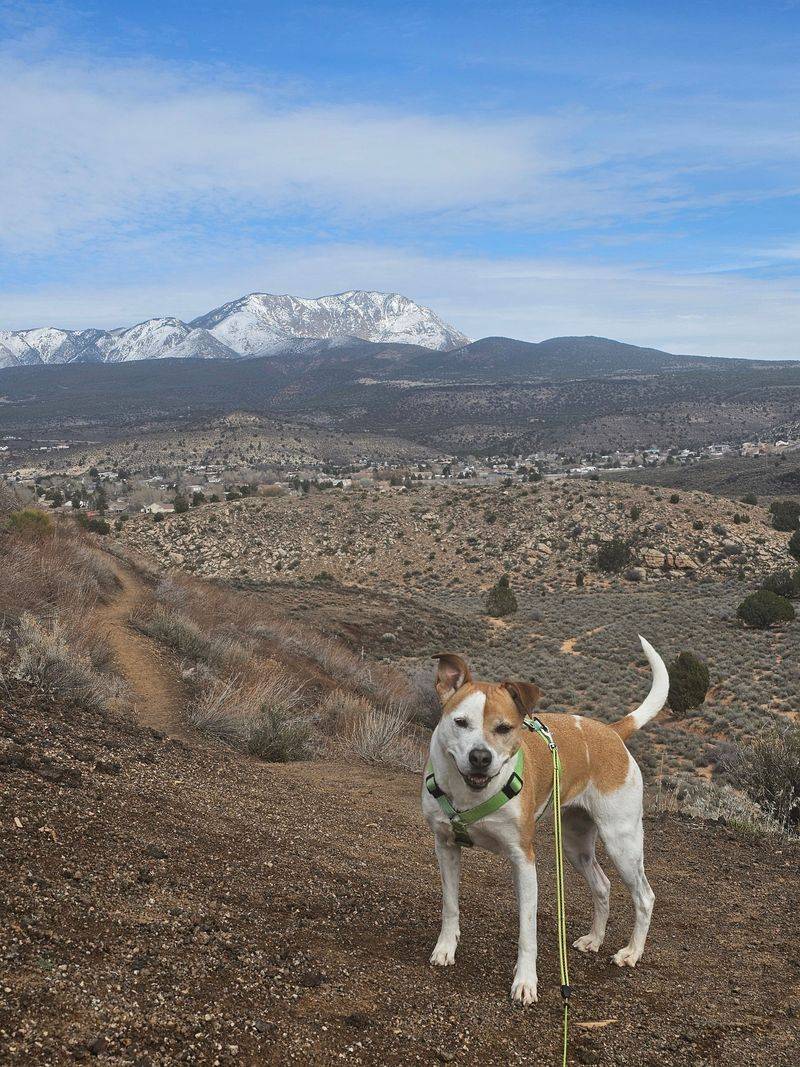
Your leash is a simple way to prevent a quick detour toward trouble. Use a sturdy, fixed leash near historic workings, keeping your dog close enough to guide.
Avoid giving extra roaming distance beside rubble, brush, or old structures. Check that the collar or harness fits securely before leaving home.
Leash requirements vary by land manager and location. Follow posted rules, and choose restraint around mine hazards even where off leash walking is otherwise permitted locally.
3. Watch for Openings Hidden by Grass and Brush
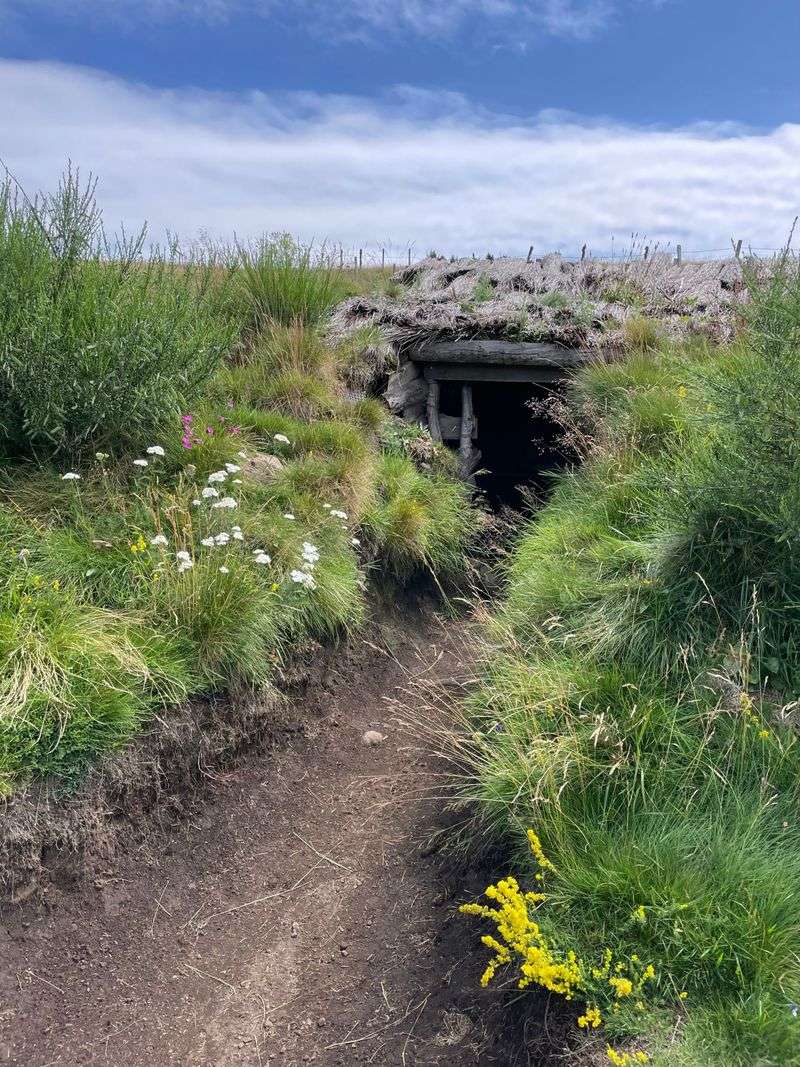
A patch of grass does not always mean solid ground beneath it. Vegetation, fallen branches, and seasonal snow can hide openings or weakened ground around old workings.
Keep your dog from pushing through brush beside mining ruins. Scan ahead for depressions, unusual gaps, and changes in the hillside.
Never poke around to confirm what you found. Step back along your known route, mark the general location safely, and share your concern with the responsible land manager.
4. Recognize the Risks of Old Mine Shafts and Tunnels
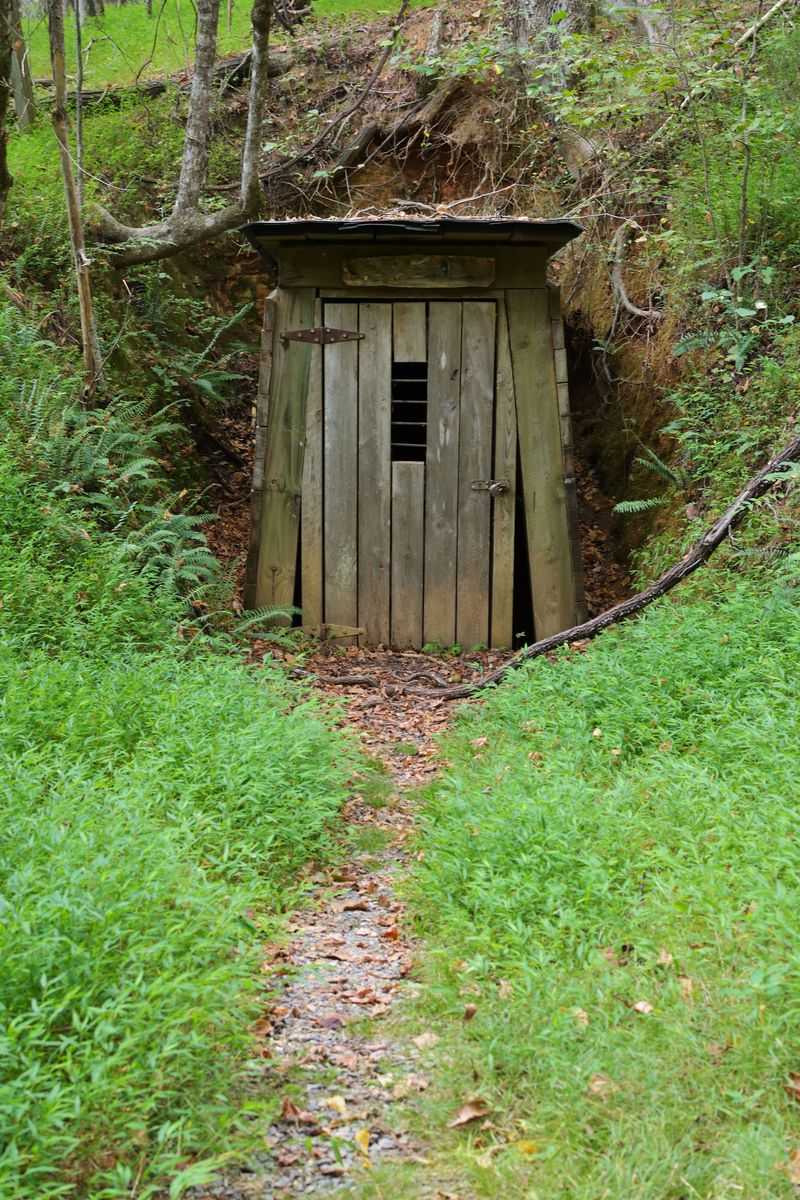
Not every mine entrance looks like a hole pointing straight down. A shaft usually descends steeply, while an adit enters a hillside more horizontally.
Both deserve the same cautious response: stay outside and keep your dog away. A tunnel floor may hide openings, water, or loose material farther inside.
Cool air and shade can attract dogs during warm hikes. Offer a shaded rest somewhere else, rather than treating an old entrance as a convenient resting spot.
5. Understand the Dangers of Mine Tailings
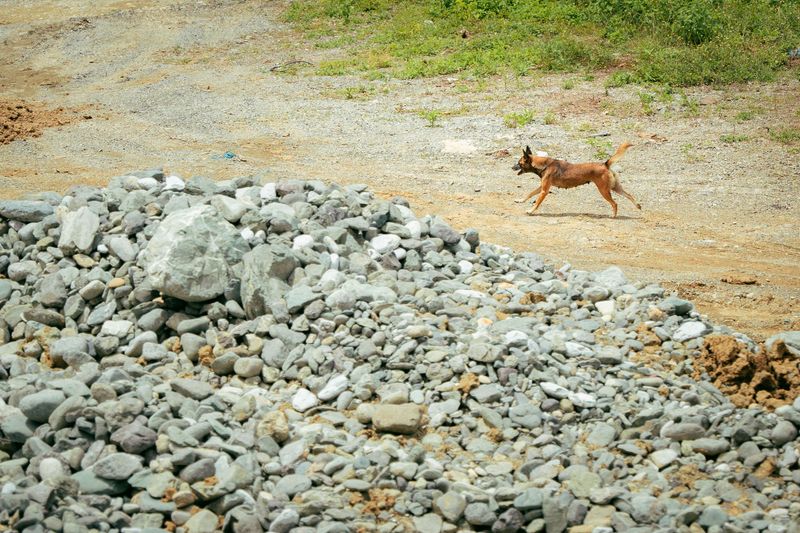
Those pale piles may be more than ordinary mountain dirt. Tailings are leftovers from processing ore, while waste rock comes from material removed during mining.
Depending on the site, either may contain metals such as lead or arsenic. Dust and swallowed soil can create exposure concerns for dogs.
Do not let your companion dig, roll, or play fetch there. Appearance alone cannot tell you whether material is contaminated, so choose undisturbed ground for breaks and games.
6. Prevent Dogs From Drinking Contaminated Water
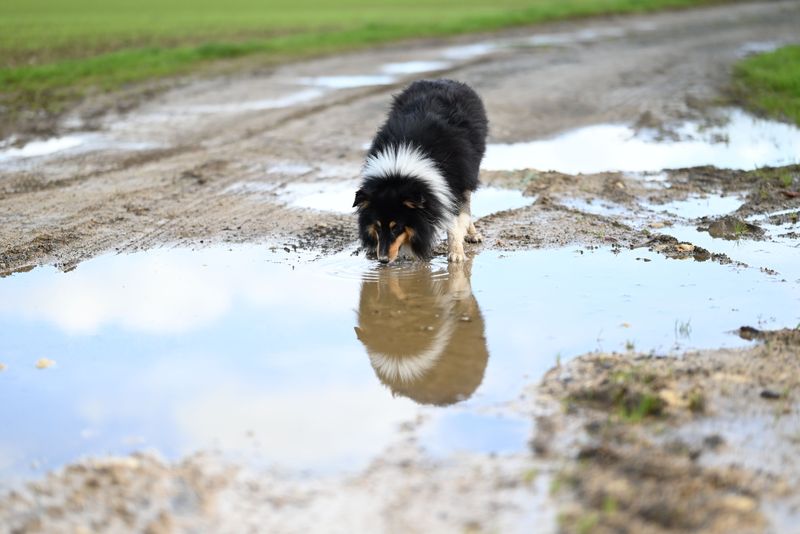
Clear water can still carry dissolved contaminants from mining activity. Orange staining may suggest mine drainage, but color alone cannot establish whether water is safe.
Carry drinking water and offer it before your dog starts searching for puddles. Avoid streams, seeps, and pooled water around mine sites.
Ordinary backpacking filters do not reliably remove dissolved metals. If your dog drinks questionable water, contact your veterinarian for advice and describe the location, timing, and any symptoms observed.
7. Know Which Colorado Areas Have Historic Mine Hazards
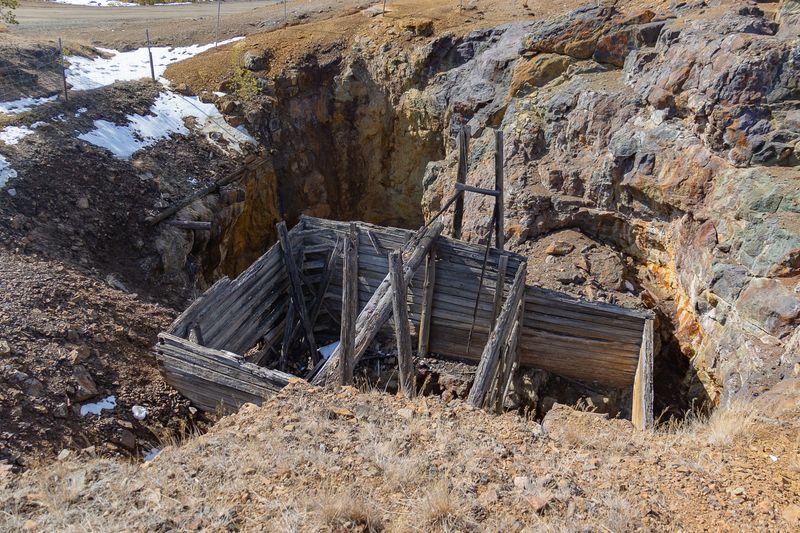
Colorado’s mining past reaches well beyond a single famous town. Historic workings occur around Leadville, Central City, Idaho Springs, Silverton, Ouray, and many other communities.
That does not make every local trail unsafe or every hillside contaminated. Conditions differ between individual sites, even within one mining district.
Use Colorado’s Division of Reclamation, Mining and Safety resources alongside current land manager information. Ask about your specific route rather than relying on a town’s reputation or an old photograph.
8. Treat Old Mine Structures as Off-Limits
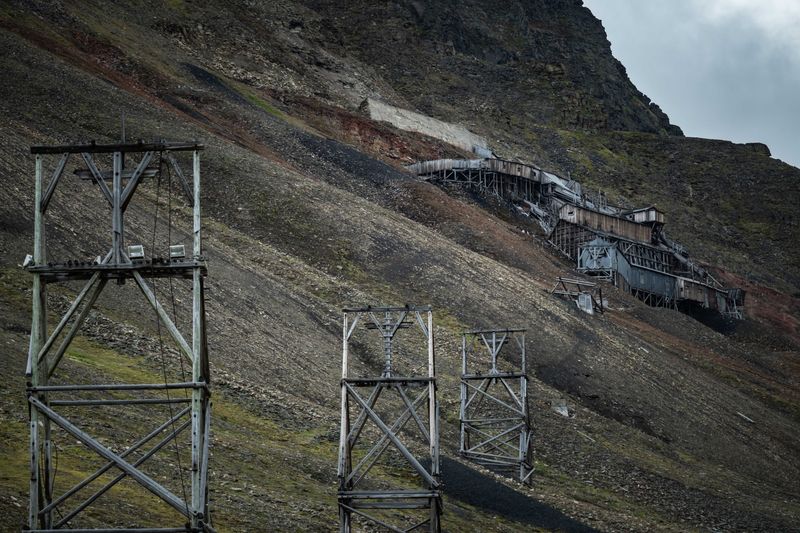
Weathered cabins and rusted machinery make interesting photographs from a distance. Up close, old mine structures may have weak floors, exposed nails, or shifting timbers.
Keep paws off platforms, tracks, chutes, and abandoned equipment. Never climb a structure to get a better view or position your dog for pictures.
Some preserved mining attractions offer designated visitor routes. Follow their rules and pet policies, which differ from unrestricted access to abandoned buildings on surrounding public or private land.
9. Check Trail Information Before Setting Out
A few minutes of planning can save an awkward turnaround later. Read current notices from the agency managing your chosen trail, including closures and pet restrictions.
Look for references to mining activity, restoration work, or contaminated areas. Recent visitor reports may add context, but they should not replace official guidance.
If information seems unclear, call the ranger office or local land manager. Ask whether the route passes mine openings and whether another dog friendly option avoids them.
10. Understand That Fences and Warning Signs Have Limits
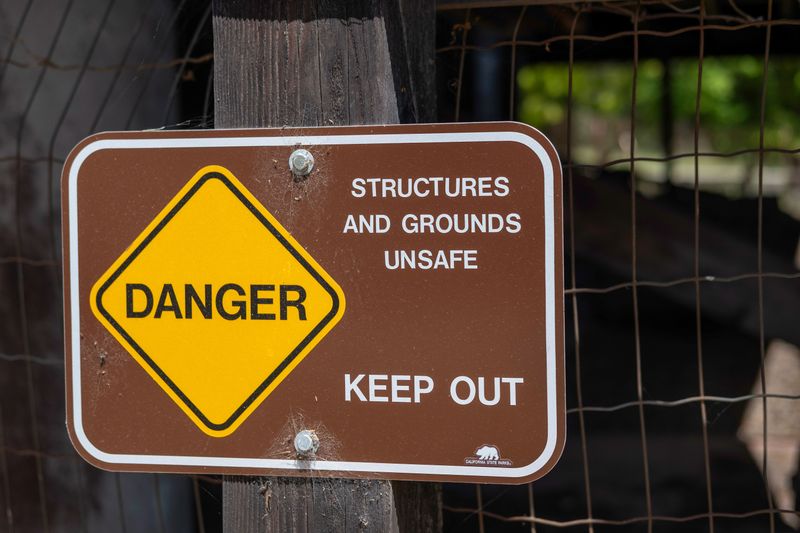
No warning sign does not mean an area has been checked. Some abandoned workings remain unmarked, and weather can damage barriers or cover posted notices.
Respect fences, gates, grates, and closures without testing their strength. Keep your dog from squeezing underneath or stepping onto a protective cover.
A barrier also does not guarantee that nearby ground is stable. Stay on the designated route and report damage rather than approaching closely to inspect or repair it yourself.
11. Protect Your Dog From Loose Rock and Unstable Ground
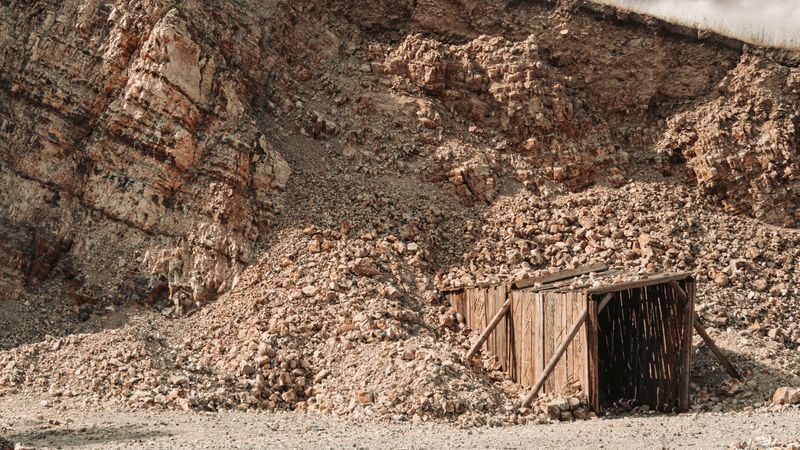
Loose rubble can shift under paws without much warning. Spoil piles, steep banks, and eroded edges are poor places for exploring or taking a shortcut.
Choose firm trail surfaces and avoid walking directly below unstable slopes. After heavy rain or snowmelt, conditions may change even on familiar routes.
Boots may help protect paws from sharp stones, but they cannot make unstable ground safe. Turn back whenever you cannot keep both yourself and your dog on reliable footing.
12. Know What to Do if Your Dog Falls Into an Opening
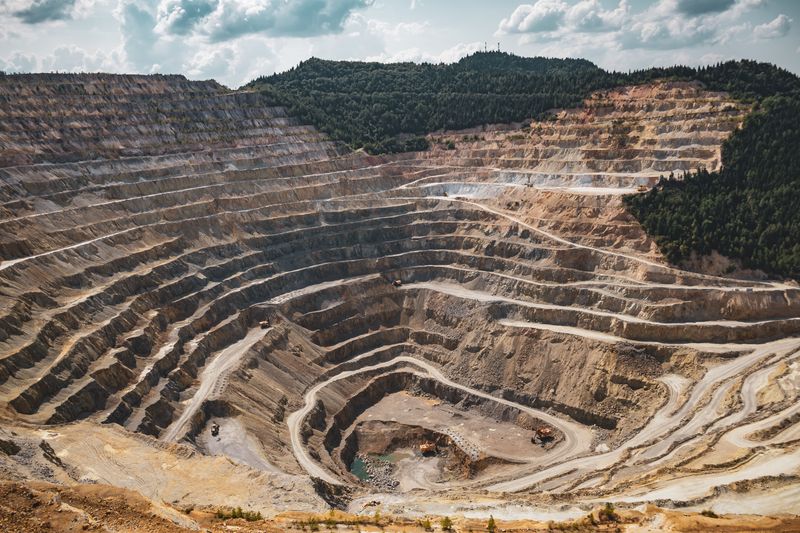
Pause before moving toward the edge, even when instinct says hurry. Do not enter the opening, climb down, or lean over unstable ground.
Call 911 and explain that a dog is involved in a mine incident. Share coordinates, trail access, and what you can observe safely.
Let dispatchers coordinate appropriate help and follow their instructions. Keep other people and animals back, conserve phone power, and understand that rescuers must assess conditions before deciding what is possible there.
13. Recognize Possible Signs of Contaminant Exposure
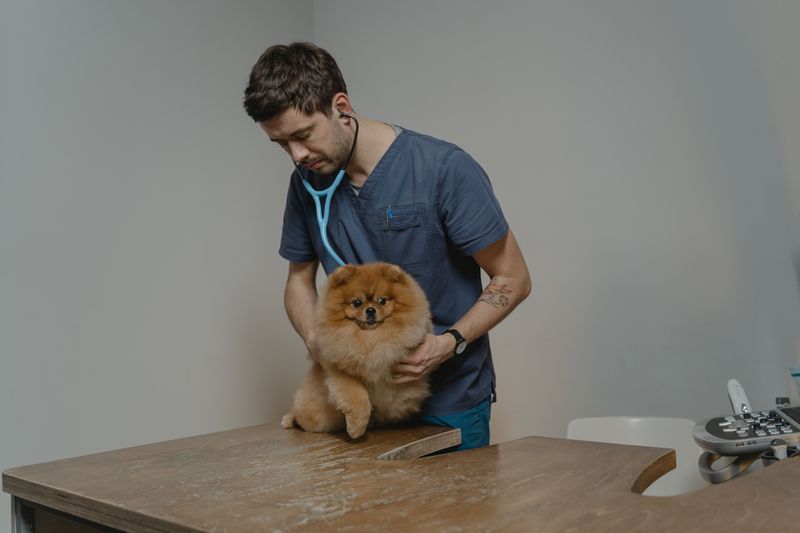
A dog may seem fine immediately after contacting questionable material. Some effects develop later, and symptoms depend on the substance, amount, and type of exposure.
Vomiting, diarrhea, unusual tiredness, weakness, or appetite changes warrant veterinary advice. Tremors, collapse, or breathing trouble require urgent care.
Call your veterinarian or an animal poison service when exposure is suspected. Do not induce vomiting or give home treatments unless directed, and share photos rather than collecting potentially contaminated samples yourself nearby.
14. Clean Your Dog After Visiting a Mining Area
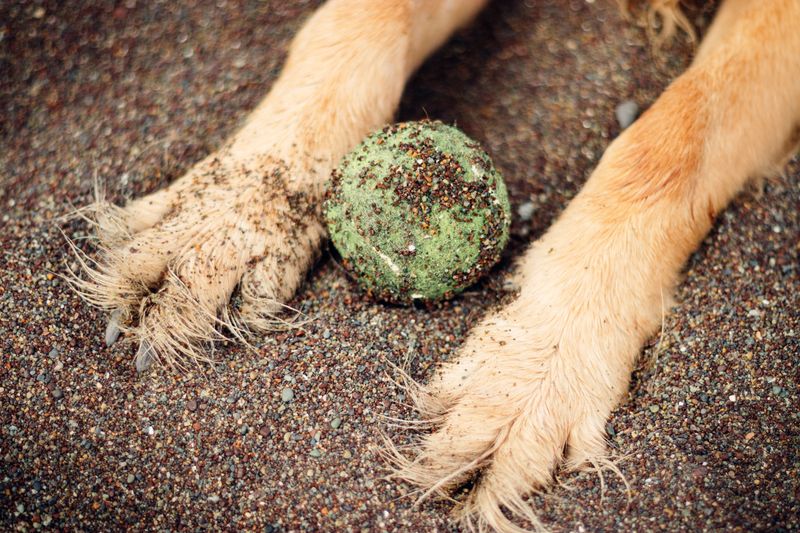
Dust can travel home on paws, fur, and hiking gear. Before your dog starts grooming, check for residue and gently wash dirty areas with clean water.
Use gloves when contamination is suspected, and prevent licking during cleanup. Ask your veterinarian about suitable washing steps after a known exposure.
Avoid brushing dusty fur indoors or letting children handle dirty equipment. Clean your own footwear too, and remember that washing cannot reverse material your dog has already swallowed earlier.
15. Keep Children and Dogs Away From Mine Waste Piles
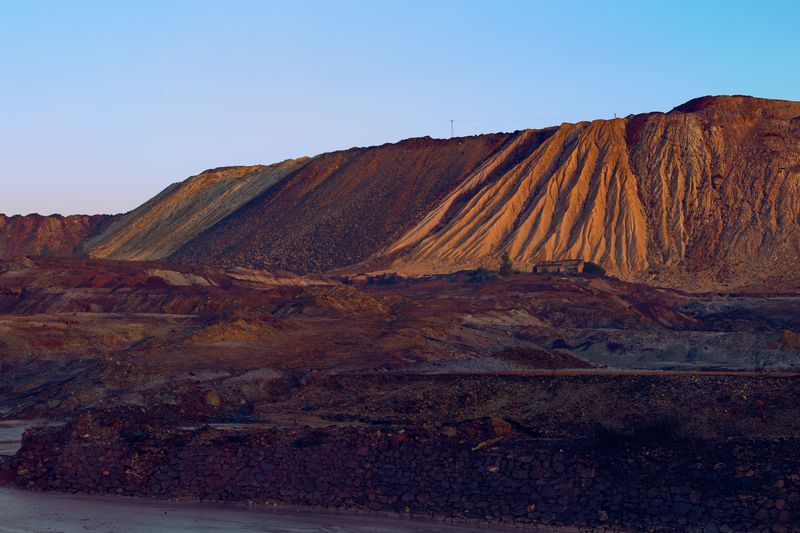
A sandy mound can look like the perfect place to play. Around old mines, however, digging and sliding can spread dust or bring contaminated soil onto hands.
Choose picnic and play spots away from tailings and waste rock. Keep snacks, toys, and water bowls off questionable ground.
Supervise children and dogs together, since each may encourage the other’s exploring. Wash hands before eating, and explain the boundary simply: old mine piles are for leaving alone, not playing.
16. Choose Established Trails Instead of Exploring Mine Ruins
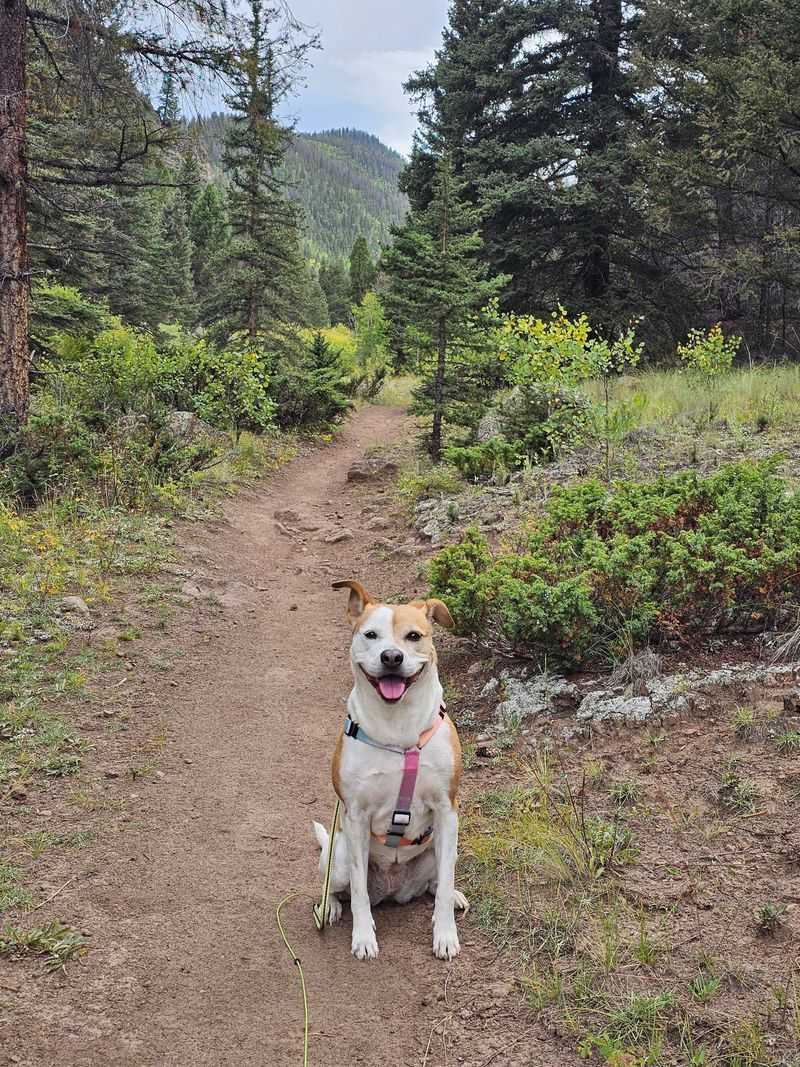
The best view rarely requires following a faint path toward ruins. Established routes help you avoid unnecessary contact with disturbed ground and preserve fragile historic sites.
Still, a maintained trail is not a promise that nearby workings are safe. Stay within its marked route and obey any detours or closures.
If your dog enjoys sniffing adventures, pick a different stretch for relaxed exploration. Meadows and designated recreation areas can offer interest without adding a visit to mine remains.
17. Report Unmarked Mine Hazards to the Appropriate Land Manager
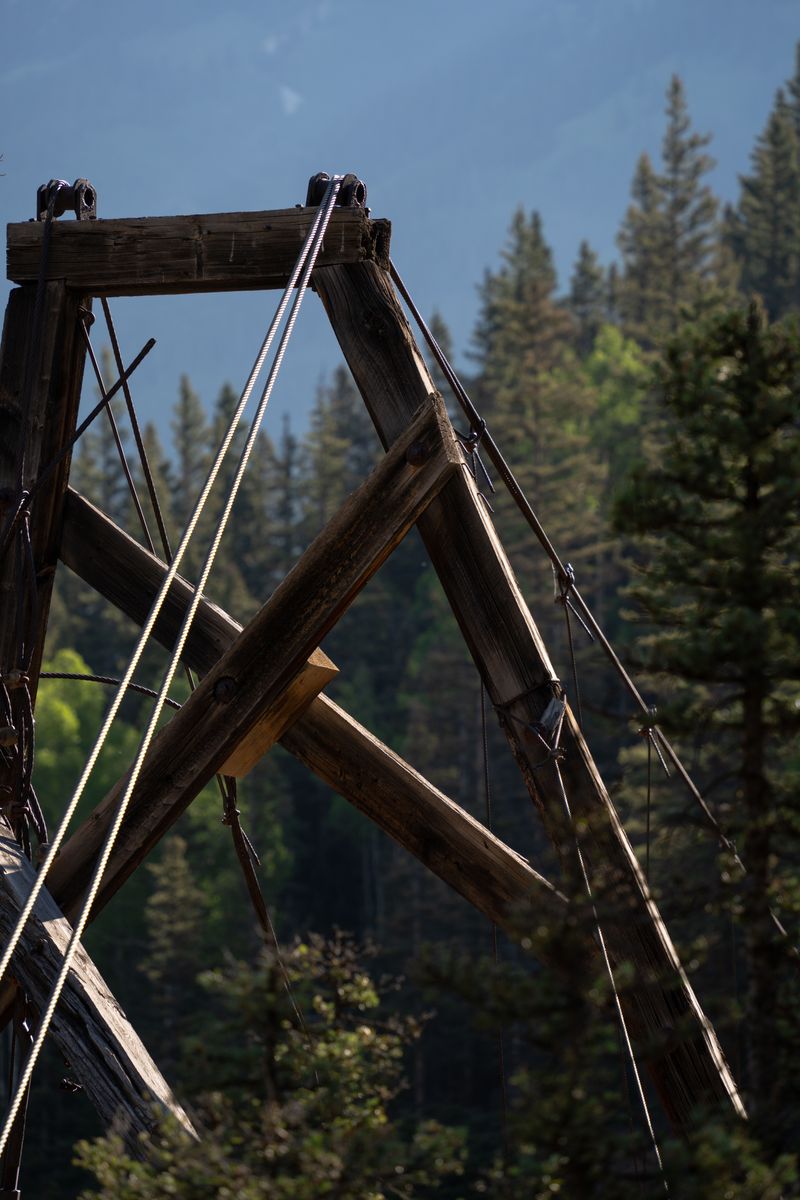
Your careful report can help the next visitor make better choices. From a safe location, record coordinates, the trail name, and a brief description.
Contact the responsible land manager, such as the Forest Service, Bureau of Land Management, or local parks department. Colorado’s abandoned mine program can also provide guidance.
Include a distant photo only if taking it requires no approach. For immediate danger, call 911 rather than waiting for a routine report to reach staff later.
18. Prepare for Remote Areas Before Leaving Home
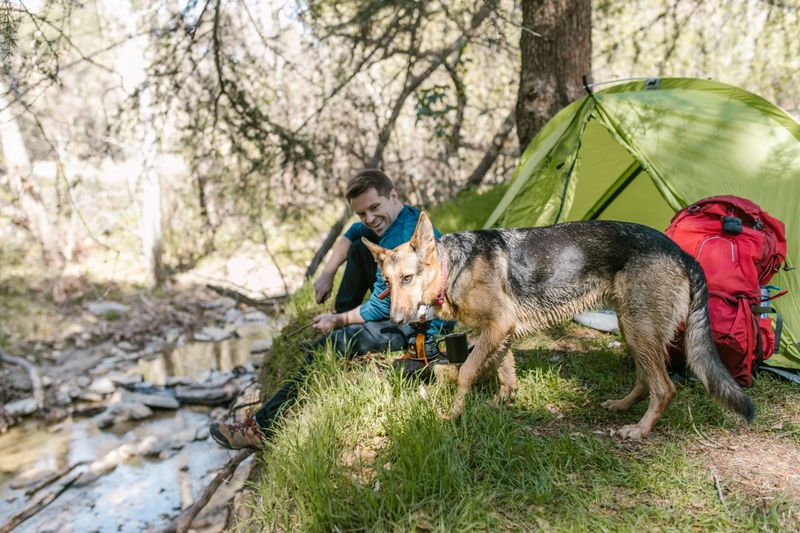
Good preparation makes a quiet mountain outing easier to enjoy. Pack extra water, a bowl, a secure leash, basic first aid supplies, and your veterinarian’s contact information.
Download maps and tell someone your route and expected return time. Consider a satellite messenger where cell service is unreliable.
Check weather and your dog’s fitness before choosing distance or elevation. Keep the plan flexible, leave mine workings alone, and remember: a safe turnaround still counts as a good adventure.