What Colorado Dog Owners Should Know About Dogs And Wildlife Encounters
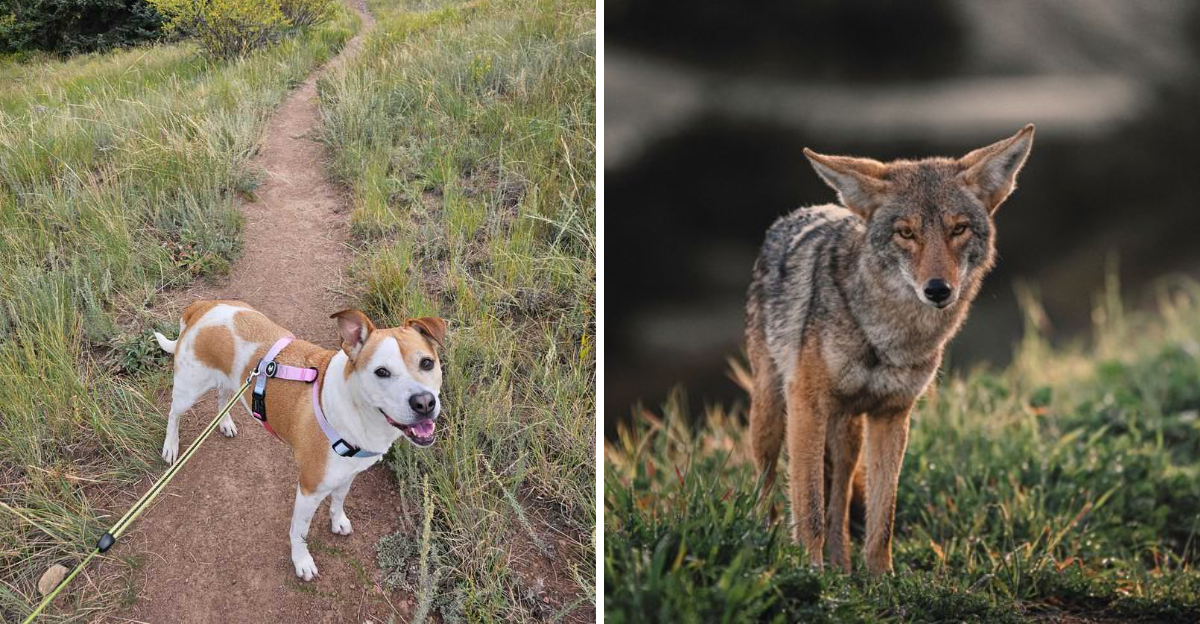
Colorado trails, foothills, and even quiet backyards are shared spaces. Your dog may meet a moose, a coyote, or a rattlesnake at some point, and a little preparation goes a long way.
The good news is that most encounters end quietly when owners know what to expect and how to respond. Consider this a friendly rundown of the habits, rules, and simple precautions that help local dog owners hike, camp, and relax with confidence.
1. Chasing Is Never Harmless Fun
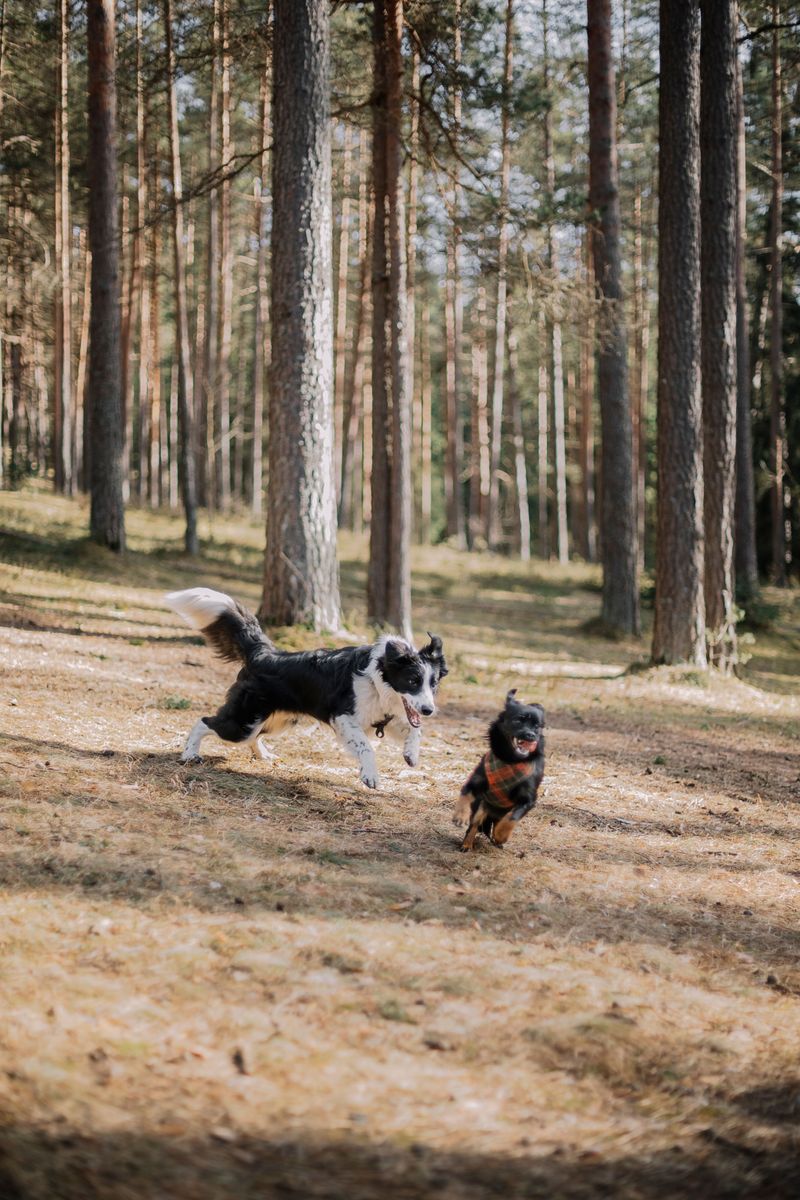
Colorado law treats harassment of wildlife seriously, even when no animal is hurt. Knowingly or negligently letting your dog chase wild animals can bring fines.
If the chase results in a lost animal, penalties climb sharply. Reported figures include roughly $959 for a deer and $1,370 for an elk.
Beyond the paperwork, chases burn energy that wild animals desperately need in winter. Officers prefer that owners simply keep control, so recall training pays off.
2. Moose Deserve Your Full Attention
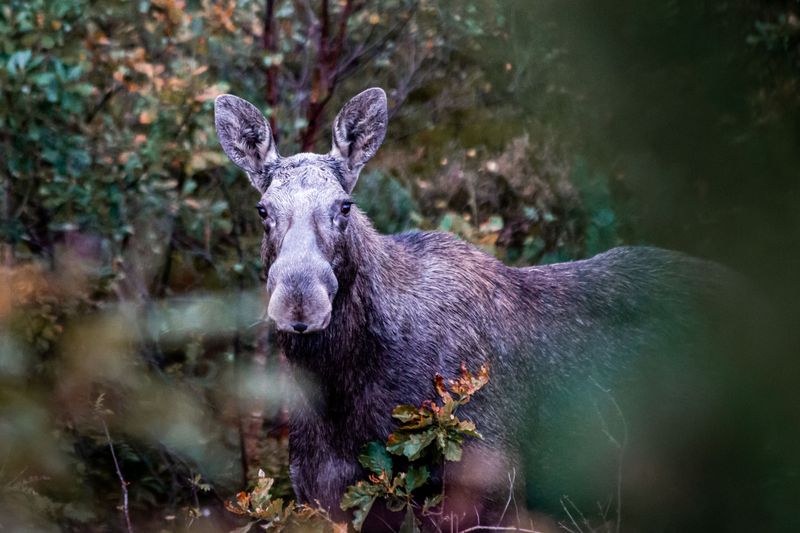
Here is a detail many newcomers miss: moose read dogs as predators, much like wolves. That instinct can trigger a fast, forceful response.
Cow moose guard their calves closely from mid-May into early June, and they react strongly near their territory. Several Colorado injuries have involved dogs at the center of the encounter.
Wildlife officials suggest leaving dogs home in moose country, or keeping them leashed. Never crowd, startle, or corner one.
3. Deer And Elk Need Space Too
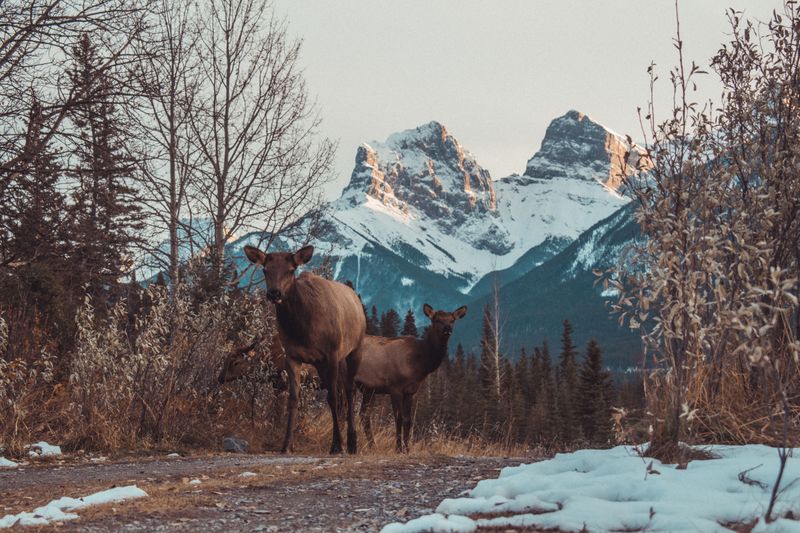
Big animals can look calm and slow, which fools plenty of dogs into approaching. Hooves and antlers change that picture quickly.
Dogs can injure deer and elk, and even a short pursuit drains reserves the herd needs during cold months. Pregnant cows and winter-thin animals suffer most.
Owners whose dogs harass these species may be cited. Keep walks moving, shorten the leash, and give herds a wide berth without stopping to watch.
4. Short Leash, Steady Control
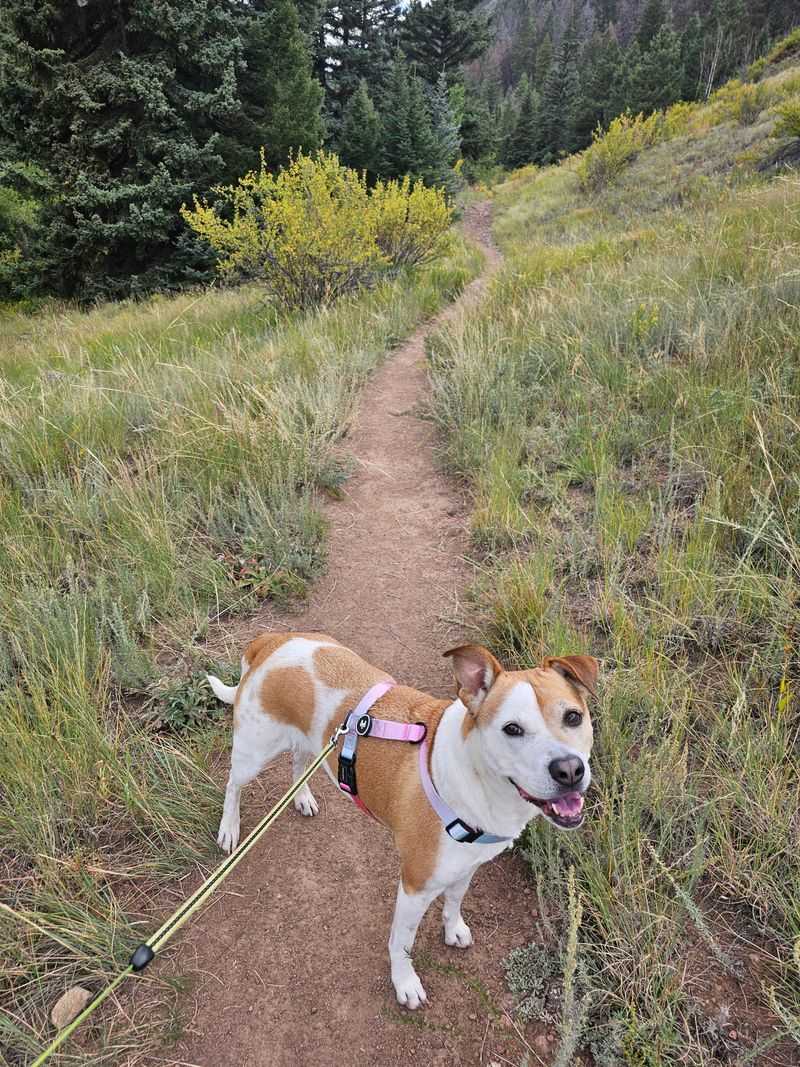
Six feet of leash is the practical standard across Colorado state parks and most public lands. That length keeps your dog close enough to redirect in a second.
Retractable leads feel convenient, but they give you very little real control when an animal appears. City rules differ slightly, and some ordinances simply require a reasonable length held by a responsible person.
Check your local regulations, then pick a sturdy leash you can grip comfortably with both hands.
5. Little Dogs, Bigger Precautions
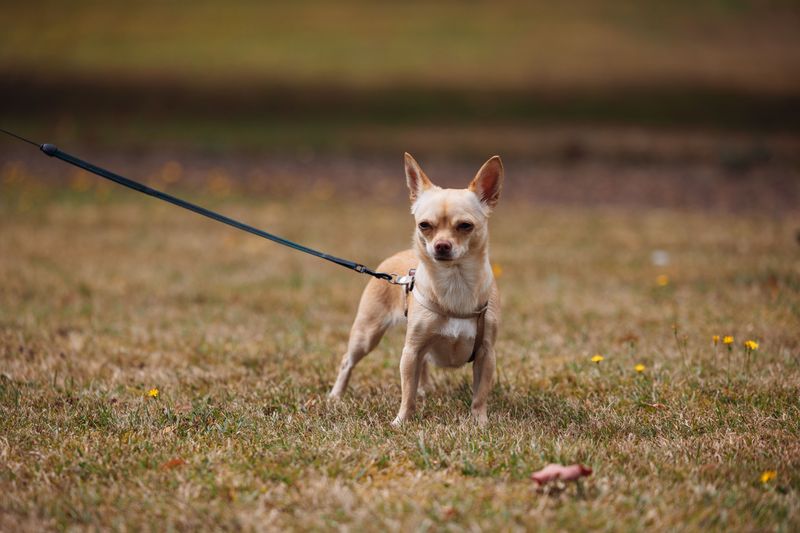
Owners of pocket-sized pups hear this often, and there is truth in it. Coyotes and other predators may size up a very small dog as prey.
That does not mean small breeds should stay indoors. It means shorter leashes, brighter routes, and closer supervision near open space or drainage corridors.
Skip long lines in brushy areas. Walking a tiny dog close to your side makes a huge difference in how wildlife reads the situation.
6. Coyotes Will Stand Up To Big Dogs
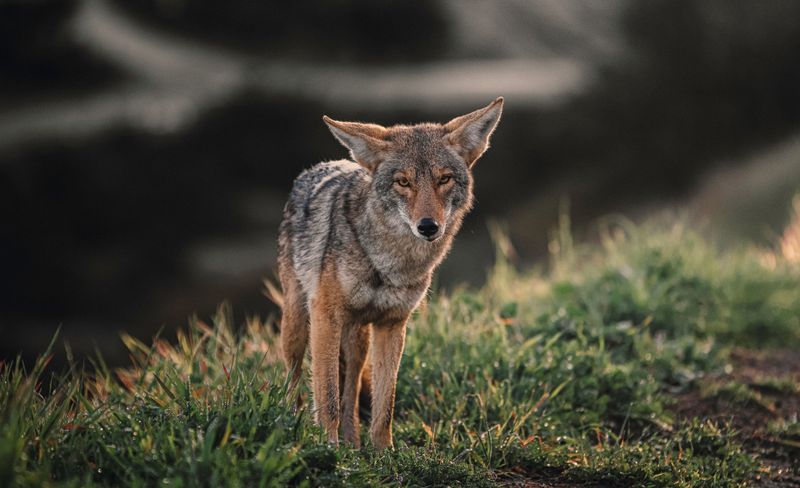
Size alone is not protection. Coyotes live statewide, adapt easily to neighborhoods, and can confront large dogs they see as rivals.
Territorial behavior peaks during breeding season, roughly January through March. That is when confident approaches become more common along trails and greenbelts.
Wildlife officials advise practical steps: leash up, stay alert, and make yourself big and loud if a coyote follows. Do not turn and run, and never let your dog engage.
7. Scoop Up The Small Ones
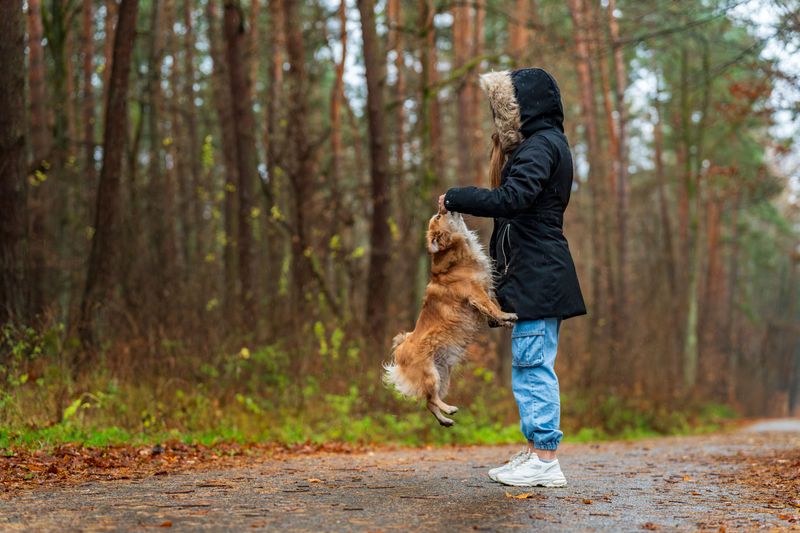
Picture a coyote drifting closer while you walk a ten-pound dog. Lifting that dog is often the fastest fix.
Only do it if the movement is safe and does not put you off balance or closer to the animal. Practice at home so your dog stays relaxed when picked up.
Once your dog is in your arms, back away steadily while facing the animal. Speak firmly and keep moving toward open ground.
8. Dawn And Dusk Change The Odds
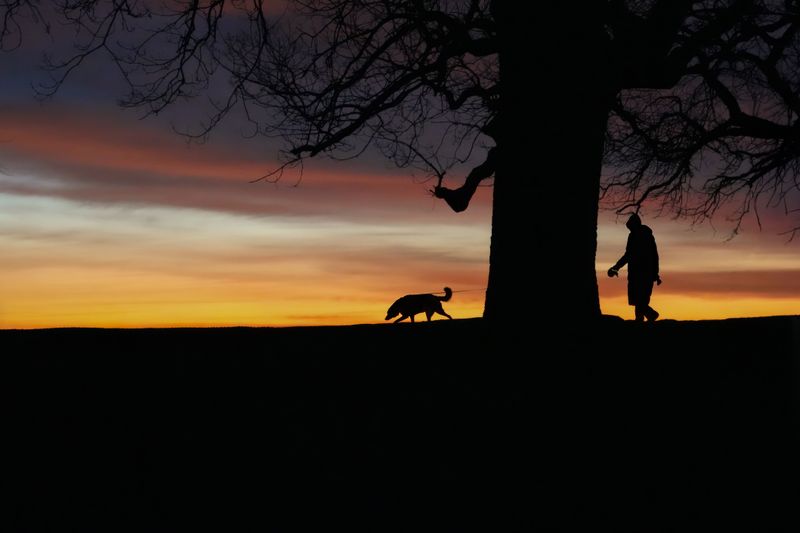
Low light hours are prime time for movement. Coyotes and many other species are most active near sunrise and sunset.
Rattlesnakes also come out in early mornings, evenings, and on cloudy days when temperatures feel comfortable to them.
Shifting your longest walk to mid-morning can quietly reduce encounters. If dawn or dusk suits your schedule better, add a headlamp, a shorter leash, and extra attention to trail edges.
9. Research Before You Load The Car
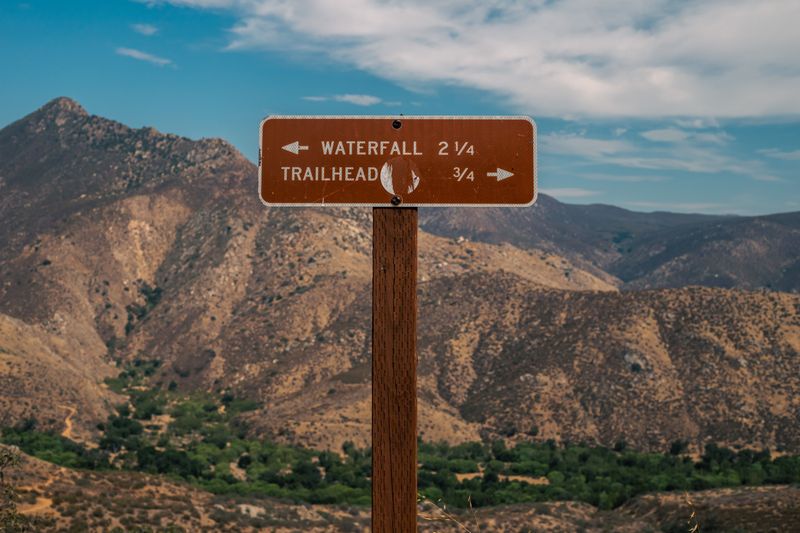
Ten minutes of homework changes the whole trip. Colorado holds black bears, mountain lions, elk, moose, porcupines, and rattlesnakes, depending on elevation and season.
Trailhead pages, ranger stations, and park websites often post recent wildlife activity notes. Reading them tells you which precautions actually matter that day.
Knowing the local cast also helps you pack sensibly. A snake-country hike calls for different habits than a high alpine willow basin.
10. Steer Clear Of Dens And Dense Brush
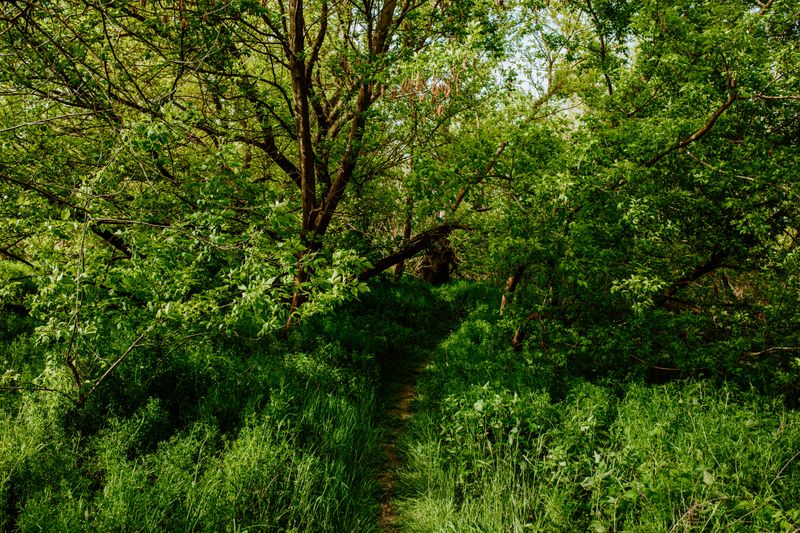
Thick cover hides more than you would guess. Wildlife officials recommend avoiding known or likely den areas entirely.
Heavy vegetation blocks your view, so a surprise happens at close range instead of a comfortable distance. Moose commonly tuck calves into dense growth near water.
Stay on established trails, keep your dog out of tunnels of brush, and resist letting a curious nose lead you into willows or thickets.
11. Leave An Open Exit Route
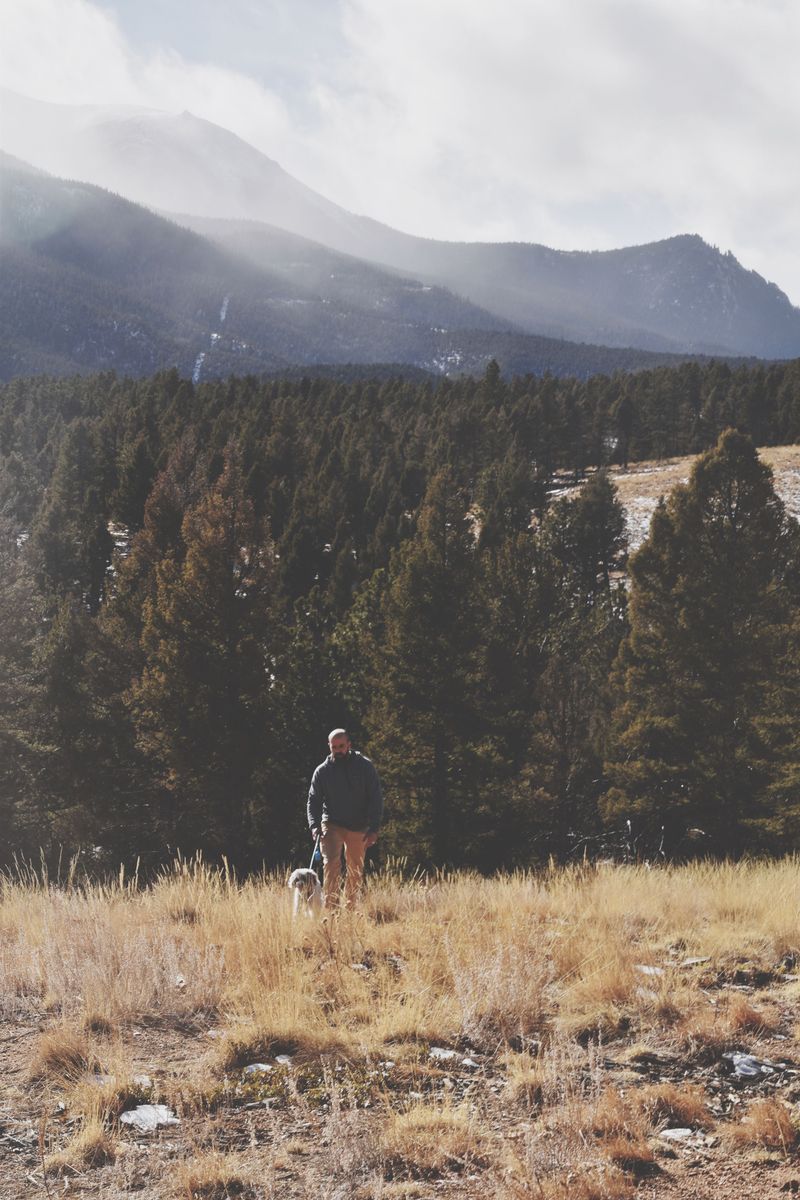
Animals behave best when they have somewhere to go. Guidance suggests staying at least 25 yards from most wildlife.
For large animals such as moose and other big game, stretch that to 25 to 100 yards. If the animal reacts to you at all, you are too close.
Never position yourself between a mother and her young. With a predator present, face it and back away slowly rather than turning.
12. Remains On The Trail Mean Move Along
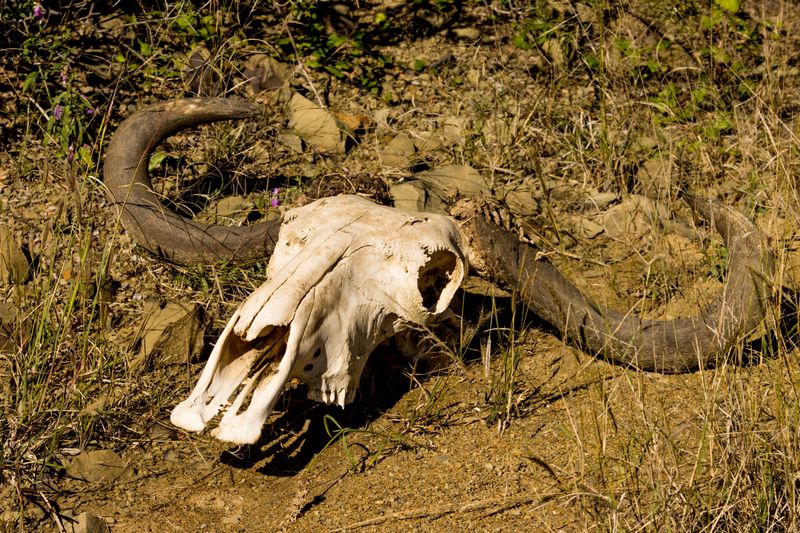
Dogs find fascinating smells that owners would rather skip. A wildlife carcass ranks near the top of that list.
Scavengers including coyotes visit these sites, so lingering invites a tense meeting. There are health risks too, since carrion can carry bacteria and parasites.
Leptospirosis spreads through urine from infected wildlife, another reason to keep noses away. Leash tight, walk past, and report fresh remains to land managers if signs suggest a predator nearby.
13. Rattlesnakes Call For Real Respect
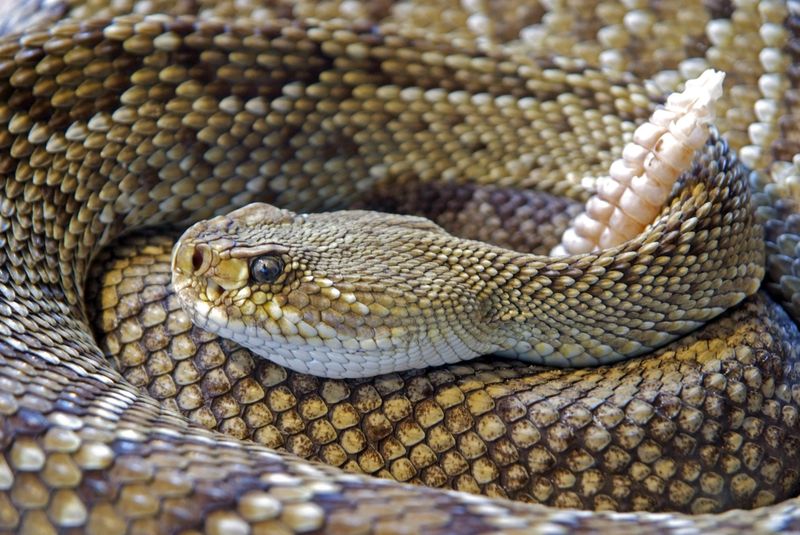
Warm months bring rattlesnakes out along many Front Range and western Colorado trails. Most bites happen when a snake feels surprised or cornered.
Dogs investigate with their faces, so the nose and muzzle are common bite spots. Leashes matter enormously in rocky, sunny terrain.
Never try to catch, move, or provoke a snake, and do not let your dog approach one. Step back, wait, and give it room to slide away.
14. After A Bite, Speed Matters
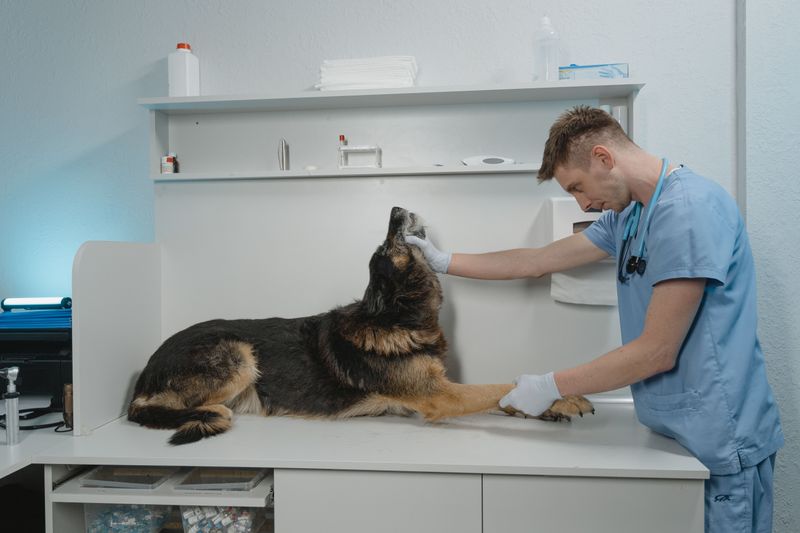
A rattlesnake bite counts as an emergency, and minutes matter. Head to a veterinary clinic right away.
Call ahead so staff can confirm antivenom is on hand and prepare for your arrival. Keep your dog calm and carry them if possible to limit movement.
Skip tourniquets, ice, heat, and any attempt to draw out venom. A rattlesnake vaccine exists, though it does not replace prompt treatment or full immunity.
15. Porcupines Are Not Worth The Sniff
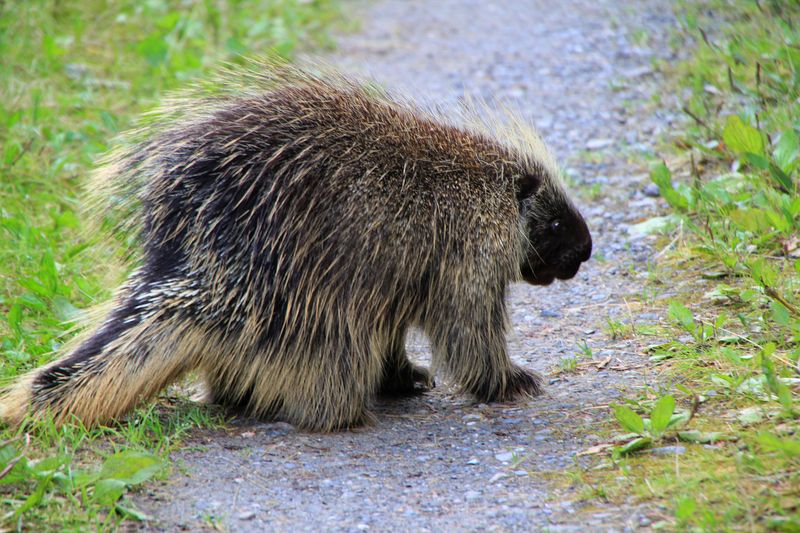
Slow moving and oddly charming, porcupines tempt curious dogs into a painful mistake. Those quills detach easily and lodge deep.
Removing them at home is rarely realistic, since dogs need sedation and a veterinarian’s help. Quills in the mouth or chest can migrate and cause trouble.
Watch tree branches and rocky ledges at dusk, when porcupines move about. A leash and a quick redirect save everyone a long night.
16. Vaccines Are Quiet Insurance
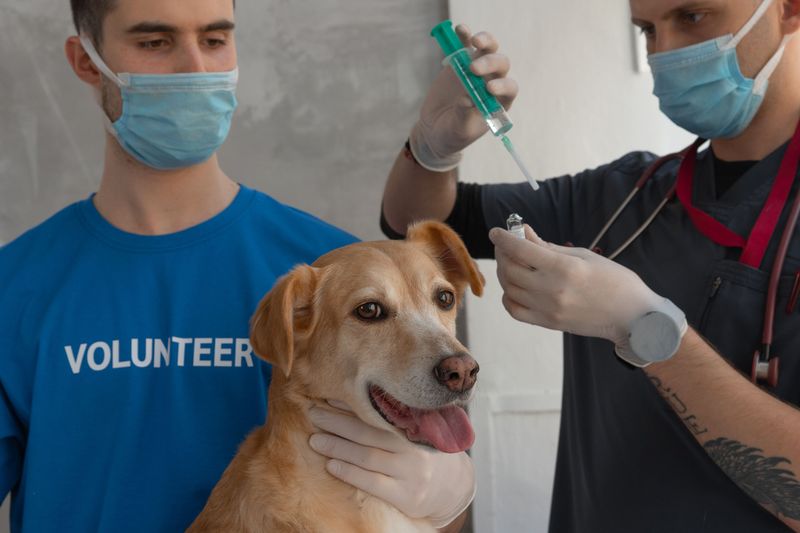
Paperwork is not glamorous, but it protects your dog every single hike. Colorado requires rabies vaccination for dogs and cats over four months old, given by a licensed veterinarian.
Schedules and extra requirements can differ by city or county, so verify locally. Leptospirosis is rising in the state and spreads through wildlife urine.
Most veterinarians recommend the lepto vaccine for dogs who hike, swim, or live near heavy wildlife activity.
17. Call The Vet After Wild Animal Contact
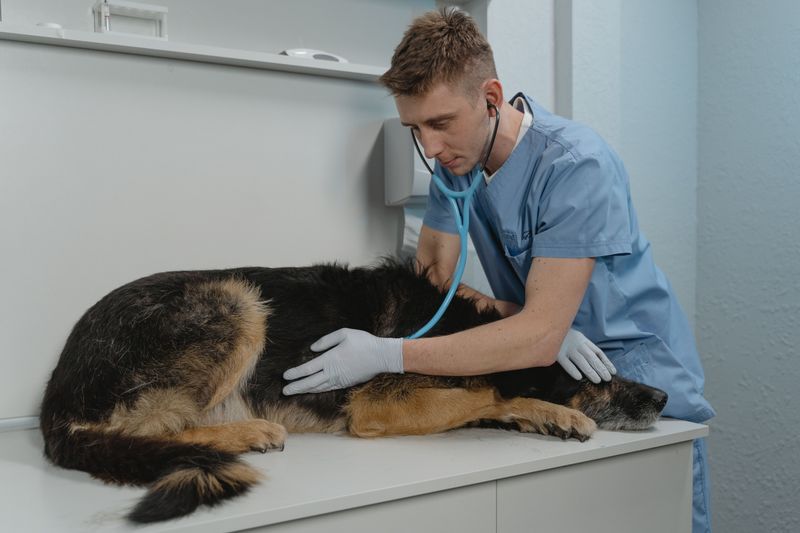
Any scuffle with a wild mammal deserves a phone call, even if your dog seems fine. Rabies is a serious viral disease with no room for guesswork.
Skunks and bats are Colorado’s most common carriers, though foxes, raccoons, bobcats, and coyotes can transmit it too.
Your veterinarian will weigh exposure risk, check vaccine records, and advise the right protocol. Local animal control may also need a report, so keep those numbers saved.
18. Food Bowls Belong Inside

An open bowl on the patio is basically an invitation. Pet food attracts coyotes, raccoons, bears, and other visitors straight to your yard.
Feeding wildlife is illegal in Colorado, and food handouts weaken natural foraging skills over time. Even birdseed and fallen fruit can shift animal patterns.
Bring bowls in after meals, store kibble in sealed containers, and secure trash. Fewer attractants means fewer surprise meetings at the back door.
19. Fences Are Helpful, Not Foolproof
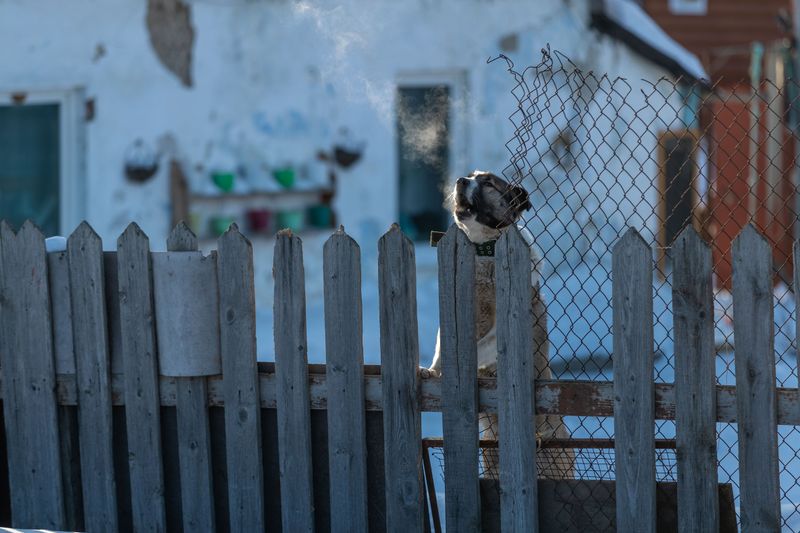
Plenty of owners assume the backyard is a sealed bubble. Coyotes clear six-foot fences without much effort.
Openings under gates, drainage gaps, and neighboring open space all create easy access. Small dogs left alone at night face the most risk.
Stepping outside with your dog is the simplest safeguard. Flip on a porch light, walk the perimeter occasionally, and repair gaps as soon as you notice them.
20. Sometimes The Kindest Choice Is Home
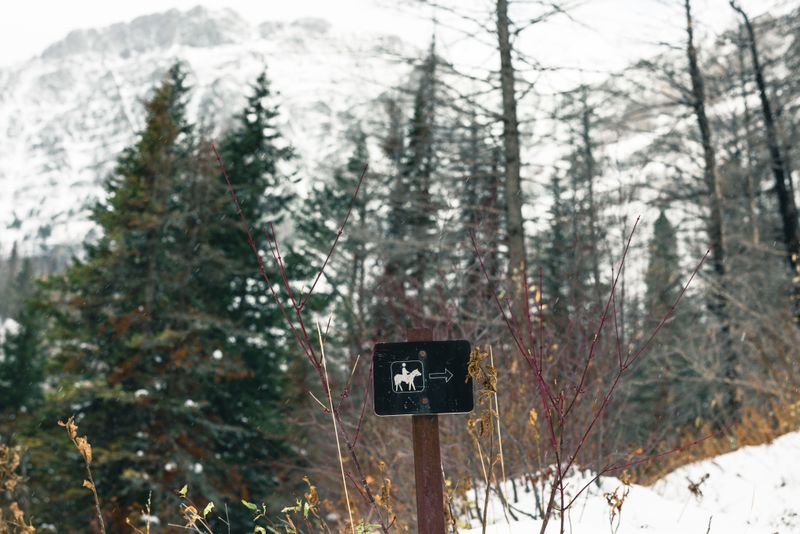
Not every adventure suits a four-legged partner, and that is fine. Wildlife officials suggest leaving dogs home for certain backcountry outings, especially in moose habitat.
Rules back this up in places. Rocky Mountain National Park does not allow pets on trails, and State Wildlife Areas generally permit dogs only for hunting, training, or licensed field trials.
Confirm regulations before you go. A backyard game beats a stressful trail day.