What Connecticut Dog Owners Should Know About Black Bears In Backyards And On Trails
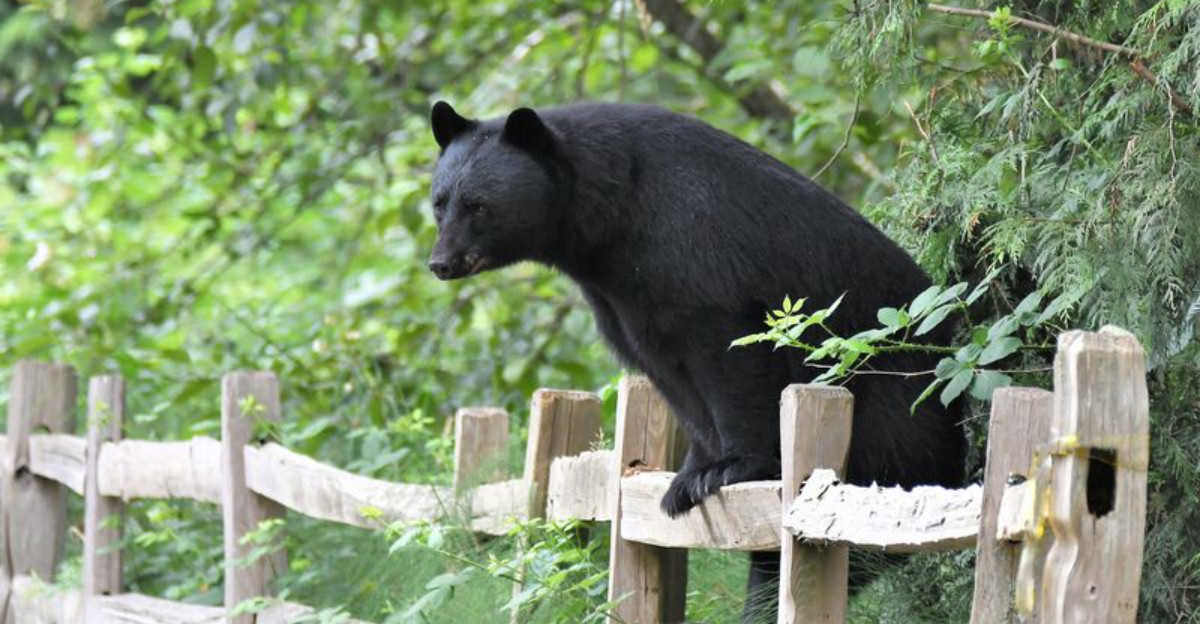
If you walk a dog anywhere in Connecticut, black bears are worth thinking about before you need to. Sightings happen in quiet woodland towns, along popular hiking routes, and in ordinary neighborhoods with mowed lawns and recycling bins.
That surprises a lot of owners, especially newer residents who assumed bears stayed deep in the forest. The good news is that most encounters end quietly, with the bear wandering off and everyone going about their day.
What makes the difference is preparation: knowing how to secure your yard, how to hold a leash, and how to back away without turning a distant sighting into a close one. Dogs complicate things slightly, because a curious pup may notice a bear long before you do.
A barking, lunging dog changes the situation, so your habits matter more than your reflexes. Think of this as a friendly briefing from someone who walks the same trails you do.
Below you will find practical, calm guidance on food attractants, leash skills, trail etiquette, and when to contact state wildlife officials. None of it is complicated.
Most of it becomes second nature after a season or two of paying attention.
1. Black Bears Are Part of Connecticut’s Wildlife
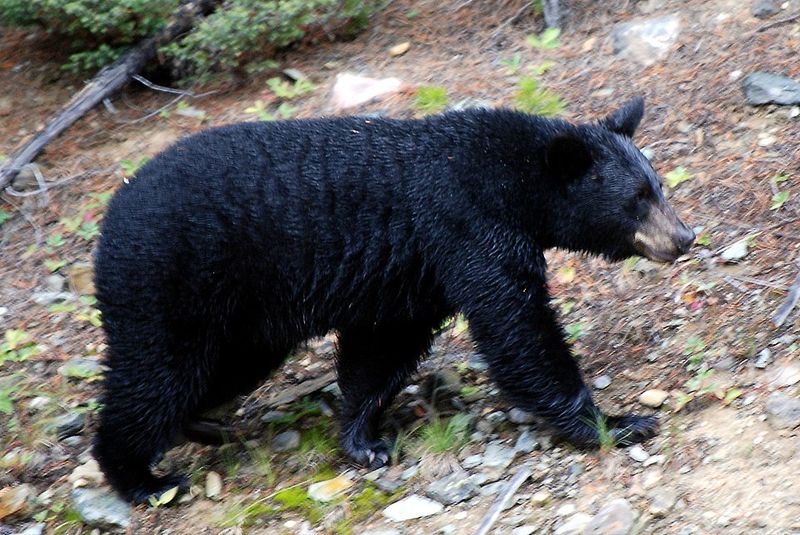
Bears are established residents here, not rare visitors passing through. Reports come from wooded hill towns and from developed neighborhoods with sidewalks and mailboxes.
Treat any sighting as a wildlife situation. Do not assume the animal will hurry off the moment it notices you or your dog.
Connecticut’s Department of Energy and Environmental Protection tracks bear activity statewide. Reading their current guidance once a year keeps your expectations realistic and your reactions steady.
2. A Bear in the Yard Does Not Mean Your Dog Should Investigate
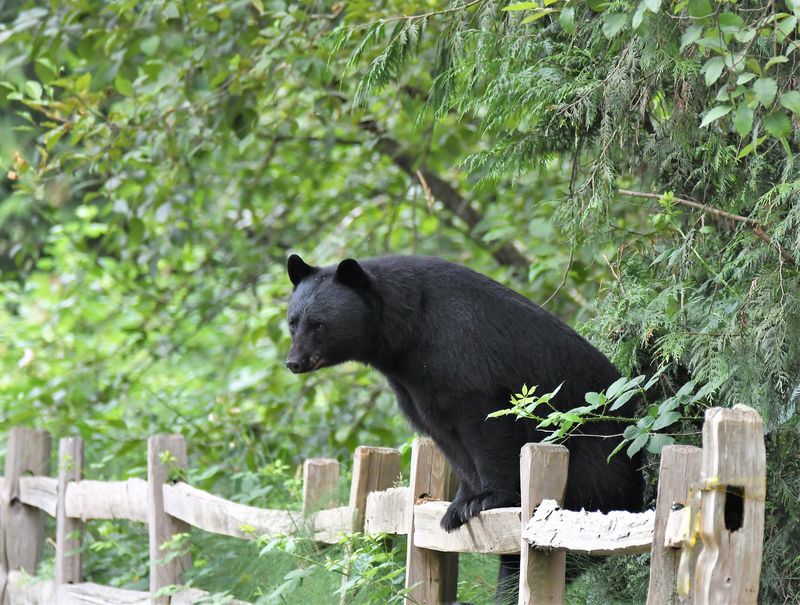
Spotting a bear near the swing set is startling, and the instinct is to open the door and shout. Slow down instead.
Call your dog in with a calm, familiar cue. Grab a treat or a favorite toy if that gets faster results.
Once everyone is inside, watch quietly from a window. Most bears drift off within minutes when nothing interesting happens outdoors.
3. Keep Dogs Leashed on Trails
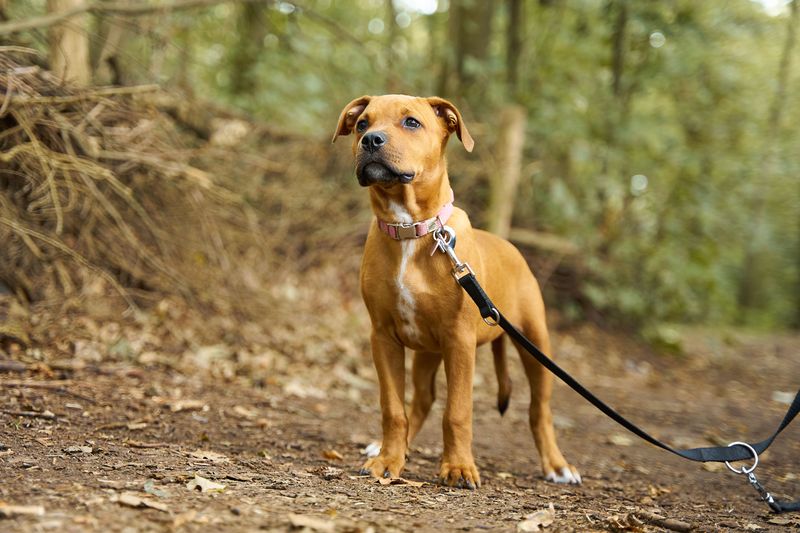
Leashes are underrated safety gear in bear country. Your dog’s nose works faster than your eyes, and a leash buys you time to react.
Control also prevents chasing. A dog sprinting after wildlife may crowd an animal that simply wants distance.
Many Connecticut state parks and forests require dogs on leash anyway, though rules vary by property. Check the posted signs at the trailhead before you unclip anything.
4. Make Your Yard Less Attractive to Bears
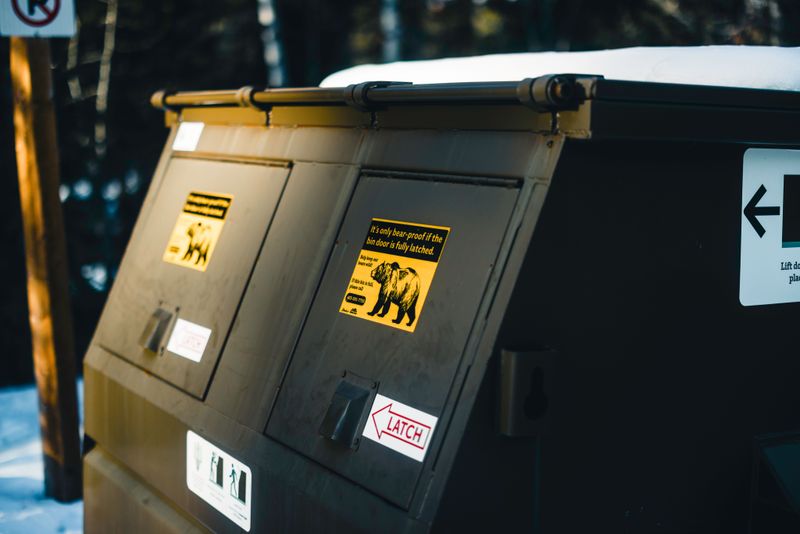
Bears follow their noses, and a yard full of food smells is basically an invitation. Removing those smells does more than any fence.
Secure garbage, scrub the grill grates, and empty the grease trap after cooking. Bring pet bowls inside when the meal ends.
Neighbors matter too. Food left outdoors can attract bears to an area, so coordinating with neighbors to reduce accessible food sources can help make the neighborhood less appealing.
5. Bird Feeders Can Attract Unwanted Visitors

Songbird lovers rarely expect their hobby to bring a bear onto the deck. Birdseed is dense, sweet-smelling, and easy calories.
State wildlife officials recommend taking feeders down when bear activity picks up, especially in spring through fall. Rake up spilled seed underneath.
If you want birds without the risk, try a water feature or native shrubs. Both draw plenty of feathered traffic and no hungry visitors.
6. Never Leave Pet Food Outside

An abandoned bowl on the porch is one of the simplest attractants around. Kibble smells strong, and leftovers linger for hours.
Feeding indoors solves it instantly. Your dog eats without distraction, and no wildlife learns your address.
Store bags in sealed containers in a garage, mudroom, or pantry. Chew-proof bins also keep raccoons and rodents from starting their own dinner tradition.
7. Garbage Needs Extra Attention
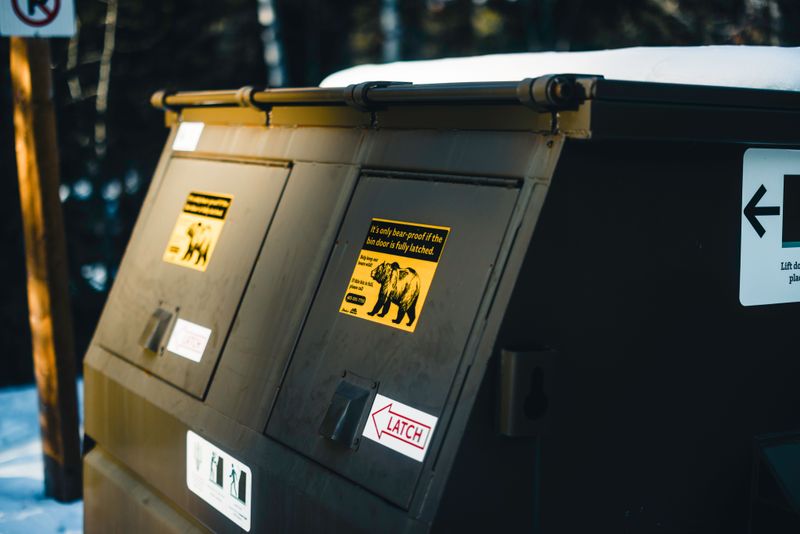
Trash night is prime time for curious bears. Bags hold meat wrappers, produce scraps, and sticky containers that carry scent surprisingly far.
Keep bins inside a garage or shed until collection morning whenever possible. Bear-resistant containers are worth considering where activity is regular.
Rinsing recyclables cuts odor quickly. Some Connecticut towns offer specific guidance on containers, so a quick call to public works answers local questions.
8. Compost Can Also Draw Bears

Composting is good for the garden, less so for wildlife management when done carelessly. Meat, dairy, grease, and fruit create powerful smells.
Keep compost secured from bears rather than relying on an open pile. Food scraps, including fruits and vegetables, can attract bears, so use a secure composting method and follow local guidance.
Enclosed tumblers or secured bins handle odor much better. Turning the pile regularly and covering fresh additions with leaves also keeps the scent trail faint.
9. Give Bears an Easy Way Out
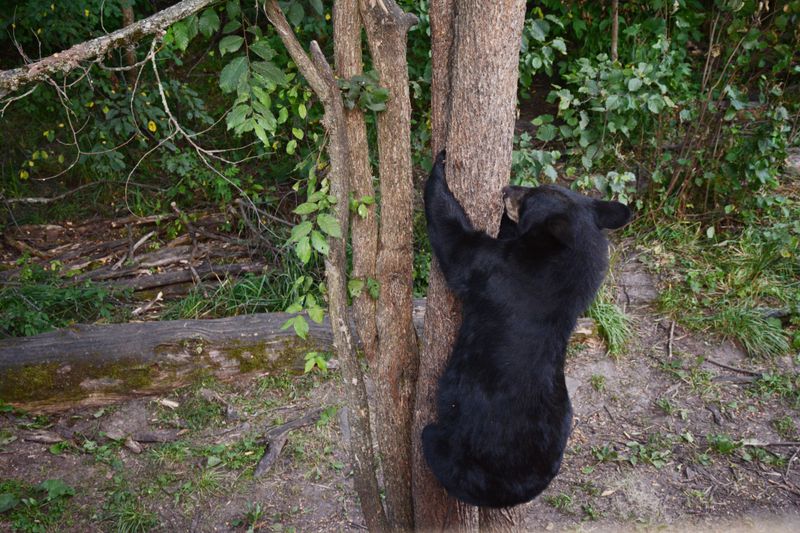
Bears want an exit, not a confrontation. Problems usually start when people accidentally box one in.
Stay clear of the route between the bear and the woods. Avoid circling it with phones out or gathering a crowd on the driveway.
Bring everyone indoors, including the dog, and simply wait. A bear with open space and no food reward almost always leaves on its own.
10. Do Not Let Your Dog Chase a Bear
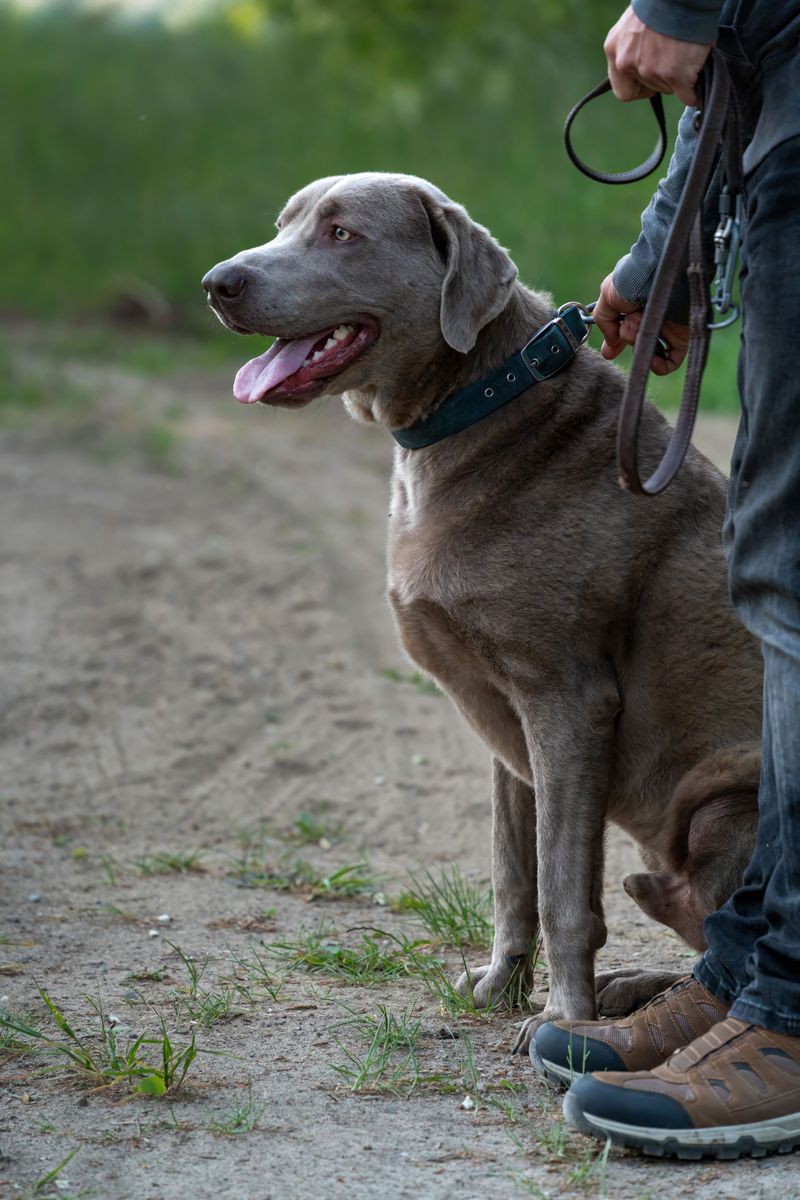
A dog bolting at a bear closes distance you worked hard to keep. Chasing can also bring the animal back toward you.
Shorten the leash, turn your body, and walk your dog the other direction. Reward attention with something tasty.
Dogs that bark at deer will bark at bears, so practice redirecting that habit at home. Early training pays off when it counts most.
11. Know What to Do if You Meet a Bear on a Trail
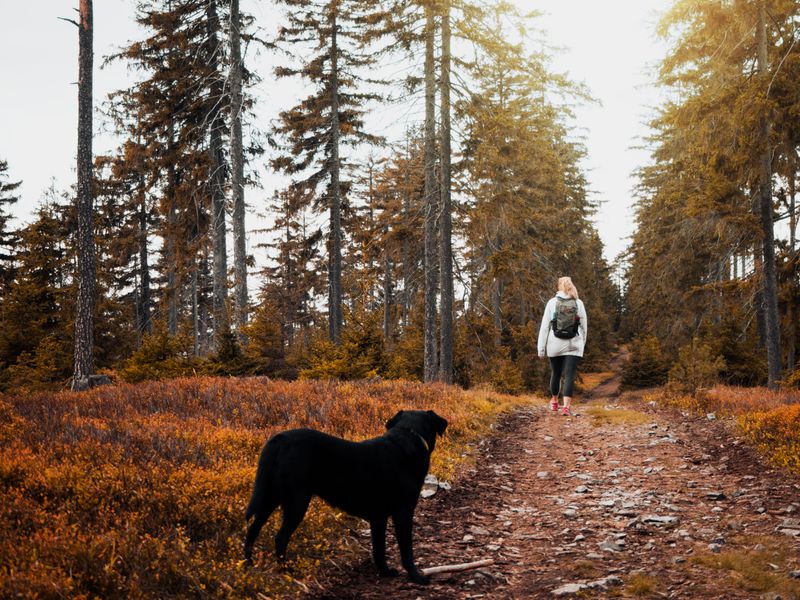
Trail meetings usually happen at a bend, with both parties equally surprised. Stop walking and take stock.
Keep your dog close and slowly move away while giving the bear plenty of space. Do not run, approach the bear, or block its route.
Leave the animal a clear path forward. If the bear stays put, retrace your route and finish your hike somewhere else that day.
12. Make Yourself Known at Close Range
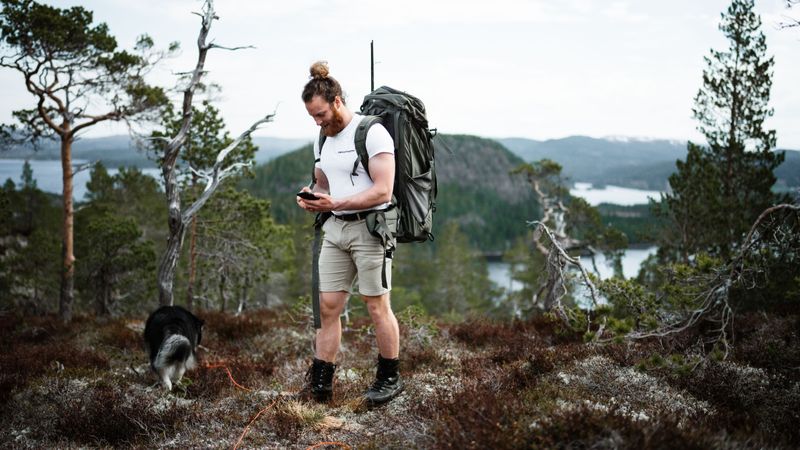
Sometimes a bear is busy foraging and has no idea you exist. Sneaking past is worse than speaking up.
From a safe distance, talk in a normal, firm voice so it registers a human presence. Wave an arm slowly.
Keep your dog tucked close and quiet as you do it. Most bears glance up, size up the situation, and wander off unbothered.
13. Never Approach a Bear for a Better Look
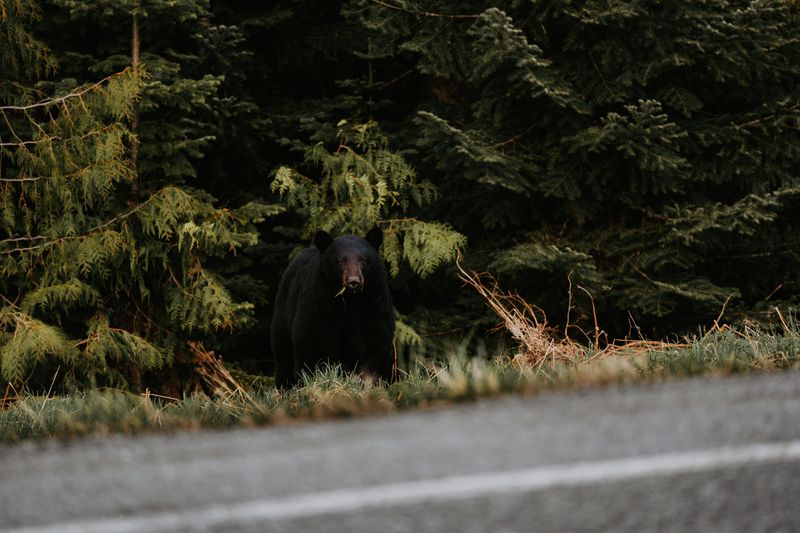
The photo is not worth the step forward. Every pace you take removes space the bear needs to leave calmly.
Use zoom, then use your feet in the opposite direction. Your phone camera is not a substitute for distance.
Feeding bears, intentionally or otherwise, is strongly discouraged and restricted in Connecticut. Habituated animals lose their natural caution, which rarely ends well for them.
14. Avoid Food and Scent Triggers on Hikes
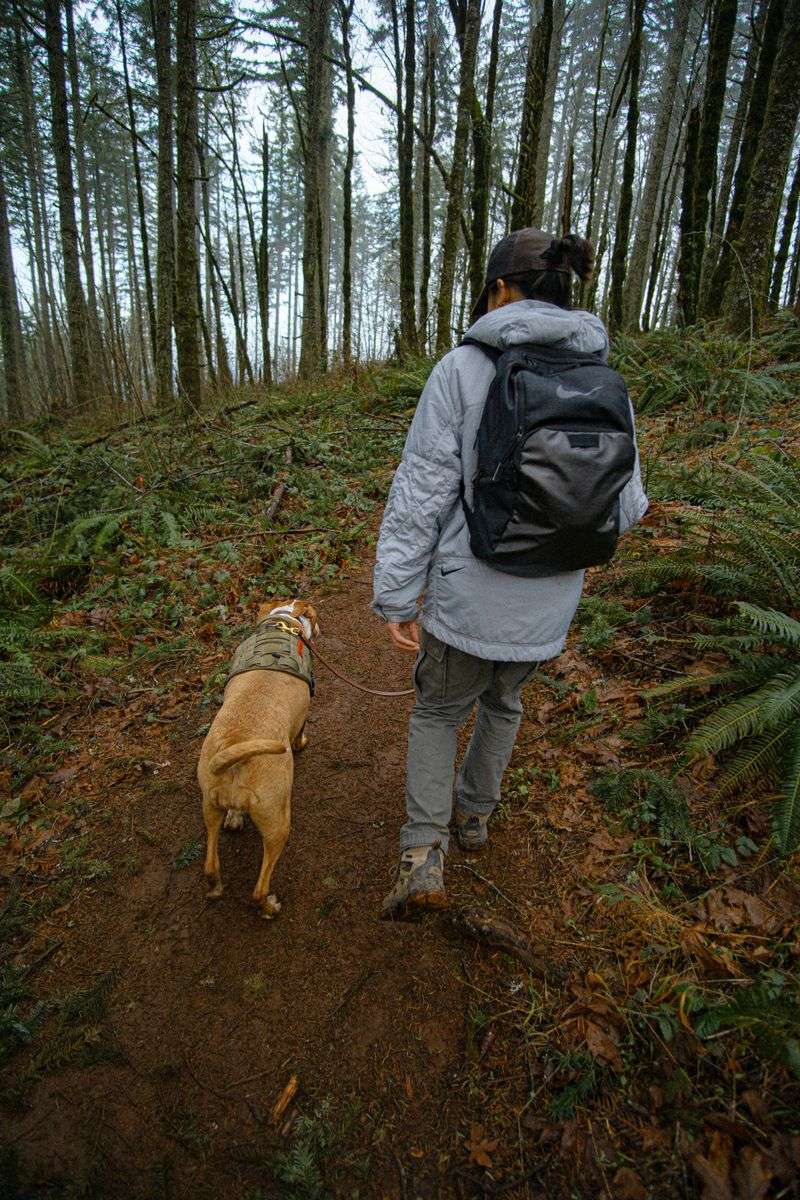
Snack stops leave more behind than crumbs. Wrappers, jerky bags, and apple cores all broadcast scent along a trail corridor.
Pack food in sealed containers and keep it inside your bag between breaks. Carry out every scrap, including the biodegradable stuff.
Picnic areas and campsites deserve the same care. A tidy spot protects the next hiker and their dog just as much as yours.
15. Check Bear Activity Before Heading Out
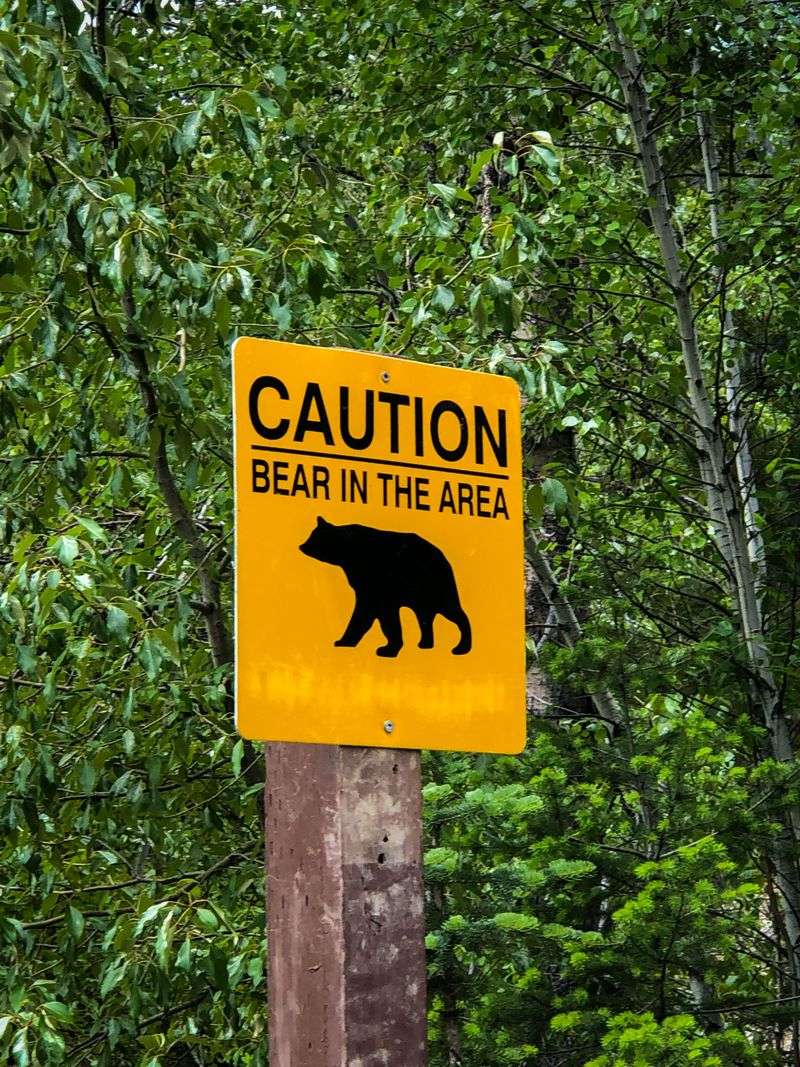
A two minute check before loading the dog into the car goes a long way. Connecticut’s DEEP publishes bear information and management guidance online.
Trailhead kiosks and park staff often post recent sightings too. Local hiking groups share updates as well.
Armed with that, you can pick a more open route, adjust your timing, or save a certain trail for another week.
16. Teach Your Dog to Stay Close
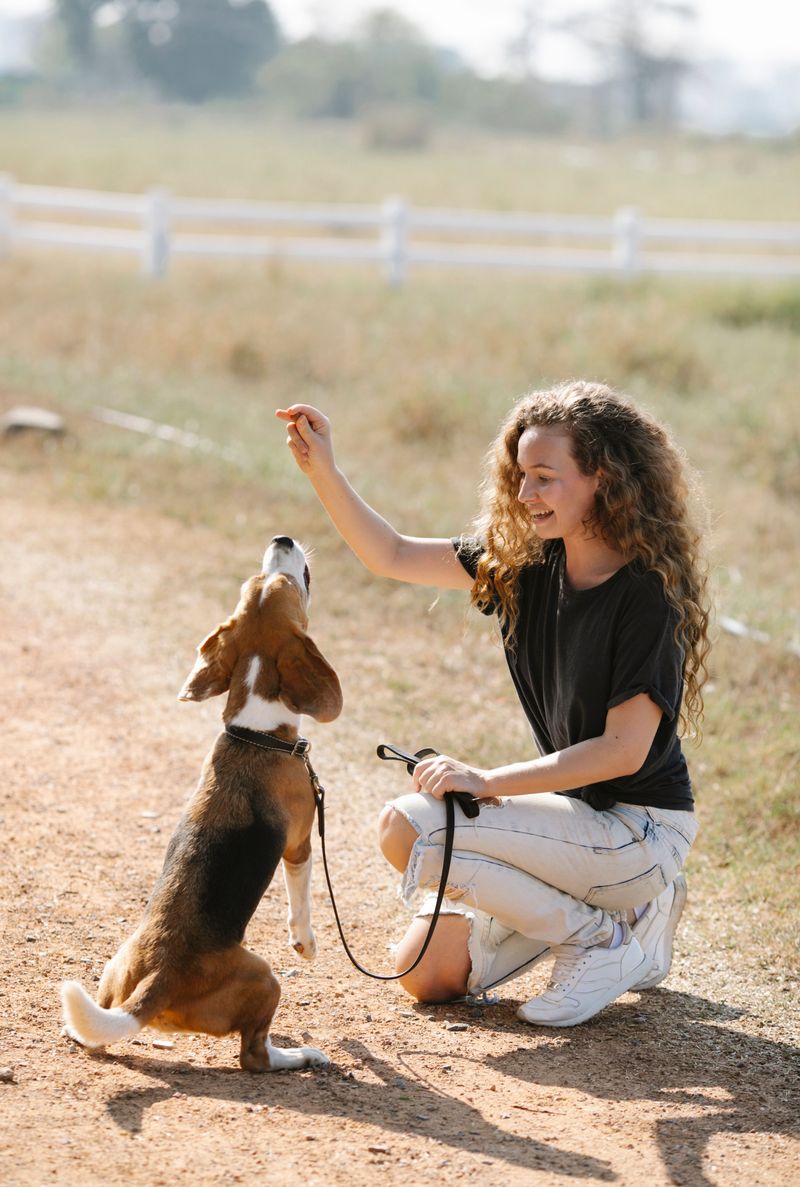
Solid leash manners and a dependable recall are quiet safety tools. They turn a tense moment into a manageable one.
Practice in your yard first, then around squirrels, joggers, and other dogs. Reward generously every single time.
Skills built on ordinary distractions hold up better under pressure. Nobody wants to test a shaky recall for the first time with wildlife nearby.
17. Stay Calm During a Bear Sighting
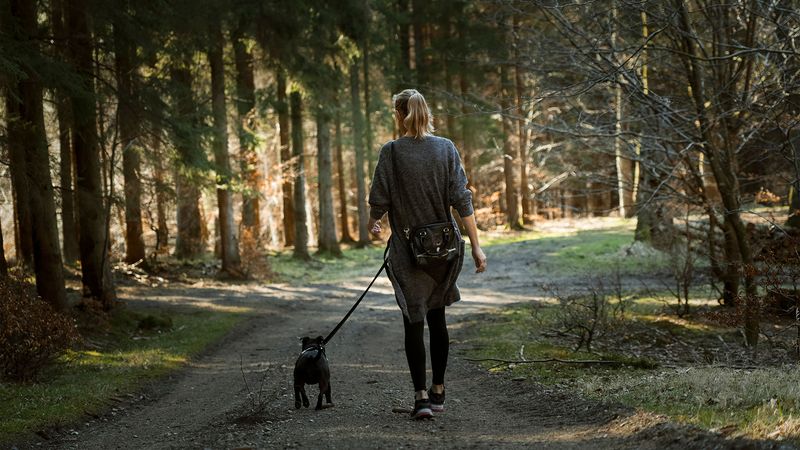
Dogs read us constantly. A sharp shout or a yank on the leash tells yours that something serious is happening.
Lower your voice, breathe, and move deliberately. Steady handling keeps your dog steadier too.
One hiker I know describes it as switching into slow motion on purpose. That mindset works: distance first, calm second, story for later once you are back at the car.
18. Report Concerning Bear Activity
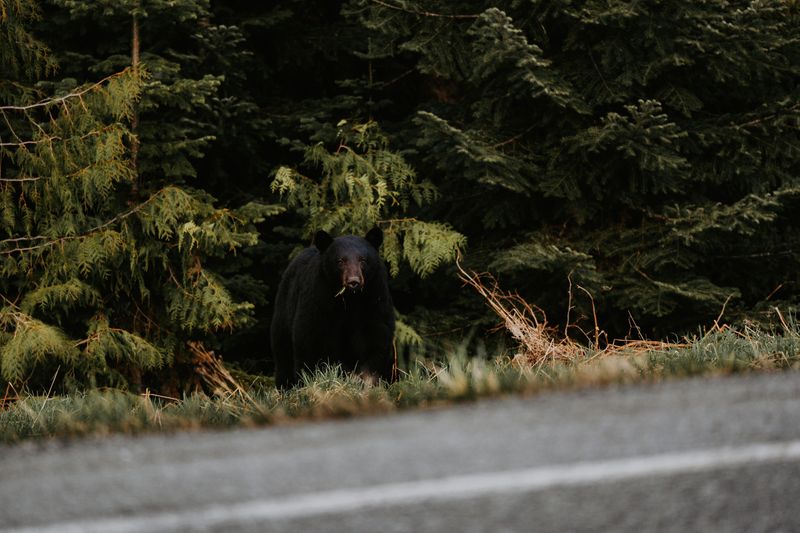
Not every sighting needs a call, but some do. Repeat visits to your property, damage to secured containers, or a bear lingering near people are worth reporting.
Contact Connecticut’s Department of Energy and Environmental Protection, or your local animal control for immediate concerns.
Reports help officials track patterns and advise neighborhoods. Learn your yard, hold the leash, and enjoy Connecticut’s woods with quiet confidence.