What Florida Dog Owners Need To Know About Alligators, Heat, And Waterside Walks
Walking a dog in Florida comes with its own rhythm. There is sunshine, there is water almost everywhere, and there is wildlife that was here long before the sidewalks arrived.
None of that means you should stay indoors. It simply means a little local knowledge goes a long way.
Here is what experienced Florida owners keep in mind on every walk, from shoreline habits to heat checks, so you and your dog can enjoy the outdoors calmly and confidently.
Keep Dogs Away From the Water’s Edge
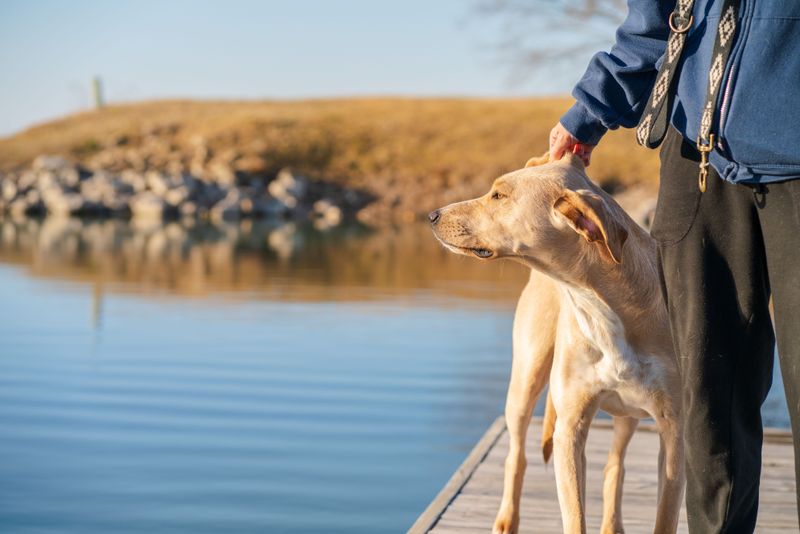
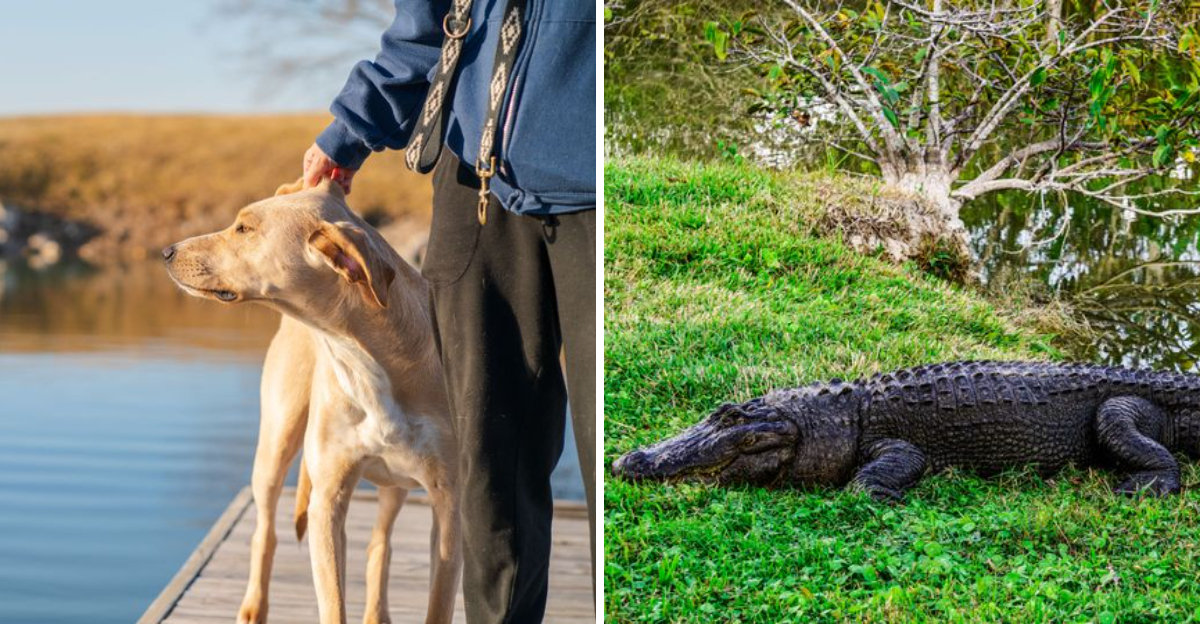
Shorelines can look harmless, but ponds, lakes, canals, and marshes across Florida may contain alligators. Keep your dog beside you and away from the water’s edge, especially where visibility is limited.
Thick vegetation and cloudy water make it hard to see what is resting nearby. Give the edge a wide berth, even when the surface looks completely still.
Owners who build this habit early rarely think about it again. It simply becomes part of the walk.
Never Let Your Dog Swim in Unfamiliar Water
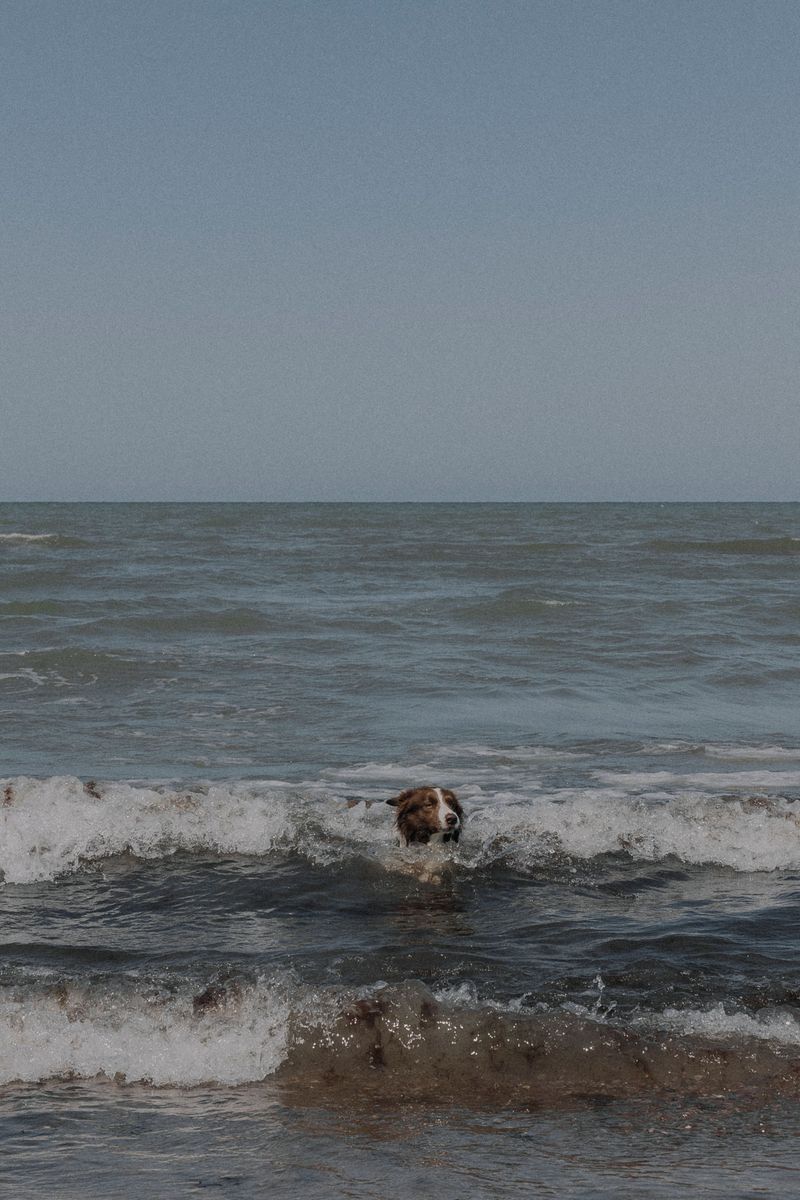
That quiet canal may look like an invitation, especially on a warm afternoon. Below the surface, though, you cannot judge depth, currents, wildlife, or water quality.
Designated dog swimming areas exist for a reason. Conditions there are easier to see, and rules are posted clearly.
Many Florida cities and counties operate dog parks with splash zones or approved beaches. Check your local parks department listing before planning a swim day.
Use a Short Leash Near Lakes and Canals
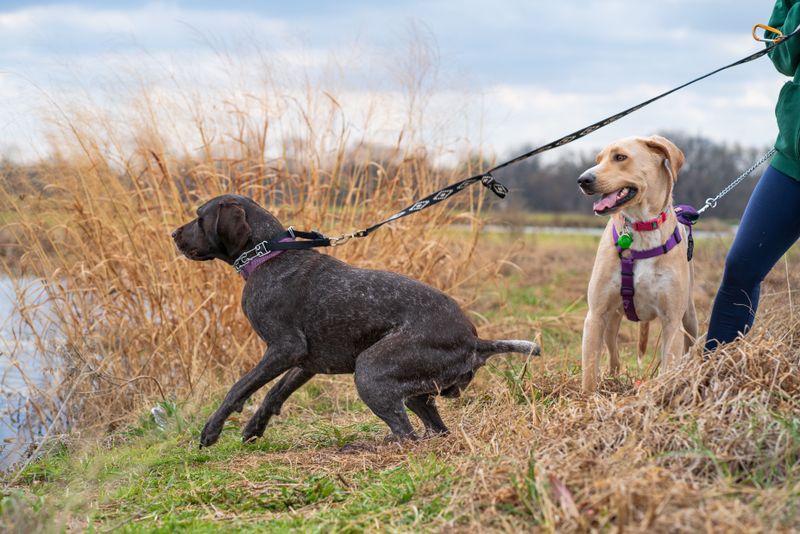
Retractable and long leads give a curious dog plenty of rope to reach the water. Near lakes and canals, that extra distance works against you.
A shorter leash, held with a relaxed but firm grip, keeps your dog within arm’s reach. If something moves in the reeds, you can redirect instantly.
Six feet is a common recommendation, and many Florida parks require leashes by ordinance anyway.
Watch for Alligators Even in Developed Areas
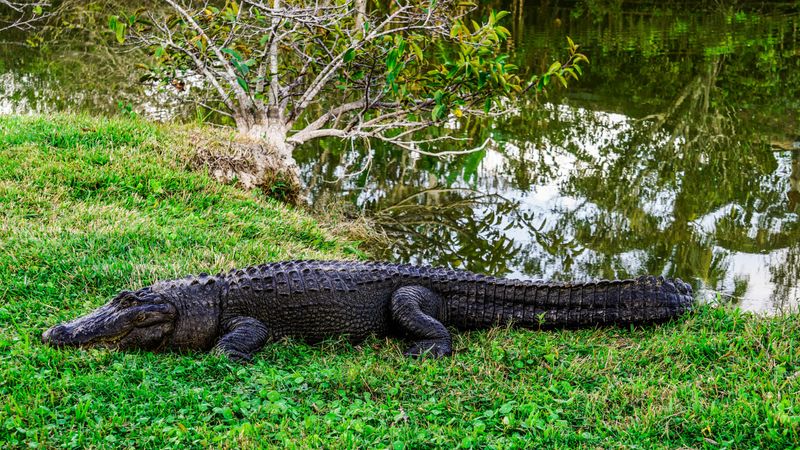
Plenty of people assume alligators stay out in the swamps. Wildlife officials say otherwise, noting they can turn up in neighborhood ponds, golf course lakes, and drainage canals.
Alligators can occur in freshwater areas throughout Florida, including some manmade ponds and drainage areas near developed communities.
Treat every body of water the same way, regardless of how landscaped the surroundings look. Consistency beats guessing, and it saves you from having to judge each pond individually.
Give Wildlife Plenty of Space
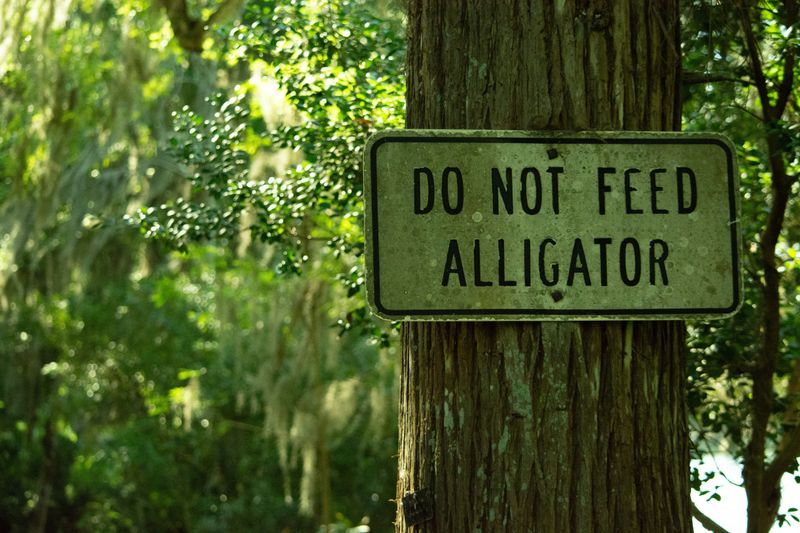
Spotting an alligator does not require a dramatic response. Turn calmly, shorten your leash, and walk away from the water without rushing.
Never approach for a photo, and never feed one. Feeding alligators is illegal in Florida, and it teaches them to associate people with food.
Barking and lunging draw attention you do not want, so redirect your dog quickly with a treat or a cheerful cue.
Be Extra Careful Around Dawn and Dusk
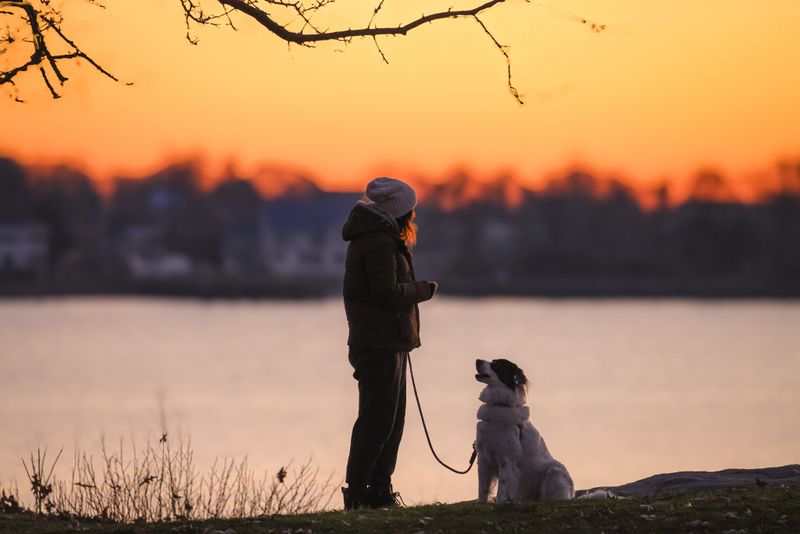
Cooler air makes early and late walks appealing, and most Florida dogs love them. Low light, however, hides plenty along a shoreline.
Some wildlife can be more active around dawn and dusk. Stay on established paths, keep your dog close, and use extra caution when visibility is reduced.
A headlamp or clip-on light helps you scan ahead. Reflective gear on your dog makes you both easier for drivers to see.
Avoid Letting Dogs Drink From Ponds or Canals
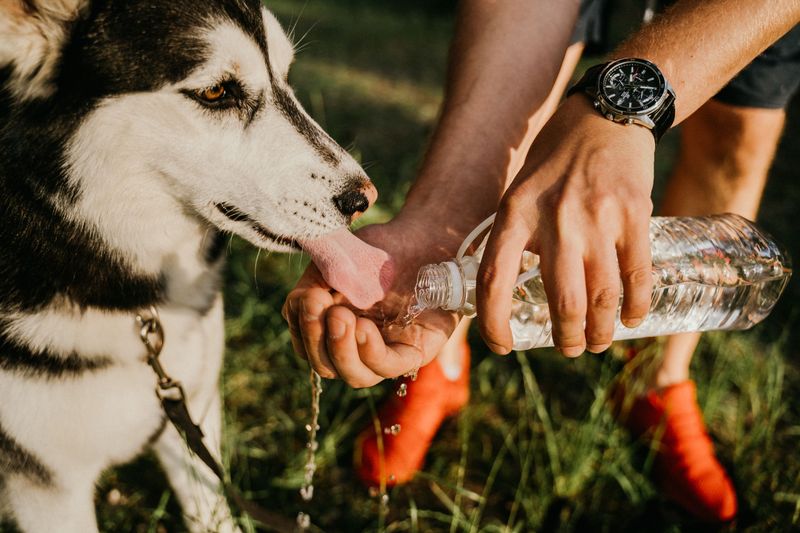
Thirsty dogs will happily lap from any puddle they find. Standing water in Florida can carry bacteria, parasites, algae, or runoff from nearby yards.
Carrying your own supply solves it. Offer water every ten to fifteen minutes on warm days, before your dog goes looking.
Blue-green algae blooms occasionally appear in warm freshwater and are unsafe for pets. Local health departments post advisories when that happens.
Florida Heat Can Build Quickly
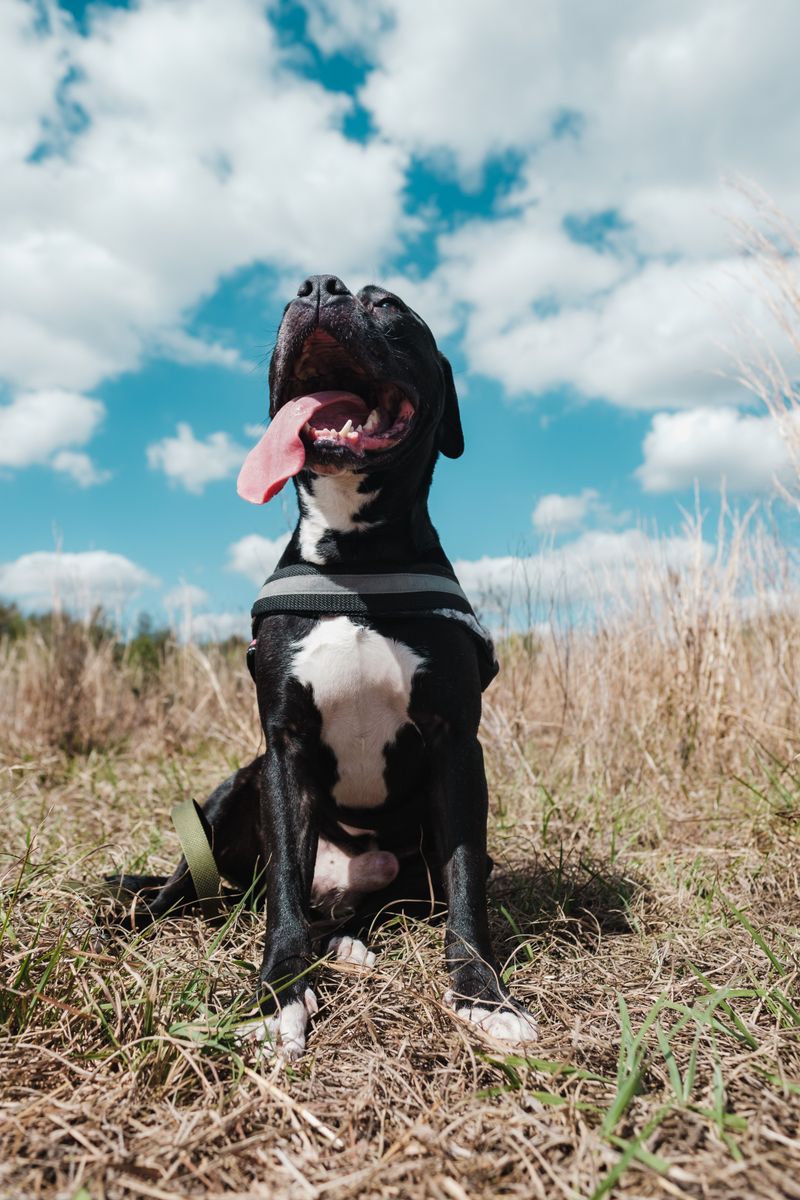
Humidity is the part people underestimate. A ninety-degree day here feels far heavier than the same number in a dry climate.
Dogs cool themselves mostly by panting, which works poorly in thick, moist air. Short-nosed breeds struggle even more.
Check both temperature and humidity before you clip on the leash. Shifting your route to early morning often makes the difference between a pleasant outing and an exhausting one.
Test the Pavement Before a Walk
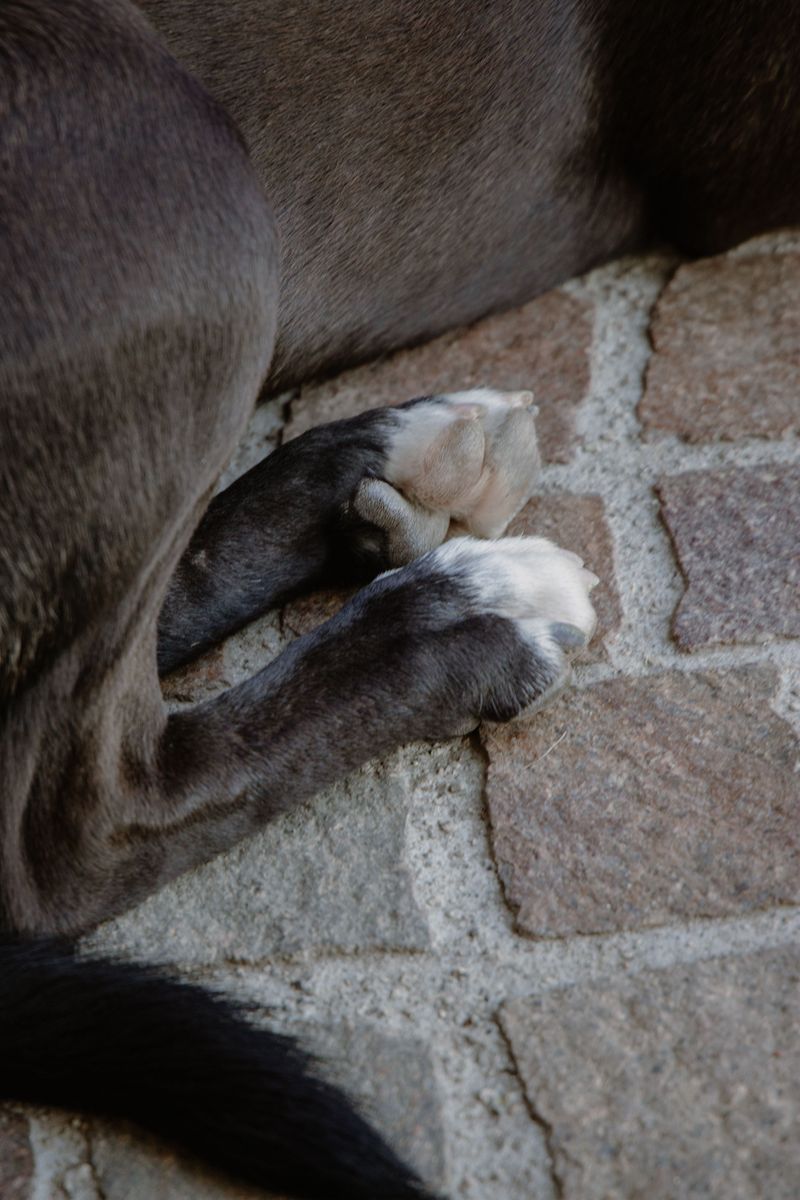
Asphalt soaks up sun and holds it long after the air cools. Paw pads are tough, but not fireproof.
Here is the simple check: press the back of your hand flat on the surface for about seven seconds. If you want to pull away, it is too hot for paws.
Grass, dirt trails, and shaded sidewalks are gentler options. Booties help some dogs, though many need practice first.
Bring More Water Than You Think You Need
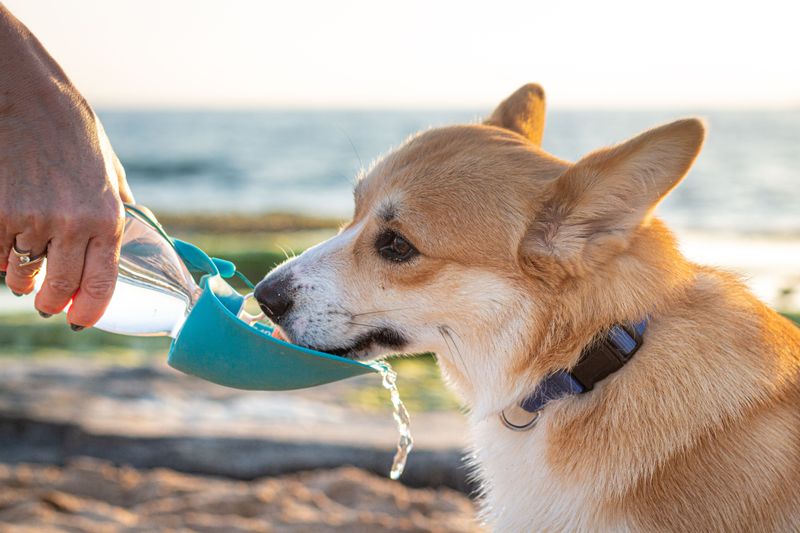
Underpacking water is the most common Florida walking mistake. Dogs lose moisture fast through panting, and a short outing can stretch longer than planned.
A collapsible bowl weighs almost nothing and clips to a belt loop. Pack at least one full bottle for a thirty-minute walk.
Natural water sources are never a backup plan. Treat your own bottle as the only option, and refill before you head out.
Look for Shade Along Your Route
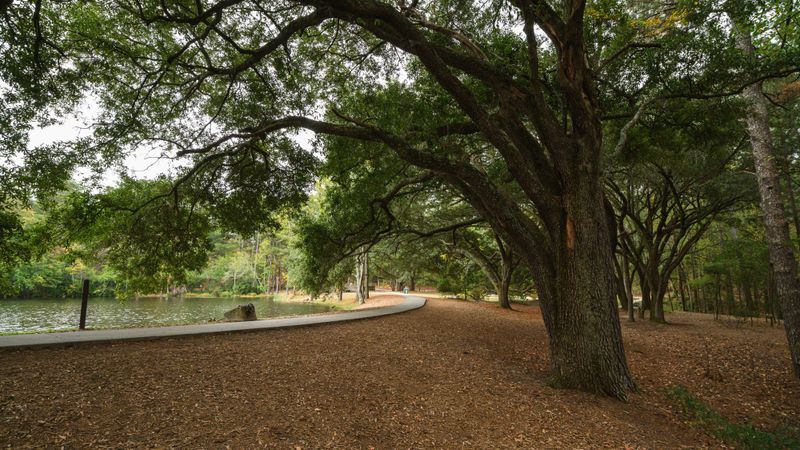
Route planning matters more here than in most states. A tree-lined greenway can feel noticeably cooler than an open sidewalk beside a parking lot.
Scout a couple of shaded loops near home and rotate between them. Covered pavilions, oak canopies, and boardwalks with roofs all work well.
Pausing in shade every ten minutes gives your dog a chance to reset. Small breaks add up to a much easier walk.
Know the Signs Your Dog Is Overheating
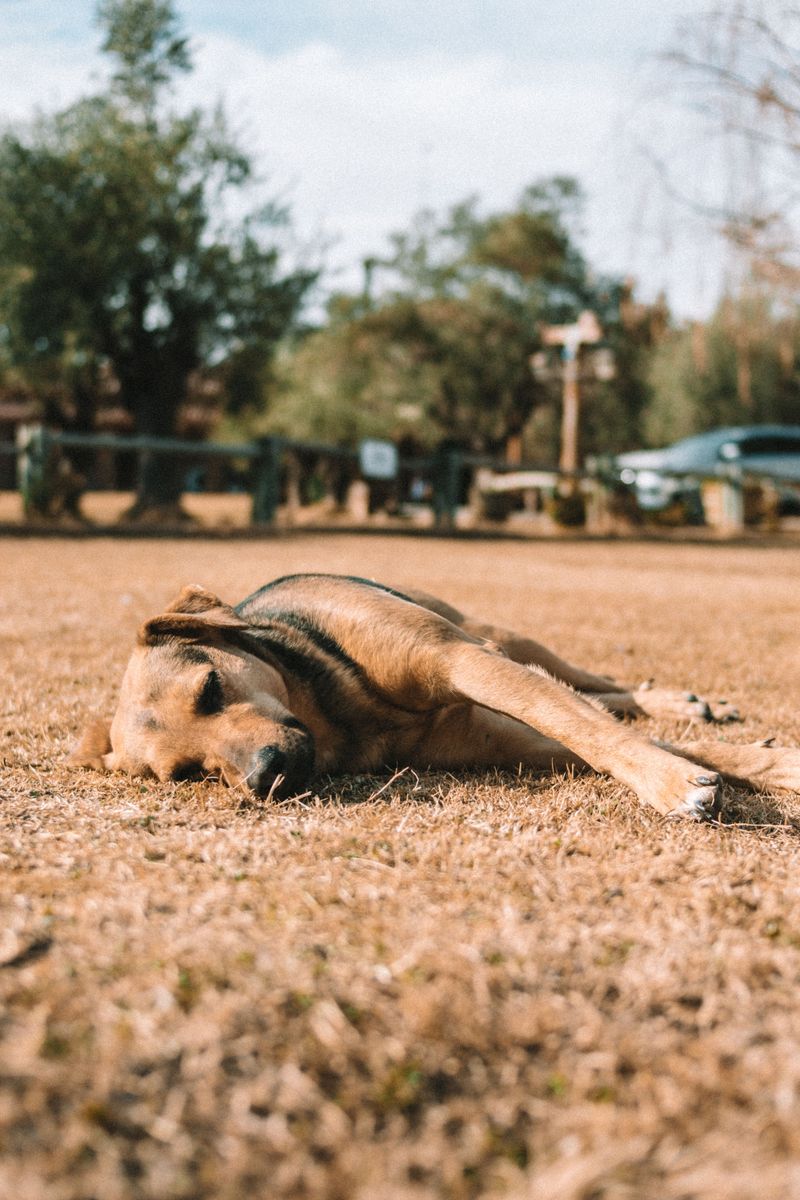
Recognizing trouble early gives you options. Watch for frantic panting, thick drool, wobbly legs, confusion, bright red gums, or an upset stomach.
Stop walking immediately if you notice any of it. Move to shade, offer small amounts of cool water, and wet the belly and paws.
Call your veterinarian or an emergency clinic right away. Heat illness in dogs progresses quickly, and professional care matters.
Choose Cooler Walking Times
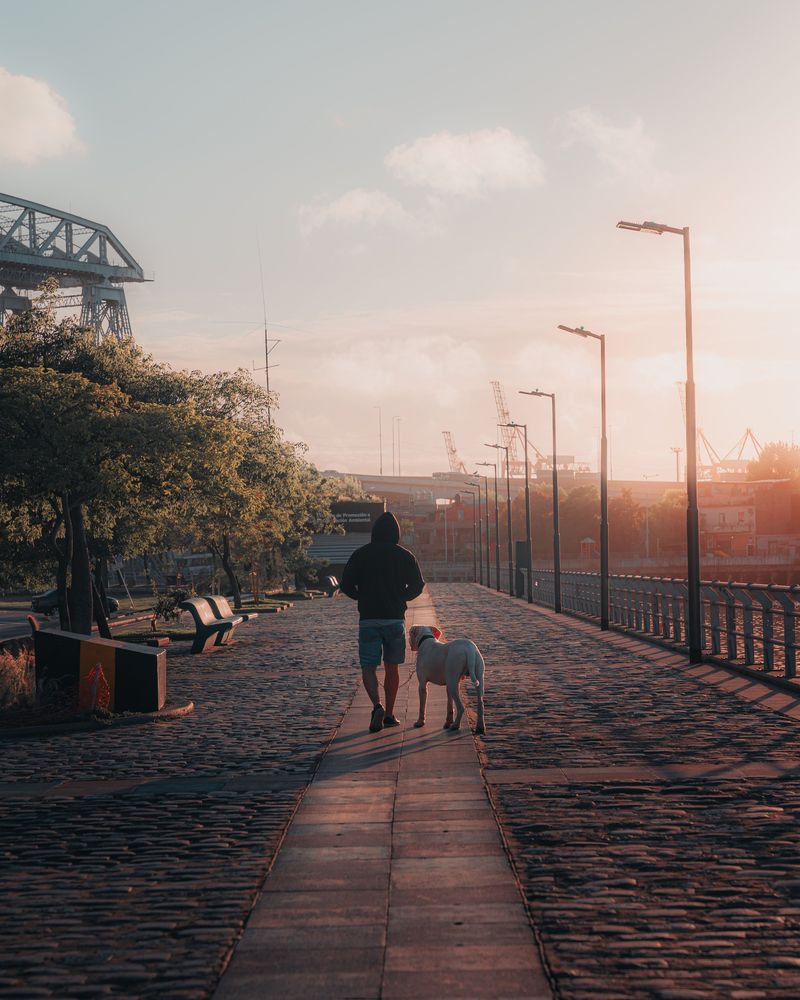
Sunrise and after-dark walks are the local standard from May through October. Midday sun is simply too intense for most dogs.
Even evening walks deserve a quick check, because Florida humidity often lingers well past sunset. Pavement can stay warm for hours.
Splitting one long walk into two shorter ones works nicely. Your dog still gets exercise without spending extended time in the heat.
Keep Dogs Out of Tall Vegetation Near Water
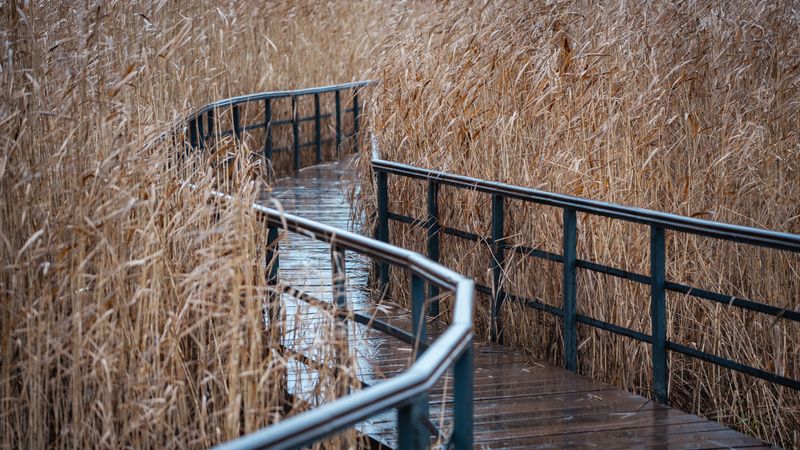
Tall grass and reeds along a bank hide more than you would guess. Snakes, insects, and resting wildlife all use that cover.
You also lose sight of your own dog, which makes recall harder. Stick to clear, established trails where sightlines stay open.
Keep your dog walking beside you rather than ranging toward the brush. A simple heel cue is worth practicing at home first.
Pay Attention to Wildlife Warning Signs
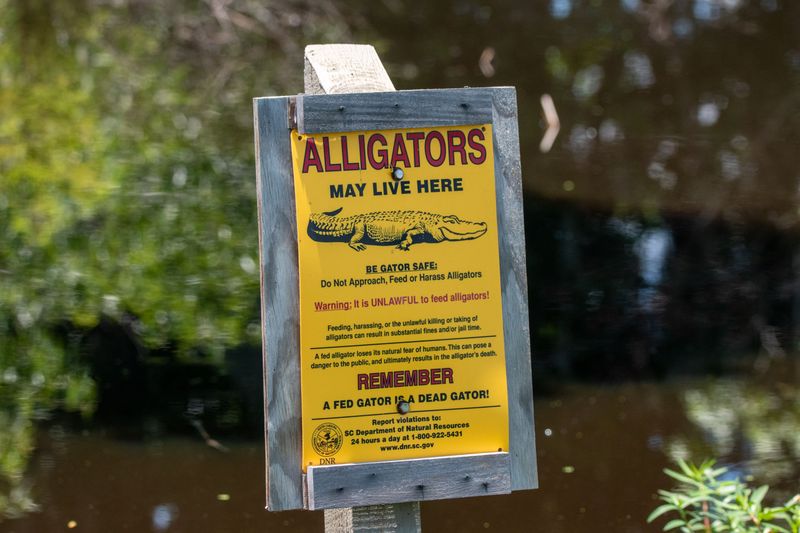
Those posted signs near boardwalks and boat ramps are not decoration. Parks install them where wildlife has actually been observed.
Read leash rules, swimming restrictions, and wildlife notices when you enter a new area. Requirements differ between city parks, county preserves, and state lands.
When something is unclear, ask a ranger or call the parks office. Local staff usually know exactly which stretches deserve extra caution.
Do Not Assume a Small Dog Is Safer
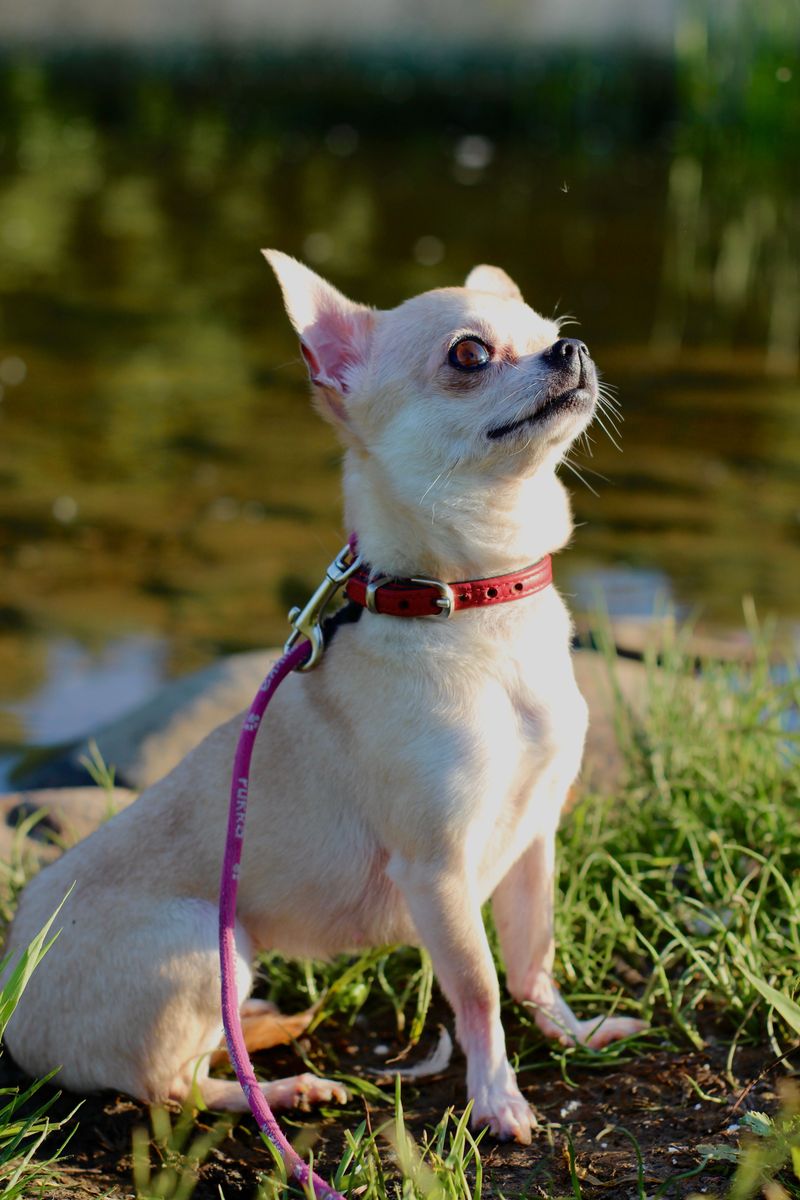
There is a common belief that tiny dogs slip under the radar. Wildlife experts note the opposite: dogs of many sizes can be at risk near water.
Quick movements and high-pitched barking attract attention rather than deflecting it.
Carrying a small dog past an open shoreline is perfectly reasonable. Never allow off-leash roaming near natural or manmade waterways, regardless of breed or weight.
Give Your Dog Breaks During Long Walks
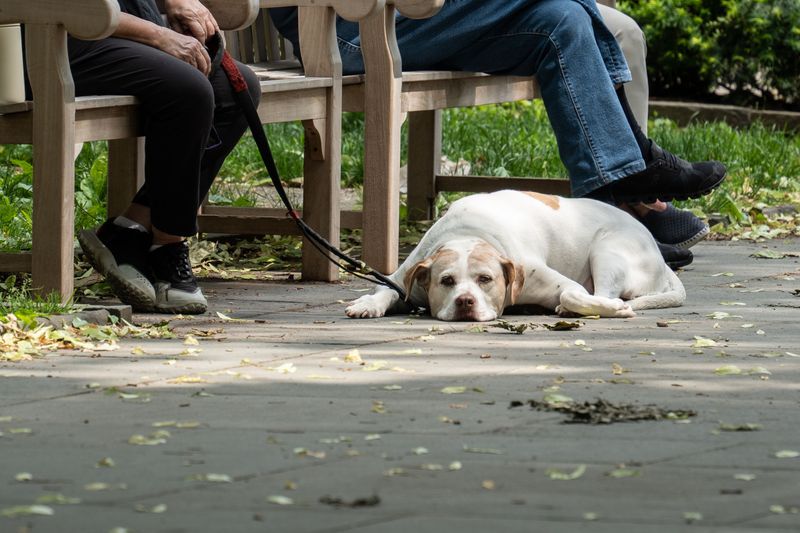
Fatigue sneaks up faster than distance suggests, especially when humidity climbs. A dog who trotted happily for a mile in March may struggle in July.
Build in stops. Find shade, offer water, and let your dog settle for a few minutes before continuing.
If the pace slows or your dog lags behind, turn back. Shortening a walk is always better than pushing through discomfort.
Keep Waterside Walks Focused and Controlled
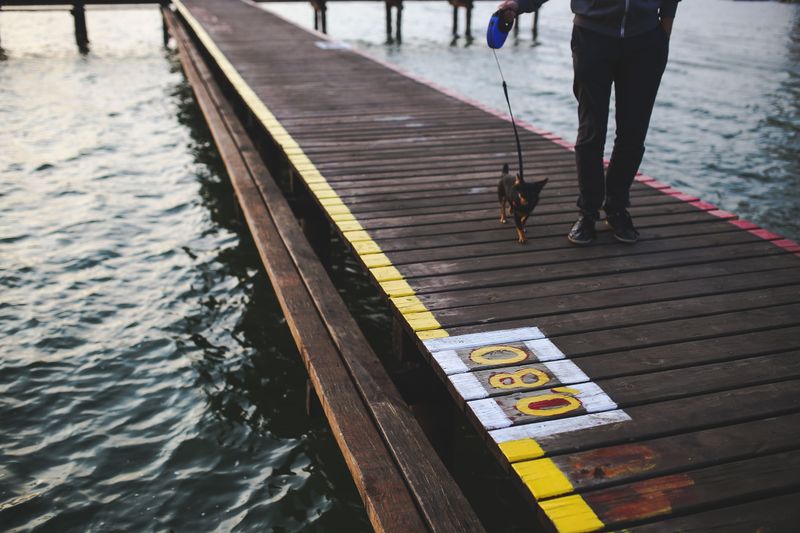
Everything here comes down to four habits: stay on the path, keep your dog close, scan your surroundings, and skip the water.
None of it requires special gear or constant worry. It is just steady awareness, the kind that becomes automatic within a few weeks.
Florida’s boardwalks, greenways, and shoreline parks are genuinely wonderful places to walk a dog. Plan a little, relax, and enjoy them.