20 Michigan Cottage-Kitchen Habits To Rethink When A Dog Is Underfoot All Summer
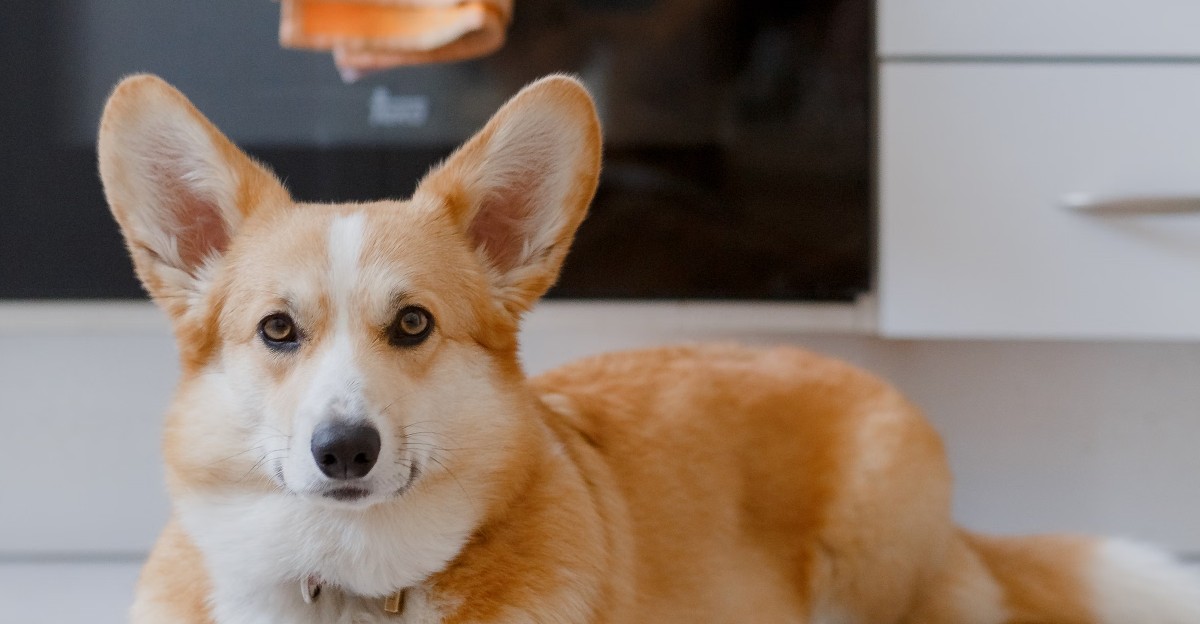
Summer at a Michigan cottage means sandy feet, lake breezes, and a busy little kitchen. If your dog is along for the season, that kitchen gets even busier.
A few everyday habits can quietly put a curious pup at risk. The good news is that small, simple changes keep everyone safe, so you can relax and enjoy those long, sunny days together.
1. Scraps Left on Low Counters
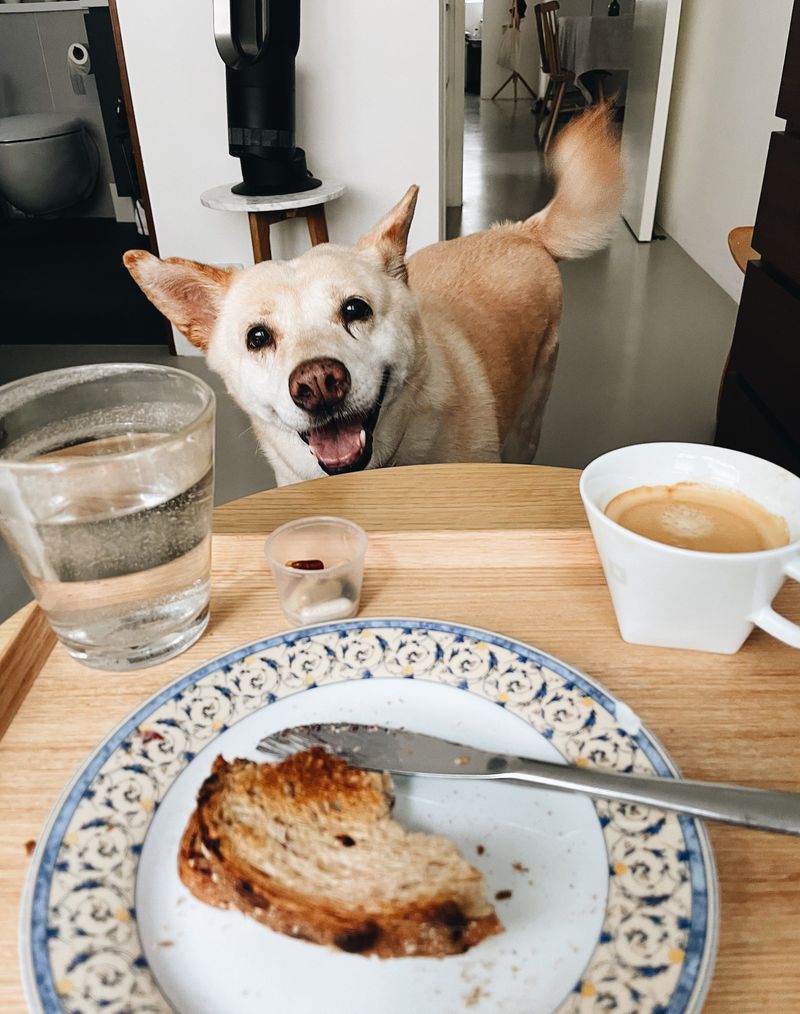
Cottage kitchens often have short counters and tiny tables. For a tall dog, that means dinner leftovers sit right at nose level.
A quick grab can happen in seconds.
Many human foods upset a dog’s stomach. Fatty scraps can also trigger pancreatitis, a painful swelling of the pancreas.
Clear plates as soon as the meal ends.
Push food toward the back of the counter. Better yet, store it in covered containers right away.
2. The Open Trash Can Temptation
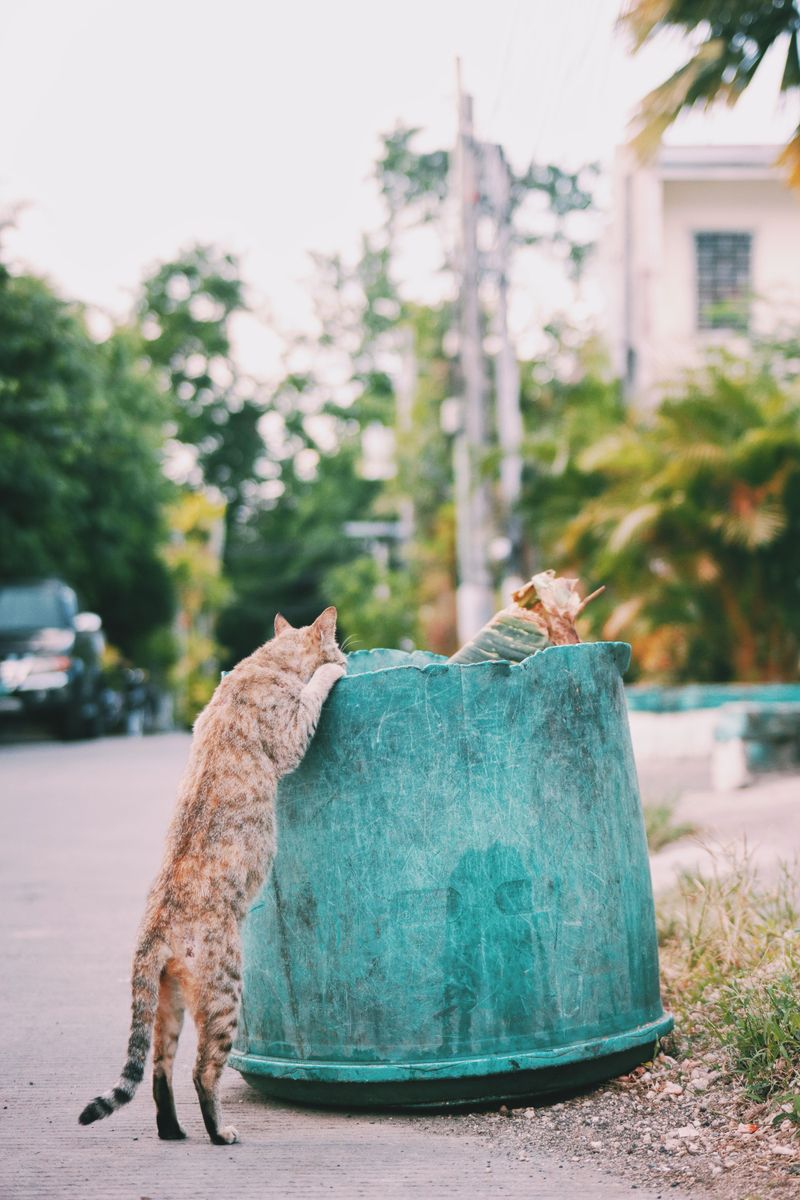
To a dog, an open trash can smells like a treasure chest. Bones, foil, and plastic wrap all hide inside.
Swallowing any of them can cause blockages or internal injury.
Tall, lightweight bins tip over easily, especially on uneven cottage floors. Choose a sturdy can with a tight, locking lid.
Some owners tuck the bin inside a latched cabinet. Others place it in a pantry with the door closed.
Either choice works well.
3. Corn Cobs and Skewers in the Bin
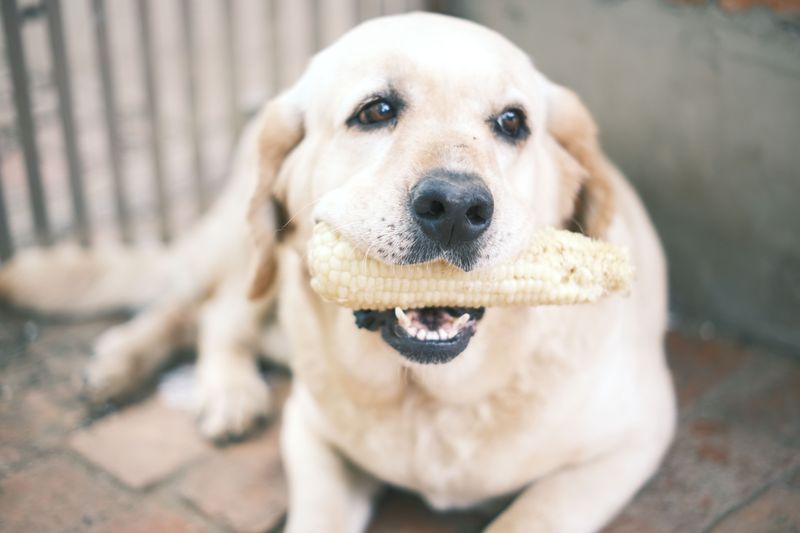
Sweet corn season in Michigan is a treat. Sadly, leftover cobs are a real hazard for dogs.
They can lodge in the intestines and often need a vet’s help to remove.
Cooked bones splinter, and wooden skewers can cause injuries inside the body. Food wrappers add a smothering risk too.
Bag these items separately. Then carry them straight to an outdoor bin with a secure lid, well away from curious noses.
4. Hot Dishes Near the Edge
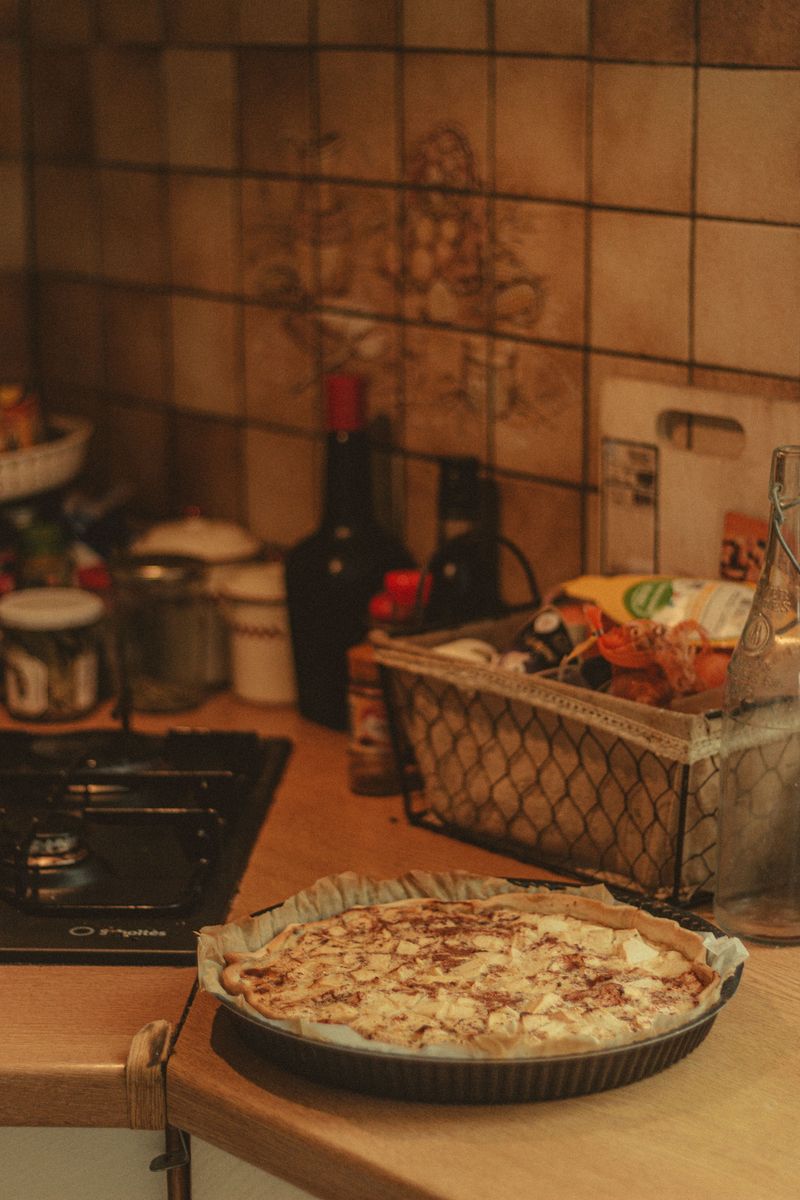
Picture a fresh cherry cobbler cooling on the counter. It smells amazing to you, and even better to your dog.
One jump or bump could send it tumbling.
Hot dishes can burn paws, noses, and people too. Spills also create sticky, slippery messes.
Always set hot items at the back of the counter or on the stovetop. A cooling rack placed far from the edge gives everyone peace of mind.
5. Handles Pointing Out
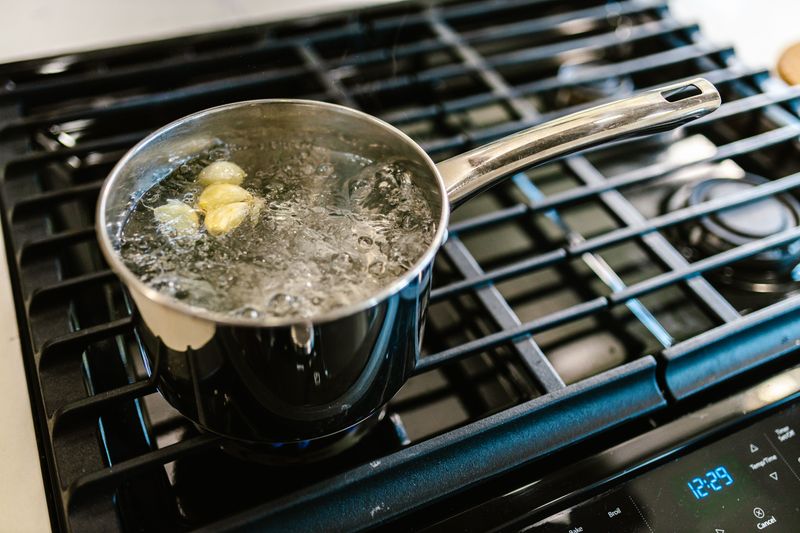
Here is a habit many of us picked up without thinking. Pot handles stick out past the stove so they are easy to grab.
Unfortunately, a curious dog can grab them too. A paw or tail brushing a handle might pull hot food down.
That can lead to burns and a big mess.
Turn handles inward toward the back of the stove. Use back burners when you can.
It quickly becomes second nature.
6. Grocery Bags on the Floor
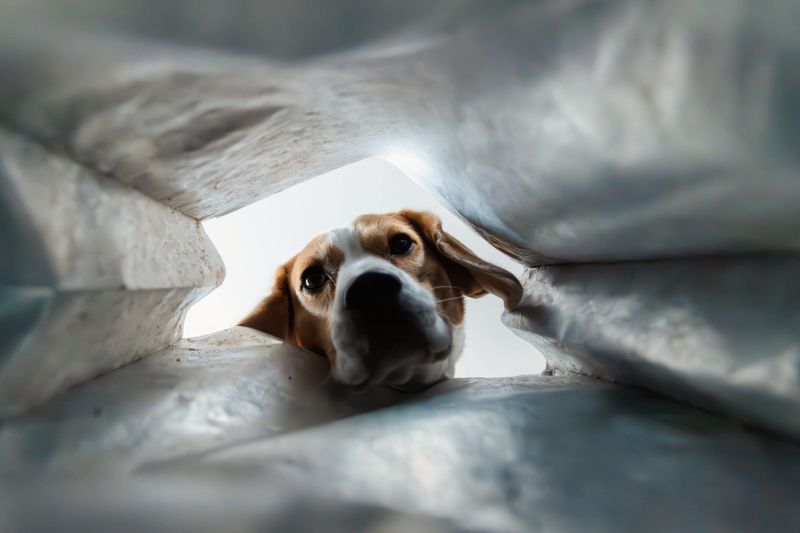
After a trip to the town market, bags often land on the floor. Food smells cling to them, and dogs love to investigate.
Plastic bags are a known smothering risk. A dog’s head can get stuck, and the bag may seal tightly around the face.
Trouble can start within a few minutes.
Unpack on the counter instead. Fold or store plastic bags up high.
Reusable cloth bags are a friendlier choice.
7. Unsafe Treats Within Reach
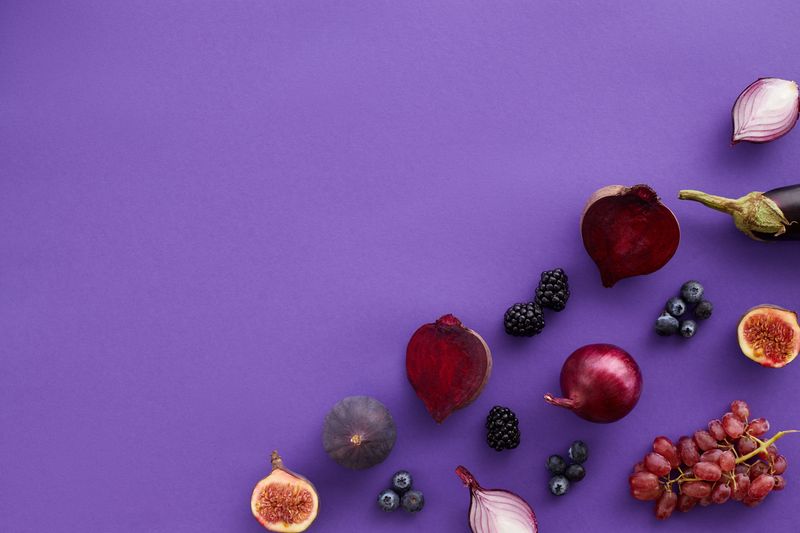
Did you know grapes and raisins can harm a dog’s kidneys? Experts say no amount is known to be safe.
Chocolate contains stimulants that dogs process slowly. Dark and baking chocolate carry the most risk.
Onions, garlic, and chives can damage red blood cells in any form.
Watch for xylitol, a sweetener in some sugar-free gum and peanut butters. Keep these foods up high.
Call your vet or a pet poison hotline if you suspect a problem.
8. Cleaners in Low Cabinets
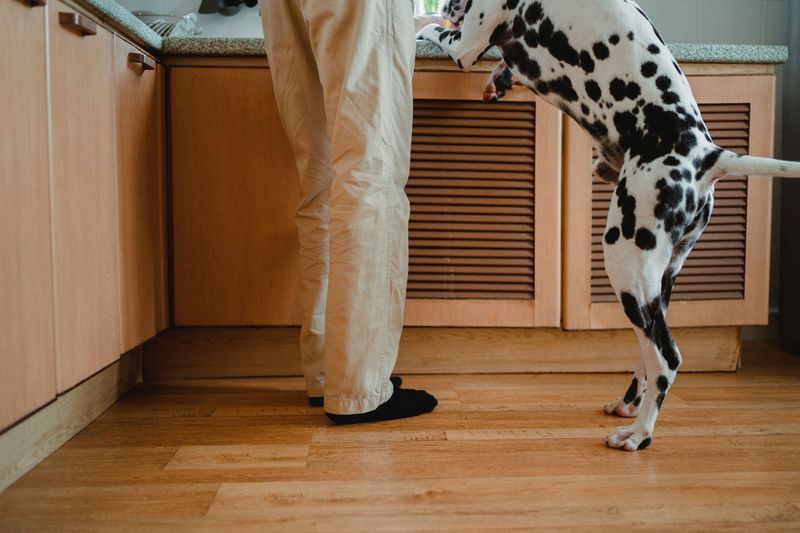
Rental cottages and older family cabins often store cleaners under the sink. It is handy for people but risky for pets.
Many household cleaners contain chemicals that are harmful if swallowed. Clever dogs can nudge open loose cabinet doors with their noses.
Install simple child-proof latches. They cost little and take minutes to add.
Moving products to a high shelf also works. If you rent, pack a few latches for your stay.
9. Towels Hung on the Oven
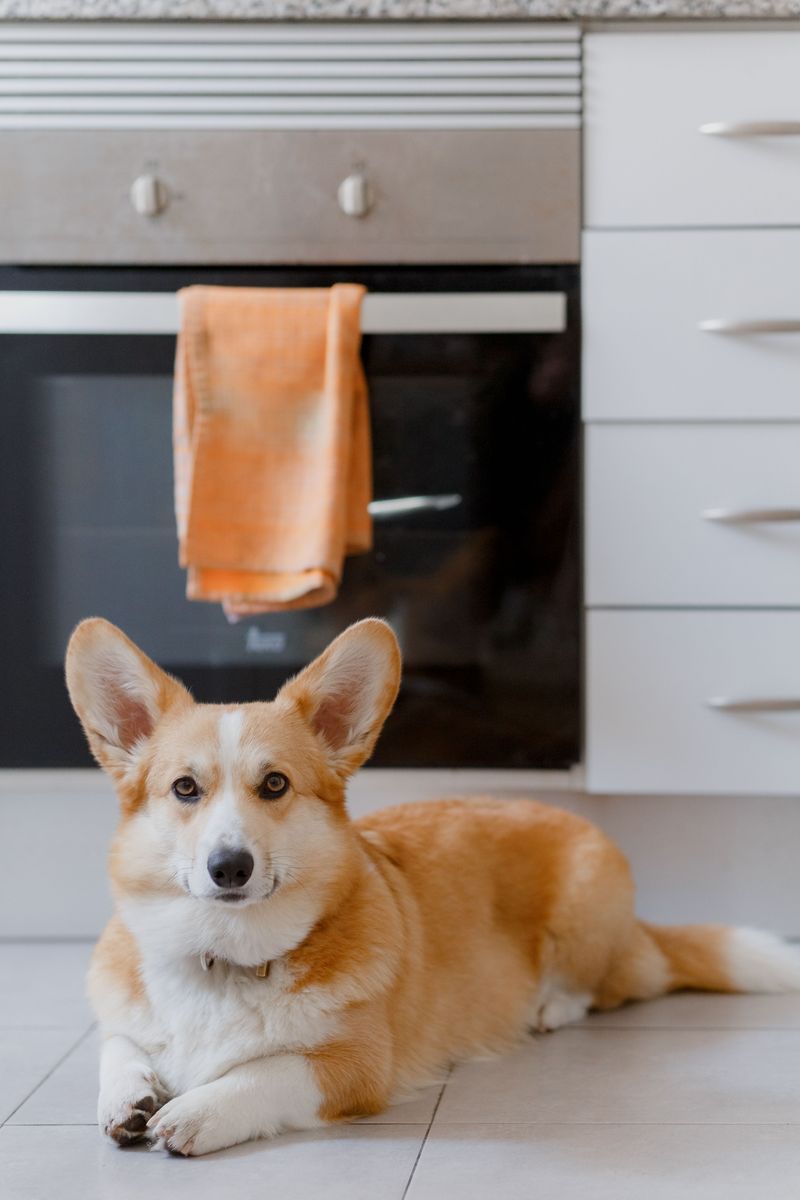
A dish towel draped over the oven door looks cozy. To a playful puppy, though, it looks like a tug toy.
A dog pulling that towel might yank it near a hot burner. Towels close to the stove are also a fire risk.
Some pets have even bumped touch-style stove controls on by accident.
Hang towels on a hook away from the stove. Knob covers or a stove lock add extra protection.
10. Knives on the Counter Edge
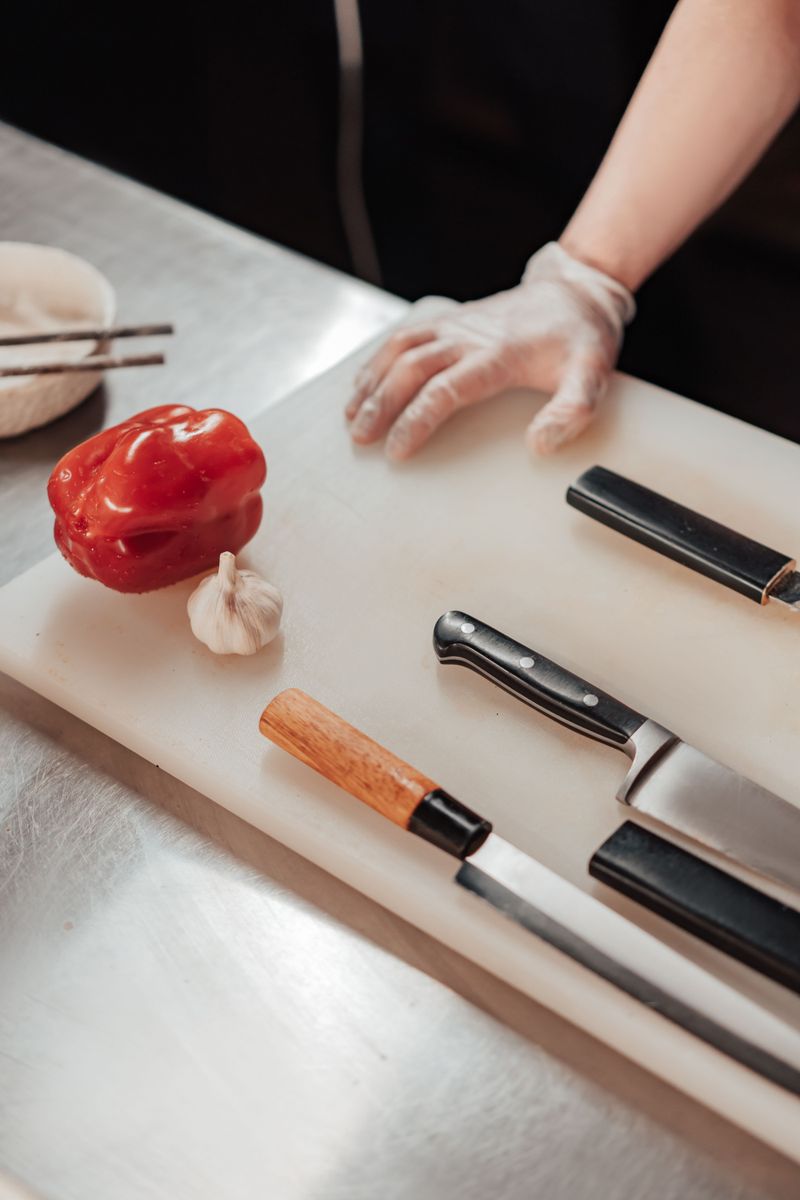
Chopping peppers for a lakeside salad? It is easy to set the knife down near the edge while you grab something.
A wagging tail or jumping dog can knock it right off. Falling blades may cut paws or feet.
Some dogs might even try to lick or chew a knife that smells like food.
Place knives in the sink or a block after each use. Keep peelers and skewers there too.
11. Scraps for the Sad Eyes
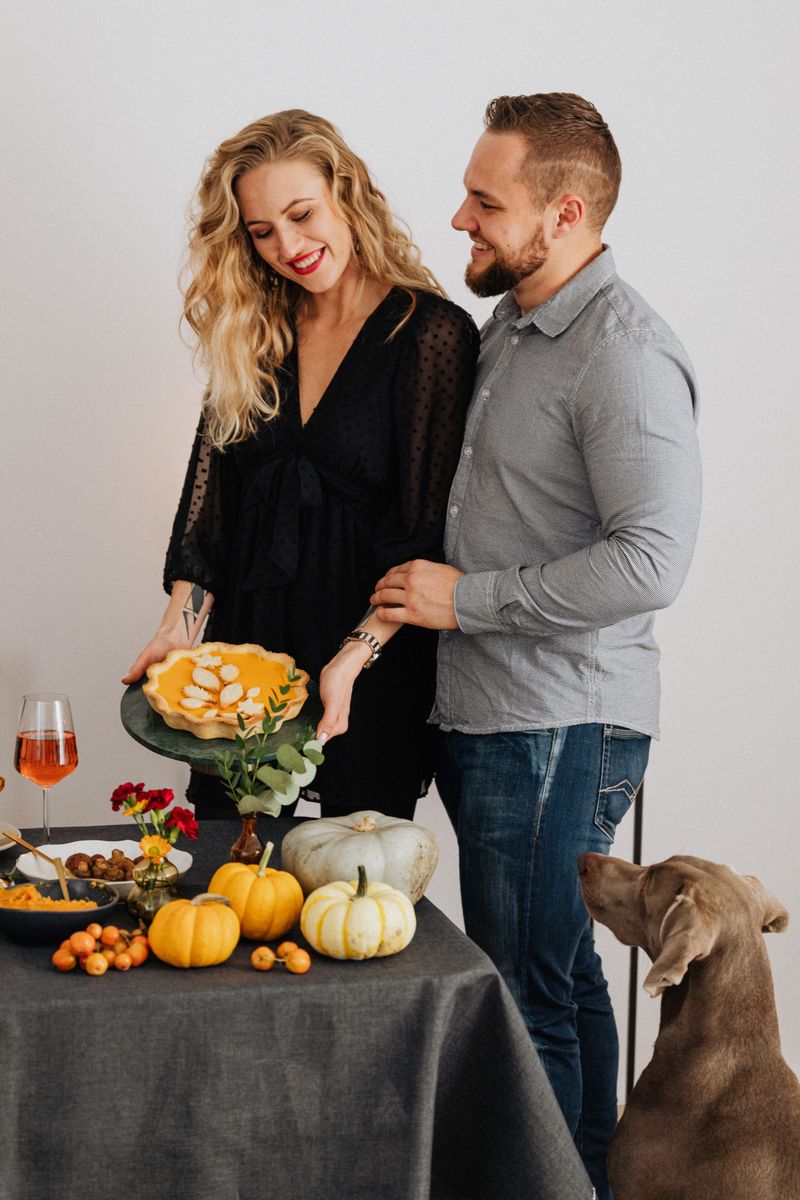
Those pleading eyes beside the dinner table are hard to resist. Most of us have slipped a bite or two.
Over time, regular scraps can cause stomach upset and extra pounds. Rich, fatty foods may lead to pancreatitis.
Begging also grows stronger each time it pays off.
Try giving your dog a chew or puzzle toy during meals. A comfy bed nearby helps too.
Your pup still feels included, just in a healthier way.
12. Spills Saved for Later
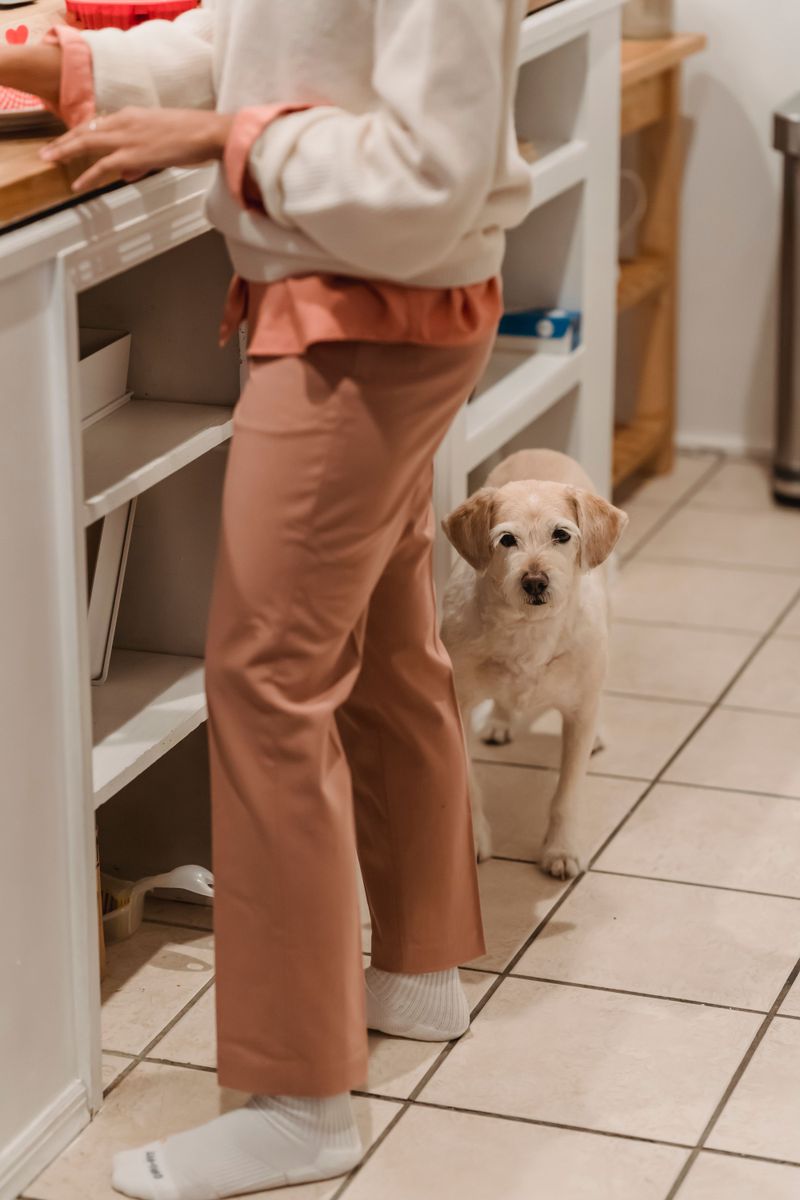
A splash of sauce, a dropped onion slice, or a few spilled noodles. You plan to clean it after dinner.
Your dog, however, will likely clean it first. Dropped food might be something unsafe, like onion or garlic.
Wet spills are slippery for people and paws alike.
Keep a roll of paper towels close to your cutting board. A quick wipe right away takes seconds and prevents surprises later.
13. The Pantry Door Left Ajar
Cottage pantries are packed with summer snacks. Chips, cookies, dried fruit, and bread all sit on low shelves.
An open door gives a dog free access to everything. Packaging is easy to chew through, and dogs may overeat quickly.
Some items, like raisins or sugar-free treats, can be harmful.
Get into the habit of closing the door every time. A simple hook latch helps if your dog has learned to push it open.
14. Kibble in a Floppy Bag
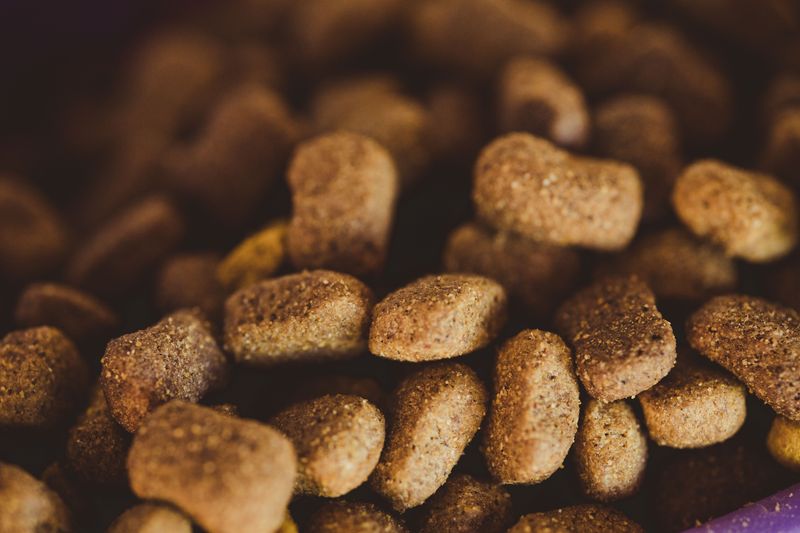
Packing for the cottage often means tossing the dog food bag in the car. Once there, it slumps in a corner.
Dogs can tear bags open and overeat. Some have gotten their heads stuck inside.
Open bags also go stale faster and attract ants and mice, common cottage visitors.
Pour kibble into an airtight, chew-proof container. Durable plastic or metal works best.
Your dog’s food stays fresh all summer long.
15. Carrying Hot Food Blindly
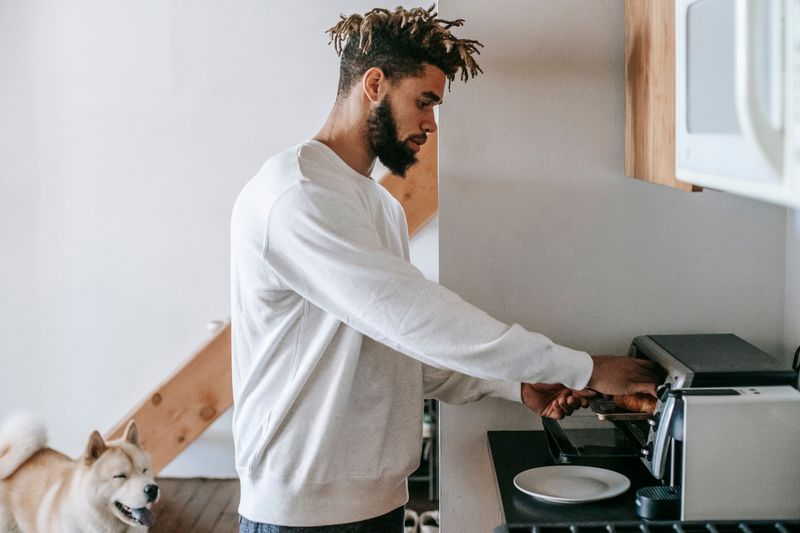
A busy summer kitchen fills fast. Cousins, kids, and your dog all crowd the same small space.
Walking with a steaming pot of corn means you often cannot see your feet. Stepping on a dog can lead to burns for both of you.
Pause and glance down before you move. Better yet, give your dog a crate or gated room during big meals.
Calm music nearby can help them settle.
16. The Wide-Open Fridge
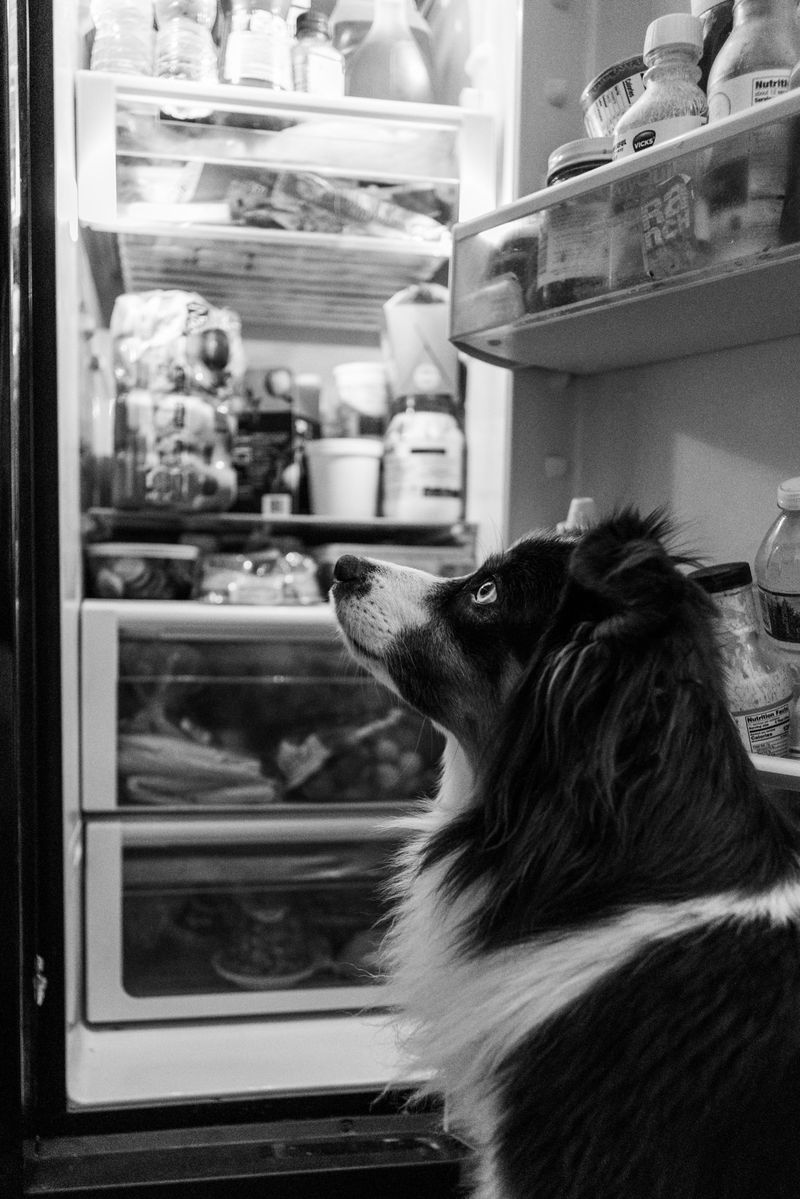
Gathering burger fixings often means holding the fridge open for a while. Meanwhile, a sneaky nose drifts in.
Fridges hold cold cuts, cheese, and leftovers that are rich or unsafe for dogs. Low shelves are right at dog height.
Grab what you need, then close the door between trips. Planning your ingredients first saves steps too.
It also keeps cold air in, which helps on hot July afternoons.
17. Guests Sharing Snacks
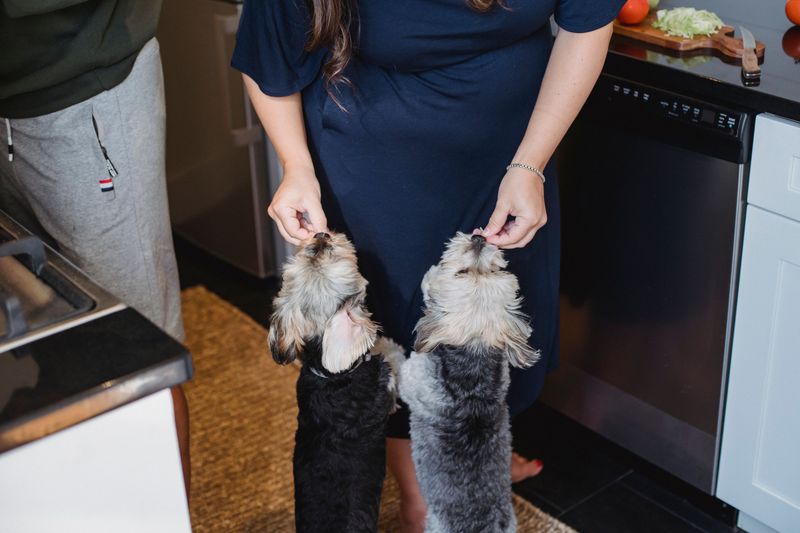
Weekend visitors love spoiling the cottage dog. A cracker here, a hot dog bite there, and it adds up fast.
Guests may not know which foods are unsafe. They also have no idea your dog already had breakfast and three treats.
Share a simple house rule when friends arrive. Offer a small jar of approved dog treats they can hand out.
Everyone gets to bond, and tummies stay happy.
18. Coolers Sitting on the Floor
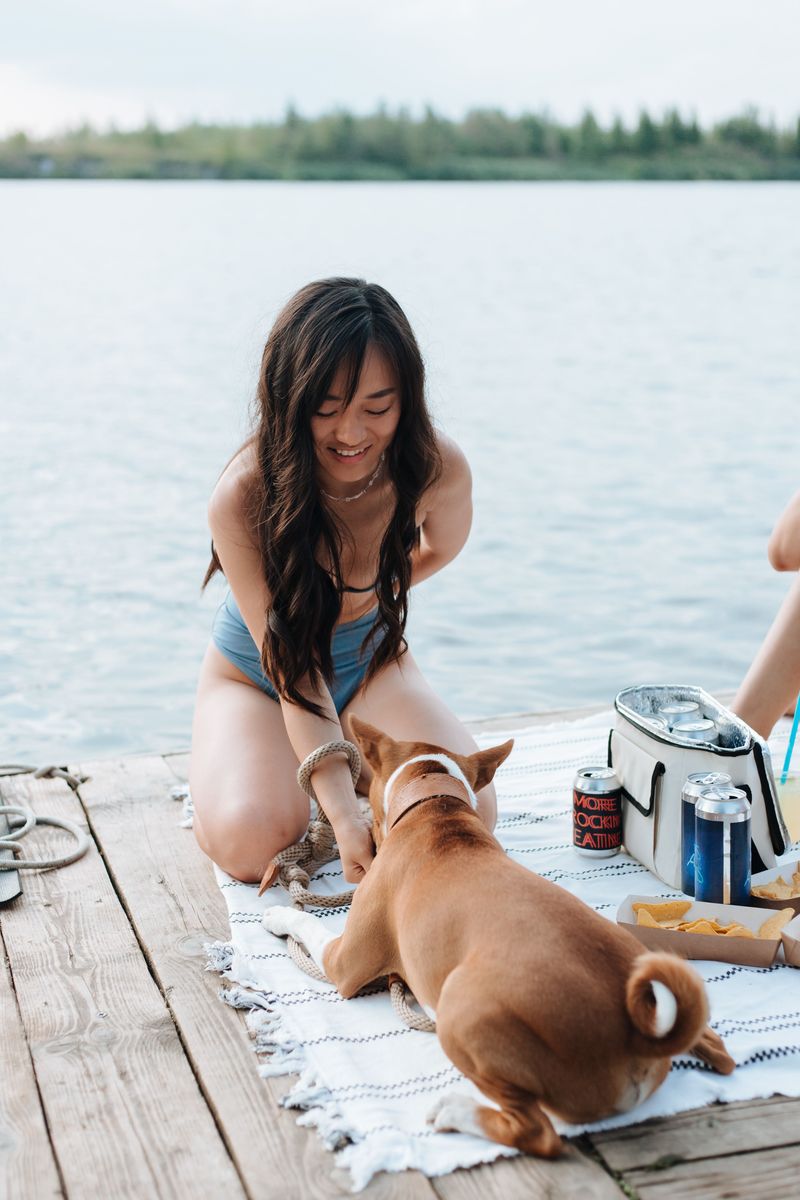
Coming back from a Lake Michigan beach day, the cooler often lands by the door. Everyone rushes off for showers.
Inside might be chicken bones, grapes, or greasy leftovers. A dog can easily nose open a loose lid.
Lift coolers onto a bench or counter right away. Empty and toss waste into a covered bin.
Before outings, pack coolers up high too. A few extra seconds protects your pup’s belly.
19. Wet Paws on Slick Floors
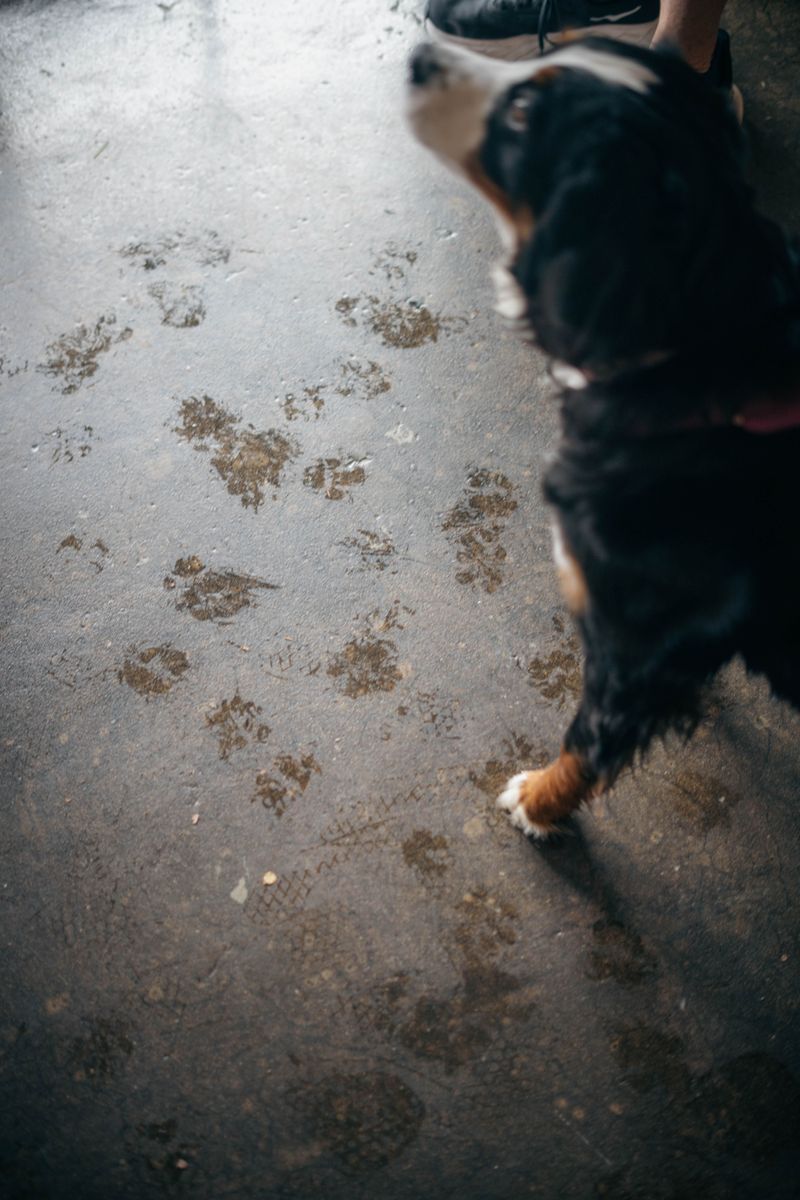
Lake swims and summer rain showers are part of cottage life. So are soggy dogs racing across the kitchen.
Wet paws on tile or hardwood can cause slips and strains. Older dogs and those with arthritis face the greatest risk.
Keep a towel by the door for quick paw drying. Lay non-slip rugs along busy paths.
Some owners also like paw grip products. Your dog will move with far more confidence.
20. The Dog Behind Your Heels
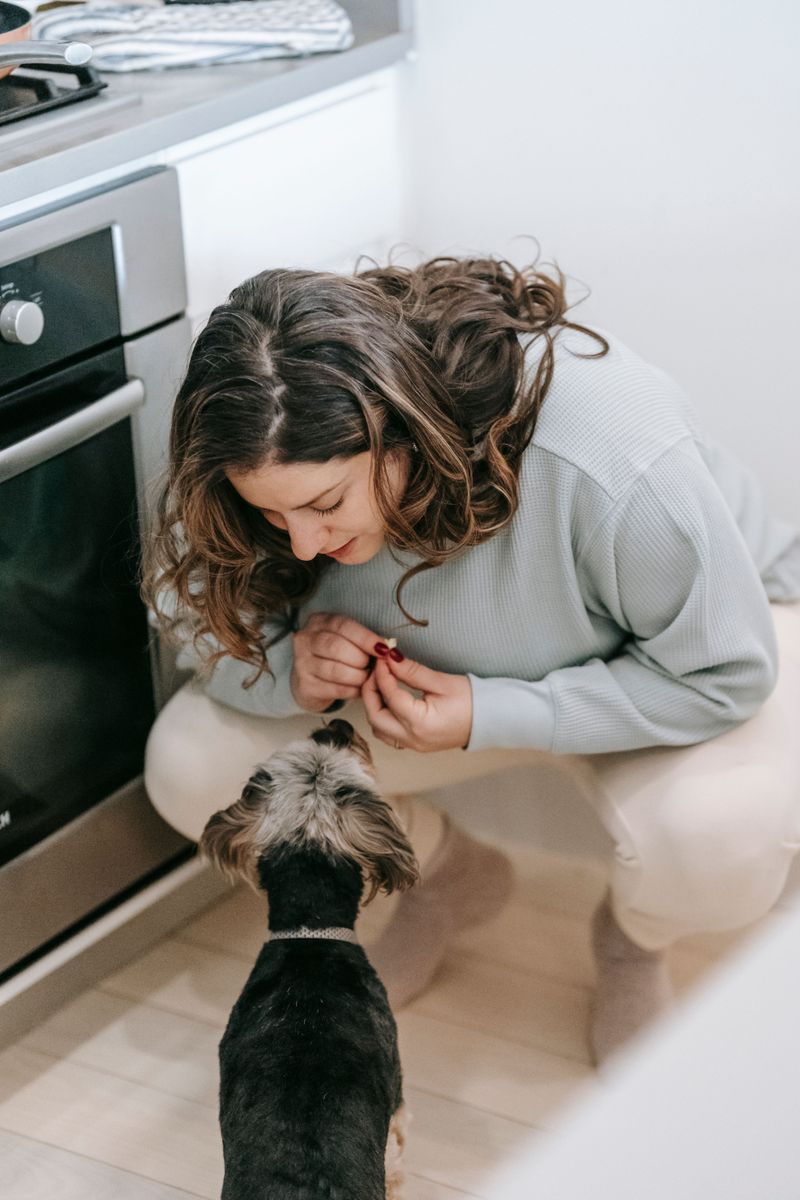
Some dogs love to nap right behind the cook. It feels sweet, but it is a classic tripping trap.
Turning with a hot pan or sharp knife and stumbling is no fun for anyone. A dog underfoot can be hard to see.
Set up a comfy spot just outside the cooking zone. Reward your dog for staying there.
A small collar bell can also help you know where they are.