Rural Texas Dog Owners Need A Different Specialty-Vet Plan When The Nearest Large City Is Hours Away
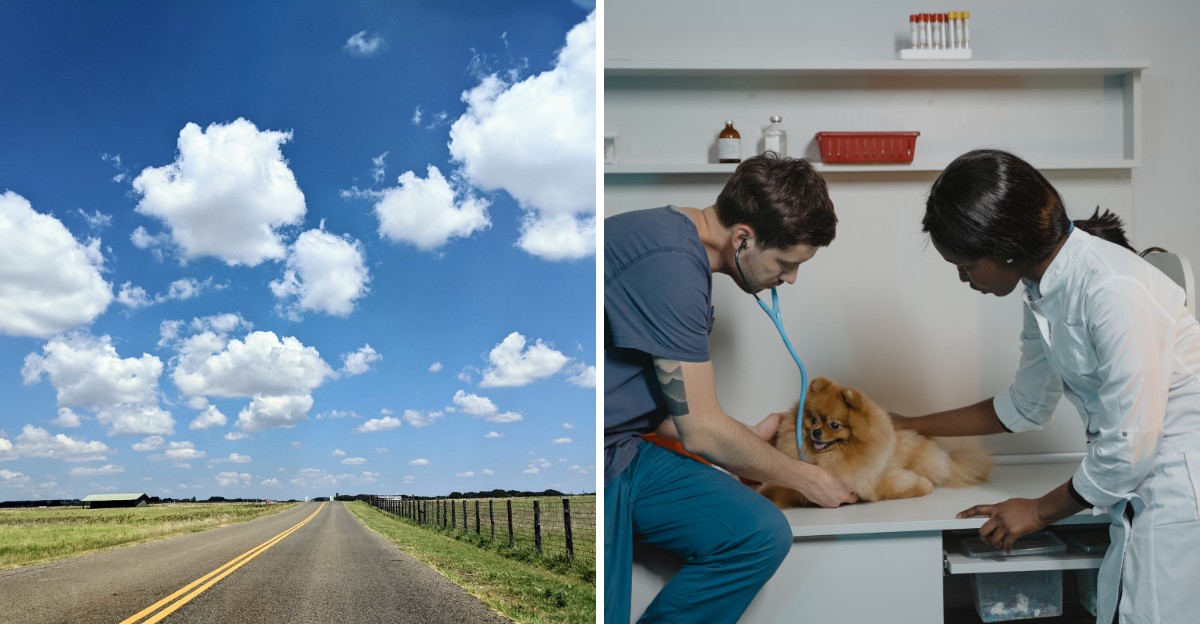
If you live out in rural Texas, your dog probably has wide open space and a great life. But when a dog needs a heart doctor, an eye expert, or advanced surgery, the closest help may be hours away.
A little planning now can turn a stressful drive into a calm, organized trip. Think of this guide as a friendly neighbor sharing the steps every country dog owner should know.
1. Map Out the Big-City Specialty Hospitals
Start with a simple map. Each major Texas city has specialty hospitals.
Dallas has VCA Dallas Animal Specialty Hospital, MedVet Dallas, and Arista Advanced Pet Care.
Houston has Gulf Coast Veterinary Specialists and MedVet Houston Bay Area. Austin has Central Texas Veterinary Specialty and Emergency Hospital, plus AVES.
San Antonio offers MissionVet and BluePearl Stone Oak.
Out west, West Texas Veterinary Specialists serves Lubbock. Save the addresses and phone numbers in your phone today.
2. Match the Hospital to the Specialty
Not every specialty hospital does everything. One may have a strong cancer team, while another focuses on surgery or eyes.
For example, San Antonio Veterinary Specialists lists oncology, ophthalmology, and surgery. MedVet Dallas lists cardiology, neurology, ophthalmology, and more.
West Texas Veterinary Specialists offers internal medicine, surgery, oncology, and CT imaging.
Services and staff can change over time. Check each hospital’s website or call before you plan a trip around one service.
3. Your Hometown Vet Is the Quarterback
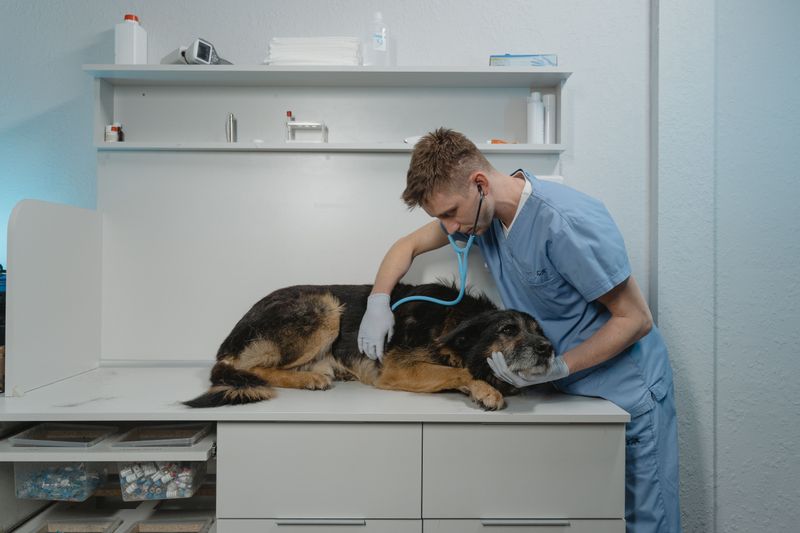
Most specialists work by referral. That means your local veterinarian usually makes the first call and sends your dog’s history ahead.
A vet who already knows your dog can spot changes fast. They can also explain what the specialist found in plain words after you get home.
Schedule yearly checkups, even when your dog seems fine. That steady relationship pays off when a bigger problem shows up and you need a trusted guide.
4. Know Who Answers the Phone at 2 a.m.
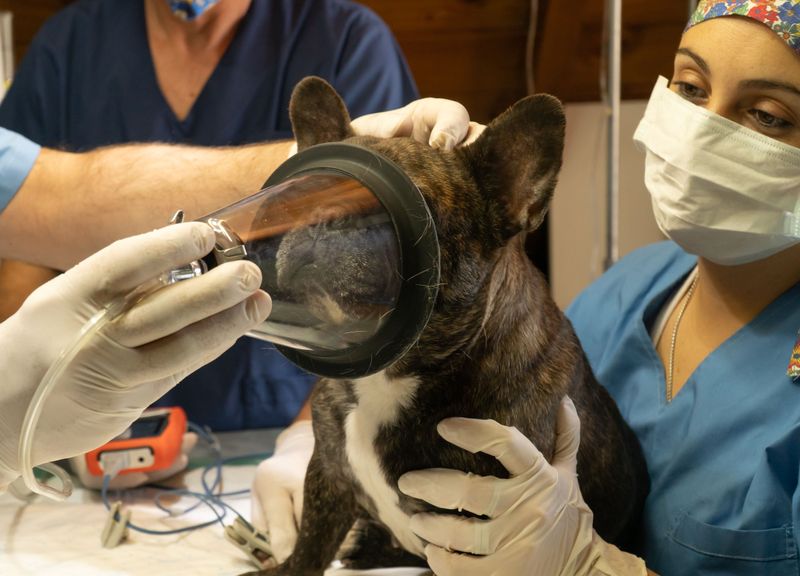
Late-night emergencies call for a different list than planned visits. Several Texas hospitals advertise 24 hour emergency care.
These include MedVet Dallas, Gulf Coast Veterinary Specialists, both Central Texas Veterinary Specialty locations, AVES, MissionVet, and BluePearl Stone Oak. Others, like San Antonio Veterinary Specialists, see patients by appointment and referral only.
Hours can shift. Call ahead whenever possible, so the team knows you are coming and can prepare.
5. Do the Real Driving Math

Ninety minutes on paper can easily become three hours. Two-lane highways, farm equipment, and road work slow things down.
Then city traffic adds more time near the end.
Time your routes to each hospital during rush hour and on weekends. Add extra time for rain or storms.
Write the realistic times on a card in your glove box. When stress is high, simple numbers help you choose quickly.
6. Build a Grab-and-Go Emergency Plan
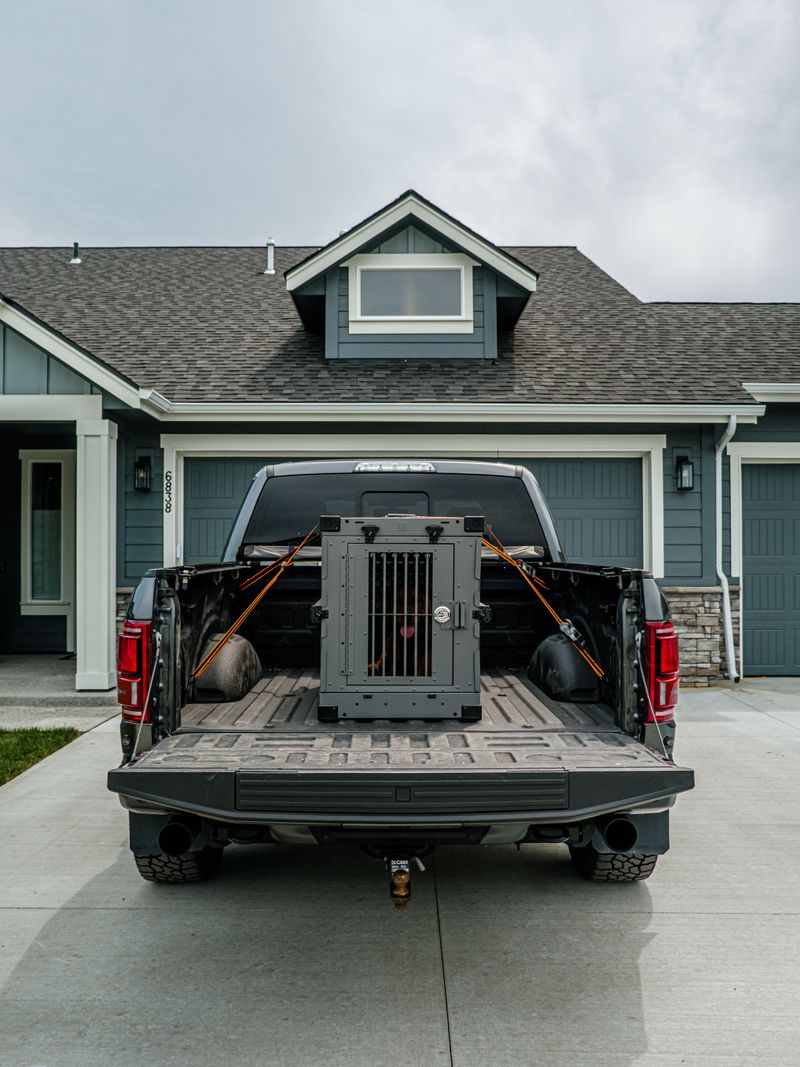
Picture a sudden emergency at suppertime. Who drives, which car, and where do you go first?
Decide those answers now. Keep a crash-tested crate or harness ready, plus a blanket that can work as a stretcher for a large dog.
Post the plan on your fridge so everyone in the house knows it. A clear routine keeps hands steady and helps your dog stay calmer during the ride.
7. Line Up Stabilizing Stops Along the Way
Sometimes the smartest first stop is not the farthest one. A nearby clinic may give fluids, oxygen, or pain relief before a long transfer.
Ask your vet which clinics in nearby towns handle urgent cases. Find out their hours and whether they take walk-ins.
Keep that list with your emergency card. Always phone ahead, since small clinics may have one doctor who is out on a farm call.
8. Explore Video Visits With Specialists

Here is good news for country folks. Veterinary telemedicine has grown in Texas.
Texas A&M College of Veterinary Medicine offers virtual visits, and private services also operate statewide.
Video calls can help with follow-ups, nutrition, behavior, and chronic care. Rules about a valid vet-client-patient relationship still apply for diagnoses and prescriptions.
Ask your local vet whether a remote consult fits your dog’s case. Some problems still need hands-on exams.
9. Carry Your Dog’s Story in Your Pocket

Picture a specialist asking for last month’s blood work while your clinic is closed. Digital copies solve that problem.
Request records, X-rays, ultrasound reports, lab results, and a medication list after each visit. Store them in a phone folder and a cloud backup.
Update the files whenever doses change. Fewer repeated tests can mean lower costs and quicker answers for your dog.
10. Read the Fine Print on Pet Insurance
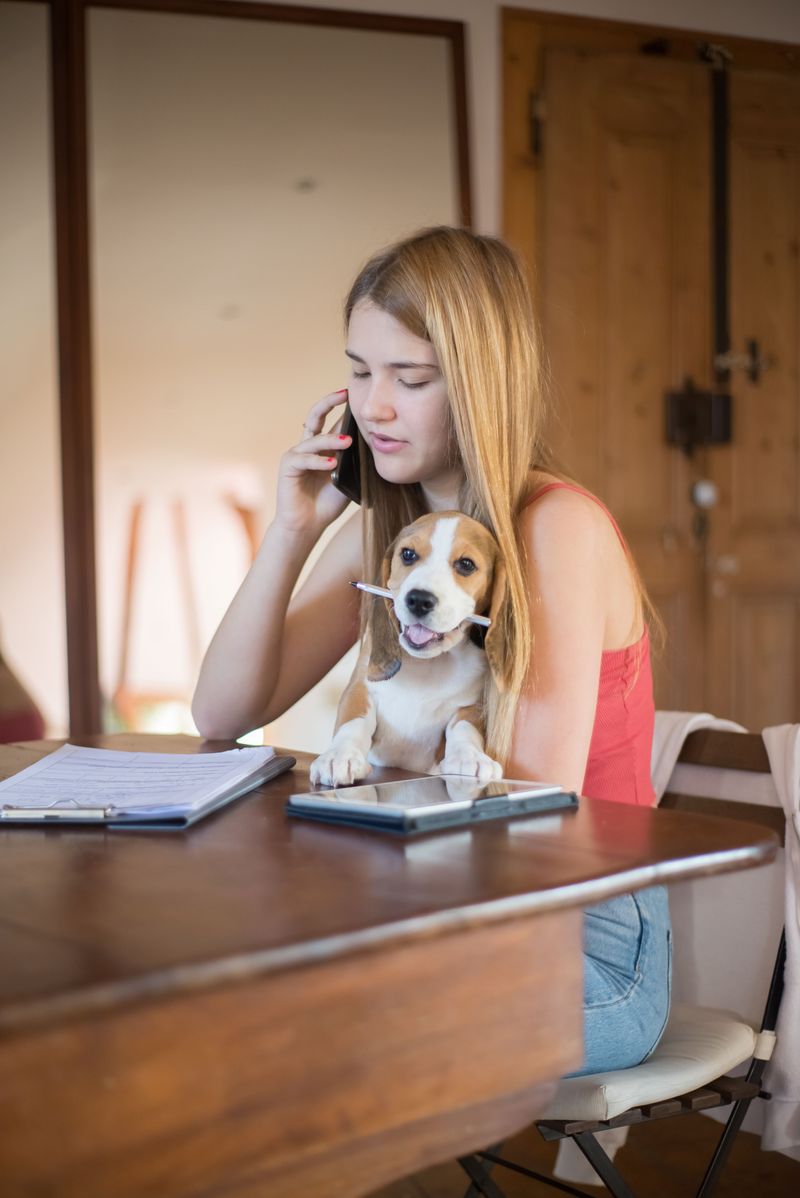
Insurance works best when you buy it before problems appear. Most plans do not cover pre-existing conditions.
Look for coverage of specialist exams, MRI or CT scans, and emergency surgery. Compare deductibles, reimbursement rates, and yearly limits.
Check waiting periods too.
Many plans let you visit any licensed vet. Still, read sample policies carefully, and call the company with questions before signing up.
11. Start a Paws-Only Savings Jar

Even good insurance leaves gaps. Fuel, meals, hotel nights, and deposits for treatment add up quickly.
Set aside a small amount each month in a separate account. Some owners treat it like a feed bill, steady and automatic.
Ask your clinic about payment plans or wellness bundles too. Having cash ready means you can focus on choices for your dog, not on scrambling for money.
12. Scout Pet-Friendly Hotels in Advance

Some treatments take two or three days. Driving home each night is rarely realistic from far away.
Search for pet-friendly hotels close to your chosen hospital. Call to confirm fees, weight limits, and how many dogs are allowed.
Hospital staff often know which nearby places welcome patients. Bring a crate so your dog feels secure in an unfamiliar room.
Never leave a recovering dog alone for long.
13. Bundle Appointments Into One Trip
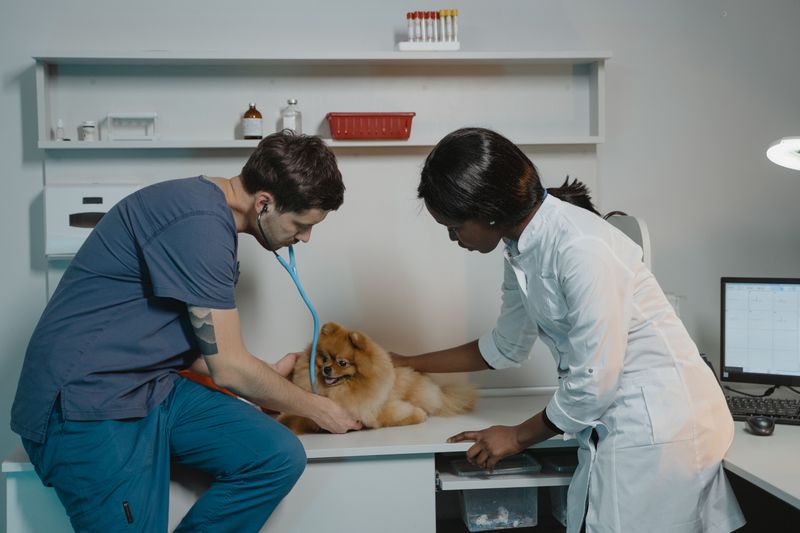
Every saved trip means less stress for your dog. Ask the scheduling team to stack exams, imaging, and blood work on one day.
Explain how far you live. Many hospitals will try to help when they understand your drive.
Find out about fasting instructions in advance, since some tests require an empty stomach. Morning slots can help you avoid driving home late at night.
14. Bring Rechecks Closer to Home
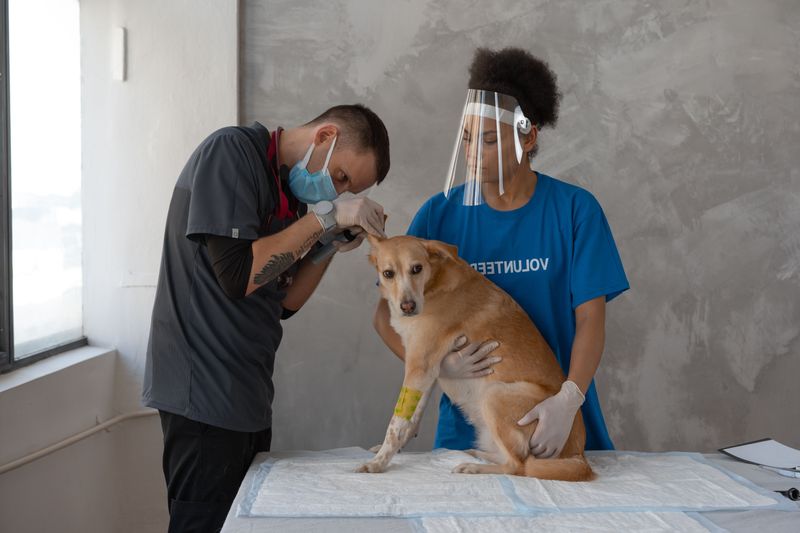
Not every recheck needs a specialist in the room. Stitch removal, blood draws, and weight checks can often happen at your regular clinic.
Ask the specialist if they will share notes and guide your local vet. Many teams already work this way with rural referrals.
That teamwork keeps expert eyes on the case while sparing you a long round trip. Your dog will appreciate fewer hours on the road.
15. Pack a Road-Ready Travel Kit
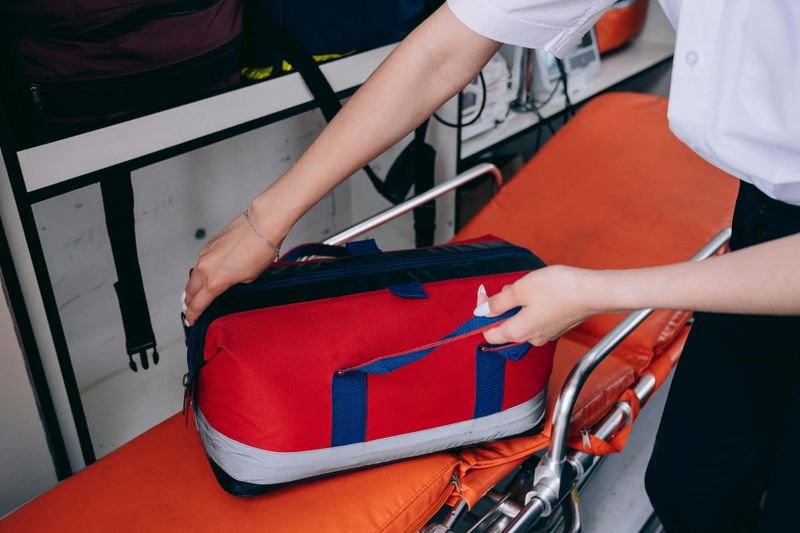
Think of it as your dog’s carry-on bag. Pack medications with labels, plenty of water, food, and a collapsible bowl.
Add bedding, towels, waste bags, wipes, a spare leash, and a basic first aid kit. Tuck in a favorite toy for comfort.
Keep a printed copy of records inside, just in case your phone runs out of battery. Restock the kit right after each trip.
16. Respect Texas Weather
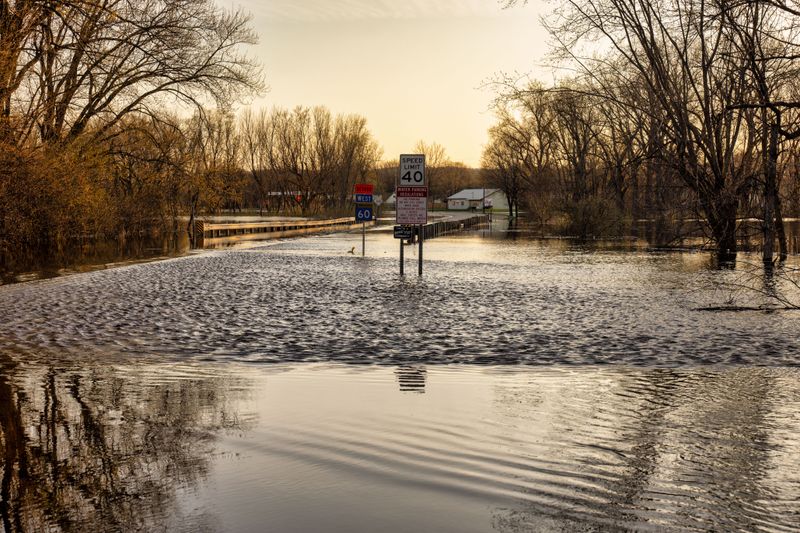
Texas weather can change your plans fast. Summer heat makes parked cars unsafe within minutes, so never leave your dog inside one alone.
Travel early in the morning during hot months. Run the air conditioning before loading up.
Flash floods can cover low-water crossings quickly. Check forecasts and road conditions, and never drive through flooded roads.
Plan an alternate route for stormy days.
17. Have a Plan B for Wheels
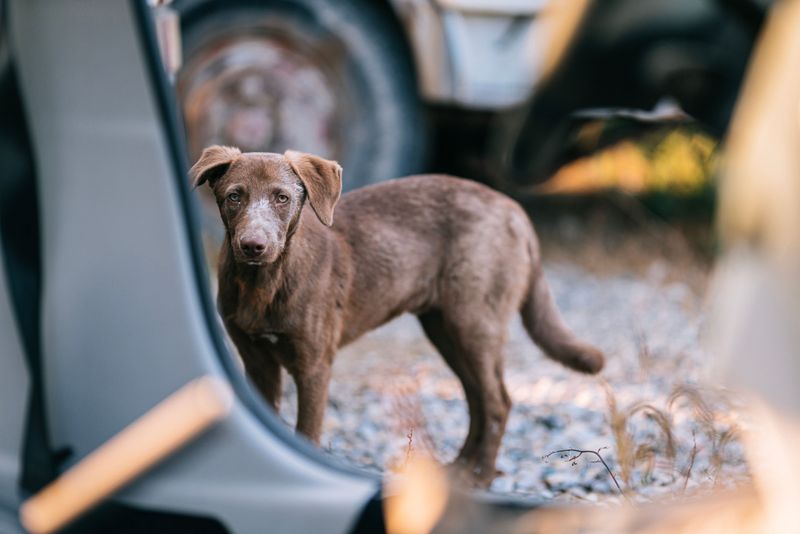
Trucks break down, and spouses travel for work. A backup plan keeps one bad day from becoming two.
Ask a trusted neighbor or relative if they could drive in a pinch. Share your dog’s needs and the hospital address with them.
Look into pet transport services if any operate near you. Keep their numbers with your emergency list, and confirm availability every so often.
18. Plan the Ride Around Your Dog’s Body
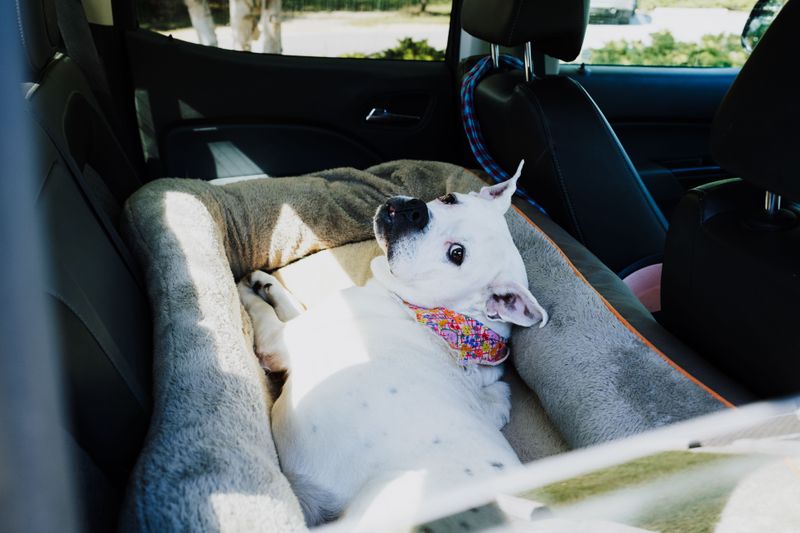
A stiff senior dog feels every bump. A puppy recovering from surgery may need a flat, padded space.
Use ramps for big dogs who struggle to jump. Stop every couple of hours for gentle stretching and potty breaks.
Talk with your vet about motion sickness or anxiety. They can suggest safe options suited to your dog.
Never give human medicines without veterinary approval.
19. Ask About the Whole Timeline First
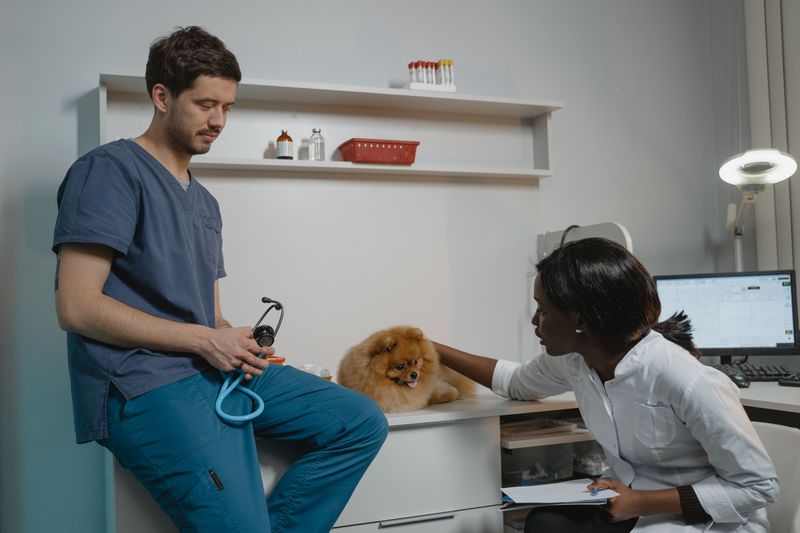
Before you say yes, ask how long the full journey will take. Some treatments require weekly trips for months.
Find out how many visits are expected, how long recovery lasts, and what home care involves. Ask about activity limits and warning signs.
Write the answers down. Knowing the full picture helps you plan work, travel, and costs with clear eyes.
20. Craft a Long-Term Plan That Fits Real Life
The best plan is one you can actually follow. Specialists may offer several options, and each one has different demands.
Weigh travel time, cost, and how your dog handles car rides. Ask about simpler options that can be managed closer to home.
Above all, keep your dog’s comfort and happiness at the center. With teamwork, steady planning, and kind choices, distance becomes a hurdle you can clear.