What Kansas Dog Owners Should Know About Prairie Rattlesnakes In The West
If you walk your dog in western Kansas, prairie rattlesnakes are part of the landscape. The good news is that these snakes generally prefer to avoid people and dogs.
Most encounters end quietly when people know what to watch for and how to respond. Think of this as a friendly rundown from someone who has hiked plenty of Kansas pasture.
A little awareness goes a long way toward calm, happy walks.
1. Where Prairie Rattlesnakes Are Found In Western Kansas
Picture the shortgrass country stretching toward Colorado. That is prime prairie rattlesnake territory.
These snakes are associated with the High Plains of western Kansas. Look for them around rocky areas, open prairie, prairie dog towns, and small-animal burrows.
Prairie rattlesnakes are primarily associated with the High Plains of western Kansas.
Ranchland, pasture trails, and roadside grass all qualify as likely habitat during warm months.
2. Why Western Kansas Deserves Extra Awareness
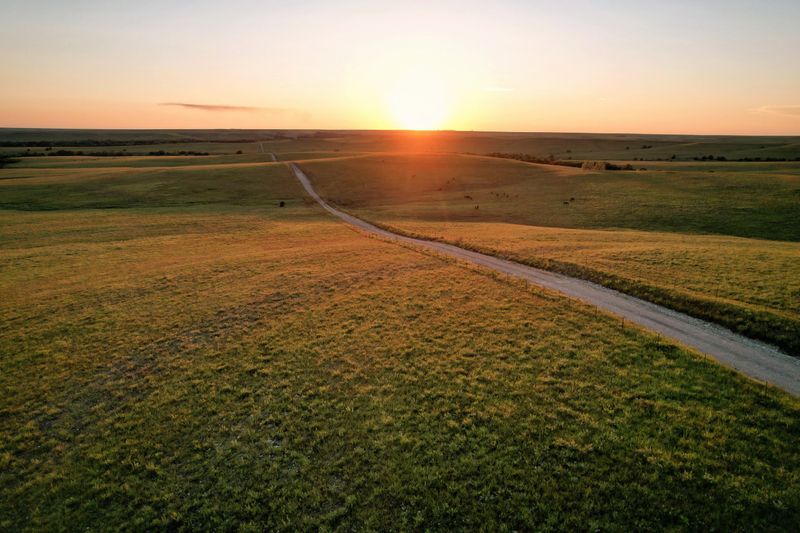
Eastern Kansas has copperheads, but the west belongs to rattlesnakes.
Open space means fewer fences, longer walks, and more off-trail wandering for dogs. Emergency vet clinics also sit farther apart out here, so travel time matters.
Awareness simply closes that gap.
Ranch dogs, hunting dogs, and farm dogs spend hours in tall cover. Knowing the habitat lets you plan routes and keep outings relaxed instead of risky.
3. What Prairie Rattlesnakes Look Like
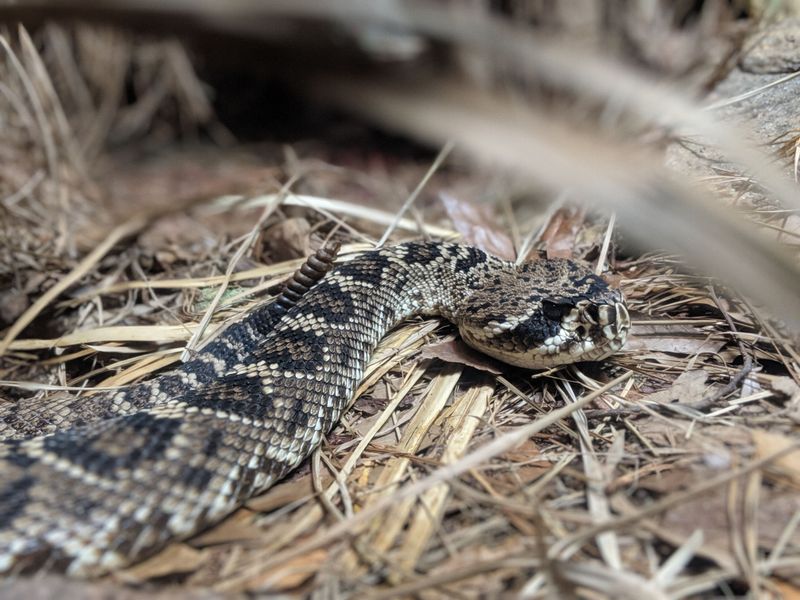
Camouflage is their specialty, which is exactly why identification helps.
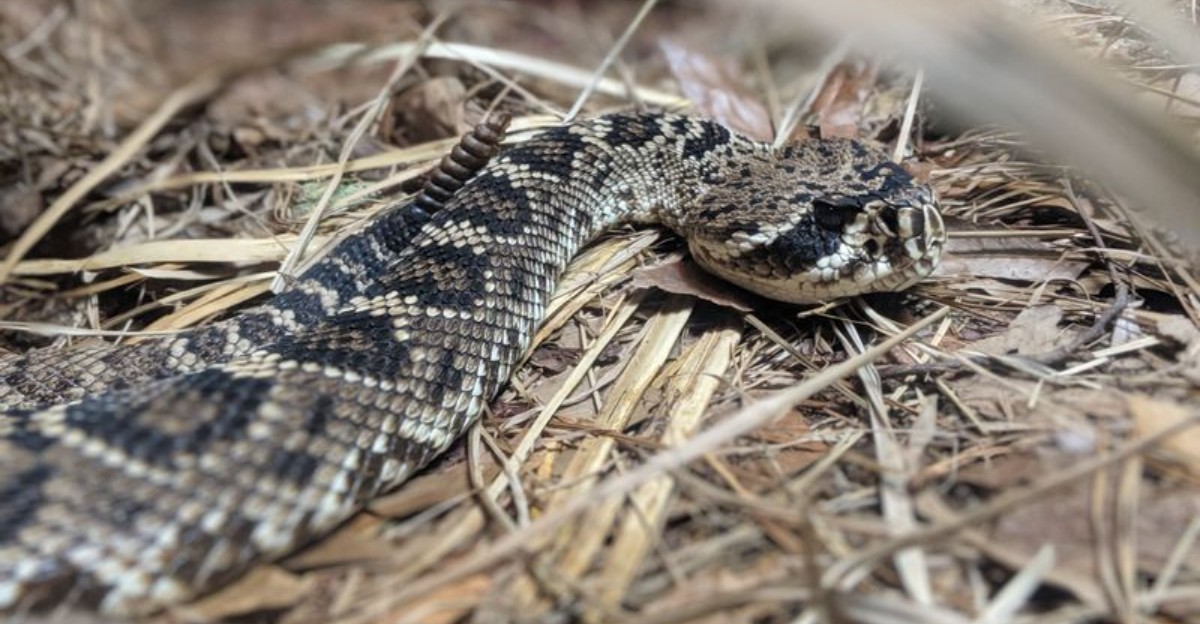
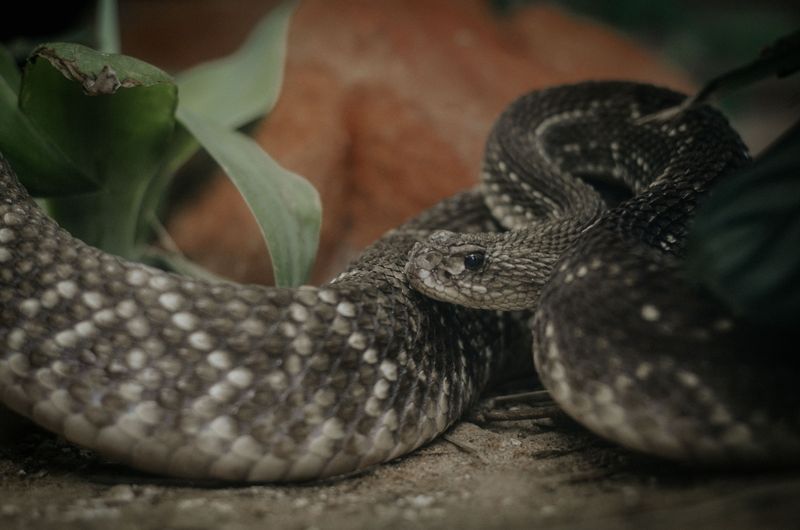
Prairie rattlesnakes wear a greenish-gray to light brown coat with darker oval blotches down the back. The head is broad and triangular, the pupils are vertical, and the tail ends in a segmented rattle.
Adults usually measure three to four feet. Harmless bullsnakes look similar and even hiss, so check the tail before assuming anything.
4. When Prairie Rattlesnakes Are Most Active
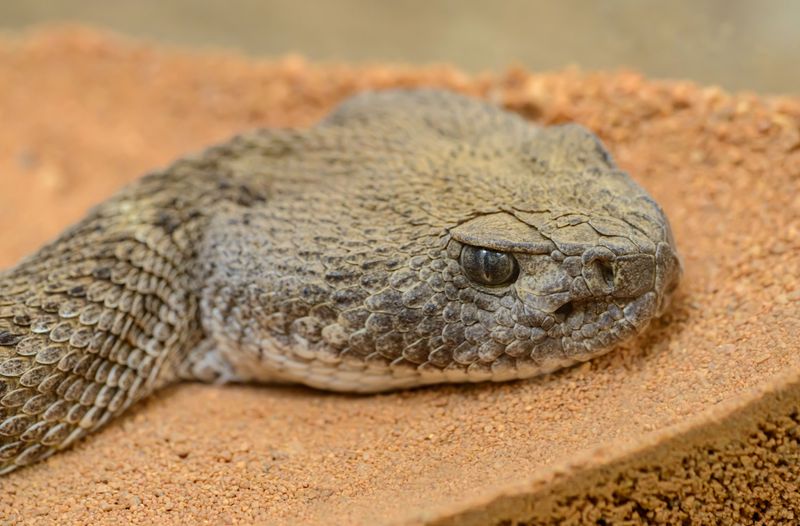
Timing your walks is one of the easiest safety habits available.
Activity usually picks up in April, peaks through summer, and tapers in October. During hot stretches, snakes move at dawn, dusk, and after dark, resting in shade midday.
Mild spring and fall days bring them out to bask.
Warm pavement and gravel roads hold heat, so evening road walks deserve a flashlight.
5. Why Curious Dogs Are At Greater Risk
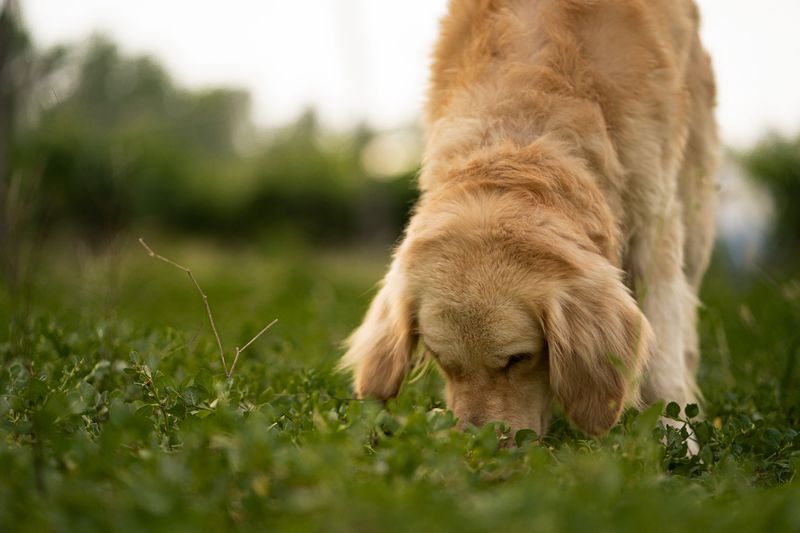
Dogs lead with their noses, and that is the whole problem.
A snake resting under grass gets investigated face first, often from inches away. Dogs also react to movement by lunging rather than backing off.
Because muzzles and front legs sit closest to the ground, those areas take the most contact. Terriers, sporting breeds, and any dog with a strong prey drive need closer supervision outdoors.
6. Keep Dogs On Leashes In Snake Country
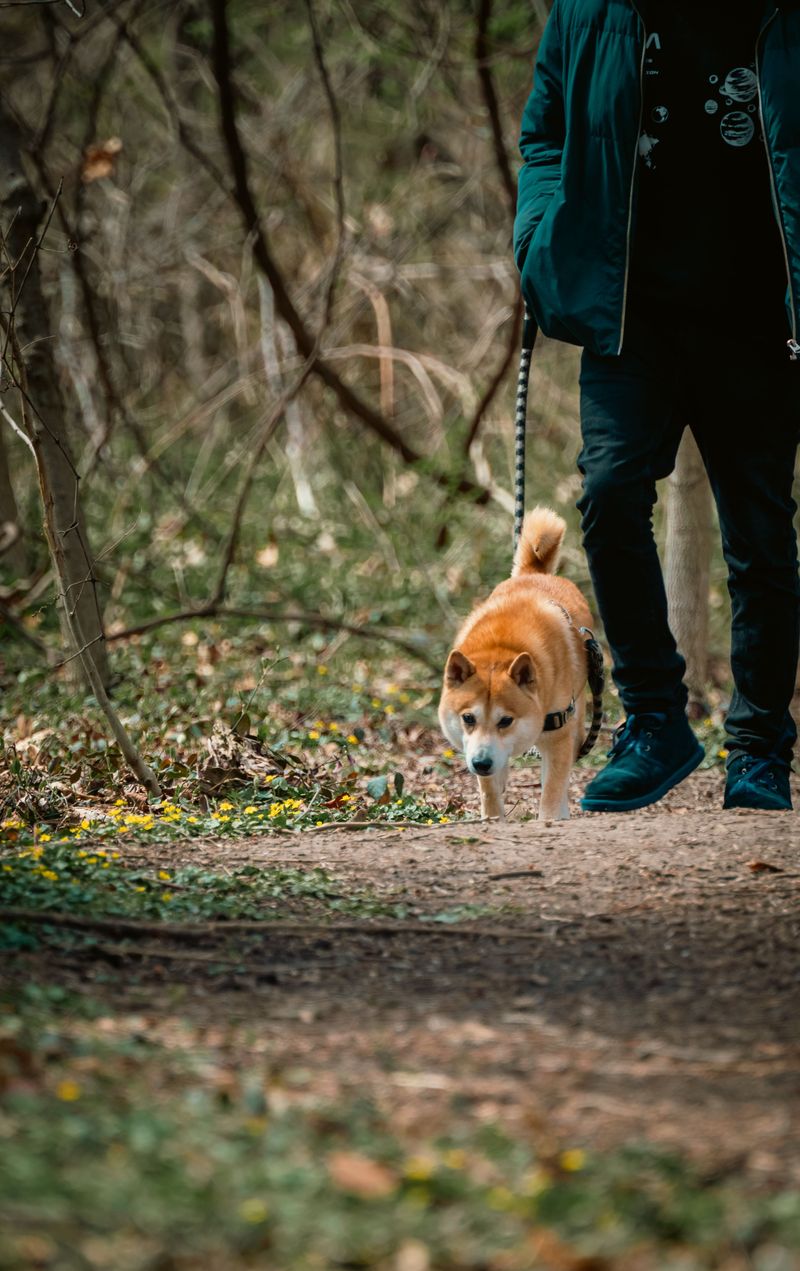
A leash is the cheapest snake protection you own.
Six feet of control lets you steer your dog away from grass, rocks, and burrows before a nose goes in. Retractable leads give too much slack for that job.
Many Kansas public lands and state parks require leashes anyway, though rules vary by city and county. Check local ordinances before you head out.
7. Give Rocky Crevices And Brush A Wide Berth
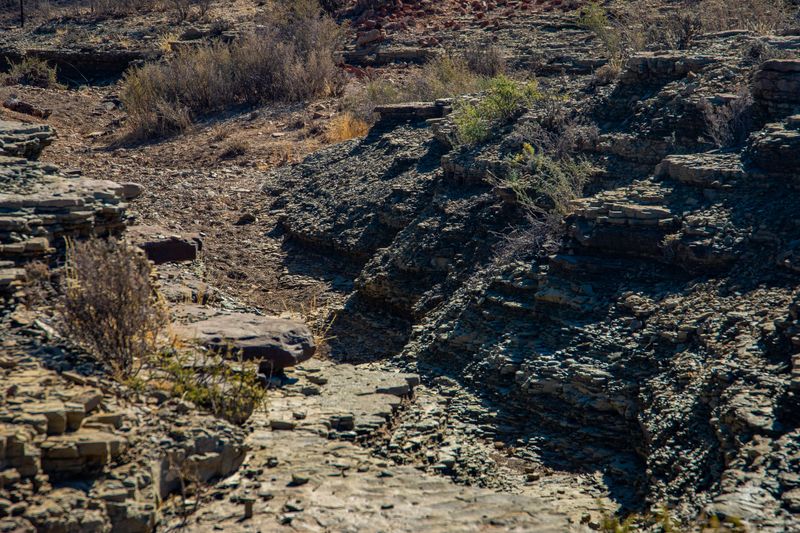
Snakes choose shelter, not confrontation.
Rock ledges, limestone piles, yucca clumps, brush heaps, and abandoned burrows all offer cool shade and cover. Walking a few extra feet around them removes almost all chance of surprise.
Steer your dog toward open, mowed paths where sightlines stay clear. Resist letting them dig at holes, no matter how interesting the scent seems that afternoon.
8. Watch Where Your Dog Steps And Sniffs
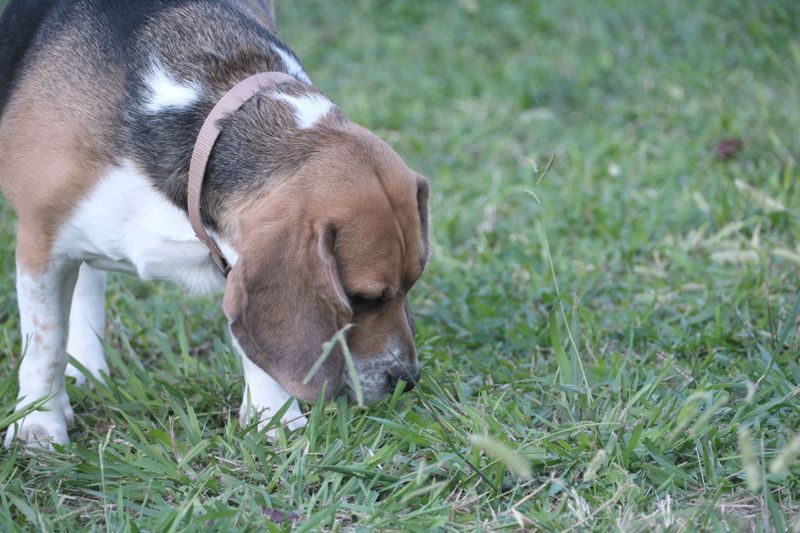
Scanning ahead becomes second nature after a few walks.
Glance five or six feet in front of your dog, especially near grass edges and shaded ground. Stiff posture, a frozen stance, or sudden fixation often means your dog noticed something first.
Trust that signal and calmly back away together. Carrying a walking stick helps you check ahead without reaching hands into cover.
9. Do Not Let Dogs Chase Or Corner A Snake
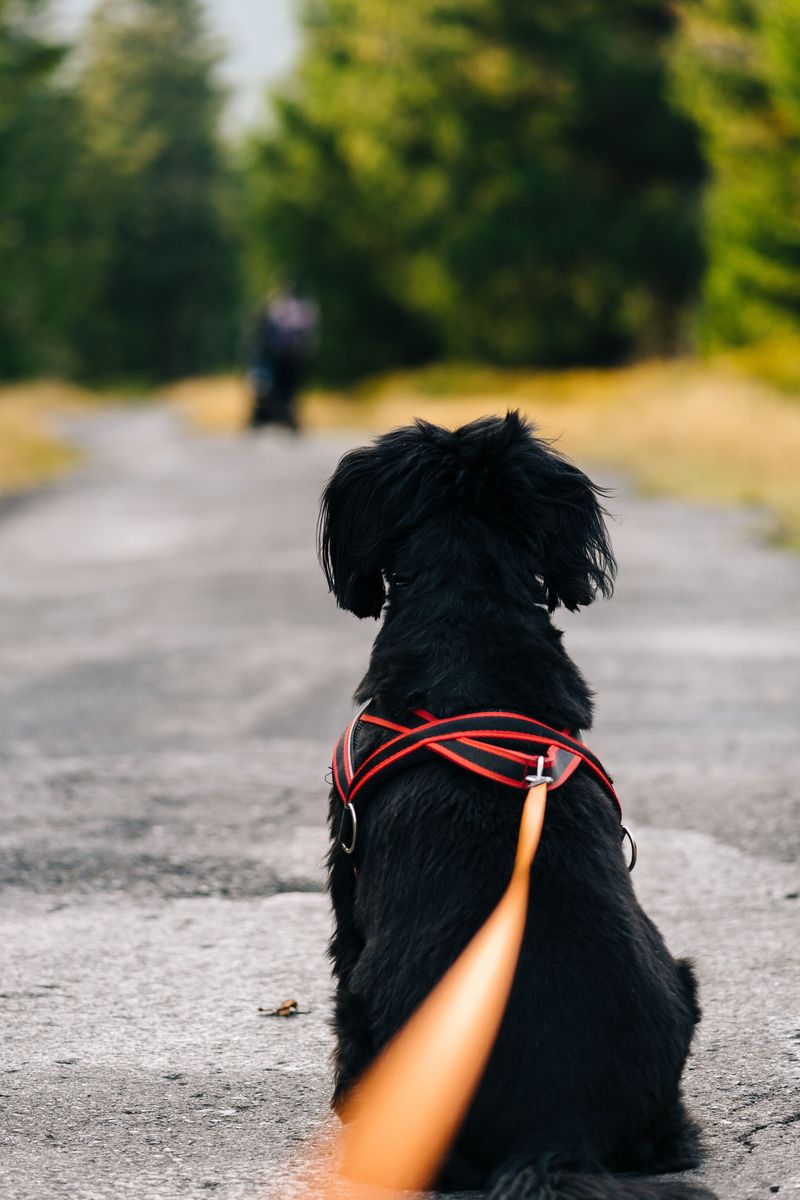
Here is the hard part: your instinct will be to yell.
Loud panic often pulls a dog closer instead of away. Use a steady voice, turn your body, and walk the other direction with the leash.
A cornered snake defends itself, and most incidents happen when dogs press in. Practice a reliable recall and a leave it cue at home, where stakes stay low.
10. Why A Rattling Sound Matters
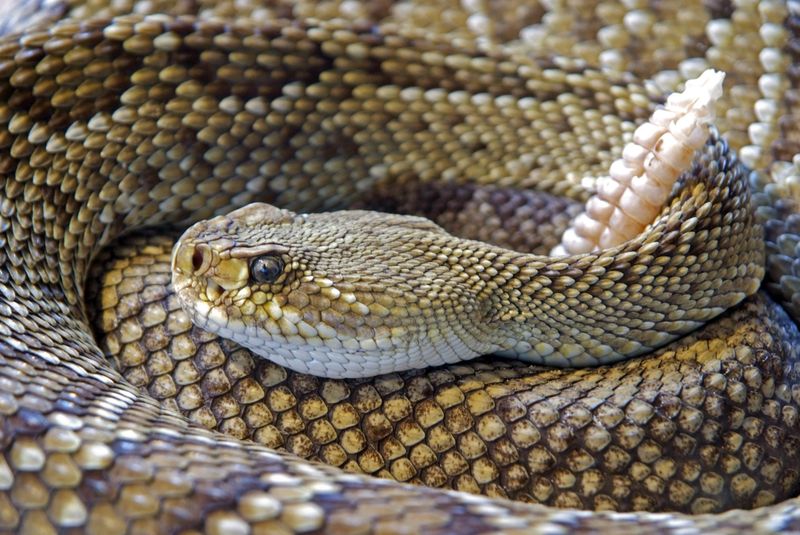
That dry buzzing noise is a courtesy warning, not a threat.
Rattling means the snake feels crowded and wants distance. Stop immediately, locate the sound, then retreat the way you came.
Keep in mind that not every snake rattles first. Some stay silent when hidden, so quiet does not equal empty.
Teach kids to freeze and call an adult if they hear it.
11. What To Do If Your Dog Is Bitten
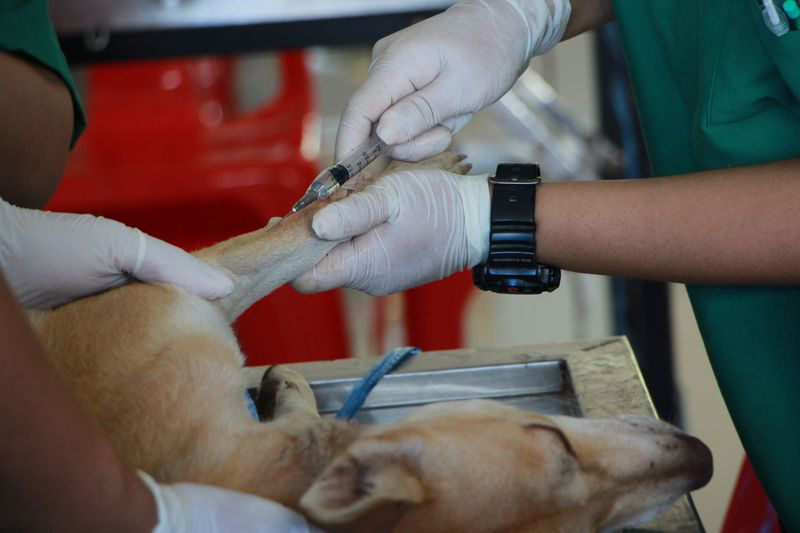
Speed and calm both count here.
Limit movement, keep your dog quiet, and carry smaller dogs if possible. Call a veterinarian right away and head straight there.
Note the time, the bite location, and any swelling you see. Skip ice, tourniquets, and cutting.
Veterinary treatment may include antivenom, fluids, and pain management, and early care generally leads to better outcomes.
12. Why You Should Not Try Home Remedies
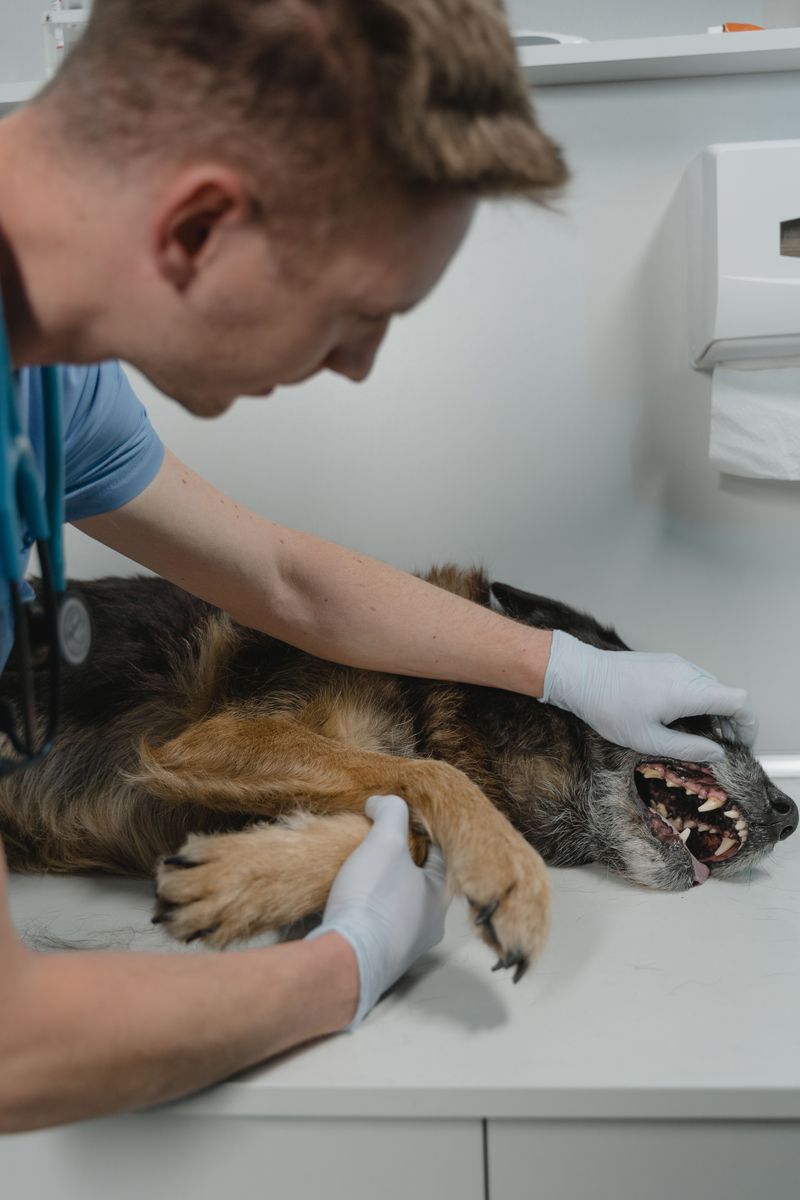
Internet advice has not caught up with veterinary science.
Suction devices, electric shock, alcohol rubs, and cut-and-drain methods do not help and waste precious minutes. Tourniquets can worsen tissue damage.
Never give human pain medication or aspirin without veterinary direction. Benadryl is sometimes suggested, but only a veterinarian should advise dosing.
Your real job is transportation, reassurance, and a quick phone call.
13. Learn Where Emergency Veterinary Care Is Available
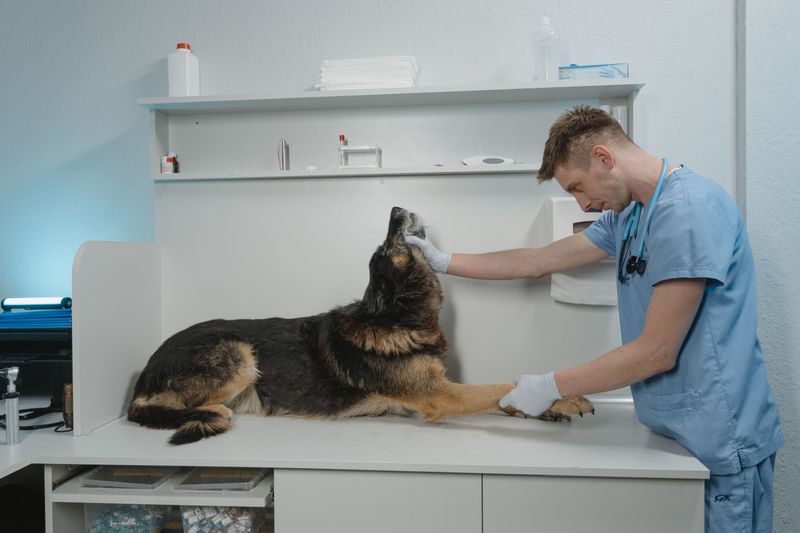
Distance is the western Kansas wildcard.
Before snake season, ask your regular clinic whether they stock antivenom and what their after-hours plan looks like. Not every rural practice carries it.
Save two or three clinic numbers in your phone, including options in Garden City, Dodge City, Hays, or Colby. Larger referral hospitals sit in Wichita and Manhattan for overnight coverage.
14. Check Your Yard For Snake-Friendly Hiding Spots
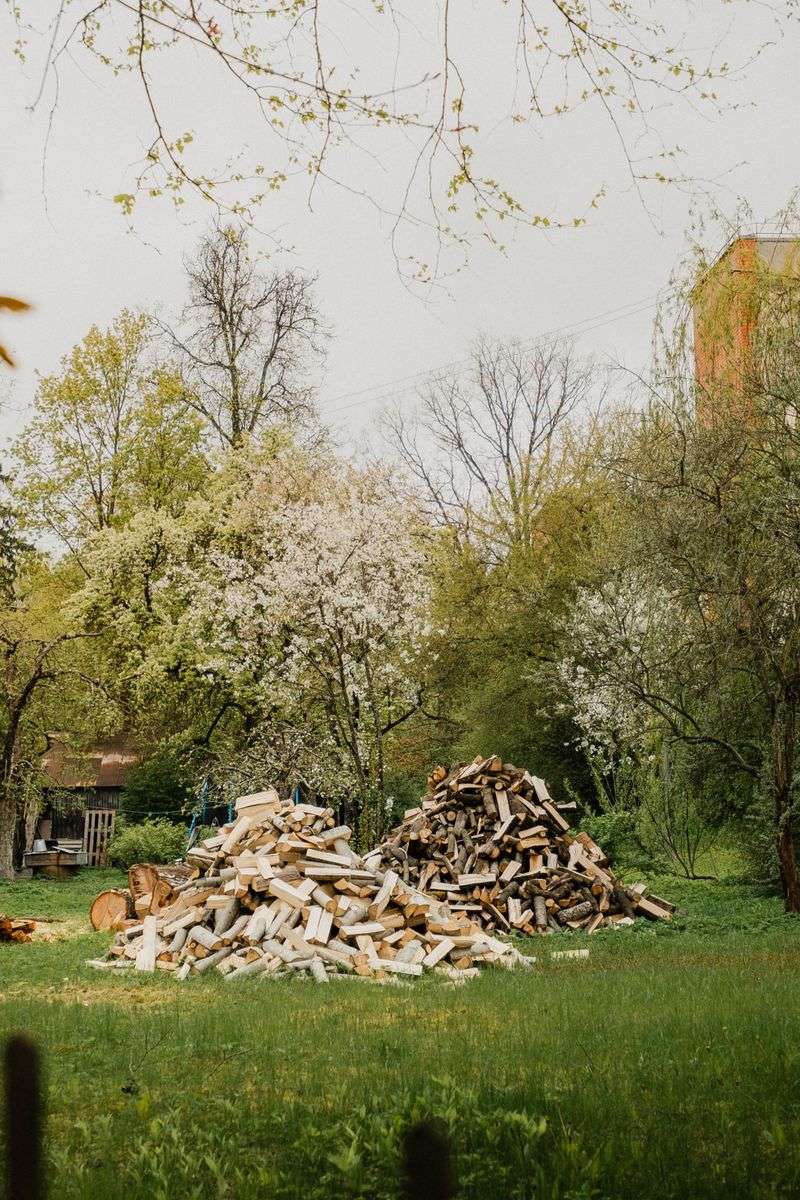
Most yards invite snakes without meaning to.
Woodpiles, stacked lumber, tall grass, thick ground cover, and scattered clutter all create shade and rodent habitat. Rodents bring snakes, so tidy storage does double duty.
Mow regularly, seal gaps under sheds, and keep feed in sealed containers. Solid fencing with fine mesh buried slightly underground can reduce traffic through a dog run.
15. Be Careful Around Water And Outdoor Equipment
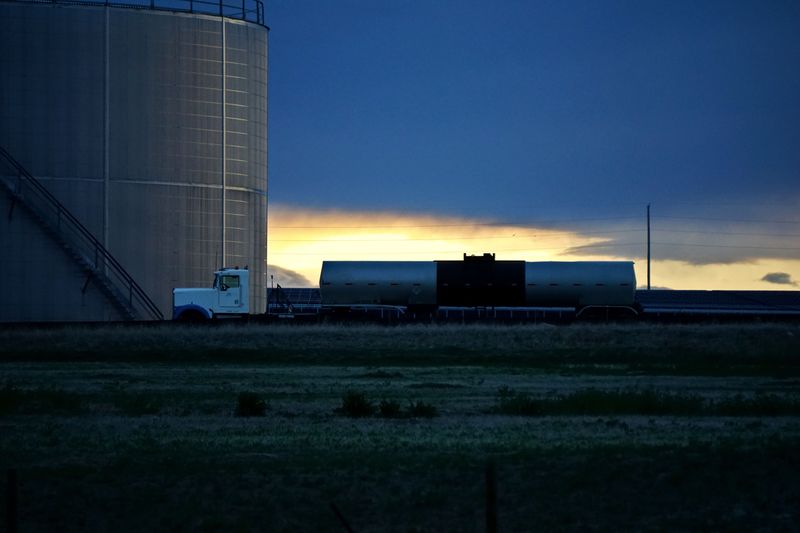
Water draws everything on the plains, snakes included.
Stock tanks, irrigation lines, pond edges, and leaky hydrants create cool, damp gathering spots. Machinery, pipe stacks, and parked trailers offer shade underneath.
Before letting your dog loose in a farmyard, take a quick visual sweep. Lift equipment covers with a tool instead of a hand, and keep the dog behind you.
16. Consider Rattlesnake Avoidance Training
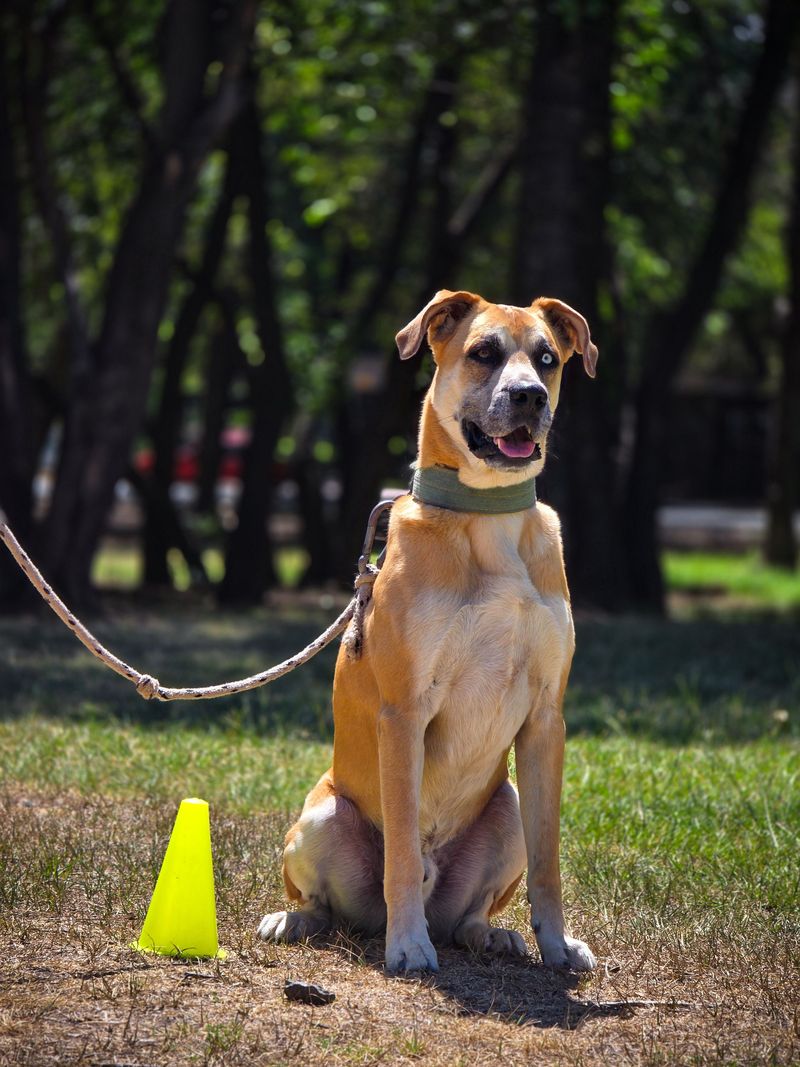
Some Kansas owners swear by it, especially for hunting and ranch dogs.
Avoidance classes teach dogs to recognize rattlesnake scent and sound, then move away on their own. Methods differ, and some use aversive tools that not every trainer or owner supports.
Ask about technique, credentials, and follow-up sessions before signing up. Training supplements supervision, but it never replaces a leash.
17. What To Do When You Spot A Prairie Rattlesnake
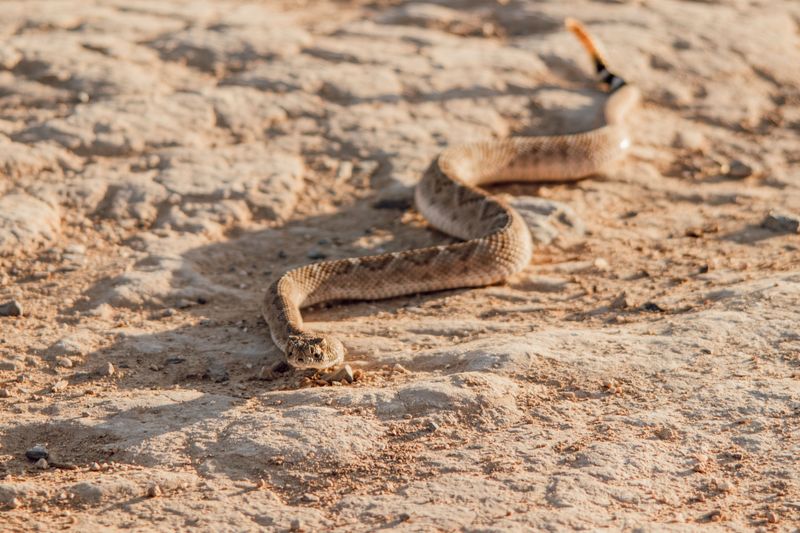
Seeing one usually means the encounter is already going fine.
Freeze, identify the location, then move your dog back several yards. Give the snake room and it will typically leave on its own schedule.
Do not attempt to move or handle it. On public land, report sightings to staff.
Prairie rattlesnakes are native wildlife and play a real role in rodent control.
18. Make Snake Awareness Part Of Every Outdoor Trip
Routine beats worry every time.
Pack water, a sturdy leash, a charged phone, and vet numbers before you leave. Tell someone your route if you head into remote pasture.
Walk mowed paths, keep outings shorter during peak heat, and check your dog over afterward. Handle those small habits well, and western Kansas stays what it should be: wide, quiet, and welcoming.