How Nebraska Tornado Season Changes Dog Emergency Planning
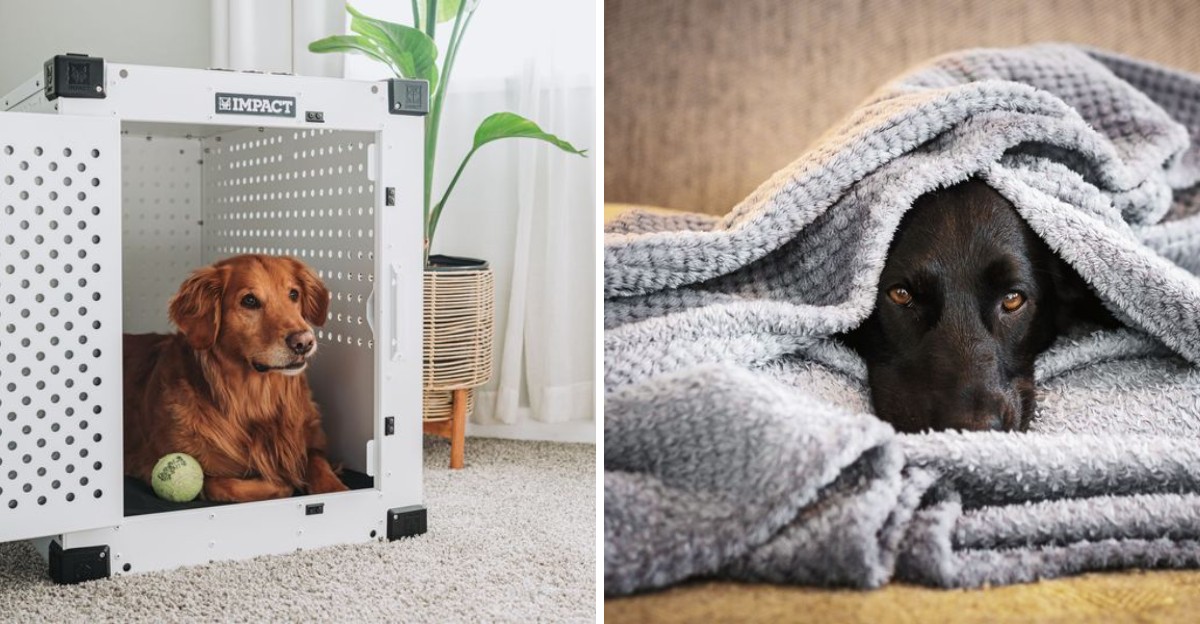
If you live in Nebraska, you already know how fast a calm afternoon can turn into a siren. Your dog does not understand what that sound means, which is exactly why a little planning goes a long way.
The good news is that preparing for your pup takes less effort than most owners expect. A few supplies, one practiced route, and updated tags cover most of it.
Here is what every local dog owner should have ready before the next watch box goes up.
1. Know When Nebraska’s Tornado Risk Is Highest
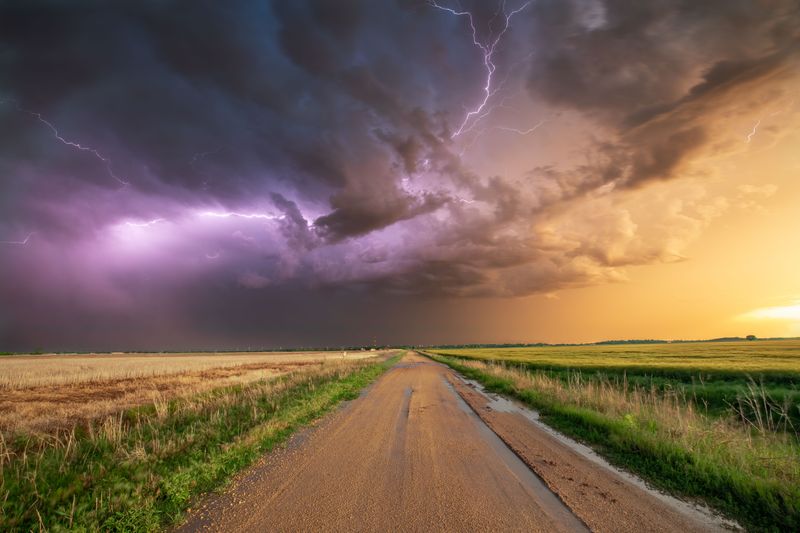
Spring on the plains brings warm, humid air north, and storms follow. Nebraska sees most tornadoes during the spring and early summer, with May and June among the most active months.
Late summer and fall storms happen too, so year-round awareness helps. Watch forecasts from the National Weather Service and keep a weather radio handy.
Knowing your busiest weeks lets you prep your dog’s supplies early. A calm plan in April beats a rushed one in May.
2. Give Your Dog a Dedicated Safe-Space Spot
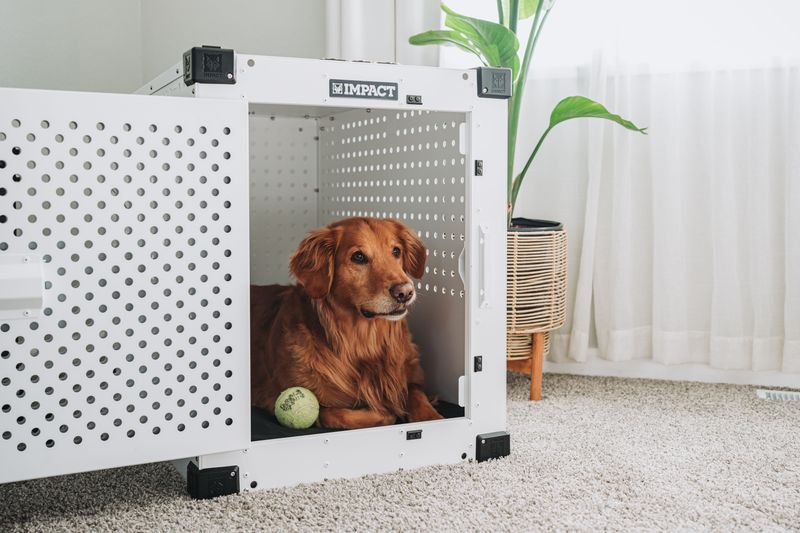
Basements and interior rooms without windows are generally among the safer places for people and pets during a tornado warning. Pick one spot and make it feel normal for your dog.
Leave a bed, a familiar blanket, and a chew toy waiting there. Familiar smells lower stress when sirens start.
If you use a crate, store it in that room. A dog who already likes the space will settle faster during a warning.
Keep the path clear of clutter.
3. Practice Getting to Shelter Quickly
Think of it as a drill, not a chore. Run through the route with your dog a few times each spring.
Clip the leash, grab the kit, and walk to the shelter spot calmly. Reward with a treat so the routine feels pleasant.
Time yourself once. Most families find small snags, like a sticky basement door or a missing leash hook.
Practice with everyone in the household. Fixing those details now saves minutes later.
4. Keep a Leash and Collar Ready
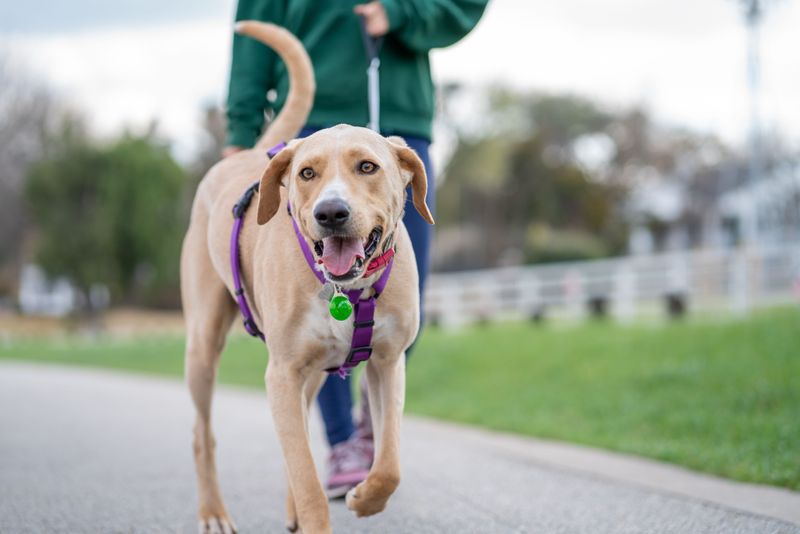
A loose dog during a storm is hard to catch outdoors. Keep a sturdy leash and a fitted collar near your shelter spot, not by the back door.
Check that the collar slides two fingers underneath, no looser. Harnesses give extra control for strong pullers.
Add a second leash to your kit as a backup. After a storm, leashes get borrowed, dropped, or buried under supplies.
Reflective gear helps at night.
5. Update Your Dog’s Identification
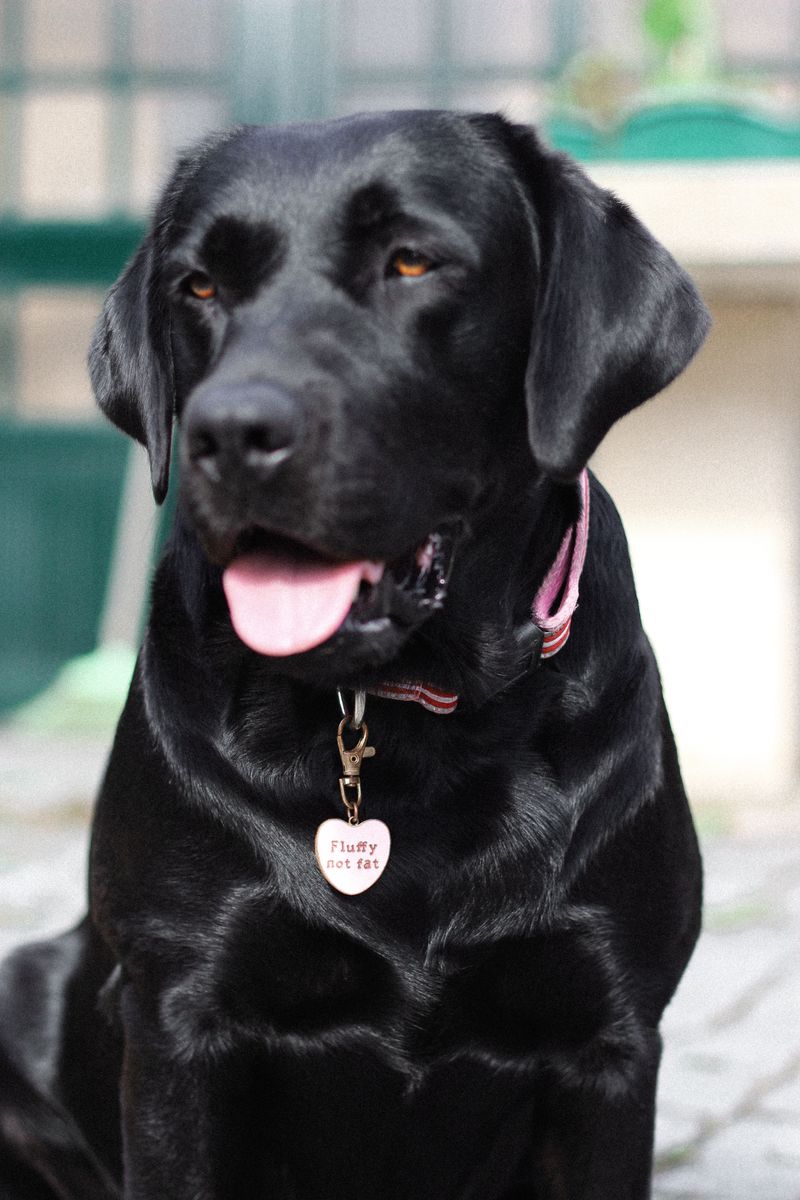
Tags fade, and phone numbers change. Give your dog’s ID tag a quick read every few months, especially before storm season.
Microchips help only when the registry has your current address and number. Log in and confirm the details yourself.
Some Nebraska cities, including Omaha and Lincoln, require dog licenses. Rules vary by city and county, so check with your local animal control office.
A readable tag reunites pets fastest.
6. Build a Nebraska Tornado Pet Kit With Food and Water
Emergency kits work best when they are boring and complete. Pack three to seven days of food in a sealed container, plus bowls and bottled water.
Toss in waste bags, a towel, wipes, and a spare toy. Rotate food every few months so it stays fresh.
Copies of vaccination records belong in a zip bag. Some shelters and boarding facilities may ask for proof of rabies vaccination.
Store the kit beside your shelter spot.
7. Protect Medications From Storm Disruptions

Storm damage can close pharmacies and clinics for a day or two. Ask your veterinarian about keeping a small buffer supply of routine medications.
Store them in a waterproof container with dosing instructions written clearly. Heat and moisture ruin pills fast.
Note refill dates on a calendar. Never change a dose on your own; call your veterinarian for guidance.
Insulin and other chilled medicines need a cooler plan, so ask ahead of time.
8. Prepare for Power Outages
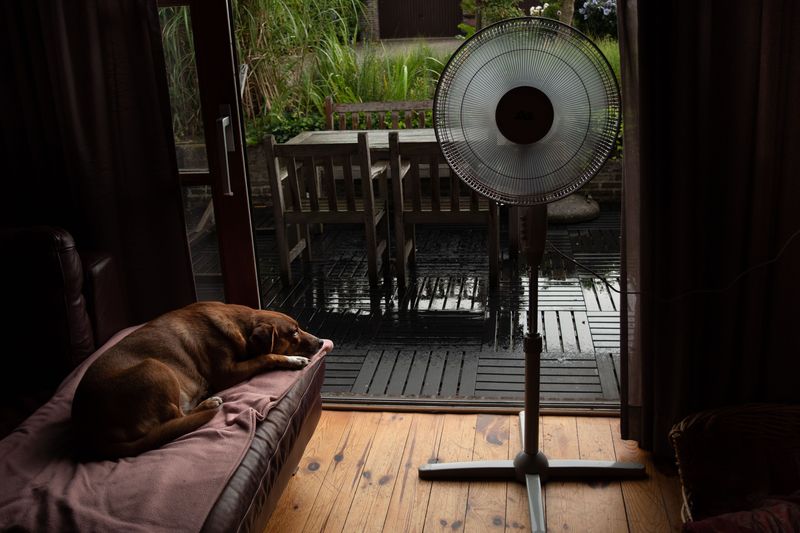
Outages often outlast the storm itself. Without air conditioning, homes heat up quickly during humid Nebraska summers.
Keep battery fans, flashlights, and a charged power bank within reach. Fill extra water jugs when a watch is issued.
Well pumps stop working without electricity, so rural owners need stored water. Frozen bottles help keep a crate area cooler and double as drinking water later.
Check on your dog often; shade and airflow matter most.
9. Plan for Evacuation After a Tornado
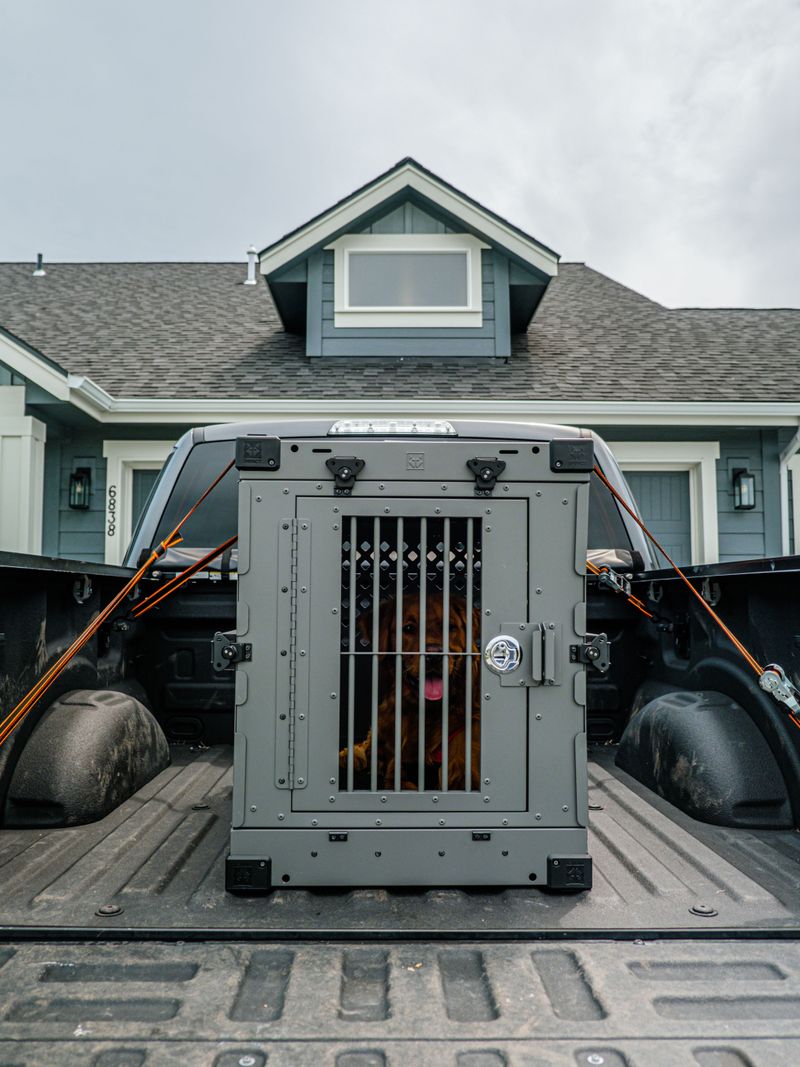
Sometimes the safest move is leaving a damaged home. Decide now where you and your dog would go: a relative, a friend, or a motel.
Call ahead about pet policies, since they differ widely across Nebraska towns.
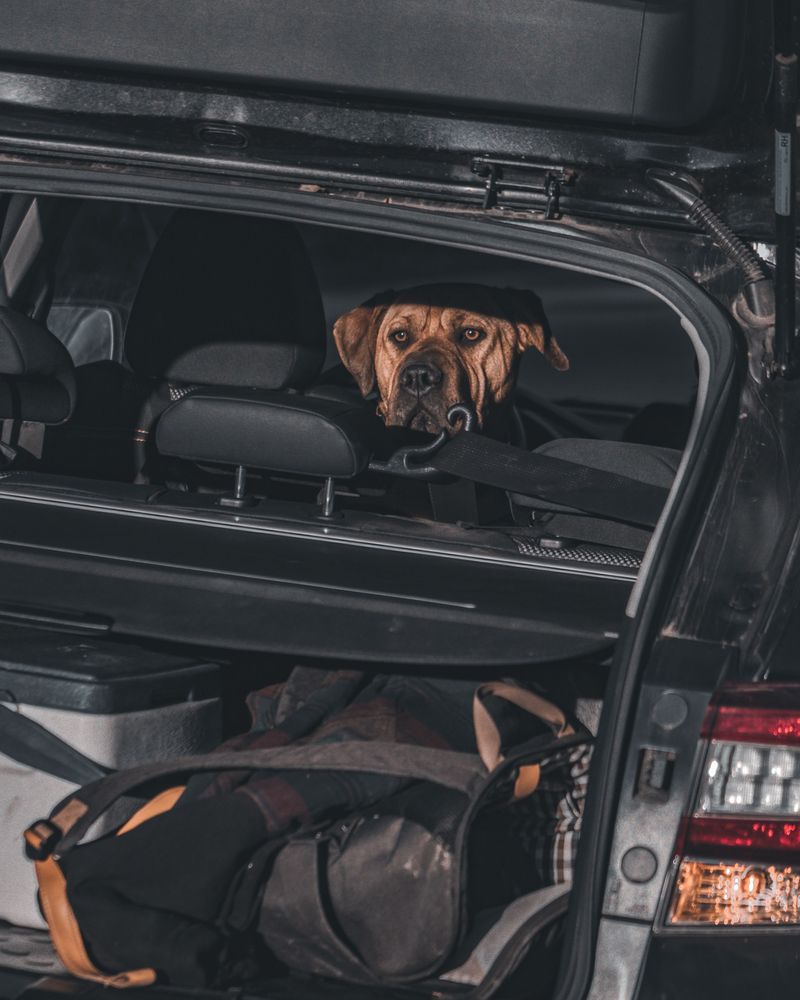
Keep a carrier or crate in the vehicle for transport. Map two routes out of your neighborhood, because roads close when utility crews clear debris.
Keep the fuel tank half full and write the plan down.
10. Identify Dog-Friendly Emergency Options
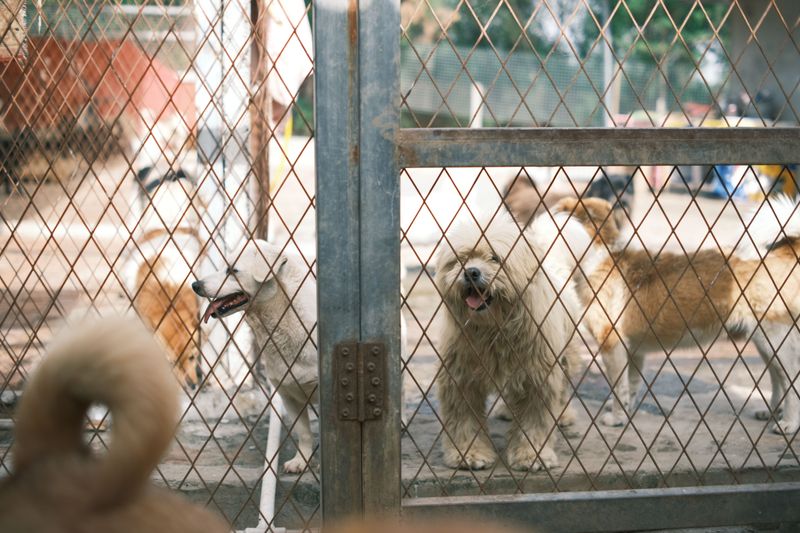
Public storm shelters and disaster shelters may not accept pets, although service animals are generally permitted under federal law. Some communities arrange pet sheltering during emergencies.
Contact your county emergency management office to learn what your area offers.
Build a short list now: pet-friendly motels, boarding kennels, veterinary clinics, and out-of-town friends. Options fill quickly once a warning turns into real damage.
Save those numbers and confirm policies each spring.
11. Keep a Recent Photo of Your Dog
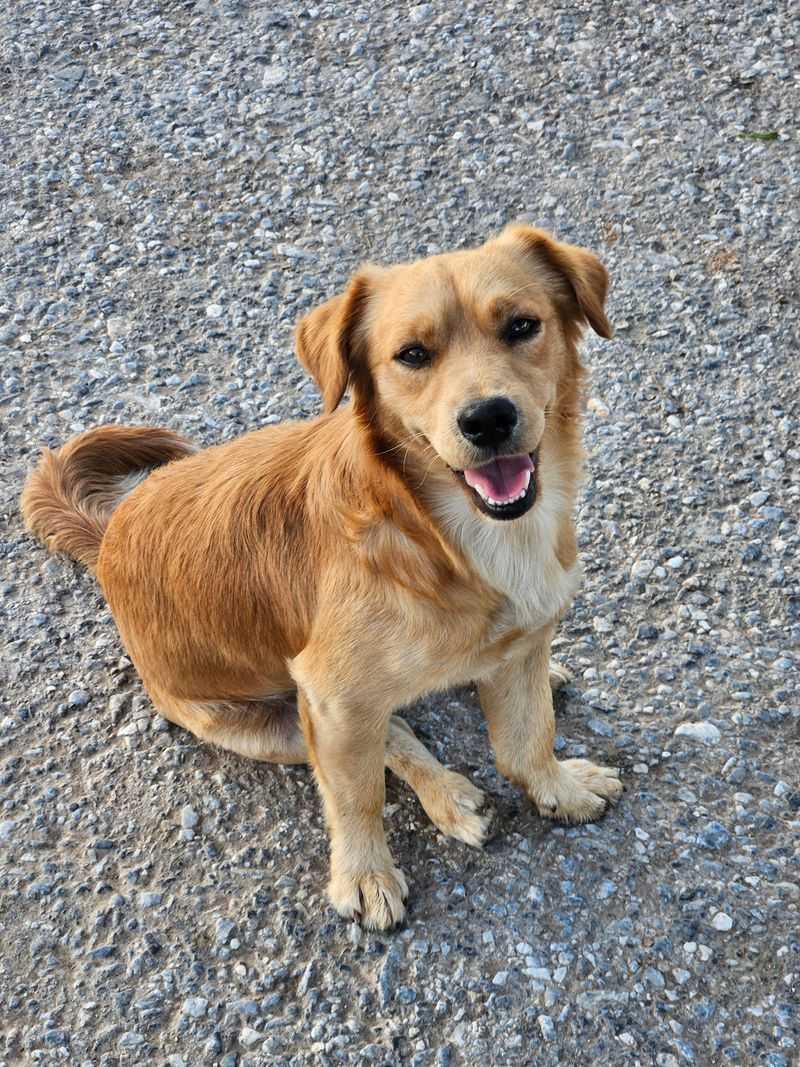
One clear photo does more than any description. Snap a few pictures showing your dog’s face, full body, and any unique markings.
Include yourself in one shot, which helps prove ownership at a shelter.
Store copies on your phone and print one for the kit. Phones lose charge, and paper still works.
Update the photos yearly, or sooner if a grooming trim changes your dog’s coat. Lost pet posts spread faster with good photos.
12. Prepare for Debris and Hidden Hazards

After the sky clears, the yard becomes the risk. Broken glass, nails, splintered wood, and downed lines can appear anywhere.
Leash your dog for every trip outside, even in a fenced yard, because fences often shift or fall.
Booties can provide some protection, while a careful paw check can help identify problems. Check between the pads for cuts or splinters after outdoor trips.
Keep dogs away from standing water and spilled fuel, and call your veterinarian about any wound.
13. Watch for Stress After Severe Storms
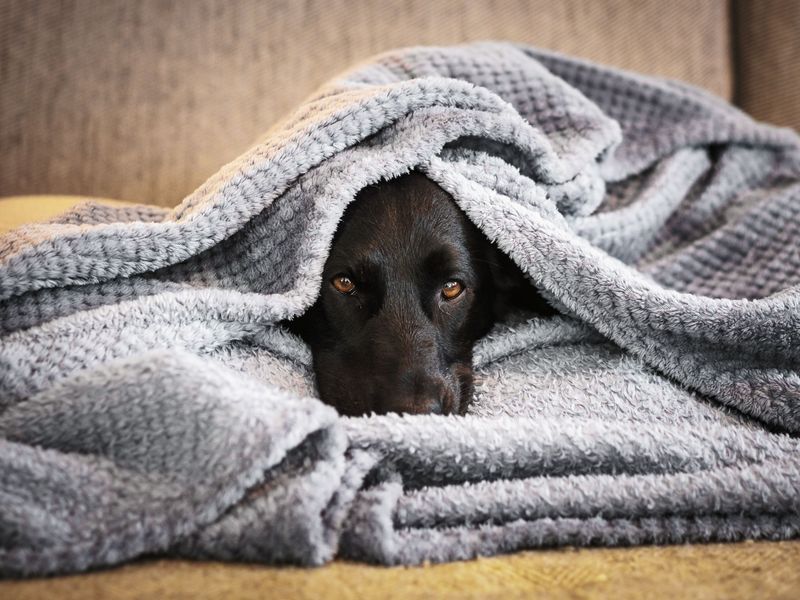
Loud thunder and shifting pressure leave some dogs rattled for days. Watch for pacing, hiding, panting, clinginess, or appetite changes.
Return to normal walks and feeding times as soon as possible. Routine steadies most dogs better than constant fussing.
Comfort is fine; ignoring fear is not required. If anxiety lingers or worsens, ask your veterinarian about behavior support or calming options.
Some dogs bounce back within hours, so give them quiet time.
14. Account for Nebraska’s Changing Weather
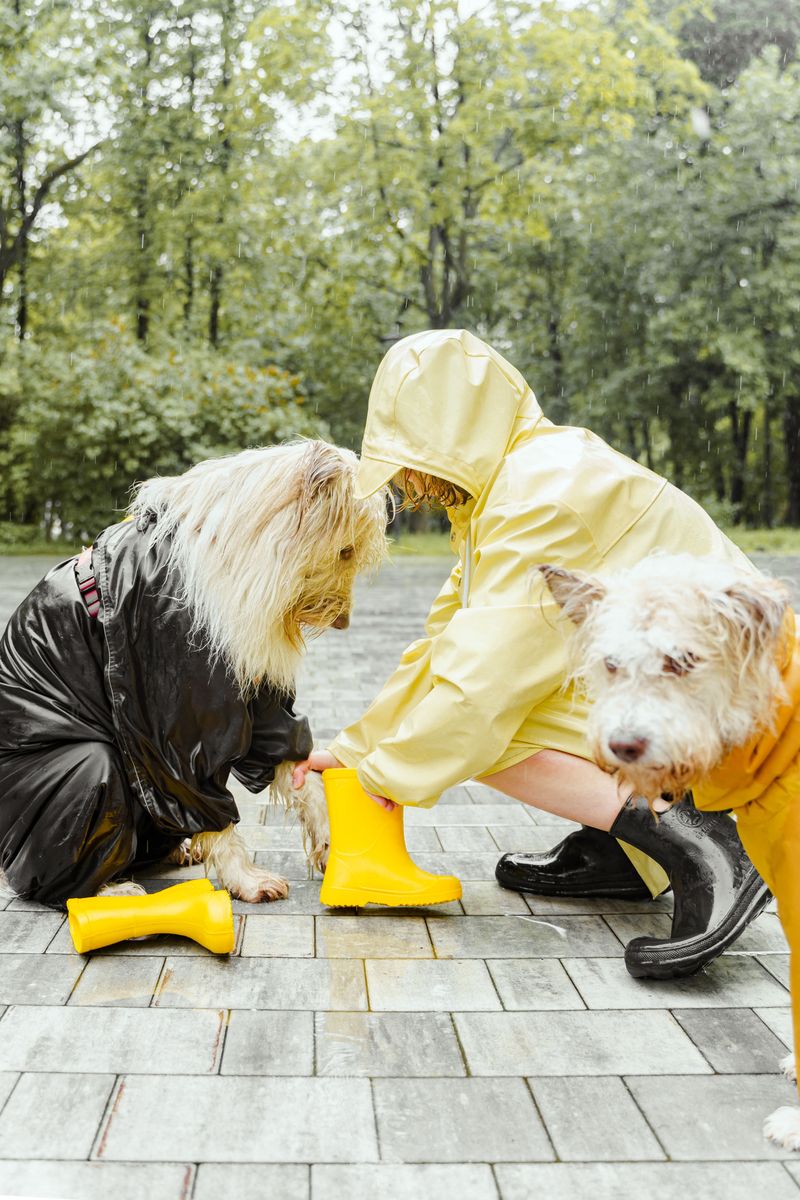
Locals joke that the state serves four seasons in one week. That swing matters for storm planning.
Spring warnings can arrive on chilly nights, so keep a dog coat or blanket in the shelter area.
Summer warnings bring heat and humidity instead. Hail, heavy rain, and flash flooding often accompany the same systems.
Pack for both temperature extremes, check the forecast twice daily during active weeks, and stash towels for wet fur.
15. Make a Plan for When You Are Not Home
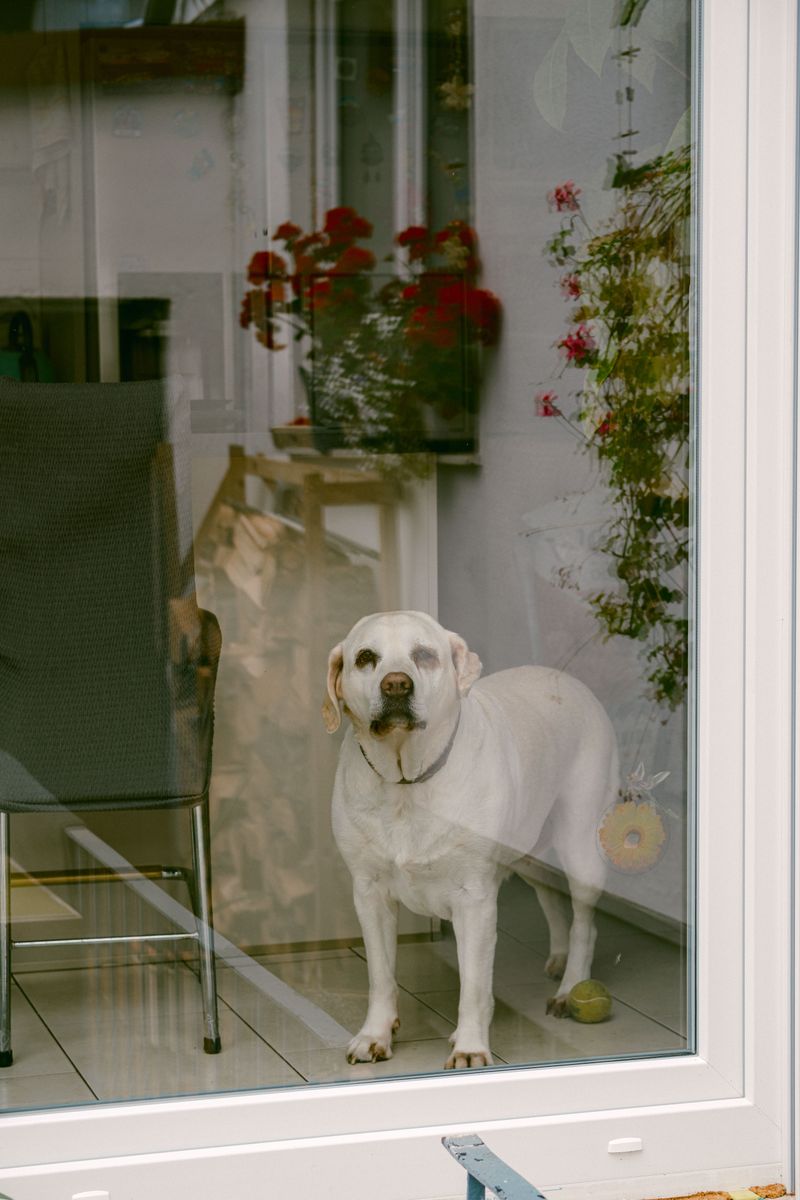
Work schedules rarely match storm timing. Ask a trusted neighbor to check on your dog if a warning hits during the day.
Give that person a spare key, your number, and your veterinarian’s contact information.
Crate placement matters too. A crate in an interior room is safer than one near a large window.
Pet rescue window stickers can alert responders that an animal may be inside, so keep yours current. Cameras can also let you check in remotely.
16. Keep Emergency Contacts Together
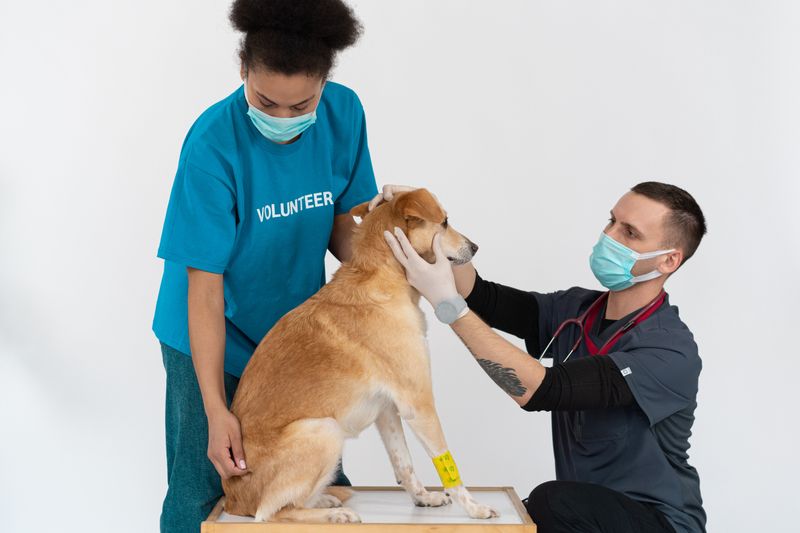
Phones fail, and memory gets fuzzy under pressure. Write key numbers on a laminated card for the kit and tape a copy inside a cabinet.
Include your veterinarian, the nearest emergency animal hospital, animal control, the microchip registry, and two out-of-state contacts.
Out-of-area numbers work well when local lines are busy. Add boarding kennels and a pet-friendly motel while you are at it.
Share the card with everyone at home and review it yearly.
17. Recheck the Plan Before Storm Season

March is a good month for a fifteen minute review. Open the kit, check expiration dates, and swap out stale food and water.
Test the weather radio batteries and your phone alert settings. Mark the date on your calendar.
Confirm microchip details, tag readability, and vaccination records. Walk the shelter route once with your dog, then relax.
A plan you revisit each year becomes second nature, and that confidence carries you through any warning.