What Mammoth Cave Rules In Kentucky Mean When You Visit With A Dog
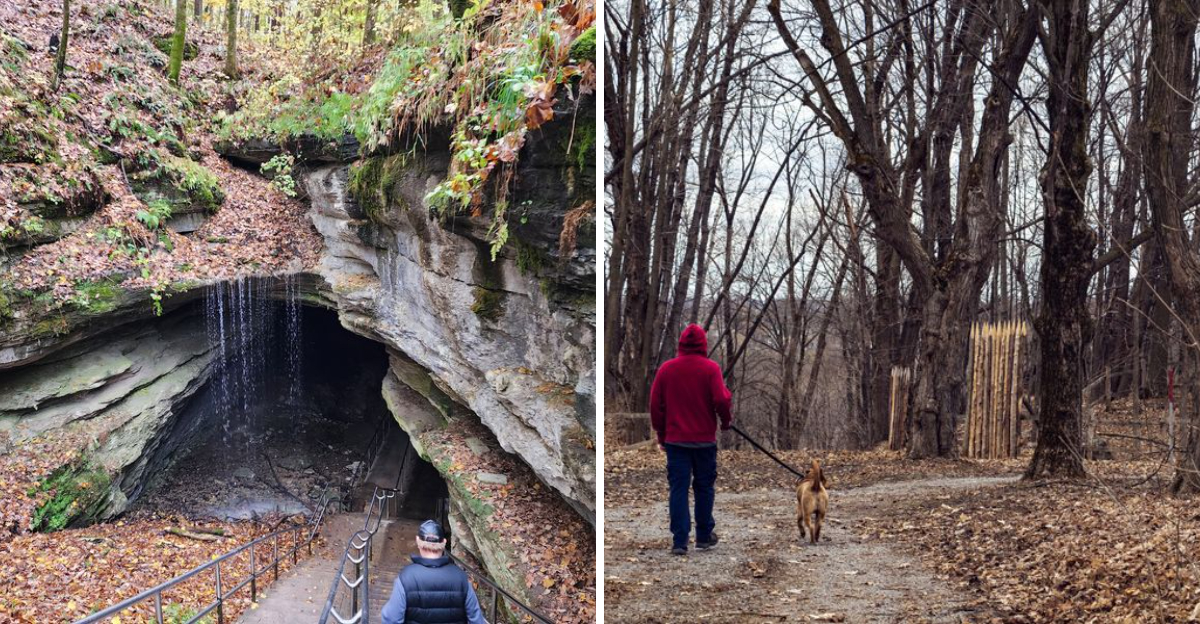
Planning a Mammoth Cave trip with your dog is easier than most people expect. The park keeps its rules simple, and once you know them, the whole day runs smoothly.
Leashed dogs are welcome on plenty of aboveground trails, though the cave itself is a different story. Here is a friendly walk through what every dog owner should know before loading up the car and heading toward Kentucky cave country.
Dogs Can Enjoy The Park’s Surface Trails
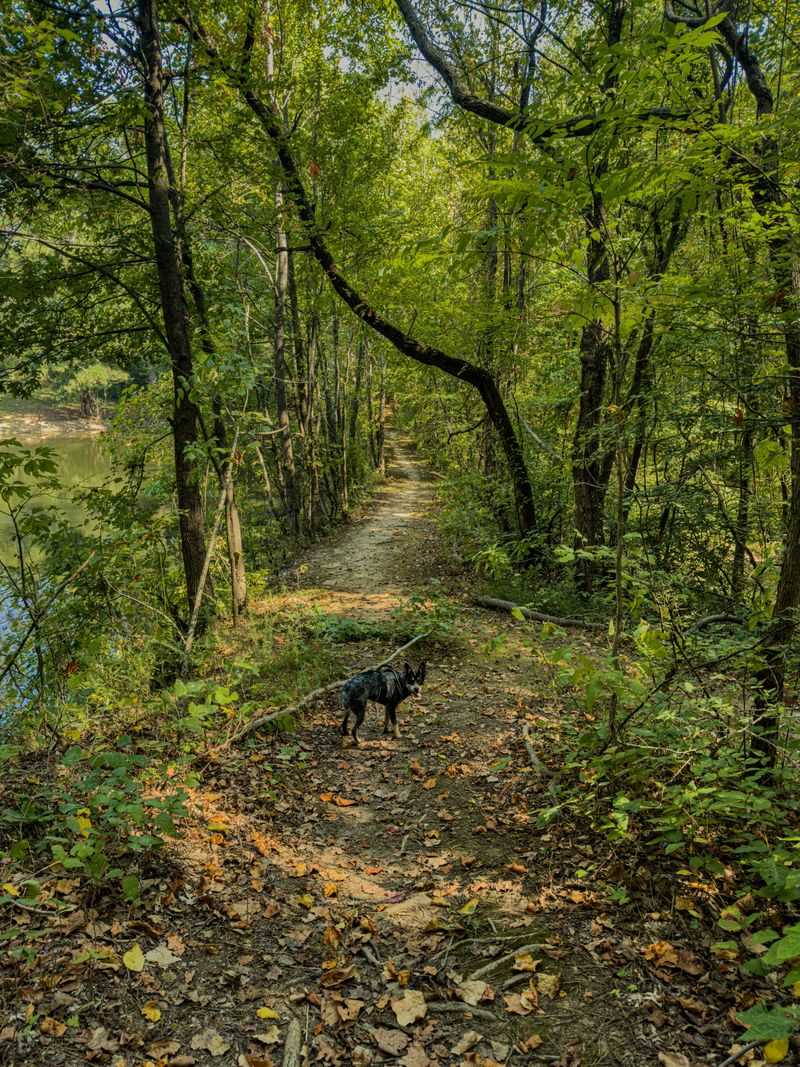
Good news first: the aboveground portion of Mammoth Cave National Park is genuinely welcoming to dogs. Leashed pets are allowed on hiking paths, multi-use paths, and park roads.
That opens up miles of forest, ridge, and riverside walking for the two of you. Many visitors assume the whole park is closed to pets, then feel relieved when they learn otherwise.
Start your planning here, because surface exploring will likely be the heart of your day.
Keep Your Dog On A Six-Foot Leash
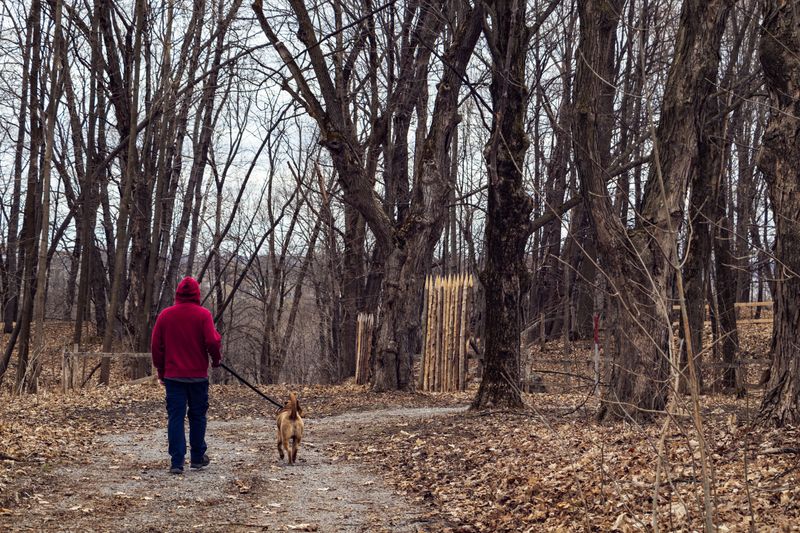
Six feet is the magic number here. Park rules require dogs to stay on a leash no longer than that, at all times.
Retractable leads stretched out long do not meet the standard, so lock yours short or bring a fixed-length option instead.
Short leashes are practical too. Your dog stays close when hikers pass on narrow paths, and you keep control if a squirrel or deer suddenly steals attention.
The Cave Itself Is Off-Limits To Pets
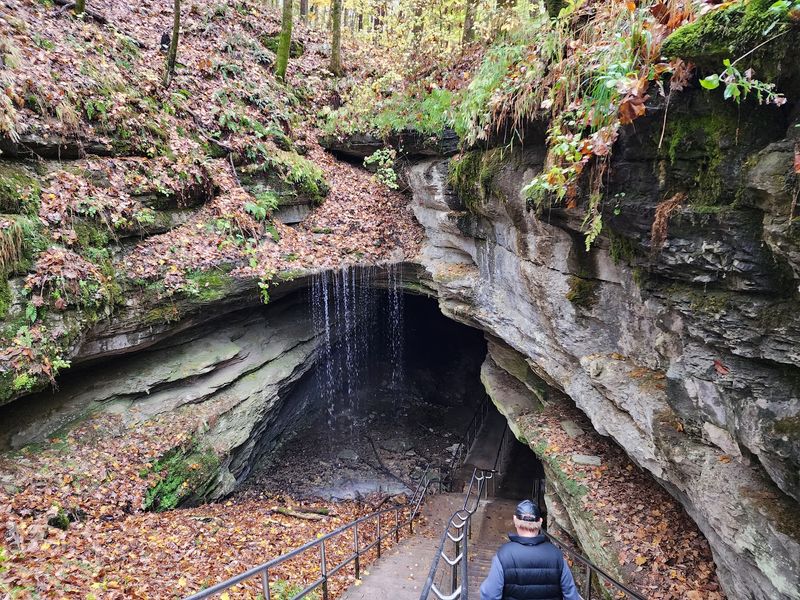
Here is the one rule that surprises visitors most. Regular pets cannot enter Mammoth Cave or any other cave inside the park.
The restriction protects the fragile underground ecosystem, including the bats and rare cave creatures living there. It also keeps tours safe on narrow stairs and slick passages.
If a guided cave tour is on your list, sort out your dog’s care before you arrive. Showing up hopeful will not work.
Public Buildings Are Also Restricted

Indoor stops need a little forethought. Pets are not permitted inside park buildings, and that includes the visitor center where tour tickets are sold.
A simple fix works well: one person waits outside with the dog in a shaded spot while the other handles tickets or restrooms.
Buying tour tickets online ahead of time saves even more juggling. Fewer indoor errands means more trail time for everyone.
Service Animals Have Different Access Rules

Federal law draws a clear line. Under the Americans with Disabilities Act, qualified service animals may enter caves and facilities open to the public.
Emotional support animals and companion dogs do not receive that same access, even with paperwork or a vest.
Service animals should stay leashed unless the leash interferes with their trained work. Anyone traveling with a service dog can contact the park ahead for tour-specific guidance.
Cave Tours Require A Separate Dog Plan
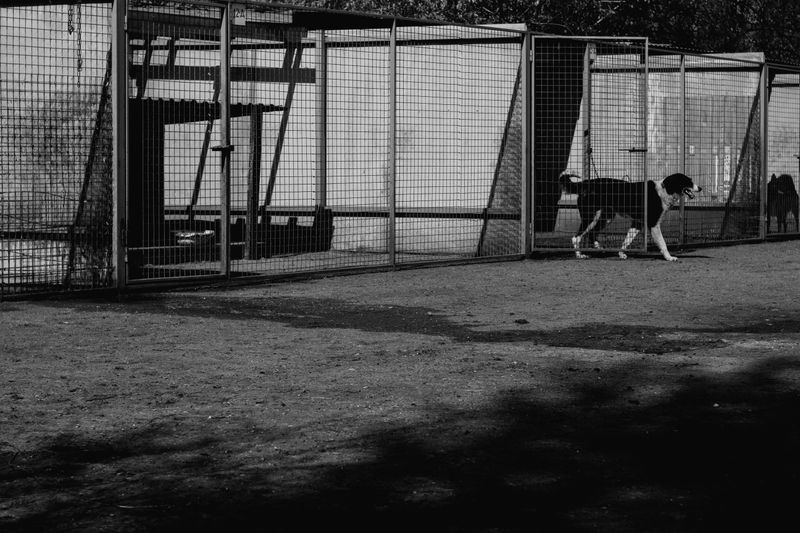
Since pets stay aboveground, your tour reservation needs a matching dog-care plan. Arrange care before you head underground.
The Lodge at Mammoth Cave offers a self-service outdoor kennel for dogs and cats during daylight hours, giving visitors an option while they are underground.
Check the current kennel information before your visit so you know the requirements and availability.
The Day-Use Kennel Has Vaccination Requirements
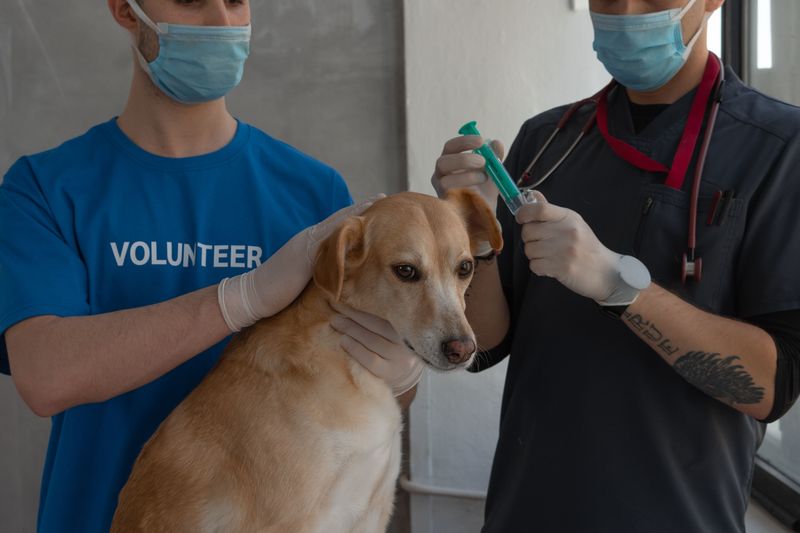
Paperwork matters more than people expect. The kennel requires proof of current vaccinations before a pet can enter.
For dogs, that means documentation covering rabies, DHLP, Bordetella, and parvo. Snap photos of the records and keep printed copies in your glove box.
A quick call to your veterinarian a week before the trip can confirm everything is up to date. That small step prevents a frustrating turnaround at the gate.
Never Leave Your Dog Alone In A Parked Vehicle
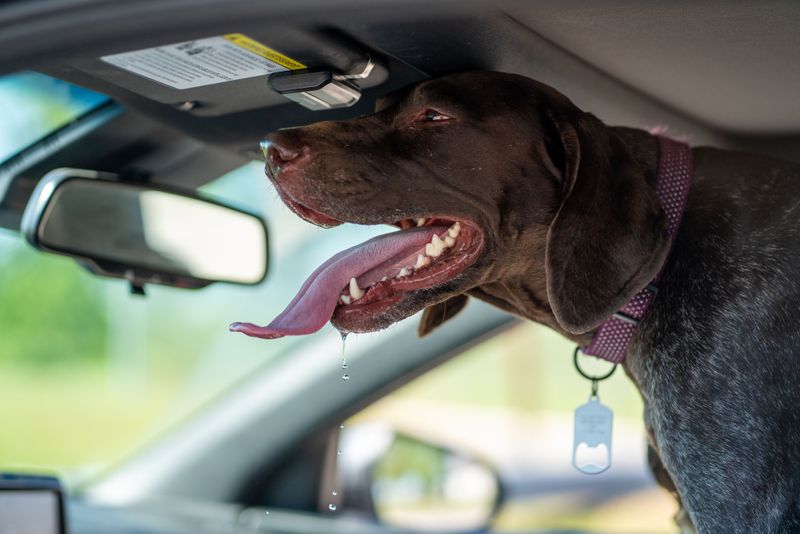
Waiting in the car is not an option. The National Park Service advises visitors never to leave pets unattended in vehicles.
Interiors warm up quickly in Kentucky summers, even with windows cracked and a shady space. Conditions can turn unsafe faster than a tour lasts.
Rangers may issue fines or impound a pet found alone in a hot car. Use the kennel or take turns instead.
Bring Enough Water For A Hike
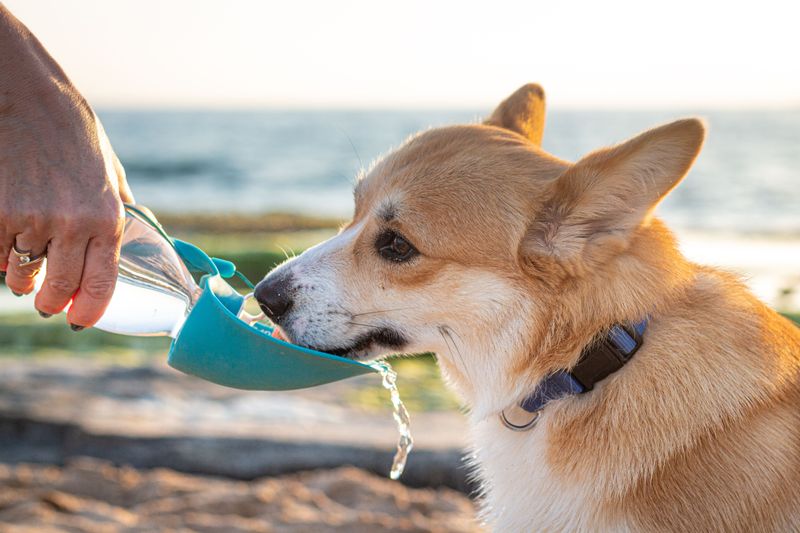
Trail water is your responsibility, not the park’s. Warm, humid days make longer walks harder on dogs than owners realize.
Park guidance recommends carrying enough water and snacks so your pet stays hydrated and fueled. A collapsible bowl weighs almost nothing and works anywhere.
Offer small drinks often rather than one big gulp at the end. Watch for heavy panting or lagging, then find shade and rest.
Pick Up Pet Waste Right Away
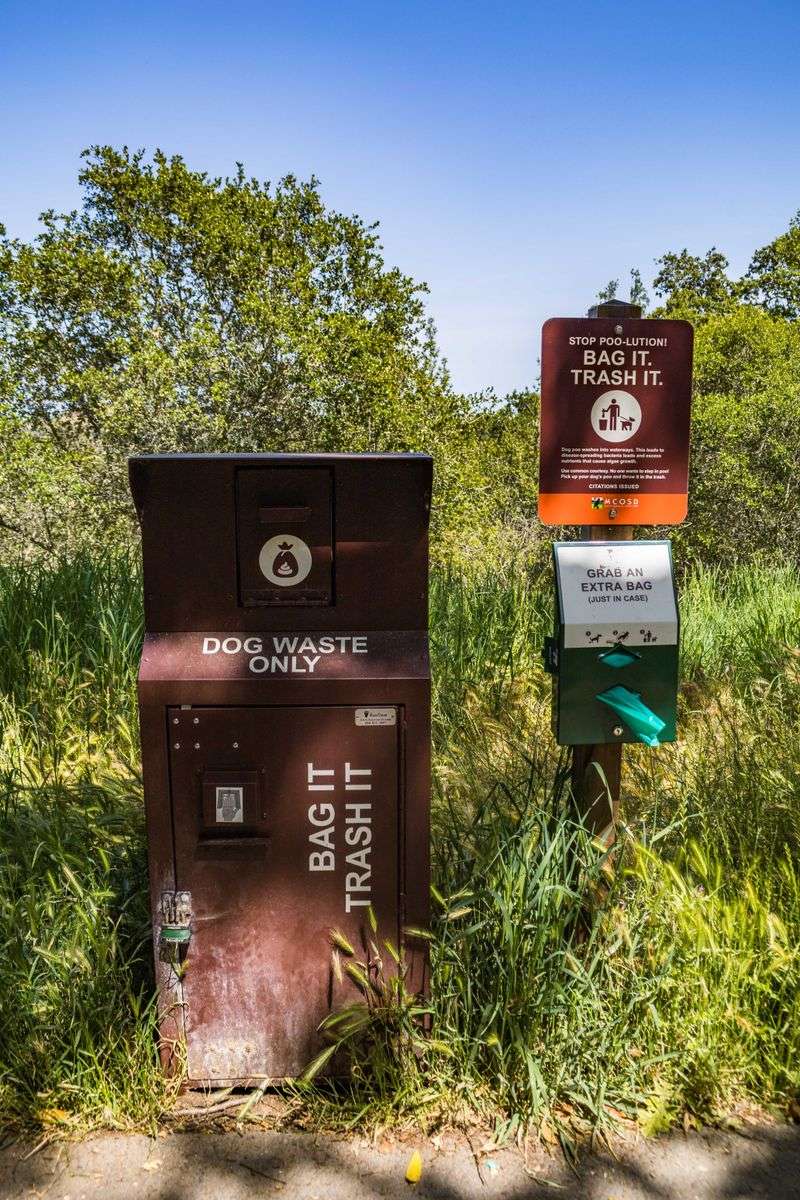
Cleanup is a small courtesy with a big impact. Owners are expected to collect pet waste immediately and drop it in the nearest trash can.
Leaving it behind affects water quality and makes shared trails less pleasant for the next family walking through.
Pack more bags than you think you need, and tuck a spare in every pocket. Nothing derails a nice hike faster than running out.
Wildlife Encounters Are Another Reason To Stay Close
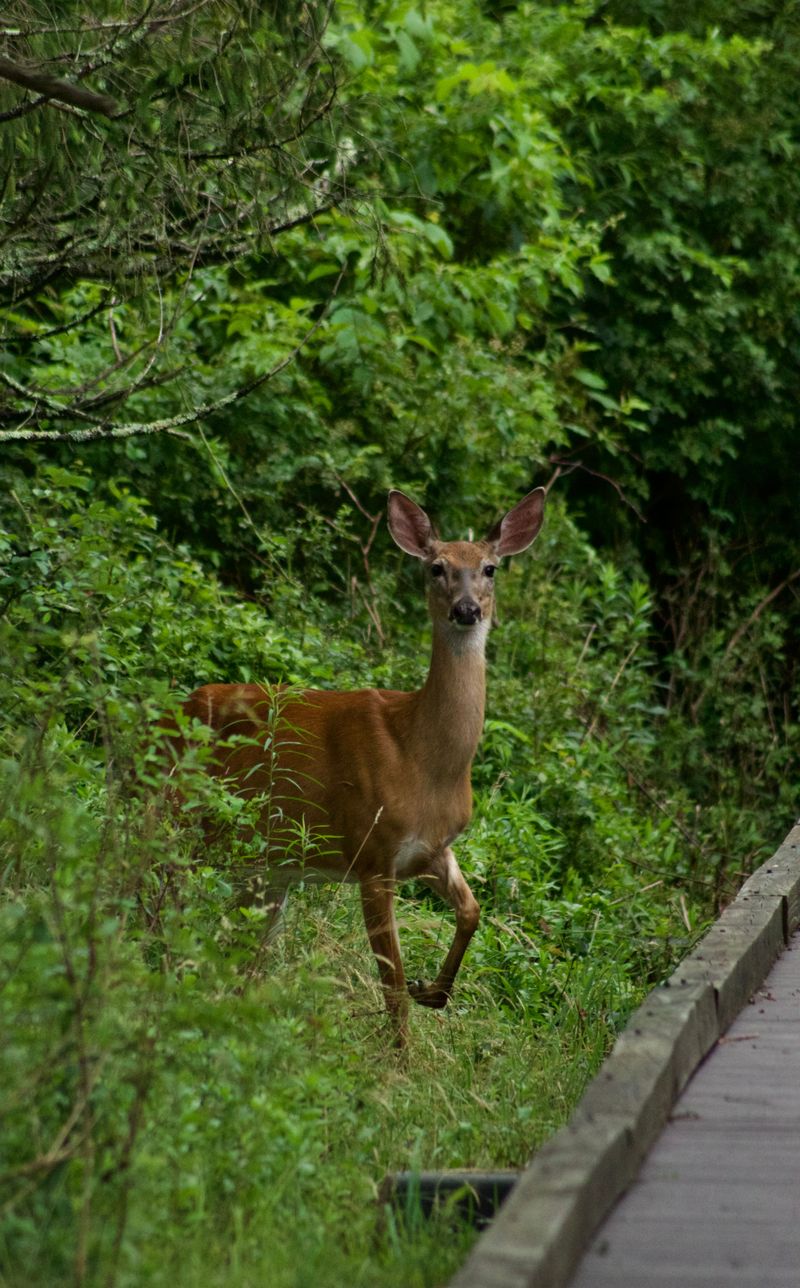
Deer, wild turkeys, and snakes all call this park home. Visitors should never approach or feed any of them.
A dog held on a short leash is far easier to steer away when something rustles in the brush.
If wildlife appears ahead, stop, shorten the leash, and give the animal plenty of space to move along. Calm and quiet usually ends the encounter without any drama.
Watch For Ticks And Other Biting Insects
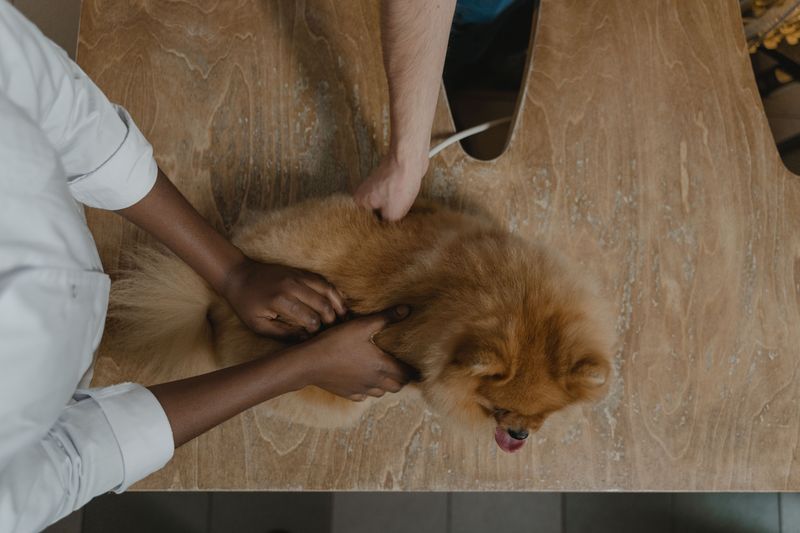
Ticks live throughout Mammoth Cave National Park, along with mosquitoes and other biting insects. Kentucky summers keep them active.
The National Park Service suggests talking with your veterinarian about tick prevention before your trip. Products vary by dog, so professional advice beats guesswork.
Build a habit of checking ears, armpits, belly, and toes after each hike. Ten careful minutes back at the car is time well spent.
Horses May Share Backcountry Trails
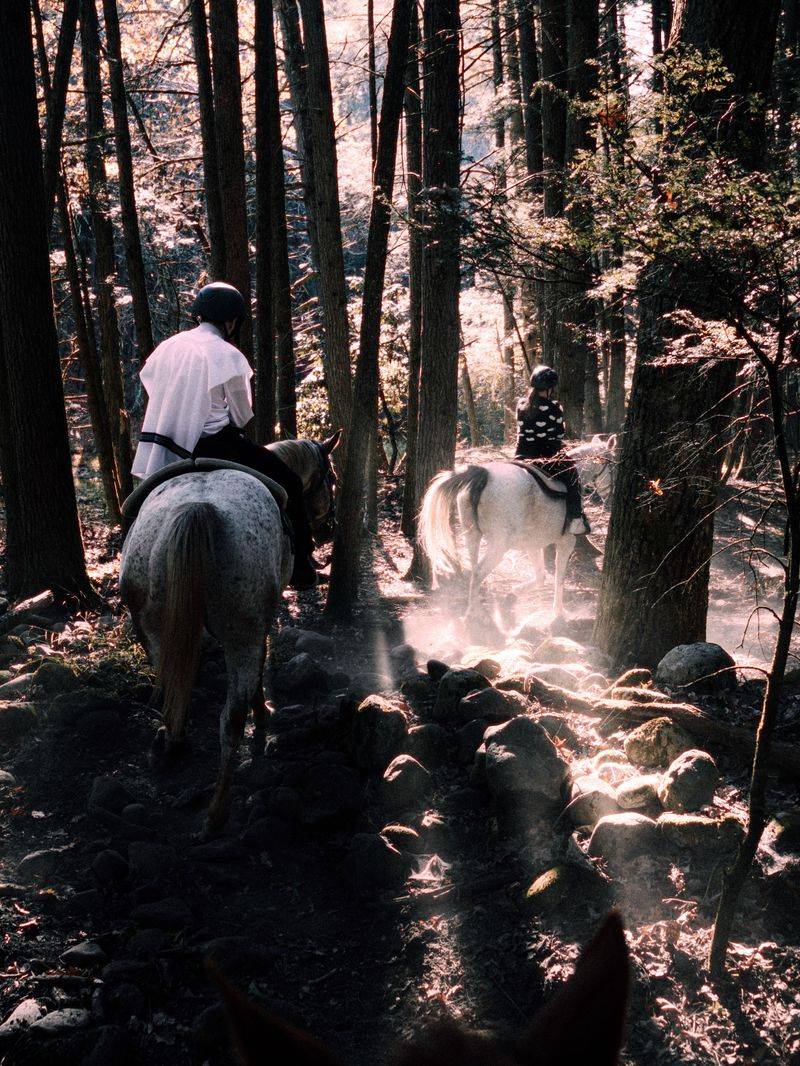
Some backcountry routes on the north side of the park welcome horseback riders. Meeting one on a narrow path can startle an unprepared dog.
When riders approach, step to the side of the trail and shorten the leash. Speak calmly so the horse hears a human voice.
Wait quietly until the group passes, then continue. Riders generally appreciate the courtesy, and your dog learns the routine quickly.
Stay On Designated Trails
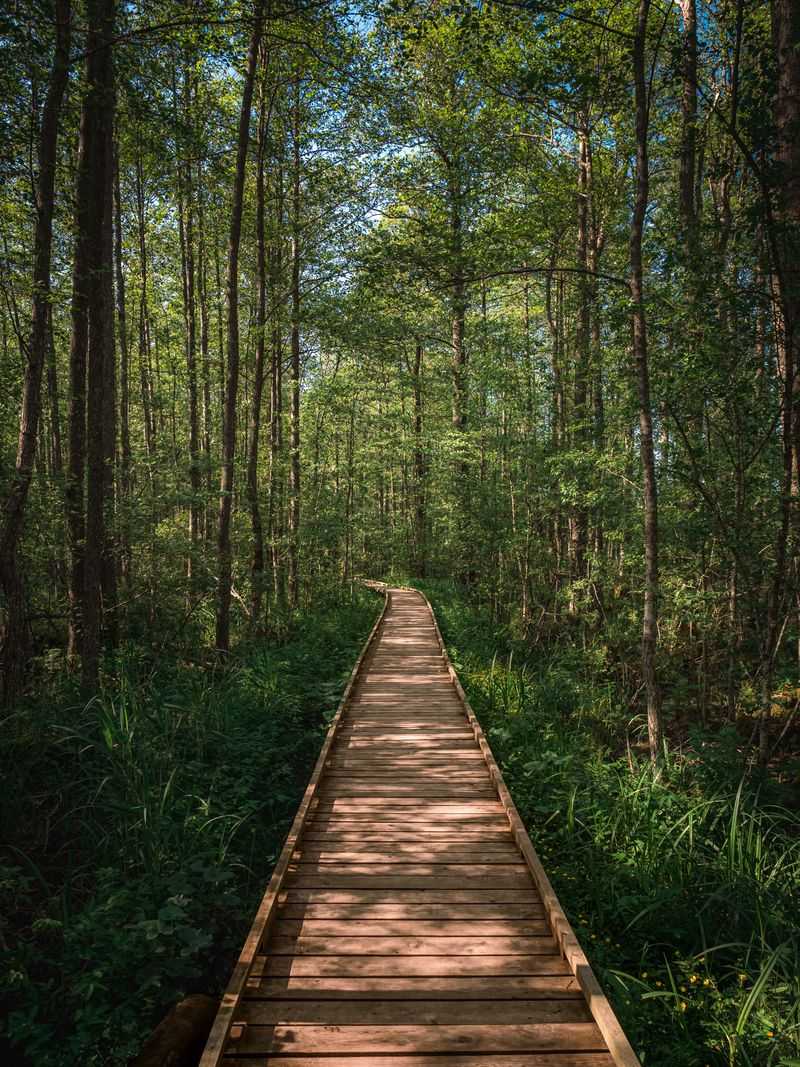
Wandering off-trail rarely pays off here. Park guidance asks visitors to stay on established trails and boardwalks.
With a dog along, the reason becomes practical. Tall grass and brush can hide ticks, poison ivy, and the occasional snake resting in cover.
Marked paths also protect fragile ground above the cave system. Sticking to them keeps your dog comfortable and the landscape intact for future visitors.
Some Trails Make Great Dog-Friendly Stops
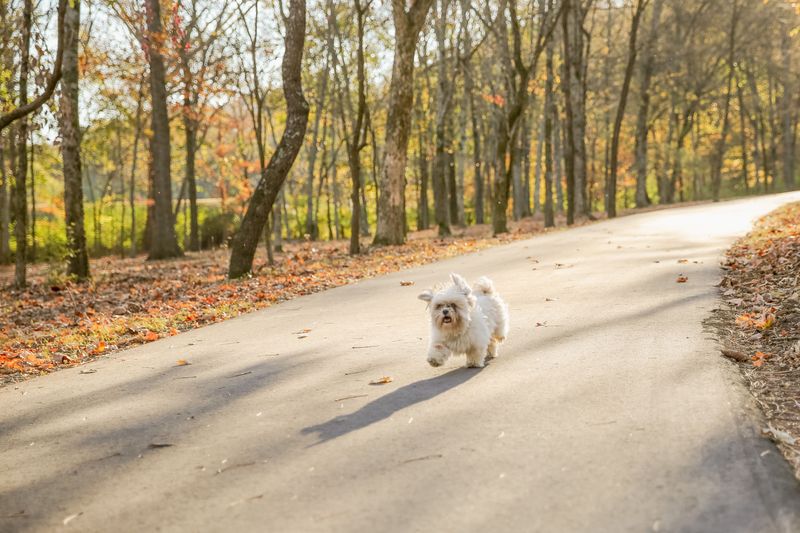
Ready for specific suggestions? The Heritage Trail is a short, mostly accessible favorite that leashed dogs can enjoy.
Other pleasant surface options include Cedar Sink Trail, Sand Cave Trail, Sloan’s Crossing Pond Walk, and the Mammoth Cave Railroad Bike and Hike Trail.
Each offers scenery without any cave entry involved. Check current park guidance before setting out, since trail conditions and closures do change with weather and season.