What New Jersey Dog Owners Should Know About Seal Encounters On Shore Walks
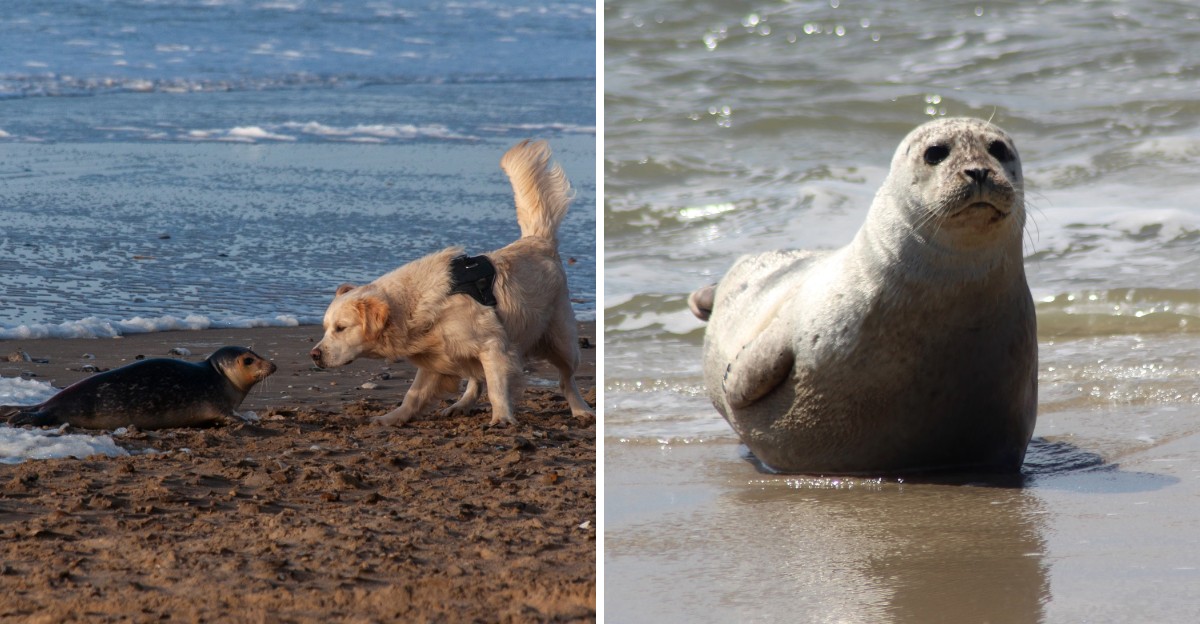
A quiet beach walk can bring an unexpected sight: a seal resting near the waves. For New Jersey dog owners, that moment calls for curiosity from a safe distance.
Knowing when to pause, change direction, or call for help protects your dog and gives wildlife room to rest. A few simple habits can make shore walks safer while keeping these special encounters peaceful.
1. Keep Your Dog Leashed Near New Jersey Seals
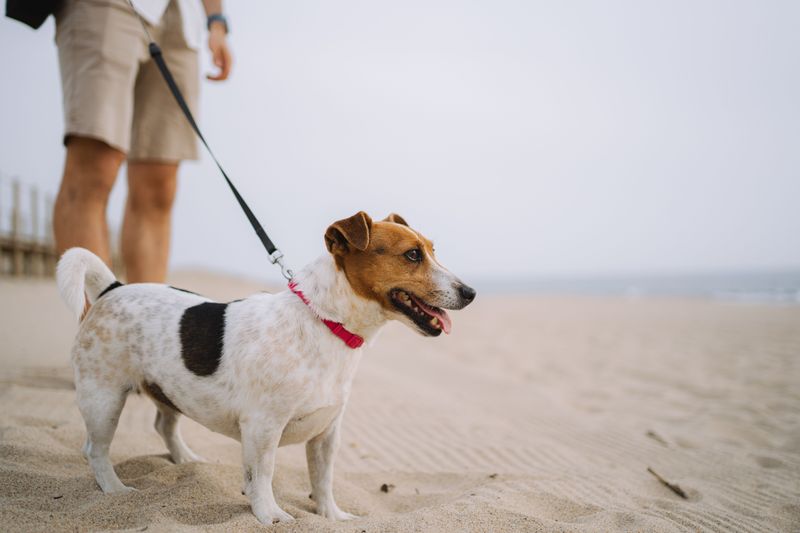
A leash turns a surprising wildlife moment into something you can manage. Even reliable dogs may pull toward unfamiliar sounds, smells, or movement.
Keep your dog close without allowing the leash to stretch toward a seal.
A sturdy, fixed leash usually offers better control than an extended retractable lead. Check the collar or harness before reaching the sand.
If your dog starts barking or pulling, calmly increase your distance rather than waiting for better behavior.
2. Recognize When a Seal Needs Space
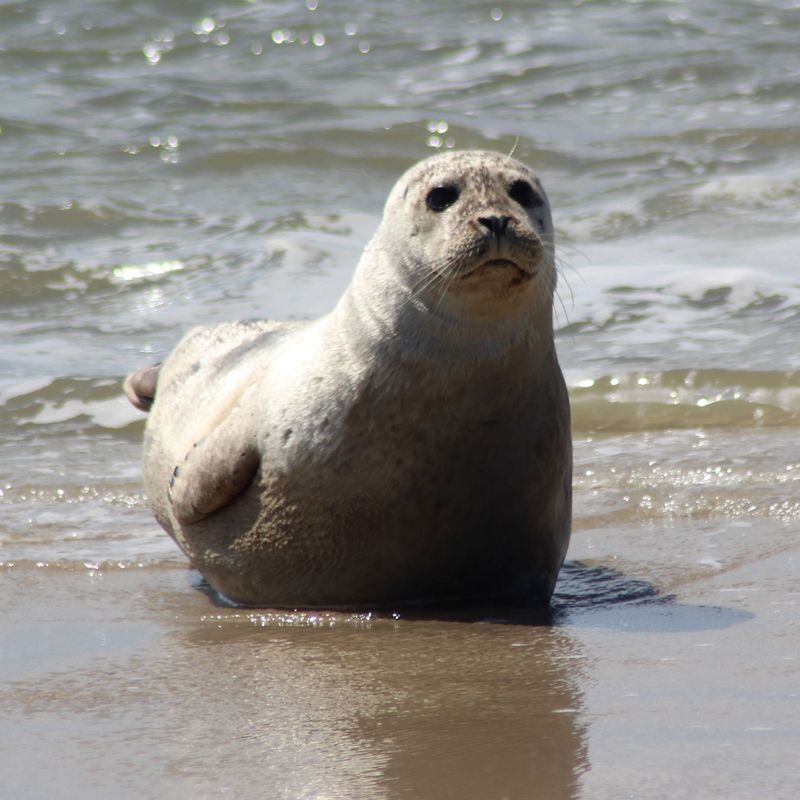
A raised head can be your first clue to step back. Seals may watch approaching people, shift position, vocalize, or move toward the water when disturbed.
Do not wait for obvious movement before giving extra room.
A quiet seal still deserves space, even when it appears relaxed. Watch through binoculars instead of testing how close you can get.
If the animal changes its behavior because of your presence, retreat calmly with your dog beside you.
3. Never Let Your Dog Sniff or Chase a Seal
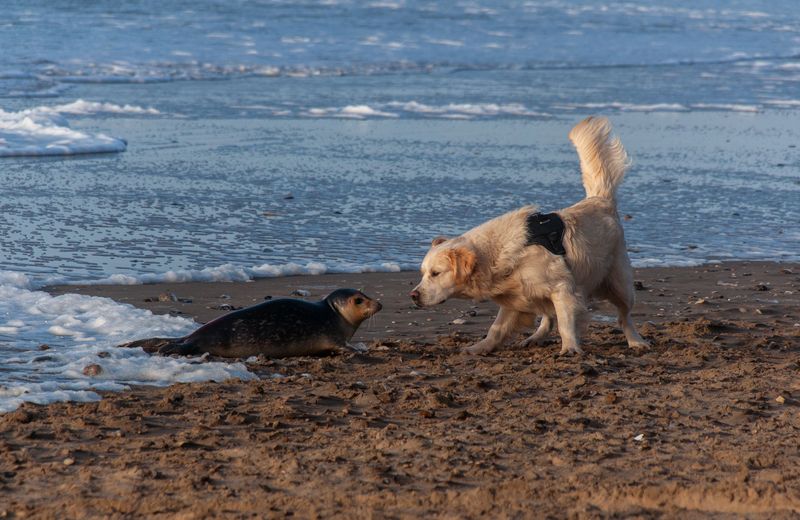
Friendly curiosity does not make a close greeting safe. Your dog cannot read a seal’s boundaries, and a resting seal may react defensively.
Sniffing, circling, barking, and chasing can all disturb the animal.
Skip introductions, even if your dog behaves gently around other pets. Use a familiar cue, turn away, and reward your dog after creating distance.
Never release the leash for a closer look. Wildlife encounters work best when nobody needs to interact directly.
4. Know Where Seals May Appear Along the Jersey Shore
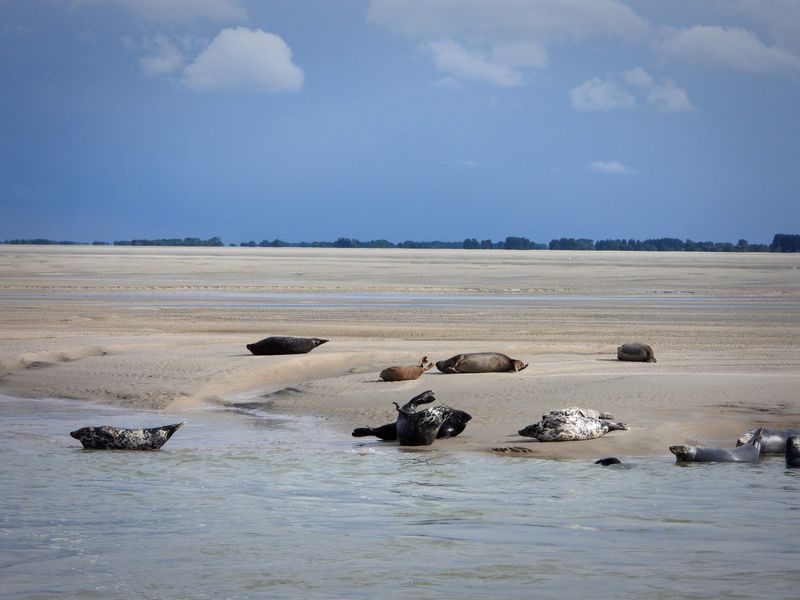
That rounded shape near the tide line might not be driftwood. Seals visit New Jersey’s ocean beaches, bays, inlets, and other coastal resting spots.
Sightings can occur around Sandy Hook and elsewhere along the shore.
Never assume a familiar dog walking beach is free of wildlife. Scan ahead near sandbars, jetties, and quiet stretches before approaching.
Respect closures and posted viewing guidance. Avoid sharing exact locations online if doing so could draw crowds around resting animals.
5. Stay at Least 150 Feet Away
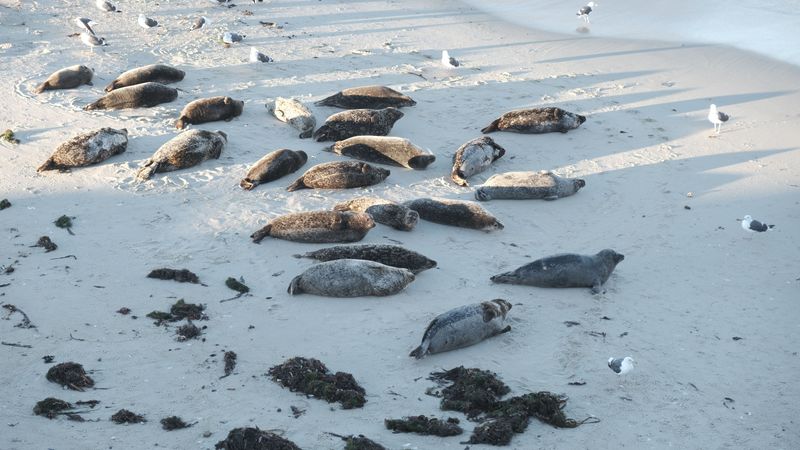
Picture roughly half a football field. That helps you estimate 150 feet, the recommended minimum viewing distance for seals.
Keep your dog at least that far away, and farther when needed.
Distance guidance does not grant permission to disturb wildlife. Federal law prohibits harassment under the Marine Mammal Protection Act.
Move back whenever your presence affects the seal’s behavior. Follow larger buffers or closures established by responders, beach staff, or posted local guidance.
6. Give Seal Pups Extra Protection
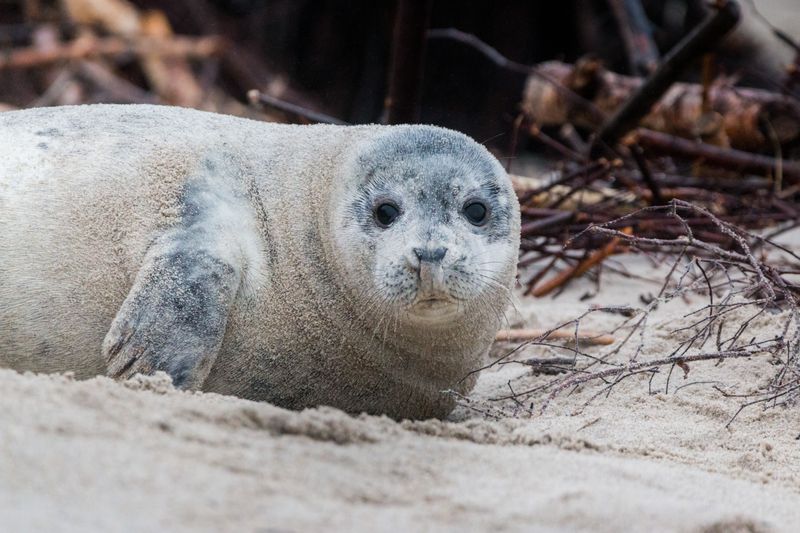
A small seal alone on sand can stir protective feelings. Being alone does not automatically mean a pup needs rescue.
Young seals may rest ashore, and only trained responders should assess whether help is needed.
Keep your dog well away and discourage others from approaching. Never touch, feed, cover, or carry the pup.
Contact the Marine Mammal Stranding Center if you have concerns. Share observations from a distance, then follow the responder’s instructions about leaving.
7. Do Not Try to Herd a Seal Back Into the Water
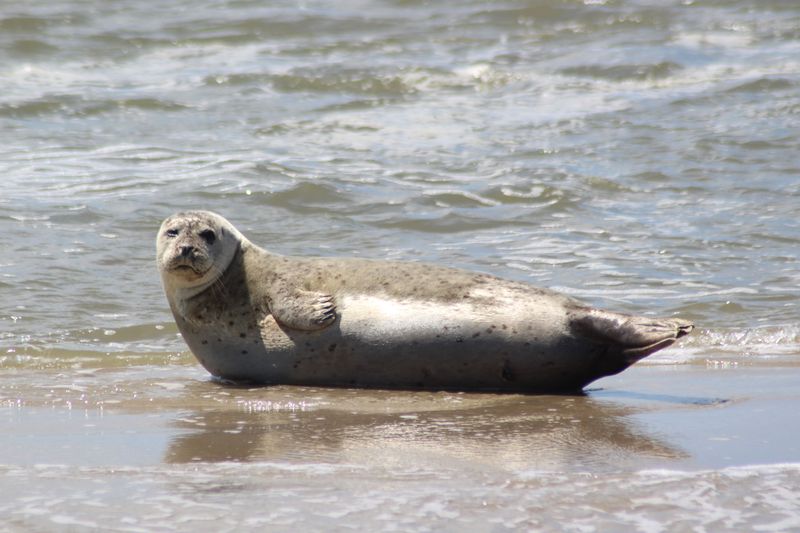
Dry sand is a normal resting place for seals. They come ashore to rest, regulate body temperature, and spend time out of the water.
A beach visit alone does not mean something is wrong.
Do not splash water, wave objects, or use your dog to move a seal. Leave its route to the ocean open without standing nearby.
If its location creates concern, call trained responders. Let them decide whether any action is actually needed.
8. Watch for Signs of Possible Distress
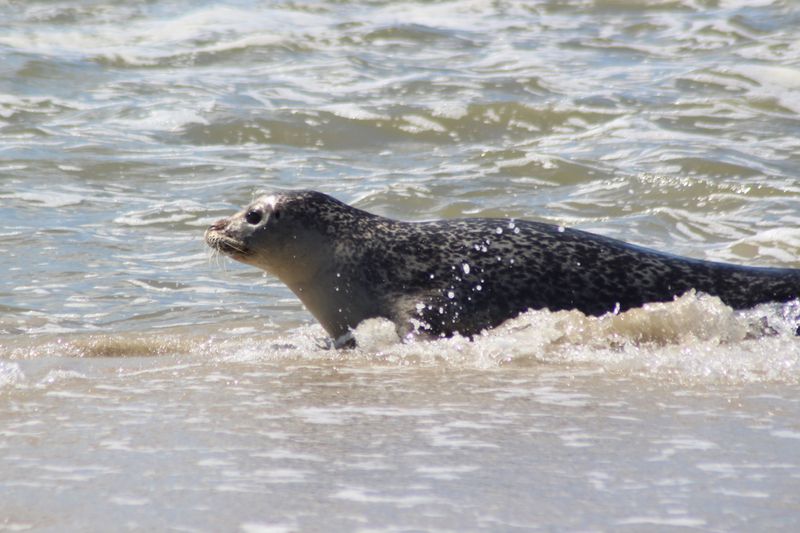
Some concerns deserve a phone call rather than a closer inspection. Visible entanglement, an obvious wound, or unusual difficulty moving should be reported.
Keep observing from your safe position without attempting to diagnose the problem.
Resting seals can look awkward, and appearances sometimes mislead well-meaning beachgoers. Describe what you actually see instead of guessing what happened.
Note whether fishing line or other debris is visible. Let trained responders interpret the signs and choose the next steps.
9. Report Injured Seals to the Right People
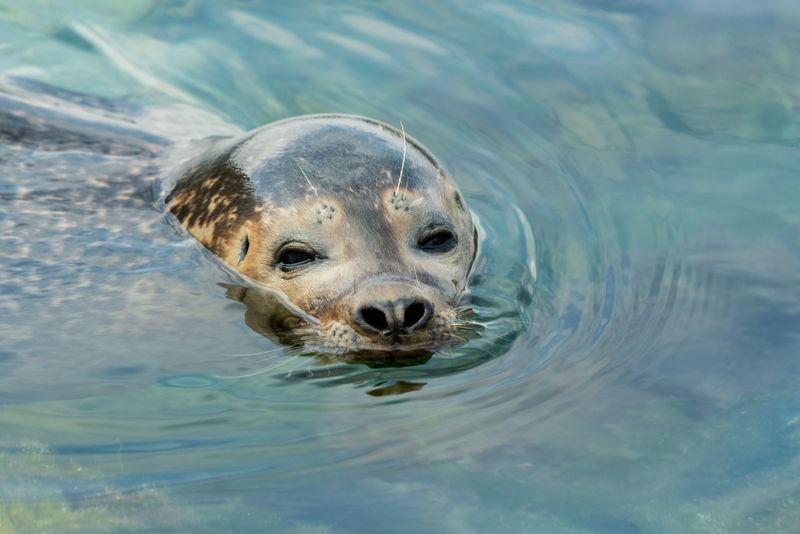
Save the right number before your next shore walk. New Jersey’s Marine Mammal Stranding Center receives reports about seals needing assessment.
Its reporting number is 609-266-0538, and its website provides current contact guidance.
Give the beach name, nearest access point, and the animal’s location. Explain visible concerns and mention nearby dogs or crowds.
Photos taken from a distance may help responders. Do not approach for better evidence, and keep your phone available for their follow-up questions.
10. Keep Your Dog Away From Seal Remains Too
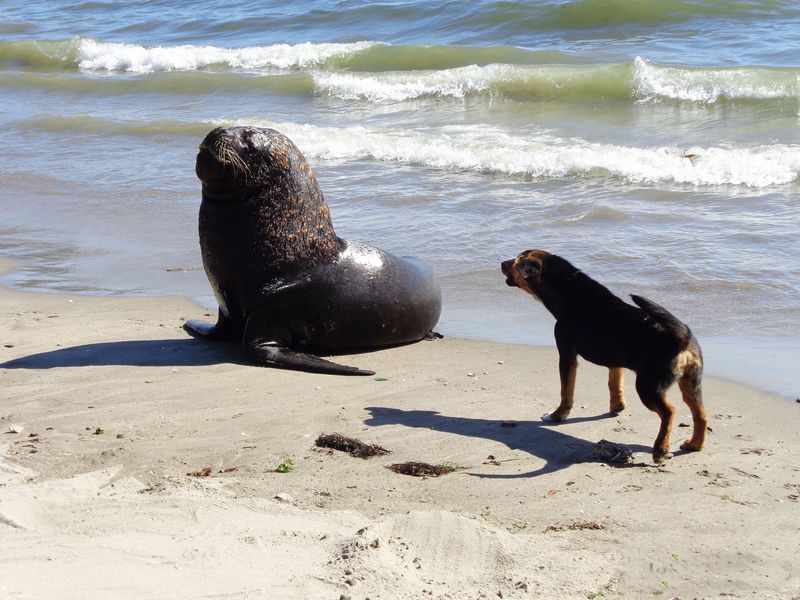
An unfamiliar scent can pull a dog toward animal remains. Keep your pet away from any seal remains, just as you would from a living seal.
Touching, mouthing, or rolling creates unnecessary exposure to contamination.
Do not collect bones, teeth, fur, or other parts. Marine mammal remains and their parts may be subject to federal protections under the Marine Mammal Protection Act.
Report the location to the Marine Mammal Stranding Center and follow instructions. If your dog makes contact, ask your veterinarian what to do.
11. Understand the Risks of Seal Bites
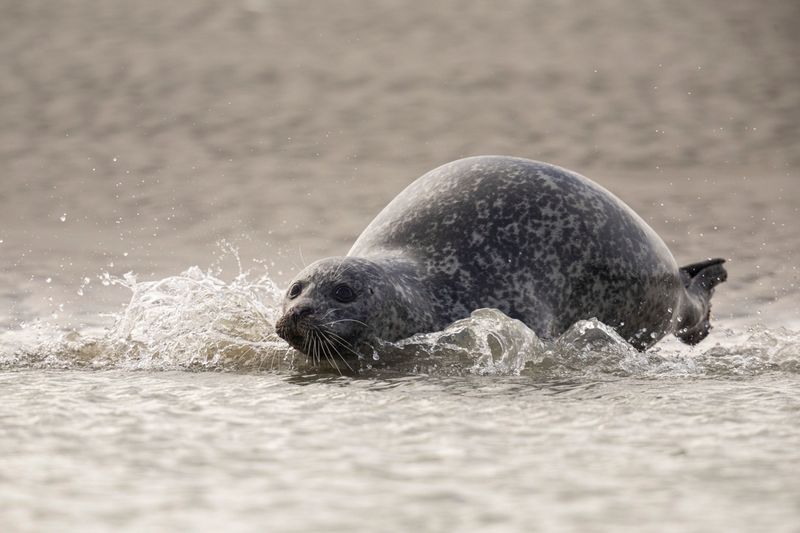
Those round eyes belong to a wild animal with teeth. A seal may bite when crowded, handled, or approached by a dog.
Bites can cause injury and introduce bacteria, even when wounds look small. Seal contact can also expose dogs and people to infectious agents, so seek veterinary or medical advice after contact.
If contact happens, move away without trying to restrain the seal. Call your veterinarian promptly for your dog, or seek medical care for yourself.
Explain that a seal was involved. Do not give leftover medicine or assume routine vaccines prevent every infection.
12. Prevent Your Dog From Eating Beach Remains
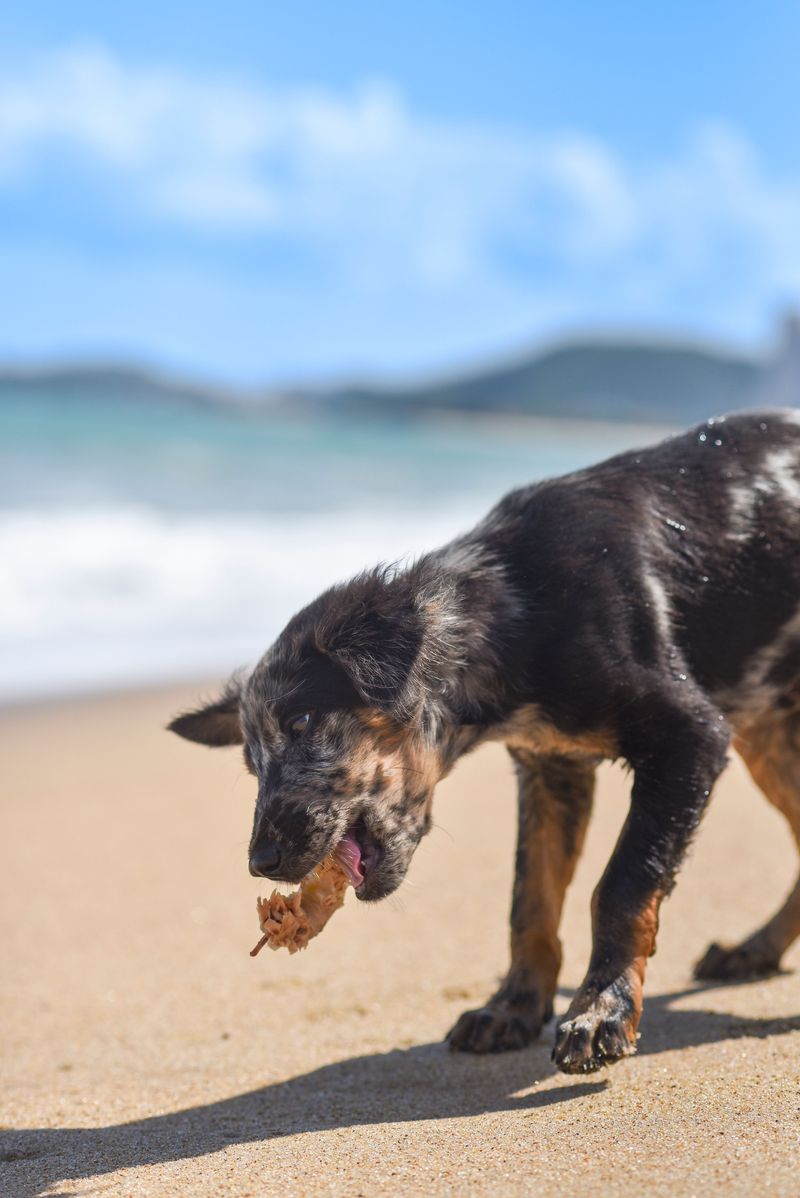
Beach smells can turn an ordinary walk into a scavenger hunt. Fish scraps, animal remains, and unknown material should stay out of your dog’s mouth.
Practice a reliable leave-it cue before visiting the shore.
Carry treats so you can reward turning away from tempting finds. Watch the sand ahead instead of relying only on commands.
If your dog swallows something suspicious, contact your veterinarian promptly. Describe the material and timing, and avoid home treatments unless instructed.
13. Choose a Different Route When a Seal Blocks the Way
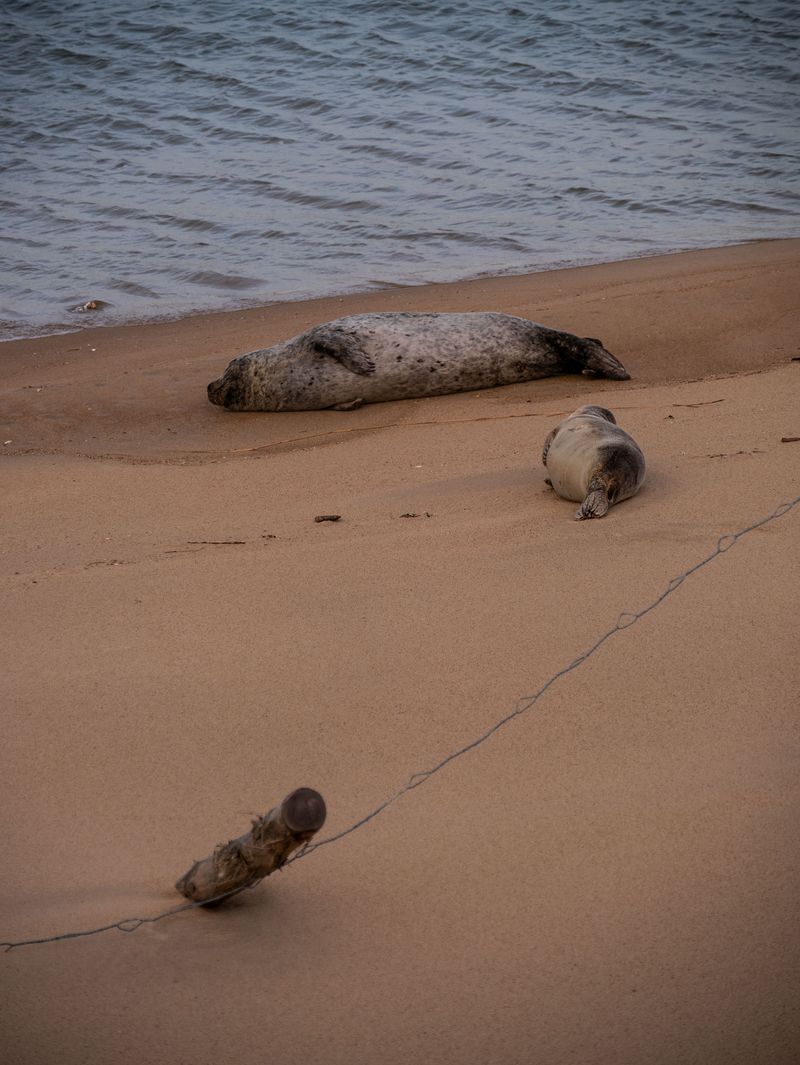
A narrow beach can leave surprisingly little room to pass. If you cannot maintain the recommended distance, choose another route instead.
Squeezing between a seal and the dunes is not a safe shortcut.
Never pass between the animal and the water, either. Look for an open beach exit or retrace your steps.
Stay off protected dunes and private property while rerouting. A shorter walk is better than forcing an encounter where nobody has enough space available.
14. Take Photos Without Moving Closer
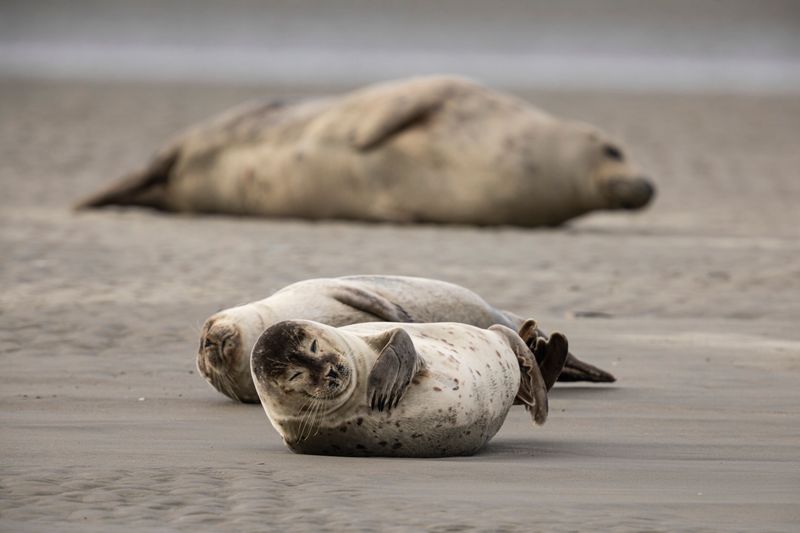
A good wildlife photo does not require a close meeting. Use your camera’s zoom, then crop the image later if needed.
Keep the same safe distance whether taking photographs or simply watching.
Have another adult hold your dog’s leash if photography divides your attention. Skip posed pictures that place pets or children near the seal.
Avoid flash and never lure the animal with food. If the seal reacts to you, stop photographing and move farther away.
15. Keep Children and Other Beachgoers Back
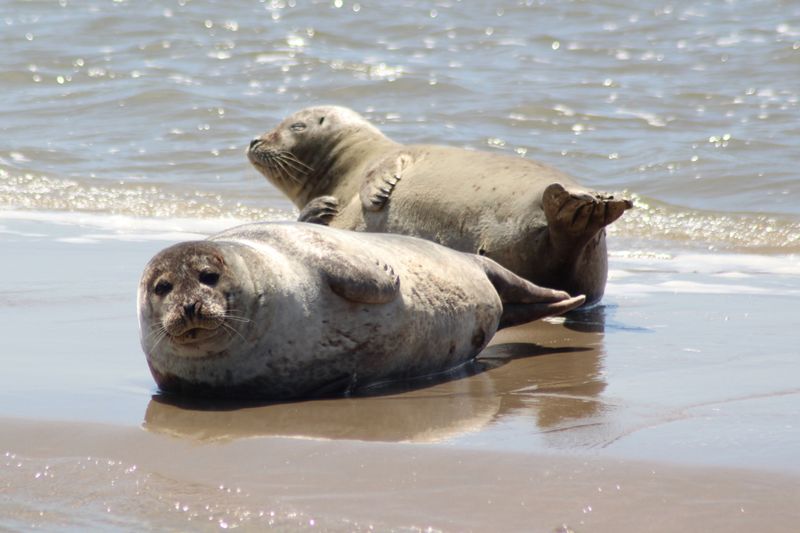
Excitement spreads quickly when someone spots a seal near shore. Explain calmly that the animal needs quiet space, not company.
Keep children beside you and your dog under control while everyone backs away.
A friendly reminder often works better than a sharp correction. Point out the distant viewing area without gathering a new crowd.
Do not argue with people who refuse guidance. Contact beach staff or responders if repeated approaches continue, and avoid handling the situation yourself.
16. Plan Shore Walks Around Seasonal Seal Sightings
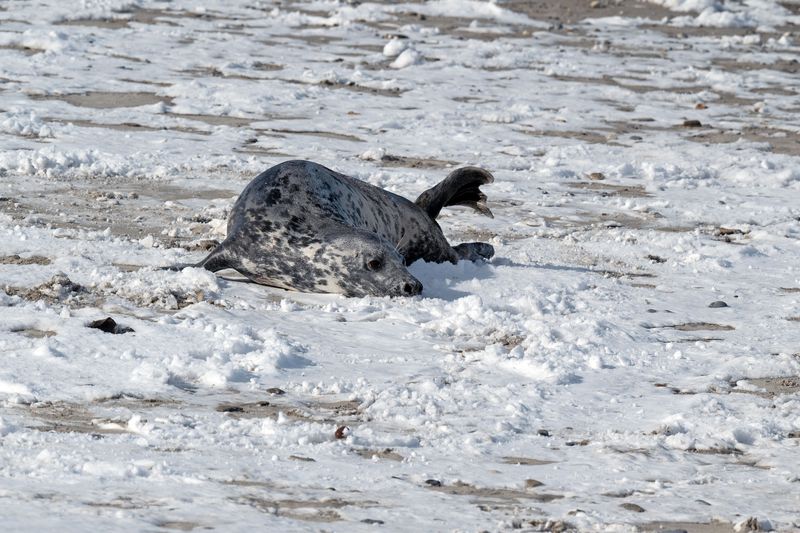
Cooler months bring more seal sightings along New Jersey’s coast. Fall through spring is a useful season for extra awareness, though timing varies.
A winter beach may be quiet without being empty of wildlife.
Check local wildlife updates before heading toward known resting areas. Choose a different walking spot when seals are gathering nearby.
Sightings remain possible outside the usual season, so keep scanning ahead year-round. Let current conditions guide your plans rather than calendar dates alone.
17. Check Beach Rules Before Bringing Your Dog
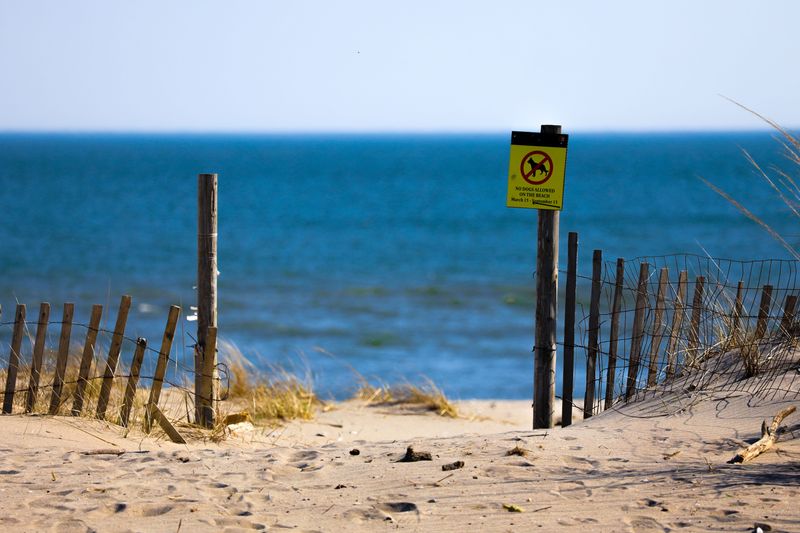
One town’s dog policy may differ from the next town’s. New Jersey beaches can restrict pets by season, time, location, or leash requirements.
Park rules may differ from municipal beach rules as well.
Check the official town or park website before leaving home. Read entrance signs for temporary wildlife closures and updated restrictions.
Permission to bring a dog never overrides protections for seals. When information conflicts, contact the managing agency rather than following another beachgoer’s example.
18. Make Turning Around Part of Your Walking Plan
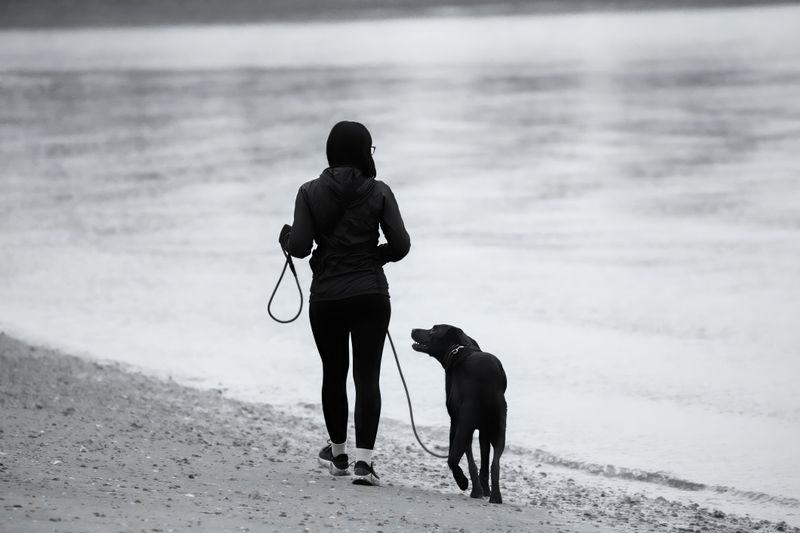
Your best beach skill may be a cheerful change of direction. Practice turning with your dog in quiet places before wildlife appears.
Pair a simple cue with movement and reward your dog for following.
Bring water, treats, and enough time to take an alternate path. Notice exits as you walk, especially where tides narrow the beach.
Leaving early is not a failed outing. It means you noticed the situation and made a sensible choice for everyone.
19. Leave Seal Encounters Better Than You Found Them
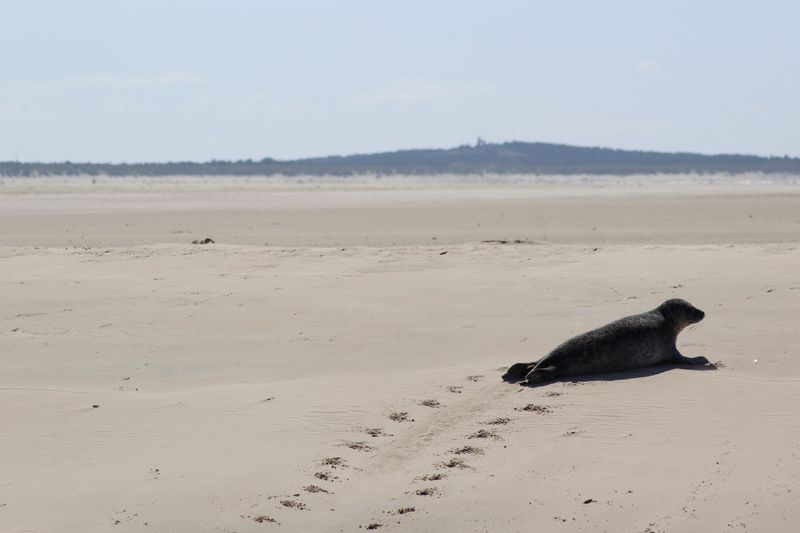
The nicest wildlife encounter often ends with very little happening. Your dog stays beside you, the seal keeps resting, and everyone moves on.
Carry out your litter and leave the surrounding beach undisturbed.
Share safe viewing habits rather than encouraging friends to approach. Report genuine concerns, then give responders room to work.
You do not need to solve every situation yourself. Keep the leash close, leave plenty of space, and let the shore stay wonderfully wild.