12 North Carolina Mudroom Setups That Make Pollen, Pine Debris, And Wet Paws Easier To Manage
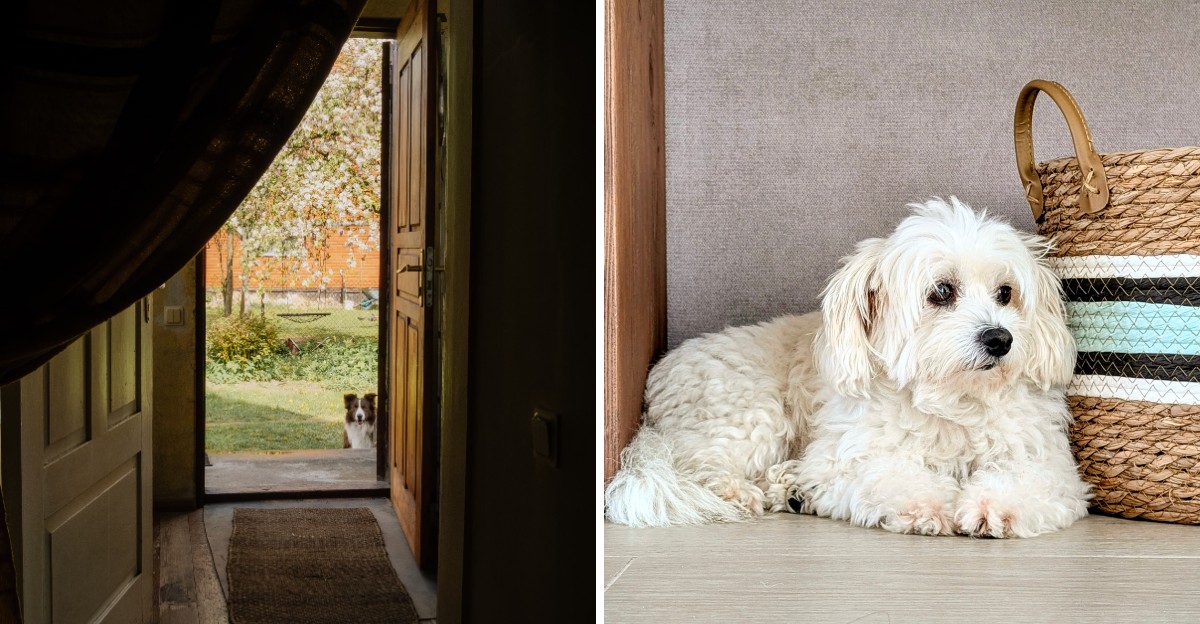
North Carolina walks can send your dog home with yellow pollen, pine needles, and paws soaked by afternoon rain. A thoughtful mudroom gives that outdoor mess a place to stop before it reaches your living room.
You do not need a large space or fancy equipment to make daily cleanup easier. A few washable surfaces, handy supplies, and comfortable routines can help you and your dog settle inside with less fuss.
1. Keep A Pollen Catching Mat By The Door
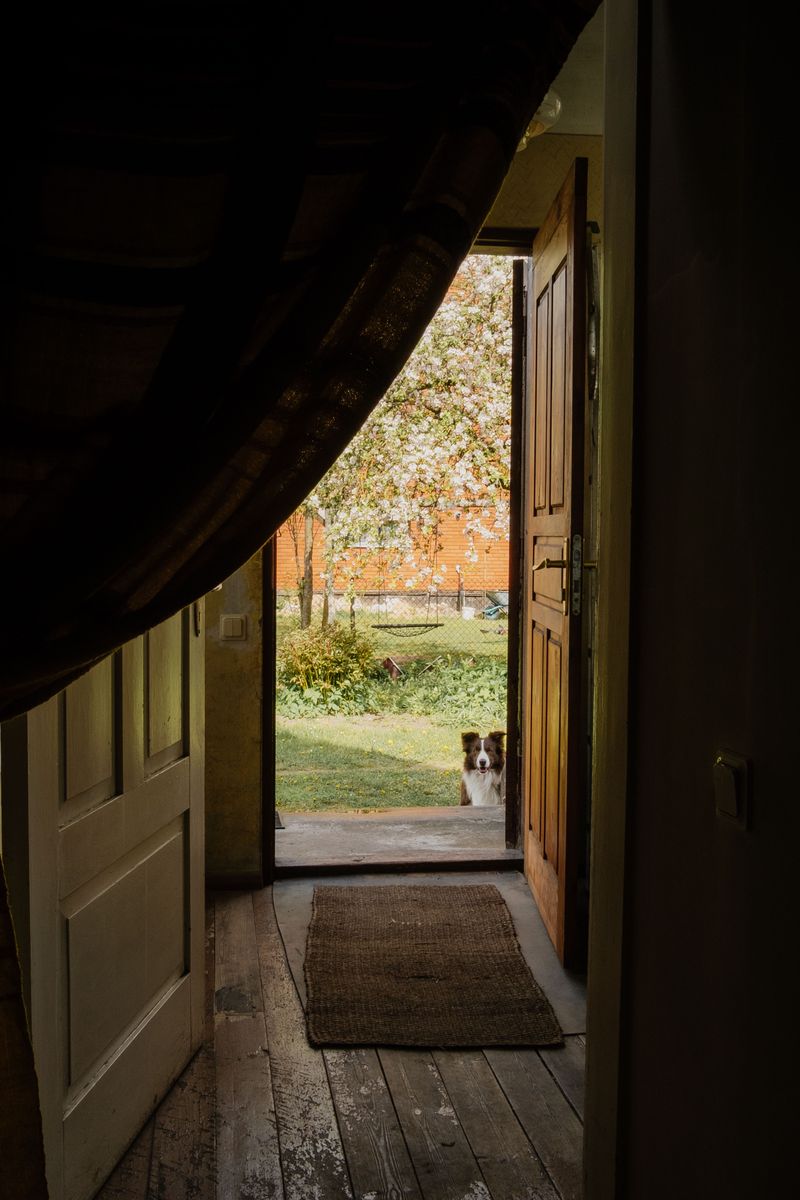
Yellow dust has a way of following everyone indoors during North Carolina spring. Place a washable, textured mat where people and dogs first enter.
Choose a low edge and secure backing to reduce slipping or tripping.
Shake collected debris outside, away from open doors and windows. Follow the washing instructions, then let the mat dry fully.
Check underneath regularly, since trapped moisture can leave the floor damp even when the surface feels dry.
2. Choose Closed Storage For Pine Debris
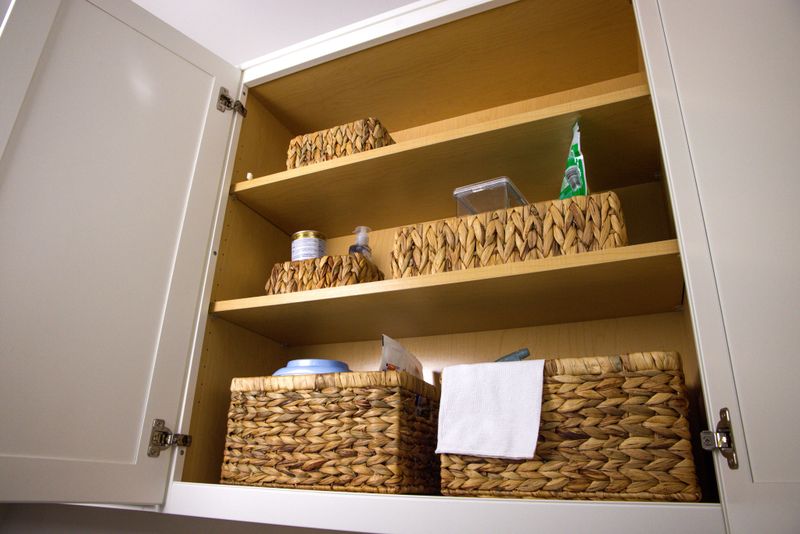
Open shelves can become landing zones for needles shaken from jackets and harnesses. Cabinets with doors help protect clean supplies from scattered debris.
Reserve one section for spare towels and another for walking equipment.
Brush loose needles from gear before putting it away. Damp items should dry outside closed storage first.
Use a separate lidded waste container for collected debris, beyond your dog’s reach. Empty it regularly rather than letting outdoor litter build up.
3. Set Up A Washable Dog Towel Basket
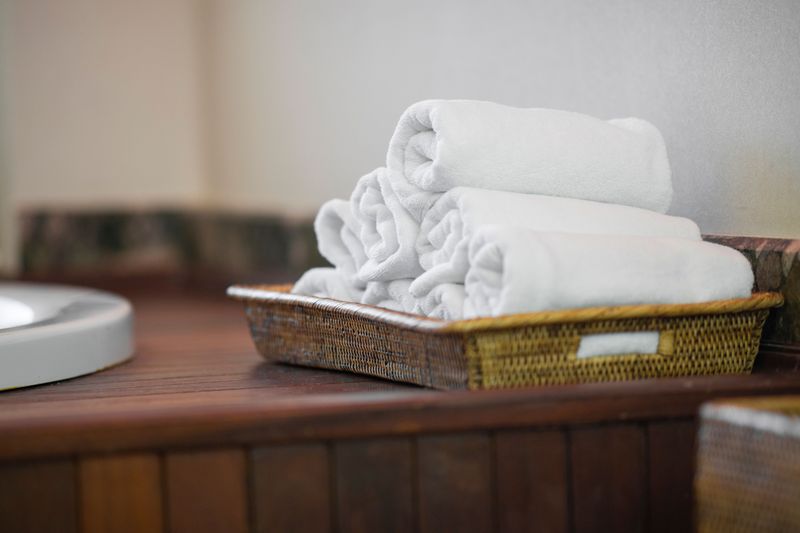
Old cotton towels earn their keep when a muddy dog comes home. Gather clean ones in a basket you can wipe or wash.
Choose towels without loose threads that could catch nails or invite chewing.
Keep used towels out of the clean pile. Hang wet ones until washing time rather than sealing them in a basket.
Launder according to fabric instructions, and dry completely. A small backup stack makes repeated rainy walks much easier.
4. Create A Paw Cleaning Station
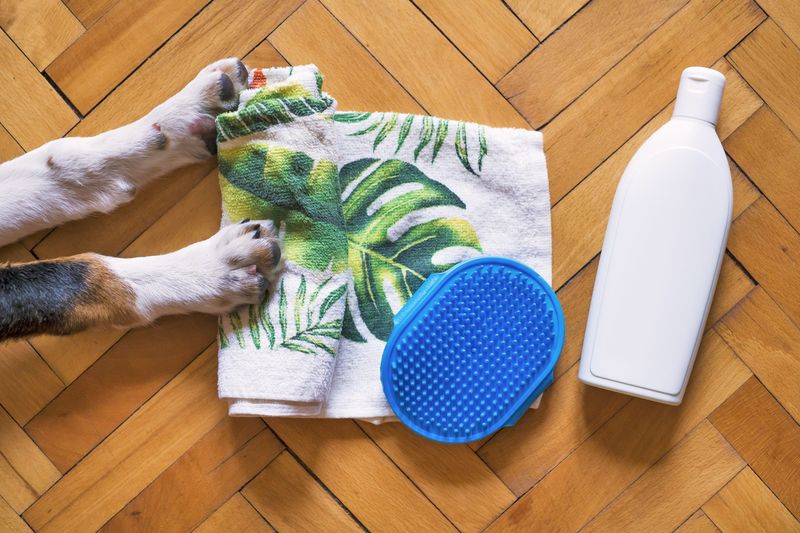
Sometimes a dry towel cannot handle the mud between your dog’s toes. Keep a shallow basin, soft cloths, and fresh water nearby.
Lukewarm water usually handles ordinary dirt without adding scented products.
Wipe gently, rinse away remaining grit, and dry each paw afterward. Avoid household cleaners on your dog’s skin.
If using a pet cleanser, follow its label and your veterinarian’s guidance. Introduce handling gradually with rewards, especially when your dog dislikes foot contact.
5. Use A Boot Tray For Wet Gear
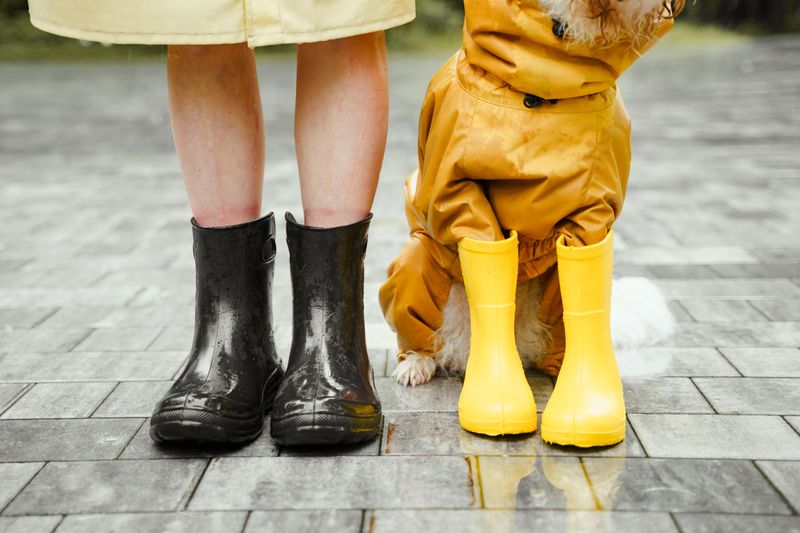
Rain soaked boots deserve a parking space of their own. A shallow tray catches drips from footwear and washable outdoor gear.
Place it against a wall, outside your dog’s usual path through the room.
Choose smooth edges and a size that fits without crowding the entry. Pour away collected water and rinse out grit regularly.
Let harnesses dry with good airflow before storing them. A tray contains mess, but it still needs routine cleaning.
6. Add A Second Mat Inside The Entry
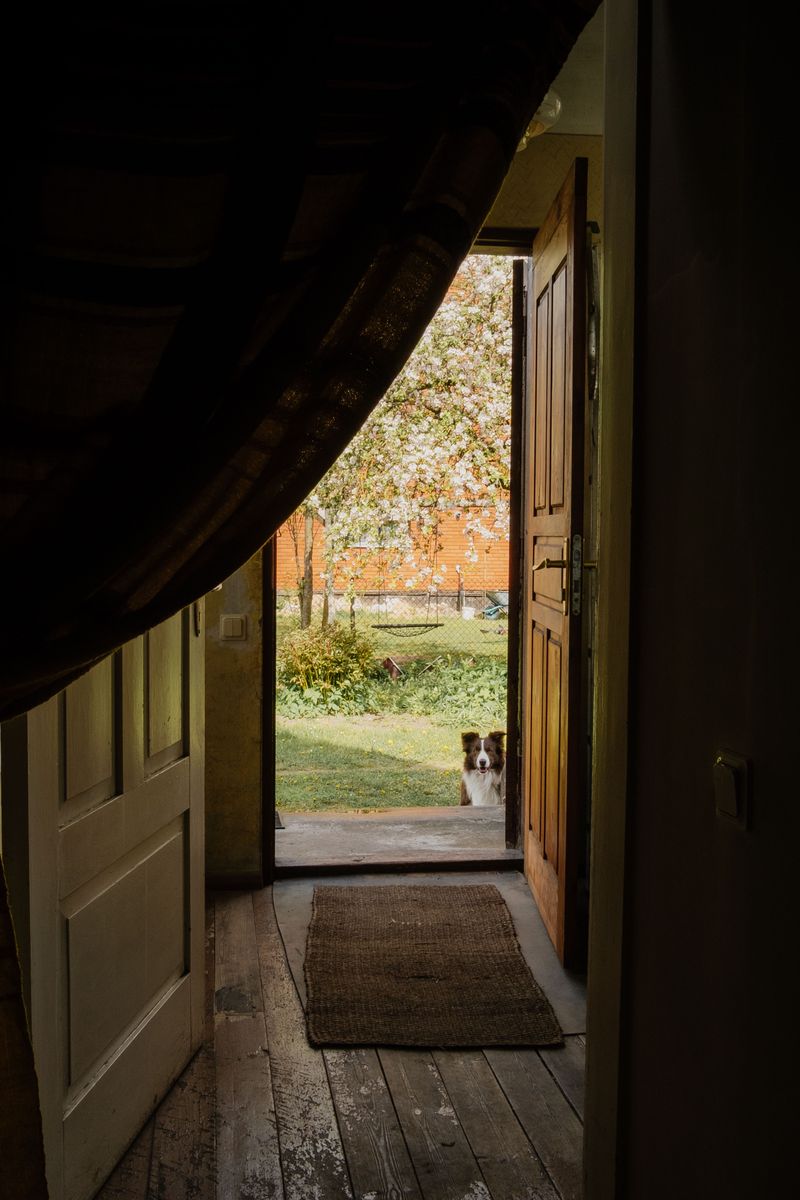
One mat may catch needles while another picks up leftover moisture. Place the second washable mat farther inside, where your dog naturally pauses.
Keep both mats flat and secure rather than overlapping their edges.
Make sure doors can open freely without bunching the fabric. Clean each mat based on actual use, not just appearance.
During heavy pollen days, check more often. Two dirty mats simply spread debris, so regular upkeep matters more than quantity.
7. Keep A Lint Roller Within Reach
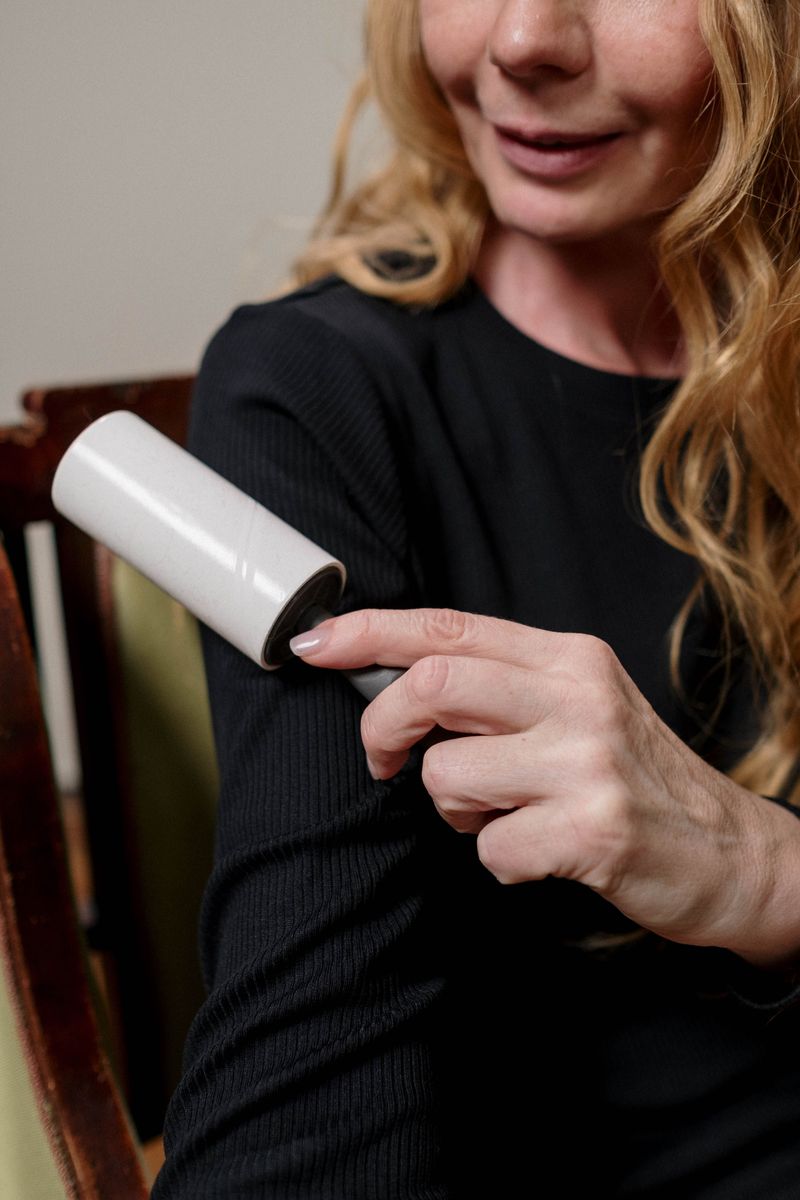
A quick pass over your jacket can catch loose fur and visible particles before you head farther indoors. Store a lint roller on a shelf beyond curious noses.
Use it on clothing, not directly on your dog.
For dusty coats, a damp cloth may work better than repeated rolling. Discard used adhesive sheets where pets cannot grab them.
Keep refills nearby, and remember that rolling clothes does not replace washing dirty fabrics or towels.
8. Make Room For A Small Dog Gear Basket
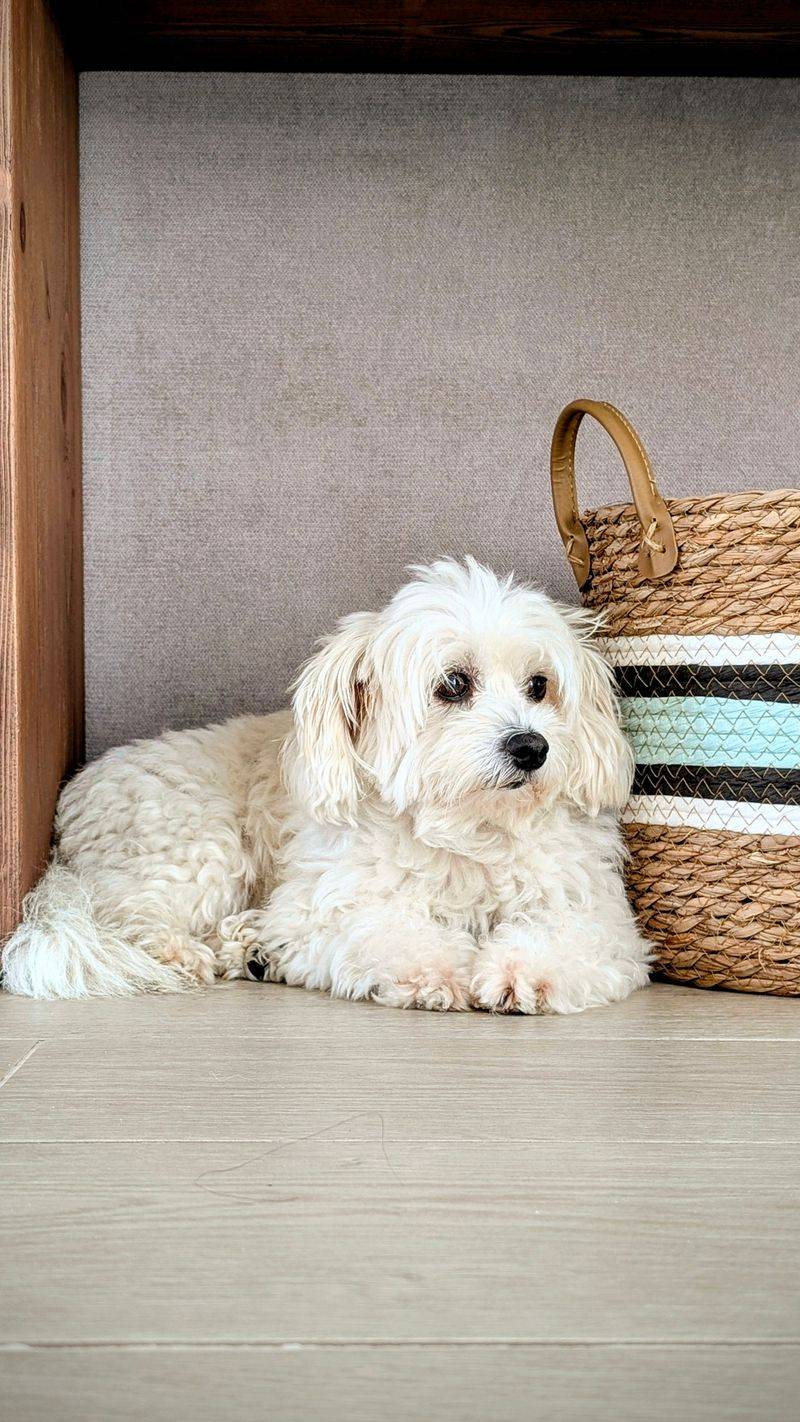
Small supplies disappear fastest when every shelf becomes a catchall. Assign one compact basket to waste bags, a spare leash, and weather gear.
Keep it somewhere accessible to people but away from pets.
Leave medications, cleaning products, and chewable packaging in suitable secure storage elsewhere. Check the basket weekly for damaged straps or forgotten damp items.
Carry only what your household actually uses. A tidy little collection makes leaving and returning feel much smoother.
9. Plan For Easy Floor Cleaning
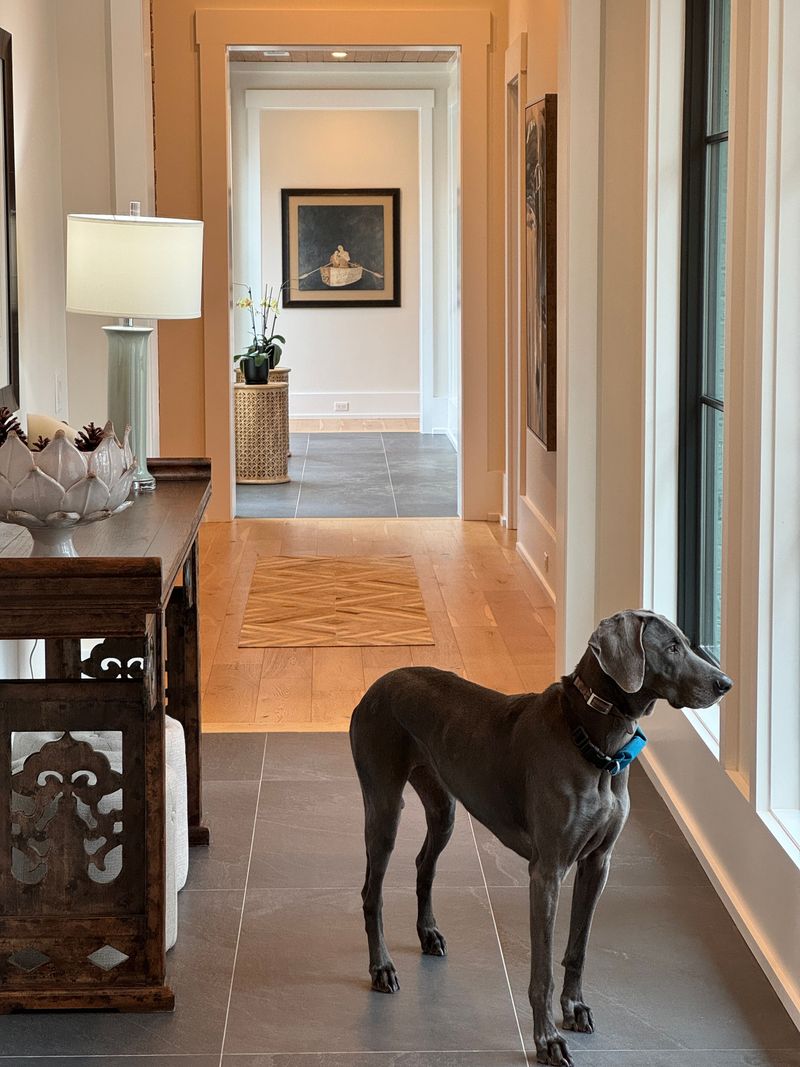
The best floor is one you can clean without a complicated routine. When renovating, consider durable surfaces with traction and manufacturer approved cleaning methods.
Existing floors can still benefit from washable mats and prompt cleanup.
Sweep loose needles first, then remove remaining dirt with an appropriate cleaner. Follow label directions, including pet access guidance.
Keep your dog away until required rinsing and drying are complete. Never mix cleaning products, and store supplies securely after use.
10. Use Washable Covers Where Your Dog Waits
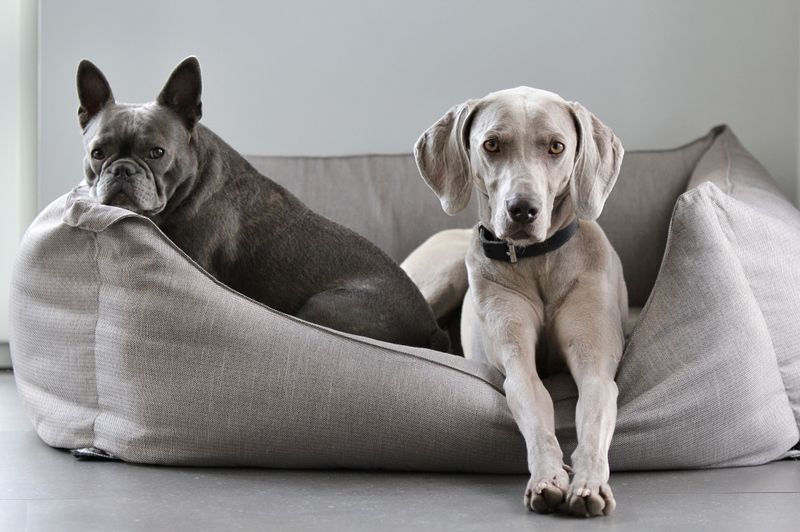
A favorite waiting cushion can collect pollen even after paws are clean. Add a fitted, washable cover if your dog rests in the mudroom.
Avoid dangling ties or loose fabric that encourages chewing.
Wash the cover according to its care label, and inspect the cushion underneath for dampness. Keep a spare cover ready while laundry dries.
Position the resting spot away from swinging doors. Comfort helps your dog wait calmly without blocking the cleanup area.
11. Make The Setup Work During Rainy Days
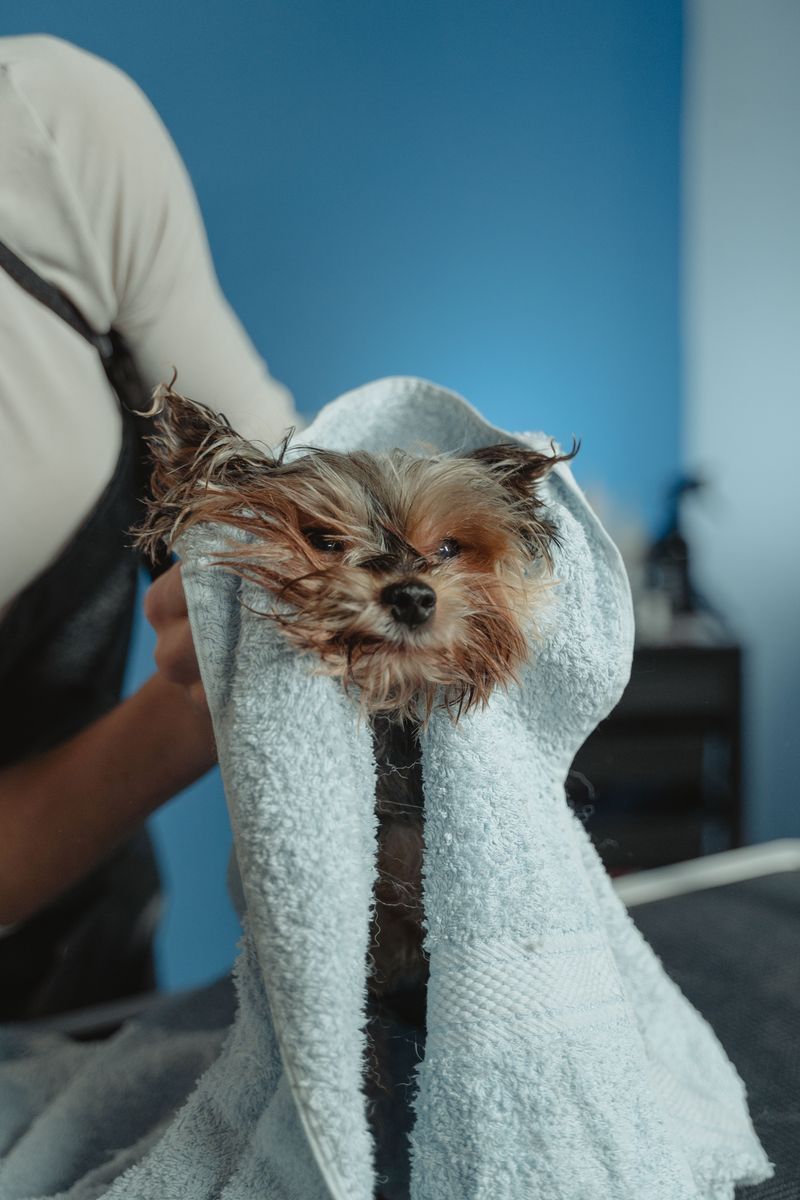
Afternoon showers can turn a simple walk into a busy doorway shuffle. Keep extra towels ready and a clear place for dripping outerwear.
Close the exterior door before starting cleanup so your dog stays safely inside.
Practice the arrival routine during dry weather, when nobody feels hurried. Reward your dog for pausing on the mat.
After rainy outings, replace saturated fabrics and check for puddles. A routine that works when wet should still feel unhurried.
12. Leave Enough Space For Comfortable Movement
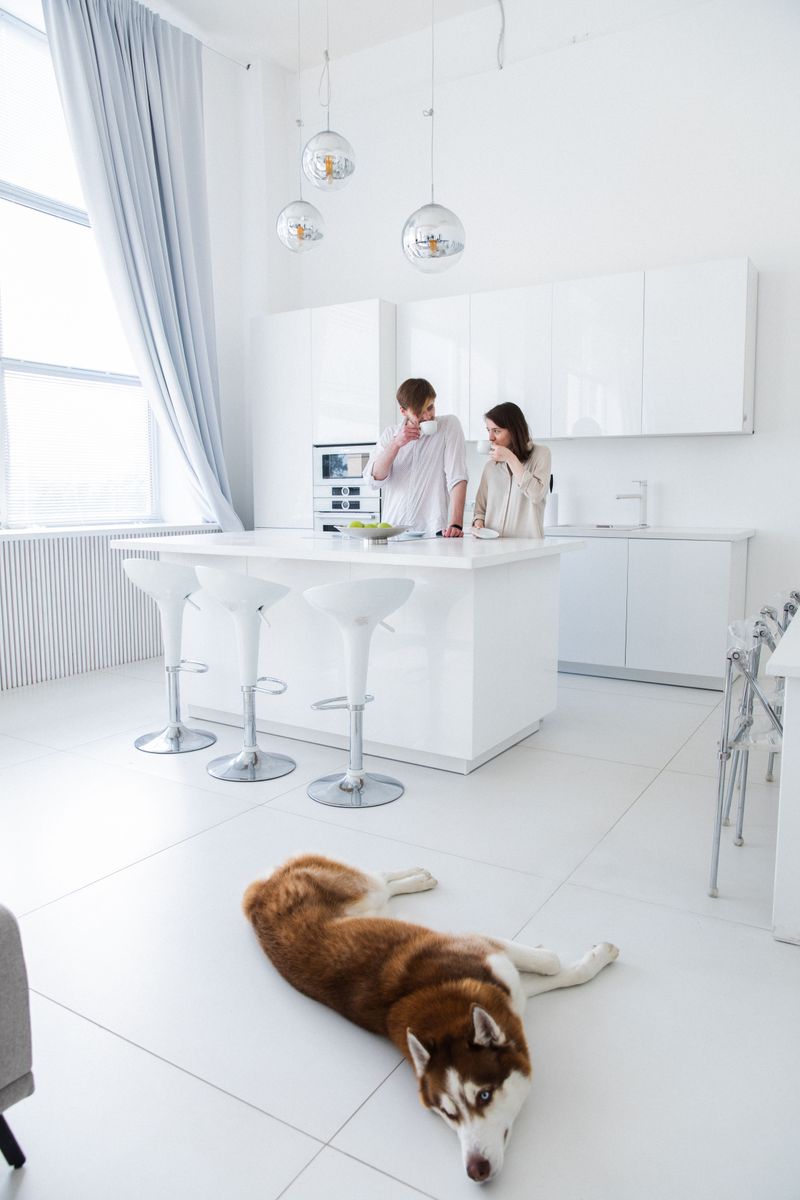
Even useful storage becomes frustrating when it leaves no room to turn around. Walk through the entry with your dog before adding furniture.
Allow space for doors, your dog’s body, and anyone carrying groceries.
Older dogs may need extra traction and a slower approach to tight corners. Move baskets off the floor when possible.
Keep the cleanup route simple, with supplies nearby rather than underfoot. A clear doorway and steady routine make coming home easier.