What New Mexico Dog Owners Should Know About Rattlesnakes On Desert Trails
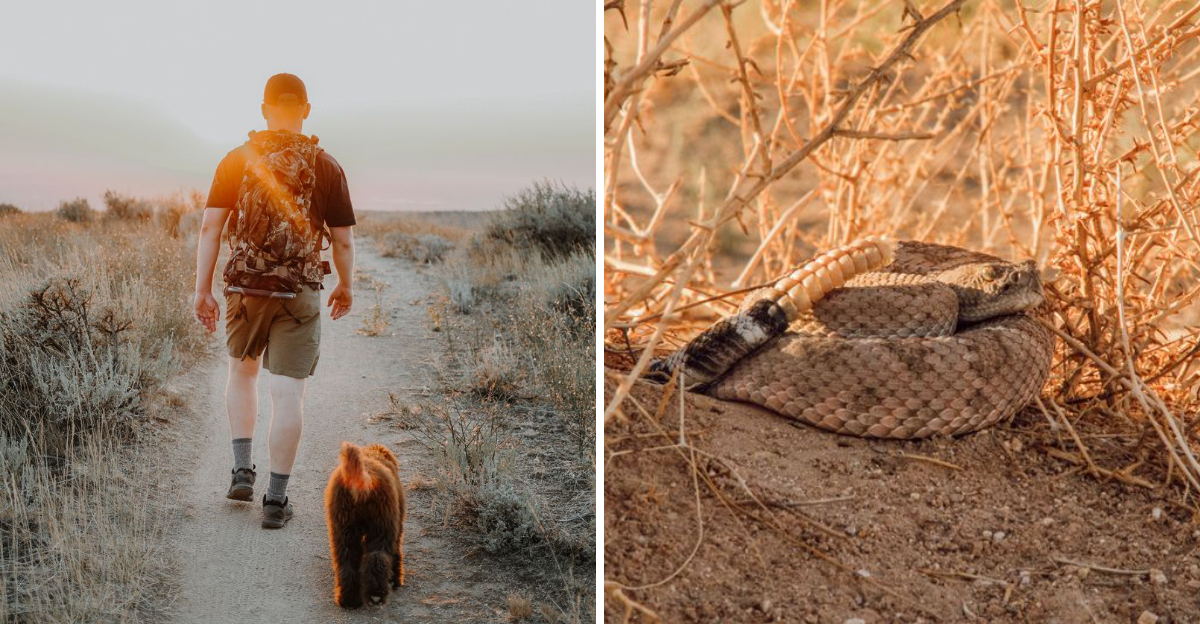
If you hike New Mexico trails with your dog, rattlesnakes are simply part of the landscape. The good news is that most encounters end quietly, with the snake moving off and the dog none the wiser.
A little preparation goes a long way here. Knowing where snakes rest, when they are most active, and what to do in the rare event of a bite turns worry into calm confidence.
Here is what local owners should keep in mind before the next desert walk.
1. Keep the leash short and your dog close
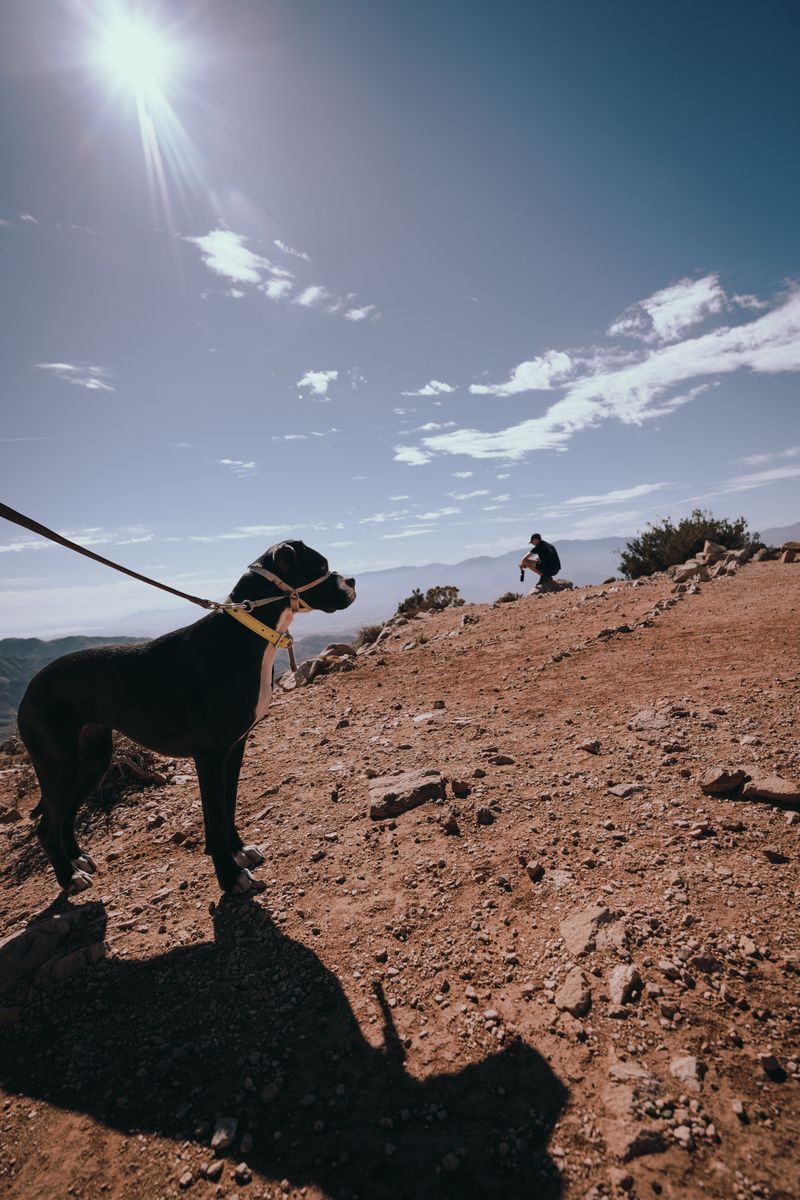
A six-foot leash sounds fine until your dog swings wide into the brush. Shortening your grip keeps them on the packed path, where snakes are easiest to spot.
Most rattlesnakes rest in grasses, shrubs, or rocks just off the trail edge. A close dog cannot reach those spots before you react.
Retractable leashes give away control at exactly the wrong moment. Save those for the park lawn instead.
2. Holes and rock piles are off limits
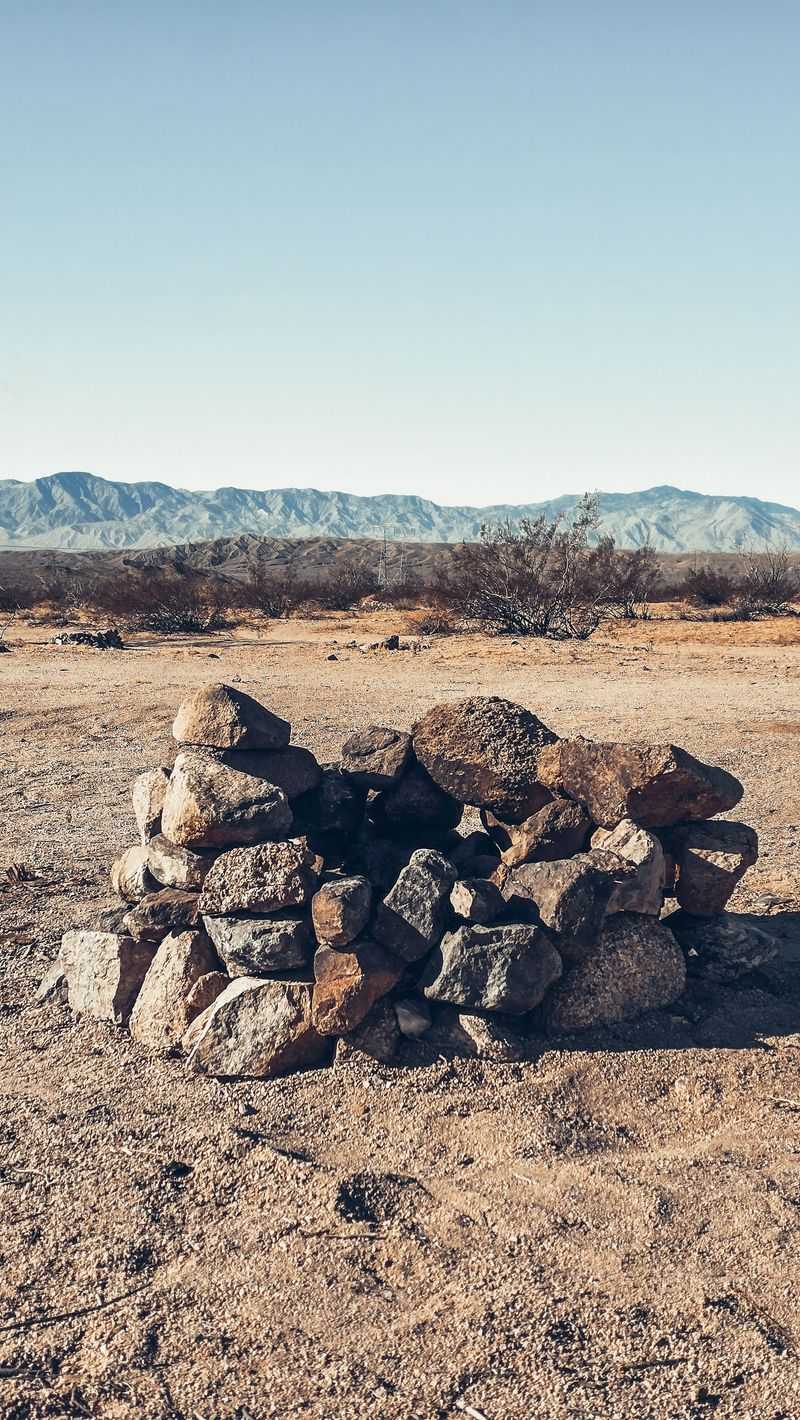
Dogs love a good mystery hole. Rattlesnakes love the cool, dark shelter inside one, which makes that curiosity a poor combination.
Across New Mexico, snakes shelter in lava rock cracks, canyon walls, woodpiles, junk piles, and thick shrubs. Rocky outcroppings are especially popular resting spots.
Guide your dog past with a cheerful cue and a treat. Praise beats scolding when you want the habit to stick.
3. Open, established trails beat shortcuts
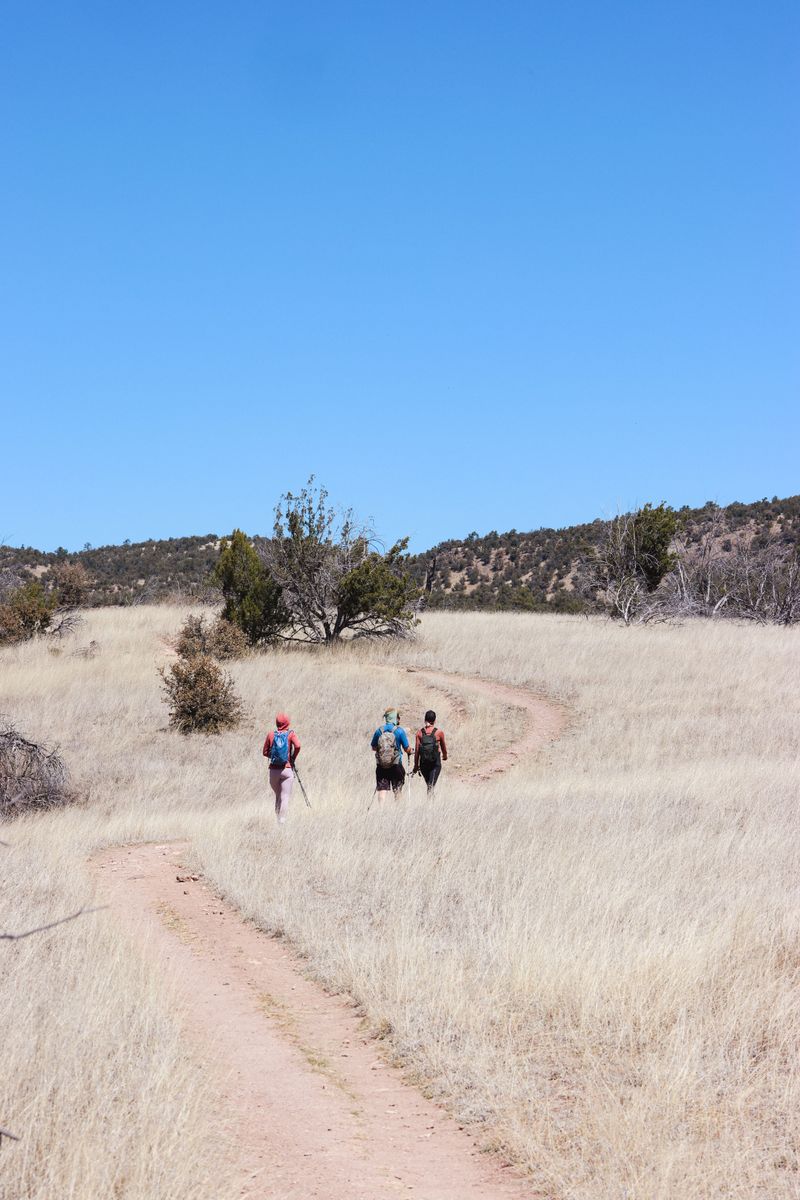
Bushwhacking may feel adventurous, but visibility drops fast in tall grass. Marked, well-trodden paths give you clear sightlines and time to react.
Snakes blend beautifully into underbrush and rocky terrain. On bare dirt, they stand out.
Skipping the shortcut also protects fragile desert soil and plants. Your dog gets a safer walk, and the landscape gets a break.
Everyone wins on the main trail.
4. Scan the ground several feet ahead
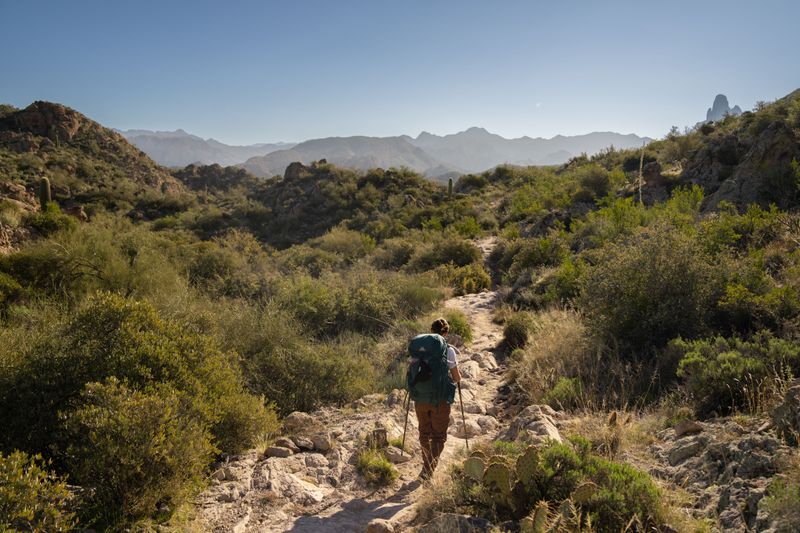
Phones are the quiet culprit on desert trails. Eyes down on a screen means nobody is watching the path.
Look four to six feet in front of your dog, then sweep the shaded edges. Rattlesnakes bask on warm rocks and rest under shrubs.
Sunglasses with good contrast help in harsh light. Slow your pace on rocky stretches where a coiled snake blends right in.
5. Warm months mean higher odds
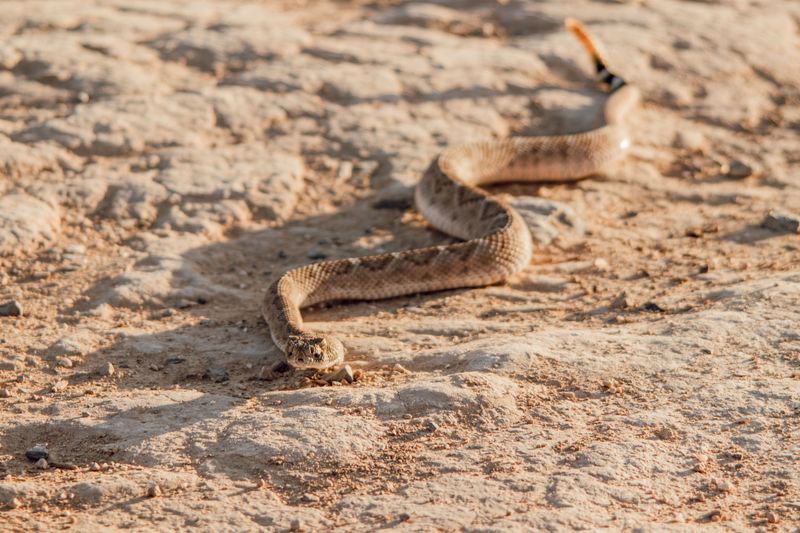
Rattlesnake season in New Mexico generally runs April through October. Being cold-blooded, snakes move more as temperatures climb.
July and August often bring peak activity, partly because monsoon rains stir up prey and movement. Expect company on the trail during those weeks.
None of that means canceling hikes. It simply means walking with your eyes open and your dog leashed from spring through early fall.
6. Dawn and dusk deserve extra attention
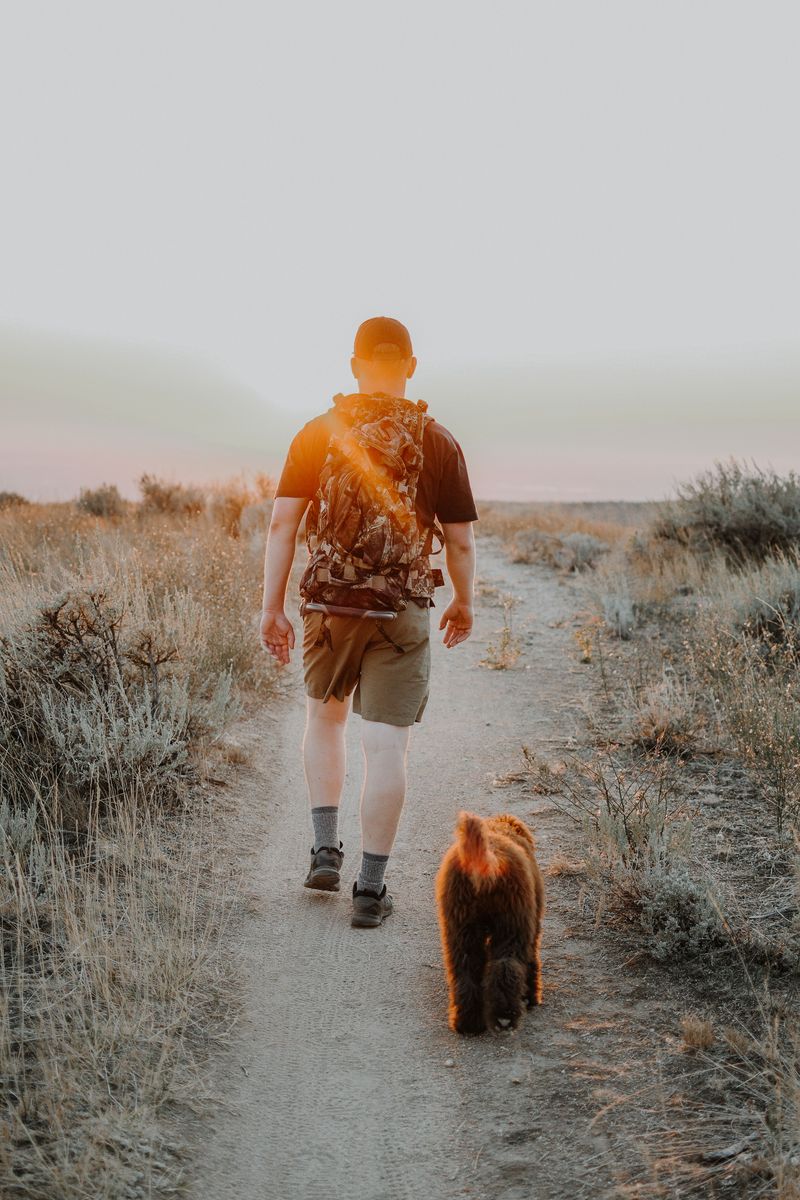
In hot weather, snakes shift their schedule. Midday heat sends them into shade, so they travel in cooler hours instead.
Early morning and evening are prime encounter windows, especially after seasonal rain. Activity peaks roughly between 70 and 90 degrees.
Carry a headlamp for low-light walks and keep the beam on the path. If a stretch feels too dim to read the ground, turn back.
7. A rattle is not a reliable warning
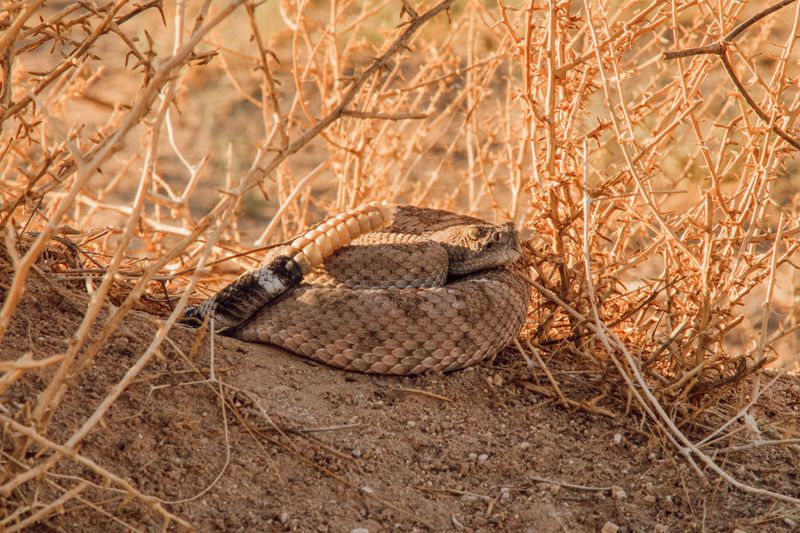
Movies taught us to listen for that buzzing tail. Real trails are less cooperative.
Some rattlesnakes stay silent when startled, and others have damaged or missing rattles. A snake can also strike before making any sound at all.
Treat your eyes as the primary tool, not your ears. Wind, gravel crunch, and a panting dog can easily drown out a warning you were counting on hearing.
8. Spot one? Freeze, then ease away
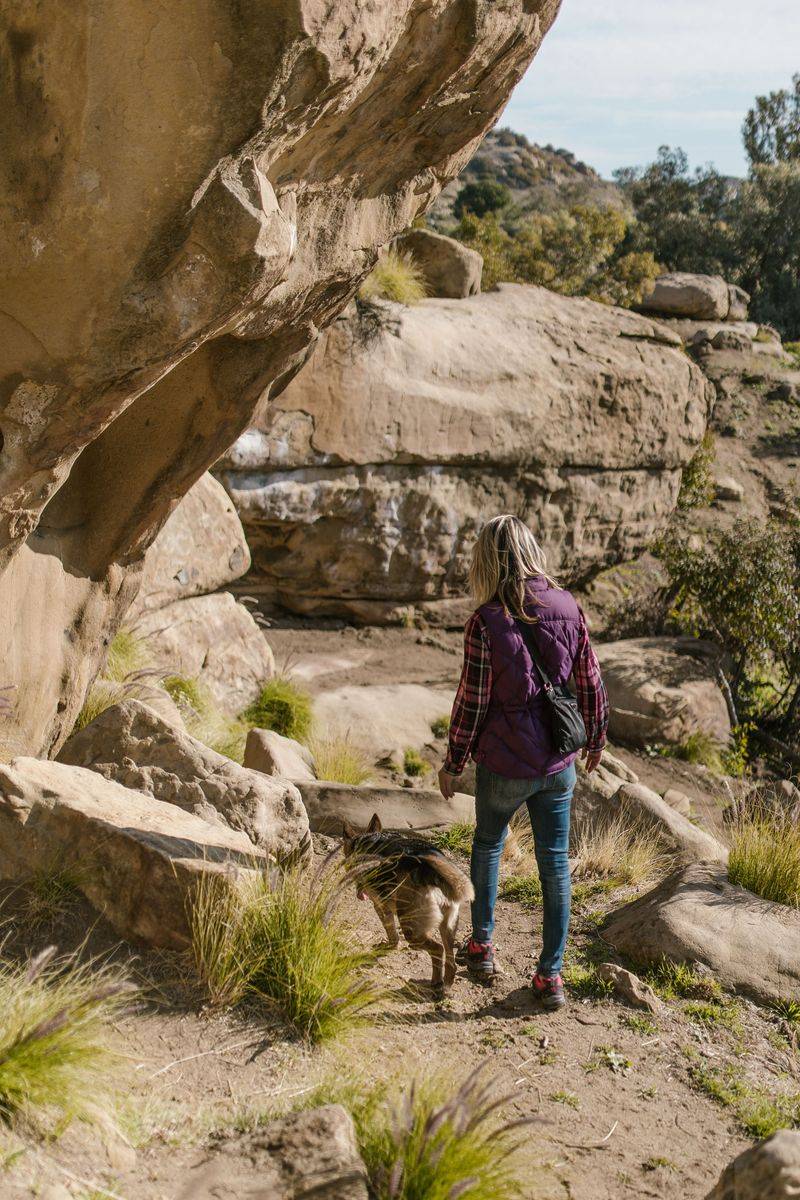
The instinct is to jump. A steadier move is to stop, locate the snake, and shorten the leash.
Back away slowly and give at least ten feet of space. Snakes want distance too, and most will move along once the pressure lifts.
Wait it out or take a wide detour. Avoid squeezing past on a narrow ledge just to save a few minutes of walking.
9. No barking, lunging, or pawing allowed
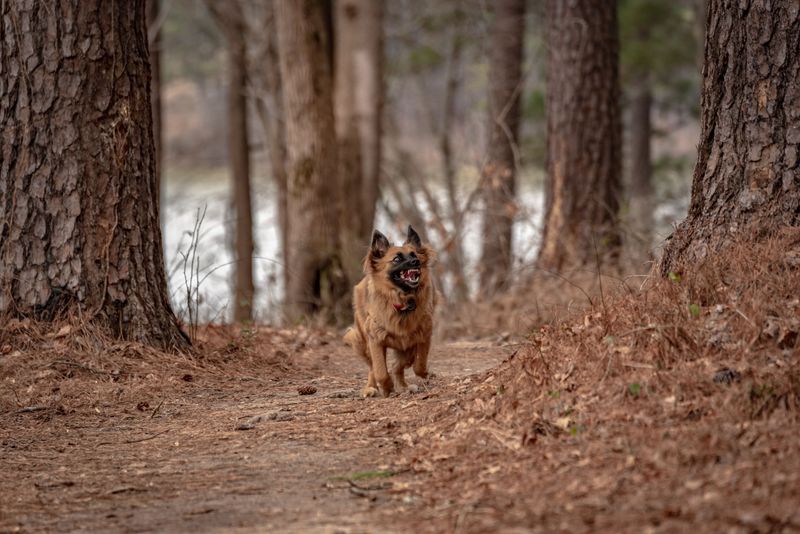
To a snake, a barking dog reads as an approaching predator. Defensive strikes follow that logic.
Bites most often land on the muzzle or front paws, since those arrive first. Curious, untrained dogs are the ones most likely to engage.
Practice a solid “leave it” and an emergency turn cue at home. Skills rehearsed in the yard are the ones that actually work on the trail.
10. Leave snake removal to the professionals
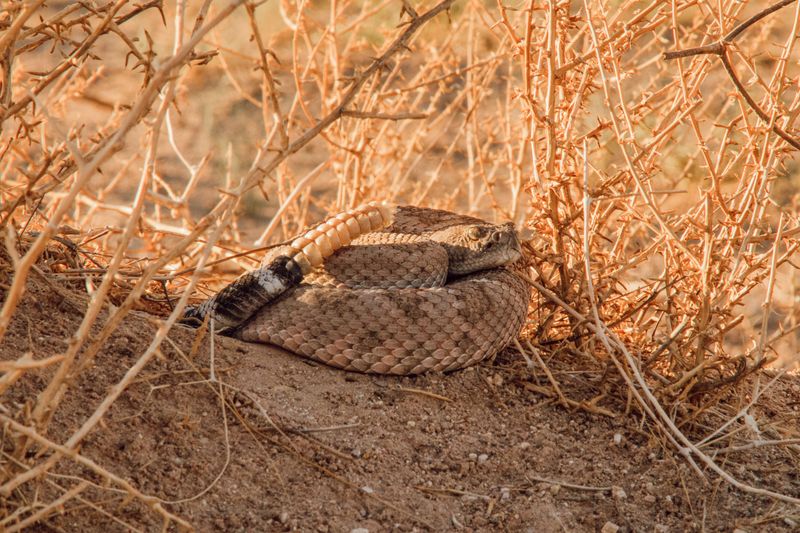
Most bites to people and pets happen while someone tries to handle or remove a snake. Stepping back is the safer play.
In New Mexico, harming a rattlesnake is generally not allowed unless it poses an immediate danger to people or property. Rules can vary locally, so check with your city or county.
For a snake near a home or campsite, call animal control for relocation. Snakes control rodents and belong here.
11. Snake-aversion training is worth a look
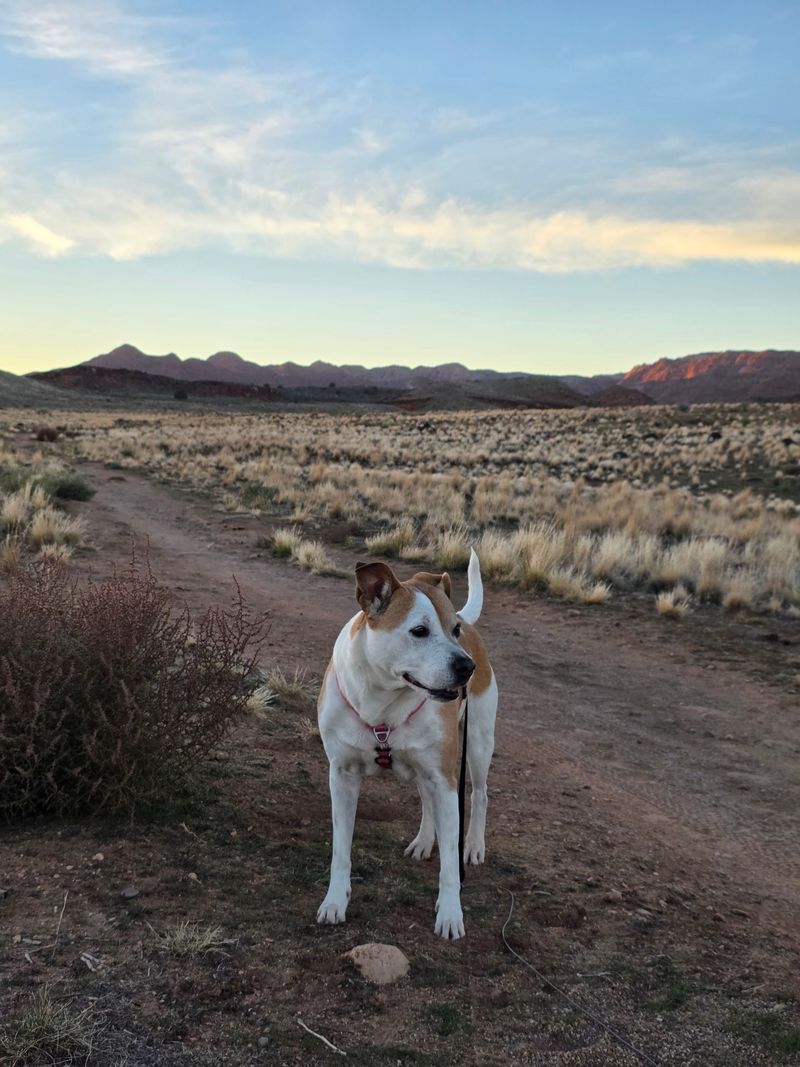
Plenty of New Mexico owners sign up each spring, and for good reason. Aversion classes teach dogs to recognize and retreat from a snake’s scent, sound, and sight.
Sessions typically use a safely secured live snake, and many trainers use an e-collar to build avoidance. Methods differ, so ask questions before booking.
Look for experienced instructors with clear references. Training supports good handling; it does not replace a leash.
12. Ask your vet about the rattlesnake vaccine
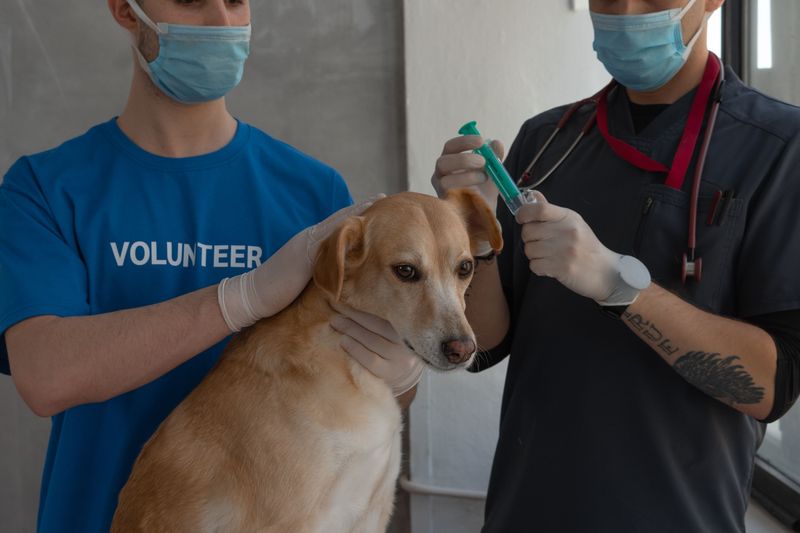
The Crotalus atrox toxoid aims to prime the immune system so a bite reaction is less severe. Some vets recommend it for frequent desert hikers.
Others hold back, citing limited published evidence of clinical benefit and reports of adverse reactions. Coverage centers on Western Diamondback venom, with possible partial cross-protection.
Bring your hiking habits to the appointment. Your veterinarian can weigh the trade-offs for your specific dog.
13. Know your closest emergency clinic first
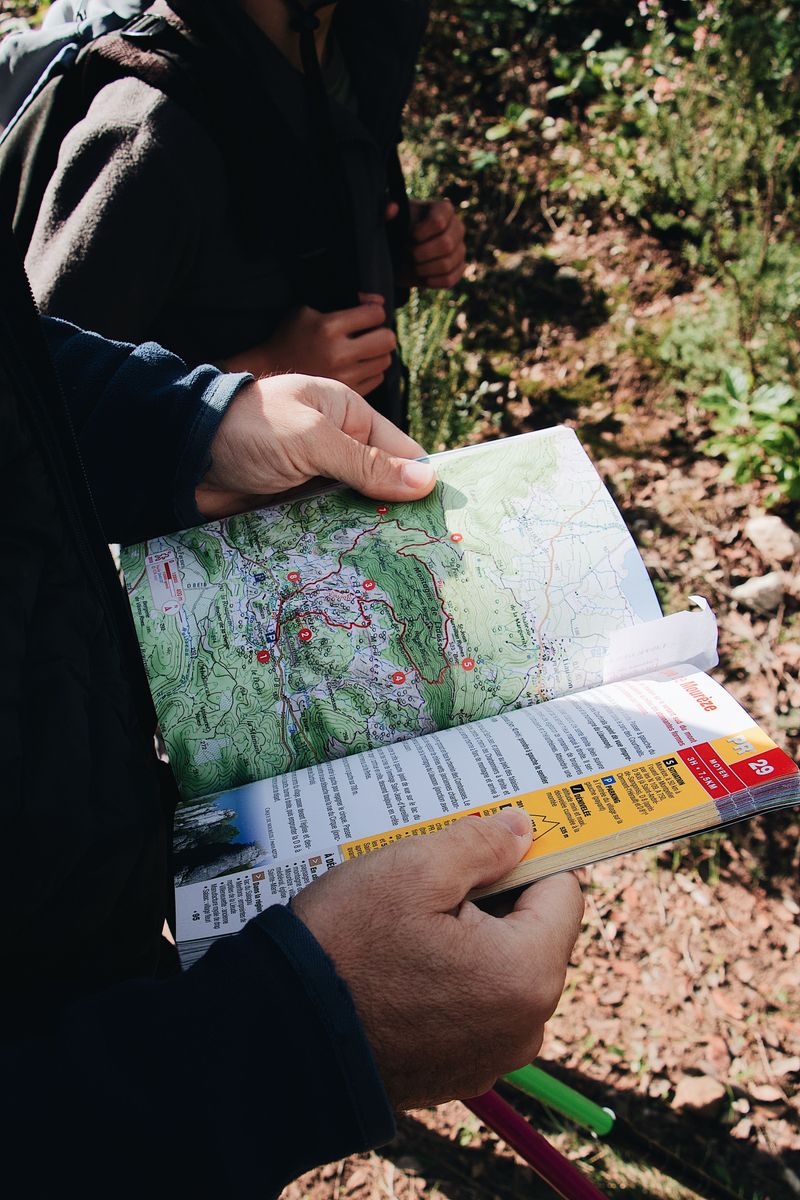
Two minutes of planning at the trailhead saves precious time later. Save the address and phone number of the nearest emergency veterinary hospital.
Call ahead and ask whether they stock antivenom. Supplies are expensive and expire, so not every clinic keeps it on hand.
Cell service fades fast in canyons, so screenshot directions. Tell a friend your route before you head out, too.
14. Carry your dog out if you safely can
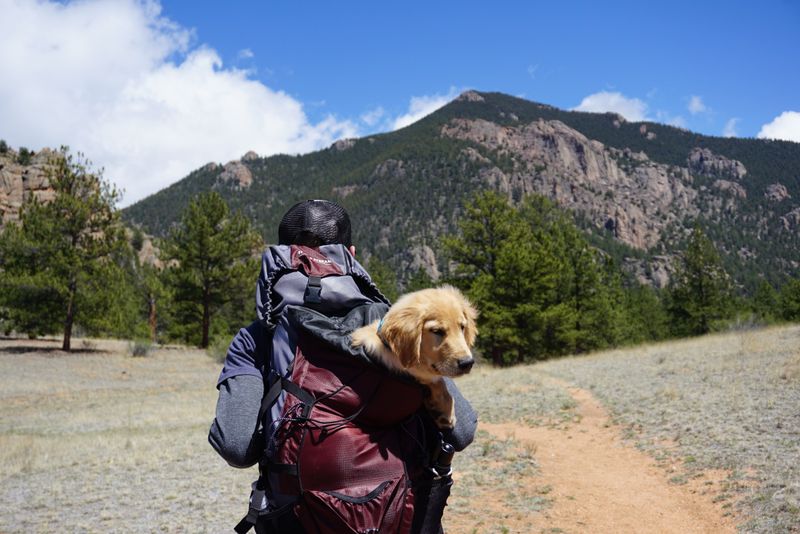
Movement pushes venom through the body faster. Keeping your dog still is one of the most useful things you can do.
Lift and carry if the size and terrain allow. A sling, jacket, or backpack carrier makes the job easier on longer trails.
Stay calm and speak softly, since your energy sets theirs. For larger dogs, get help rather than risking a fall.
15. Every suspected bite is an emergency
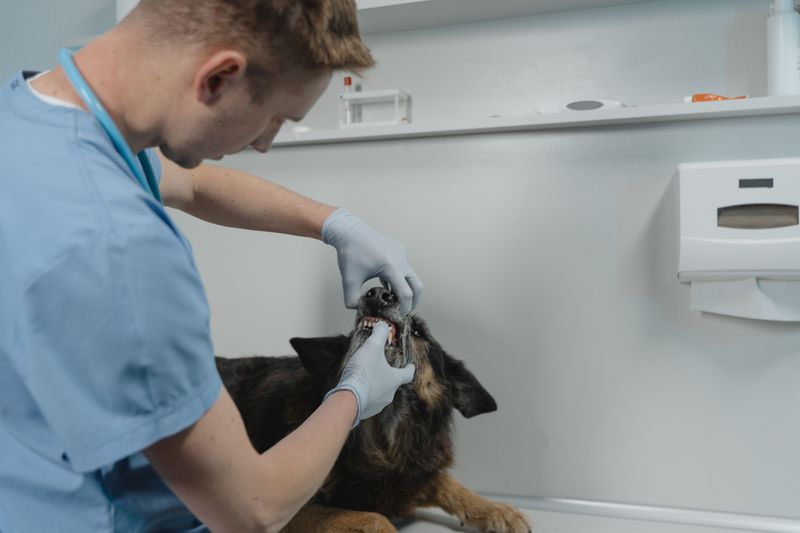
There is no wait-and-see version of this. Any suspected snakebite calls for immediate veterinary care.
Venom keeps affecting tissue and blood vessels the longer it circulates, so minutes genuinely matter. Do not hold off until things look worse.
Head straight to the clinic and call from the road so staff can prepare. Even a bite that seems mild deserves a professional look.
16. Signs to watch for after a possible bite
A sudden yelp near brush is often the first clue. Lopsided swelling on the muzzle or a paw commonly follows.
Other signs include bruising, pain, drooling, weakness, vomiting, tremors, or changes in breathing. Puncture marks hide easily under fur.
Symptoms may show within thirty minutes or take a few hours, and can intensify quickly. Note what you saw and when, then go.
17. Skip ice, cutting, and tourniquets
Old-fashioned field remedies do more harm than good. Ice can worsen tissue damage and concentrate venom in one area.
Tourniquets cut off blood flow, which risks serious limb injury. Cutting the wound or trying to suck out venom simply invites infection.
Your job is transport, not treatment. Keep your dog quiet, keep the bite area below heart level if practical, and drive.
18. Human pain medicine stays in your pack
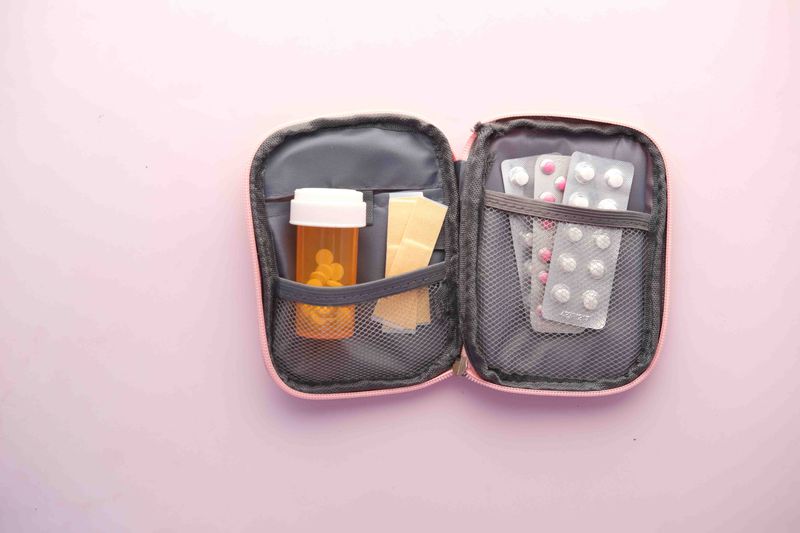
Reaching for the ibuprofen feels helpful. For dogs, it is genuinely risky.
Products like Tylenol and Motrin can be harmful to dogs, and antihistamines will not neutralize venom. Home dosing also eats up time you need for the drive.
Let the veterinary team handle pain control and fluids. Ask your vet in advance what, if anything, belongs in your trail kit.
19. Forget the photo, get in the car
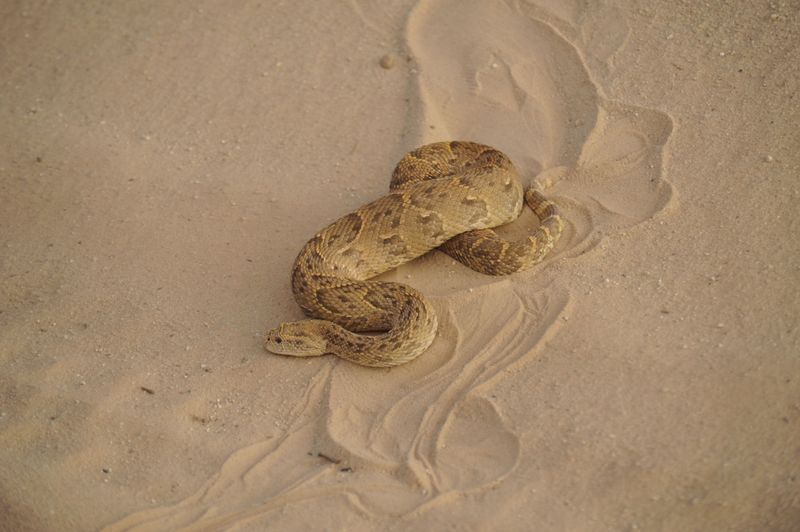
Curiosity tempts everyone to grab a picture for the vet. Skip it.
Treatment proceeds based on your dog’s symptoms, so identification rarely changes the plan. Chasing a photo adds risk and burns time.
Describe the general size and markings if you happened to notice. Otherwise, leave the snake alone entirely and put your energy into a fast, calm trip to the clinic.
20. Vaccinated dogs still head to the vet
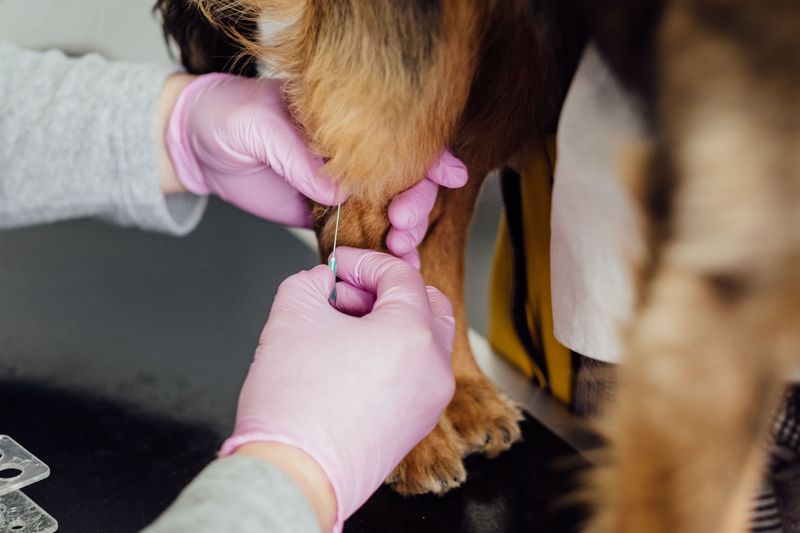
A common misunderstanding deserves clearing up: the vaccine is not a shield. Vaccinated dogs frequently still need antivenom after a bite.
The goal is reducing the severity of the reaction, not preventing it. Protection does not cover every venom type or every amount.
So treat a bite the same way regardless of vaccine history. Stay steady, stay leashed, and enjoy New Mexico’s trails with confidence.