15 Alabama Yard Hazards That Appear After Weeks Of Heat And Heavy Rain
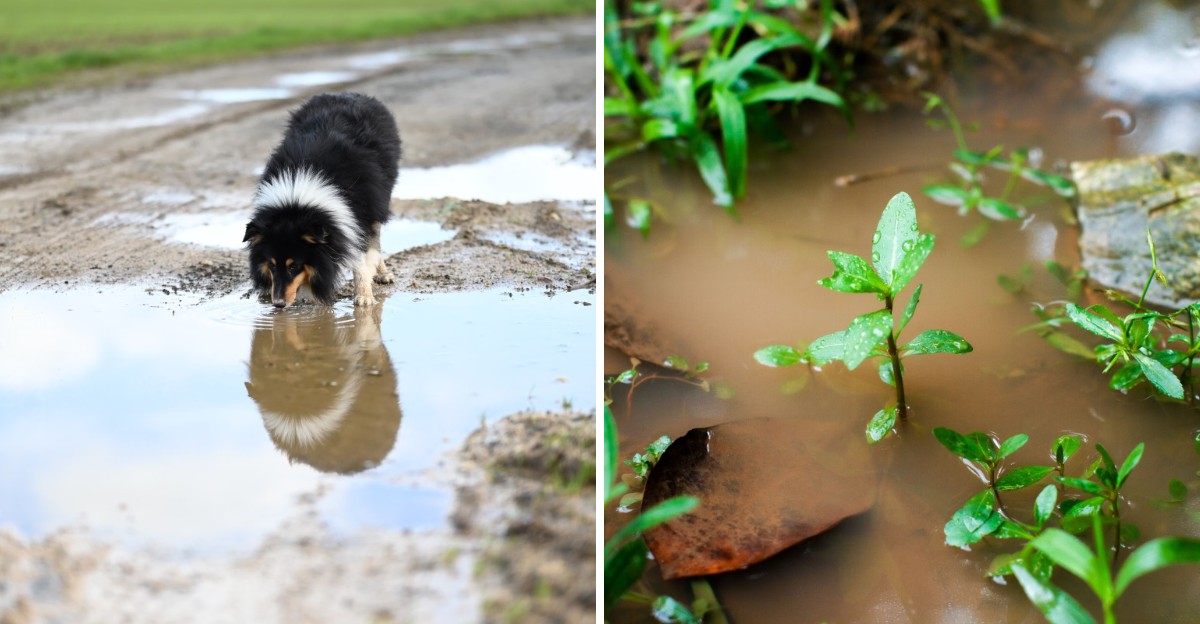
After weeks of Alabama heat and heavy rain, your familiar yard can develop a few unexpected trouble spots. For dogs, fresh puddles, soft ground, and thick grass offer plenty to explore, sometimes before you notice the changes.
A quick check before outdoor play helps you spot concerns and make simple fixes. Here is what local owners should watch for, along with practical ways to keep backyard time comfortable and safe.
1. Mushrooms That Spread Across Damp Lawns
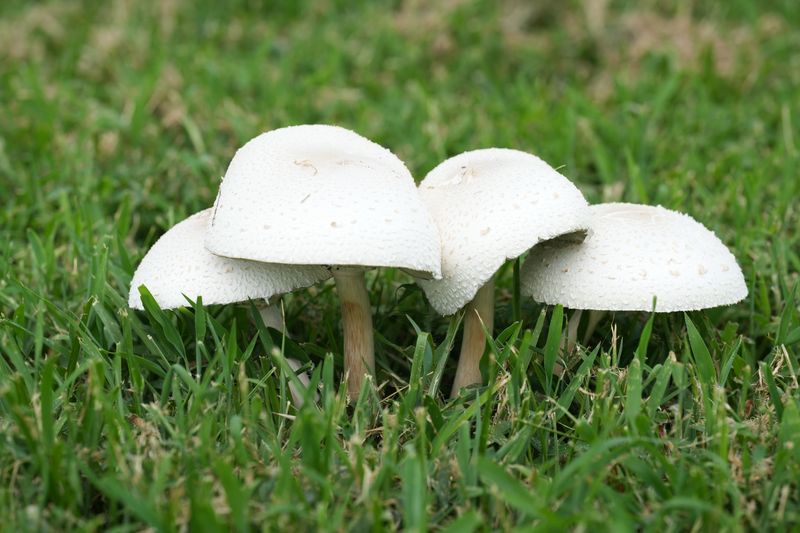
A mushroom patch can appear almost overnight when warm soil stays wet. Some mushrooms are poisonous, and appearance alone cannot reliably tell you which ones are safe.
Curious dogs may swallow them during an ordinary sniff around.
Remove visible mushrooms before letting your dog outside, wearing gloves and bagging them. If your dog eats one, contact your veterinarian promptly.
Photograph the mushroom and save a sample safely for identification without delaying professional advice or treatment.
2. Fire Ant Mounds That Reappear After Rain
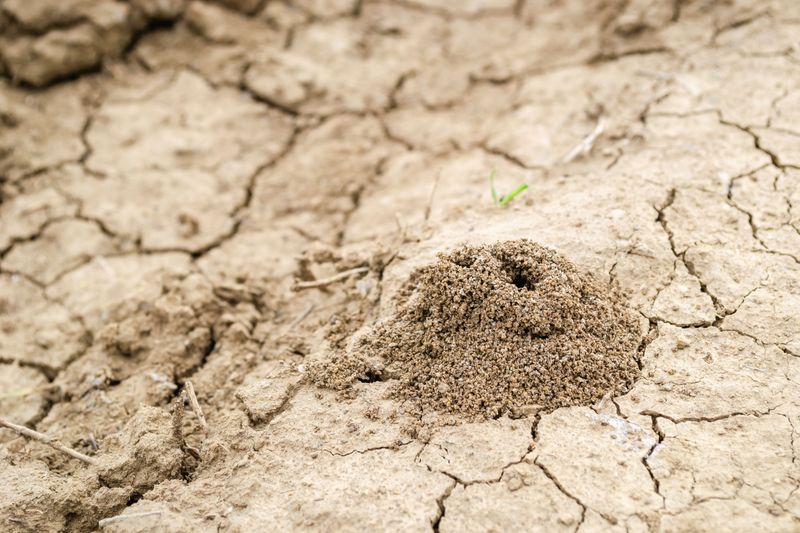
Fresh piles of loose soil deserve a closer look after a storm. Fire ants often build noticeable mounds following rain, including near paths where dogs pause.
Disturbing a colony can bring multiple stings quickly.
Keep your dog away and choose treatment labeled for the site. Follow all pet restrictions on the package.
Brush ants off promptly if contact occurs. Facial swelling, breathing trouble, or widespread reactions require immediate veterinary attention, even without obvious sting marks.
3. Mosquitoes Breeding in Standing Water
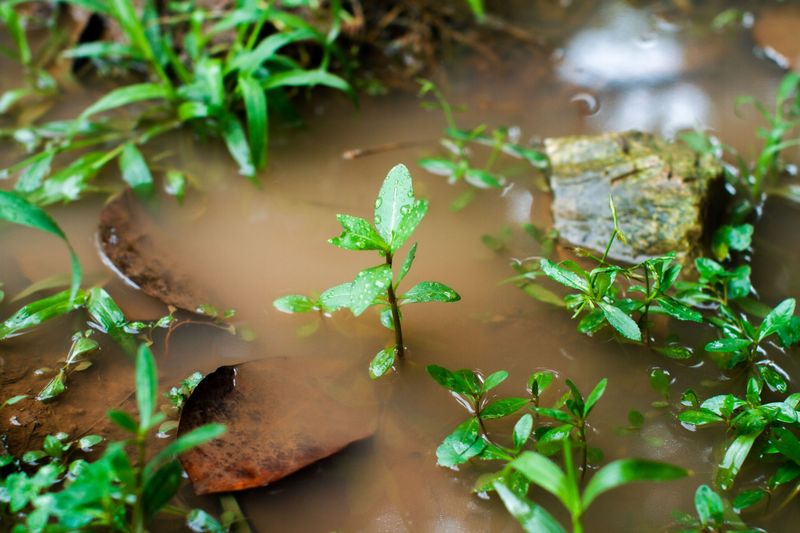
An abandoned bucket can become a mosquito nursery during warm, wet weather. Flowerpot saucers, clogged gutters, and folded tarps also collect enough water for breeding.
Mosquitoes can transmit heartworm larvae to dogs through bites from infected mosquitoes.
Empty and scrub small containers weekly, and inspect the yard after storms. Keep your dog on veterinarian recommended heartworm prevention throughout the year.
Never apply human insect repellent without veterinary approval. Ask about suitable options when mosquitoes remain troublesome despite your cleanup efforts.
4. Ticks Waiting in Tall Grass and Leaf Litter
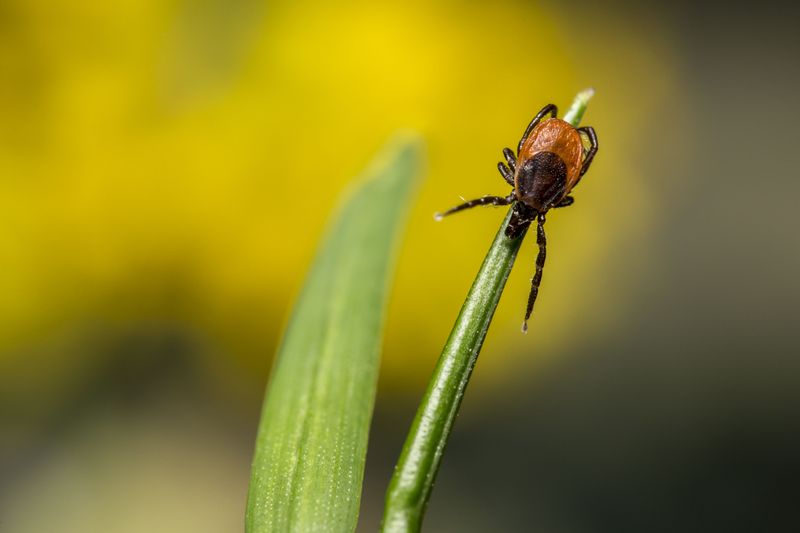
Along a shady fence, damp leaves offer ticks shelter from drying conditions. Tall grass also puts them within reach of passing dogs.
Alabama owners should remain alert beyond summer because some ticks stay active during milder weather.
Mow accessible areas and remove leaf piles near play spaces. Check ears, toes, armpits, and collars after outdoor time.
Use veterinary tick prevention consistently. Remove attached ticks with fine tweezers, pulling steadily near the skin without twisting or squeezing.
5. Slippery Algae on Patios and Walkways
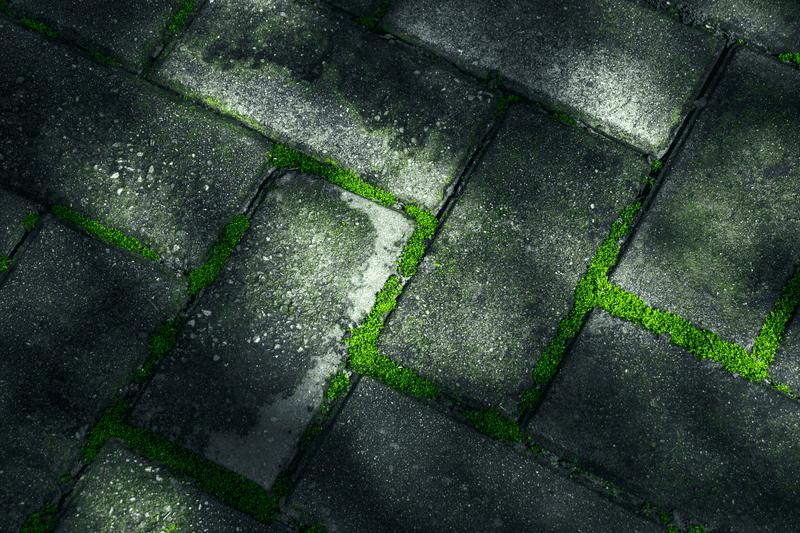
That green tint on shaded concrete can make familiar footing surprisingly slick. Repeated rain and humidity encourage algae on patios, steps, and walking paths.
Excited dogs and people holding leashes can both lose their balance.
Block slippery sections until they are cleaned and dry. Scrub with a method suitable for the surface, keeping pets away from cleaners and runoff.
Improve drainage where possible. Avoid confusing surface algae with potentially toxic cyanobacteria found in some standing waters.
6. Poisonous Plants Thriving in Wet Soil
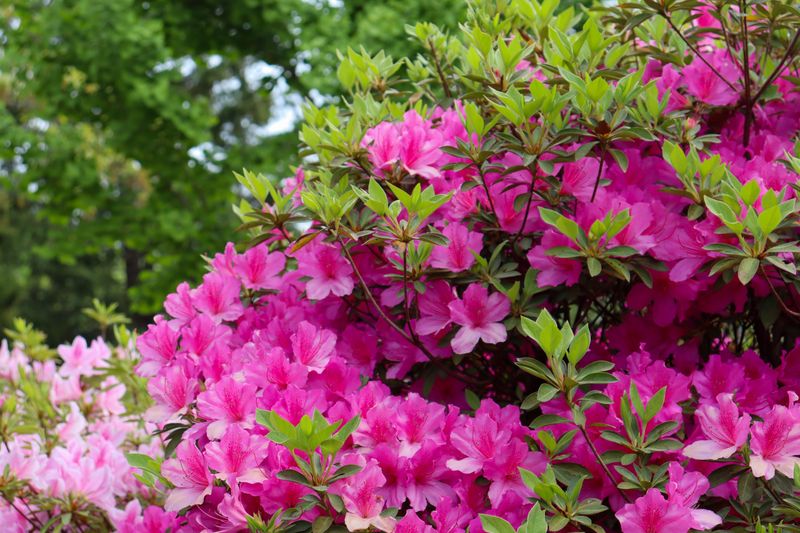
New greenery is not always a welcome addition to the dog yard. Warm rain can fuel volunteer plants and fresh growth on established ornamentals.
Familiar Alabama landscaping plants, including azaleas and sago palms, can poison dogs.
Identify unfamiliar growth before allowing access, rather than relying on a phone app alone. Your county Extension office may help with identification.
Fence off questionable plants and collect fallen pieces. Contact your veterinarian promptly after suspected chewing or swallowing occurs.
7. Hidden Holes Beneath Washed-Out Soil
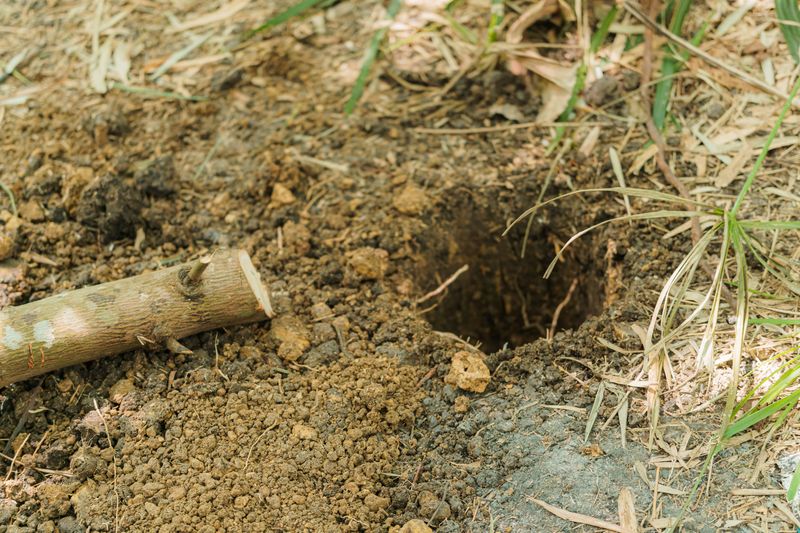
A smooth patch of grass may conceal missing soil after heavy runoff. Water can enlarge old burrows or wash dirt from beneath paths and fence lines.
Dogs racing across these areas may stumble or twist a leg.
Walk the yard slowly before fetch, especially beside drains and slopes. Block suspicious depressions instead of letting your dog investigate.
Persistent sinking, deep openings, or holes near utilities need professional assessment. Avoid filling unexplained cavities until their cause is understood.
8. Exposed Roots and Unstable Trees
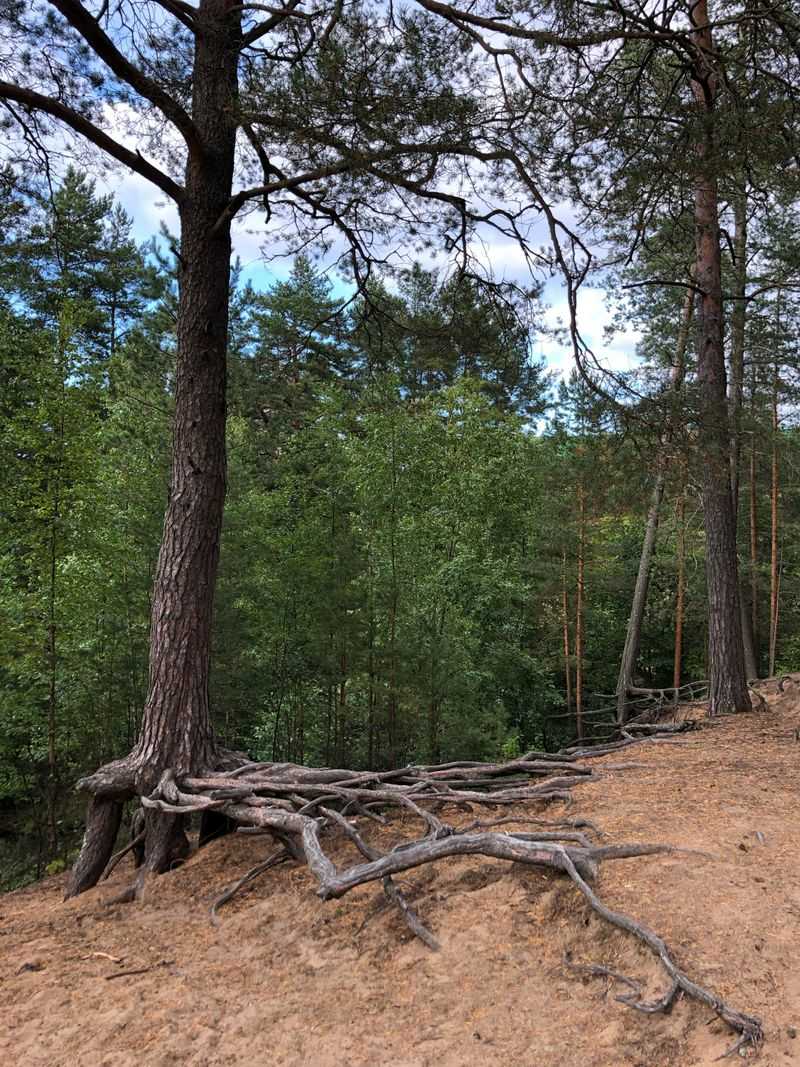
Saturated ground can weaken a tree’s grip, especially where erosion exposes roots. A new lean, lifted soil, or fresh cracking around the base deserves attention.
Roots crossing walking routes also create tripping spots for dogs and owners.
Keep pets away from trees showing sudden changes. Arrange an assessment with a qualified arborist rather than testing stability yourself.
Avoid cutting large roots to smooth the lawn. That shortcut can damage tree health and reduce stability over time.
9. Rotting Branches and Falling Debris
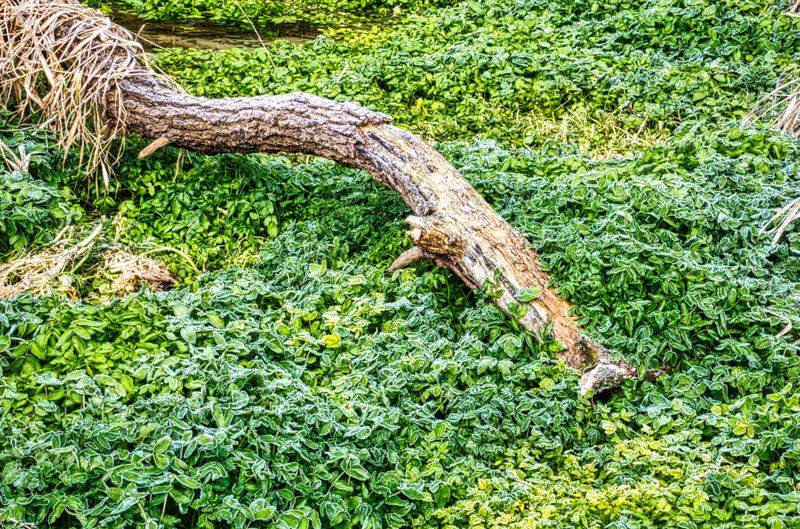
Overhead trouble is easy to miss while checking puddles underfoot. Decayed limbs may fall during storms or afterward, even when the sky clears.
Wet twigs and bark can also tempt dogs that enjoy chewing.
Scan tree canopies from a safe distance before using shaded play areas. Remove small fallen debris only when conditions are safe.
Leave hanging limbs and large branches to trained professionals. Offer an appropriate chew indoors instead of allowing sticks during yard time.
10. Slugs and Snails Near Dog Bowls
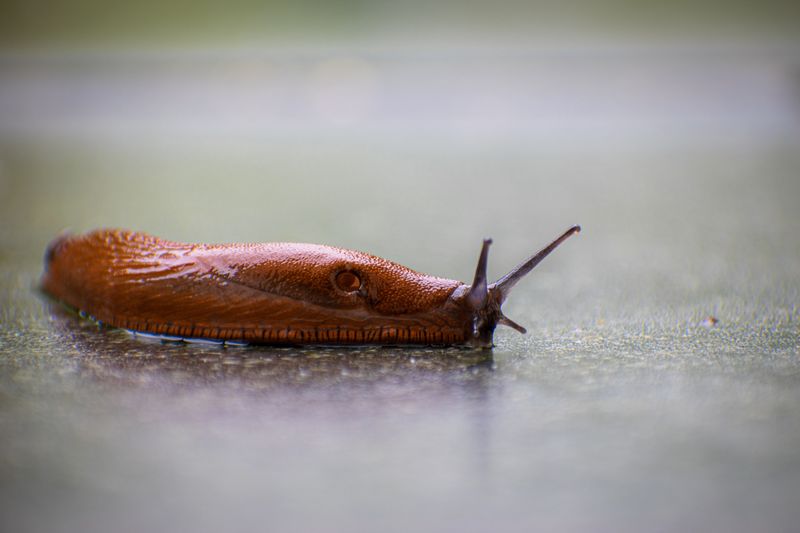
Evening moisture brings slow visitors to porches, feeding stations, and garden edges. Slugs and snails may gather around leftover food or damp bowls.
Eating them can expose dogs to parasites, although risks vary by location.
Bring bowls inside after meals and wash them before reuse. Discourage dogs from mouthing these creatures, and ask your veterinarian about local concerns.
Avoid leaving snail bait within reach. Some products contain metaldehyde, which is highly toxic to pets if swallowed.
11. Muddy Drainage Ditches Carrying Contaminants
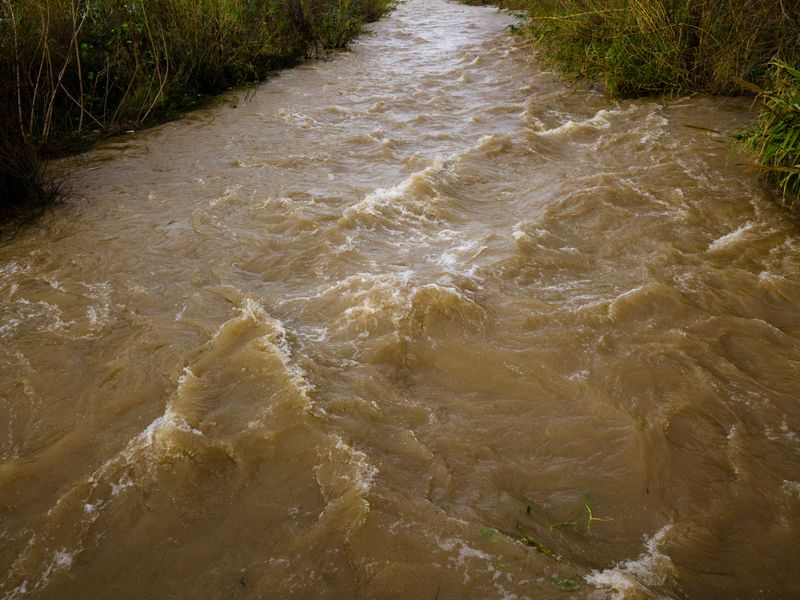
Brown runoff carries more than the soil you can see. Drainage ditches may collect animal waste, roadway residue, and other pollutants from nearby properties.
Moving water can also conceal sharp debris or unexpectedly deep spots.
Choose another walking route when ditches overflow or remain muddy. Carry drinking water so your dog has a better option.
After accidental contact, rinse paws and fur with clean water. Call your veterinarian if vomiting, diarrhea, or unusual tiredness follows exposure.
12. Leptospirosis Risks Around Contaminated Water
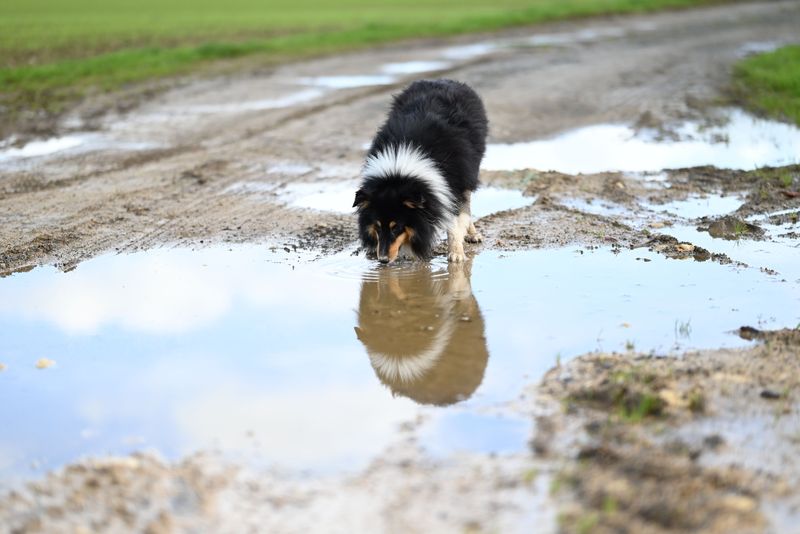
Clear water is not necessarily clean water after a wet stretch. Leptospirosis bacteria can spread through infected animal urine into water and soil.
Dogs may become infected through mucous membranes or damaged skin, not just drinking.
Prevent puddle drinking and limit access to flooded yard sections. Discuss leptospirosis vaccination with your veterinarian and keep recommended protection current.
Poor appetite, vomiting, or unusual tiredness after exposure deserves a call. Mention recent standing water contact during that conversation.
13. Lawn Chemicals Washed Into Puddles
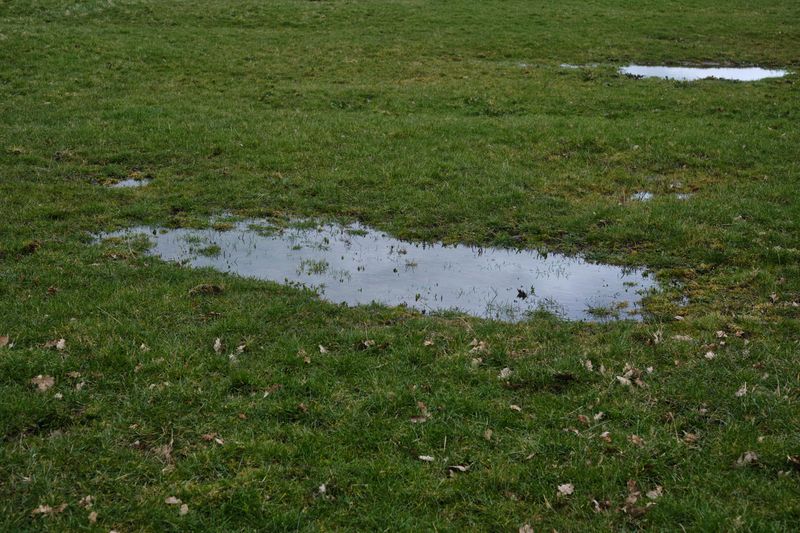
A recent lawn treatment changes how you should view fresh puddles. Heavy rain can move fertilizers, pesticides, and other products beyond their original application areas.
You cannot judge safety by water color or smell.
Keep product labels and follow their specific watering and pet access instructions. Rain does not automatically make treated grass safe.
Block runoff pools until you have reliable guidance. For suspected exposure, contact your veterinarian and provide the product name, ingredients, and timing.
14. Hidden Snakes in Overgrown Yard Edges
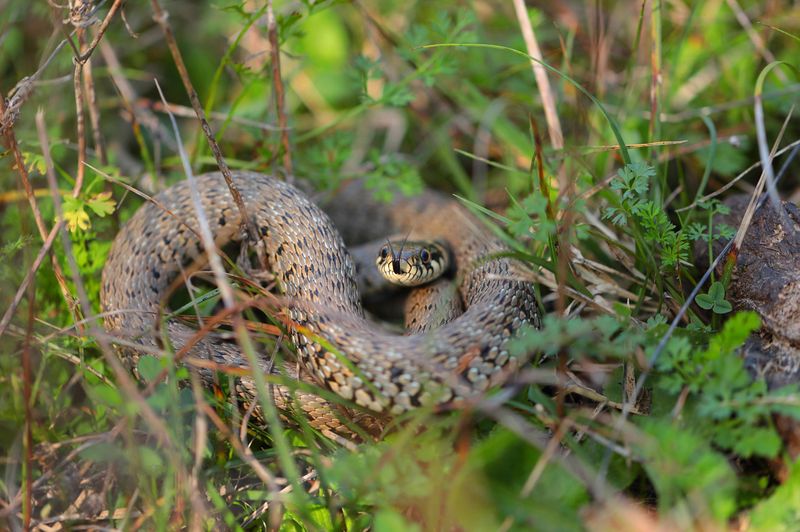
Thick vegetation offers cover that a curious nose may discover first. Wet weather can shift snake activity, especially when water fills usual hiding places.
Not every snake is venomous, but approaching for identification adds unnecessary risk.
Trim yard edges, reduce clutter, and keep dogs away from brush piles. Use a leash near overgrown areas.
Give any snake space and never attempt handling. Suspected bites need immediate veterinary care, even when swelling seems minor or initially absent.
15. Heat-Stressed Grass and Bare Patches Hiding Debris
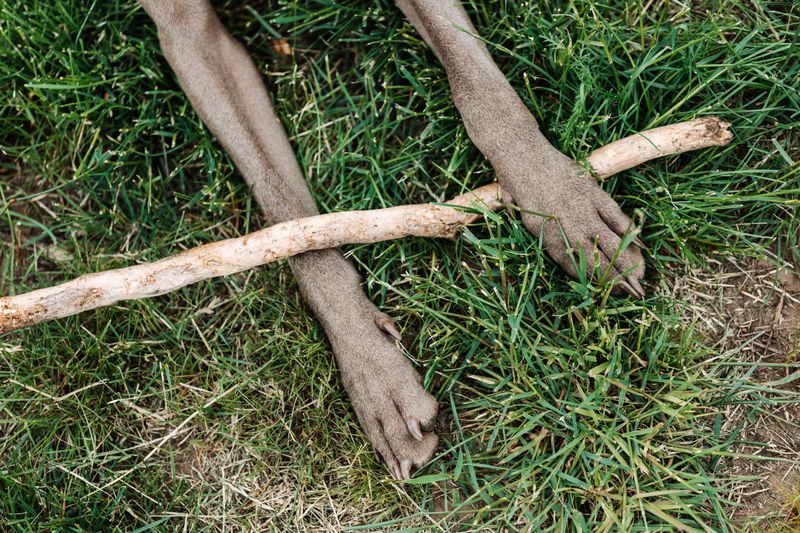
Thin turf can reveal surprises after rain strips away loose soil. Glass, wire, sharp gravel, and old building scraps may surface in bare patches.
Matted grass can hide similar objects just below your dog’s paws.
Inspect worn routes and fence corners before turning your dog loose. Wearing sturdy gloves, collect debris and arrange repairs where needed.
Check tender paws after play without probing wounds yourself. A quick yard check builds confidence, one calm outdoor visit at a time.