What New York Dog Owners Should Know Before Hiking With A Dog In The Adirondacks
The Adirondacks hold six million acres of forest, lakes, and summits, and plenty of it welcomes a well-prepared dog. Still, the rules shift from trail to trail, and the terrain asks more of your pup than a neighborhood walk ever will.
A little planning goes a long way toward a happy hike for both of you. Here is what local dog owners should sort out before loading the car and heading north.
Know Where Leashes Are Mandatory
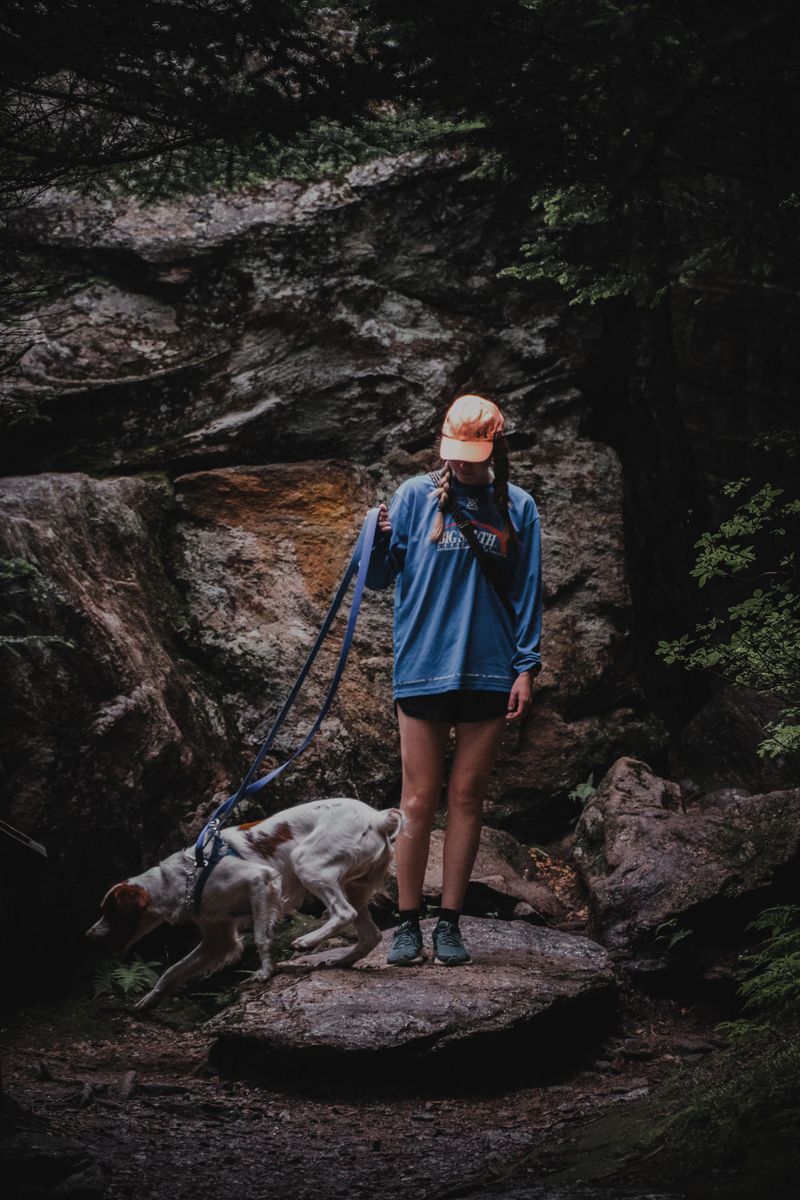
Leash rules in the Adirondacks depend on where your boots land. In the Central Zone of the High Peaks Wilderness, dogs must stay leashed, and the same goes for terrain above 4,000 feet.
Forest Rangers can issue tickets when dogs run loose in those areas. Elsewhere, voice control may be allowed, though a six foot leash remains the safer choice.
Check the specific unit rules with the DEC before you drive up.
Dogs Are Not Allowed on Adirondack Mountain Reserve Property
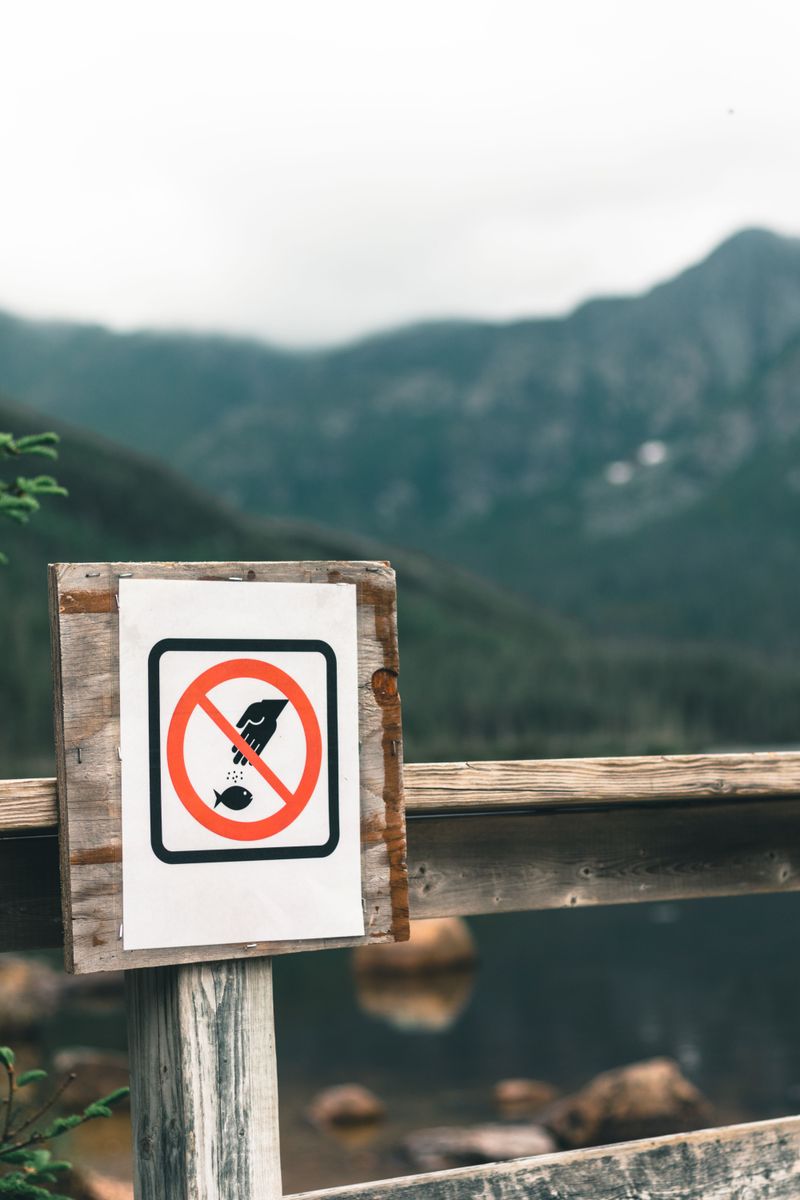
Here is one rule that surprises visitors every season. The Adirondack Mountain Reserve, reached from St. Huberts, does not permit dogs anywhere on its land.
That includes routes to Indian Head, Rainbow Falls, and sections of the Great Range. The property is privately owned with a public hiking easement, so the owners set the terms.
Bringing a dog risks a trespassing charge. Reservations are also required there from May through October.
Keep Your Dog Under Control at All Times
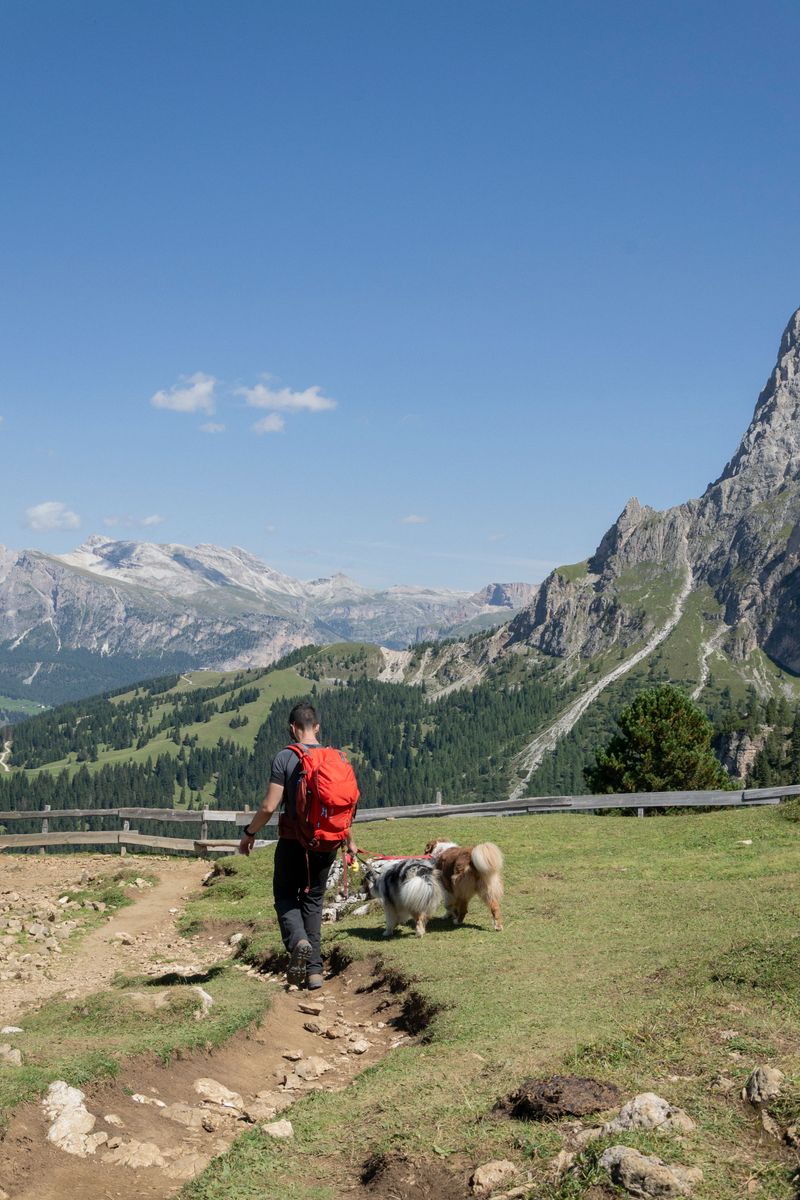
Even the steadiest dog can bolt when a grouse flushes from the brush. Control matters as much as the leash itself, both for safety and simple trail courtesy.
Leash up whenever you meet another group, especially one hiking with dogs. Voice control never replaces a leash where a leash is required.
Staying on the trail also protects fragile alpine plants and keeps your dog from chasing wildlife.
Choose Trails That Match Your Dog’s Fitness Level
Trail miles hit differently than sidewalk miles. Uneven rock, roots, and steady climbing ask real effort, so weigh your dog’s age, breed, and health honestly.
Puppies need vaccinations and time to build stamina. Senior dogs and those with stiff joints can still enjoy outings, just shorter ones with frequent rests.
Flat faced breeds like pugs and bulldogs overheat quickly. A vet visit before big plans is smart.
Bring Enough Water for Your Dog
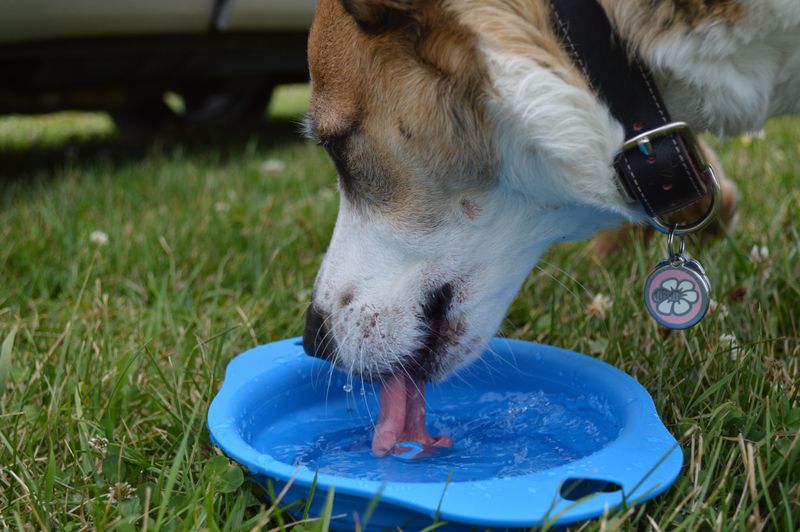
Thirst sneaks up fast on the trail. At rest, dogs need roughly one ounce of water per pound of body weight daily, and active hiking in heat can double or triple that.
Offer a drink every fifteen to thirty minutes, even without obvious signs of thirst.
Streams and ponds may carry giardia, so packed clean water is safer. A collapsible bowl weighs almost nothing.
Pack Extra Dog Food on Longer Hikes
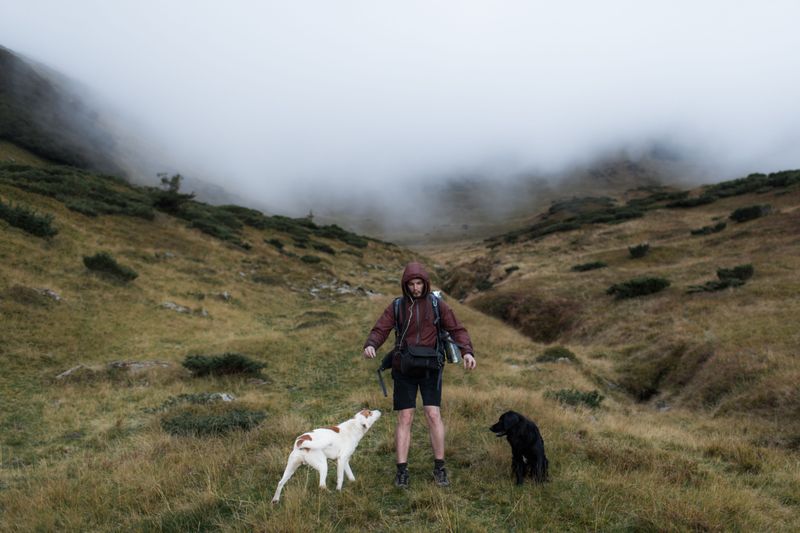
Calories burn quickly when a dog is climbing all day. High calorie kibble or dense treats genuinely help on longer routes.
Toss in an extra meal or two for delays, wrong turns, or a slower pace than planned.
Some dogs can carry part of their own supplies in a well fitted pack, though only if they already have practice wearing one comfortably.
Carry Dog-Specific First-Aid Supplies

Rough rock and hidden roots occasionally nick a paw pad. A small canine kit handles most trail scrapes without drama.
Pack sterile non stick gauze, self adhering elastic bandage, blunt scissors, tweezers, and disposable gloves.
Antiseptic wipes, athletic tape, antibiotic ointment, and paw balm or booties round it out nicely. A triangular bandage can double as a soft temporary muzzle if your dog is hurting.
Make Sure Your Dog Has Current Identification
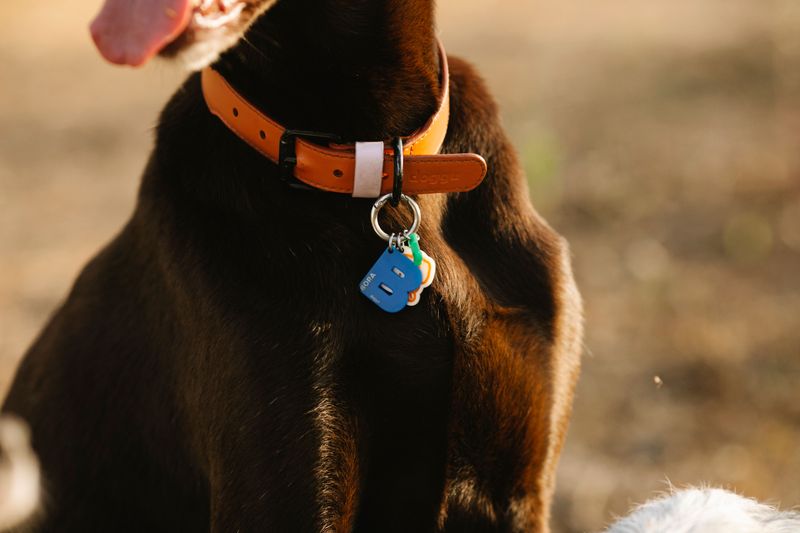
Tags cost a few dollars and solve big problems. Your phone number on the collar gives any finder an instant way to reach you.
A microchip works as backup if the collar slips off somewhere in the woods, so keep the registry information updated.
Current vaccinations matter too, both for your dog and to avoid passing illness to local wildlife populations.
Check Your Dog Carefully for Ticks
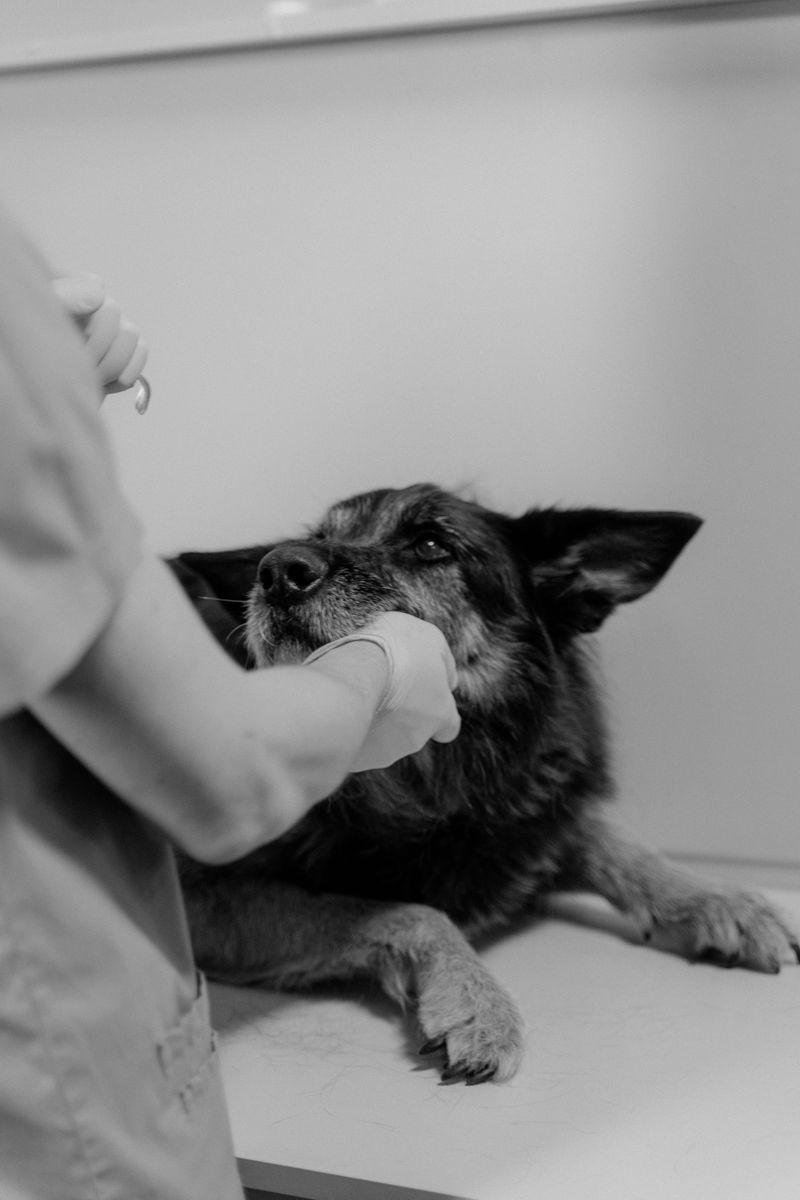
Ticks thrive in Adirondack brush and tall grass. Run your hands through your dog’s coat after every hike, paying attention to ears, neck, armpits, and between toes.
Fine tipped tweezers remove one safely, grasping close to the skin and pulling steadily.
Ask your veterinarian about a preventive product suited to your dog before tick season ramps up in spring.
Keep Your Dog Controlled Around Black Bears and Other Wildlife
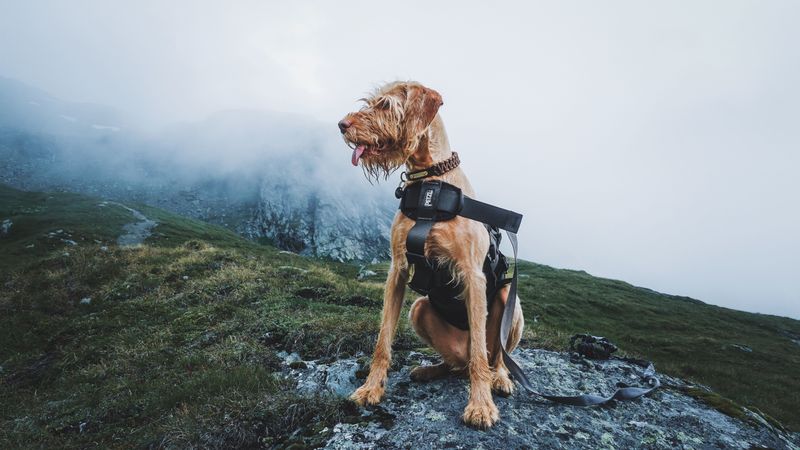
Black bears live throughout these mountains, and most want nothing to do with you. A leashed dog generally discourages a close encounter rather than inviting one.
Food, not dogs, is what usually draws a bear’s interest.
Holding the leash also stops your dog from chasing deer, porcupines, or nesting birds. Never feed, approach, or reach toward any wild animal.
Never Leave Pet Food Accessible to Wildlife
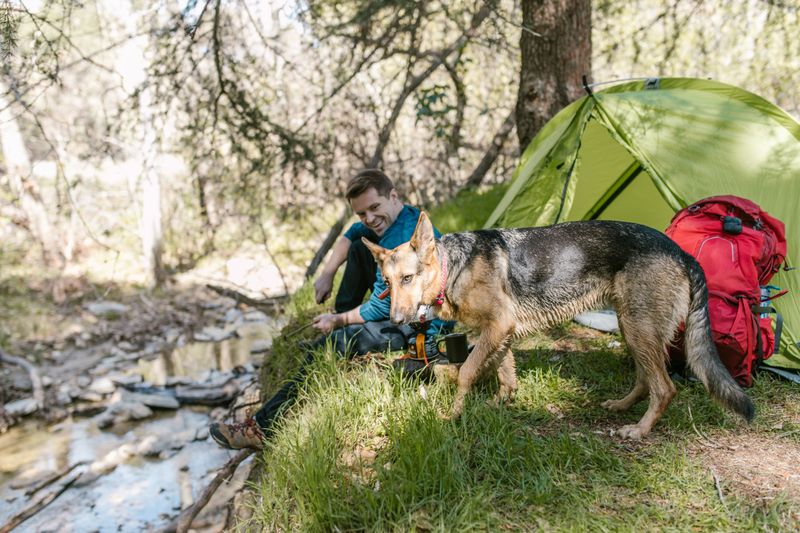
A forgotten bowl of kibble at a campsite is an open invitation. Chipmunks find it first, then raccoons, and sometimes a bear follows the scent.
Feed your dog, then pick up and stow everything right away.
Treat pet food exactly like your own supplies: sealed, contained, and stored away from sleeping areas. Habituated animals lose their natural wariness, which helps nobody.
Use a Bear-Resistant Canister Where Required When Camping Overnight
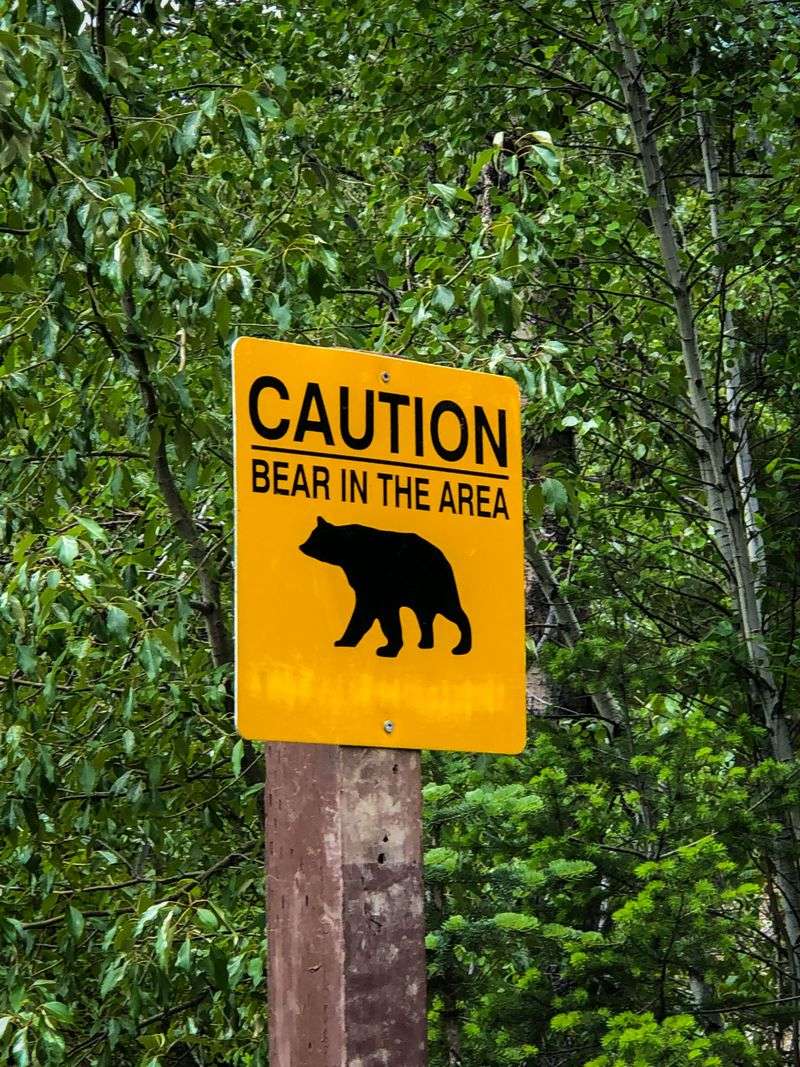
Overnight campers in the Eastern High Peaks Wilderness must use bear resistant canisters from April 1 through November 30.
The rule covers all food, food garbage, toiletries, and scented items, and yes, dog food counts.
Store the canister at least 100 feet from tents, lean-tos, and cooking spots. DEC recommends canisters across the wider backcountry too, even where they are not required.
Pack Out or Properly Dispose of Dog Waste
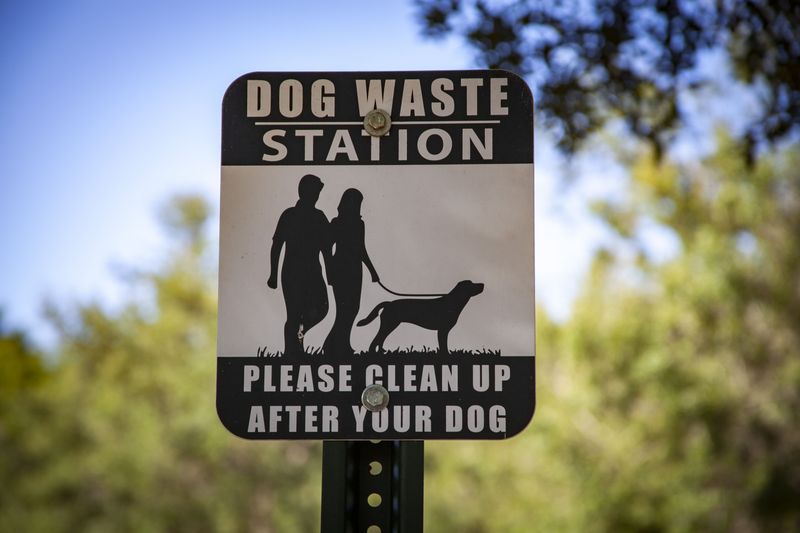
Dog waste is not woodland fertilizer, despite the common belief. A pet diet introduces bacteria and nutrients that native soil communities cannot absorb.
Bag it, carry it out, and drop it in a proper trash receptacle.
On overnight trips, bury waste six to eight inches deep, at least 200 feet from water, campsites, and trails. Never stash a bag beside the trail.
Keep Dogs Away from Backcountry Drinking-Water Sources
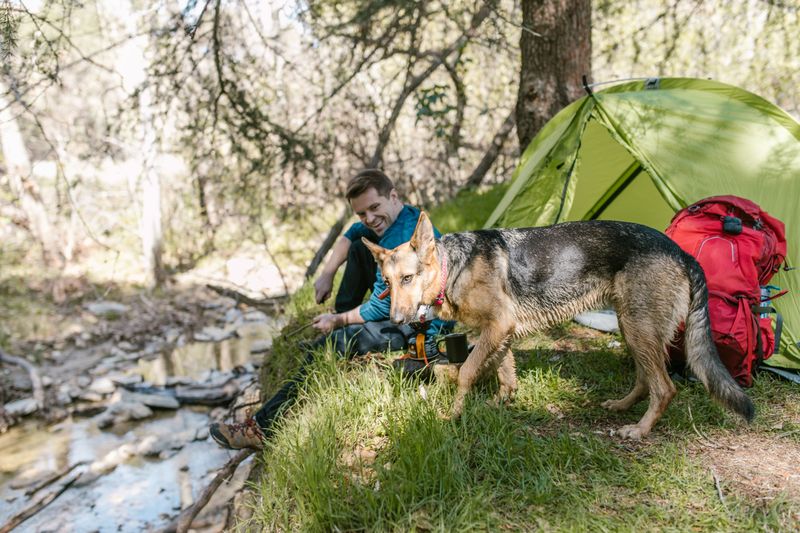
That clear stream is someone’s drinking supply once it goes through a filter. Keeping your dog out of it protects everyone downstream.
Waste and paws can carry pathogens that affect people and wildlife alike.
Water your dog from a bowl a good distance back from the bank, and pick swimming spots well away from where hikers collect and treat water.
Avoid Strenuous Hikes During Extreme Heat
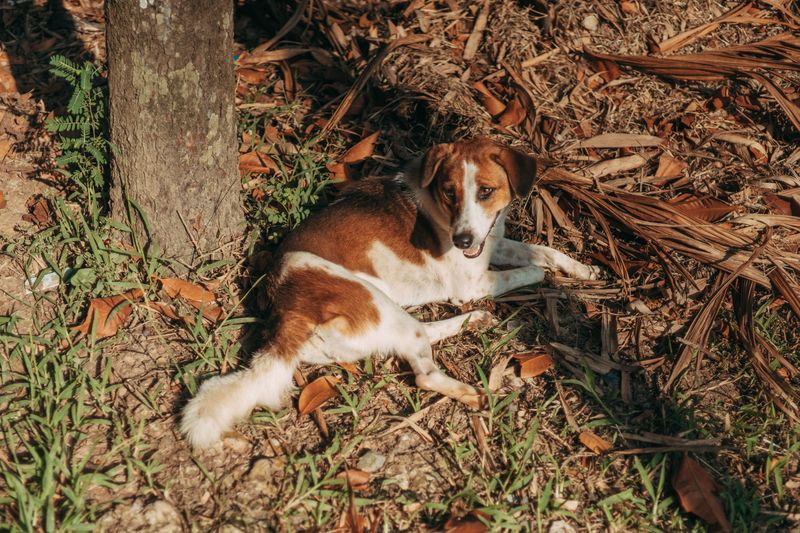
Panting is a dog’s main cooling system, and humid Adirondack air makes it less effective. Save big climbs for cooler mornings or shadier routes.
Watch for heavy panting, thick drool, bright red gums, or a dog falling behind. Stop in the shade and offer water right away.
Winter deserves respect too. Thin coated breeds struggle in frigid temperatures and deep snow.
Use Extra Caution During Hunting and Trapping Seasons
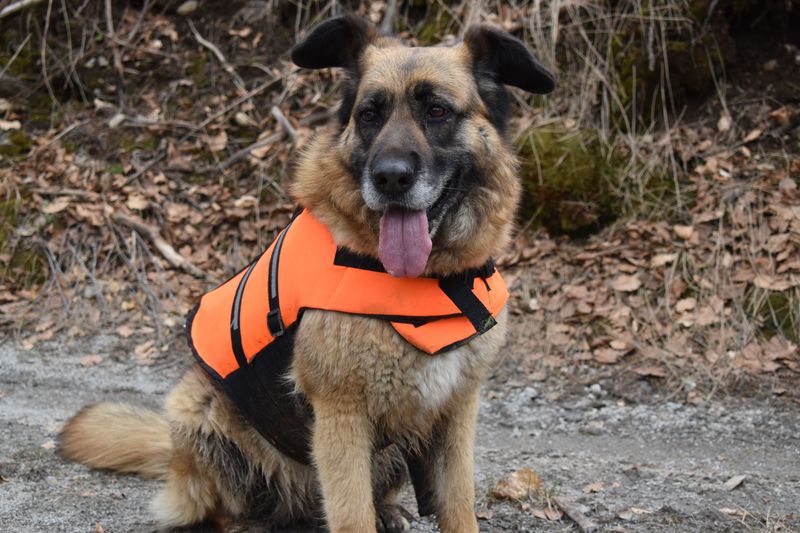
Autumn brings hunters into the same woods you love. Visibility becomes your best tool during hunting and trapping seasons.
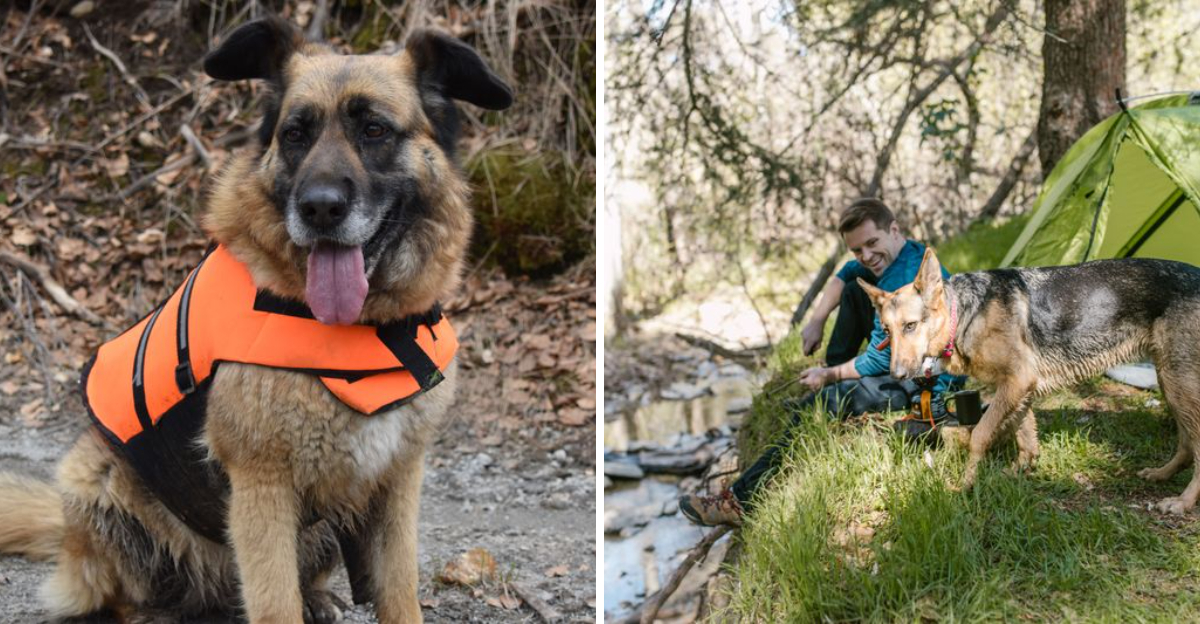
Put your dog in blaze orange, a vest or bandana works, and wear bright colors yourself.
Keep the leash short and your dog close, since roaming off trail raises risk. Season dates are posted by DEC, so look them up before you go.
Do Not Give an Inexperienced Dog a Heavy Backpack
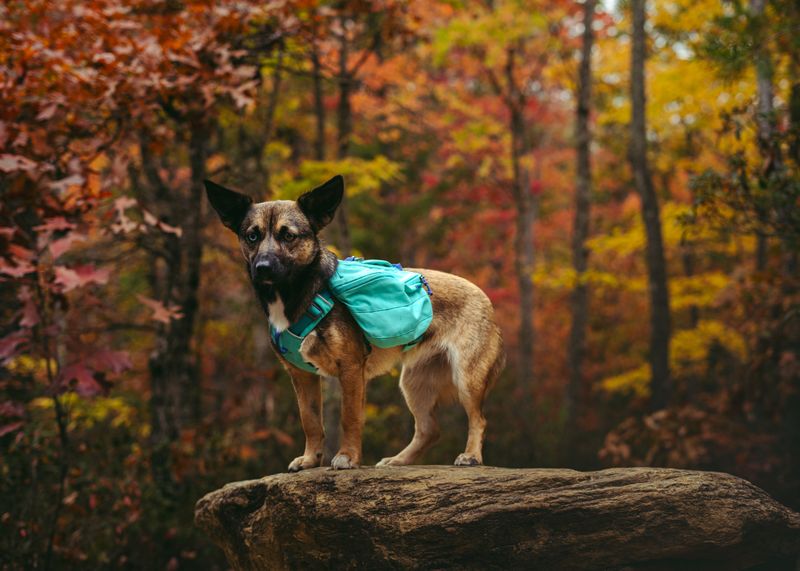
Dog packs look practical, and they are, once a dog has built up to them. A first outing under a loaded pack is asking for a strain.
Roughly 25 percent of body weight is the usual ceiling for a young, healthy dog.
Begin with an empty pack around the neighborhood, then add small amounts gradually. Watch the fit closely to avoid rubbing.
Check Current Adirondack Trail Conditions Before Hiking
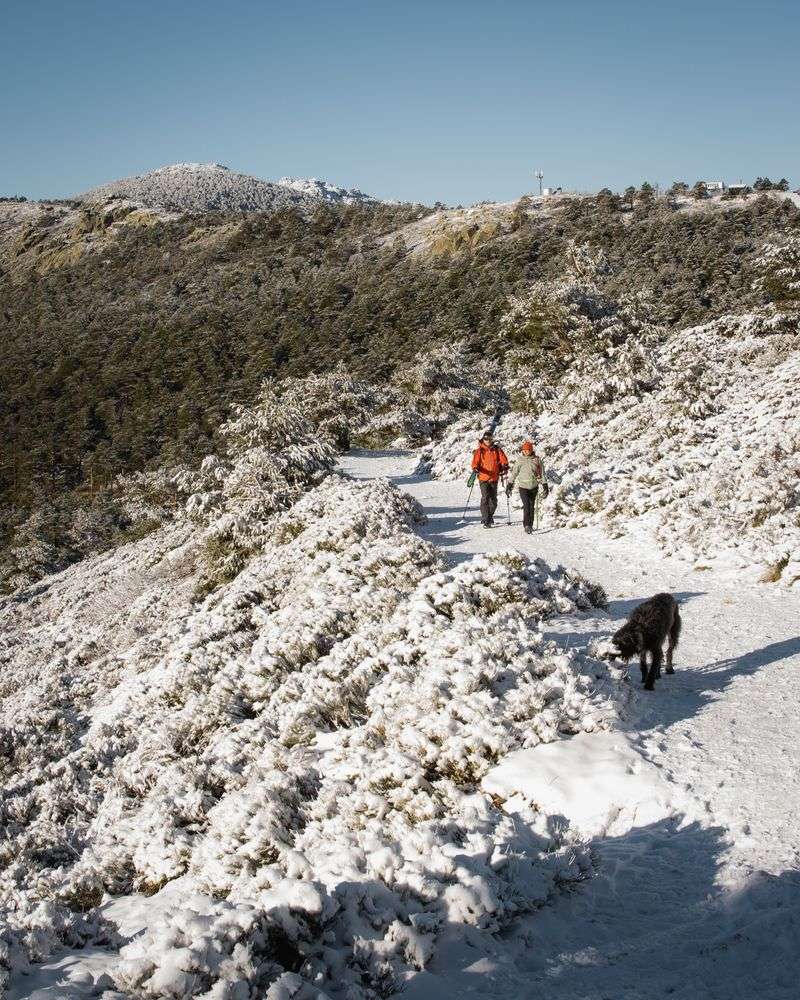
Weather in these mountains changes on its own schedule. A quick check of the forecast and current conditions saves plenty of trouble.
Ice, lingering snow, high water, and washed out crossings all turn tricky with a dog along.
DEC posts advisories for each wilderness area, and the Adirondack Mountain Club shares reports through its High Peaks Information Center. A calm, prepared start makes the whole hike better.