What South Carolina Dog Owners Should Know About Heat, Humidity, Storms, And Coastal Wildlife

Living in South Carolina with a dog means learning the rhythm of the place. Summers arrive heavy and humid, storms roll in fast, and marshes hum with wildlife just past the backyard fence.
None of that has to feel overwhelming. With a little local know-how, you can keep walks comfortable, beach days safe, and storm season manageable.
Think of this as friendly advice from someone who has watched plenty of Lowcountry afternoons turn from sunny to soaked in minutes.
South Carolina Heat Can Overwhelm Dogs Faster Than You Think
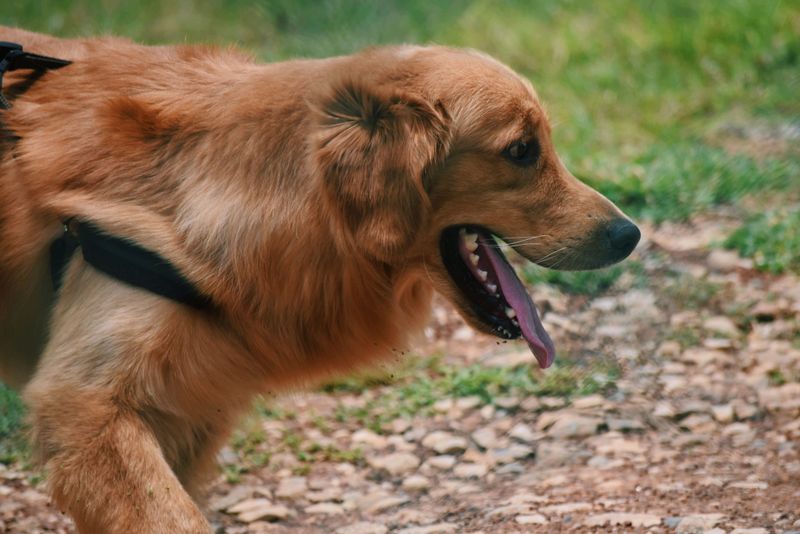
Dogs cool themselves mostly by panting, which works poorly when the air is already hot. A summer afternoon here can push temperatures into the nineties by noon.
Short-nosed breeds, seniors, puppies, and heavy-coated dogs struggle soonest. Watch for slowing down, heavy panting, or seeking shade repeatedly.
Shift walks to early morning or after sunset. Keep grassy, shaded routes in mind.
When in doubt, choose a shorter loop and finish indoors with water.
High Humidity Makes Summer Walks More Dangerous
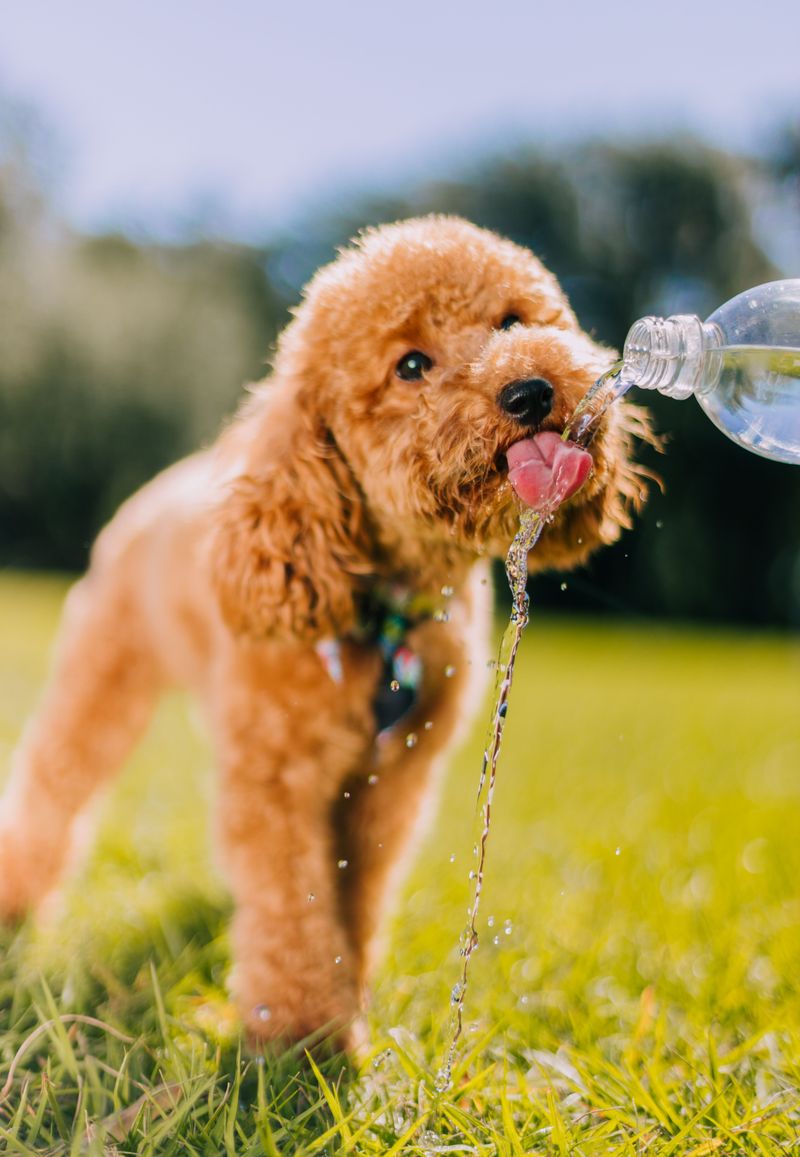
Humidity is the quiet part of the equation. When moisture in the air is high, panting cools a dog far less effectively.
That means an eighty-five degree day with sticky air can feel harder on your pet than a drier ninety-degree day elsewhere.
Check the heat index, not just the temperature, before heading out. Bring water even on short trips.
If your own shirt sticks after five minutes, your dog is working harder than you realize.
Never Leave Your Dog In A Parked Car
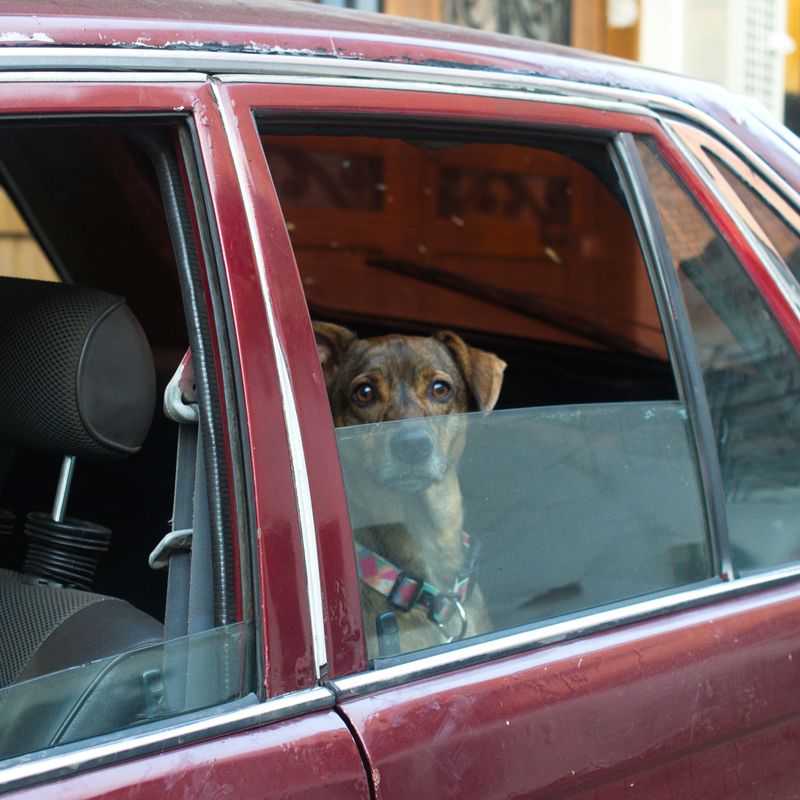
Cars turn into ovens quickly, even with windows cracked and even on mild spring days. Interior temperatures can climb dramatically within ten minutes.
South Carolina law addresses animals left in vehicles, and rules on who may intervene vary. Confirm current details with local animal control if you are unsure.
The simplest fix is planning. Leave your dog home for errands, or bring a second person who can wait outside with the car running and cool.
Hot Pavement Can Burn Your Dog’s Paw Pads
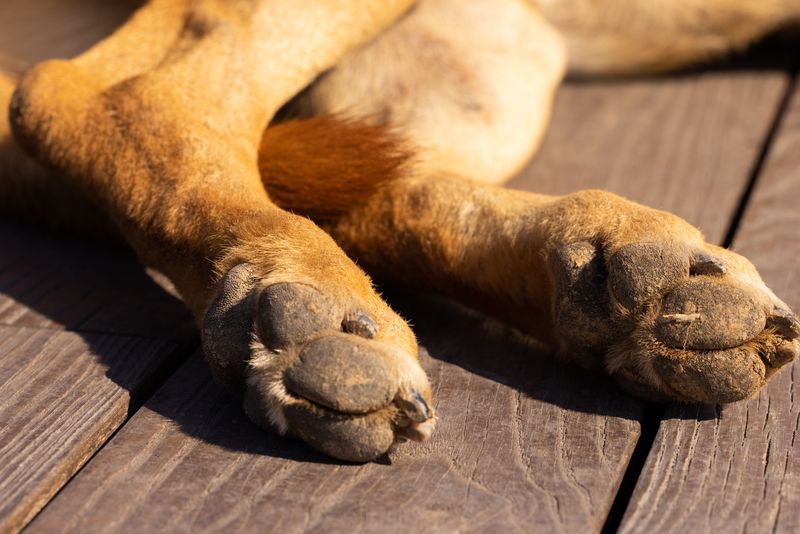
Asphalt soaks up sun all day and holds that heat well past dinnertime. Sidewalks, boardwalks, and metal boat ramps do the same.
Try the seven-second test: press the back of your hand to the surface. If you cannot hold it comfortably, your dog should not walk there.
Grass, packed dirt, and shaded paths are kinder options. Booties help some dogs, though many need practice indoors first before they accept them happily.
Know The Warning Signs Of Heatstroke In Dogs
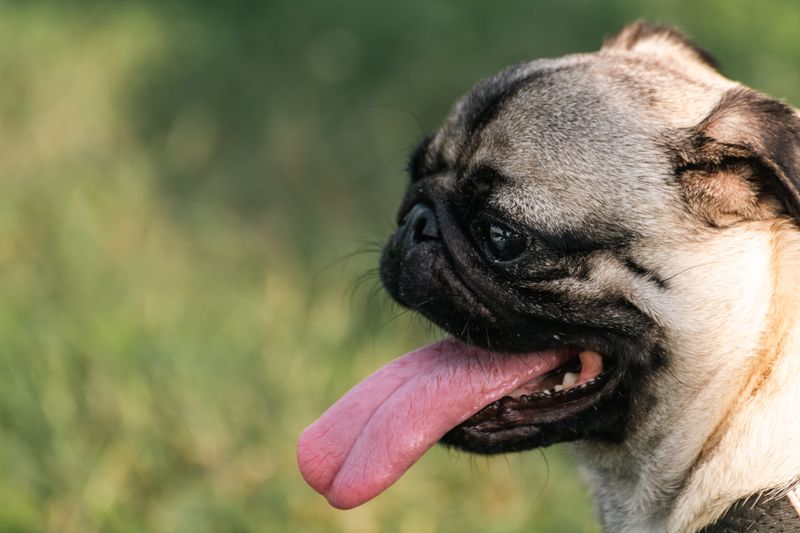
Early clues include frantic panting, thick drool, bright red gums, wobbly steps, and confusion. Vomiting or unwillingness to stand signals urgency.
Move your dog into shade or air conditioning right away. Offer small sips of cool water.
Wet the belly, paws, and ears with cool, not icy, water.
Then call your veterinarian, even if your dog seems to bounce back. Internal effects are not always visible, and a quick exam brings peace of mind.
Afternoon Thunderstorms Can Arrive With Little Warning

Summer thunderstorms can develop quickly, particularly during the afternoon. Keep an eye on local forecasts and radar before heading out with your dog.
Radar apps with lightning alerts are genuinely useful. Glance before any long walk, beach trip, or park visit.
Keep outings shorter during storm season, and know where you would shelter along your route. Getting caught in a downpour is unpleasant.
Getting caught with lightning nearby is worth avoiding entirely.
Keep Dogs Calm And Secure During Severe Storms

Thunder anxiety is common, and a frightened dog may bolt through a door or fence. Storm days see more lost pets than most people expect.
Set up a cozy interior spot away from windows. White noise, a favorite blanket, and calm company help more than fussing does.
Snug wraps and pressure shirts work for some dogs. If panic is severe, ask your veterinarian about options.
Keep collars, tags, and microchip records current year round.
Floodwater Can Hide Serious Dangers For Dogs
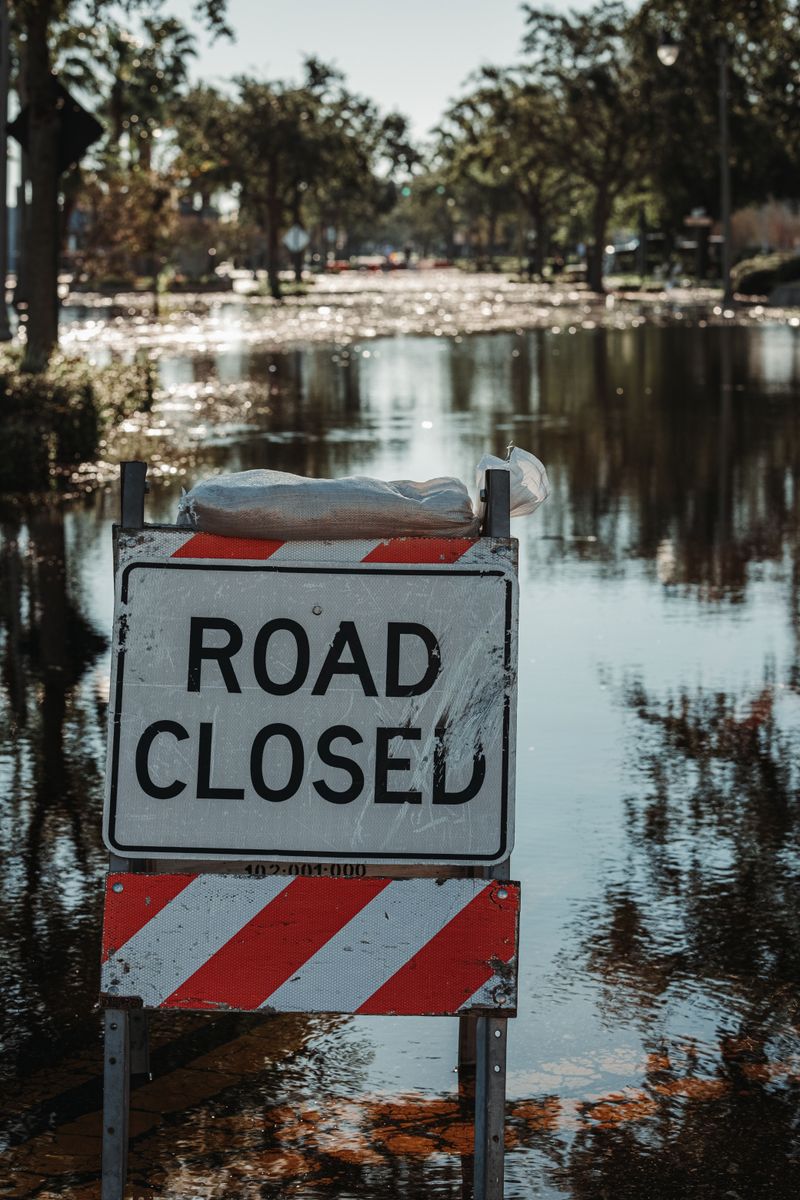
Standing water after heavy rain rarely stays clean. Runoff can carry fuel, fertilizer, sewage, and bacteria that upset a dog’s stomach.
Depth is deceiving too. Storm drains, dropped branches, and sharp debris hide beneath a muddy surface.
Steer clear of puddles and swollen ditches on walks, and rinse paws when you get home. Always bring your own water bottle so your dog has no reason to drink from the street.
Lightning And Downed Power Lines Create Extra Risks
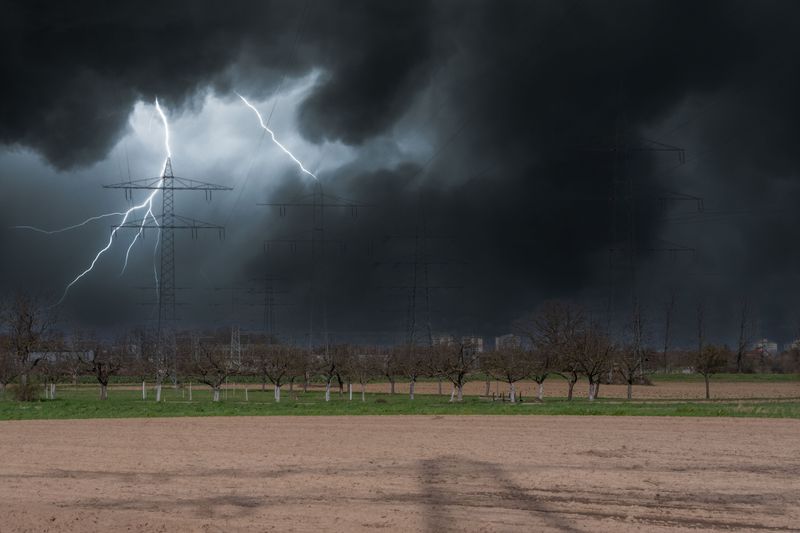
After a storm passes, the yard can still hold hazards. Fallen lines may look harmless yet remain energized, and wet ground spreads that current.
Give any drooping or downed wire a wide berth, and report it to the utility company promptly.
Walk your fence line before letting your dog out again. Branches, nails, and blown-in debris are common.
A two-minute check saves an unexpected trip to the clinic.
Hurricanes Require A Dog-Specific Emergency Plan
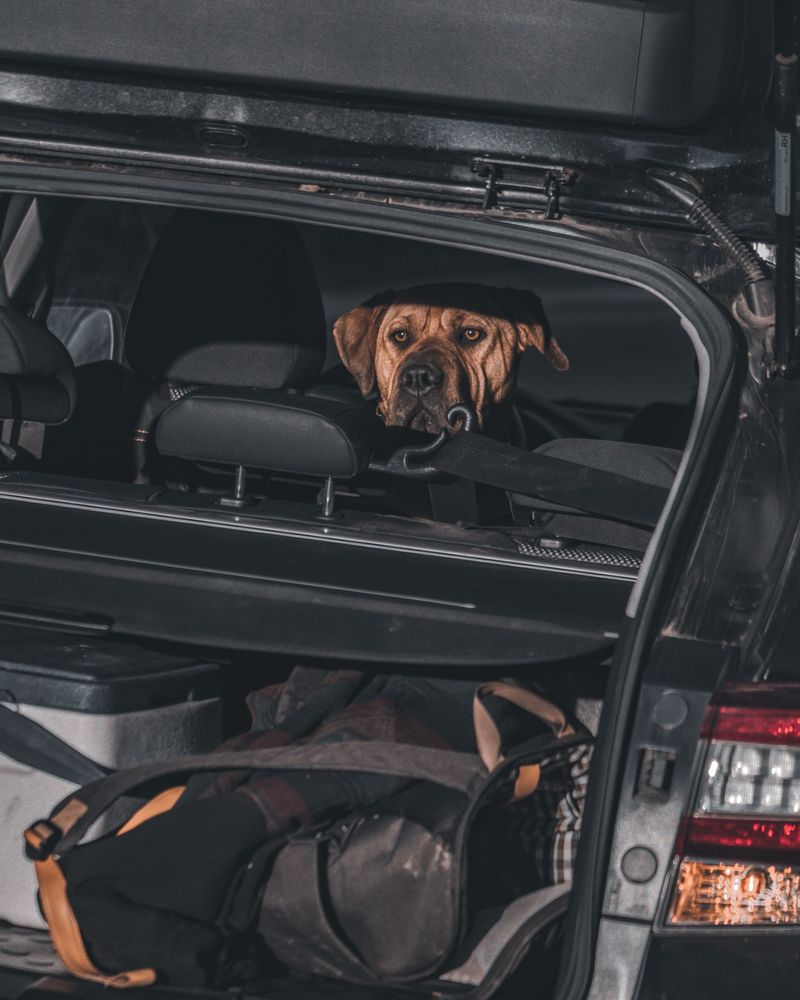
Coastal counties issue evacuation orders with limited notice. Sorting out pet logistics mid-scramble is stressful for everyone.
Build a go-bag now: two weeks of food, medications, bowls, leash, crate, vaccination records, and clear photos of your dog.
Research pet-friendly hotels and shelters along your evacuation zone route, since not every shelter accepts animals. County emergency management offices publish current lists.
Confirm details each season, because policies do change.
South Carolina’s Coastal Wildlife Deserves Extra Caution

Marshes, tidal creeks, and maritime forests are packed with life. Your dog notices all of it, usually before you do.
Most encounters end fine when a leash is involved. Trouble starts when a curious nose gets ahead of its owner.
Keep your dog close near water edges and dense grass. Wildlife here is protected in many cases, so giving animals room is both a safety habit and good stewardship.
Alligators Can Pose A Serious Threat Near Water
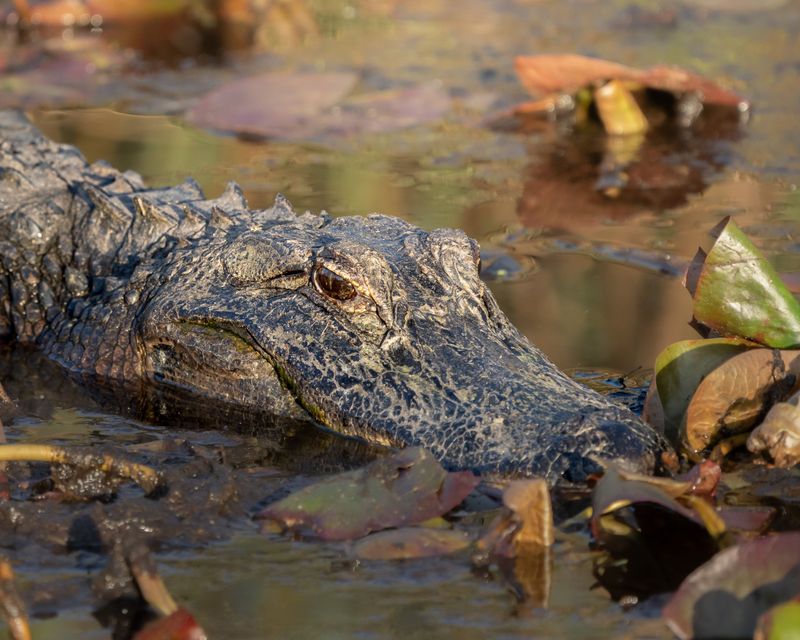
Ponds, lagoons, and golf course water features across the Lowcountry often host alligators. They rest quietly and can be easy to overlook.
Wildlife officials advise keeping pets well back from any freshwater or brackish edge, especially in warmer months and around dawn and dusk.
Never let a dog swim in unfamiliar ponds. Feeding alligators is illegal in South Carolina and makes them bolder.
Report concerns to the state wildlife agency rather than approaching.
Snakes Are A Risk On Trails And Around Coastal Areas

Copperheads, cottonmouths, and rattlesnakes all live in this state, along with many harmless species. Most simply want to be left alone.
Stay on cleared paths, avoid tall grass and brush piles, and keep your leash short in wooded or marshy spots.
If your dog is bitten, skip home remedies and head straight to a veterinarian. Snap a photo from a safe distance if you can, since identification helps treatment decisions.
Turtles And Other Wildlife Should Never Be Chased Or Handled

Sea turtle nests dot local beaches from spring through fall, marked with stakes and tape. Disturbing them carries legal consequences under state and federal protections.
Shorebirds nest right on the sand too, and a running dog can scatter a whole colony.
Give marked areas a generous detour, and redirect your dog before curiosity takes over. Watching wildlife from a distance is the respectful move, and it keeps everyone out of trouble.
Jellyfish And Other Beach Hazards Can Hurt Curious Dogs
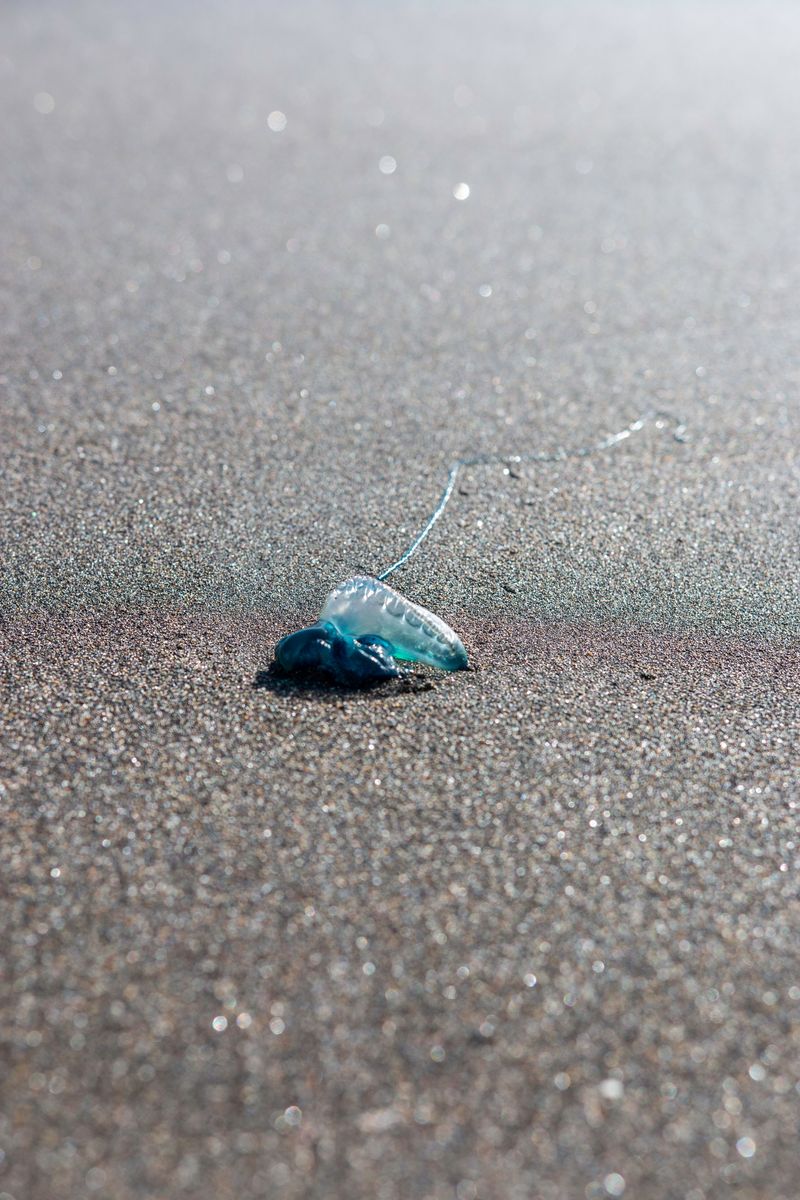
Stranded jellyfish still sting, even hours after washing ashore. Cannonball jellies are common here, and Portuguese man o’ war occasionally appear.
Noses and paws are the usual targets. Signs include pawing at the face, swelling, or sudden yelping.
Rinse with saltwater rather than fresh, avoid rubbing the area, and call your veterinarian. Also watch for fish hooks, broken shells, and sharp debris buried in the sand.
Fleas, Ticks, And Mosquitoes Thrive In South Carolina’s Climate
Mild winters mean parasites here rarely take a break. Fleas persist, ticks stay active, and mosquitoes carry heartworm nearly year round.
Veterinarians in this region typically recommend twelve months of prevention rather than seasonal dosing. Ask yours which product suits your dog’s size and lifestyle.
Run your hands over ears, armpits, and toes after marsh or woods walks. Keep yard grass trimmed and dump standing water from buckets and plant saucers.
Carry Fresh Water And Know When To Head Home
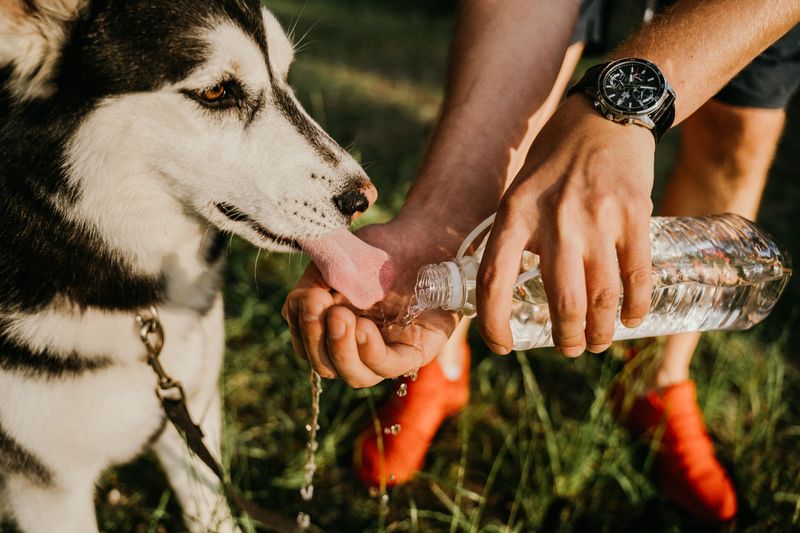
A collapsible bowl and a chilled bottle weigh almost nothing and change everything. Offer water every fifteen minutes on warm outings.
Cooling vests, damp bandanas, and shaded rest breaks stretch comfort further. A quick belly rinse cools faster than pouring water over the back.
Above all, trust your eyes. Lagging, heavy panting, or lying down means the adventure is over.
Head home early, and you will both enjoy tomorrow’s walk more.