15 Hunting-Season Precautions For Dogs On Tennessee Public Lands
A walk with your dog can still be a peaceful part of hunting season in Tennessee. You just need a little more information before you head out.
Public lands have different rules, and conditions can change from one trip to the next. These practical steps will help you choose a good route, keep your dog close, and share the outdoors respectfully.
1. Know When Hunting Seasons Are Open
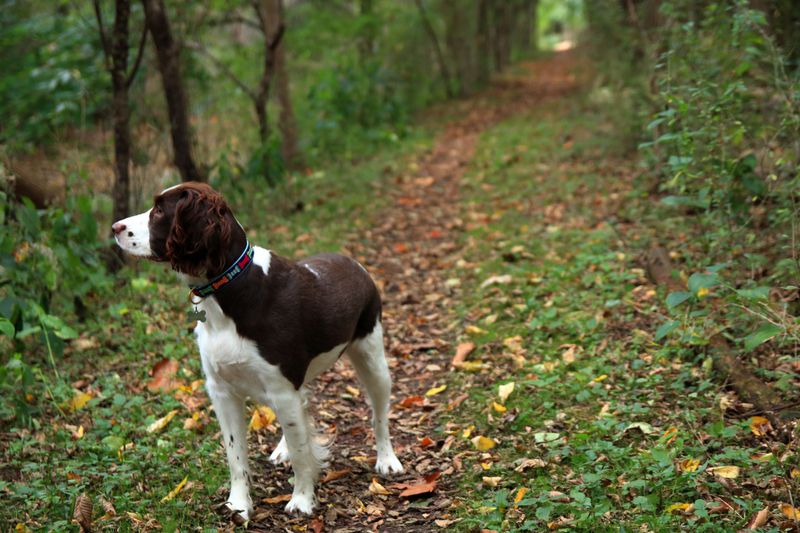
A quiet trail can look the same during an open hunting season. Check Tennessee Wildlife Resources Agency season dates before choosing a public-land walk.
Dates differ by species, hunting method, and area, so a general calendar may not tell the whole story.
Look up the specific wildlife management area or other property you plan to visit. If you cannot confirm its current schedule, choose another trail.
A few minutes of planning can make the outing easier for everyone.
2. Keep Your Dog On A Short Leash
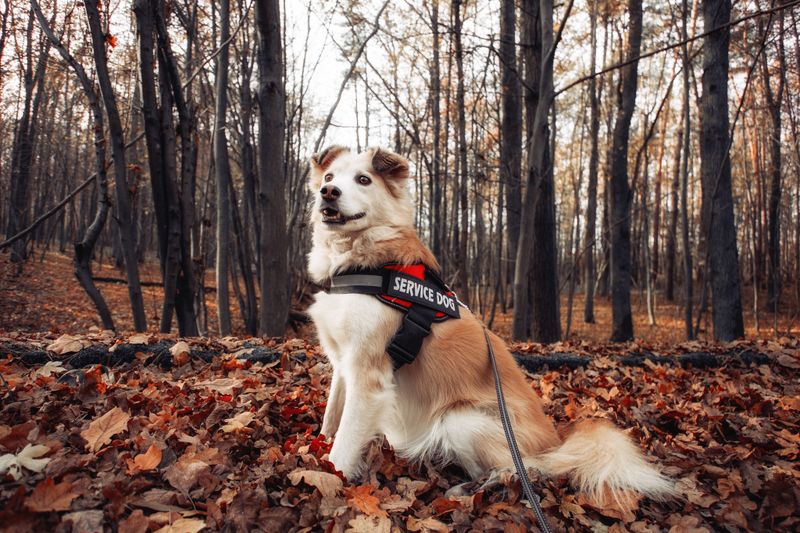
One interesting scent can pull a dog farther away than you expect. A short leash helps you guide your dog around people, wildlife, and tight corners.
It also makes it easier to stop before crossing a road or entering a busy clearing.
Leash rules depend on the property, so check posted signs and current regulations. Even where more freedom is allowed, keeping your dog close during hunting activity is the safer, more considerate choice.
3. Choose Bright, Visible Gear
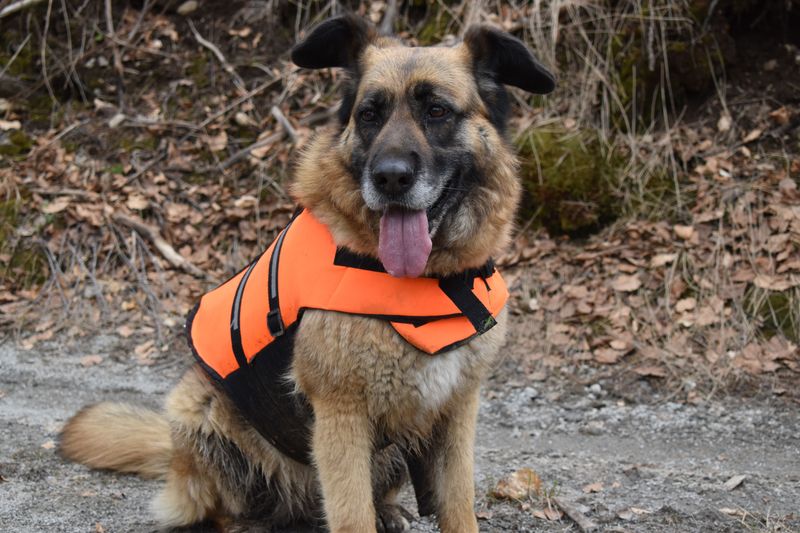
Brown leaves and deep shade can make a dog hard to spot. A bright vest, harness, or bandana can make your dog easier for other visitors to notice.
Choose gear that fits well and does not snag easily on brush.
Wear visible clothing yourself, and keep your dog nearby. Bright colors improve visibility, but they do not replace a leash or careful route choice.
Check property rules for any clothing requirements that apply to your visit.
4. Avoid Areas With Active Hunting Activity
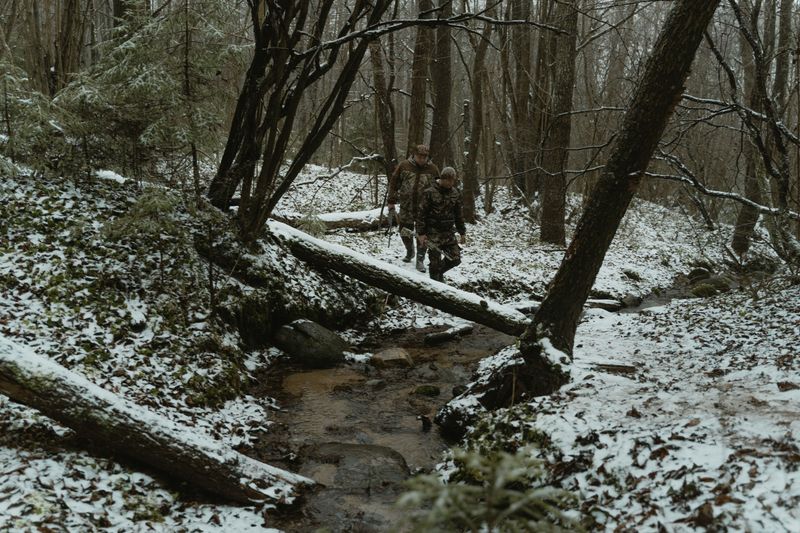
Sometimes the best trail choice happens at the trailhead. If signs, posted notices, or activity nearby suggest hunting is underway, consider another route.
Give parked vehicles and groups preparing to enter the woods plenty of space.
Do not assume every part of a large property has the same access or schedule. Follow closures and designated routes.
When you are unsure where to walk, ask the managing agency rather than guessing from an empty-looking path.
5. Make Noise While Moving Through Dense Woods
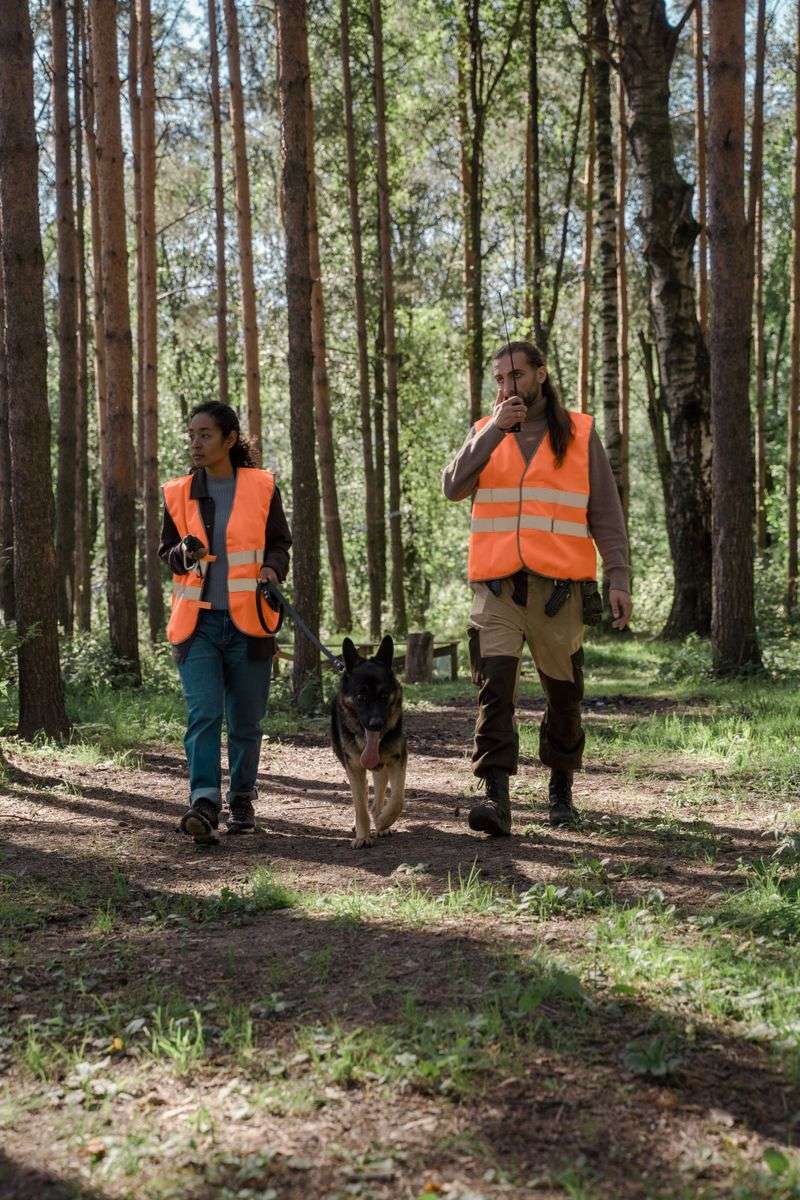
Thick brush can hide people until they are quite close. Speak to your dog in a normal voice as you walk through it.
Your footsteps and conversation may help nearby visitors recognize that someone is approaching.
Skip loud music, which can cover sounds you need to hear. Keep your dog beside you, especially where sightlines are short.
If you notice activity ahead, pause and choose a route that leaves everyone comfortable space.
6. Stay On Established Trails When Possible
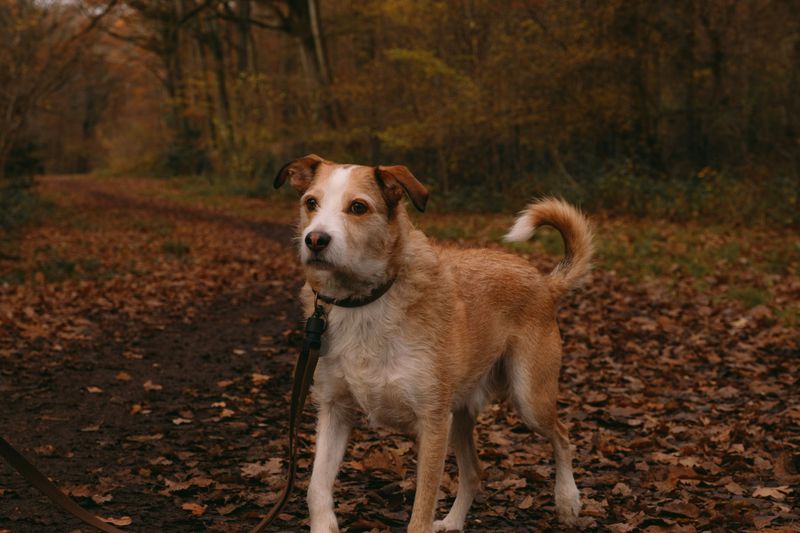
A marked path takes much of the guesswork out of a woodland walk. Established trails are easier to follow and help you avoid wandering into unfamiliar areas.
They also make it simpler to describe your location if you need help.
Some public lands restrict where visitors may travel, so read signs before setting off. Stay out of closed areas and resist tempting shortcuts.
Your dog can still enjoy plenty of scents without exploring every patch of brush.
7. Do Not Let Your Dog Chase Wildlife
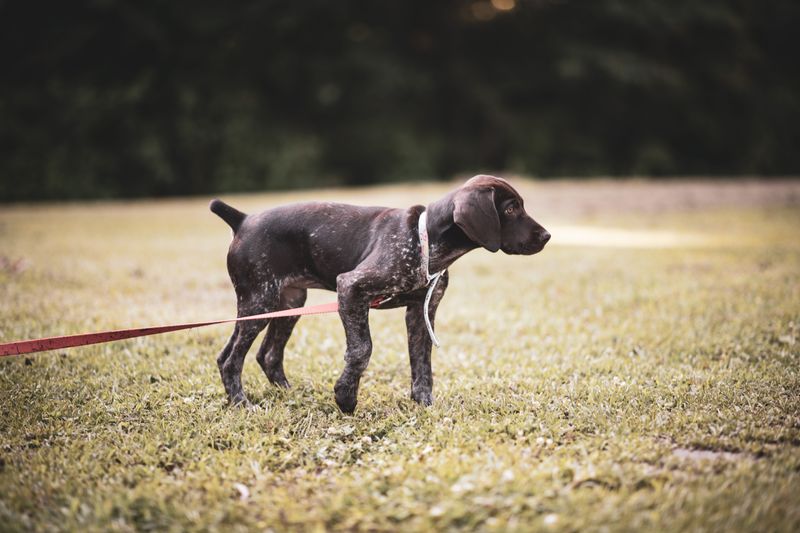
A deer crossing the path can turn a calm walk into a sudden pull. Hold the leash securely and redirect your dog before it starts following wildlife.
Practice a simple cue at home, then reward your dog for returning attention to you.
Chasing can take dogs far from familiar trails and disturb animals. Wildlife-related dog rules can vary by property and season.
Check the rules for your destination, and keep your dog under control throughout the visit.
8. Check Your Dog’s Identification Before Leaving
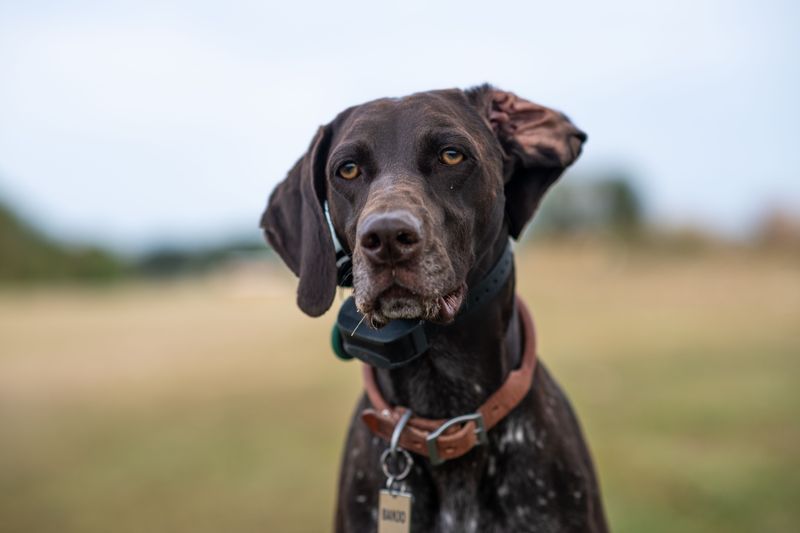
Before the car door closes, take a quick look at your dog’s collar. Make sure the tag is readable and lists a phone number you currently use.
Check that the collar fits securely without being too tight.
If your dog has a microchip, keep its registration details updated. Identification helps someone contact you if your dog slips away, but it is not a substitute for supervision.
Save a recent photo on your phone as another useful precaution.
9. Carry Water For Longer Public-Land Walks
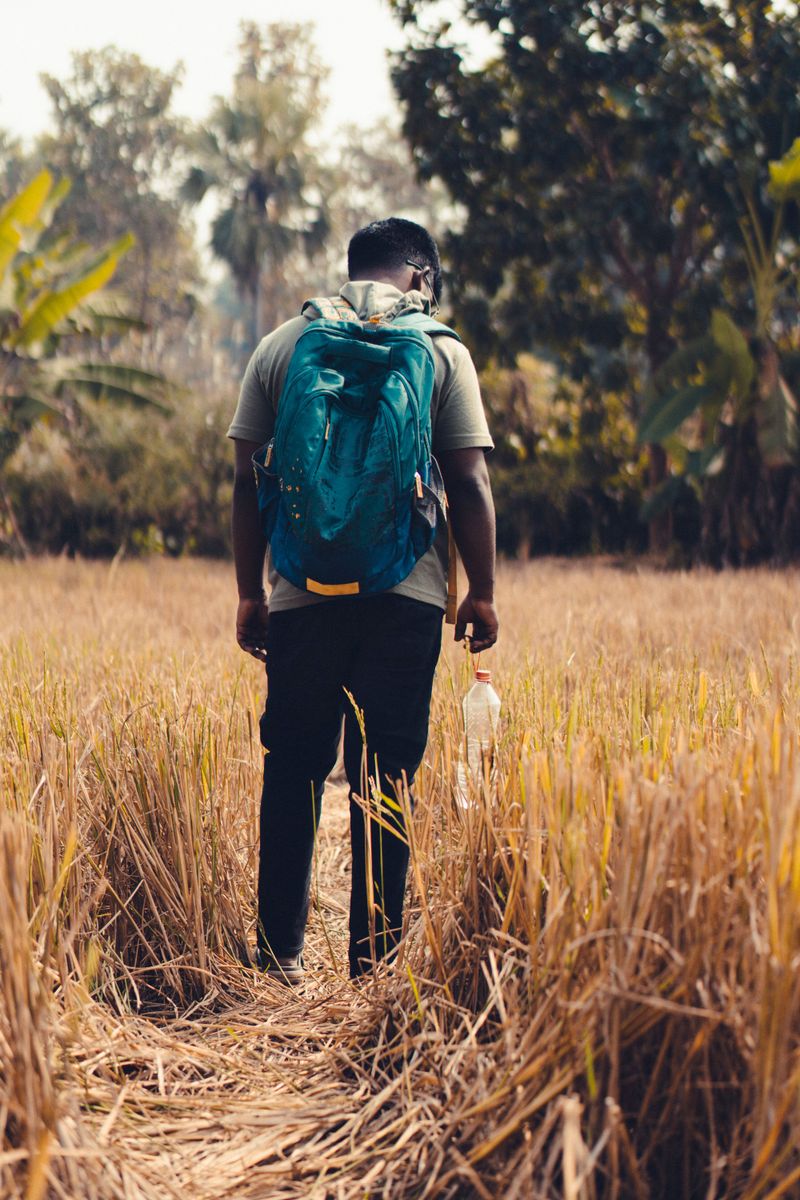
Cool autumn air can make a long walk feel easier than it is. Pack water for both you and your dog, plus a small bowl.
Offer breaks before your dog seems tired, especially on steep routes or warmer afternoons.
Do not count on streams being available or suitable for drinking. Carry enough water for the planned route and a little extra if travel takes longer.
A shorter loop is always a sensible choice when supplies run low.
10. Watch For Hunting Dogs And Other Working Dogs
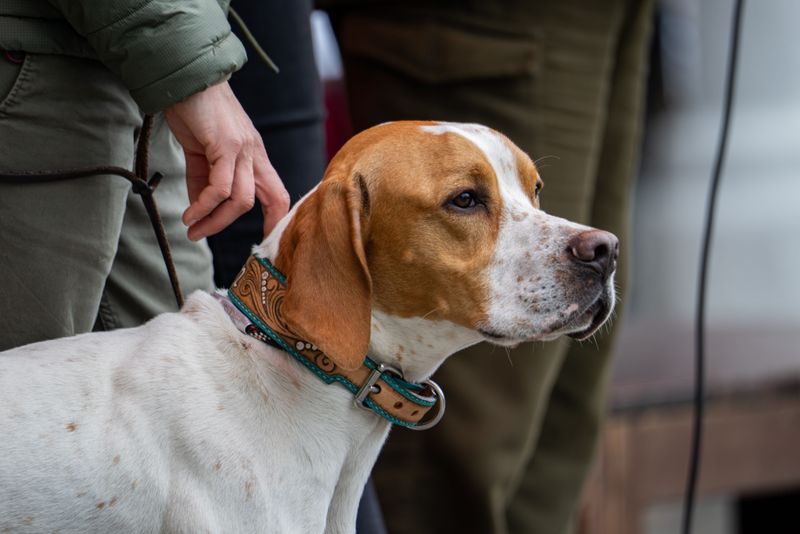
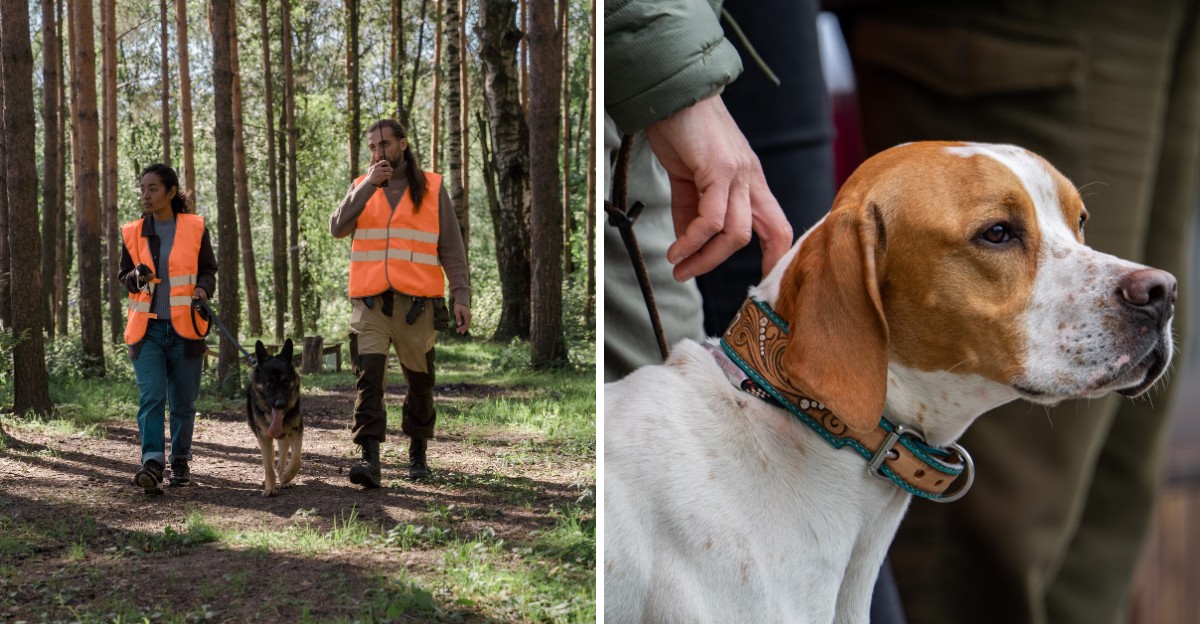
Another dog on the trail may be focused on hunting or another task, not a greeting. Hold your dog close and allow working dogs and their handlers room to pass.
Avoid calling unfamiliar dogs over, feeding them, or trying to redirect their work.
If a loose dog approaches, stay calm and create distance when possible. Contact the relevant land manager or local animal control if a dog appears lost or needs assistance.
Follow their guidance rather than taking unnecessary risks.
11. Give Hunters Plenty Of Room
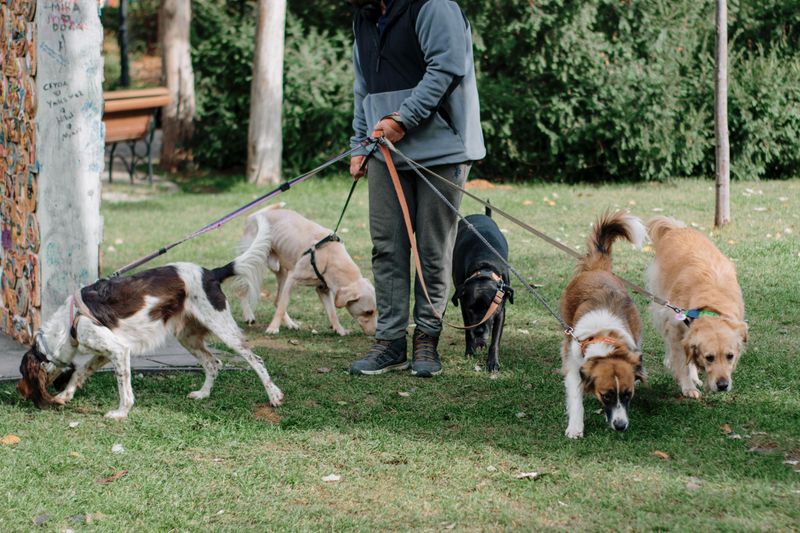
Sharing a trail works better when nobody has to squeeze past. If you see hunters ahead, stop at a comfortable distance and keep your dog beside you.
A brief greeting can help everyone decide how to pass safely.
Never walk through someone’s setup or approach equipment for a closer look. Take another marked route if one is available.
Respectful distance protects your dog’s space while letting other visitors continue their planned activities without interruption.
12. Carry A Reliable Leash And Backup
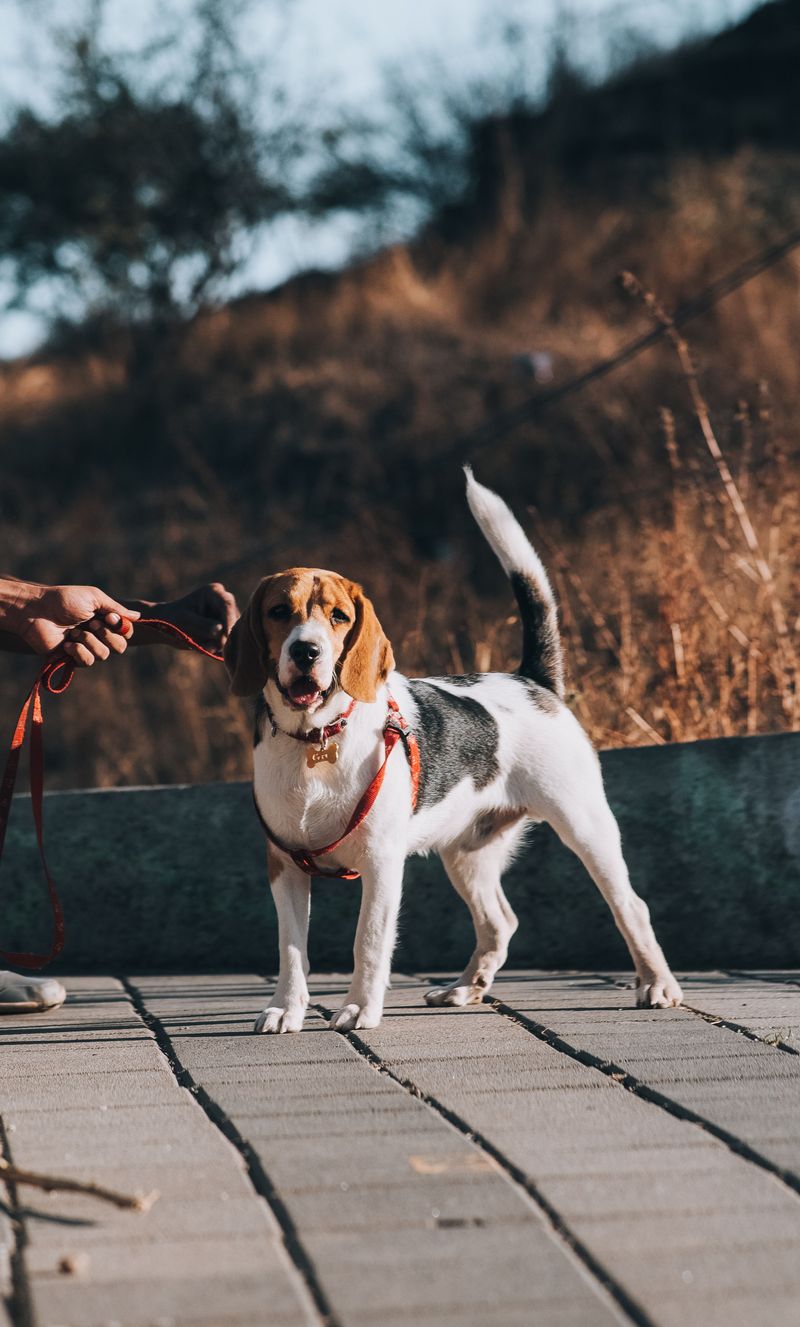
A worn clip is easy to overlook until you need it. Check your leash, clasp, and harness before each outing.
Replace frayed parts instead of hoping they will last one more walk.
A spare leash takes little room in a day pack. It helps if your main leash breaks or another owner needs assistance.
Choose equipment you can handle comfortably, and avoid long lines where brush or other visitors could catch them.
13. Check Weather And Trail Conditions
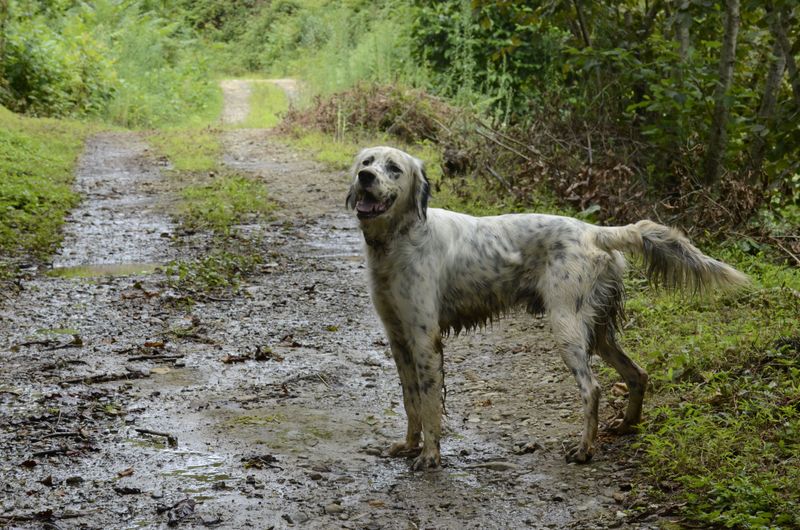
A sunny forecast does not guarantee an easy trail. Check recent weather, daylight hours, and any posted condition updates before driving out.
Rain can leave slippery ground, while fallen branches may block familiar paths.
Bring suitable shoes and adjust your route for your dog’s age and fitness. Turn back if footing becomes difficult or visibility fades.
Conditions can change quickly, so tell someone your planned route and expected return time before a longer walk.
14. Know Where You Are Before An Emergency Happens
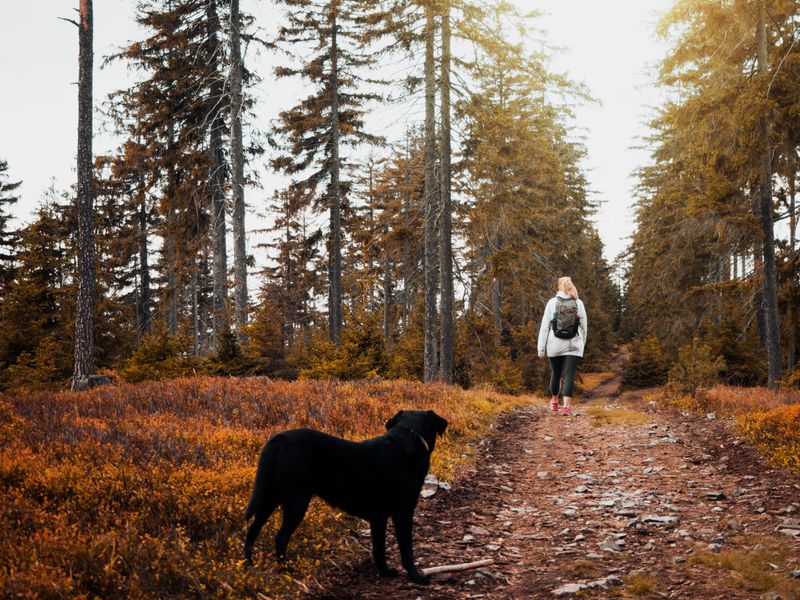
Trail names are easier to remember when you are not in a hurry. Save an offline map, note your parking location, and watch for junction markers as you walk.
Phone service may be uneven in remote parts of Tennessee.
Tell a trusted person where you are going and when you expect to return. If you need assistance, your location and nearest access point will help responders find you.
Keep your phone charged, but carry a map when appropriate.
15. Keep Your Dog Away From Hunting Equipment
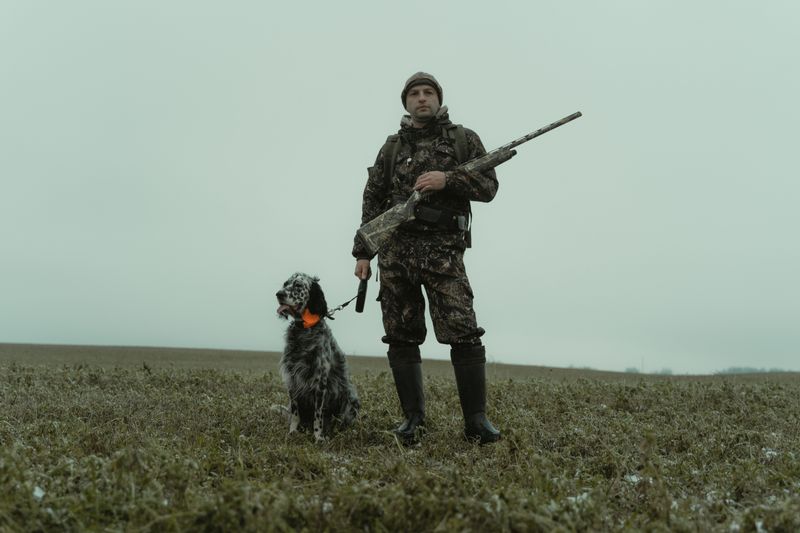
Dogs investigate with their noses, even when an object should be left alone. Guide yours away from stands, blinds, decoys, and other equipment you encounter.
Do not touch, move, or let your dog sniff unfamiliar gear.
Keep walking on the permitted route and give anyone using the area plenty of space. If equipment appears to block a trail or create a hazard, note its location and contact the appropriate land manager if necessary.
Report concerns to the land manager instead of handling the item yourself.